

Czechia
While the Czech Republic faces challenges in early diagnosis and care coverage, it distinguishes itself through robust research infrastructure, genetic and biomarker exploration, and a progressive shift toward general practitioner-led early detection. The Czech Brain Aging Study research network, collaborative academic-clinical models, and emerging dementia-friendly care environments mark it as a regional leader in translational dementia science.

AD Rating
Diagnostic Pathway
Specialized Care
Caregiver Support
National Policies
Access to ATT-s
Highlights

Population
Median age
Health expenditure (% of GDP)
Diagnosis
Diagnosis
Show moreHistorically hindered by diagnostic delays averaging seven years, dementia care in Czechia is shifting towards earlier detection through primary care reforms and the National Action Plan (NAPAD 2020–2030). Patients access care without a compulsory single entry point, consulting general practitioners (GPs), neurologists, or geriatricians.
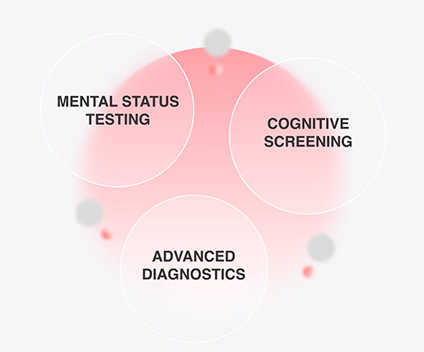
Diagnostic evaluation comprises clinical assessments, cognitive screening (such as the Mini-Cog and MMSE), laboratory tests, and standard neuroimaging via CT or MRI. Specialised academic centres in Prague and Brno conduct advanced diagnostics, including amyloid PET scans, CSF biomarkers, and genetic research, though these are not routine.
Mandatory public health insurance covers all standard, medically indicated examinations, including biennial GP screening for individuals aged 65–80. However, regional disparities create unequal access; specialist wait times range from six weeks for cognitive consultations to three months for MRI scans. Furthermore, informal caregiving remains the largest economic burden.
Diagnosis pathway
In Czechia, dementia is historically recognised late, with diagnosis often delayed by over seven years. To address this, recent reforms empower general practitioners to lead early detection, supported by the National Action Plan for Alzheimer’s Disease (2020–2030) to standardise care pathways.
Patients can enter the healthcare system through various specialists or general practitioners. Initial evaluations involve medical history, caregiver insights, neurological examinations, blood tests, and brief cognitive screening. Standard neuroimaging like CT or MRI is routine, whereas advanced diagnostics, such as PET scans and cerebrospinal fluid analysis, remain limited to specialised research centres in Prague and Brno.
Following diagnosis, patients should receive pharmacological and social-care support, though coordination is more robust in major cities than in rural regions.
Czech physicians’ sensitivity to early dementia is very low, and many patients are diagnosed several years after first memory complaints (mean delay ~7.1 years). Over half of patients had no prior outpatient care for memory impairment before hospital admission. Under Czech primary care reform and the Health 2030 strategy, GPs now take on responsibilities in early dementia detection (from 2020 onward).
In Czechia, people with suspected dementia may first consult a general practitioner, neurologist, psychiatrist, geriatrician or specialist cognitive clinic, because the system does not require one compulsory entry point. Assessment usually begins after the patient or relatives report progressive memory loss, disorientation, language difficulties, behavioural changes or declining ability to manage everyday activities. The National Action Plan for Alzheimer’s Disease and Similar Diseases 2020–2030 (NAPAD) aims to standardize this process and clarify the responsibilities of primary-care doctors and specialists within a coordinated, multilevel dementia-care network.
The initial evaluation normally includes a detailed medical history, information from a relative or caregiver, medication review, neurological and psychiatric examination, assessment of daily functioning and brief cognitive testing. Patients may then undergo laboratory investigations to exclude reversible or contributing causes such as thyroid dysfunction, vitamin deficiencies, metabolic disorders, infection or depression. Research from Czech clinical practice has historically identified late recognition as a problem, which explains the current policy emphasis on earlier cognitive assessment and stronger primary-care involvement.
The Memory Clinic at Motol University Hospital (Prague) and the International Clinical Research Center at St. Anne’s University Hospital (Brno) are prominent examples, as part of the Czech Brain Ageing Study (CBAS) network. MRI and CT scans are routinely performed under the public system to exclude other causes of cognitive decline. More advanced diagnostics such as PET scans or CSF biomarker analysis are conducted within specialized research-linked memory clinics, like those in Prague and Brno, but are not yet part of routine public care.
The final diagnosis is based on the combined evidence from clinical history, cognitive and functional decline, physical and neurological examination, laboratory findings and neuroimaging.After diagnosis, the patient should be offered pharmacological and non-pharmacological treatment, follow-up, information about prognosis and safety, and referral to social-care and caregiver-support services. However, actual coordination and access remain stronger in Prague and other university cities than in some smaller or rural regions.
- https://eurohealthobservatory.who.int/monitors/health-systems-monitor/countries-hspm/hspm/hspm-czechia-2023/provision-of-services/primary-care?utm
- https://mzd.gov.cz/wp-content/uploads/2024/10/NAPAD-2020-2030_FINAL_final-cs-en-R-C.pdf
- https://pmc.ncbi.nlm.nih.gov/articles/PMC4441897
- https://journals.sagepub.com/doi/full/10.3233/JAD-240660
- https://mzd.gov.cz/wp-content/uploads/2024/10/NAPAD-2020-2030_FINAL_final-cs-en-R-C.pdf
Wait times
National data on actual Alzheimer’s disease diagnostic waiting times is not available.
No national registry routinely reports dementia-specific waiting times in the Czech Republic, and waiting periods vary considerably depending on the region, specialty and healthcare provider. The National Action Plan for Alzheimer’s Disease and Similar Diseases 2020–2030 (NAPAD) identifies timely diagnosis as a national priority and aims to improve access through standardized diagnostic pathways, stronger primary-care involvement and better coordination between health and social care. Although no official national maximum waiting time exists for dementia assessment, published hospital data illustrate the variation in access. At large hospitals like Motol University Hospital in Prague, the “cognitive centre” outpatient wait time is typically around 6 weeks from referral. MRI and CT waiting times at Motol Hospital are generally estimated at 1–3 months. OECD health profiles similarly identify regional workforce inequalities as an ongoing challenge affecting timely access to specialist care, while earlier Czech studies have highlighted delayed recognition of dementia as a continuing reason for strengthening early cognitive assessment in primary care.
Diagnosis cost
In the Czech Republic, dementia diagnosis is predominantly financed through the mandatory public health insurance system, ensuring that patients face no direct costs for medically indicated assessments by contracted providers. Coverage encompasses specialist consultations with neurologists, geriatricians, or psychiatrists, alongside laboratory investigations, neuropsychological testing, and CT or MRI scans. Furthermore, statutory insurance fully reimburses routine biennial cognitive screenings – using the Mini-Cog and Mini-Mental State Examination – conducted by general practitioners for individuals aged 65 to 80 during preventive check-ups.
Out-of-pocket expenses arise primarily when individuals opt for private healthcare providers or seek expedited access outside the state network; for instance, private MRI scans typically cost between CZK 4,500 and 7,500 (€180–300). Nevertheless, indirect expenses represent the most significant economic challenge, with informal caregiving, travel, and lost working hours by family members substantially exceeding direct medical expenditure.
Dementia diagnosis in the Czech Republic is largely covered by the mandatory public health insurance system, meaning that most patients do not pay directly for medically indicated diagnostic investigations performed by contracted healthcare providers. Once cognitive impairment is suspected by a general practitioner or specialist, consultations with neurologists, psychiatrists or geriatricians, cognitive assessments, laboratory investigations, CT and MRI scans, and other clinically indicated examinations are reimbursed through public health insurance. The Czech General Health Insurance Company (VZP) states that all examinations indicated by a general practitioner or specialist are covered by public health insurance, provided they are performed by a contracted healthcare provider.
The Czech public health insurance covers a screening examination for early detection of dementia, performed by general practitioners for patients aged 65–80 during preventive check-ups every two years. This includes the Mini‑Cog test, and if applicable, a follow-up MMSE cognitive test performed by the GP or nurse. All these are fully reimbursed under statutory health insurance. All diagnostic evaluations indicated by a GP or specialist, such as specialist consultations (neurology, geriatrics, psychiatry), neuropsychological testing, MRI and CT scans, and basic laboratory testing are eligible for reimbursement if provided by a healthcare provider contracted with the patient’s health insurer.
Patients may incur out-of-pocket costs if they choose private providers, request faster access outside the public system or undergo examinations that are not covered by health insurance. For example, self-paying MRI examinations at private facilities typically cost around CZK 4,500–7,500 (€180–300) depending on the type of examination and use of contrast media.
Although the diagnostic pathway itself is largely financed through public insurance, indirect costs, including transportation, informal caregiving and time away from work for family members, may still create a financial burden. A Czech cost-of-illness study found that informal care accounted for the largest share of the overall economic burden of dementia, greatly exceeding direct medical costs and increasing as cognitive impairment progresses.
- https://www.vzp.cz/o-nas/tiskove-centrum/otazky-tydne/vysetreni-na-alzheimerovu-nemoc
- https://rm.coe.int/czech-rep-consolidated-report-code-art74-n-19-2021/1680a5117d
- https://www.nemuh.cz/doc/radiodiagnosticke-oddeleni/radiodiagnosticke-oddeleni-cenik-nadstandardnich-sluzeb
- https://pubmed.ncbi.nlm.nih.gov/27785577/
Cognitive tests
Screening often begins in GP clinics using instruments like MMSE, 7‑Minute Screen (7MST), Clock Drawing Test, or Addenbrooke’s Cognitive Examination – Revised (ACE‑R) . Czech pharmacists and the Czech Alzheimer’s Association (ČALS) also offer free public cognitive screening, particularly for those unsure about their GP evaluation. Once referred, patients undergo formal cognitive evaluation in memory clinics (e.g. the Cognitive Center at Motol Hospital in Prague, and St. Anne’s University Hospital International Clinical Research Center (FNUSA-ICRC) in Brno) as part of the Czech Brain Ageing Study (CBAS).
Imaging tests
MRI is routinely used in memory clinics such as in Motol University Hospital in Prague and St. Anne’s FNUSA‑ICRC in Brno (Czech Brain Aging Study), with standardized protocols assessing medial temporal lobe atrophy and white matter changes using medial temporal lobe atrophy (MTA) and Fazekas scoring systems for white‑matter lesions visual examples of hippocampal and parietal atrophy patterns differential imaging features distinguishing Alzheimer’s, vascular, and frontotemporal dementias.
CT is also widely available and used mainly when MRI is contraindicated or to rule out vascular lesions and tumors in routine dementia workups. FDG‑PET scans, combined with MRI (PET/MRI hybrid), are available at select Czech centers (e.g. Plzeň, Prague, Brno). These scans evaluate cerebral glucose metabolism, helping differentiate AD from other dementias.
Amyloid PET using tracers like flutemetamol or florbetaben (e.g. Neuraceq) is available in specialist settings in Czechia. These scans visualize β‑amyloid deposits and are used primarily in research or selected diagnostic cases at academic centres.
- https://icrcis.fnusa.cz/cs/icrc-web-iframe/ns/06101102
- https://cesradiol.cz/en/artkey/rad-201504-0001_pet-mri-in-the-neurodegenerative-disorders-with-cognitive-impairment.php
- https://journals.sagepub.com/doi/full/10.3233/JAD-240660
- https://cesradiol.cz/en/artkey/rad-201504-0001_pet-mri-in-the-neurodegenerative-disorders-with-cognitive-impairment.php
Genetic tests
Within the Czech Brain Ageing Study (CBAS), participants undergo genotyping at baseline, including APOE, TOMM40, BDNF, and several other genes linked to dementia (e.g. Presenilin 1 and 2 (PSEN1/2), Microtubule‑Associated Protein Tau (MAPT), Progranulin (GRN)). This enables research into genetic risk factors and progression, but is not part of routine clinical diagnostics.
Genetic testing with clinical relevance (especially germline or inherited mutations with serious implications) must be indicated by a clinical geneticist, typically in the context of family risk of hereditary diseases or early-onset cases. Alzheimer’s predictive testing is generally not clinically indicated or funded by public insurance.
Some Czech companies (e.g. Elisabeth Pharmacon) offer commercially available predictive genetic tests for Alzheimer’s based on genes like APOE and lifestyle-based risk models. They advertise ~80% prediction accuracy by combining genotype and questionnaire data. These are private services, not recognized as diagnostic tests in medical guidelines, and operate outside public healthcare coverage.
Biomarker tests
In the Czech Brain Ageing Study (CBAS), based in memory clinics at Motol and FNUSA‑ICRC, a subset of participants undergoes CSF biomarker testing (Aβ42, total tau, phospho‑tau). This is reserved for research or diagnostic clarification in specialized cases. Recent Czech research from Motol University Hospital explores new markers like neurogranin in CSF as a biomarker, reflecting advanced local biomarker research capacity.
Cognitive Tests
Cognitive Tests
Screening often begins in GP clinics using instruments like MMSE, 7‑Minute Screen (7MST), Clock Drawing Test, or Addenbrooke’s Cognitive Examination – Revised (ACE‑R) . Czech pharmacists and the Czech Alzheimer’s Association (ČALS) also offer free public cognitive screening, particularly for those unsure about their GP evaluation. Once referred, patients undergo formal cognitive evaluation in memory clinics (e.g. the Cognitive Center at Motol Hospital in Prague, and St. Anne’s University Hospital International Clinical Research Center (FNUSA-ICRC) in Brno) as part of the Czech Brain Ageing Study (CBAS).
Imaging Tests
Imaging Tests
MRI is routinely used in memory clinics such as in Motol University Hospital in Prague and St. Anne’s FNUSA‑ICRC in Brno (Czech Brain Aging Study), with standardized protocols assessing medial temporal lobe atrophy and white matter changes using medial temporal lobe atrophy (MTA) and Fazekas scoring systems for white‑matter lesions visual examples of hippocampal and parietal atrophy patterns differential imaging features distinguishing Alzheimer’s, vascular, and frontotemporal dementias.
CT is also widely available and used mainly when MRI is contraindicated or to rule out vascular lesions and tumors in routine dementia workups. FDG‑PET scans, combined with MRI (PET/MRI hybrid), are available at select Czech centers (e.g. Plzeň, Prague, Brno). These scans evaluate cerebral glucose metabolism, helping differentiate AD from other dementias.
Amyloid PET using tracers like flutemetamol or florbetaben (e.g. Neuraceq) is available in specialist settings in Czechia. These scans visualize β‑amyloid deposits and are used primarily in research or selected diagnostic cases at academic centres.
- https://icrcis.fnusa.cz/cs/icrc-web-iframe/ns/06101102
- https://cesradiol.cz/en/artkey/rad-201504-0001_pet-mri-in-the-neurodegenerative-disorders-with-cognitive-impairment.php
- https://journals.sagepub.com/doi/full/10.3233/JAD-240660
- https://cesradiol.cz/en/artkey/rad-201504-0001_pet-mri-in-the-neurodegenerative-disorders-with-cognitive-impairment.php
Genetic Tests
Genetic Tests
Within the Czech Brain Ageing Study (CBAS), participants undergo genotyping at baseline, including APOE, TOMM40, BDNF, and several other genes linked to dementia (e.g. Presenilin 1 and 2 (PSEN1/2), Microtubule‑Associated Protein Tau (MAPT), Progranulin (GRN)). This enables research into genetic risk factors and progression, but is not part of routine clinical diagnostics.
Genetic testing with clinical relevance (especially germline or inherited mutations with serious implications) must be indicated by a clinical geneticist, typically in the context of family risk of hereditary diseases or early-onset cases. Alzheimer’s predictive testing is generally not clinically indicated or funded by public insurance.
Some Czech companies (e.g. Elisabeth Pharmacon) offer commercially available predictive genetic tests for Alzheimer’s based on genes like APOE and lifestyle-based risk models. They advertise ~80% prediction accuracy by combining genotype and questionnaire data. These are private services, not recognized as diagnostic tests in medical guidelines, and operate outside public healthcare coverage.
- https://icrcis.fnusa.cz/cs/icrc-web-iframe/ns/06101102
- https://cesradiol.cz/en/artkey/rad-201504-0001_pet-mri-in-the-neurodegenerative-disorders-with-cognitive-impairment.php
- https://journals.sagepub.com/doi/full/10.3233/JAD-240660
- https://cesradiol.cz/en/artkey/rad-201504-0001_pet-mri-in-the-neurodegenerative-disorders-with-cognitive-impairment.php
Biomarker Tests
Biomarker Tests
In the Czech Brain Ageing Study (CBAS), based in memory clinics at Motol and FNUSA‑ICRC, a subset of participants undergoes CSF biomarker testing (Aβ42, total tau, phospho‑tau). This is reserved for research or diagnostic clarification in specialized cases. Recent Czech research from Motol University Hospital explores new markers like neurogranin in CSF as a biomarker, reflecting advanced local biomarker research capacity.
Treatment & Care
Treatment & care
Show moreDementia care in the Czech Republic integrates specialised academic hubs—notably Prague’s Motol University Hospital and Brno’s St Anne’s ICRC—with extensive residential networks like Alzheimer Home and Alzheimer Centrum. Mandatory public health insurance funds standard medical care and symptomatic pharmaceuticals (donepezil, rivastigmine, galantamine, and memantine), subject to defined MMSE thresholds and periodic evaluations, though minor co-payments may apply.
Informal caregiving constitutes the primary economic burden, far exceeding direct medical expenses; total monthly costs average roughly €1,970, escalating as functional dependence worsens. To mitigate these pressures, the state provides a Care Allowance (Příspěvek na péči) and post-hospitalisation caregiver benefits, although families still encounter out-of-pocket costs for private and residential services. Non-governmental organisations, prominently the Czech Alzheimer Society (ČALS) and Diakonie, deliver essential community support through free legal counselling, peer self-help groups, accredited caregiver training, and respite programmes.
Specialized facilities and services
Specialised academic dementia diagnostics and research in Czechia are anchored by two primary centres within the Czech Brain Ageing Study: the Cognitive Centre at Motol University Hospital in Prague and the International Clinical Research Centre at St Anne’s University Hospital in Brno. Both institutions deliver advanced memory evaluations, neuroimaging (MRI and PET scans), cerebrospinal fluid biomarker analysis, and clinical trial participation.
Complementing these diagnostic hubs, tailored long-term residential and day-care support is provided by dedicated facility networks, including Alzheimer Home and Alzheimer Centrum across several regions. Facilities such as those in Zlosyň and Zlín offer round-the-clock specialised staffing and therapeutic programmes, incorporating memory activation, reminiscence therapy, and community integration. Additionally, the Czech Alzheimer Society supports public outreach by organising mobile counselling centres during Memory Week in major cities, delivering diagnostic screening, consultations, and referral guidance.
Among academic memory clinics and research centers is the Cognitive Center at Motol University Hospital in Prague, which is part of the Czech Brain Ageing Study (CBAS),and is one of two national dementia-specialized memory clinics. It provides diagnostic evaluations, longitudinal follow-up, neuroimaging, CSF biomarker analysis, and genetic research. The other is the International Clinical Research Center (ICRC) at St. Anne’s University Hospital in Brno which is the other primary CBAS site offering cutting-edge clinical research, memory diagnostics, neuropsychological testing, MRI and PET scanning, and participation in clinical trials.
Several dedicated residential facilities provide long‑term, tailored care including Alzheimer Home and Alzheimer Centrum facilities in regions: Česká Lípa, Sychrov, Pardubice, Jihlava, Ostrov, Nepomuk, and others throughout Central and Eastern Czechia. These centers specialize in dementia-specific staffing, environments, and programming. Alzheimer Centrum Zlosyň near Prague offers 24/7 specialized care for people with Alzheimer’s and other dementias. Alzheimer Home Zlín is a dedicated day-care offering also residential programs aligned with validated therapeutic methods including memory activation, reminiscence therapy, music, canisterapy and community integration.
The Czech Alzheimer Society (ČALS) organizes mobile counselling centers during Memory Week in major cities (Prague, Hradec Králové, České Budějovice), offering brief diagnostic screening, counseling, and referral guidance.
Approved medication
| Generic Name | Trade Name | Used for |
|---|---|---|
| Rivastigmine | Exelon, Exelon Patch, Prometax, Rivastach, Nimvastid | Symptomatic treatment of mild to moderately severe Alzheimer’s dementia. Symptomatic treatment of mild to moderately severe dementia in patients with idiopathic Parkinson’s disease. |
| Galantamine | Razadyne, Razadyne ER, Reminyl, Reminyl XL, Nivalin, Lycoremine, Galsya | Galantamine is indicated for the symptomatic treatment of mild to moderately severe dementia of the Alzheimer type. |
| Memantine | Namenda, Namenda XR, Ebixa, Memary, Axura, Akatinol, Maruxa, Nemdatine, Namzaric* | Treatment of adult patients with moderate to severe Alzheimer’s disease. |
*Namzaric = combination of Donepezil and Memantine
Treatment cost
In the Czech Republic, dementia treatment is largely financed by mandatory public health insurance, covering specialist consultations, hospitalisations, and medically indicated therapies from contracted providers. Approved symptomatic medications—donepezil, rivastigmine, galantamine, and memantine—are reimbursed under defined clinical criteria, though patients may incur modest co-payments. By law, contracted clinicians cannot charge extra fees for covered care.
Economic evaluations demonstrate that informal care constitutes the vast majority of dementia’s financial burden, substantially outweighing direct medical expenditure. While direct healthcare expenses average approximately €243 per month, total monthly costs reach around €1,970, escalating sharply as cognitive decline advances. Regional analyses also highlight variations, with annual total costs modelled between €2,812 and €4,773 per patient. Ultimately, escalating expenditures are driven primarily by expanding requirements for personal supervision, domestic assistance, and everyday caregiving rather than rising clinical interventions alone.

Treatment for Alzheimer’s disease and other dementias in the Czech Republic is largely financed through the mandatory public health insurance system, meaning that consultations with neurologists, psychiatrists and geriatricians, hospital care, diagnostic investigations and most medically indicated treatments are covered when provided by contracted healthcare providers. Symptomatic anti-dementia medications, including donepezil, rivastigmine, galantamine and memantine, are reimbursed under defined clinical criteria, although patients may pay modest co-payments depending on the specific medicine or formulation. The Ministry of Health states that healthcare services fully covered by public health insurance cannot be subject to additional charges by contracted providers, except for voluntary non-covered or premium services.
Some estimates claim monthly direct medical cost of dementia at around €243 per patient, with total cost (including indirect/informal care) averaging €1,970/month, rising with disease severity. Another analysis modeling two Czech regions (Karlovarský (KHK) and Vysočina (VYS)) estimated annual total costs per patient (medical and non-medical) at approximately €2,812 in KHK and €4,773 in VYS, increasing further in severe stages.
A Czech cost-of-illness study found that informal care constitutes the largest component of the overall economic burden of dementia, substantially exceeding direct medical costs. Total monthly costs increase significantly as dementia progresses, reflecting the growing need for supervision, personal care and assistance with daily activities rather than higher medical expenditures alone.4
Caregiver support
Long-term and informal caregiving represents the greatest financial strain for Czech families, far exceeding direct medical costs. To alleviate these pressures, dependent individuals can access the statutory Care Allowance (Příspěvek na péči) to fund home care, day services, or residential living, whilst family members may receive the post-hospitalisation caregiver benefit (Dlouhodobé ošetřovné). Nevertheless, households frequently encounter out-of-pocket expenses for transport, non-covered social services, and private care.
Extensive psychosocial and practical support is available through charitable organisations. The Czech Alzheimer Society (ČALS) provides free specialist counselling, bi-monthly peer self-help groups, early-stage support forums, and respite relief across regional centres. Additionally, non-governmental initiatives, including Diakonie’s Pečuj doma project and Life 90, offer subsidised seminars and accredited training programmes to equip family carers with essential stress management and home-care skills.
The greatest financial burden for most families arises not from medical treatment but from long-term care and informal caregiving. People with dementia who develop significant functional dependence may receive the Care Allowance (Příspěvek na péči), which helps finance home care, personal assistance, day-care services or residential social care depending on the level of dependency. Family caregivers may also qualify for long-term caregiver benefit (Dlouhodobé ošetřovné), which provides income support for eligible individuals caring for a dependent relative after hospitalization. Despite these supports, families often incur additional out-of-pocket costs for residential care, private home-care services, transportation and non-covered social support.
Individual counseling is available for free psychosocial, legal & dementia-related guidance by the Czech Alzheimer Society (ČALS). Consultations are offered at the Gerontological Centre in Prague and at regional contact points. ČALS also offers Peer Self-Help Groups, held bi-monthly in Prague and other regions, these small-group sessions (max ~15 participants) provide emotional support, shared experiences, expert talks, and practical caregiver skills including communication and stress management.
Support Groups for Early-Stage Dementia are designed for people in the earlier stages of cognitive impairment, this group meets regularly to provide psychosocial support, normalize experiences, and help patients maintain a sense of identity. The Czech Alzheimer Society, via its network of 24 local contact points, organizes mobile counselling centres during Memory Week (September). Caregiver-focused seminars and accredited training sessions are available through NGOs such as Diakonie’s Pečuj doma project, Life 90, and ČALS. These include practical skills for home care and understanding dementia progression. Many courses are subsidized or publicly funded. Respite support (temporary relief care) and informational materials are part of ČALS offerings to ease caregiver burden and improve care quality.
- https://portal.gov.cz/sluzby-vs/prispevek-na-peci-S500
- https://www.cssz.gov.cz/web/cz/podrobne-informace-o-dlouhodobem-osetrovnem
- https://oporadiakonie.cz/sluzba/ceska-alzheimerovska-spolecnost
- https://eurocarers.org/country-profiles/czech-republic
- https://eurohealthobservatory.who.int/monitors/health-systems-monitor/countries-hspm/section-detail/hspm-czechia-2023/provision-of-services/services-for-informal-carers
Policy
Policy
Show moreThe Czech Republic’s dementia policy centres on the National Action Plan for Alzheimer’s Disease and Similar Disorders (NAPAD 2020–2030), supported by the 2024 interdisciplinary clinical guidelines. The strategy prioritises early detection, standardised pathways, integrated health and social care, public awareness, professional training, and patients’ rights. However, implementation lacks dedicated statutory funding, relying instead on external grants.
Substantial policy and infrastructural gaps persist. Fragmented legislation governs healthcare and social services separately, complicating care continuity, whilst strict medical confidentiality rules and the absence of a national registry hinder data collection and planning. Consequently, around 90% of individuals with dementia receive no formal support, institutional capacity covers only 20–25%, and diagnostic delays average 1.6 years. Furthermore, deeply entrenched societal stigma and the misconception that cognitive decline is an inevitable consequence of normal ageing continue to delay medical assessment.
National dementia plan
In response to an ageing population and rising dementia prevalence, the Czech government adopted the National Action Plan for Alzheimer’s Disease and Similar Disorders (NAPAN) in 2021, outlining a strategic framework through 2030. Its primary objective is enabling individuals to live independently and with dignity, ideally within their home environments.
The plan centres on five strategic priorities: establishing coordinated health and social care networks with standardised clinical guidelines; enhancing dementia-specific education for both professionals and informal caregivers; advancing medical research alongside national data collection; promoting public prevention campaigns and symptom awareness; and safeguarding patients’ legal rights and dignity through instruments like advance directives.
However, despite these comprehensive ambitions, the plan lacks dedicated central government funding. Implementation therefore relies heavily on competitive grants and external financing, notably through European Economic Area (EEA) funds.
As the Czech population ages, the number of people living with Alzheimer’s disease and related dementias continues to grow. In response, the Czech government adopted the National Action Plan for Alzheimer’s Disease and Similar Disorders (NAPAN) in 2021, setting out a strategic vision through 2030.
This plan is a comprehensive response that addresses every stage of the dementia journey, from prevention and early diagnosis to long-term care and support for caregivers. Its central goal is to help people with dementia live as independently as possible, for as long as possible, ideally in their home environment. To achieve this, the plan outlines five key areas of focus:
1. Improving Care and Service Networks:
The plan calls for clear diagnostic and treatment guidelines and a better-connected network of health and social services. It emphasizes coordinated care, especially in the early stages of dementia.
2. Investing in Education:
Dementia care training will be incorporated into the education of healthcare and social care professionals. Importantly, informal caregivers—often family members—will also receive guidance and support.
3. Supporting Research and Data Collection:
Understanding dementia begins with good data. NAPAN promotes the development of a national data system and encourages long-term research into treatment and prevention.
4. Raising Awareness and Preventing Dementia:
Public campaigns will inform citizens about dementia warning signs, the importance of early diagnosis, and how healthy lifestyles can reduce dementia risk.
5. Protecting Rights and Dignity:
The plan emphasizes the need to respect the rights of people with dementia—protecting them from discrimination, neglect, and abuse, and supporting legal tools such as advance directives.
Although the plan sets an ambitious agenda, no dedicated national funding has been secured. Implementation will depend on grant-based financing, with initial efforts expected to be supported by the European Economic Area (EEA) funds and other external sources.
Upcoming plans
The Czech Republic is currently focused on implementing the National Action Plan for Alzheimer’s Disease and Similar Diseases 2020–2030 (NAPAD) rather than developing a new national dementia strategy. The Ministry of Health continues to prioritize the expansion of standardized diagnostic pathways, earlier detection in primary care, stronger coordination between health and social care, improved epidemiological data collection and wider availability of community-based and multidisciplinary dementia services. In 2024, the Ministry, together with professional medical societies, published the country’s first Interdisciplinary Clinical Practice Guideline for the Diagnosis and Treatment of Alzheimer’s Disease and Other Cognitive Disorders, which supports the nationwide implementation of standardized diagnostic and treatment procedures envisaged by NAPAD.
Policy gaps
Legal barriers
Dementia care in the Czech Republic faces substantial systemic barriers stemming from legislative and financial fragmentation between the healthcare and social service sectors. Governed by distinct statutes, these separate frameworks complicate service continuity and data sharing, whilst the National Action Plan remains a non-binding policy lacking mandatory national enforcement. Furthermore, the absence of a centralised dementia registry hinders strategic resource allocation and epidemiological tracking.
Post-diagnostic infrastructure exhibits acute shortfalls: approximately 90% of individuals receive no formal support services, and only 20–25% access residential facilities, heavily burdening informal family carers amidst a shortage of specialised units. Diagnostic obstacles also persist; securing a diagnosis takes an average of 1.6 years, with public stigma frequently delaying assessment, whilst nearly a quarter of patients are never informed of their condition.
Fragmented legislation remains a significant challenge because dementia care spans both the healthcare and social care sectors, which are governed by separate legal frameworks, primarily Act No. 48/1997 Coll. on Public Health Insurance and Act No. 108/2006 Coll. on Social Services. The limited integration between these legislative frameworks creates gaps in the coordination of long-term dementia care and complicates continuity of services. Furthermore, the National Action Plan for Alzheimer’s Disease and Similar Diseases 2020–2030 is a policy document rather than a legally binding instrument, meaning its implementation depends largely on ministerial initiatives and the voluntary participation of regional and local authorities. As a result, healthcare providers and social service institutions are under no statutory obligation to implement its recommendations uniformly across the country. Funding arrangements also remain fragmented, with public health insurance covering medical care while social and respite services are financed through separate social care mechanisms, often requiring multiple assessments and approvals from regional authorities. In addition, GDPR requirements and Czech medical confidentiality legislation can restrict the exchange of patient information between healthcare and social service providers, making integrated care coordination and the development of comprehensive dementia registries more challenging.
Lack of Epidemiological and Regional Data
The Czech Republic does not maintain a national dementia registry, unlike several European countries, which undermines planning and resource allocation, as policymakers lack reliable information about disease prevalence, regional disparities, and care needs.
Inadequate Post-Diagnostic Support and Care Services
The majority of people with dementia (about 90%) in Czechia do not receive formal care services. The system covers only around 10%, compared to 26% in Germany and 50% in France.
Shortfalls in Early Diagnosis & Awareness
Despite being relatively quicker than some countries, it still takes an average of 1.6 years for diagnosis in Czechia, and many patients are not informed of their diagnosis (up to 23% are left uninformed). Low general awareness, stigma, and poor recognition of early symptoms are major barriers to timely diagnosis.
Insufficient Service Capacity
Institutional care capacity is inadequate: only about 20–25% of people with Alzheimer’s are institutionalized. The rest rely on informal family care, across institutions that lack specialized dementia units.
Cultural barriers
According to the Czech Alzheimer Society (ČALS) and the Ministry of Health, pervasive societal stigma and a widespread lack of public understanding represent major barriers to dementia care and timely diagnosis. Many families actively postpone seeking medical assessment due to social embarrassment, fear of labelling, and prevailing misconceptions that conflate cognitive impairment with madness or senility. Furthermore, dementia is frequently mischaracterised as an inevitable facet of normal ageing rather than a recognised neurodegenerative illness, leading to substantial under-diagnosis and delayed presentation at specialist clinics.
These cultural impediments are compounded by insufficient training amongst general practitioners, which hinders early clinical recognition. Consequently, both ČALS and health authorities stress the critical necessity of integrating nationwide anti-stigma initiatives and targeted educational programmes into the national dementia strategy, educating both healthcare professionals and the wider public to dismantle harmful stereotypes.
Czech Alzheimer Society (ČALS) “Zpráva o stavu demence 2016” lists stigma and lack of public understanding as one of the three main barriers to care development. They note that many families delay diagnosis because of social shame and fear of labelling (“nechceme mít demenci v rodině”). Furthermore, they report that stereotypes equating dementia with madness or senility prevent help‑seeking and lead to late presentation to memory clinics. Urges inclusion of anti‑stigma campaigns in the national strategy and education for both the general public and health professionals.
The Ministry of Health further acknowledges “deeply rooted stigma surrounding cognitive impairment and dementia” as a cultural barrier to diagnosis and service utilization stating that many Czech citizens still view dementia as a normal part of ageing, not a medical condition, leading to low awareness and under‑diagnosis. They identified insufficient training of GPs and embarrassment among older adults as further cultural impediments.
Research
Research
Show moreDementia research in Czechia is spearheaded by prominent academic institutions, primarily Charles University’s Czech Brain Ageing Laboratory in Prague and Masaryk University alongside the International Clinical Research Centre (FNUSA-ICRC) in Brno. Clinical investigations are catalogued through official national registers such as the National Clinical Trials Database (IKL), local hospital databases at FNUSA-ICRC, and the European Union Clinical Trials Information System.
A cornerstone of national innovation is the Czech Brain Ageing Study (CBAS), a longitudinal cohort programme coordinating memory clinics in Prague and Brno. Since 2005, CBAS has monitored older adults through comprehensive neuropsychological testing, advanced neuroimaging (MRI and PET), genetic analysis, and cerebrospinal fluid biomarkers. Additionally, the translational ADDIT-CE initiative (2023–2026), led by Masaryk University and CEITEC, unites academic researchers, biotechnology enterprises, and the Czech Alzheimer Society to accelerate preclinical Alzheimer’s diagnostic tools and clinical implementation frameworks.
Selected academic institutions
Clinical trials and registries
The official national register of all authorized clinical trials conducted in Czechia is the National Clinical Trials Database (IKL),
FNUSA‑ICRC Clinical Trials Lists hospital‑based and investigator‑initiated dementia, stroke, and neuroimaging trials.
EU Clinical Trials Information System is a centralized database for all clinical trials authorized in EU and Belgium.
Selected innovative methods
Czech Brain Aging Study (CBAS) – Prague & Brno
CBAS is the landmark longitudinal clinical-research program in Czechia, with coordinated memory clinics at Motol University Hospital (Prague) and FNUSA‑ICRC (Brno). Since 2005 (Prague) and 2011 (Brno), CBAS has tracked participants aged 55+ using neuropsychology, MRI, PET, CSF biomarkers, genetics, and lifestyle data.
The ADDIT‑CE initiative (2023–2026) led by Masaryk University and CEITEC links academic teams from Brno with biotech firms, the Czech Alzheimer Society, and memory clinics to fast-track preclinical AD diagnostics and translational testing frameworks.
Support
Support
Show moreNon-governmental organisations and patient associations in the Czech Republic play a vital role in dementia prevention, advocacy, and social support. Leading entities include the Czech Alzheimer Society (ČALS), the Gerontological Institute, Life 90, and the Czech Society for Memory Training and Brain Jogging. Key initiatives include ČALS’s annual Memory Week, held in September, which provides nationwide free cognitive screening, public lectures, and anti-stigma workshops. Concurrently, specialised NGOs deliver brain-jogging programmes, coach training, and crisis helplines to foster cognitive resilience and independent living.
Although Czechia lacks dedicated dementia media outlets, coverage is embedded in mainstream public platforms and specialised journals. Outlets such as Radio Prague International and Euractiv.cz report on gerontology conferences, diagnostic disparities, and national policy strategies, whilst medical publications like Zdravotnický deník and the Journal of Czech Physicians address systemic healthcare impacts and dementia-friendly community concepts.
Selected national associations, patient family associations, NGOs:
Selected initiatives
Community initiatives and non-governmental organisations in the Czech Republic deliver vital awareness, cognitive health, and non-pharmacological support across society. Central to these efforts is Memory Week (Národní týden paměti), an annual nationwide campaign organised each September by the Czech Alzheimer Society. Aligned with World Alzheimer’s Month, it unites healthcare providers, municipalities, and volunteers to provide free memory screening, public lectures, care home open days, and caregiver workshops designed to dismantle stigma and encourage timely diagnosis.
Complementing this public outreach, the Czech Society for Memory Training and Brain Jogging runs cognitive training workshops for older adults and carers, alongside certifying memory coaches to advance preventative mental fitness. Furthermore, Life 90 (Život 90) promotes independent living through community-based care models, educational programmes, and a dedicated crisis helpline, providing essential indirect support to families navigating cognitive decline.
Memory Week
Czech Society for Memory Training and Brain Jogging
Life 90 (Život 90)
Dedicated media outlets
There’s no dedicated media outlet in the Czech Republic solely focused on Alzheimer’s or dementia. However, several mainstream platforms regularly address dementia-related issues as part of broader health, societal, or policy coverage:
Radio Prague International
Covers Alzheimer’s as part of broader gerontology and public policy reportin, e.g., organizing coverage of conferences like the Prague Days of Gerontology and featuring commentary from experts like Iva Holmerová of ČALS.
Euractiv.cz
Publishes in-depth articles on dementia awareness, diagnosis gaps, and policy responses such as the National Action Plan for Alzheimer’s.
Joint Medical Publications (e.g., Journal of Czech Physicians / Česká a slovenská neurologie a neurochirurgie)
Not mainstream media per se, but these professional journals include relevant feature articles, like one on the “dementia-friendly community” and its impact on healthcare.
Zdravotnický deník reports on public‑health policy, aging, and dementia strategy.
- https://english.radio.cz/healthcare-professionals-confer-tackle-alzheimers-disease-8045968
- https://www.alzheimer.cz/clanky/tiskove-zpravy/vysetreni-pameti-v-ceskem-rozhlasu/
- https://www.euractiv.com/section/health-consumers/news/more-data-and-awareness-needed-to-fight-alzheimers-disease-czech-experts-say/
- https://www.prolekare.cz/en/journals/journal-of-czech-physicians/2023-2-3-1/spolecnost-vstricna-zivotu-s-demenci-dementia-friendly-community-a-jeji-implikace-ve-zdravotnictvi-134861
- https://www.zdravotnickydenik.cz/