Moldova
While the country currently operates without a dedicated national dementia strategy, its approach to advanced care is uniquely progressive; a 2024 national protocol explicitly extends formal palliative care to neurological diseases, addressing a critical gap often overlooked in traditional, cancer-focused models. Since state financial support is tied to general disability assessments rather than a specific diagnosis, daily management depends heavily on innovative community services. District-level Mobile Teams (Echipa mobilă) travel directly to patients’ homes to deliver multidisciplinary rehabilitation and psychosocial support. To further combat social isolation, organisation Hesed Yehuda hosts informal Memory Cafés in everyday venues like local Chișinău pizza restaurants, providing cognitive engagement for patients and vital respite for their caregivers.

AD Rating
Diagnostic Pathway
Specialized Care
Caregiver Support
National Policies
Access to ATT-s
Highlights

Population
Median age
Health expenditure (% of GDP)
Diagnosis
Diagnosis
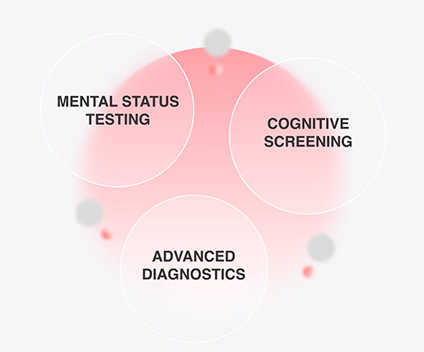
Show moreMoldova has a standardised national dementia diagnostic pathway under Protocol PCN-389, with primary-care screening and laboratory testing followed by specialist assessment using MMSE, Clock Drawing Test, MoCA, CT, and MRI. However, locally validated cognitive-test norms and national data on Alzheimer’s diagnostic waiting times are not available. CNAM mandatory health insurance covers family-doctor and specialist consultations, laboratory investigations, and eligible high-performance diagnostics when medically indicated, generally without routine consultation copayments. PET/SPECT may be used for selected differential diagnoses, but routine Alzheimer’s-specific amyloid or tau PET is not documented. APOE genotyping is not routinely recommended, although private testing is available. CSF Alzheimer’s biomarkers are commercially available, while routine plasma p-tau or Aβ testing is not documented.
Diagnosis pathway
Moldova has a standardised national dementia diagnostic pathway under Protocol PCN-389. Family physicians provide initial assessment, cognitive screening, and laboratory testing for reversible causes before referring suspected cases to neurologists or psychiatrists. Specialist services, including Community Mental Health Centres and the Diomid Gherman Institute, conduct detailed neuropsychological assessment, including MoCA, and arrange CT or MRI to evaluate structural, vascular, and neurodegenerative changes.
The clinical diagnostic pathway for neurodegenerative disorders is standardised under the national healthcare framework through National Clinical Protocol PCN-389 on Dementia.
The diagnostic journey begins at the primary care level with the family doctor (medic de familie). Family physicians evaluate early signs of cognitive decline, conduct initial medical and informant histories, and perform baseline screening tests such as the Mini-Mental State Examination (MMSE) or the Clock-Drawing Test. Primary care providers also order basic laboratory blood panels — including thyroid function, glucose, and vitamin assays — to identify and exclude secondary, reversible causes of cognitive impairment before referring the patient to secondary or tertiary specialist care.
Upon initial evaluation, people are referred to specialist services, specifically neurologists and psychiatrists operating within territorial polyclinics, specialized Community Mental Health Centers (Centre Comunitare de Sănătate Mintală), or national tertiary facilities such as the Diomid Gherman Institute of Neurology and Neurosurgery in Chișinău. Specialists administer detailed neuropsychological evaluations—including the Montreal Cognitive Assessment (MoCA) — and arrange neuroimaging through structural Computed Tomography (CT) or Magnetic Resonance Imaging (MRI) to assess hippocampal atrophy, vascular contributions, and ventricular enlargement.
Wait times
National data on actual Alzheimer’s disease diagnostic waiting times is not available.
Diagnosis cost
Alzheimer’s diagnosis in Moldova is mainly covered through the mandatory health insurance system, with CNAM financing family-doctor and specialist consultations, prescribed laboratory tests, and eligible high-performance diagnostic services. These benefits can cover the principal components of Alzheimer’s assessment when medically indicated and accessed through the insured pathway, with no routine copayments for covered GP or specialist consultations.
In Moldova, the diagnosis of Alzheimer’s disease is mainly covered through the country’s mandatory health insurance system. The National Health Insurance Company (CNAM) finances the insured benefits package, with funding coming from insurance contributions and government transfers for groups such as pensioners, children, students and registered unemployed people. For insured people, family-doctor and specialist consultations are covered, as are prescribed laboratory investigations and eligible high-performance diagnostic services. CNAM explicitly states that insured people can receive family-doctor consultations, specialist consultations, laboratory tests and high-performance medical services financed from mandatory health-insurance funds. This can therefore cover the principal components needed to investigate suspected Alzheimer’s disease, provided the services are medically indicated and accessed through the covered pathway. There are generally no routine copayments for covered GP or specialist consultations for insured patients.
Cognitive tests
The Mini-Mental State Examination (MMSE) and Clock Drawing Test are explicitly incorporated into Moldova’s national dementia diagnostic pathway.6 However, although cognitive tests are part of routine dementia assessment in Moldova, locally validated norms and cut-offs appear to be lacking.
Imaging tests
Computed tomography (CT) and magnetic resonance imaging (MRI) are established components of dementia assessment in Moldova. The country’s National Clinical Protocol recommends structural neuroimaging with either non-contrast CT of the head or MRI during the initial evaluation of people living with dementia, principally to identify structural abnormalities and alternative causes of cognitive decline. Positron emission tomography (PET) is mentioned in Moldova’s national protocol as potentially useful, alongside single-photon emission computed tomography (SPECT), for differentiating frontotemporal dementia from Alzheimer’s disease. However, there is no evidence that Alzheimer’s disease-specific amyloid PET or tau PET are routinely available in Moldova.
Genetic tests
Moldova’s National Clinical Protocol states that routine APOE genotyping is not recommended in patients with suspected Alzheimer’s disease, although these tests are available privately.
Biomarker tests
Alzheimer’s disease-specific cerebrospinal fluid (CSF) biomarkers are commercially available in Moldova, primarily in private practice. There is no evidence that Alzheimer’s disease-specific plasma biomarkers such as p-tau217, p-tau181 or plasma Aβ42/Aβ40 are currently offered routinely in Moldova.
Cognitive Tests
Cognitive Tests
The Mini-Mental State Examination (MMSE) and Clock Drawing Test are explicitly incorporated into Moldova’s national dementia diagnostic pathway.6 However, although cognitive tests are part of routine dementia assessment in Moldova, locally validated norms and cut-offs appear to be lacking.
Imaging Tests
Imaging Tests
Computed tomography (CT) and magnetic resonance imaging (MRI) are established components of dementia assessment in Moldova. The country’s National Clinical Protocol recommends structural neuroimaging with either non-contrast CT of the head or MRI during the initial evaluation of people living with dementia, principally to identify structural abnormalities and alternative causes of cognitive decline. Positron emission tomography (PET) is mentioned in Moldova’s national protocol as potentially useful, alongside single-photon emission computed tomography (SPECT), for differentiating frontotemporal dementia from Alzheimer’s disease. However, there is no evidence that Alzheimer’s disease-specific amyloid PET or tau PET are routinely available in Moldova.
Genetic Tests
Genetic Tests
Moldova’s National Clinical Protocol states that routine APOE genotyping is not recommended in patients with suspected Alzheimer’s disease, although these tests are available privately.
Biomarker Tests
Biomarker Tests
Alzheimer’s disease-specific cerebrospinal fluid (CSF) biomarkers are commercially available in Moldova, primarily in private practice. There is no evidence that Alzheimer’s disease-specific plasma biomarkers such as p-tau217, p-tau181 or plasma Aβ42/Aβ40 are currently offered routinely in Moldova.
Treatment & Care
Treatment & care
Show moreMoldova has a formal dementia care pathway, but no nationwide network of dedicated memory clinics or Alzheimer’s centres. Family doctors coordinate initial care, with Community Mental Health Centres and neurology, psychiatry, and gerontology services providing specialist support, particularly at the Institute of Neurology and Neurosurgery in Chișinău. Broader home and social-care services are established, but dementia-specific day care and respite remain limited. Palliative care is available through home, hospital, hospice, and day services, supported by a 2024 protocol covering dementia, although availability is uneven.
Alzheimer’s treatment receives substantial support through the mandatory health insurance system (AOAM), with donepezil and memantine included in the compensated medicines programme. Moldova has no Alzheimer’s-specific caregiver allowance; instead, support is based on disability and assessed care needs. The state-funded Personal Assistance (Asistență personală) and Mobile Teams (Echipa mobilă) provide in-home and caregiver support to eligible people with moderate or severe disabilities, although neither service is dementia-specific.
Specialized facilities and services
Moldova has a formal dementia care pathway, but specialist services are not organised through a nationwide network of dedicated memory clinics or Alzheimer’s centres. Family doctors coordinate initial care, with Community Mental Health Centres and neurology, psychiatry, and gerontology services providing specialist support. Expertise is particularly concentrated at the Institute of Neurology and Neurosurgery in Chișinău.
Broader home and social-care services for older people are established, but dementia-specific day care and respite services remain limited. Palliative care is provided through home, hospital, hospice, and day services, with a 2024 national protocol specifically covering dementia, although availability remains uneven.
Moldova has a formal clinical pathway for dementia, but care is not organised around a nationwide network of dedicated memory clinics or Alzheimer’s centres. The Ministry of Health’s dementia protocol places initial screening and monitoring with family doctors, with referral for specialised diagnosis and treatment to Community Mental Health Centres; more complex care can involve neurology, psychiatric and gerontology services. The Institute of Neurology and Neurosurgery in Chișinău also has specific expertise in cognitive disorders and maintains an institutional registry for cognitive disorders. Thus, specialist dementia expertise is strongest in Chișinău, while the national pathway relies substantially on community mental-health and general specialist services rather than stand-alone memory clinics.
Moldova has a substantial general social-care infrastructure for older people, although dementia-specific day services remain limited. The Ministry of Labour and Social Protection reports home social care for more than 11,500 older people, alongside day centres, residential centres and community houses for older people. Home medical care is also available nationally for people with chronic illnesses and dependent geriatric patients through authorised providers, normally following referral by a family doctor. New integrated services are developing outside the capital—for example, a socio-medical day centre in Ungheni provides institutional and home-based support for older people and people with chronic conditions. However, these services generally target frail or dependent older adults rather than Alzheimer’s disease specifically, so access to dedicated dementia day care and respite programmes is much less developed than general home and social care.
Moldova has an established framework for home, hospital, hospice and day-centre palliative care, and importantly its 2024 national protocol specifically covers palliative care for neurological and mental diseases, including dementia. Free palliative day services operate at Centrul Speranței in Chișinău and Orhei, while home palliative care can be provided through authorised services; however, availability remains uneven. Moldova is also expanding inpatient capacity: in August 2026, the Ministry of Health announced an agreement to construct a new 26-bed inpatient hospice, indicating that dedicated inpatient provision is still developing.
Approved medication
| Generic Name | Trade Name | Used for |
|---|---|---|
| Donepezil | Aricept, Aricept ODT, Adlarity, Eranz, Memac, Alzepil, Davia, Donecept, Donep, Donepex, Donesyn, Dopezil, Yasnal, Memorit, Pezale, Redumas, Zolpezil, Namzaric* | Donepezil is indicated for the symptomatic treatment of mild to moderately severe Alzheimer’s dementia. |
| Memantine | Namenda, Namenda XR, Ebixa, Memary, Axura, Akatinol, Maruxa, Nemdatine, Namzaric* | Treatment of adult patients with moderate to severe Alzheimer’s disease. |
*Namzaric = combination of Donepezil and Memantine
Treatment cost
Moldova’s mandatory health insurance system (AOAM) provides substantial support for Alzheimer’s treatment, with Alzheimer’s disease included in the compensated medicines programme. Official reimbursement documentation lists donepezil and memantine among the covered treatments.

In Moldova, Alzheimer’s disease treatment is substantially supported through the mandatory health insurance system (AOAM), administered by the National Health Insurance Company (CNAM). Alzheimer’s disease is explicitly included among the conditions eligible for compensated medicines. Official Moldovan reimbursement documentation specifically lists donepezil and memantine for dementia/Alzheimer’s treatment.
Caregiver support
Moldova has no Alzheimer’s-specific caregiver allowance, with state support determined primarily by disability and assessed care needs rather than diagnosis. An Alzheimer’s diagnosis alone does not automatically qualify an older person for care-related cash benefits. However, the state-funded Personal Assistance (Asistență personală) service provides in-home support to people with severe disabilities, while Mobile Teams (Echipa mobilă) offer multidisciplinary home-based assistance and caregiver support to people with moderate or severe disabilities. These services may provide substantial practical support where Alzheimer’s disease causes severe functional impairment, although neither programme is dementia-specific.
In Moldova, there is no financial allowance specifically for carers of people living with Alzheimer’s disease, but there are important state-funded supports that may apply when the person living with Alzheimer’s disease is formally assessed as having a severe disability. Moldova’s system is therefore disability- and needs-based rather than diagnosis-based. The National Social Insurance House (CNAS) provides state social allowances for people living with severe, marked or moderate disabilities, but its general care, accompaniment and supervision allowance is restricted to particular categories, such as children living with severe disabilities, people living with severe disabilities since childhood, and severely visually impaired people. Consequently, an older person who develops Alzheimer’s disease does not automatically qualify for this caregiver-related cash allowance merely because of the diagnosis.
More relevant for families of people living with Alzheimer’s disease is Moldova’s state-funded Personal Assistance (“Asistență personală”) service. It provides assistance and care to adults and children living with severe disabilities so that they can remain at home and participate in community life. Personal assistants are employed within the social-care system; Moldova had around 6,000 personal assistants already in 2021, and the government subsequently expanded the programme, including approximately 1,500 additional personal-assistant positions in Chișinău. Thus, where Alzheimer’s disease results in severe functional impairment and the person meets disability eligibility requirements, personal assistance may provide substantial practical support and potentially formal paid caregiving.
There is also a Mobile Team (Echipa mobilă) service, available to people living with moderate or severe disabilities. Multidisciplinary teams provide social, psychological and rehabilitation assistance in the person’s home and also provide counselling and support directly to care partners. By 2025, the Ministry reported that Mobile Team services had become available across all districts of Moldova. This can therefore provide meaningful home-based support to families caring for a person living with Alzheimer’s disease, although it is not dementia-specific.
- https://cnas.gov.md/en/node/271
- https://cnas.gov.md/ro/servicii/servicii/alocatii/alocatii-sociale-de-stat
- https://social.gov.md/informatie-de-interes-public/servicii/protectie-sociala
- https://social.gov.md/comunicare/comunicate/schimb-de-bune-practici-privind-serviciul-social-asistenta-personala/
- https://social.gov.md/comunicare/comunicate/guvernul-intreprinde-masuri-pentru-a-mentine-serviciul-social-asistenta-personala-in-municipiul-chisinau
- https://social.gov.md/comunicare/comunicate/masa-rotunda-incluziunea-persoanelor-cu-dizabilitati-prioritate-nationala-si-angajament-comun
Policy
Policy
Show moreMoldova has no dedicated national strategy or action plan for Alzheimer’s disease or dementia, and no public announcement has indicated that one is currently being developed. This reflects broader gaps in dementia-specific policy and service infrastructure, with research identifying continuing unmet care needs and ethical challenges for health and social-care professionals linked to available resources, healthcare structures, and cultural attitudes. Mental-health stigma also remains a significant challenge. A 2025 Moldova-specific study reported socially ingrained negative perceptions and stereotypes around mental disorders, including fear, negative attitudes, and humour directed at affected people. However, these findings concern mental disorders generally and are not specific to Alzheimer’s disease.
National dementia plan
Moldova does not currently have a dedicated national strategy or action plan for Alzheimer’s disease and dementia.
Upcoming plans
Moldova has not made any public announcements regarding the development of a national strategy for Alzheimer’s disease or dementia.
Policy gaps
Legal barriers
Moldova has no national dementia strategy and limited dementia-specific infrastructure. Persistent unmet care needs and ethical challenges for health and social-care professionals reflect healthcare structures, resource constraints, and cultural attitudes.
In Moldova, there is inadequate dementia-specific policy and service infrastructure. Moldova does not have a national strategy on dementia, while Alzheimer Europe stresses that such strategies are important for establishing dementia as a public-health priority and coordinating diagnosis, care, rights, research, dementia-friendly communities and support for carers.1 Recent research involving Moldova also describes continuing unmet needs in dementia care and ethical challenges for health and social-care professionals, which are influenced by healthcare structures, resources and cultural attitudes.
Cultural barriers
Stigma towards mental disorders persists in Moldova through entrenched stereotypes, negative attitudes, fear, and ridicule despite improving services. However, current evidence relates to mental health generally rather than dementia specifically.
A 2025 Moldova-specific study by researchers from Nicolae Testemițanu State University and the Trimbos Institute Moldova describes mental-health stigma as a continuing significant challenge despite improvements in services. It reports that negative perceptions and stereotypes surrounding mental disorders are socially ingrained and can manifest through negative attitudes, fear and even humour directed toward affected individuals. However, the study concerns mental disorders generally rather than Alzheimer’s disease
Research
Research
Show moreAMDM oversees clinical research and pharmaceutical regulation in Moldova, but the country lacks a dedicated public trial registry. International databases are therefore required to identify studies, with no innovative dementia trials or methods identified domestically.
Selected academic institutions
Clinical trials and registries
The Medicines and Medical Devices Agency (AMDM – Agenția Medicamentului și Dispozitivelor Medicale) is the primary administrative authority empowered to regulate, authorise, and supervise clinical research and pharmaceuticals in the country.
Moldova does not maintain a dedicated, public-facing national registry for searching active clinical trials. To find any international interventional studies that might establish trial sites in the country, patients and researchers must rely on global databases like ClinicalTrials.gov.

Selected innovative methods
No studies investigating innovative therapies, or using innovative methods, were identified in Moldova.
Support
Support
Show moreCommunity dementia support in Chișinău includes Hesed Yehuda’s monthly Memory Café and weekly groups offering social, cognitive, creative, and physical activities across dementia stages. Moldova has no dedicated national media outlet focused exclusively on dementia or Alzheimer’s disease.
Selected national associations, patient family associations, NGOs:
Selected initiatives
Hesed Yehuda runs community-based dementia activities in Chișinău, including a monthly Memory Café and weekly groups offering socialisation, creative activities, cognitive stimulation, and physical exercises for people at different dementia stages.
In Moldova, there is a Memory Café in Chișinău, run by Hesed Yehuda as part of the Dementia Programme. The café holds regular monthly meetings in a local pizza restaurant for people with mild-to-moderate dementia and their family caregivers. Hesed Yehuda also runs a weekly dementia group in Chișinău for people across mild, moderate and more severe stages of dementia. Sessions incorporate socialisation and activities such as drawing, word games, puzzles, arts and crafts, light exercise, breathing exercises and other forms of cognitive and physical stimulation.
Deprecated: trim(): Passing null to parameter #1 ($string) of type string is deprecated in /home/bcdafabe/public_html/wp-content/themes/bricks-child/functions.php on line 753
Dedicated media outlets
Moldova does not have a dedicated media outlet focused exclusively on Alzheimer’s disease or dementia.