Wales
Wales supports individuals with Alzheimer’s disease through its universal NHS framework, which provides diagnostic assessments, memory clinic services, and approved medications free at the point of use. The nation is currently advancing its long-term policy framework with the development of the 10-year Dementia Strategy for Wales (2026–2036). On the innovation front, world-class institutions like the UK Dementia Research Institute at Cardiff University are leveraging genetics and artificial intelligence to pioneer early detection methods, such as the SANDBOX study. Furthermore, robust civil society engagement led by Alzheimer’s Society Cymru and local municipal partnerships ensures the widespread availability of dementia-friendly community programs, memory cafés, and dedicated resources for unpaid carers.

AD Rating
Diagnostic Pathway
Specialized Care
Caregiver Support
National Policies
Access to ATT-s
Highlights

Population
Median age
Health expenditure (% of GDP)
Diagnosis
Diagnosis
Show moreWales follows a structured Alzheimer’s diagnostic pathway based on national dementia standards and NICE guidance. Primary care initially assesses cognitive symptoms and reversible causes before referral to specialist Memory Assessment Services. Multidisciplinary evaluation combines clinical and collateral history, neurological and functional assessment, cognitive testing, laboratory investigations, and structural neuroimaging. Screening tools include GPCOG, 6CIT, Mini-Cog, TYM, MMSE, and MoCA, with detailed neuropsychological assessment used where uncertainty remains.
MRI is preferred for identifying cerebral atrophy and excluding alternative causes, while CT is widely available when MRI is unsuitable. FDG-PET or SPECT may support selected complex cases. CSF amyloid and tau biomarkers can assist uncertain, atypical, or early-onset diagnoses but remain limited to specialist centres. Blood biomarkers are still under evaluation. Genetic testing is reserved mainly for suspected familial or young-onset disease, while APOE genotyping is not recommended diagnostically.
NHS Wales fully funds eligible diagnostic assessment. Standards target initial assessment within 28 days and a working diagnosis within 12 weeks, but average reported waits range from 16–25 weeks, with exceptional delays reaching 153 weeks.
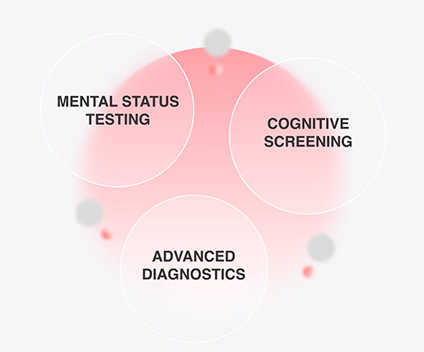
Diagnosis pathway
Wales has a structured Alzheimer’s diagnostic pathway guided by national standards and NICE recommendations. Primary-care assessment is followed by referral to specialist Memory Assessment Services, where multidisciplinary evaluation combines clinical history, cognitive and functional testing, laboratory investigations, and neuroimaging, with neuropsychological assessment or CSF biomarkers used selectively.
Wales has a well-defined diagnostic pathway for Alzheimer’s disease that is based on the All Wales Dementia Care Pathway of Standards and supported by National Institute for Health and Care Excellence (NICE) guidance. The pathway begins in primary care, where a general practitioner evaluates patients presenting with memory complaints or other symptoms of cognitive decline, investigates reversible causes of cognitive impairment, and refers individuals with suspected dementia to a specialist Memory Assessment Service (MAS) or another specialist dementia diagnostic service.
Within the Memory Assessment Service, patients undergo a comprehensive multidisciplinary assessment that includes a detailed medical and collateral history, physical and neurological examination, functional assessment, and cognitive testing using validated instruments such as the Mini-Mental State Examination (MMSE) or Montreal Cognitive Assessment (MoCA), in line with NICE recommendations. Laboratory investigations are performed to exclude reversible causes of cognitive impairment, while computed tomography (CT) or magnetic resonance imaging (MRI) is used when clinically indicated to support the differential diagnosis. If the diagnosis remains uncertain, more detailed neuropsychological assessment may be undertaken, and selected patients may be referred for cerebrospinal fluid (CSF) biomarker testing or other specialist investigations where appropriate.
Wait times
Wales targets dementia assessment within 28 days and a preliminary diagnosis within 12 weeks, but these standards are inconsistently achieved. Average waits range from 16–25 weeks, with reported extremes of 153 weeks.
Under the All Wales Dementia Care Pathway of Standards, the target is for people referred with suspected dementia to receive their first assessment within 28 days of referral and a working (preliminary) diagnosis within 12 weeks, whenever clinically possible. However, these targets are not consistently achieved in practice. Data obtained by a regional television broadcaster called ITV Wales through Freedom of Information requests found that average waiting times following general practitioner (GP) referral ranged from 16 to 25 weeks, depending on the health board, while the longest reported wait reached 153 weeks (almost three years) in one health board.
- https://abuhb.nhs.wales/files/dementia/dementia-standards-pathway-document-english-finalpdf/
- https://www.gov.wales/sites/default/files/statistics-and-research/2025-03/voices-of-dementia-diagnosis-care-and-support-in-wales.pdf
- https://www.itv.com/news/wales/2024-12-11/exclusive-patients-in-wales-waiting-nearly-3-years-for-a-dementia-diagnosis
Diagnosis cost
Eligible residents receive Alzheimer’s diagnostic services free through NHS Wales, with GP consultations, specialist assessments, blood tests, and clinically necessary brain imaging fully covered.
The diagnosis of Alzheimer’s disease is provided through the NHS and is free at the point of use for all eligible residents. The costs of GP consultations, specialist appointments and medically necessary diagnostic investigations, including blood tests and brain imaging, are fully funded by NHS Wales. Patients do not pay for GP visits, specialist consultations or diagnostic tests undertaken as part of the NHS diagnostic pathway.
Cognitive tests
Initial cognitive screening in primary care commonly uses validated tools such as the General Practitioner Assessment of Cognition (GPCOG), 10-Point Cognitive Screener (10-CS), 6-Item Cognitive Impairment Test (6CIT), Mini-Cog, and Test Your Memory (TYM) to identify individuals requiring specialist assessment. Following referral, Memory Assessment Services undertake more comprehensive cognitive evaluation, commonly using the Montreal Cognitive Assessment (MoCA) and Mini-Mental State Examination (MMSE) alongside tests of verbal episodic memory and formal neuropsychological assessments where diagnostic uncertainty remains.
Imaging tests
Structural neuroimaging forms a routine part of the Alzheimer’s disease diagnostic pathway in Wales. MRI is the preferred imaging modality because it can identify patterns of cerebral atrophy while excluding alternative causes of cognitive impairment such as stroke, tumours, hydrocephalus, and other structural abnormalities. CT is also widely available and is used when MRI is contraindicated or unavailable. Both MRI and CT are readily accessible through National Health Service (NHS) hospitals following referral from specialist memory services. When diagnostic uncertainty remains after clinical assessment and structural imaging, more advanced functional imaging techniques such as 18F-fluorodeoxyglucose positron emission tomography (FDG-PET) or perfusion single photon emission computed tomography (SPECT) may be considered. However, these investigations are available only through specialist centres and are reserved for selected complex or atypical cases rather than routine clinical diagnosis.
Genetic tests
Genetic testing is not routinely performed as part of the diagnostic pathway for Alzheimer’s disease in Wales. Although genetic variants such as the apolipoprotein E (APOE) ε4 allele are recognised as important risk factors for late-onset Alzheimer’s disease, NICE specifically recommends not using APOE genotyping to diagnose Alzheimer’s disease, as it indicates susceptibility rather than confirming disease. Genetic testing is therefore generally reserved for individuals with suspected familial or young-onset Alzheimer’s disease, particularly where there is a strong family history suggestive of an inherited dementia syndrome. Access is consequently limited to specialist NHS Clinical Genetics Services or research settings following referral from neurology or memory specialists and is not part of routine dementia assessment.
Biomarker tests
NICE recommends considering CSF analysis to measure amyloid-beta (Aβ42/Aβ40), total tau, and phosphorylated tau (p-tau) in people with diagnostically uncertain, atypical, or early-onset presentations, where it can improve diagnostic accuracy. However, despite these recommendations, CSF testing is not widely used across the NHS because it requires lumbar puncture, specialist laboratory analysis, and appropriate clinical expertise, limiting its availability to selected specialist centres. Blood-based biomarkers, including plasma phosphorylated tau (p-tau181 and p-tau217) and neurofilament light chain (NfL), have shown considerable promise as less invasive diagnostic tools. However, they are not yet routinely available within NHS Wales and are currently being evaluated through national research initiatives, including the UK Blood Biomarker Challenge, before wider implementation in clinical practice.
Cognitive Tests
Cognitive Tests
Initial cognitive screening in primary care commonly uses validated tools such as the General Practitioner Assessment of Cognition (GPCOG), 10-Point Cognitive Screener (10-CS), 6-Item Cognitive Impairment Test (6CIT), Mini-Cog, and Test Your Memory (TYM) to identify individuals requiring specialist assessment. Following referral, Memory Assessment Services undertake more comprehensive cognitive evaluation, commonly using the Montreal Cognitive Assessment (MoCA) and Mini-Mental State Examination (MMSE) alongside tests of verbal episodic memory and formal neuropsychological assessments where diagnostic uncertainty remains.
Imaging Tests
Imaging Tests
Structural neuroimaging forms a routine part of the Alzheimer’s disease diagnostic pathway in Wales. MRI is the preferred imaging modality because it can identify patterns of cerebral atrophy while excluding alternative causes of cognitive impairment such as stroke, tumours, hydrocephalus, and other structural abnormalities. CT is also widely available and is used when MRI is contraindicated or unavailable. Both MRI and CT are readily accessible through National Health Service (NHS) hospitals following referral from specialist memory services. When diagnostic uncertainty remains after clinical assessment and structural imaging, more advanced functional imaging techniques such as 18F-fluorodeoxyglucose positron emission tomography (FDG-PET) or perfusion single photon emission computed tomography (SPECT) may be considered. However, these investigations are available only through specialist centres and are reserved for selected complex or atypical cases rather than routine clinical diagnosis.
Genetic Tests
Genetic Tests
Genetic testing is not routinely performed as part of the diagnostic pathway for Alzheimer’s disease in Wales. Although genetic variants such as the apolipoprotein E (APOE) ε4 allele are recognised as important risk factors for late-onset Alzheimer’s disease, NICE specifically recommends not using APOE genotyping to diagnose Alzheimer’s disease, as it indicates susceptibility rather than confirming disease. Genetic testing is therefore generally reserved for individuals with suspected familial or young-onset Alzheimer’s disease, particularly where there is a strong family history suggestive of an inherited dementia syndrome. Access is consequently limited to specialist NHS Clinical Genetics Services or research settings following referral from neurology or memory specialists and is not part of routine dementia assessment.
Biomarker Tests
Biomarker Tests
NICE recommends considering CSF analysis to measure amyloid-beta (Aβ42/Aβ40), total tau, and phosphorylated tau (p-tau) in people with diagnostically uncertain, atypical, or early-onset presentations, where it can improve diagnostic accuracy. However, despite these recommendations, CSF testing is not widely used across the NHS because it requires lumbar puncture, specialist laboratory analysis, and appropriate clinical expertise, limiting its availability to selected specialist centres. Blood-based biomarkers, including plasma phosphorylated tau (p-tau181 and p-tau217) and neurofilament light chain (NfL), have shown considerable promise as less invasive diagnostic tools. However, they are not yet routinely available within NHS Wales and are currently being evaluated through national research initiatives, including the UK Blood Biomarker Challenge, before wider implementation in clinical practice.
Treatment & Care
Treatment & care
Show moreWales provides comprehensive dementia care through nationwide multidisciplinary Memory Assessment Services, offering diagnosis, post-diagnostic support, and care planning across all NHS Health Boards. Community provision includes day care, respite, home support, cognitive programmes, caregiver services, and specialist older people’s mental-health units. Palliative and end-of-life care is available through hospitals, community teams, care homes, and hospices, although not dementia-specific.
NHS Wales fully funds Alzheimer’s consultations, diagnostic services, recommended medicines, and clinically indicated allied health therapies, with families mainly facing costs for private or non-medical long-term care. Although no dementia-specific caregiver allowance exists, eligible carers may receive Carer’s Allowance, statutory needs assessments, direct payments, respite, and wellbeing support. People with Alzheimer’s can access disability benefits, social-care funding, and payments for personal or home assistance. Wales’s Strategy for Unpaid Carers prioritises respite, psychological support, information, and flexible services. Government-funded programmes such as DIAL and major charities complement statutory provision through counselling, caregiver education, peer support, benefits advice, and guidance on navigating health and social care.
Specialized facilities and services
Wales provides nationwide specialist dementia care through multidisciplinary Memory Assessment Services in every NHS Health Board, offering diagnosis, post-diagnostic support, and care planning. Local authorities and charities provide day care, respite, home support, cognitive programmes, and caregiver services. Comprehensive palliative care is also available through NHS teams and hospices, with national guidance supporting appropriate end-of-life care for advanced dementia.
Wales has a well-established, nationwide network of Memory Assessment Services (MAS) embedded within every NHS Wales Health Board as part of the All-Wales Dementia Care Pathway. These multidisciplinary services provide comprehensive assessment, diagnosis, post-diagnostic support and care planning for people with suspected dementia. Memory clinics are available across the country, including urban and rural areas.
Local authorities provide dementia day centres, respite care, home care and community support, while organisations such as Alzheimer’s Society Cymru and Age Cymru offer dementia advisers, support groups, cognitive stimulation programmes and carer support throughout the country. Many Health Boards also operate specialist older people’s mental health day units for people living with dementia, such as the Tonteg Day Unit in Cwm Taf Morgannwg, and similar services are available in other regions.
Wales has a comprehensive palliative care system delivered through the NHS and an extensive network of hospices. Specialist palliative care is available in all Health Boards through hospital palliative care teams, community palliative care services and hospices. Although these services are not dementia-specific, national guidance promotes palliative and end-of-life care for people living with advanced dementia, with care delivered through community teams, care homes, hospitals and hospices according to patient needs.
Approved medication
| Generic Name | Trade Name | Used for |
|---|---|---|
| Donepezil | Aricept, Aricept ODT, Adlarity, Eranz, Memac, Alzepil, Davia, Donecept, Donep, Donepex, Donesyn, Dopezil, Yasnal, Memorit, Pezale, Redumas, Zolpezil, Namzaric* | Donepezil is indicated for the symptomatic treatment of mild to moderately severe Alzheimer’s dementia. Official National Product Information |
| Rivastigmine | Exelon, Exelon Patch, Prometax, Rivastach, Nimvastid | Symptomatic treatment of mild to moderately severe Alzheimer’s dementia. Symptomatic treatment of mild to moderately severe dementia in patients with idiopathic Parkinson’s disease. Official National Product Information |
| Galantamine | Razadyne, Razadyne ER, Reminyl, Reminyl XL, Nivalin, Lycoremine, Galsya | Galantamine is indicated for the symptomatic treatment of mild to moderately severe dementia of the Alzheimer type. Official National Product Information |
| Memantine | Namenda, Namenda XR, Ebixa, Memary, Axura, Akatinol, Maruxa, Nemdatine, Namzaric* | Treatment of adult patients with moderate to severe Alzheimer’s disease. Official National Product Information |
| Lecanemab | Leqembi | Lecanemab is indicated for the treatment of mild cognitive impairment and mild dementia due to Alzheimer’s disease in adult patients that are apolipoprotein E ε4 (ApoE ε4) heterozygotes or non-carriers. Official National Product Information |
| Donanemab | Kisunla | Donanemab is indicated for the treatment of mild cognitive impairment and mild dementia due to Alzheimer’s disease (AD) in adult patients that are apolipoprotein Eε4 (ApoE ε4) heterozygotes or non-carriers. Official National Product Information |
*Namzaric = combination of Donepezil and Memantine
Treatment cost
Alzheimer’s treatment is fully funded through NHS Wales, covering consultations, memory services, recommended medicines, and clinically indicated allied health therapies without patient charges. Families generally face direct expenses only for private services or non-medical long-term care.

Treatment for Alzheimer’s disease is fully funded by NHS Wales. Consultations with GPs and specialists, diagnostic assessments, memory clinic services, and clinically recommended Alzheimer’s disease medicines (including donepezil, rivastigmine, galantamine, and memantine) are provided free at the point of use. Allied health therapies (e.g. occupational therapy, physiotherapy, speech and language therapy, and psychological support), when clinically indicated and provided by the NHS, are also covered without patient charges. Therefore, there are no copayments for NHS-funded Alzheimer’s disease medicines or therapies, and families generally do not bear direct treatment costs, although they may incur costs related to non-medical long-term care or private services.
- https://111.wales.nhs.uk/Encyclopaedia/d/article/dementia
- https://socialcare.wales/resources-guidance/improving-care-and-support/people-with-dementia/benefits-and-financial-entitlements
- https://www.alzheimers.org.uk/sites/default/files/2018-10/407LP%20Drug%20treatments%20for%20Alzheimer%27s%20disease.pdf
Caregiver support
Wales supports dementia caregivers through broader statutory benefits and services rather than a dementia-specific allowance. Eligible unpaid carers may receive Carer’s Allowance, needs assessments, direct payments, respite, and wellbeing support. People with Alzheimer’s can access disability benefits, social care funding, and direct payments for home or personal assistance. The Strategy for Unpaid Carers prioritises respite, psychological support, information, and flexible services, while programmes such as DIAL and major charities provide counselling, education, peer support, benefits advice, and guidance through health and social care systems.
Although there is no dementia-specific caregiver allowance, unpaid carers may be eligible for Carer’s Allowance (a UK-wide benefit), and under the Social Services and Well-being (Wales) Act 2014, care partners have a legal right to a carer’s needs assessment. If eligible, carers can receive support through direct payments, which are intended to meet their assessed support needs, such as funding respite, wellbeing activities, or other services that help them continue caring.
People living with Alzheimer’s disease may also receive financial support through benefits such as Attendance Allowance, Personal Independence Payment (PIP) (if under State Pension age), and local authority-funded social care. In addition, direct payments can be provided to people living with eligible care needs to arrange their own care, including employing personal assistants or purchasing home care services.
Wales has also adopted a dedicated Strategy for Unpaid Carers, recognising care partners of people living with conditions such as Alzheimer’s disease as a priority group. The strategy commits the Welsh Government to improving access to respite care, psychological support, information, and flexible services. Welsh Government funding supports projects such as the Dementia Integration and Links (DIAL) service, which provides wellbeing programmes, counselling, and community support specifically for unpaid carers of people living with dementia.
In addition to government support, charities including Alzheimer’s Society Cymru, Age Cymru, and Carers Wales provide information, benefits advice, caregiver education, peer support, and assistance navigating health and social care services. Social Care Wales also maintains guidance on financial entitlements for people living with Alzheimer’s disease and their carer partners, including access to benefits, local authority support, and care planning resources. While these organisations do not generally provide direct financial payments, they play a central role in helping families access available statutory support.
- https://socialcare.wales/resources-guidance/improving-care-and-support/care-and-support-at-home/what-are-direct-payments
- https://www.carersuk.org/wales/help-and-advice/practical-support/arranging-care-and-support-for-someone/direct-payments
- https://www.gov.uk/pip
- https://www.agecymru.wales/information-advice/money-legal/benefits-entitlements/personal-independence-payment/
- https://www.gov.wales/strategy-unpaid-carers-html
- https://www.carersuk.org/wales/help-and-advice/practical-support/arranging-care-and-support-for-someone/direct-payments/
- https://www.agecymru.wales/our-work/information-and-advice-services
- https://www.alzheimers.org.uk/get-support/legal-financial/carers-assessments-wales
Policy
Policy
Show moreWales is preparing a 2026–2036 Dementia Strategy, with formal adoption pending following public consultation. Priorities include prevention, awareness, diagnosis and care, unpaid carers, workforce development, research, and stronger governance. Evaluation of previous policy identified inconsistent assessment, referrals, waiting times, and post-diagnostic support, prompting greater emphasis on standardisation and person-centred care. The forthcoming strategy aims to strengthen consistency and accountability while addressing wider challenges, including persistent stigmatising language among healthcare professionals, families, and the public.
National dementia plan
Wales is preparing a 2026–2036 Dementia Strategy to replace its previous action plan, with consultation completed and formal adoption pending. Co-produced priorities address prevention, awareness, diagnosis and care, unpaid caregiver support, workforce development, research and innovation, and strengthened governance and accountability.
Wales is currently developing a new 10-year Dementia Strategy for Wales (2026–2036), which will replace the previous Dementia Action Plan (2018–2022) and its 2021 companion document. The draft strategy was published for public consultation between 16 December 2025 and 6 April 2026, with priorities co-produced alongside people living with dementia, carers and other stakeholders. It focuses on seven key areas: prevention and risk reduction, awareness, diagnosis and care, support for unpaid carers, workforce development, research and innovation, and strengthened governance and accountability. The consultation has now closed and the Welsh Government is reviewing responses before publishing the final strategy; at present, the new national dementia strategy has not yet been formally adopted and the outcome of the consultation is still awaited.
Upcoming plans
The Dementia Strategy 2026–2036 is currently the only major forthcoming national dementia policy under development.
Policy gaps
Legal barriers
Wales’s previous dementia plan revealed inconsistencies in assessment, referrals, waiting times, and post-diagnostic support. The proposed 2026–2036 strategy seeks greater service standardisation, consistent person-centred care, and stronger governance and accountability.
The independent evaluation of the Dementia Action Plan found variation in assessment processes and post-diagnostic support, with stakeholders reporting inconsistent diagnostic pathways, long waits for assessment for some people, and differences in how support is provided after diagnosis. The evaluation recommends greater standardisation of memory assessment services, improved referral pathways, and more consistent access to person-centred support across Wales. The Welsh Government has acknowledged these challenges in developing its new 2026–2036 strategy, which aims to strengthen governance and accountability while building on the achievements of the previous Action Plan.
Cultural barriers
Recent Welsh research from Bangor University showed that stigmatising language is a challenge among healthcare professionals, family members and the wider public.
Research
Research
Show moreWales integrates regulated clinical research with biomedical, diagnostic, and person-centred dementia innovation. Trials require MHRA and HRA approval, while Health and Care Research Wales supports NHS-based delivery. UK DRI Cardiff investigates Alzheimer’s genetic mechanisms, microglia, and therapeutic targets using computational approaches and machine learning. SANDBOX evaluates blood biomarkers and AI to accelerate diagnosis and reduce waiting times. CADR and DSDC Wales complement this work through psychosocial interventions, caregiver support, dementia-friendly communities, and healthy-ageing initiatives. Together, these programmes combine biological, technological, psychological, social, and environmental research to advance early diagnosis, precision medicine, quality of life, evidence-based clinical practice, and national dementia policy.
Selected academic institutions
Clinical trials and registries
All clinical trials in Wales must be approved by the UK-wide Medicines and Healthcare products Regulatory Agency (MHRA) and the Health Research Authority (HRA), which ensure that studies meet rigorous ethical and scientific standards. The actual coordination, funding, and delivery of clinical research on the ground are supported by Health and Care Research Wales, which works in partnership with the NHS to embed research into public healthcare.
Selected innovative methods
Wales combines advanced biomedical dementia research with innovation in early diagnosis and person-centred care. UK DRI Cardiff investigates genetic mechanisms, microglia, and therapeutic targets using computational approaches and machine learning. SANDBOX evaluates blood biomarkers and AI to accelerate diagnosis, while CADR and DSDC Wales develop psychosocial interventions, caregiver support, dementia-friendly communities, and healthy-ageing initiatives, integrating biological and social research to improve outcomes and inform national policy.
At the UK Dementia Research Institute (UK DRI) at Cardiff University, researchers investigate the genetic mechanisms underlying Alzheimer’s disease. Their work focuses on identifying disease-causing genes, understanding how immune cells (microglia) contribute to neurodegeneration, and discovering new therapeutic targets. By combining genetics, computational biology, DNA repair research, and machine learning, the Cardiff team aims to develop precision medicine approaches and novel disease-modifying treatments for Alzheimer’s disease.
Researchers in Wales are developing innovative methods for the early detection of Alzheimer’s disease using combinations of blood biomarkers, genetic testing, neuroimaging, and artificial intelligence. Current projects such as the SANDBOX study evaluate whether blood-based biomarkers and AI can speed dementia diagnosis and reduce waiting times in routine clinical practice. These efforts aim to identify Alzheimer’s disease before significant brain damage occurs, allowing earlier intervention and improved patient outcomes.
Alongside laboratory research, Wales has become a leader in person-centred dementia care through the Centre for Ageing and Dementia Research (CADR) and the Dementia Services Development Centre (DSDC Wales) at Bangor University. Researchers develop and evaluate psychosocial interventions, caregiver support programmes, dementia-friendly communities, and healthy ageing initiatives. Their interdisciplinary work integrates biological, psychological, social, and environmental factors to improve quality of life for people living with dementia and their families while informing national policy and clinical practice.
- https://www.cardiff.ac.uk/dementia-research-institute/research
- https://www.cardiff.ac.uk/dementia-research-institute/research/themes/biomarkers-therapeutics-and-prevention
- https://alz-journals.onlinelibrary.wiley.com/doi/10.1002/alz.13782
- https://healthandcareresearchwales.org/about/news/decade-welsh-research-celebrated-innovative-dementia-study-launched
- https://research.bangor.ac.uk/en/publications/dementia-red-respect-empathy-dignity-collaborating-to-build-demen
- https://research.bangor.ac.uk/en/projects/cadr-centre-for-ageing-and-dementia-research
Support
Support
Show moreWales supports dementia-friendly communities through memory cafés, singing activities, cinema clubs, caregiver groups, and information services promoting social participation, reminiscence, and cognitive engagement. Dementia Friendly Cardiff and Cardiff Council coordinate extensive local provision, while Goldies Cymru extends music-based activities nationally. Alzheimer’s Society Cymru serves as the main dementia-specific information source, providing bilingual updates on research, policy, campaigns, services, and personal stories alongside mainstream Welsh media coverage.
Selected national associations, patient family associations, NGOs:
Selected initiatives
Welsh community dementia programmes combine social engagement, cognitive stimulation, information, and caregiver support. Dementia Friendly Cardiff coordinates memory cafés, singing activities, cinema clubs, and support groups, while Cardiff Council provides additional dementia cafés through libraries and community hubs. Goldies Cymru extends music-based support across Wales through regular sing-alongs, promoting reminiscence, wellbeing, cognitive engagement, and social participation among older adults, including people living with dementia.
Dementia Friendly Cardiff
Dementia Cafés
Goldies Cymru
Dedicated media outlets
Alzheimer’s Society Cymru serves as the primary source of dementia-specific news, publishing regular updates on research, policy, campaigns, local services, and personal stories in both English and Welsh, while dementia-related developments are also covered by Welsh mainstream outlets.