Albania
The country currently lacks a dedicated national dementia strategy, leaving dementia to be addressed broadly under general aging and disability policies. Specialised assessment and diagnostic resources remain heavily centralised in Tirana at the Mother Teresa University Hospital Centre, while formal community and residential dementia services are scarce across the rest of the country. Long-term care relies almost exclusively on unpaid family caregivers who frequently navigate cultural stigma and secrecy surrounding cognitive decline. Simultaneously, community-based models like the Lifelong Empowerment and Protection in Albania (LEAP) programme and regional research collaborations across Southeast Europe are helping expand local caregiver training, digital education, and home-based support services.

AD Rating
Diagnostic Pathway
Specialized Care
Caregiver Support
National Policies
Access to ATT-s
Highlights

Population
Median age
Health expenditure (% of GDP)
Diagnosis
Diagnosis
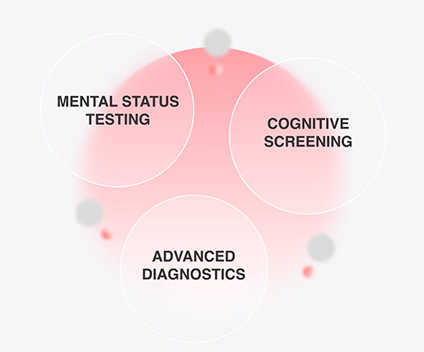
Show moreAlbania lacks a standardised national Alzheimer’s diagnostic protocol. Assessment begins in primary care, followed by referral to neurologists or psychiatrists, particularly in tertiary centres in Tirana. Diagnosis combines clinical history, cognitive testing, laboratory investigations, and CT or MRI, while PET remains limited. Mini-Cog, MMSE, and MoCA are commonly used, although not all Albanian versions are formally validated. CSF testing is available, but Alzheimer’s-specific amyloid and tau panels are not routinely performed, and genetic testing is not standard practice. Public insurance covers or subsidises consultations and investigations within referral pathways, although private services may generate out-of-pocket costs. National diagnostic waiting-time data are unavailable.
Diagnosis pathway
Albania has no formal, standardised national clinical protocol for Alzheimer’s disease diagnosis. The public pathway generally starts with a general practitioner, who assesses cognitive concerns and overall health before referring patients to neurologists or psychiatrists, primarily in regional hospitals and tertiary centres such as the University Hospital Centre “Mother Teresa” in Tirana. Specialist assessment typically includes cognitive testing, clinical history, laboratory investigations and CT or MRI to identify structural changes and exclude secondary causes. Advanced biomarkers, including PET imaging and cerebrospinal fluid analysis, are not routinely integrated into the public diagnostic pathway.
In Albania, there is currently no formal, standardized national clinical protocol specifically governing the diagnosis pathway for Alzheimer’s disease. The standard entry point into the public healthcare system begins at the primary care level with a general practitioner. General practitioners evaluate overall health and address initial family concerns regarding memory loss or cognitive impairment. Specialist evaluations for Alzheimer’s disease are primarily conducted by neurologists and psychiatrists operating in regional hospitals or tertiary facilities, such as the University Hospital Center “Mother Teresa” in Tirana. During the specialist evaluation, physicians utilize standardised cognitive testing, clinical history, and diagnostic imaging to assess cognitive decline and rule out secondary causes. The standard diagnostic workup includes routine laboratory blood tests to rule out metabolic or vitamin deficiencies, accompanied by structural neuroimaging, such as Computed Tomography (CT) or Magnetic Resonance Imaging (MRI) scans, to detect structural brain changes or exclude cerebrovascular lesions. Advanced biomarker assessments, including positron emission tomography (PET) scans or cerebrospinal fluid analysis, are not integrated into routine public diagnostic pathways.
Wait times
Data on waiting times in Albania is unavailable.
Diagnosis cost
Alzheimer’s diagnosis in Albania is largely financed through the public healthcare system and the Compulsory Health Care Insurance Fund (CHIF). GP consultations and, with appropriate referral, specialist consultations, laboratory tests and diagnostic imaging are covered or subsidised through contracted public facilities. However, coverage is not comprehensive, and patients may face out-of-pocket costs when required services are unavailable within the public system and private care is needed.
The diagnosis of Alzheimer’s disease is largely financed through the public healthcare system and the Compulsory Health Care Insurance Fund (CHIF). GP/family doctor consultations within the public system are covered, and insured patients with the appropriate referral can access specialist consultations and diagnostic services in contracted public facilities without bearing the full cost themselves. Diagnostic investigations required for Alzheimer’s disease, including laboratory investigations and imaging when provided within the publicly funded referral system, are also covered or subsidised by compulsory health insurance. However, coverage is not comprehensive for every service, and patients may face some out-of-pocket expenditure, particularly where services or tests are unavailable within the public system and private provision is used.
Cognitive tests
The main tools reported in Albanian clinical practice are the Mini-Mental State Examination (MMSE), Montreal Cognitive Assessment (MoCA/MoCA-B) and Mini-Cog. The Albanian primary-care guidance recommends using Mini-Cog for initial screening and referring patients with positive results for more detailed assessment with MoCA or MMSE.
A 2024 Albanian study administered a printed Albanian version to older adults in Tirana and Elbasan, while the national elderly-care manual explicitly states that a validated Albanian version of the MMSE exists. For MoCA/MoCA-B and Mini-Cog, Albanian versions have been used in research among older patients in Tirana and Shkodër, but the authors noted that these tools were being used pending formal validation.
Imaging tests
CT and MRI are available in Albania, particularly in Tirana. The University Hospital Centre “Mother Teresa” lists both CT and MRI among the diagnostic investigations used by its neurology services, including for patients with dementia and other neurological disorders. The centre also installed a newer MRI system in its Neurosurgery Service, and its neurovascular service confirms access to CT, CT angiography, MRI and MR angiography. PET is much less accessible and its role in Alzheimer’s disease appears limited in routine Albanian practice.
Genetic tests
There is no evidence that testing for Alzheimer’s disease genes such as APP, PSEN1 or PSEN2 is routinely available as part of standard Alzheimer’s disease diagnostic services in Albania.
Biomarker tests
Cerebrospinal fluid (CSF) collection and laboratory analysis are available in Albania, including through services associated with Tirana’s major hospitals. QSUT’s Neurology Service lists CSF examination among its diagnostic investigations, while private laboratory services in Tirana advertise CSF testing. There is no evidence that the full Alzheimer’s disease CSF biomarker panel—amyloid-β42 (or Aβ42/Aβ40), total tau and phosphorylated tau—is routinely measured within Albania.
Cognitive Tests
Cognitive Tests
The main tools reported in Albanian clinical practice are the Mini-Mental State Examination (MMSE), Montreal Cognitive Assessment (MoCA/MoCA-B) and Mini-Cog. The Albanian primary-care guidance recommends using Mini-Cog for initial screening and referring patients with positive results for more detailed assessment with MoCA or MMSE.
A 2024 Albanian study administered a printed Albanian version to older adults in Tirana and Elbasan, while the national elderly-care manual explicitly states that a validated Albanian version of the MMSE exists. For MoCA/MoCA-B and Mini-Cog, Albanian versions have been used in research among older patients in Tirana and Shkodër, but the authors noted that these tools were being used pending formal validation.
Imaging Tests
Imaging Tests
CT and MRI are available in Albania, particularly in Tirana. The University Hospital Centre “Mother Teresa” lists both CT and MRI among the diagnostic investigations used by its neurology services, including for patients with dementia and other neurological disorders. The centre also installed a newer MRI system in its Neurosurgery Service, and its neurovascular service confirms access to CT, CT angiography, MRI and MR angiography. PET is much less accessible and its role in Alzheimer’s disease appears limited in routine Albanian practice.
Genetic Tests
Genetic Tests
There is no evidence that testing for Alzheimer’s disease genes such as APP, PSEN1 or PSEN2 is routinely available as part of standard Alzheimer’s disease diagnostic services in Albania.
Biomarker Tests
Biomarker Tests
Cerebrospinal fluid (CSF) collection and laboratory analysis are available in Albania, including through services associated with Tirana’s major hospitals. QSUT’s Neurology Service lists CSF examination among its diagnostic investigations, while private laboratory services in Tirana advertise CSF testing. There is no evidence that the full Alzheimer’s disease CSF biomarker panel—amyloid-β42 (or Aβ42/Aβ40), total tau and phosphorylated tau—is routinely measured within Albania.
Treatment & Care
Treatment & care
Show moreAlbania has no nationwide memory-clinic network, with specialist dementia assessment concentrated in Tirana. Long-term care is scarce and geographically uneven, while specialised dementia provision within residential and day-care services remains limited. Palliative care is formally available but lacks a dedicated dementia pathway. Alzheimer’s treatment is publicly financed for insured patients, although medicine copayments may apply. No dementia-specific caregiver allowance exists, but broader disability programmes provide financial and personal-assistance support, including insurance contributions for eligible caregivers. Alzheimer Albania complements formal services through family information, caregiver support, advocacy, and initiatives promoting stronger dementia-care provision.
Specialized facilities and services
Specialist dementia infrastructure in Albania is limited and concentrated in Tirana. There are no dedicated national memory clinics or Alzheimer’s centres, while the Neurology Service at the University Hospital Centre “Mother Teresa” serves as the main tertiary referral point. Patients outside the capital therefore depend more heavily on regional services and referral to Tirana for specialised assessment.
Albania does not have a nationwide network of dedicated memory clinics or specialised Alzheimer’s centres. Neurology Service at the Mother Teresa University Hospital Centre (in Tirana is Albania’s main tertiary referral centre. This suggests that specialist dementia assessment is strongly centralised in Tirana, while people elsewhere are more dependent on regional/general health services and referral to the capital for more specialised assessment.
In Albania, formal long-term care for older adults is scarce and geographically uneven, leaving nearly half of all municipalities without community services. Albania’s 23 residential facilities serve about 705 elderly residents (under 1% of those 65+), while 36 day centers assist roughly 3,000 beneficiaries. Specialised care is severely deficient: despite over 90% of facilities needing dementia care and physiotherapy, only 33% provide dementia care and 25% offer physiotherapy. Infrastructure is similarly strained, with 75% of residential centers needing urgent modernisation and day centers lacking dedicated room for therapy or social programs.
Palliative care in Albania is formally regulated under Law No. 138/2014 on Palliative Care and can be provided through primary healthcare and hospice services, including home-based, inpatient and day care. However, services have historically been developed mainly for cancer and other terminal illnesses, with provision through public facilities and non-governmental providers such as the Mary Potter service in Korçë. There is no clearly documented specialised palliative-care service for Alzheimer’s disease or dementia, so people with advanced dementia are likely to depend on general palliative, primary and family-based care rather than a dedicated dementia pathway.
Approved medication
| Generic Name | Trade Name | Used for |
|---|---|---|
| Donepezil | Aricept, Aricept ODT, Adlarity, Eranz, Memac, Alzepil, Davia, Donecept, Donep, Donepex, Donesyn, Dopezil, Yasnal, Memorit, Pezale, Redumas, Zolpezil, Namzaric* | Donepezil is indicated for the symptomatic treatment of mild to moderately severe Alzheimer’s dementia. |
| Memantine | Namenda, Namenda XR, Ebixa, Memary, Axura, Akatinol, Maruxa, Nemdatine, Namzaric* | Treatment of adult patients with moderate to severe Alzheimer’s disease. |
*Namzaric = combination of Donepezil and Memantine
Treatment cost
Albania primarily funds Alzheimer’s treatment through compulsory insurance and the state budget, providing free public medical care for insured patients. Reimbursable prescription medicines are subsidised, with copayments potentially reaching 50%.

In Albania, Alzheimer’s treatment is financed primarily through the Compulsory Health Care Insurance Fund (FSDKSH) and the state budget. Insured patients are entitled to medical examinations and treatment in public facilities without charge, while prescription medicines on the national List of Reimbursable Medicines (Lista e Barnave të Rimbursueshme) are reimbursed. There can be copayments for medicines. FSDKSH states that insured patients either pay nothing or make a partial payment of up to 50% of the medicine price, depending on the medicine and beneficiary category.
Caregiver support
Family caregivers in Albania receive no financial benefit specifically linked to Alzheimer’s disease. However, disability-based assistance includes state-supported personal caregivers and insurance contributions for eligible assistants. Alzheimer Albania provides additional non-governmental support through information, family assistance, caregiver groups, advocacy, and initiatives promoting improved dementia-care provision.
There is no identified national Alzheimer’s disease caregiver allowance or paid family-caregiving scheme tied specifically to the diagnosis. Albania does, however, have broader disability-related financial support and personal-assistance arrangements. In 2026, the Albanian government announced that approximately 15,000 personal assistants/caregivers of people with disabilities would be brought into the social-insurance system, with the state financing their social and health insurance contributions. This represents tangible state support for caregivers, although it is not specific to Alzheimer’s disease, and eligibility depends on the care recipient qualifying under Albania’s disability framework.
Non-governmental support is available through Alzheimer Albania, whose stated objectives include providing support, assistance and information to families affected by dementia; encouraging caregiver support groups and dementia-care centres; and seeking governmental and non-governmental resources to improve care.
Policy
Policy
Show moreAlbania has no dedicated national strategy for dementia or Alzheimer’s disease, with no replacement strategy currently announced. The National Action Plan on Ageing 2025–2030 provides an indirect policy framework through measures on community-based care, geriatric training and long-term support, but does not establish a comprehensive dementia-specific approach. This leaves families carrying substantial responsibility for care and navigating issues around autonomy, safety and dignity, while stigma and traditional beliefs may associate cognitive or mental-health difficulties with shame and discourage help-seeking.
National dementia plan
Although Albania lacks a dedicated national strategy for dementia and Alzheimer’s disease, cognitive decline is addressed indirectly within its National Action Plan on Ageing 2025–2030 through broader expansions in community-based care, geriatric healthcare training, and integrated long-term support systems.
Upcoming plans
There are currently no upcoming or officially announced national strategies for Alzheimer’s disease or dementia.
Policy gaps
Legal barriers
Unlike some European nations with dedicated dementia plans, Alzheimer’s is not recognized as a distinct public health priority in Albania, being mentioned only briefly in broader aging policies without actionable measures. This absence of a national strategy means there are few institutional guidelines to standardise care, allocate resources, or protect the specific rights of individuals with cognitive decline.
Cultural barriers
Strong family-care expectations in Albania contribute to substantial emotional, social, and practical caregiver burdens, including difficult decisions around autonomy, safety, and dignity. Stigma surrounding cognitive and mental-health difficulties may further encourage secrecy and shame, discourage disclosure, and reduce professional help-seeking.
One study showed that cultural norms and family dynamics can act as barriers to dementia care in Albania. The authors found that caregiving was associated with a heavy emotional, social and practical burden, intensified by sociocultural expectations and limited external support. In particular, the strong role of the family in providing care meant that relatives carried substantial responsibility while navigating difficult decisions about the person’s autonomy, safety, dignity and well-being.
More broadly, there is also a documented environment of stigma and secrecy around cognitive/mental-health problems, which is relevant to how Alzheimer’s symptoms may be interpreted and disclosed. A 2024 qualitative study including participants in Albania found that traditional beliefs can frame mental-health difficulties as a source of shame for both individuals and their families, discouraging disclosure and professional help-seeking
.
Research
Research
Show moreAlbania’s National Agency for Medicines and Medical Devices oversees clinical research and medicine authorisation. The country has no dedicated public-facing national clinical-trial registry, so international studies are primarily searchable through ClinicalTrials.gov and the EU Clinical Trials Information System (CTIS). Dementia research is increasingly addressing ethical and practical challenges, with a 2025 study identifying tensions around patient autonomy, family involvement, caregiver burden and limited resources. Albania also participates in a Southeast European dementia-care network developing caregiver support, digital education and regionally adapted approaches to diagnosis and long-term care.
Selected academic institutions
Clinical trials and registries
The National Agency for Medicines and Medical Devices, operating under the Ministry of Health and Social Protection, is the primary body responsible for reviewing, authorising, and overseeing clinical research and drug registrations. Albania does not maintain its own dedicated, public-facing national registry for searching active clinical trials. To find any international interventional studies that might establish trial sites in the country, patients and researchers can rely on global databases like ClinicalTrials.gov and the European Union’s Clinical Trials Information System (CTIS).
Selected innovative methods
Research in Albania is increasingly addressing the ethical and practical challenges of dementia care. A 2025 study from the University of Elbasan and University of Tirana identified tensions around autonomy, family involvement, caregiver burden and resource constraints, supporting calls for dementia-specific ethical guidelines and multidisciplinary training. Regional collaboration is also expanding through a Southeast European dementia-care network focused on caregiver support, digital education and locally adapted approaches to diagnosis and long-term care.
Albanian researchers are developing culturally informed approaches to dementia care by studying ethical decision-making among doctors, nurses and social workers. A 2025 study from the University of Elbasan and University of Tirana identified conflicts involving patient autonomy, family involvement, caregiver burden and limited healthcare resources, highlighting the need for dementia-specific ethical guidelines and multidisciplinary training in Albania.
Albania is also involved in a Southeast European dementia-care network involving clinicians and researchers from Albania and neighbouring countries. The network is developing approaches including caregiver-support platforms, digital education and regionally adapted dementia programmes, specifically in response to gaps in diagnosis, long-term management and specialist services across Southeast Europe.
Support
Support
Show moreDedicated Alzheimer’s and dementia support remains limited in Albania, with no identified specialist foundations or standalone media outlets focused exclusively on dementia. The LEAP programme, launched in December 2024, represents a broader community-care initiative, providing trained caregivers to support older people and people with disabilities at home and in the community. While dementia is not a specific programme focus, LEAP is relevant to the substantial gaps in long-term and specialised care.
Selected national associations, patient family associations, NGOs:
Selected initiatives
Albania’s LEAP programme expands community- and home-based long-term care by training and employing caregivers to assist older people and people with disabilities. Although not dementia-specific, it addresses important care gaps in a system where specialised dementia services remain largely unavailable within residential facilities.
LEAP Programme
Dedicated media outlets
There are currently no dedicated, standalone media outlets that focus exclusively on Alzheimer’s disease or dementia in Albania.