

Argentina
Argentina reached a major milestone in February 2026 with the approval of the National Plan for Alzheimer’s and Related Disorders. This strategy focuses on reducing stigma through public awareness, training healthcare workers, providing comprehensive psychological support for patients and caregivers, and strengthening intersectoral coordination, research, and epidemiological tracking. Argentina is a regional powerhouse in scientific research, with local scientists driving the LatAm-FINGERS lifestyle intervention trial and pioneering the use of artificial intelligence.

AD Rating
Diagnostic Pathway
Specialized Care
Caregiver Support
National Policies
Access to ATT-s
Highlights

Population
Median age
Health expenditure (% of GDP)
Diagnosis
Diagnosis
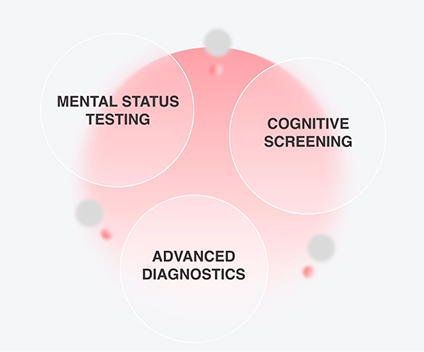
Show moreIn Argentina, Alzheimer’s diagnosis begins at the GP’s office, yet many patients face long waits and rely on families to recognise early signs. While cognitive tests like MMSE and MoCA are widely used, access to specialists, imaging, and advanced PET or CSF analyses is concentrated in a few urban centres. Blood biomarkers remain experimental, and genetic testing is largely provided by foreign labs. Costs are manageable only for those with disability certification, leaving others to navigate variable copayments and limited coverage.
Diagnosis pathway
Diagnosis in Argentina follows Argentine Neurological Society guidelines, starting with GP assessment and lab tests, followed by specialist referral for clinical evaluation, cognitive testing, and CT/MRI imaging. Advanced diagnostics like PET and CSF analysis remain largely limited to research settings.
The diagnostic process follows clinical guidelines from the Argentine Neurological Society. The pathway typically starts with a general practitioner (GP), who performs an initial assessment and orders laboratory tests to exclude other conditions. This is followed by a referral to a specialist (i.e., a neurologist, psychiatrist, geriatrician). The specialist’s evaluation involves interviews with the patient and an informant, a neurological examination, cognitive assessments, and neuroimaging to rule out other pathologies. Advanced tests, including Positron Emission Tomography (PET) scans and cerebrospinal fluid (CSF) analysis, are available but are mainly confined to research environments.
Wait times
No official data exist on wait times for primary or specialist care in Argentina; however, reports suggest patients may queue over 24 hours just to schedule neurology appointments, with consultations often delayed by more than a month.
No official statistics on waiting times for GPs or specialists are available. However, there are media reports and anecdotical information highlighting that patients might wait in queues for more than 24 hours to schedule a neurology appointment, which may be more than a month away.
Diagnosis cost
Argentina’s PMO covers GP and specialist visits, cognitive assessments, and MRI. However, advanced diagnostics are often excluded. Patients with a CUD receive full coverage, while others face variable copayments that can limit access.
The basic Mandatory Medical programme (PMO), which all insurers must provide, covers GP and specialist visits, neurocognitive assessments, and high-complexity imaging such as MRIs. However, it does not explicitly include advanced diagnostic tools such as PET scans, biomarker analysis, or genetic testing, and insurers may deny coverage for these. Obtaining the Single Disability Certificate (CUD) entitles patients to 100% coverage of all medically prescribed services related to the certified disability, including advanced diagnostics, and exempts them from all copayments. For patients without a CUD, copayments for visits and tests are common and can vary widely; while they are regulated, insurers retain discretion to adjust them, often creating financial barriers to access.
Cognitive tests
There is no nationally organised, widespread screening programme for dementia in the country, which means the diagnostic journey relies on individuals and families recognising early signs. Two of the most common screening tools used in clinical settings, the Mini-Mental State Examination (MMSE) and the Montreal Cognitive Assessment (MoCA), are both validated and used in Argentina. However, the unequal distribution of specialists and diagnostic centres across the country means that access to a healthcare professional proficient in administering and interpreting such specialised tests is not uniform.
- https://www.researchgate.net/profile/Carlos-Mias-3/publication/267764166_MMSE_normas_para_la_region_litoral_argentina/links/545a21df0cf2cf5164842db3/MMSE-normas-para-la-region-litoral-argentina.pdf
- https://www.demneuropsy.org/article/validation-of-the-argentine-version-of-the-montreal-cognitive-assessment-test-moca-a-screening-tool-for-mild-cognitive-impairment-and-mild-dementia-in-elderly/
- https://link.springer.com/chapter/10.1007/978-3-319-95360-1_28
Imaging tests
Argentina has made significant strides in integrating advanced neuroimaging techniques into Alzheimer’s disease research and clinical practice, with the establishment of Alzheimer’s Disease Neuroimaging Initiative (ADNI). Standard structural Computed Tomography (CT) and Magnetic Resonance Imaging (MRI) scans are mainly available in urban areas and in the private sector. Advanced functional scans like PET have a restricted availability and accessibility. The availability of FDG-PET and amyloid-PET is mostly limited to one centre in Buenos Aires at the Institute for Neurological Research Dr. Raul Carrea (FLENI).
Genetic tests
Genetic testing for the prediction of Alzheimer’s disease in Argentina is available through foreign-based commercial companies. Despite the limited availability, Argentina is a significant contributor to the global genetic research, which may enable access to at-risk individuals.
Biomarker tests
Analysis of biomarkers through CSF is not widely available across the country, but it is possible at the FLENI Neurological Institute. Blood biomarkers are currently discussed in the context of international research and are not yet part of routine clinical practice in Argentina
Cognitive Tests
Cognitive Tests
There is no nationally organised, widespread screening programme for dementia in the country, which means the diagnostic journey relies on individuals and families recognising early signs. Two of the most common screening tools used in clinical settings, the Mini-Mental State Examination (MMSE) and the Montreal Cognitive Assessment (MoCA), are both validated and used in Argentina. However, the unequal distribution of specialists and diagnostic centres across the country means that access to a healthcare professional proficient in administering and interpreting such specialised tests is not uniform.
- https://www.researchgate.net/profile/Carlos-Mias-3/publication/267764166_MMSE_normas_para_la_region_litoral_argentina/links/545a21df0cf2cf5164842db3/MMSE-normas-para-la-region-litoral-argentina.pdf
- https://www.demneuropsy.org/article/validation-of-the-argentine-version-of-the-montreal-cognitive-assessment-test-moca-a-screening-tool-for-mild-cognitive-impairment-and-mild-dementia-in-elderly/
- https://link.springer.com/chapter/10.1007/978-3-319-95360-1_28
Imaging Tests
Imaging Tests
Argentina has made significant strides in integrating advanced neuroimaging techniques into Alzheimer’s disease research and clinical practice, with the establishment of Alzheimer’s Disease Neuroimaging Initiative (ADNI). Standard structural Computed Tomography (CT) and Magnetic Resonance Imaging (MRI) scans are mainly available in urban areas and in the private sector. Advanced functional scans like PET have a restricted availability and accessibility. The availability of FDG-PET and amyloid-PET is mostly limited to one centre in Buenos Aires at the Institute for Neurological Research Dr. Raul Carrea (FLENI).
Genetic Tests
Genetic Tests
Genetic testing for the prediction of Alzheimer’s disease in Argentina is available through foreign-based commercial companies. Despite the limited availability, Argentina is a significant contributor to the global genetic research, which may enable access to at-risk individuals.
Biomarker Tests
Biomarker Tests
Analysis of biomarkers through CSF is not widely available across the country, but it is possible at the FLENI Neurological Institute. Blood biomarkers are currently discussed in the context of international research and are not yet part of routine clinical practice in Argentina
Treatment & Care
Treatment & care
Show moreSpecialised memory clinics and advanced diagnostic centres are largely concentrated in Buenos Aires and Rosario, creating geographic and socioeconomic barriers for families elsewhere. Day centres, supported by PAMI, and NGOs like A.L.M.A. provide community-based caregiver support. Palliative dementia care remains limited. The Single Disability Certificate (CUD) ensures full coverage for treatments, while others rely on partial insurance. Provincial programs and NGOs offer caregiver training, workshops, and support groups, though direct financial assistance is scarce.
Specialized facilities and services
Specialised memory clinics and advanced diagnostic centres are concentrated in Buenos Aires and Rosario, with leading institutions like FLENI, INECO, and Favaloro foundations providing comprehensive evaluations. Provincial access is limited, forcing families from other regions to travel long distances, creating geographic and socioeconomic barriers. Day centres, primarily public or private facilities in Buenos Aires, are supported by PAMI, while NGOs such as A.L.M.A. offer widespread community-based caregiver support across provinces. Palliative dementia care remains underdeveloped, with services largely hospital- or home-based, leaving significant gaps in specialised end-of-life support despite a national palliative care law.
In the city of Neuquén, in Neuquén Province, Argentina, there is the San Rafael Neurocognitive Evaluation and Rehabilitation Center. It is a regional reference center for the diagnosis and treatment of dementias. Together with the ALMA Comahue association, it has been supporting families and people with dementia for 12 years.
Specialised memory clinics and advanced diagnostic centres are almost exclusively located in Buenos Aires and Rosario cities. Premier institutions like INECO and Favaloro foundations and FLENI, along with major private hospitals such as Hospital Italiano, offer comprehensive neurological and neuropsychological evaluations but are concentrated in these urban hubs. While a limited number of dementia specialists practice in some provincial capitals like Córdoba or San Miguel de Tucumán, they are scarce. This centralisation forces families from the country’s other areas to undertake costly and lengthy travel to access an accurate diagnosis, creating significant geographic and socioeconomic barriers to diagnosis, treatment and care.
Day centres are also geographically concentrated, with a mix of public and private facilities available primarily in the Buenos Aires Metropolitan Area. The city of Buenos Aires operates a network of free public centres, including one for cognitive decline, and the public insurer The Comprehensive Medical Attention programme (Programa de Atención Médica Integral, PAMI) provides coverage for specialised day centres for its affiliates. Community support through non-governmental organisations (NGOs) is widespread. A.L.M.A. has an extensive national network of affiliated groups in numerous provinces, offering essential services like caregiver support groups, counseling, and workshops. These volunteer-led organisations are the most accessible resources for families outside the capital.
Palliative care for dementia in Argentina is an emerging field, with services not yet widely or systematically available. The national palliative care programme is primarily cancer-focused, operated by the Instituto Nacional del Cáncer. Although a national law on palliative care has been passed, its implementation for non-cancer conditions like advanced Alzheimer’s disease or dementia is still in its initial stages. There are no dedicated hospices specialising in dementia care. Consequently, end-of-life care is typically managed within general hospital palliative units or by home-based teams, where they exist, leaving a significant gap in specialised support for people living with Alzheimer’s disease in the final stages of the disease.
Approved medication
| Generic Name | Trade Name | Used for |
|---|---|---|
| Donepezil | Aricept, Aricept ODT, Adlarity, Eranz, Memac, Alzepil, Davia, Donecept, Donep, Donepex, Donesyn, Dopezil, Yasnal, Memorit, Pezale, Redumas, Zolpezil, Namzaric* | Donepezil is indicated for the symptomatic treatment of mild to moderately severe Alzheimer’s dementia. |
| Rivastigmine | Exelon, Exelon Patch, Prometax, Rivastach, Nimvastid | Symptomatic treatment of mild to moderately severe Alzheimer’s dementia. Symptomatic treatment of mild to moderately severe dementia in patients with idiopathic Parkinson’s disease. |
| Galantamine | Razadyne, Razadyne ER, Reminyl, Reminyl XL, Nivalin, Lycoremine, Galsya | Galantamine is indicated for the symptomatic treatment of mild to moderately severe dementia of the Alzheimer type. |
| Memantine | Namenda, Namenda XR, Ebixa, Memary, Axura, Akatinol, Maruxa, Nemdatine, Namzaric* | Treatment of adult patients with moderate to severe Alzheimer’s disease. |
*Namzaric = combination of Donepezil and Memantine
Treatment cost
Following an Alzheimer’s diagnosis, Argentine patients can secure the Single Disability Certificate (CUD), ensuring complete funding for medications, therapies, and supportive care. Those without the CUD depend on regular insurance, which typically requires copayments and provides partial coverage.

In Argentina, both government and private insurance are legally required to cover medicine and therapy costs for Alzheimer’s disease. More precisely, following a diagnosis, patients can apply for the Single Disability Certificate (CUD), a legal document that compels their insurer to provide 100% coverage for all related treatments and services. This coverage includes medications, rehabilitation, and support services such as home assistance or residential care.
Without the CUD, patients rely on the standard coverage provided by their insurer, which typically involves copayments and limitations.
Caregiver support
Provincial programs provide targeted caregiver support: Mendoza’s Mayor Respiro offers free group sessions to prevent burnout, while Tucumán’s Alzheimer Nodes deliver training, workshops, and family support. PAMI retirees can access a Home Auxiliary subsidy to fund external care, not as a caregiver salary. NGOs like A.L.M.A. and Alzheimer Argentina supplement services with counseling, educational workshops, and supervised support groups, offering emotional and practical guidance nationwide, though direct financial assistance remains limited.
Specific provincial programs offer some of the most direct support. The province of Mendoza’s Mayor Respiro programme is designed specifically to prevent caregiver burnout by providing free, group-based sessions that offer a space for reflection, emotional containment, and strategies to manage stress. Similarly, Tucuman’s integrated provincial health plan provides caregivers with training, workshops, and dedicated family support groups within specialised public health units known as Alzheimer Nodes.
For retirees and pensioners affiliated with PAMI (the national health insurance plan for this demographic), an additional form of financial support is available: the Subsidy for a Home Auxiliary. This benefit is explicitly defined as “partial economic support” to help PAMI affiliates who have functional dependencies and lack an adequate support network to cope with their situation. It is important to understand that this is not a salary paid to a family caregiver. Instead, it is a subsidy intended to help the family hire an external caregiver or cover other costs associated with home care.
Psycho-social support for caregivers is primarily provided by NGOs. The leading entity, A.L.M.A., offers a nationwide network of services including support groups, personalised counseling via phone and email, and educational workshops, though it does not provide direct financial aid. Other organisations like Alzheimer Argentina also offer supervised support groups and psychotherapy for the family unit, focusing on emotional and practical guidance.
- https://www.mendoza.gov.ar/prensa/inicia-la-preinscripcion-al-programa-mayor-respiro-para-familiares-cuidadores-de-personas-mayores-con-demencia/
- https://msptucuman.gov.ar/wordpress/wp-content/uploads/2024/11/PROGRAMA-ALZHEIMER-V01.pdf
- https://www.pami.org.ar/tramite/subsidio-auxiliar-domiciliario
- https://www.alma-alzheimer.org.ar/es/servicios-alma
- https://alzheimer.org.ar/
Policy
Policy
Show moreArgentina currently lacks a national dementia strategy, though several provinces, including Tucumán, Catamarca, Chaco, Santa Fe, and Entre Ríos, have implemented their own coordinated programs. Tucumán’s initiative emphasises early detection, specialised clinics, healthcare training, research, caregiver support, inclusive communities, telemedicine, and integration of dementia education into higher education. Advocacy efforts, highlighted by a May 2024 Buenos Aires symposium, seek to establish a nationwide strategy. Key policy gaps include the absence of unified legislation and widespread public misconceptions that Alzheimer’s disease is a normal, inevitable part of aging.
National dementia plan
Several Argentine provinces have enacted their own dementia legislation in the absence of a national plan, including Tucumán, Catamarca, Chaco, Santa Fe, and Entre Ríos. Tucumán’s Provincial programme for the Comprehensive Management of Alzheimer’s Disease and Other Dementias aim to improve quality of life for patients and families through early detection, specialised clinics, and ongoing healthcare training. The programme emphasises research, data collection, caregiver support, inclusive communities, improved access to services like the CUD, telemedicine, and integration of dementia education into higher education curricula, creating a coordinated provincial framework despite the lack of nationwide legislation.
The National Plan for Alzheimer’s and Related Disorders was officially approved in February 2026. The strategic framework operates under the National Directorate of Integral Mental Health Approach and is designed to tackle the growing impact of neurodegenerative diseases, which are identified as a public health priority due to their progressive nature and significant effect on social and occupational functioning.
The strategy is organised into six core axes:
1. Promotion and Prevention: Launching public awareness campaigns to educate the community and reduce the stigma surrounding dementia.
2. Human Resources Training: Providing healthcare workers with targeted guidelines to ensure early detection and proper intervention.
3. Comprehensive Care: Delivering dedicated psychological support and care resources for both patients and their informal caregivers.
4. Research and Information: Promoting ongoing clinical and social research to keep information systems updated.
5. Intersectoral Coordination: Fostering collaborative efforts across different ministries and health sectors.
6. Epidemiology: Creating a formal diagnosis of the disease’s current epidemiological situation in the country.
Previously, several Argentine provinces have taken the initiative to enact their own legislation to address dementia. Provinces such as Tucumán (Law 9014), Catamarca (Law 5895), Chaco (Law 7556), Santa Fe (Law 14111), and Entre Rios have established sub-national programs or frameworks.
The most recent is the Provincial programme for the Comprehensive Management of Alzheimer’s Disease and Other Dementias enacted by the Tucuman Government. The programme’s main goal is to improve the quality of life for people living with Alzheimer’s disease and other dementias, as well as their families. The key objectives of the programme are:
1. Early Detection and Diagnosis: To implement effective strategies for the early detection of Alzheimer’s disease and to create specialised clinics across the province to provide medical, psychological, and social support.
2. Accessible Care: To provide ongoing training for health personnel on Alzheimer’s disease and other dementias, and to develop public information and awareness campaigns about the disease and brain health.
3. Research and Data Collection: To establish a reliable system for statistics and registration of new Alzheimer’s disease diagnoses and to strengthen research to find new ways to prevent, treat, and cure the disease.
4. Support for Families and Caregivers: To offer resources and support to families, including training for home caregivers.
5. Creating an Inclusive Environment: To promote a friendly and inclusive environment by adapting communities and public spaces for people living with dementia.
6. Improved Access to Services: To coordinate with the Provincial Disability Board to ensure access to the Single Disability Certificate (CUD) and to improve access to treatment and medication.
7. Telemedicine: To coordinate a telemedicine system for people living with dementia, including teleconsultation and tele-education.
8. Higher Education: To encourage universities and other higher education institutions to include the topic of dementia in the curriculum for health professionals.
Argentina approved its first National Plan for Alzheimer’s and Related Disorders through the Ministry of Health Resolution 279/2026, published on 19 February 2026. The plan is structured around six axes: promotion and prevention; workforce training; comprehensive care and family support; research, innovation and information systems; intersectoral coordination and governance; and epidemiological situation assessment. However, the resolution states that the measure does not imply new budget expenditure, so implementation may depend on existing institutional capacity and provincial coordination. A separate PLEA bill to create a broader national Alzheimer’s and dementia programme has passed the Chamber of Deputies but, as of late June 2026, remains under Senate consideration.
- https://www.boletinoficial.gob.ar/detalleAviso/primera/338538/20260219?busqueda=1&anexos=1
- https://www.mendoza.gov.ar/prensa/inicia-la-preinscripcion-al-programa-mayor-respiro-para-familiares-cuidadores-de-personas-mayores-con-demencia/
- https://www.argentina.gob.ar/normativa/nacional/resoluci%C3%B3n-279-2026-423231/texto
- https://fundacionleon.org.ar/hacia-un-plan-nacional-de-demencias-con-incidencia-de-leon/
Upcoming plans
In May 2024, a Buenos Aires symposium united politicians, experts, and civil society, advancing advocacy for a national dementia strategy in Argentina.
There are advocacy and political efforts for a comprehensive national dementia strategy in Argentina. In May 2024, a symposium was held in Buenos Aires, bringing together political figures, international experts, and civil society leaders. This event reaffirmed the commitment to treating dementia as a national public health priority.
Policy gaps
Legal barriers
The principal legal obstacle is the absence of a unified national plan for Alzheimer’s disease and other dementias.
Cultural barriers
Public opinion surveys reveal that while Alzheimer’s disease is one of the most feared diseases, people erroneously believe it is a normal and inevitable part of aging.
Research
Research
Show moreArgentina leads in Alzheimer’s research, advancing biomarker validation, lifestyle intervention trials, genetic studies, and AI-driven molecular insights through FLENI, University of Buenos Aires, and CONICET.
Selected academic institutions
Clinical trials and registries
The regulatory authority for all clinical trials in Argentina is the National Administration of Drugs, Food and Medical Devices (ANMAT). ANMAT oversees the approval and monitoring of all clinical research in the country. They maintain the national public registry of clinical trials.
National Registry of Health Research (RENIS) is the official public database where all health research studies involving human beings in Argentina are registered.
Selected innovative methods
FLENI Neurological Institute leads Alzheimer’s research in Argentina, hosting ADNI, DIAN trials, and LatAm-FINGERS to validate biomarkers and test lifestyle interventions. University of Buenos Aires researchers conduct GWAS and molecular studies, while CONICET applies AI-enhanced super-resolution microscopy to track neuro-receptor dynamics in living cells, advancing understanding of Alzheimer’s disease mechanisms.
FLENI Neurological Institute is a central hub for Alzheimer’s disease research, hosting the Argentina-Alzheimer’s Disease Neuroimaging Initiative (ADNI) to validate biomarkers and participating in international clinical trials like the Dominantly Inherited Alzheimer Network (DIAN). Its Laboratory of Applied Neuroscience Research also uses pluripotent stem cells to model and study neurodegenerative diseases such as Alzheimer’s disease. FLENI also leads the LatAm-FINGERS study, which adapts the Finnish FINGER model to test whether multidomain lifestyle interventions—combining diet, exercise, and cognitive training—can prevent cognitive decline in older adults across Latin America.
Researchers from the University of Buenos Aires have been involved in the first Genome-Wide Association Study (GWAS) for Alzheimer’s in South American populations, identifying genetic risk factors shared with Europeans. They also conduct foundational research on the molecular mechanisms of Alzheimer’s disease.
A research team at National Council for Scientific and Technical Research (Consejo Nacional de Investigaciones Científicas y Técnicas, CONICET) has for the first time used advanced super-resolution microscopy combined with artificial intelligence to visualise, in a living cell, how the nicotinic acetylcholine receptor (a membrane neuro-receptor implicated in neurological diseases such as Alzheimer’s disease and Myasthenia gravis) moves and interacts with the lipid cholesterol.
- https://lian.fleni.org.ar/2025/01/09/a-day-at-lian-fleni-stem-cell-research/?lang=en
- https://www.fleni.org.ar/fingers/
- https://pubmed.ncbi.nlm.nih.gov/37204054/
- https://pubmed.ncbi.nlm.nih.gov/37985413/
- https://www.conicet.gov.ar/logran-revertir-deficits-de-la-memoria-en-un-modelo-experimental-de-la-enfermedad-de-alzheimer/
- https://www.conicet.gov.ar/un-equipo-del-conicet-logro-visualizar-por-primera-vez-con-ia-la-dinamica-de-un-neuroreceptor-implicado-en-enfermedades-neurologicas
Support
Support
Show moreThe ReDLat consortium advances dementia research across Latin America and the U.S., combining genomic, neuroimaging, and behavioral data to better understand Alzheimer’s and frontotemporal dementia. Public engagement is supported through Revista Alzheimer, Alzheimer Argentina’s magazine, which educates and raises awareness for general audiences.
Selected national associations, patient family associations, NGOs:
Selected initiatives
The ReDLat consortium unites Latin American countries and the U.S., integrating genomic, neuroimaging, and behavioral data to advance understanding of Alzheimer’s and frontotemporal dementia across diverse populations.
The ReDLat initiative
Dedicated media outlets
Revista Alzheimer is the official publication of the organisation Alzheimer Argentina, functioning as an informational magazine for a general audience.