

South Korea
As one of the most rapidly aging societies in the world, South Korea boasts a world class dementia management system which places great emphasis on community support. In addition, the country is a global leader in terms of early dementia detection and prevention efforts, having invested greatly in the development of the necessary infrastructure. Through its Local Dementia centres, South Korea offers a wide array of dementia – related services for patients, their families and caregivers. With over 1.5 million people registered as Dementia Relief Members, and its memory cafés, South Korea is doubling down on destigmatising dementia, and raising public awareness of a growing medical issue.

AD Rating
Diagnostic Pathway
Specialized Care
Caregiver Support
National Policies
Access to ATT-s
Highlights

Population
Median age
Health expenditure (% of GDP)
Diagnosis
Diagnosis
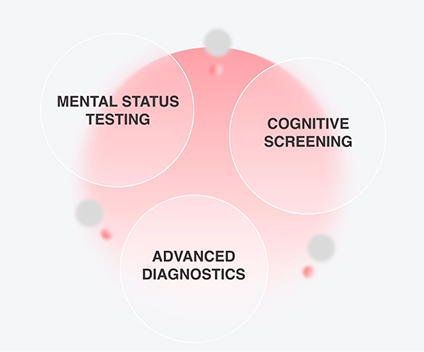
Show moreIn South Korea, Alzheimer’s diagnosis begins with memory concerns, supported by the 2017 National Dementia Screening programme and NHIS screenings for adults 60+. Cognitive assessments include K-MMSE, MoCA, KDSQ, and CIST-K, with follow-up neuropsychological batteries (SNSB-II, CERAD-K, LICA) and staging via CDR or GDS. MRI, CT, SPECT, and amyloid PET are widely used, while APOE genotyping is routinely performed. Fluid biomarkers are rare due to lumbar puncture reluctance. Diagnosis averages 2.8 months, and costs are partly subsidised for low-income seniors, though neuroimaging and genetic tests are often self-funded.
Diagnosis pathway
Under the 2017 NDSP initiative, Alzheimer’s diagnosis in South Korea often starts when memory concerns arise. The programme provides free cognitive screening for adults aged 60+, delivered through public health and dementia centres to encourage early detection. Individuals with objective cognitive impairment are referred to specialists for in-depth evaluation, including neurological exams and neuropsychological testing. Blood tests exclude reversible causes such as metabolic or thyroid disorders, while MRI or CT scans assess brain structure. Advanced diagnostics, including CSF analysis or amyloid PET, support definitive diagnosis and treatment planning.
In South Korea, the approach to diagnosing Alzheimer’s disease begins when individuals experience memory issues. The National Dementia Screening programme (NDSP), launched in 2017, offers free cognitive assessments to individuals aged 60 and over, promoting early detection of Alzheimer’s disease. Screening is conducted by primary care physicians at public health centres and designated dementia centres across the country. If objective cognitive impairment (or a high risk of developing cognitive problems) is identified, individuals are typically directed to an Alzheimer’s disease specialist for further evaluation. Specialist assessments are comprehensive, typically including a detailed medical history and neurological examinations to assess cognitive function and identify potential neurological deficits. These are followed by neuropsychological tests designed to evaluate various cognitive domains.
To rule out other potential causes of dementia, laboratory tests are conducted, helping to exclude other conditions that might mimic or contribute to cognitive decline, such as vitamin deficiencies, thyroid disorders, or metabolic imbalances. Neuroimaging, including magnetic resonance imaging (MRI) and computed tomography (CT) scans, is employed to evaluate structural changes in the brain, rule out other neurological diseases, and provide supporting evidence for diagnosing Alzheimer’s disease. Finally, for a more definitive diagnosis, cerebrospinal fluid (CSF) study or amyloid positron emission tomography (PET) scan may be performed, particularly in patients who meet specific criteria, such as younger patients presenting with progressive cognitive decline and suspected pathology, or to determine eligibility for anti-amyloid treatments.
Wait times
In South Korea, dementia diagnosis averages 2.8 months, extending to six when neuropsychological testing is required. While MRI and PET access is strong, patient resistance to lumbar puncture restricts CSF testing. A growing elderly population and limited specialist workforce present system challenges.
The average time taken to diagnose dementia in South Korea was 2.8 months, but it could be up to 6 months, depending on neuropsychological testing requirements. Diagnostic capacity in South Korea is high, with MRI and Positron Emission Tomography (PET) scanners readily available. Korean patients are strongly averse to undergoing lumbar punctures, limiting the potential of using CSF testing. Fluid biomarker tests are the second most commonly used tests in diagnosing dementia. A potential issue, considering that South Korea is projected to age rapidly, is the rather low number of dementia specialists, and, more generally, physicians in South Korea.
Diagnosis cost
The National Dementia Early Detection programme in South Korea offers free cognitive screening every two years for residents over 60, supplemented by NHIS testing at age 66. Neuropsychological assessments require partial payment, with low-income individuals eligible for subsidies up to 150,000 KRW. Neuroimaging tests are mostly self-funded, though subsidies up to 110,000 KRW exist for eligible individuals. While amyloid PET and MRI scans cost US$500-900, CT scans are cheaper, and genetic or biomarker tests are generally fully paid by patients.
Under the provisions of the National Dementia Early Detection programme, all South Korean residents older than 60 could access cognitive screening tests for free once every two years in nearby local dementia centres. In addition, the National Health Insurance Service (NHIS) provides screening tests to people once they turn 66, which is regarded as an important transition time to old age. If directed to perform a comprehensive neuropsychological assessment, patients can expect to bear 30% to 60% of its full cost, depending on where the assessment is conducted. Individuals older than 60, earning less than 120% of the median income, are eligible for a subsidy for specialist neuropsychological assessments, which are generally not covered by the National Health Insurance Service (NHIS). A subsidy ceiling of 150 thousand KRW (ca. US$110) applies for diagnostic evaluation. In South Korea, National Health Insurance Service (NHIS) plans generally do not cover the costs of neuroimaging tests, and patients generally pay these out of pocket. However, individuals older than 60, earning less than 120% of the median income, are eligible for a subsidy for these tests. A subsidy ceiling of 110 thousand KRW (ca. US$80) applies. These scans tend to be more affordable in South Korea when compared to similar economies – amyloid PET or MRI scans cost between US$500 and US$900, while CT scans are more affordable. Costs of genetic or biomarker testing are generally borne in their entirety by patients.
Cognitive tests
Under the provisions of the National Dementia Early Detection programme, all South Korean residents older than 60 could access cognitive screening tests for free once every two years in nearby local dementia centres. In addition, the National Health Insurance Service (NHIS) provides screening tests to people once they turn 66, which is regarded as an important transition time to old age.
In South Korea, the most commonly used cognitive screening tests are the following:
(1) Korean version of the Mini Mental State Examination (MMSE), abbreviated to K – MMSE
(2) Montreal Cognitive Assessment (MoCA)
(3) Korean Dementia Screening Questionnaire (KDSQ)
(4) Cognitive Impairment Screening Test (CIST – K).
When suspecting the presence of cognitive impairments among patients, South Korean physicians commonly administer the following neuropsychological tests in follow up examinations:
(1) Seoul Neuropsychological Screening Battery (SNSB), in its most recent iteration (SNSB – II).
(2) Korean version of the Consortium to Establish a Registry for Alzheimer’s Disease (CERAD) test, abbreviated to CERAD – K.
(3) Literacy – Independent Cognitive Assessment (LICA), which is usually administered to illiterate patients, or those with low educational attainment.
(4) Occasionally, the Alzheimer’s Disease Assessment Scale – Cognitive Subscale (ADAS – Cog) is administered. However, in South Korea, it is only used by tertiary general hospitals, and in clinical trials only.
When it comes to dementia severity assessments, physicians in South Korea primarily rely on the Clinical Dementia Rating (CDR) and the Global Deterioration Scale (GDS).
Individuals older than 60, earning less than 120% of the median income, are eligible for a subsidy for specialist neuropsychological assessments, which are generally not covered by the National Health Insurance Service (NHIS). A subsidy ceiling of 150 thousand KRW (ca. US$110) applies for diagnostic evaluation.
- https://app7.legco.gov.hk/rpdb/en/uploads/2023/IN/IN18_2023_20230914_en.pdf
- https://www.sciencedirect.com/science/article/pii/S2274580725001591
- https://pubmed.ncbi.nlm.nih.gov/39113919/
- https://dnd.or.kr/DOIx.php?id=10.12779/dnd.2025.24.2.126
- https://pmc.ncbi.nlm.nih.gov/articles/PMC9939572/
- https://karger.com/dee/article/15/1/99/928652/The-Care-Pathway-for-Patients-with-Mild-Cognitive
Imaging tests
The capacity to confirm Alzheimer’s disease through neuroimaging tests in South Korea is high, as the country has one of the highest rates of MRI, CT, PET and SPECT scanners per million inhabitants among the Organisation for Economic Co-operation and Development (OECD) countries. Commonly used neuroimaging tests in South Korea are MRI tests, including magnetic resonance angiography (MRA), CT tests, including single photon emission computed tomography (SPECT) and PET neuroimaging, primarily in the form of amyloid PET scans. F-FDG PET neuroimaging is less common, and most South Korean physicians do not consider it essential.
Genetic tests
Almost all physicians in South Korea include apolipoprotein E (APOE) genotype investigation in the diagnostic workup for dementia. South Korean physicians consider it essential, most likely because of the advent of amyloid – targeting disease modifying therapies (DMT). Carriers of the APOE ε4 allele are considered to be at greater risk of amyloid-related imaging abnormalities (ARIA), which is why APOE genotyping is crucial. It is important to note that facilities for APOE genotyping are readily available and affordable in Korea, supporting its routine use in the diagnostic process.
Biomarker tests
Physicians in South Korea do not consider fluid biomarkers to be an essential part of the dementia diagnostic process, but they are available and occasionally used in the diagnostic workup. Blood-based measurement of plasma Aβ oligomerisation tendency is most common, followed by CSF testing. In Korea, just 1% of patients underwent lumbar puncture in clinical practice, and patients were found to be strongly averse to them. Hence, the potential of CSF testing as a scalable and inexpensive modality for fluid biomarker testing is considered to be limited. Innovative biomarker diagnostics, such as plasma Aβ, plasma p-tau are still rarely used in practice.
Cognitive Tests
Cognitive Tests
Under the provisions of the National Dementia Early Detection programme, all South Korean residents older than 60 could access cognitive screening tests for free once every two years in nearby local dementia centres. In addition, the National Health Insurance Service (NHIS) provides screening tests to people once they turn 66, which is regarded as an important transition time to old age.
In South Korea, the most commonly used cognitive screening tests are the following:
(1) Korean version of the Mini Mental State Examination (MMSE), abbreviated to K – MMSE
(2) Montreal Cognitive Assessment (MoCA)
(3) Korean Dementia Screening Questionnaire (KDSQ)
(4) Cognitive Impairment Screening Test (CIST – K).
When suspecting the presence of cognitive impairments among patients, South Korean physicians commonly administer the following neuropsychological tests in follow up examinations:
(1) Seoul Neuropsychological Screening Battery (SNSB), in its most recent iteration (SNSB – II).
(2) Korean version of the Consortium to Establish a Registry for Alzheimer’s Disease (CERAD) test, abbreviated to CERAD – K.
(3) Literacy – Independent Cognitive Assessment (LICA), which is usually administered to illiterate patients, or those with low educational attainment.
(4) Occasionally, the Alzheimer’s Disease Assessment Scale – Cognitive Subscale (ADAS – Cog) is administered. However, in South Korea, it is only used by tertiary general hospitals, and in clinical trials only.
When it comes to dementia severity assessments, physicians in South Korea primarily rely on the Clinical Dementia Rating (CDR) and the Global Deterioration Scale (GDS).
Individuals older than 60, earning less than 120% of the median income, are eligible for a subsidy for specialist neuropsychological assessments, which are generally not covered by the National Health Insurance Service (NHIS). A subsidy ceiling of 150 thousand KRW (ca. US$110) applies for diagnostic evaluation.
- https://app7.legco.gov.hk/rpdb/en/uploads/2023/IN/IN18_2023_20230914_en.pdf
- https://www.sciencedirect.com/science/article/pii/S2274580725001591
- https://pubmed.ncbi.nlm.nih.gov/39113919/
- https://dnd.or.kr/DOIx.php?id=10.12779/dnd.2025.24.2.126
- https://pmc.ncbi.nlm.nih.gov/articles/PMC9939572/
- https://karger.com/dee/article/15/1/99/928652/The-Care-Pathway-for-Patients-with-Mild-Cognitive
Imaging Tests
Imaging Tests
The capacity to confirm Alzheimer’s disease through neuroimaging tests in South Korea is high, as the country has one of the highest rates of MRI, CT, PET and SPECT scanners per million inhabitants among the Organisation for Economic Co-operation and Development (OECD) countries. Commonly used neuroimaging tests in South Korea are MRI tests, including magnetic resonance angiography (MRA), CT tests, including single photon emission computed tomography (SPECT) and PET neuroimaging, primarily in the form of amyloid PET scans. F-FDG PET neuroimaging is less common, and most South Korean physicians do not consider it essential.
Genetic Tests
Genetic Tests
Almost all physicians in South Korea include apolipoprotein E (APOE) genotype investigation in the diagnostic workup for dementia. South Korean physicians consider it essential, most likely because of the advent of amyloid – targeting disease modifying therapies (DMT). Carriers of the APOE ε4 allele are considered to be at greater risk of amyloid-related imaging abnormalities (ARIA), which is why APOE genotyping is crucial. It is important to note that facilities for APOE genotyping are readily available and affordable in Korea, supporting its routine use in the diagnostic process.
Biomarker Tests
Biomarker Tests
Physicians in South Korea do not consider fluid biomarkers to be an essential part of the dementia diagnostic process, but they are available and occasionally used in the diagnostic workup. Blood-based measurement of plasma Aβ oligomerisation tendency is most common, followed by CSF testing. In Korea, just 1% of patients underwent lumbar puncture in clinical practice, and patients were found to be strongly averse to them. Hence, the potential of CSF testing as a scalable and inexpensive modality for fluid biomarker testing is considered to be limited. Innovative biomarker diagnostics, such as plasma Aβ, plasma p-tau are still rarely used in practice.
Treatment & Care
Treatment & care
Show moreSouth Korea’s dementia care system integrates a three-tier structure, specialised hospitals, and long-term support programs. The National Institute of Dementia directs policy, research, and oversight, while 17 Provincial and 256 Local Dementia centres deliver screening, prevention, case management, daycare, and family support. Memory centres in hospitals like CHA Bundang, NBBK, and Asan complement these services. Dementia-related costs reached US$4.218 billion in 2021, with LTCI supporting home nursing and cognitive care. Families provide 55-85% of care, with Local Dementia centres and public guardianships assisting in education, support, and patient rights protection. Cultural norms emphasise family caregiving, and public guardianships protect patient rights.
Specialized facilities and services
South Korea operates a three-tier dementia management system: NID sets national policy, research, and oversight; 17 Provincial Dementia centres manage regional prevention, public education, and staff training; 256 Local Dementia centres offer free cognitive screening, case management, family support, daycare, and community programs for patients and caregivers. Expansion plans include rural areas and dementia reassurance villages. private and public hospitals maintain specialised memory centres, including CHA Bundang Medical centre, NBBK member hospitals, and Asan Medical centre. Long-term support services remain underused due to resource and cultural barriers.
At present, South Korea currently has a three tier dementia management system, comprising a National Institute of Dementia (NID), 17 Provincial (or Metropolitan) Dementia centres and 256 Local Dementia centres. While the National Institute of Dementia is tasked with the creation and administration of a national dementia management system, Provincial and Local Dementia centres serve as its local level coordinators. Their primary role is to provide dementia-related services, such as early screening, dementia prevention, case registration and management, daycare services and family support.
The National Institute of Dementia was established by the Ministry of Health and Welfare and the National Medical centre (2012), with an aim to create an effective dementia service network for elderly Koreans. It is responsible for predicting research demands, monitoring international advancements, creating national research plans, and supporting public participation in dementia projects. One of its core functions is the development of dementia-related research and policy initiatives grounded in solid evidence and data. To that end, the National Institute of Dementia publishes the Korean Dementia Observatory, an annual report that provides comprehensive national statistics and trend analyses on dementia in South Korea. Another core duty of the National Institute of Dementia is to oversee the operations of Provincial and Local Dementia centres, while developing standardised protocols for their operation, and, in turn, dementia management in South Korea.
Provincial (or Metropolitan) Dementia centres represent the second tier of the South Korean dementia management systems, and are tasked with the coordination of dementia prevention efforts and public awareness initiatives in each Korean province or metropolitan area. Other core functions performed by the Provincial Dementia centres include the (1) education and training of field workers within Local Dementia centres, (2) provincial dementia management planning and the (3) provision of technical support towards the implementation of national and provincial dementia management strategies.
Local Dementia centres, otherwise known as Community Dementia Reassurance centres (Chime Ansim), represent the third tier of the South Korean dementia management system, and provide one-stop dementia-related services to patients, their families and caregivers. Most crucially, the Local Dementia centres provide free cognitive screening tests for all South Korean residents aged 60 and over, thus encouraging regular assessments of cognitive health. Moreover, community residents are able to speak to onsite specialists after screening, who can, in turn, refer them to further neuropsychological assessments. Another core duty of the Local Dementia centres is the acquisition of epidemiological data on dementia, making them invaluable towards the creation of future dementia management strategies in South Korea. Finally, Local Dementia centres serve as community building hubs for people living with dementia, organising various activities for them, with the aim of keeping them cognitively active. Centres also offer programs for family members of people living with dementia, providing them with access to expert consultations, conducting screening tests for caregiver stress, and also organising group sessions or gatherings, as a means of exchanging experiences in caring for people living with dementia. Activities of Local Dementia centres can broadly be divided into six categories, (1) public awareness promotion, (2) dementia prevention, (3) early screening and diagnosis, (4) case registration and management, (5) family support, and the (6) provision of daycare services for dementia patients not supported by long-term care insurance (LTCI).
Local Dementia centres are aiming to expand services to residents in rural areas and single households. Certain rural regions with high rates of elderly residents are assigned with a dementia reassurance village, where additional services are provided in connection with the centres. These villages are planned to expand along with the dementia centres.
Outside the three tier national dementia management system, South Korea boasts well developed dementia treatment facilities with its university and general hospitals — most of which are privately operated. Many of them feature their own memory centres, which are specialised departments treating people living with dementia at varied levels of severity. Some of the most prominent institutions for dementia treatment include the CHA Bundang Medical centre (CBMC), which was the first to treat memory loss in Korea, the member hospitals of the National Brain Biobank of Korea (NBBK), which stand at the forefront of dementia research in South Korea, and the Asan Medical centre, the largest teaching hospital in the country.
Long-Term Services and Supports (LTSS) programs providing hospice and palliative care are currently underused, providers may hesitate to devote resources to meeting these patients’ needs. Secondly, family members and patients may find it difficult to forgo further curative treatments.
Approved medication
| Generic Name | Trade Name | Used for |
|---|---|---|
| Donepezil | Aricept, Aricept ODT, Adlarity, Eranz, Memac, Alzepil, Davia, Donecept, Donep, Donepex, Donesyn, Dopezil, Yasnal, Memorit, Pezale, Redumas, Zolpezil, Namzaric* | Donepezil is indicated for the symptomatic treatment of mild to moderately severe Alzheimer’s dementia. Official National Product Information |
| Rivastigmine | Exelon, Exelon Patch, Prometax, Rivastach, Nimvastid | Symptomatic treatment of mild to moderately severe Alzheimer’s dementia. Symptomatic treatment of mild to moderately severe dementia in patients with idiopathic Parkinson’s disease. Official National Product Information |
| Galantamine | Razadyne, Razadyne ER, Reminyl, Reminyl XL, Nivalin, Lycoremine, Galsya | Galantamine is indicated for the symptomatic treatment of mild to moderately severe dementia of the Alzheimer type. Official National Product Information |
| Memantine | Namenda, Namenda XR, Ebixa, Memary, Axura, Akatinol, Maruxa, Nemdatine, Namzaric* | Treatment of adult patients with moderate to severe Alzheimer’s disease. Official National Product Information |
| Lecanemab | Leqembi | Lecanemab is indicated for the treatment of mild cognitive impairment and mild dementia due to Alzheimer’s disease in adult patients that are apolipoprotein E ε4 (ApoE ε4) heterozygotes or non-carriers. |
*Namzaric = combination of Donepezil and Memantine
Treatment cost
South Korea faces rising dementia-related costs, estimated at US$4.218 billion in 2021, with direct treatment expenses accounting for over half. LTCI, mandatory since 2008 and revised in 2014 for dementia coverage, supports home nursing and cognitive interventions through combined funding sources. Early diagnosis is critical to reduce institutional care costs. Under the Fourth National Dementia Plan, South Korea aims to cover 90% of severe dementia healthcare costs and provide expanded welfare support, though family caregiver opportunity costs remain substantial.

A 2021 study found that the health-economic cost of dementia in South Korea increased by about 1.5 times between 2016 and 2021, estimated to be about US$4.218 billion. Direct costs, that is, medical and transportation expenses paid for dementia treatment, represented 52% of the entire cost burden, with their proportion steadily increasing, while indirect costs, that is, productivity loss of people living with dementia and their family caregivers accounted for 48% of the burden. Dementia-related economic cost per capita was found to approximately amount to US$695,730. Recent research estimates that the annual cost of dementia care will increase from 0.9% to 3.8% of South Korean gross domestic product (GDP) between 2019 and 2050.
South Korea introduced mandatory long-term care insurance (LTCI) in 2008, and in 2014, eligibility was extended to people living with dementia, including those living with mild dementia. Prior to the revision, people living with cognitive disorders but without severe physical disability were not eligible for long term-care insurance. The revision enabled access to appropriate long-term care for many people living with dementia, including features such as cognitive function training programs and home nursing services. People living with Alzheimer’s disease with mild symptoms and families of people living with dementia were also covered under the revision. In South Korea, long-term care insurance is funded by contributions paid by the insured, government subsidies, and co-payments by beneficiaries.
Since the cost of nursing facilities is supported by health insurance in South Korea health insurance can increase dramatically when patients start to receive formal care from institutions such as nursing facilities and geriatric hospitals. This indicates the importance of identifying people living with dementia in the early stages and slowing their progression.
Under the provisions of the Fourth National Dementia Plan, South Korea aims to provide coverage for 90% of healthcare costs associated with severe dementia within its National Health Insurance (NHI) framework. In addition, it aims to reduce the financial burden of long-term care, and expand coverage of welfare supplies for older people living with dementia at home. In practice, opportunity costs for family caregivers remain high, and considering that users of the long-term care insurance pay 15% to 20% of treatment costs in the form of co-payments, their economic burden can be significant.
Caregiver support
Family members provide primary care for 55-85% of dementia patients in South Korea, guided by Confucian filial norms, but high opportunity costs and often lack the knowledge to manage behavioral and psychological symptoms effectively. LTCI aims to shift care from informal to formal services, reducing hospitalisations and burden. Local Dementia centres offer registered caregivers educational programs and self-help services, with 145,000 participants as of 2021. Additionally, family members may become public guardians via family courts to protect patients’ rights, with 380 guardianships approved between 2018-2022.
Approximately 55% to 85% of people living with dementia are taken care of by family members in South Korea, and many of them face significant opportunity costs. Confucianism has a strong impact on caregiving in Korean culture. Families are regarded as the first agent of care for the elderly, an idea based on the traditional Confucian practice of filial piety, moral and ethical norms for parent – child relationships.
It is not clear that caregivers in South Korea have the awareness, knowledge, and incentives to correctly identify and appropriately manage behavioral and psychological symptoms of dementia, in spite of having access to resources such as Local Dementia Centers. In practice, detection in health care settings remains challenging. An important aspect of the design and adoption of long-term care insurance in South Korea was the aim to encourage substitution between informal and formal care services, relieving the burden of informal care for family caregivers by subsidising formal care services, and thereby reducing the need for social hospitalisations. Some studies suggest that adding mandatory long-term care insurance to existing coverage by National Health Insurance did promote some cost reduction in terms of inpatient services, and, more generally, long-term care, while increasing others (outpatient care and pharmaceuticals).
Family caregivers are entitled to register to obtain consultation services and participate in support programmes from the Local Dementia centres, which include family caregivers education classes and self-help sessions. These services are covered by mandatory long-term care insurance. As of 2021, about 145 thousand caregivers registered with the system. Dementia caregivers may apply to become public guardians of people living with dementia through family courts. In that manner, incapable people’s rights are protected in terms of asset management and personal matters (e.g. medical, housing and social welfare). Between 2018 and 2022, 380 public guardianships for dementia were approved in South Korea.
Policy
Policy
Show moreDementia management in South Korea is overseen by the National Dementia Management Committee under the 2012 Dementia Management Act, with the Fourth National Dementia Plan (2021-2025) guiding policy. The plan emphasises early detection, cognitive training, comprehensive care, family support, workforce education, infrastructure, research, technology funding, and fostering a dementia-friendly society. The upcoming plan, expected after 2025, will focus on emerging technologies, complementary care, and on-site rehabilitation. Policy gaps include legal and economic concerns, data integration, and social stigma, prompting ongoing efforts to review dementia terminology and create a more inclusive, patient-centered environment.
National dementia plan
Dementia management in South Korea is directed by the National Dementia Management Committee under the Dementia Management Act (2012). Following the 2008 “War on Dementia,” the government has implemented National Dementia Plans, currently guided by the Fourth Plan (2021-2025). Its goals are to register over 80% of dementia patients in Local Dementia centres, expand early detection and cognitive training programs, provide comprehensive care, and support family caregivers. The plan also emphasises strengthening policy, workforce education, infrastructure, research and technology funding, and creating a dementia-friendly society to ensure inclusive, high-quality care for patients and communities alike.
In South Korea, dementia management is overseen by the National Dementia Management Committee, which was set up in accordance with the Dementia Management Act (2012) to deliberate on key matters regarding the establishment of National Dementia Plans. According to the Act, the Committee is chaired by the Vice Minister of Health and Welfare and consists of no more than 20 appointed members with good knowledge of and experience in dementia.
Since 2008, when it declared a War on Dementia, the South Korean government has continuously established and updated national policies for dementia care, with the main guiding document being the National Dementia Plan, which sets out a national strategy for dementia management during a 3 to 5 year period.
Currently, dementia management in South Korea is guided by the Fourth National Dementia Plan (2021 to 2025). Its vision is to build a “dementia-safe society for people living with dementia, their families and communities”, and one of its main goals is to ensure that over 80% of people living with dementia are registered in their Local Dementia Centers. It aims to institute customised systems and services for the elderly, and increase their uptake within the Local Dementia centre framework. Its objectives are divided into two thematic groups:
(1) Provision of specialised dementia management and care
(a) Preemptive dementia prevention and management, focusing on early detection of dementia and the development of cognitive training programs for at risk groups.
(b) Focus on early stages of dementia, and, in particular, the provision of highly qualified treatment and care for people living with dementia to prevent its progression.
(c) Heightening the capacity of dementia care in communities, by diversifying support services for people living with dementia in the community.
(d) Reducing the burden on families, through community-based support services for family caregivers.
(2) Strengthening the policy base for dementia
(a) Advancing the dementia management system, with a specific focus on the inclusion of related institutions
(b) Expansion and specialisation of the dementia management infrastructure, particularly in terms of workforce education and training, and improvements to nursing institutions
(c) Support for dementia research and technology development, by establishing a financial support system for dementia related statistics and research, and fostering the application of technology (AI) to support treatment and care.
(d) Establishment of a dementia-friendly society, with the aim of creating a social environment that embraces people living with dementia.
Upcoming plans
Following the Fourth Plan’s 2025 expiry, the upcoming National Dementia Plan will focus on new technologies and stronger support for complementary care and on-site rehabilitation for dementia patients.
Since the Fourth National Dementia Plan expires in 2025, it is expected that a new National Dementia Plan will be released by the end of 2026. Expectations around the upcoming strategy include a focus on leveraging emerging technologies to improve service delivery to people living with dementia, and the enhancement of support for complementary medical care services and responses to additional health care needs such as on-site rehabilitation.
Policy gaps
Legal barriers
The legal landscape is currently navigating the complexities of integrating emerging technologies into dementia care. Key concerns revolve around legal liability, specifically the accreditation of medical versus non-medical devices, the economic consequences of tech-driven care, and the potential impact on human employment. To improve service delivery, experts are advocating for the legal and technical convergence of major national databases—such as the ANSYS registry, the National Health Information Sharing Service (NHISS), and the Health Insurance Review and Assessment (HIRA) system—into a unified information ecosystem.
While the current National Dementia Plan was rearranged to enhance the integration of emerging technologies in dementia prevention, evaluation, care and education efforts, legal liability concerns have been raised, primarily in terms of (1) defining and accrediting medical and non-medical acts or devices, (2) economic impacts of these efforts, as well as (3) consequences for (human) employment. Experts have expressed hope that a future National Dementia Plan will ensure that the Korean comprehensive dementia registry system, abbreviated to ANSYS, as well as the National Health Information Sharing Service (NHISS) and the Health Insurance Review and Assessment (HIRA) databases will converge, in order to facilitate the creation of better services for people living with dementia.
Cultural barriers
Dementia remains heavily stigmatised in South Korea, largely due to the traditional term chimae, which literally translates to “stupidity.” Surveys indicate that nearly half of the population is reluctant to use this term, and many patients experience feelings of shame and social isolation similar to those in other East Asian cultures. While the National Dementia Plan focuses on physical safety, the government has recognised these linguistic barriers by commissioning a committee of experts to review and replace the current terminology with a more neutral, “dementia-safe” alternative.
Public awareness surveys on dementia are conducted in South Korea on a biennial basis. In a recent survey, up to 44% of respondents expressed reluctance towards the existing term for dementia, chimae (lit. transl. to stupidity), and 22% suggested replacing it with a neutral term such as cognitive degradation to avoid stigmatization. Similarly as in other East Asian countries, living with dementia is often perceived as “shameful”, which could fuel social isolation and feelings of inferiority among people living with dementia. While responding to this phenomenon was not explicitly covered within the National Dementia Plan, ensuring a dementia-safe society for patients, was. In response, the Ministry of Health and Welfare commissioned a committee with 10 dementia experts to review the terminology of dementia in 2023, and the review is still in progress.
Research
Research
Show moreIn South Korea, MCI interventions via SUPERBRAIN, AI-based speech analysis by ETRI, and the AlzPlus blood test for early beta-amyloid detection offer promising tools for early identification and management of cognitive decline.
Selected academic institutions
Clinical trials and registries
South Korea has a national clinical trials registry called the Clinical Research Information Service (CRIS.It was established in 2010 and is operated by the Korea Disease Control and Prevention Agency (KDCA) with support from the Ministry of Health and Welfare. CRIS serves as the country’s official platform for registering clinical trials and other forms of clinical research conducted in South Korea, providing publicly accessible information on study protocols, sponsors, investigators, and recruitment status.
Clinicaltrials.gov searches also revealed several ongoing clinical trials taking place in South Korea at different stages. For example The TRAVELLER study (ID: NCT07177352) is a large Phase 3 master screening trial sponsored by Hoffmann-La Roche designed to identify individuals who may be eligible for future Roche interventional studies targeting Alzheimer’s disease. The study functions as a pre-screening platform, assessing potential participants through biomarker testing and cognitive evaluations to determine their suitability for upcoming clinical trials. Although categorised as an interventional Phase 3 study, it involves no therapeutic intervention, focusing instead on participant identification and stratification. The trial began on 2 July 2025 and plans to enroll approximately 13,000 participants, with estimated primary completion and overall study completion by July 2035. Its purpose is to build a large pool of well-characterised participants who could be recruited into Roche’s future Alzheimer’s disease treatment trials.
Also, The TRONTIER 2 study (ID: NCT07170150) is a Phase 3, multicenter, randomised, double-blind, placebo-controlled clinical trial sponsored by Hoffmann-La Roche evaluating the efficacy and safety of trontinemab in individuals with early symptomatic Alzheimer’s disease, including patients with mild cognitive impairment (MCI) due to Alzheimer’s disease or mild Alzheimer’s dementia. The trial compares trontinemab with placebo in a parallel-group design to determine whether the drug can slow disease progression or improve clinical outcomes. The study began on 12 November 2025 and plans to enroll approximately 800 participants, with primary completion and overall study completion expected in June 2028. The trial aims to generate pivotal evidence on the therapeutic potential of trontinemab as a treatment for early-stage Alzheimer’s disease.
The BEY2153 study (ID: NCT06885567) is a Phase 2, multicenter, randomised, double-blind, placebo-controlled clinical trial sponsored by BeyondBio Inc. designed to evaluate the safety and efficacy of the investigational drug BEY2153 in patients with early Alzheimer’s disease. Participants who meet the study’s inclusion and exclusion criteria will be randomised in a 1:1:1 ratio into three treatment arms and will receive the study medication orally once daily for 26 weeks. After the blinded treatment phase, participants may enter a 26-week open-label extension period in which all subjects receive the active drug. The study is expected to begin in July 2025, plans to enroll approximately 90 participants, and has an estimated primary completion in July 2028, with full study completion expected in August 2028.
The ADAGIO-2 study (ID: NCT07011745) is a Phase 3, randomised, double-blind, placebo-controlled clinical trial sponsored by Bristol-Myers Squibb that aims to evaluate the safety and efficacy of KarXT + KarX-EC (xanomeline/trospium chloride formulations) for the treatment of agitation associated with Alzheimer’s disease in adult patients. The study compares active treatment with placebo in a parallel-group design to determine whether the therapy can reduce agitation symptoms linked to Alzheimer’s disease. The trial began on 16 July 2025 and plans to enroll approximately 352 participants, with primary completion expected in November 2028 and overall study completion shortly thereafter in November 2028. The results are intended to provide evidence on the potential of KarXT-based therapy as a treatment option for behavioral symptoms in Alzheimer’s disease.
The COALA study (ID: NCT05383183) is a Phase 4, multicenter, randomised, double-blind, placebo-controlled clinical trial sponsored by Daewoong Bio Inc. evaluating the efficacy and safety of choline alfoscerate in patients with mild to moderate Alzheimer’s disease. The study investigates whether combining choline alfoscerate with donepezil, a cholinesterase inhibitor commonly used in Alzheimer’s treatment, provides greater clinical benefit than treatment with donepezil alone. Participants receive either choline alfoscerate (400 mg) or placebo alongside standard therapy to assess improvements in cognitive and clinical outcomes. The trial began on 20 January 2022, plans to enroll approximately 630 participants, and has an estimated primary completion in June 2025, with overall study completion expected in December 2025. The study aims to determine whether enhancing cholinergic neurotransmission through combination therapy can improve treatment outcomes for Alzheimer’s disease patients.
- https://cris.nih.go.kr
- https://clinicaltrials.gov/study/NCT07177352?locStr=South%20Korea&country=KR&cond=Alzheimer%20Disease&rank=5
- https://clinicaltrials.gov/study/NCT07170150?locStr=South%20Korea&country=KR&cond=Alzheimer%20Disease&rank=6
- https://clinicaltrials.gov/study/NCT06885567?locStr=South%20Korea&country=KR&cond=Alzheimer%20Disease&rank=10
- https://clinicaltrials.gov/study/NCT07011745?locStr=South%20Korea&country=KR&cond=Alzheimer%20Disease&page=2&rank=15
- https://clinicaltrials.gov/study/NCT05383183?locStr=South%20Korea&country=KR&cond=Alzheimer%20Disease&page=2&rank=19
Selected innovative methods
In South Korea, the SUPERBRAIN study confirmed that multidomain lifestyle interventions can effectively target MCI through both in-person and digital platforms. Meanwhile, researchers at ETRI are developing AI-based tools to analyse speech patterns for early detection of MCI and dementia. Additionally, QuantaMatrix launched AlzPlus, non-reimbursable blood test approved provisionally to detect early beta-amyloid buildup in adults over 55, offering a potential 15-year advance warning before symptoms appear. It is expected to be widely adopted by medical institutions during the provisional approval phase.
The South Korea Study to Prevent Cognitive Impairment and Protect Brain Health through Lifestyle Intervention (SUPERBRAIN) proved the feasibility of multidomain intervention for elderly people living with MCI. It examined the efficacy of a multidomain intervention tackling MCI through both face to face interactions and video communication platforms using a tablet or personal computer (PC) application.
Researchers in South Korea have recently developed an AI-based technology that can analyse the speech of the elderly to screen and detect those who are at high risk of mild cognitive impairment and dementia. The Electronics and Telecommunications Research Institute (ETRI), supported by the National Research Council of Science and Technology (NST), is conducting research on the development of an AI technology that can evaluate and predict brain function degeneration and brain-related diseases such as mild cognitive impairment, or dementia, by analysing the speech utterances of the elderly that can be obtained through their daily conversations.
QuantaMatrix, a Korean in-vitro diagnostics company, recently released its Alzheimer’s disease early detection test, AlzPlus, as a non-reimbursable service. AlzPlus was provisionally approved by the Ministry of Food and Drug Safety, and uses a blood test to detect the early accumulation of beta-amyloid, a key pathological factor in Alzheimer’s disease. Beta-amyloid accumulation can begin up to 15 years before dementia symptoms appear. Under the revised provisional approval notification, AlzPlus is designated for patients aged 55 or older suspected of having Alzheimer’s disease. Medical institutions are expected to widely adopt this blood test during the evaluation deferral period.
Support
Support
Show moreSouth Korea has implemented comprehensive initiatives to promote dementia awareness, support, and safety. Programs include the Dementia-Friendly Communities Initiative, Ten Million Citizen Memory Friends in Seoul, memory cafés, intergenerational school activities, AI-based prevention and monitoring tools, and public guardianship for patients. Technology-driven support is offered via AI Care, Happy GPS sensors, and voice-powered devices for seniors living alone. Dedicated media outlets, including Dementia News, KDA, KAD, and NID, provide comprehensive updates, guidance, and educational content on dementia. Multilingual platforms, websites, YouTube channels, and social media ensure widespread dissemination of dementia-related information and resources for patients, caregivers, professionals, and the public.
Selected national associations, patient family associations, NGOs:
Selected initiatives
South Korea’s Dementia-Friendly Communities Initiative, launched under the Third National Dementia Plan, promotes safe, inclusive environments for dementia patients through community engagement, business involvement, and educational programs such as Seoul’s “Ten Million Citizen Memory Friends”. Complementary programs include the Dementia Partners volunteer scheme, memory cafés, mobile apps for real-time risk assessment, and intergenerational school activities. Public guardianships, a national helpline, and AI-powered care programs support patients and caregivers. By 2023, public engagement grew significantly, reinforcing social inclusion, caregiver support, and active participation of patients in daily life.
Dementia-Friendly Communities
Dementia Partners
Ten Million Citizen Memory Friends
Public Guardians
National Dementia Helpline
Dementia Check app
Dementia Simulator
Memory Cafés
National Dementia Prevention Campaign
Advocacy
Happy GPS
- http://www.silverweb.or.kr
- https://alz-journals.onlinelibrary.wiley.com/doi/10.1002/alz.095429
- https://alz-journals.onlinelibrary.wiley.com/doi/full/10.1016/j.jalz.2017.06.1141
- https://www.seouldementia.or.kr/eng/experience/introduce.asp
- https://www.alzint.org/u/dfc-developments.pdf
- https://www.nytimes.com/2010/11/26/health/26alzheimers.html
- https://www.mk.co.kr/en/society/10995472
- https://english.seoul.go.kr/seoul-to-run-memory-cafe-with-the-elderly-baristas-with-dementia/
- https://biz.chosun.com/en/en-society/2025/01/06/OSY2DJ4OXRD2DHFXXZDWQXCOLU/
- https://www.dementia.or.kr/bbs/?code=news
- http://www.silverweb.or.kr/load.v2.asp?sub_p=board/board&b_code=2&page=1&f_cate=&idx=3465&board_md=view
- https://www.mk.co.kr/en/special-edition/11074750
- https://news.sktelecom.com/en/1310
- https://koreajoongangdaily.joins.com/2019/10/01/industry/SK-Telecom-LH-cooperate-on-a-dementia-programme/3068571.html
Dedicated media outlets
Dementia News is a leading source for news and analysis on dementia in South Korea. The platform caters to a broad audience, including patients’ families, caregivers, medical professionals, industry stakeholders, and policymakers. Website content is published in English, and automated translations are available in Korean, Simplified Chinese, Japanese, Vietnamese and Spanish. A wide range of topics is covered on the website, including (1) updates on dementia treatment and research, (2) analysis of government policies and strategies related to dementia, (3) advice for caregivers and the general population and (4) interviews with a variety of stakeholders.
Dementia News also maintains a YouTube channel (in Korean), where it publishes (1) shorter videos covering the latest developments in dementia research, treatment and governance in Korea and across the globe, as well as (2) longer videos, in the form of lectures about the causes, consequences of dementia, and advice on how to manage various forms of dementia, both as a patient and a caregiver. These are primarily intended for a general audience.
The Korean Dementia Association (KDA) maintains a dedicated webpage, intended for both medical professionals and a general audience, containing advice about managing dementia as a patient, caregiver or immediate family member of a patient. In addition, the latest developments in dementia management in Korea are also compiled on said page.
Please Remember Me! is the YouTube channel of the Korean Dementia Association (KDA), named after its National Dementia Prevention Campaign for 2025. Apart from covering events and initiatives organised by the Korean Dementia Association (KDA), the channel contains a variety of shorter informational videos on dementia, its causes, how to manage and treat it, and the resources available for people living with dementia and their families in South Korea.
The Korean Association for Dementia (KAD) also maintains a dedicated webpage, intended primarily for a general audience, containing basic information on various forms of dementia, their causes, consequences and treatment options.
In addition, the National Institute of Dementia (NID), which is the central dementia management body of the South Korean government, maintains a newspage detailing the latest developments in dementia research, treatment and policy. Its YouTube channel contains a number of public awareness videos regarding dementia in South Korea, while its Instagram page also publishes explainers and public service information related to dementia on a regular basis. Moreover, the NID publishes the Korean Dementia Observatory annually, which contains an overview of the state of dementia management in South Korea.
- https://www.dementianews.co.kr
- https://www.youtube.com/@디멘시아뉴스/videos
- https://www.youtube.com/@기억을부탁해-h8b/videos
- http://www.silverweb.or.kr/load.v2.asp?subPage=430
- https://ansim.nid.or.kr/notice/news_list.aspx
- https://www.youtube.com/@NIDPARTNER/videos
- http://instagram.com/nid_kr
- https://ansim.nid.or.kr/community/pds_view.aspx?page=&BID=284