

Armenia
Armenia is transitioning toward universal health coverage through a mixed public–private healthcare system. Dementia care is largely driven by Alzheimer’s Care Armenia, which leads national memory screening initiatives, caregiver programs, and community-based Memory Cafés. The National Dementia Plan, launched in 2023 with the Ministry of Health, focuses on awareness, early detection, and caregiver support. While progress is evident, challenges remain in standardising diagnosis, expanding professional training, and integrating dementia care into the national health system.

AD Rating
Diagnostic Pathway
Specialized Care
Caregiver Support
National Policies
Access to ATT-s
Highlights

Population
Median age
Health expenditure (% of GDP)
Diagnosis
Diagnosis
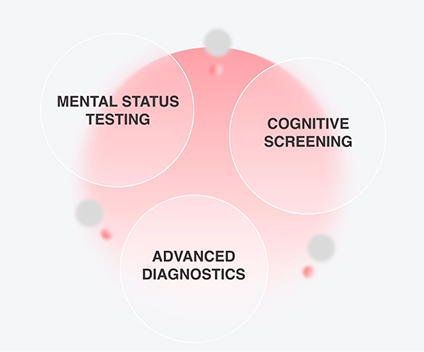
Show moreAlzheimer’s disease diagnosis in Armenia often occurs late due to the absence of standardised primary care screening and limited physician training. NGOs like Alzheimer’s Care Armenia lead MoCA-based memory screenings and specialist referrals, while lab work, imaging, genetic testing, biomarkers, and caregiver support remain unstandardised. Wait times, diagnostic costs, and access to services vary regionally, with no nationwide data or formal guidelines publicly available.
Diagnosis pathway
In Armenia, initial contact for Alzheimer’s disease often occurs late, as primary care lacks standardised cognitive screening and training. NGOs, notably Alzheimer’s Care Armenia, lead memory screenings via MoCA and mobile units. Specialist referrals, lab work, imaging, and caregiver education remain largely unstandardised, relying on NGO programs like Memory Cafés and guides.
Initial contact often occurs late and is frequently outside standardised primary care screening. Reports indicate there is “no standard protocol for cognitive screening among primary health care physicians,” due to limited training and misconceptions about memory loss, leading to inconsistent early detection and referral across the country. Community and non-governmental organisation (NGO)-led screening plays a major role. Alzheimer’s Care Armenia has conducted nationwide memory screening initiatives using the Montreal Cognitive Assessment (MoCA) via mobile units and local outreach, targeting adults over 40 in urban and rural areas; more than 4,000 people have been screened as part of the Brain Health Armenia project. If impairment is suspected, people are referred to specialists (neurology, psychiatry, or psychology) for further evaluation; the specifics of laboratory work, imaging (computed tomography (CT) and magnetic resonance imaging (MRI)), and differential diagnosis are not publicly standardised in national guidance. Caregiver education and support are frequently provided by NGOs through guides, Memory Cafés, and ad hoc programs, rather than a nationally integrated post-diagnostic protocol.
Wait times
Armenia lacks official nationwide data on dementia wait times, with regional variability and reliance on NGO-led screenings preventing consistent reporting.
There is no published, system-wide statistic on average waiting times to obtain a dementia or Alzheimer’s disease diagnosis in Armenia. Available public sources describe variability by region and a reliance on NGO-led screening rather than a uniform, state-run diagnostic pathway, which makes consistent waiting time reporting difficult.
Diagnosis cost
No publicly available data.
Cognitive tests
The Montreal Cognitive Assessment (MoCA) is the most commonly used cognitive testing in Armenia’s NGO-led screening initiatives.
Imaging tests
No publicly available national guideline detailing when to use CT and MRI, or the required imaging sequence for diagnosis. Imaging is likely ordered at the specialist stage by a neurologist or a psychiatrist to rule out structural and vascular causes. However, the absence of a standardised primary care pathway and training gaps suggest variability by facility and region.
Genetic tests
Armenia’s publicly available materials do not indicate whether such selective genetic pathways are established or reimbursed nationally; availability likely varies by specialist judgement and laboratory access.
Biomarker tests
No publicly available data.
Cognitive Tests
Cognitive Tests
The Montreal Cognitive Assessment (MoCA) is the most commonly used cognitive testing in Armenia’s NGO-led screening initiatives.
Imaging Tests
Imaging Tests
No publicly available national guideline detailing when to use CT and MRI, or the required imaging sequence for diagnosis. Imaging is likely ordered at the specialist stage by a neurologist or a psychiatrist to rule out structural and vascular causes. However, the absence of a standardised primary care pathway and training gaps suggest variability by facility and region.
Genetic Tests
Genetic Tests
Armenia’s publicly available materials do not indicate whether such selective genetic pathways are established or reimbursed nationally; availability likely varies by specialist judgement and laboratory access.
Biomarker Tests
Biomarker Tests
No publicly available data.
Treatment & Care
Treatment & care
Show moreArmenia’s Alzheimer’s disease and dementia care is largely driven by grassroots initiatives, including Memory Cafés in major cities, MoCA-based screenings, and Alzheimer’s Care Armenia’s home visits, therapies, and palliative services. Dedicated memory clinics are limited, costs and insurance coverage are unclear, and caregiver support relies primarily on NGO-led education and home-based programs.
Specialized facilities and services
Armenia’s grassroots dementia support includes Memory Cafés in Yerevan, Gyumri, and Vanadzor, offering social, cognitive, and caregiver programs. Alzheimer’s Care Armenia provides home visits, therapies, and palliative care. Nationwide MoCA-based screening and professional training programs complement neurology departments in major hospitals, though dedicated memory clinics remain limited.
Memory Cafés (community-based support) operate in Yerevan, Gyumri, and Vanadzor, offering cognitive exercises, social engagement, and caregiver support. The first Memory Café in Yerevan launched in October 2022 and meets weekly, facilitated by trained staff. Alzheimer’s Care Armenia (ACA) runs home visits for people unable to attend cafés, providing assessments and therapies (e.g., art therapy, colour therapy), with teams including social workers, doctors, and physical therapists; expanded under the Brain Health Project Phase II to include home healthcare and palliative and hospice services. First country-wide early-detection memory screening and Alzheimer’s disease training program, using mobile units and the MoCA in urban and rural areas; also provides certified training for healthcare professionals and carer workshops conducted in polyclinics, hospitals, and universities. Major hospitals in Yerevan have neurology departments that handle cognitive disorders among a broad range of neurological conditions. For example, Erebuni Medical Center’s Neurology Department provides complex diagnostics and inpatient and outpatient care for central nervous system disorders; however, it does not advertise a dedicated dementia ward or memory clinic.
Approved medication
| Generic Name | Trade Name | Used for |
|---|---|---|
| Memantine | Namenda, Namenda XR, Ebixa, Memary, Axura, Akatinol, Maruxa, Nemdatine, Namzaric* | Treatment of adult patients with moderate to severe Alzheimer’s disease. Official National Product Information |
*Namzaric = combination of Donepezil and Memantine
Treatment cost
In 2026, Armenia began the phased implementation of a Universal Health Insurance (UHI) system. During the first phase, state-funded coverage includes adults aged 65 years and older and several other vulnerable groups, while the remaining population will be incorporated gradually through 2028–2029. older adults living with dementia.

From January 2026, Armenia began the phased implementation of a Universal Health Insurance (UHI) system aimed at expanding financial protection and reducing out-of-pocket healthcare spending. During the first phase, state-funded coverage includes adults aged 65 years and older and several other vulnerable groups, while the remaining population will be incorporated gradually through 2028–2029. Although the reform is not dementia-specific, it is expected to improve financial access to diagnostic and treatment services for many older adults living with dementia.
Caregiver support
Alzheimer’s Care Armenia supports caregivers through education, Memory Cafés in major cities, and home-visit programs offering assessments, therapies, and practical assistance, expanded under the Brain Health Project Phase II to include home healthcare and palliative services.
Alzheimer’s Care Armenia (ACA) provides caregiver education and support. Memory Cafés in Yerevan, Gyumri, and Vanadzor offer regular sessions with cognitive activities and social engagement for people with memory loss and their carers, facilitated by trained staff (social worker, nurse). These are a key community support mechanism for care partners. Home-visit programs expand carer support to households that cannot attend cafés, offering assessments and therapies and practical assistance for families, as part of ACA’s Brain Health Project and its Phase II expansion to include home healthcare and palliative and hospice services.
- https://www.scientificamerican.com/custom-media/davos-alzheimers-collaborative/on-the-road-educating-a-nation-about-alzheimers/
- https://alzheimerscarearmenia.org/memory-cafe/
- https://www.alzheimer-europe.org/news/alzheimers-care-armenia-begins-phase-ii-its-brain-health-project-broadening-its-services?language_content_entity=en
Policy
Policy
Show moreArmenia launched its National Dementia Plan in March 2023 with the Ministry of Health and Alzheimer’s Care Armenia, focusing on awareness, early detection, care coordination, caregiver support, professional training, research, and dementia-friendly environments. However, standardized primary care pathways are lacking, community services remain NGO-driven, workforce capacity is limited, stigma persists, and long-term care depends on pilot programs and external funding rather than sustainable, government-backed systems. No additional national strategies have been publicly announced beyond this plan.
National dementia plan
Armenia’s National Dementia Plan, launched March 2023 with the Ministry of Health and Alzheimer’s Care Armenia, aims to raise awareness, improve early detection, strengthen care, support caregivers, train professionals, promote research, and create dementia-friendly environments.
Armenia has launched a National Dementia Plan in collaboration with the Ministry of Health and Alzheimer’s Care Armenia, with announcements in March 2023. The objectives of the national dementia strategy are to:
– Raise public awareness and reduce stigma around dementia
– Promote brain health and risk reduction across the population
– Improve early detection and diagnosis (memory screening, assessment protocols)
– Strengthen care pathways and coordination between health and social services
– Enhance support for caregivers and families
– Develop training for healthcare and social-care professionals
– Encourage research, data collection, and evidence-based policy
– Build dementia-friendly environments and infrastructure ,
Upcoming plans
No separate, newly announced national strategy beyond the current plan has been publicly detailed.
Policy gaps
Legal barriers
Armenia’s dementia response remains uneven and project-based. Primary care lacks standardized cognitive screening and physician training, resulting in inconsistent early detection. Community and care continuum services are fragmented and heavily reliant on NGOs rather than integrated state systems. Workforce capacity is insufficient, with limited nationwide, compulsory clinical training despite positive pilot initiatives. Intersectoral coordination and rights-based policy frameworks are underdeveloped, with little evidence of structured cooperation across sectors or formal legal and community support mechanisms typical of comprehensive national dementia strategies.
Primary care screening and diagnostic pathways are not yet standardized nationwide. Multiple sources note the absence of a uniform cognitive screening protocol in primary care and limited training among physicians, despite pilot memory testing projects and NGO-led programs. This creates inconsistency in early detection and referral across regions.,
Care continuum and community-based support services remain fragmented and NGO-dependent. While initiatives like Memory Cafés, mobile screenings, and carer guides exist, they are largely driven by Alzheimer’s Care Armenia and partners, indicating limited integration into state-funded, long-term services (e.g., respite care, case management, home-based support)
Workforce training and capacity are insufficient for scale. Reports highlight gaps in clinician training on dementia recognition, management, and caregiver support. Progress is noted through targeted trainings and projects (e.g., Brain Health Armenia), but systematic, compulsory training and continuous professional development are not yet described as fully in place nationwide
ntersectoral coordination and rights-based frameworks are limited in detail. The plan outlines awareness and risk reduction, but public descriptions offer limited information on formal coordination across health, social protection, labour, housing, and justice sectors; legal protections (e.g., capacity, guardianship, anti-discrimination); and dementia-friendly community adaptations, elements often present in mature national strategies.
- https://www.dacblueprint.org/case-studies/alzheimers-care-armenia https://www.scientificamerican.com/custom-media/davos-alzheimers-collaborative/on-the-road-educating-a-nation-about-alzheimers/ https://aamsc.org/sprojects/here-is-the-alzheimers-care-armenia/ https://www.alzheimer-europe.org/news/armenias-national-dementia-plan-signals-new-era-alzheimers-care-says-alzheimers-care-armenia?language_content_entity=en
- https://www.alzheimer-europe.org/policy/national-dementia-strategies/armenia?language_content_entity=en, https://www.alzheimer-europe.org/policy/national-dementia-strategies/armenia?language_content_entity=en
Cultural barriers
Public awareness of dementia is improving through campaigns and health education initiatives, but stigma remains strong. Many families still delay seeking help until symptoms are severe, underscoring the need for sustained, culturally sensitive efforts to promote early help-seeking and brain health awareness
Public awareness is growing but stigma persists. Outreach campaigns and school-based health activities are positive steps, yet sources note that many families seek help only when issues are advanced, indicating a continued need for broad, culturally tailored anti-stigma and brain health messaging sustained over time
Research
Research
Show moreAlzheimer’s Care Armenia advances dementia care through innovation, combining social-robot support, genetic research, early memory screenings, and “Dementia 101” training to empower caregivers and primary care teams nationwide.
Selected academic institutions
Clinical trials and registries
Yerevan State Medical University (YSMU) hosts the COBRAIN Centre, created under an EU Horizon 2020 project, to advance research on chronic neurodegenerative disorders including Alzheimer’s disease. COBRAIN is positioned as a translational neuroscience platform that can support studies and future trials in Alzheimer’s disease.
Selected innovative methods
Alzheimer’s Care Armenia has strengthened dementia care through innovative programs. The “Robin the Robot” initiative helps reduce social isolation, while genetic research investigates presenile dementia risk. Meanwhile, the Brain Health Armenia project conducts early memory screenings and delivers “Dementia 101” training, enhancing caregiver and primary care team capacity.
Alzheimer’s Care Armenia piloted “Robin the Robot” to provide emotional support to older adults during COVID‑19, an example of deploying social robots to reduce isolation and engage patients, an emerging field in dementia care globally, adapted locally in Armenia. Armenian-affiliated teams have undertaken case–control research on genetic correlates of dementia and cognitive decline (using MoCA/RBANS), which can inform future risk stratification and targeted interventions in the local population. Alzheimer’s Care Armenia launched the Brain Health Armenia project in June 2022 with support from the Davos Alzheimer’s Collaborative, aiming to improve Alzheimer’s disease care and treatment in Armenia. By August, the project had conducted early detection memory screenings for several hundred people and delivered “Dementia 101” training to primary care teams and caregivers to boost awareness and best practices.
Support
Support
Show moreAlzheimer’s Care Armenia’s Phase II broadens home healthcare, palliative services, and caregiver support through interdisciplinary teams, complemented by a national conference on Alzheimer’s care. Resource updates are provided online by ACA, though no mainstream media outlets focus specifically on Alzheimer’s in Armenia.
Selected national associations, patient family associations, NGOs:
Selected initiatives
Alzheimer’s Care Armenia’s Phase II expands home healthcare and palliative services for those unable to attend cafés, while interdisciplinary teams provide assessments, therapies, and caregiver support; the initiative includes a national conference on Alzheimer’s care from early detection to end-of-life.
Palliative Care Expansion
From Early Detection to End-of-Life Conference
Dedicated media outlets
Besides the online updates about resources available that are supplied by ACA, there are no mainstream media dedicated to Alzheimer’s disease.