

Aruba
In Aruba, Alzheimer’s disease response is shaped by a health system anchored in the national insurer Algemene Ziektekosten Verzekering (AZV). Dementia assessment follows a general practitioner (GP)-led pathway, directing patients to specialist review and hospital diagnostics, primarily Computed Tomography (CT) and Magnetic Resonance Imaging (MRI). While this provides a reliable basic diagnostic platform, Aruba continues to rely on overseas referral for advanced tests and emerging therapeutics due to limited local infrastructure and the absence of biomarker or Positron Emission Tomography (PET) capacity. Community organizations fill much of the support gap leading awareness work, caregiver education, and day programming structured daycare centre activities. The government’s PASADIA initiative, aiming to establish up to ten senior day care centres, represents an important expansion of daytime elder support and recognition of growing caregiver pressures. Still, Aruba lacks a dementia-specific national plan, leaving policy development embedded within broader ageing and health-system strategies rather than guided by a unified dementia roadmap.

AD Rating
Diagnostic Pathway
Specialized Care
Caregiver Support
National Policies
Access to ATT-s
Highlights

Population
Median age
Health expenditure (% of GDP)
Diagnosis
Diagnosis
Show moreAruba utilizes a structured, GP-led diagnostic pathway anchored by mandatory AZV insurance. Family doctors perform opportunistic screenings using validated instruments like the MMSE or MoCA, referring complex cases to Dr. Horacio E. Oduber Hospital for essential neuroimaging like CT and MRI. While local access to standard diagnostics is reliable with manageable wait times, advanced services, including PET scans, genetic testing, and biomarkers, are unavailable on-island. The AZV facilitates access to these sophisticated tools through a formal overseas referral system, ensuring comprehensive care despite small-island resource constraints. However, patients bypassing this gatekeeper model or opting for private, out-of-network consultations incur significant out-of-pocket costs, emphasizing the importance of the centralized referral framework.
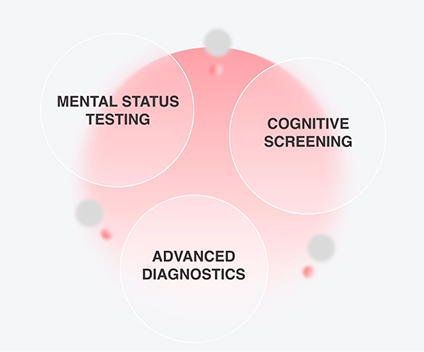
Diagnosis pathway
Aruba’s diagnostic pathway is anchored by the mandatory AZV insurance, establishing a structured, GP-led gatekeeper system. Family doctors initiate screenings and refer patients to specialists at Dr. Horacio E. Oduber Hospital. While the island’s small scale can limit local access to complex procedures, the AZV facilitates formal medical treatment overseas to ensure comprehensive care. Additionally, NGOs like CasMarie provide vital navigation support, supplementing a flexible framework that integrates public services, private consultations, and community-based guidance for families managing cognitive decline.
Aruba’s diagnostic pathway for cognitive impairment is anchored in its mandatory National Ordinance General Health Insurance, the Algemene Ziektekosten Verzekering (AZV), which standardizes access and creates a strong general practitioner (GP)-led entry point. Residents ordinarily begin with their family doctor, who functions as a gatekeeper for the AZV-covered specialist services. When memory loss, behavioral changes, or functional decline persist, GPs initiate basic screening, rule out reversible causes, and, if concerns remain, issue referrals to neurology or psychiatry, most commonly based at Dr. Horacio E. Oduber Hospital (HOH) or its affiliated outpatient clinics.
Because Aruba is a small island health system, certain advanced procedures are not always available locally. In such cases, patients can be referred through AZV’s formal medical treatment overseas pathway, which supports care abroad when the service is unavailable on-island. This pathway, while adding administrative steps, ensures access to more complex diagnostic tools and subspecialty opinions.
Such pathway operates most smoothly in and around Oranjestad, where provider density is highest. In smaller districts, families may take more varied routes: some directly consult private neurologists or psychiatrists (still reimbursed if AZV-contracted), while others first reach out to community and dementia NGOs such as CasMarie for navigation support, counseling, or advice on whether formal medical assessment is needed. Aruba’s cultural landscape includes faith-based and traditional sources of guidance, but these do not appear to be common first-line steps for suspected dementia and typically supplement rather than replace formal care-seeking. Altogether, the system is structured, accessible, and GP-led, but flexible enough to accommodate private-sector shortcuts and NGO-supported navigation where needed.
- https://www.azv.aw/en/home-en/
- https://www.azv.aw/en/faq-en/insurance-policy
- https://businessviewcaribbean.com/dr-horacio-e-oduber-hospitaal/
- https://sunandsettle.com/guide/aruba-healthcare/
- https://www.linkedin.com/pulse/care-caring-alzheimers-patients-aruba-lincoln-d-gomez-ll-m-/
- https://www.casmarie.com/
- https://www.worldsupporter.org/en/blog/how-does-healthcare-work-aruba-and-what-travel-insurance-health-insurance-or-expat-insurance-do
- https://www.aruba.com/us/organization/medical-facilities
Wait times
Aruba’s diagnostic timeline reflects a hybrid model where local neuroimaging at HOH is generally accessible, though specialist consultations face typical small-island constraints. While no formal data exists, AZV-approved overseas referrals for complex cases introduce inevitable administrative and logistical delays. Consequently, the system remains reliable for standard diagnostics but sensitive to specialist shortages and the throughput of foreign healthcare networks.
Aruba does not publish systematic data on dementia-specific waiting times, but available indicators point to mixed patterns. For many core diagnostic services, HOH’s expanded capacity has reduced bottlenecks, suggesting that neuroimaging is generally available on-island without prolonged delays. Specialist consultations in neurology or psychiatry may still involve routine waits typical of small health systems with limited specialist pools, though no formal figures are publicly released.
Some AZV-covered outpatient therapies have documented waitlists, for example, physiotherapy services.
Where a required diagnostic test or consultation cannot be performed locally, AZV-approved overseas referral process introduces additional time factors. Approvals must be reviewed administratively, and even after authorization, travel logistics and scheduling with the foreign provider may extend overall waiting periods. For complex or rare presentations requiring neuropsychology or movement-disorder subspecialty input, this can add weeks or longer, depending on destination availability.
Overall, Aruba’s diagnostic access is shaped by a hybrid model: on-island imaging with generally manageable waits, specialist capacity that can vary by season and demand, and an overseas referral pathway that guarantees access to advanced diagnostics but introduces unavoidable delays. The system works reliably for most patients but remains sensitive to specialist shortages, administrative throughput, and the small-island constraints inherent to Aruba’s health infrastructure.
- https://businessviewcaribbean.com/dr-horacio-e-oduber-hospitaal/
- https://bermelloajamil.com/dr-horacio-oduber-hospital-hoh/
- https://www.ohla-usa.com/projects/dr-horacio-oduber-hospital
- https://businessviewcaribbean.com/dr-horacio-e-oduber-hospitaal/
- https://www.brownmtaruba.com/waiting-list-post-submit
- https://www.azv.aw/en/health-abroad/
Diagnosis cost
Aruba’s AZV insurance covers essential dementia diagnostics, including GP consultations and neuroimaging, provided through contracted networks. While medications on the “Positive List” are reimbursed, non-standard services like PET scans or biomarker testing require prior authorization for overseas travel. Patients bypassing these referral protocols or seeking private, out-of-network care face significant personal out-of-pocket expenditures.
Aruba’s health financing is governed by the Algemene Ziektekosten Verzekering (AZV), which covers the vast majority of clinically necessary diagnostic and treatment services. Under AZV:
• GP care, specialist consultations, and hospital-based diagnostics such as CT/MRI are covered benefits.
• Medications on AZV’s Positive List are reimbursed, subject to formulary rules and any applicable copay categories.
• Coverage is conditional: AZV specifies exclusions such as upgraded hospital rooms, adult dental care, or services abroad without prior authorization.
For overseas referrals, AZV covers travel and treatment only if approval is granted beforehand. Patients using private providers who are out of network, seeking non-covered services, or bypassing the AZV referral process may incur significant out-of-pocket costs. Transport costs on-island, private-duty care, or home modifications fall outside routine AZV coverage and may also generate out-of-pocket expenditures.
Overall, dementia diagnosis in Aruba is financially accessible through AZV for the medically necessary components, but more specialized or non-standard services, especially biomarker testing, PET scans, or private-sector consultations, may create additional personal expenses.
Cognitive tests
Aruba favours opportunistic case-finding over national screening, aligning with global and Dutch clinical standards. GPs utilize validated instruments like the MMSE or MoCA when functional decline is reported, ensuring early detection remains integrated into routine primary care and specialist referrals.
- https://dvg.aw/wp-content/uploads/2023/12/mental-health-and-substance-use-gaps-and-recommendations_stakeholders-report.pdf
- https://pubmed.ncbi.nlm.nih.gov/25873222/
- https://pure.amsterdamumc.nl/ws/portalfiles/portal/142431075/Comparing-and-linking-the-mini-mental-state-examination-and-montreal-cognitive-assessment-in-the-amsterdam-dementia-coho.pdf
- https://iris.paho.org/items/1cd7066e-e1a6-44e5-907e-3887d7170c19
Imaging tests
Aruba provides essential neuroimaging like CT and MRI through HOH and private clinics. However, advanced diagnostics such as PET scans are unavailable on-island. For complex cases, the AZV insurance facilitates overseas referrals to international centres, ensuring access based on medical necessity.
- https://www.arubahospital.com/about-hoh/our-organization https://cuidomedico.com /
- https://puntabrabo.com/about-pbd/
- https://www.imsan.aw/services/radiology-department/
- https://www.linkedin.com/pulse/new-era-healthcare-case-pet-scan-technology-aruba-israel-posner-ehece
- https://www.azv.aw/en/health-abroad/
Genetic tests
Aruba lacks routine clinical genetic testing for dementia. When medically justified, such as for early-onset cases, evaluation occurs via external laboratories or AZV-funded overseas specialist referrals.
Biomarker tests
Aruba lacks routine local biomarker testing; however, AZV-funded overseas referrals provide access to CSF or plasma-based diagnostics when necessary.
Cognitive Tests
Cognitive Tests
Aruba favours opportunistic case-finding over national screening, aligning with global and Dutch clinical standards. GPs utilize validated instruments like the MMSE or MoCA when functional decline is reported, ensuring early detection remains integrated into routine primary care and specialist referrals.
- https://dvg.aw/wp-content/uploads/2023/12/mental-health-and-substance-use-gaps-and-recommendations_stakeholders-report.pdf
- https://pubmed.ncbi.nlm.nih.gov/25873222/
- https://pure.amsterdamumc.nl/ws/portalfiles/portal/142431075/Comparing-and-linking-the-mini-mental-state-examination-and-montreal-cognitive-assessment-in-the-amsterdam-dementia-coho.pdf
- https://iris.paho.org/items/1cd7066e-e1a6-44e5-907e-3887d7170c19
Imaging Tests
Imaging Tests
Aruba provides essential neuroimaging like CT and MRI through HOH and private clinics. However, advanced diagnostics such as PET scans are unavailable on-island. For complex cases, the AZV insurance facilitates overseas referrals to international centres, ensuring access based on medical necessity.
- https://www.arubahospital.com/about-hoh/our-organization https://cuidomedico.com /
- https://puntabrabo.com/about-pbd/
- https://www.imsan.aw/services/radiology-department/
- https://www.linkedin.com/pulse/new-era-healthcare-case-pet-scan-technology-aruba-israel-posner-ehece
- https://www.azv.aw/en/health-abroad/
Genetic Tests
Genetic Tests
Aruba lacks routine clinical genetic testing for dementia. When medically justified, such as for early-onset cases, evaluation occurs via external laboratories or AZV-funded overseas specialist referrals.
- https://www.arubahospital.com/about-hoh/our-organization https://cuidomedico.com /
- https://puntabrabo.com/about-pbd/
- https://www.imsan.aw/services/radiology-department/
- https://www.linkedin.com/pulse/new-era-healthcare-case-pet-scan-technology-aruba-israel-posner-ehece
- https://www.azv.aw/en/health-abroad/
Biomarker Tests
Biomarker Tests
Aruba lacks routine local biomarker testing; however, AZV-funded overseas referrals provide access to CSF or plasma-based diagnostics when necessary.
Treatment & Care
Treatment & care
Show moreAruba’s dementia infrastructure centres on HOH hospital, which integrates neurology and psychiatric expertise under the AZV framework. The 2024 PASADIA expansion bolsters this by establishing ten day-care hubs to facilitate aging in place and mitigate caregiver strain. While the AZV covers essential clinical management and neuroimaging without direct fees, financial burdens persist for non-formulary drugs or unauthorized international care. Specialized terminal protocols remain informal, relying on primary physicians and domestic support. Complementing these services, foundations like CasMarie provide vital counselling and advocacy, fostering a resilient community network that empowers multigenerational households and reduces social stigma.
Specialized facilities and services
Aruba’s dementia infrastructure pivots around the HOH hospital, which consolidates neurology, psychiatry, and geriatric expertise within the AZV framework. A significant 2024 expansion, the PASADIA initiative, is establishing ten nationwide day-care hubs to facilitate ageing in place and mitigate caregiver strain. These facilities augment existing NGO-led programs such as Stichting Ambiente Nobo. While palliative care is accessible via general medical channels, dementia-specific terminal care protocols remain informal, depending on a blend of clinical teams, primary physicians, and domestic support.
Aruba’s formal dementia-care infrastructure is centred around a single general hospital, HOH, which houses the island’s core specialist capacities, neurology, psychiatry, internal medicine, geriatrics functions (embedded within general medicine), and full radiology services including CT and MRI. HOH therefore plays a central role in diagnostic evaluation, acute care, and management of comorbidities. Outpatient specialist consultations occur both at HOH and within contracted private practices, all operating under the regulatory and reimbursement framework of AZV.
A major expansion took place in 2024, when the Government of Aruba launched PASADIA, a national senior day-care program designed to open 10 centres across the island. PASADIA’s purpose is to provide accessible, supervised daytime care that eases the burden on informal caregivers, supports ageing in place, and delays institutionalization. The program complements existing NGO services by broadening geographic access and embedding day care services into Aruba’s social care strategy.
Other elder care organizations, including Stichting Ambiente Nobo, also operate day services or activity programs. Recent government policy emphasizes formal support for these NGOs through funding frameworks, staff development, and integration into the national ageing strategy.
Palliative care is available mainly through HOH, oncology services, and general medical pathways. Although palliative approaches are used for complex chronic illness, dementia-specific palliative pathways are not yet described publicly. As in many small health systems, end-of-life dementia care relies on a combination of hospital teams, primary-care physicians, and informal caregivers, with variability depending on family capacity and NGO involvement.
Approved medication
| Generic Name | Trade Name | Used for |
|---|---|---|
| Donepezil | Aricept, Aricept ODT, Adlarity, Eranz, Memac, Alzepil, Davia, Donecept, Donep, Donepex, Donesyn, Dopezil, Yasnal, Memorit, Pezale, Redumas, Zolpezil, Namzaric* | Donepezil is indicated for the symptomatic treatment of mild to moderately severe Alzheimer’s dementia. Official National Product Information |
| Rivastigmine | Exelon, Exelon Patch, Prometax, Rivastach, Nimvastid | Symptomatic treatment of mild to moderately severe Alzheimer’s dementia. Symptomatic treatment of mild to moderately severe dementia in patients with idiopathic Parkinson’s disease. Official National Product Information |
| Galantamine | Razadyne, Razadyne ER, Reminyl, Reminyl XL, Nivalin, Lycoremine, Galsya | Galantamine is indicated for the symptomatic treatment of mild to moderately severe dementia of the Alzheimer type. Official National Product Information |
| Memantine | Namenda, Namenda XR, Ebixa, Memary, Axura, Akatinol, Maruxa, Nemdatine, Namzaric* | Treatment of adult patients with moderate to severe Alzheimer’s disease. Official National Product Information |
*Namzaric = combination of Donepezil and Memantine
Treatment cost
Aruba’s AZV framework encompasses essential clinical management, including specialist follow-ups and neuroimaging, without direct patient charges for sanctioned procedures. Nevertheless, financial burdens arise for non-formulary pharmaceuticals or unauthorized international treatments. While rehabilitation services are nominally covered, localized capacity constraints often necessitate private expenditures. Subsequently, families frequently bear the costs for non-contracted providers, home modifications, and elective medical enhancements.

Clinical management of dementia, including GP visits, specialist follow-ups, laboratory tests, CT/MRI imaging, and standard medications, is generally covered by AZV, provided referrals and formularies are properly followed. Patients do not pay direct charges for medically indicated hospital-based diagnostic procedures or outpatient specialist consultations.
However, several caveats shape the financial landscape:
• Items outside the AZV Positive List (e.g., non-formulary drugs, imported brands not approved for reimbursement) generate out-of-pocket costs.
• Private or non-contracted providers may require out-of-pocket payment, even if similar services exist within AZV’s contracted network.
• Upgraded hospital accommodations, elective services, or non-medically necessary procedures fall outside standard AZV reimbursement rules.
• Overseas care is covered only with prior AZV authorization; without approval, the patient bears full cost.
Rehabilitation services, such as occupational therapy (OT), physiotherapy (PT), or speech therapy, are covered under AZV when prescribed, though capacity constraints can produce waiting times, leading some families to seek private rehabilitation, which involves out-of-pocket expense. Assistive devices and home modifications may receive partial support depending on AZV rules, but many items require family contribution.
Caregiver support
Aruba’s PASADIA initiative alleviates caregiver strain by establishing ten nationwide day-care hubs to facilitate ageing in place. Simultaneously, the CasMarie Foundation and Fundacion Alzheimer Aruba offer indispensable counselling, educational workshops, and advocacy, fostering a resilient support network that mitigates social stigma and empowers multigenerational households.
The government’s PASADIA program explicitly aims to reduce caregiver load by providing supervised day services across the island. This creates more flexible respite opportunities, especially for working families or multigenerational households. As PASADIA scales up to the intended network of 10 centers, it is expected to become a cornerstone of Aruba’s ageing-in-place and dementia support strategy.
At the same time, CasMarie Foundation offers:
• Caregiver education workshops,
• Counselling and emotional support,
• Practical guidance on coping strategies, communication, and behavioural symptoms,
• Structured day programs that provide respite and routine.
Fundacion Alzheimer Aruba contributes significantly to public awareness, training sessions, community events, and advocacy campaigns aimed at reducing stigma and improving early help seeking. These organizations often collaborate with health professionals and international partners to deliver culturally adapted information.
- https://www.gobierno.aw/en/project-daycare-will-have-ten-operational-facilities-this-year
- https://www.casmarie.com/servicio-di-casmarie
- https://www.facebook.com/100066677565590/about/
- https://www.eanews.com/alzheimers-foundation-lit-their-lights-and-illustrated-their-ribbons-at-the-roundabout-of-web-aruba-nv
Policy
Policy
Show moreAruba integrates dementia care into broader national health frameworks rather than a stand-alone strategy. The PASADIA initiative and PAHO’s “Health in All Policies” approach signify a move toward centralized, community-based support. Additionally, the 2025 ZonMw program provides vital funding to strengthen regional workforce capacity. However, significant hurdles remain: a lack of specific legislation creates legal ambiguity regarding guardianship, while cultural stigmas frequently delay medical intervention until symptoms become severe, leaving families to rely on informal care models.
National dementia plan
Aruba lacks a disease-specific roadmap, as dementia policy is integrated into broader frameworks like the National Strategic Development Plan. However, the 2024–2025 PASADIA initiative signals a strategic pivot toward institutionalizing community-based elder care to support ageing in place. Guided by PAHO’s “Health in All Policies” approach, authorities are scaling ten multi-functional centres designed to bridge GPs, specialists, and social services. This indicates a transition from fragmented community support toward a resilient, integrated healthcare infrastructure for the ageing population.
Aruba’s broader health sector planning is guided by two overarching policy instruments: the National Strategic Framework for the Health Sector and the National Strategic Development Plan. These frameworks articulate priorities such as health system resilience, improved primary care, integration of community services, and strengthened pathways between general practitioners and specialist care. However, as of 2025, Aruba has no stand-alone national dementia strategy or publicly released dementia action plan. Dementia policy therefore develops indirectly, shaped by general ageing, chronic disease, and community-health objectives rather than a disease-specific roadmap.
Despite the lack of a dedicated plan, several government and health system initiatives signal increasing policy attention to dementia and ageing. The 2024–2025 PASADIA initiative reflects a strategic move toward expanding community-based elder services, reducing the caregiving burden on families, and promoting ageing in place. Similarly, PAHO Country Cooperation Strategies for Aruba emphasize strengthening the health system to achieve universal health coverage (UHC); enhancing prevention and control of communicable and non-communicable diseases (NCDs); and promoting multi-sectoral collaboration through a Health in All Policies (HiAP) approach.
Government announcements throughout 2024 outline a clear trajectory toward scaling and institutionalizing elder care services. The PASADIA program was already launched with the aim to construct ten elderly care centres that would serve patients suffering from dementia but other diseases as well. Authorities have signalled that this rollout is only a first phase, with future efforts focusing on service integration, staff training, sustainability, and linking PASADIA centres more closely with GPs, HOH specialists, and social services.
- https://rekenkamer.aw/pages/wp-content/uploads/pdf/rapporten/Rapport-Strong-and-Resilient-National-Public-Health-System.pdf
- https://www.gobierno.aw/en/launch-project-pasadia
- https://international-partnerships.ec.europa.eu/system/files/2021-12/mip-2021-c2021-9164-oct-annex-5-aruba_en.pdf
- https://www.paho.org/en/news/30-9-2025-paho-and-aruba-sign-country-cooperation-strategy-2025-2030
- https://iris.paho.org/items/12573103-dd94-4a54-bd5f-1b2628bb9917
- https://www.gobierno.aw/en/project-daycare-will-have-ten-operational-facilities-this-year
Upcoming plans
The 2025 ZonMw initiative “Improving dementia care and support in the Dutch Caribbean” provides critical funding to bolster integrated care and workforce expertise across Aruba and neighbouring islands. By offering grants for innovative care models and professional training, this Dutch-funded program catalyses localized healthcare improvements and cross-island knowledge sharing.
The ZonMw call “Improving dementia care and support in the Dutch Caribbean” launched in 2024 aims to enhance the quality of life of people with dementia and their caregivers across the ABC and SSS islands, including Aruba, by funding projects that strengthen integrated care, workforce capacity, and knowledge-sharing. ZonMw is a Dutch public research funding body operating under government mandate, which supports health research and care innovation. Open to healthcare providers, research institutions, and non-profits, the program funds initiatives such as implementing innovative care models, adapting best practices to local contexts, and delivering targeted training for professionals. It offers grants of up to EUR 100,000 for integrated care projects and EUR 50,000 for training activities, with a total budget of EUR 450,000 and project durations of up to 24 months.
In January 2026, Aruba announced the National Ordinance on Long-Term Care, creating a separate legal framework for long-term support, including elderly care, chronic conditions and disability care. While not dementia-specific, the ordinance is relevant for people living with dementia because it may clarify the boundary between curative AZV-covered healthcare and long-term social/supportive care.
Policy gaps
Legal barriers
Aruba lacks dementia-specific statutes, relying instead on general health and family laws to manage guardianship and consent. This absence of dedicated legal instruments, combined with fragmented inter-sectoral coordination, creates significant uncertainty for clinicians and families navigating cognitive impairment.
Publicly available information does not indicate the presence of dementia-specific statutes governing decision-making capacity, guardianship, advance directives, or driving regulations for persons with cognitive impairment. Instead, protections rely on general health legislation, adult-protection norms, and family law provisions. The lack of disease-specific legal instruments can create uncertainty for families and clinicians when navigating consent, financial management, or safety concerns.
Mental health system reviews in Aruba, highlight ongoing issues such as fragmented governance, limited inter-sectoral coordination, and reliance on hospital-based care. While these reviews do not focus on dementia, the findings are directly relevant: dementia care requires clear coordination between health, social services, NGOs, and long-term care providers, areas where fragmentation can undermine continuity and quality of support.
Cultural barriers
In Aruba, cultural stigmas and religious taboos surrounding cognitive decline often delay medical engagement. Therefore, family-centered care remains the primary support model, with formal clinical intervention typically sought only after symptoms become unmanageable.
In Aruba and the wider Dutch Caribbean, dementia care is influenced by cultural and social factors, including limited public awareness, stigma, and taboos surrounding illness and end-of-life discussions. Studies indicate that misconceptions about dementia and reluctance to discuss care needs, often shaped by cultural and religious beliefs, can delay engagement with healthcare services. As in many Caribbean contexts, caregiving is typically family-centered, with formal care often sought only when symptoms worsen or become difficult to manage, contributing to delayed diagnosis and limited access to early support.
Research
Research
Show moreAruba’s innovation favours service-delivery over clinical research, transitioning from informal home-based care to a formalized network of PASADIA day centres and NGO-led cognitive stimulation programs.
Selected academic institutions
Clinical trials and registries
Aruba has no national registry and ClinicalTrials.gov searches revealed no ongoing trials.
Selected innovative methods
Innovation in Aruba focuses on service-delivery rather than clinical laboratory research. This practical approach is headlined by the PASADIA initiative, which transitions dementia care from isolated home-based support to a formalized, island-wide network of day centers. Complementing this, NGOs like the CasMarie Foundation pioneer community-led models, offering “Dementia Cafes” and cognitive stimulation programs. These social innovations prioritize capacity-building and caregiver resilience, effectively bridging the gap between hospital-centric diagnostics and the daily needs of families.
Innovation in Aruba’s dementia landscape is service-driven rather than laboratory-driven. Instead of biomarker development or bench-to-bedside therapeutics research, innovation is taking place in how care is organized, delivered, and scaled within the island’s resource constraints.
Key examples include:
• PASADIA, the Government’s national day-care program, which represents an important structural innovation by creating a distributed network of senior day care centres. This shifts dementia care from informal, home-based support toward a more formal ecosystem of respite, social engagement, and supervised daytime activities.1
• NGO-led models, especially the CasMarie Foundation day centre, which demonstrate practical approaches to cognitive stimulation, family counselling, and community-based dementia navigation adapted to small-island realities.2
While Aruba does not currently conduct biomarker research, neurogenetics work, or dementia PET studies, its policy and service innovations represent a different but meaningful form of innovation—focused on capacity-building, community integration, and sustainable care models tailored to the island’s demographic trajectory.
At the community level, dementia-specific support is primarily delivered by CasMarie, Aruba’s best-known dementia NGO. CasMarie provides3:
• Structured day centre for persons with dementia,
• Dementia Cafe program offering psycho-education and social connection,
• Family and caregiver guidance, including counselling and navigation support,
• Activities focused on cognitive stimulation, behavioural support, and caregiver relief.
These services play a substantial role in filling gaps that a hospital-centric system cannot address alone, particularly in terms of maintaining daily routines, preventing social isolation, and supporting informal caregivers.
Support
Support
Show moreAruba’s dementia awareness thrives through annual campaigns and PASADIA’s state-led centres. Lacking dedicated media, information relies on local outlets and NGO social platforms to combat stigma.
Selected national associations, patient family associations, NGOs:
Selected initiatives
Aruba’s dementia awareness is driven by annual World Alzheimer’s Month campaigns, featuring memory walks and educational panels. Led by Fundacion Alzheimer Aruba and CasMarie, these initiatives reduce stigma while the PASADIA program integrates state-led day centres into this support landscape.
World Alzheimer’s Month
• Educational talks and expert panels,
Deprecated: trim(): Passing null to parameter #1 ($string) of type string is deprecated in /home/bcdafabe/public_html/wp-content/themes/bricks-child/functions.php on line 753
• Memory walks, remembrance activities, and inter-generational events,
Deprecated: trim(): Passing null to parameter #1 ($string) of type string is deprecated in /home/bcdafabe/public_html/wp-content/themes/bricks-child/functions.php on line 753
• Public building “light-ups” in purple to symbolize dementia awareness,
Deprecated: trim(): Passing null to parameter #1 ($string) of type string is deprecated in /home/bcdafabe/public_html/wp-content/themes/bricks-child/functions.php on line 753
• Outreach stalls, training sessions, and media features led by Fundacion Alzheimer Aruba and CasMarie.
Deprecated: trim(): Passing null to parameter #1 ($string) of type string is deprecated in /home/bcdafabe/public_html/wp-content/themes/bricks-child/functions.php on line 753
These events reach large segments of the population, helping reduce stigma, encourage earlier help-seeking, and elevate dementia as a public-health priority.
Deprecated: trim(): Passing null to parameter #1 ($string) of type string is deprecated in /home/bcdafabe/public_html/wp-content/themes/bricks-child/functions.php on line 753
PASADIA complements NGO efforts, establishing a mixed landscape where state-led and civil-society programmes collectively expand the support available to families living with dementia.
Deprecated: trim(): Passing null to parameter #1 ($string) of type string is deprecated in /home/bcdafabe/public_html/wp-content/themes/bricks-child/functions.php on line 753
Dedicated media outlets
Aruba does not have dementia-specific media outlets or specialized news portals. Instead, information flows through local media and NGOs social platforms.