

Barbados
Barbados addresses Alzheimer’s disease and other dementias primarily through broad ageing and chronic disease policy frameworks, rather than through a dedicated national dementia strategy, aligning its response with universal health coverage principles and a primary care-led health system. Dementia-related priorities are embedded within the National Policy on Ageing and NCD strategic planning, with growing emphasis on early recognition, career education, and strengthening home and community-based care. Civil society actors, most notably the Barbados Alzheimer’s Association, play a pivotal role in awareness, stigma reduction, and carer support, effectively bridging gaps in formal service provision. While diagnostic and specialist capacity remains limited and uneven, continued policy momentum focuses on expanding community support structures, improving access to assessment, and reinforcing public understanding of dementia as a key challenge of population ageing.

AD Rating
Diagnostic Pathway
Specialized Care
Caregiver Support
National Policies
Access to ATT-s
Highlights

Population
Median age
Health expenditure (% of GDP)
Diagnosis
Diagnosis
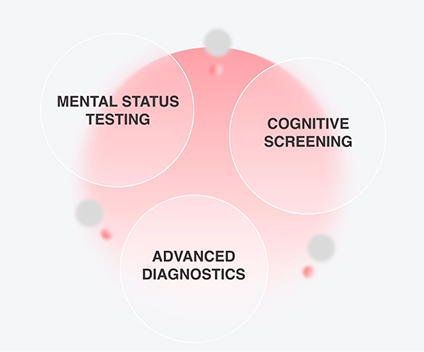
Show moreThe public primary healthcare system, via polyclinics, serves as the standard entry point for identifying cognitive decline in Barbados. Clinicians rely on professional judgement to refer suspected cases to specialists like neurologists or psychiatrists, as standardised pathways are lacking. Diagnosis relies on clinical tools like the Mini-Mental State Examination and Montreal Cognitive Assessment, alongside structural neuroimaging at the Queen Elizabeth Hospital to rule out other conditions. However, there are no national screening programmes, expedited imaging pathways, or routine genetic and biomarker tests, meaning families often coordinate care amid extended imaging wait times.
Diagnosis pathway
The standard entry point for suspected cognitive decline is the public primary healthcare system through polyclinics and district health services. Clinicians initiate referrals to secondary or tertiary services, like neurology or psychiatry, based on clinician judgement rather than standardised pathways. This results in a functional but loosely structured pathway heavily dependent on provider awareness and family advocacy. Families often act as primary care coordinators. Alternatively, some households utilise private consultations and in-home care to bypass public system waiting times or supplement limited long-term options.
In Barbados, the standard entry point for suspected cognitive decline is the public primary healthcare system, delivered by the Ministry of Health & Wellness through a nationwide network of polyclinics and district health services. Individuals or family members typically raise concerns during routine consultations for chronic disease management or ageing-related complaints, reflecting the country’s strong orientation toward community-based primary care under universal health coverage principles. Where cognitive impairment is suspected, primary care clinicians initiate referrals to secondary or tertiary services, most commonly neurology or psychiatry, for further assessment. While formal, publicly documented dementia-specific referral algorithms are limited, the system relies on clinician judgement and general specialist referral mechanisms rather than standardized dementia pathways. This results in a functional but loosely structured pathway, where progression through the system depends heavily on provider awareness, family advocacy, and perceived severity of symptoms.
Family involvement is a critical informal component of the pathway. Local dementia advocates and ageing-policy stakeholders consistently emphasize early recognition by relatives, accompaniment to appointments, and follow-through with referrals as decisive factors in reaching specialist assessment. In practice, families often act as the primary coordinators of care, bridging gaps between medical services, social support, and informal caregiving arrangements. Outside the public system, some households turn to private medical consultations, private neurologists or psychiatrists, and especially private in-home care services, either to reduce waiting times or to supplement limited public long-term care options. This parallel pathway introduces inequality based on ability to pay, but also serves as a pressure-relief mechanism for families facing access or capacity constraints within the public sector.
- https://www.health.gov.bb/For-Public/Primary-Health-Care
- https://www.barbadosparliament.com/uploads/sittings/attachments/fae6eb825f96f0410d5d121916552eab.pdf
- https://barbadostoday.bb/2022/09/02/dementia-a-potential-public-health-crisis-warns-alzheimers-associations
- https://www.gov.uk/government/publications/barbados-list-of-medical-facilities-practioners/barbados-medical-facilities
- https://www.totallybarbados.com/articles/health-fitness/health-care/hospitals-and-clinics/
Wait times
Barbados lacks publicly documented benchmarks for dementia assessment waiting times. While primary care consultations are accessible, cognitive concerns can be deprioritised during brief visits for other chronic conditions, delaying referrals. Significant delays occur in neuroimaging, particularly magnetic resonance imaging, which operates through general queues rather than expedited dementia pathways. Consequently, progression relies heavily on clinician judgement and family advocacy, creating a two-speed dynamic for those able to pay privately. Additionally, overcrowding and bed shortages at the main hospital delay appropriate placement for elderly patients.
Publicly documented benchmarks for waiting times related to dementia assessment in Barbados are not available, so access is shaped more by system structure than by fixed targets. Initial primary care consultations are generally accessible through the polyclinic network, but cognitive concerns may be deprioritized during brief visits focused on other chronic conditions, delaying referral. The most significant delays typically occur in imaging stages, especially magnetic resonance imaging (MRI) services operate through general referral and prioritization systems rather than dementia-specific fast-track pathways. Dementia-related cases compete with higher-urgency indications and are usually treated as elective unless accompanied by red flags, resulting in variable and often extended timelines, particularly for MRI. In practice, progression through the system depends heavily on clinician judgement and family advocacy, while those able to pay may use private consultations or imaging to bypass uncertainty, producing an informal two-speed dynamic within an otherwise universal system.
In January 2023, Barbados health officials acknowledged that overcrowding and long waiting times at the Queen Elizabeth Hospital’s Accident and Emergency Department were being driven largely by the high number of non-communicable disease complications requiring prolonged inpatient care or awaiting safe discharge, leading to persistent bed shortages. Many patients remained in Accident and Emergency for days while waiting for ward placement, while some, particularly elderly individuals with limited family support, occupied beds despite being medically stable. Officials noted that the situation reflected broader health-system gaps, including primary care capacity and staffing constraints, and indicated plans to strengthen Accident and Emergency staffing and improve primary care services to reduce inappropriate emergency department use.
- https://www.facebook.com/CBCNews.bb/posts/the-long-delays-for-people-waiting-on-results-for-ct-scans-at-the-qehs-accident-/1053543966779088/
- https://barbadostoday.bb/2021/10/29/temporary-delay-in-ct-services-at-the-qeh/amp/
- https://barbadostoday.bb/2023/01/28/qeh-officials-say-treating-ncd-patients-causing-delays-in-ae/
- https://www.facebook.com/reel/1371903560640348
Diagnosis cost
Barbados provides universal access to public healthcare, meaning primary care and core specialist services leading to a dementia diagnosis are free at the point of service. However, cost exposure occurs at the margins. Private specialist consultations, faster diagnostics, and long-term in-home or residential care must be paid out-of-pocket. As the disease progresses, the financial burden increasingly shifts to households due to the lack of dedicated dementia financing or long-term care insurance. Funding remains embedded within general health budgets rather than being ring-fenced for cognitive disorders.
Barbados provides universal access to public healthcare services, financed through general government revenues and administered by the Ministry of Health & Wellness. Public primary care and core specialist services are intended to be available without direct point-of-service charges, including consultations that may lead to a dementia diagnosis. However, cost exposure emerges at the margins of the pathway. Private specialist consultations, faster access to diagnostics, and especially long-term in-home or residential care are typically paid out-of-pocket. As dementia progresses, financial burden therefore shifts increasingly to households, reflecting the absence of a dedicated dementia financing or long-term care insurance mechanism. The National Strategic Plan for Non-Communicable Diseases (NCDs) underscores the importance of strengthening first-level care for chronic conditions, implicitly supporting earlier identification and management of dementia. Yet without a dedicated dementia strategy, funding remains embedded within general health and ageing budgets rather than ring-fenced for cognitive disorders. Overall, Barbados’ diagnostic pathway for dementia reflects a primary care-led, universalist model with informal coordination, strong family involvement, and limited specialization, adequate for baseline access, but constrained in standardization, data transparency, and long-term support as prevalence rises.
- https://www.unops.org/news-and-stories/news/towards-better-healthcare-in-barbados
- https://www.health.gov.bb/About/Health-Financing
- https://www.nestfainder.ai/country/barbados/guides/healthcare
- https://iris.paho.org/bitstreams/a8714b9b-d204-4bde-99fa-9d30ec5d819a/download
- https://residencebarbados.com/healthcare-in-barbados-for-expats-and-international-property-owners
- https://celade.cepal.org/documentos/plataforma/Update/Leyes_Politicas/Barbados/National-Policy-on-Ageing-for-Barbados-2023-to-2028.pdf
- https://www.barbadosparliament.com/uploads/sittings/attachments/dd8ffc9cd208ef5aec3e8a63235077f0.pdf
- https://www.iccp-portal.org/sites/default/files/plans/brb_B3_s21_NCD%20Strategic%20Plan%202020-2025.pdf
Cognitive tests
Barbados does not operate a national population-level dementia screening program. Case finding occurs opportunistically through clinical encounters in primary care, hospital settings, or via family-initiated consultations prompted by functional decline. Dementia awareness is referenced in the National Policy on Ageing, but primarily as part of broader healthy ageing and elder-care frameworks rather than as a standalone early detection strategy. Both Mini-Mental State Examination (MMSE) and Montreal Cognitive Assessment (MoCA) are utilized in clinical settings and research within Barbados for screening dementia and mild cognitive impairment (MCI). Barbados participated in the SABE (Health, Well-being, and Aging) study, which used the MMSE to analyze how factors like education and occupation affect cognitive decline in older adults. Educational attainment is known to influence performance on commonly used cognitive screening tools such as the MMSE and MoCA. Consequently, clinicians interpreting these instruments may consider educational background when evaluating results, particularly in populations with diverse educational experiences. Although no Barbados-specific guidance on education-adjusted cutoffs could be identified, international evidence suggests that reliance on a single universal cutoff may reduce diagnostic accuracy in heterogeneous populations.
- https://extranet.who.int/countryplanningcycles/sites/default/files/planning_cycle_repository/barbados/national_policy_on_ageing_2012.pdf
- https://pmc.ncbi.nlm.nih.gov/articles/PMC9582196/
- https://pubmed.ncbi.nlm.nih.gov/16053641/
- https://pmc.ncbi.nlm.nih.gov/articles/PMC5619528/
- https://www.academia.edu/30095862/Age_and_education_adjusted_normative_data_for_the_Montreal_Cognitive_Assessment_MoCA_in_older_adults_age_70_99
Imaging tests
Structural neuroimaging, primarily computed tomography (CT) and, where clinically indicated, magnetic resonance imaging (MRI), is available in Barbados through hospital-based radiology services, notably at the Queen Elizabeth Hospital, the country’s main public tertiary referral center. Imaging is used mainly to support differential diagnosis by excluding stroke, tumors, hydrocephalus, or other structural causes of cognitive impairment. Requests for suspected dementia are initiated at the specialist level and processed through general radiology queues, rather than dementia-specific pathways. In the absence of acute neurological symptoms, neuroimaging for suspected dementia is generally undertaken as part of the routine diagnostic work-up of cognitive impairment rather than as an emergency investigation. No publicly available evidence could be identified indicating the existence of a dedicated expedited dementia-imaging pathway in Barbados.
- https://www.qehconnect.com/services/radiology-medical-imaging/
- https://www.qehconnect.com/opc
- https://www.qehconnect.com/services/radiology-medical-imaging/
- https://www.rcpsych.ac.uk/docs/default-source/members/faculties/old-age/neuroimaging-for-dementia---guidance-from-london-dementia-clinical-network.pdf
Genetic tests
Genetic testing for dementia risk, including apolipoprotein E (APOE) genotyping, does not form part of standard public diagnostic pathways in Barbados. There is no indication that predictive or confirmatory genetic testing is routinely offered, funded, or ethically framed within the public system for dementia care. Genetic services, where available, are more likely confined to research contexts or private arrangements rather than integrated clinical practice. This reinforces a model in which diagnosis is phenomenological and clinical, rather than predictive or precision-based, aligning with the country’s universal but non-specialized health system orientation.
Biomarker tests
There is no evidence in national policy documents, clinical guidelines, or public health communications that cerebrospinal fluid (CSF) biomarkers (such as amyloid-β or tau) or blood-based biomarkers are incorporated into routine public dementia diagnostics in Barbados.
Cognitive Tests
Cognitive Tests
Barbados does not operate a national population-level dementia screening program. Case finding occurs opportunistically through clinical encounters in primary care, hospital settings, or via family-initiated consultations prompted by functional decline. Dementia awareness is referenced in the National Policy on Ageing, but primarily as part of broader healthy ageing and elder-care frameworks rather than as a standalone early detection strategy. Both Mini-Mental State Examination (MMSE) and Montreal Cognitive Assessment (MoCA) are utilized in clinical settings and research within Barbados for screening dementia and mild cognitive impairment (MCI). Barbados participated in the SABE (Health, Well-being, and Aging) study, which used the MMSE to analyze how factors like education and occupation affect cognitive decline in older adults. Educational attainment is known to influence performance on commonly used cognitive screening tools such as the MMSE and MoCA. Consequently, clinicians interpreting these instruments may consider educational background when evaluating results, particularly in populations with diverse educational experiences. Although no Barbados-specific guidance on education-adjusted cutoffs could be identified, international evidence suggests that reliance on a single universal cutoff may reduce diagnostic accuracy in heterogeneous populations.
- https://extranet.who.int/countryplanningcycles/sites/default/files/planning_cycle_repository/barbados/national_policy_on_ageing_2012.pdf
- https://pmc.ncbi.nlm.nih.gov/articles/PMC9582196/
- https://pubmed.ncbi.nlm.nih.gov/16053641/
- https://pmc.ncbi.nlm.nih.gov/articles/PMC5619528/
- https://www.academia.edu/30095862/Age_and_education_adjusted_normative_data_for_the_Montreal_Cognitive_Assessment_MoCA_in_older_adults_age_70_99
Imaging Tests
Imaging Tests
Structural neuroimaging, primarily computed tomography (CT) and, where clinically indicated, magnetic resonance imaging (MRI), is available in Barbados through hospital-based radiology services, notably at the Queen Elizabeth Hospital, the country’s main public tertiary referral center. Imaging is used mainly to support differential diagnosis by excluding stroke, tumors, hydrocephalus, or other structural causes of cognitive impairment. Requests for suspected dementia are initiated at the specialist level and processed through general radiology queues, rather than dementia-specific pathways. In the absence of acute neurological symptoms, neuroimaging for suspected dementia is generally undertaken as part of the routine diagnostic work-up of cognitive impairment rather than as an emergency investigation. No publicly available evidence could be identified indicating the existence of a dedicated expedited dementia-imaging pathway in Barbados.
- https://www.qehconnect.com/services/radiology-medical-imaging/
- https://www.qehconnect.com/opc
- https://www.qehconnect.com/services/radiology-medical-imaging/
- https://www.rcpsych.ac.uk/docs/default-source/members/faculties/old-age/neuroimaging-for-dementia---guidance-from-london-dementia-clinical-network.pdf
Genetic Tests
Genetic Tests
Genetic testing for dementia risk, including apolipoprotein E (APOE) genotyping, does not form part of standard public diagnostic pathways in Barbados. There is no indication that predictive or confirmatory genetic testing is routinely offered, funded, or ethically framed within the public system for dementia care. Genetic services, where available, are more likely confined to research contexts or private arrangements rather than integrated clinical practice. This reinforces a model in which diagnosis is phenomenological and clinical, rather than predictive or precision-based, aligning with the country’s universal but non-specialized health system orientation.
- https://www.qehconnect.com/services/radiology-medical-imaging/
- https://www.qehconnect.com/opc
- https://www.qehconnect.com/services/radiology-medical-imaging/
- https://www.rcpsych.ac.uk/docs/default-source/members/faculties/old-age/neuroimaging-for-dementia---guidance-from-london-dementia-clinical-network.pdf
Biomarker Tests
Biomarker Tests
There is no evidence in national policy documents, clinical guidelines, or public health communications that cerebrospinal fluid (CSF) biomarkers (such as amyloid-β or tau) or blood-based biomarkers are incorporated into routine public dementia diagnostics in Barbados.
Treatment & Care
Treatment & care
Show moreBarbados lacks a formal national memory clinic network, embedding dementia management within general primary care, hospital specialists, and community services. While public healthcare guarantees free baseline access to medical consultations, advanced care incurs substantial out-of-pocket expenses. Families bear the primary long-term caregiving responsibilities without formal state compensation or consistent respite, frequently experiencing severe strain. Only donepezil is verified on the national drug formulary, with other standard medications unlisted. Consequently, households rely heavily on private in-home services and non-governmental support to bridge significant gaps in public long-term infrastructure.
Specialized facilities and services
Barbados does not have a formal national memory clinic network or dedicated public dementia outpatient units. Treatment and follow-up are integrated into general healthcare services across primary care, hospital specialist consultations, and community services. Primary care handles ongoing management for stable, early, or moderate cases, which limits dementia-specific multidisciplinary coordination. Private in-home care services are frequently used for advanced stages to assist with daily living, though access depends on household wealth. The Barbados Alzheimer’s Association provides crucial non-clinical support, education, and carer guidance.
Barbados does not operate a formal, nationally designated memory clinic network, and there is no evidence in public policy documents of dementia-specific outpatient units structured. Instead, dementia treatment and follow-up are embedded within general healthcare services, with management distributed across primary care, hospital-based specialist consultations (neurology, psychiatry, geriatrics where available), and community services. Primary care remains the backbone of ongoing management, particularly for stable patients and those in early or moderate stages, with referrals back to specialists occurring episodically rather than through a continuous specialist-led model. This results in a decentralized care structure, adequate for basic follow-up but limited in multidisciplinary coordination (neuropsychology, occupational therapy, social work) specific to dementia.
Private in-home care services play an important role, especially for moderate to advanced dementia. These services typically focus on assistance with activities of daily living, supervision, medication adherence, and short-term respite for family carers. While they help compensate for limited public long-term care infrastructure, access is largely determined by household financial capacity. Civil-society organizations, most notably the Barbados Alzheimer’s Association, provide education, awareness-raising, career guidance, and psychosocial support. Their role is complementary rather than substitutive, filling gaps in counseling, stigma reduction, and caregiver navigation rather than delivering clinical care.
Approved medication
| Generic Name | Trade Name | Used for |
|---|---|---|
| Donepezil | Aricept, Aricept ODT, Adlarity, Eranz, Memac, Alzepil, Davia, Donecept, Donep, Donepex, Donesyn, Dopezil, Yasnal, Memorit, Pezale, Redumas, Zolpezil, Namzaric* | Donepezil is indicated for the symptomatic treatment of mild to moderately severe Alzheimer’s dementia. |
*Namzaric = combination of Donepezil and Memantine
Treatment cost
Barbados’ health system is grounded in universal access principles, and public outpatient care, general practitioner services, and hospital-based consultations are intended to be available without direct charges at the point of use. This ensures baseline access to diagnosis and follow-up within the public system. However, cost exposure increases significantly beyond core services. Specialist diagnostics, branded or long-term dementia medications, private imaging, rehabilitation services, and especially private in-home caregiving are typically financed out-of-pocket. As dementia progresses, households often assume a growing share of the financial load, reflecting the absence of a dedicated long-term care financing mechanism or dementia-specific benefit scheme.

Caregiver support
Barbados’ health system is grounded in universal access principles, and public outpatient care, general practitioner services, and hospital-based consultations are intended to be available without direct charges at the point of use. This ensures baseline access to diagnosis and follow-up within the public system. However, cost exposure increases significantly beyond core services. Specialist diagnostics, branded or long-term dementia medications, private imaging, rehabilitation services, and especially private in-home caregiving are typically financed out-of-pocket. As dementia progresses, households often assume a growing share of the financial load, reflecting the absence of a dedicated long-term care financing mechanism or dementia-specific benefit scheme.
Families, often older spouses or adult children, serve as the primary providers of long-term dementia care, frequently without formal respite services or financial compensation. This can lead to physical, emotional, and economic strain, particularly in prolonged disease trajectories. The National Policy on Ageing explicitly recognizes the need for career education and training as part of broader support for older people. Policy commitments include capacity-building for informal carers and service providers, promotion of carer skills, and improved awareness of dementia-related needs. In practice, however, implementation remains uneven and largely dependent on non-governmental organisation (NGO) initiatives and informal networks rather than systematic service provision. Overall, treatment and care for dementia in Barbados are characterized by universal access to basic medical services, limited specialization, strong reliance on families, and a growing but largely privatized care economy, with NGOs playing a crucial bridging role between policy intent and lived experience.
Policy
Policy
Show moreBarbados addresses dementia through integrated, cross-cutting frameworks rather than a dedicated national strategy. The National Policy on Ageing embeds dementia awareness, training, and carer support within broader healthy ageing objectives. Concurrently, the National Strategic Plan for Non-Communicable Diseases targets primary care strengthening and chronic disease management. Significant policy gaps persist, including a total lack of dementia-specific legislation regarding capacity, guardianship, or consent protocols. Cultural barriers further hinder policy implementation, as cognitive decline is frequently minimised as normal ageing, which delays medical help-seeking and deepens public stigma.
National dementia plan
Barbados addresses cognitive health through cross-cutting frameworks rather than a dedicated dementia plan. The National Policy on Ageing explicitly includes dementia awareness, carer support, and training within its broader healthy ageing goals. Dementia is viewed as a growing public health issue linked to population ageing but is managed indirectly. Concurrently, the National Strategic Plan for the Prevention and Control of Non-Communicable Diseases focuses on strengthening primary care and long-term management of chronic conditions. While not dementia-specific, it prioritises continuity of care and health service integration for older adults.
Barbados has articulated its approach to ageing and cognitive health primarily through cross-cutting policy frameworks rather than a dedicated dementia plan. The National Policy on Ageing (originally adopted in 2012, with updated strategic documents extending to 2028) explicitly references dementia awareness, carer support, and training within broader objectives on healthy ageing, social protection, and community-based care. Dementia is framed as a growing public health and social issue linked to population ageing, but addressed indirectly rather than through a condition-specific pathway. In parallel, Barbados implemented the National Strategic Plan for the Prevention and Control of Non-Communicable Diseases (2020–2025), which emphasizes strengthening primary care, early diagnosis, and long-term management of chronic conditions. While not dementia-specific, the NCD plan is relevant insofar as it prioritizes disability reduction, continuity of care, and integration of health services for older adults, domains directly affected by dementia prevalence.
- https://extranet.who.int/countryplanningcycles/sites/default/files/planning_cycle_repository/barbados/national_policy_on_ageing_2012.pdf
- https://celade.cepal.org/documentos/plataforma/Update/Leyes_Politicas/Barbados/National-Policy-on-Ageing-for-Barbados-2023-to-2028.pdf
- https://extranet.who.int/ncdccs/Data/brb_B3_s21_NCD%20Strategic%20Plan%202020-2025.pdf
Upcoming plans
Policy planning signals incremental momentum towards better dementia preparedness within broader frameworks. Future strategies focus on increasing public awareness, structuring education for carers, expanding home-based services, and improving data systems for older populations. Regional dialogues led by the World Health Organisation and Pan American Health Organisation reinforce these domestic discussions by calling for enhanced dementia readiness across Caribbean small island states. Strategic updates after 2025 are expected to emphasise community-based care, ageing-in-place, and primary care capacity, creating the necessary foundations for explicit dementia policies if political prioritisation grows.
Recent policy discourse and planning documents signal incremental momentum toward better dementia preparedness, even in the absence of a standalone strategy. National frameworks increasingly emphasize awareness-building around ageing-related conditions, structured education and training for carers and frontline providers, strengthening of home-based care and social-support services, and gradual improvement of registries and data systems related to older populations. There is also a growing policy focus on integrated community support networks, reflecting recognition that dementia care extends beyond clinical settings. At the regional level, World Health Organization (WHO)/Pan American Health Organization (PAHO)-led Caribbean dialogues and ageing-health initiatives consistently call for improved dementia readiness, workforce training, and health-system responsiveness across small island states, including Barbados. These regional agendas reinforce national discussions and provide a policy reference point, even where domestic implementation remains partial.
Looking ahead, strategic updates linked to the post-2025 NCD agenda and the ongoing implementation of the National Policy on Ageing are expected to further emphasize community-based care, ageing-in-place, and support for informal carers. While no formal announcement of a national dementia plan has been identified, dementia is increasingly positioned as a priority condition within healthy-ageing and social-care reform discussions, suggesting a likely continuation of incremental integration rather than abrupt policy separation. Future strategy development is therefore expected to focus on strengthening primary-care capacity, improving coordination between health and social services, and enhancing data collection on older adults, creating the structural preconditions for more explicit dementia policy should political prioritization increase.
Policy gaps
Legal barriers
Barbados does not appear to have a standalone dementia strategy or dementia-specific legislation that clearly defines pathways for diagnosis, capacity assessment, guardianship, supported decision-making, or fitness to drive. Formalized clinical-legal protocols addressing consent, advance directives, or protection of persons with cognitive impairment are not well documented in publicly accessible policy texts. This leaves clinicians and families reliant on general legal frameworks and professional judgement, rather than standardized dementia-specific safeguards.
Cultural barriers
Culturally, dementia in Barbados, like in much of the Caribbean, is often framed as a normal or inevitable aspect of ageing, which can delay help-seeking and formal diagnosis. Strong reliance on family care, while socially valued, can also obscure carer load and reduce pressure for institutional or policy solutions. Stigma and limited public understanding of early-stage dementia further constrain early detection and structured planning, reinforcing a pattern of late presentation and crisis-driven intervention rather than proactive management.
Research
Research
Show moreDementia research in Barbados is primarily conducted through prominent academic institutions like the University of the West Indies and local medical schools. Due to the nation’s small population, limited specialised infrastructure, and lack of dedicated memory clinics, there are no active local pharmaceutical clinical trials for Alzheimer’s disease. Instead, innovation focuses on system-level enhancements rather than technological solutions. Efforts are centred on upgrading surveillance, data collection, and registry integration within a comprehensive healthy-ageing ecosystem, allowing dementia trends to be tracked incrementally alongside broader ageing and chronic condition datasets.
Selected academic institutions
Clinical trials and registries
There are no publicly accessible records of active pharmaceutical clinical trials for Alzheimer’s disease or other dementias being conducted in Barbados. This absence is consistent with the country’s small population size, limited specialist research infrastructure, and lack of dedicated memory-clinic networks. Participation in dementia trials, where it occurs, is more likely to be indirect, through regional Caribbean collaborations, observational studies, or inclusion in broader ageing or NCD research initiatives, rather than through locally hosted interventional trials.
Selected innovative methods
Innovation in Barbados’ dementia-related research and practice is system-level rather than technological. National strategic documents increasingly emphasize surveillance, improved data collection, and registry development for older adults and people living with chronic conditions. Dementia is thus positioned within a broader healthy-ageing data ecosystem, rather than as a standalone research priority. This approach reflects pragmatic policy choices: strengthening foundational health information systems first, with dementia monitoring expected to emerge incrementally as part of ageing and disability datasets rather than through specialized registries.
Support
Support
Show moreDementia support in Barbados is highly decentralised, relying heavily on non-governmental organisations and private providers due to the lack of a centralised national online portal. Entities like Caribbean Home Help and Trusted Care Providers offer private home assistance. Crucially, the Barbados Alzheimer’s Association drives public engagement, stigma reduction, and carer guidance through international campaigns like World Alzheimer’s Month. Notable initiatives include the symbolic Wear Purple campaign and a creative partnership with Mahalia’s Corner in September 2025, which utilised live musical arts to cultivate community empathy and open public dialogue surrounding cognitive decline.
Selected national associations, patient family associations, NGOs:
Selected initiatives
The Barbados Alzheimer’s Association leads public awareness campaigns aligned with World Alzheimer’s Month to improve understanding, encourage timely diagnosis, and reduce stigma. Their recurring Wear Purple initiative engages schools, workplaces, and community groups to spark conversation and educate the public on early dementia signs and carer challenges. Additionally, on World Alzheimer’s Day in September 2025, Mahalia’s Corner partnered with the Association at the Lloyd Erskine Sandiford Centre. This event utilised music and live artistic performances by local artists to make dementia relatable and foster community empathy.
The Barbados Alzheimer's Association participates in regional and international dementia-awareness initiatives, including World Alzheimer's Month activities coordinated through Alzheimer's Disease International. These campaigns have focused on improving public understanding of dementia, encouraging timely diagnosis, and reducing stigma.
Deprecated: trim(): Passing null to parameter #1 ($string) of type string is deprecated in /home/bcdafabe/public_html/wp-content/themes/bricks-child/functions.php on line 753
The “Wear Purple” initiative led by the Barbados Alzheimer’s Association is a recurring public-awareness campaign aligned with World Alzheimer’s Month and World Alzheimer’s Day. By encouraging individuals, workplaces, schools, and community groups to wear purple, the global color associated with Alzheimer’s disease, the initiative aims to spark conversation, increase visibility of the condition, and reduce stigma. Beyond symbolism, the campaign serves as an entry point for education about early signs of dementia, career challenges, and the importance of empathy and community support, reinforcing the Association’s broader mission to normalize dialogue around Alzheimer’s disease and mobilize collective action in Barbados.
Deprecated: trim(): Passing null to parameter #1 ($string) of type string is deprecated in /home/bcdafabe/public_html/wp-content/themes/bricks-child/functions.php on line 753
On World Alzheimer’s Day in September 2025, Mahalia’s Corner partnered with the Barbados Alzheimer’s Association at an event held at the Lloyd Erskine Sandiford Centre (LESC), using the arts as a tool to raise awareness, foster empathy, and reduce stigma around Alzheimer’s disease. The event combined live performances by 2 Mile Hill, local artists, open-mic contributors, and guest artist Marvay, with the venue’s entrance decorated in purple to symbolize Alzheimer’s disease awareness. Through music, performance, and visual design, the initiative aimed to make dementia more relatable and to encourage public conversation and action in support of affected individuals and carers.
Deprecated: trim(): Passing null to parameter #1 ($string) of type string is deprecated in /home/bcdafabe/public_html/wp-content/themes/bricks-child/functions.php on line 753
Dedicated media outlets
Barbados does not have a dedicated national dementia media outlet or centralized online dementia portal. Information dissemination relies primarily on NGO communications, Ministry of Health publications, regional health campaigns, and community-based events. This decentralized model ensures some outreach but limits continuity, depth, and systematic public engagement, particularly for early-stage dementia awareness and long-term planning, placing additional importance on civil society organizations as trusted information intermediaries.