

Brazil
Brazil is formally addressing Alzheimer’s disease with its new National Policy for Comprehensive Care for People with Alzheimer’s Disease and Other Dementias (2024), an initiative designed to create an integrated care system. This is an important step in a country with high rates of underdiagnosis, where an estimated 80% of cases go undetected due to gaps in primary care. While significant regional and economic disparities in access to care persist, university centres are advancing more accessible diagnostics, and non-governmental organisations provide the main support network for families.

AD Rating
Diagnostic Pathway
Specialized Care
Caregiver Support
National Policies
Access to ATT-s
Highlights

Population
Median age
Health expenditure (% of GDP)
Diagnosis
Diagnosis
Show moreIn Brazil, dementia diagnosis begins at primary care, following Ministry of Health and Brazilian Academy of Neurology guidelines. Early symptoms are often dismissed, contributing to underdiagnosis. Confirmed diagnosis requires referral to specialists, cognitive testing, lab work, and neuroimaging, but advanced biomarkers and genetic tests are largely inaccessible. Public patients face long wait times, and MRI access is unevenly distributed. SUS covers basic consultations and imaging, but advanced diagnostics are excluded, and private insurance often denies costly procedures, forcing families to pay high copayments or pursue legal action.
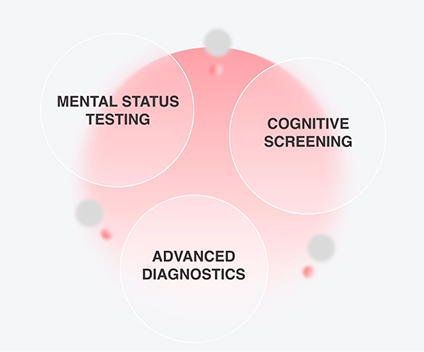
Diagnosis pathway
In Brazil, dementia diagnosis starts at primary care units, relies on SUS, and follows Ministry of Health guidelines and the Brazilian Academy of Neurology. GPs perform initial screening, including lab tests and depression assessment but early symptoms are often dismissed and only a minority of patients referred to specialists. Cognitive tests, lab work, and CT or MRI scans are standard, while CSF or PET biomarkers are limited to complex cases. Underdiagnosis is extremely high as the country has only around 5,800 Alzheimer’s specialists for a large population, with up to 80% of cases going undetected.
The official diagnostic guidelines are established by the Ministry of Health’s Clinical Protocol and Therapeutic Guidelines and the Brazilian Academy of Neurology. The process within the public Unified Health System (SUS) begins at primary care units, which serve as the main entry point to the system. A patient cannot access a specialist without first being evaluated and referred by a general practitioner (GP). Initial screening includes assessment for depression and laboratory tests, with emphasis on thyroid function and vitamin B12 levels. This initial step is a significant bottleneck, as GPs tend to dismiss early dementia symptoms (e.g., memory loss, difficulty finding words, or subtle changes in mood and social behavior) as part of normal aging. One study showed that in 40% of initial consultations, patient and family complaints about symptoms were dismissed, and fewer than 30% of patients were referred to a specialist for further evaluation. Brazil has a high rate of underdiagnosis of dementia. One analysis found that 80% of people with dementia go undetected, with the highest rates in the North (95.6%), followed by the Northeast (90.0%), Midwest (88.6%), South (74.8%), and Southeast (72.9%). Those who are referred to a specialist are further examined by a geriatric psychiatrist or a neurologist. Brazil has a comparatively low number of Alzheimer’s disease specialists relative to its population. In 2020, Brazil had an estimated 5,802 Alzheimer’s disease specialists: 2,890 neurologists, 1,714 geriatricians, and 1,198 psychiatrists.
Specialists use cognitive screening tests, conduct additional laboratory tests to rule out other conditions, and at least one structural neuroimaging exam, such as a Computed Tomography (CT) or Magnetic Resonance Imaging (MRI) scan. Advanced biomarkers, such as Cerebrospinal fluid (CSF) analysis or Positron Emission Tomography (PET) scans, are only employed in specific cases, such as for patients with early-onset or atypical symptoms.
- https://www.gov.br/conitec/pt-br/midias/protocolos/portaria-conjunta-13-pcdt-alzheimer-atualizada-em-20-05-2020.pdf/view
- https://www.demneuropsy.org/wp-content/uploads/articles_xml/1980-5764-DN-18-e2024C001/1980-5764-DN-18-e2024C001.pdf
- https://www.scielo.br/j/dn/a/DYTTzwYjKYZV6KWKpBqyfXH/?lang=pt
- https://www.saude.ce.gov.br/wp-content/uploads/sites/9/2024/01/RESOLUCAO-207-ANEXO-Linha-do-Cuidado-pessoa-c-Doenca-de-Alzheimer-e-outras-Demencias.pdf
- https://www.gov.br/saude/pt-br/assuntos/saude-de-a-a-z/a/alzheimer
- https://br.biogen.com/noticias/2022-07-03-news.html
- https://alz.confex.com/alz/2024/meetingapp.cgi/Paper/93303
- https://cesr.usc.edu/sites/default/files/Implications_of_Alzheimers_Treatment_for_Organization_and_Payment_of_Medical_Practices_in_Brazil.pdf
- https://pmc.ncbi.nlm.nih.gov/articles/PMC5619476/
Wait times
While private consultations are faster, public patients often wait months or years for diagnosis, with brain scans significantly delayed.
A significant proportion of patients wait over a year for a confirmed diagnosis, with many experiencing delays that stretch into several years. It may take several months for patients in public health to get a simple brain CT scan and even longer to get an MRI. In the private sector, maximum permitted wait times are 7 days for basic consultation and 14 days for a specialist consultation.
Diagnosis cost
Brazil’s SUS covers GP and specialist consultations, standard cognitive assessments, and neuroimaging, while advanced diagnostics remain uncovered. Private insurance must cover Alzheimer’s disease but often refuses costly procedures like PET scans, forcing families to pursue legal action. Copayments, sometimes reaching 40%, combined with multiple tests and specialist appointments, generate high out-of-pocket expenses, placing considerable financial strain on families despite insurance coverage.
The SUS covers GP and specialist consultations with neurologists or geriatricians, basic cognitive screening tools, and standard neuroimaging such as CT or MRI scans. Advanced diagnostic tools are explicitly excluded from SUS coverage. Similarly, blood-based biomarkers tests have not yet been submitted for evaluation by the national commission (CONITEC) for incorporation into the SUS.
Private health insurance plans are legally obligated to cover Alzheimer’s disease, as it is listed in the International Classification of Diseases. Anecdotal reports suggest that insurers often deny coverage for advanced diagnostic procedures such as PET scans, citing their absence from the mandatory list of procedures defined by the National Agency for Supplementary Health (ANS). As a result, many families are reportedly compelled to pursue legal action (judicialisation) to secure coverage for medically necessary tests.
Many private plans operate on a copayment model, where the beneficiary pays a percentage of the cost for each service used. For consultations and exams, this copayment can be up to 40% of the procedure’s value. Since the diagnostic process for Alzheimer’s disease requires multiple specialist visits and a series of tests, these costs can accumulate quickly, creating a significant out-of-pocket financial burden for families even when they have insurance coverage.
- https://www.gov.br/conitec/pt-br/midias/protocolos/portaria-conjunta-13-pcdt-alzheimer-atualizada-em-20-05-2020.pdf/view
- https://amb.org.br/brasilia-urgente/ministerio-da-saude-presta-informacoes-sobre-a-inclusao-no-rol-de-procedimentos-cobertos-pelo-sus-de-exame-para-diagnostico-precoce-da-doenca-de-alzheimer/
- https://www.planalto.gov.br/ccivil_03/leis/L9656compilado.htm
- https://diasribeiroadvocacia.com.br/exame-de-biomarcadores-de-alzheimer-deve-ser-custeado-por-plano-de-saude/
- https://febraz.org.br/direitos-do-paciente-e-planos-de-saude-o-que-voce-precisa-saber-para-se-proteger/
- https://blog.portoseguro.com.br/como-funciona-a-coparticipacao-nos-planos-de-saude
Cognitive tests
Several instruments are used in Brazil for the assessment of cognitive function. The Mini-Mental State Examination (MMSE) is the most commonly utilised. However, the MMSE is not fully standardised in Brazil because it is often adapted to local culture and education levels, such as changing certain words or tasks to make them more suitable for the population. Other cognitive screening tests that are used in Brazil are: The Blessed Information-Memory-Concentration Test, Cognitive Abilities Screening Instrument – Short (CASI-S), the Addenbrooke’s Cognitive Examination revised version (ACE-R), the Montreal Cognitive Assessment (MoCA), and the CERAD’s words list. The Brief Cognitive Screening Battery is recommended by the Brazilian Academy of Neurology and included in the 2024 Ministry of Health primary care manual, which also suggests the AD-8 for screening.
- https://www.scielo.br/j/dn/a/hyspLWNB7g4HZRGKfGR3RGk/?lang=en
- https://www.elsevier.es/es-revista-clinics-22-articulo-dementia-screening-in-brazil-systematic-S1807593222006925
- https://www.scielo.br/j/dn/a/v9G4nrNQ6QtCLhrDNPjRMkL/?lang=en
- *This section has been amended according to direct feedback from ADI’s member.
Imaging tests
The availability and accessibility of CT and MRI scanners are highly unequal. MRI machines are overwhelmingly concentrated in the private sector and in larger cities, leaving the public system with minimal capacity, while CT scanners are somewhat more available but still unevenly distributed. Access is particularly limited in the North and Northeast regions, which have far fewer devices compared to the wealthier South and Southeast. In 2012, Brazil had 1,347 MRI scanners, but their use was relatively low, averaging about 1,000 scans per device annually. PET-amyloid is offered in few centres in Brazil, while PET-tau is still unavailable.
Genetic tests
Genetic tests are restricted to some university centres and major cities and are not available in the public health system.
Biomarker tests
Analysis of biomarkers is currently limited to university research centres and private clinics, but most patients who could benefit (i.e., those with early-onset or atypical symptoms) lack access to these facilities or cannot afford their high costs. CSF test is approved in Brazil but not reimbursed by SUS or private insurance, while beta-amyloid PET ligands are not approved for clinical use and are only accessible through research studies. Blood-based biomarker tests for Alzheimer’s disease are not yet in routine use in Brazil, but validation studies are underway to make them accessible through the public health system. The access to the blood test PrecivityAD2™ is available only through the existing network of healthcare providers who have a relationship with a specific laboratory. CSF biomarkers are becoming more available in Brazil through a program supported by Eli Lilly, with centers like Hospital Geral de Fortaleza using them in selected cases in line with ABN recommendations.
- https://www.scielo.br/j/dn/a/hyspLWNB7g4HZRGKfGR3RGk/?lang=en
- https://www.scielo.br/j/dn/a/v9G4nrNQ6QtCLhrDNPjRMkL/?lang=en
- https://febraz.org.br/exame-de-sangue-para-alzheimer-entra-em-fase-de-validacao-no-brasil-com-apoio-do-ministerio-da-saude/
- https://www.nature.com/articles/s41380-025-03192-w
- https://precivityad.com/news/on-world-alzheimers-daycn-diagnostics-precivityad2-blood-test-expands-reach
- *This section has been amended according to direct feedback from ADI’s member.
Cognitive Tests
Cognitive Tests
Several instruments are used in Brazil for the assessment of cognitive function. The Mini-Mental State Examination (MMSE) is the most commonly utilised. However, the MMSE is not fully standardised in Brazil because it is often adapted to local culture and education levels, such as changing certain words or tasks to make them more suitable for the population. Other cognitive screening tests that are used in Brazil are: The Blessed Information-Memory-Concentration Test, Cognitive Abilities Screening Instrument – Short (CASI-S), the Addenbrooke’s Cognitive Examination revised version (ACE-R), the Montreal Cognitive Assessment (MoCA), and the CERAD’s words list. The Brief Cognitive Screening Battery is recommended by the Brazilian Academy of Neurology and included in the 2024 Ministry of Health primary care manual, which also suggests the AD-8 for screening.
- https://www.scielo.br/j/dn/a/hyspLWNB7g4HZRGKfGR3RGk/?lang=en
- https://www.elsevier.es/es-revista-clinics-22-articulo-dementia-screening-in-brazil-systematic-S1807593222006925
- https://www.scielo.br/j/dn/a/v9G4nrNQ6QtCLhrDNPjRMkL/?lang=en
- *This section has been amended according to direct feedback from ADI’s member.
Imaging Tests
Imaging Tests
The availability and accessibility of CT and MRI scanners are highly unequal. MRI machines are overwhelmingly concentrated in the private sector and in larger cities, leaving the public system with minimal capacity, while CT scanners are somewhat more available but still unevenly distributed. Access is particularly limited in the North and Northeast regions, which have far fewer devices compared to the wealthier South and Southeast. In 2012, Brazil had 1,347 MRI scanners, but their use was relatively low, averaging about 1,000 scans per device annually. PET-amyloid is offered in few centres in Brazil, while PET-tau is still unavailable.
Genetic Tests
Genetic Tests
Genetic tests are restricted to some university centres and major cities and are not available in the public health system.
Biomarker Tests
Biomarker Tests
Analysis of biomarkers is currently limited to university research centres and private clinics, but most patients who could benefit (i.e., those with early-onset or atypical symptoms) lack access to these facilities or cannot afford their high costs. CSF test is approved in Brazil but not reimbursed by SUS or private insurance, while beta-amyloid PET ligands are not approved for clinical use and are only accessible through research studies. Blood-based biomarker tests for Alzheimer’s disease are not yet in routine use in Brazil, but validation studies are underway to make them accessible through the public health system. The access to the blood test PrecivityAD2™ is available only through the existing network of healthcare providers who have a relationship with a specific laboratory. CSF biomarkers are becoming more available in Brazil through a program supported by Eli Lilly, with centers like Hospital Geral de Fortaleza using them in selected cases in line with ABN recommendations.
- https://www.scielo.br/j/dn/a/hyspLWNB7g4HZRGKfGR3RGk/?lang=en
- https://www.scielo.br/j/dn/a/v9G4nrNQ6QtCLhrDNPjRMkL/?lang=en
- https://febraz.org.br/exame-de-sangue-para-alzheimer-entra-em-fase-de-validacao-no-brasil-com-apoio-do-ministerio-da-saude/
- https://www.nature.com/articles/s41380-025-03192-w
- https://precivityad.com/news/on-world-alzheimers-daycn-diagnostics-precivityad2-blood-test-expands-reach
- *This section has been amended according to direct feedback from ADI’s member.
Treatment & Care
Treatment & care
Show moreIn Brazil, dementia care is centered in public university hospitals and Reference centres in major cities, offering interdisciplinary outpatient services. Private centres like NEMO provide advanced diagnostics but are costly. ILPIs have grown, yet specialised day care and home-based care remain limited. Palliative care is emerging, and is largely hospital-based with few hospices. SUS covers essential Alzheimer’s medications and basic therapies, but families bear most costs. Caregiver support is minimal, supplemented by NGOs like Febraz, Unimed College, and iSupport-Brasil, providing online education, training, and mental health support.
Specialized facilities and services
Brazil’s dementia services are largely concentrated in public university hospitals, with Reference centres delivering comprehensive outpatient care via geriatric and interdisciplinary teams. Private facilities, such as NEMO at Hospital Israelita Albert Einstein, provide high-end diagnostics and therapies but are financially inaccessible for many. ILPIs have expanded rapidly, though specialised day care and home-based dementia care remain sparse, with programs like Melhor em Casa providing general support. Palliative care is underdeveloped, primarily hospital-based, with minimal training in primary care, with only a few dedicated hospices and limited integration into dementia services nationwide.
Most of the specialised centres for dementia care in Brazil are associated with public universities in larger cities. Within the public health system, secondary-level specialised services are known as Reference centres, though names vary by region. In São Paulo, they are called Health Reference Units for Older Adults. In Bahia, the main hub is the State Reference centre for Health Care of Older Adults in Salvador. These outpatient facilities are run by interdisciplinary teams, including geriatricians, nurses, social workers, psychologists, and therapists. They provide comprehensive care to frail older adults, including those with dementia, to help them remain in the community for as long as possible. Some of the most specialised centres are affiliated with public universities and teaching hospitals, such as the Clinics Hospital in São Paulo and the University Hospital of Brasília.
The private sector offers high-end centres like the Núcleo de Excelência em Memória (NEMO) at Hospital Israelita Albert Einstein in São Paulo, which provides advanced diagnostics and therapies but is accessible only to those with premium insurance or the means to cover the costs.
Residential care facilities are known in Brazil as Long-Term Care Facilities for the Elderly (ILPIs). The number of ILPIs in the country has doubled in the last decade, from around 3,500 in 2010 to 7,000 in 2024. This market expansion has led to the emergence of high-end, hotel-like residential facilities, particularly in major cities like São Paulo, which offer luxurious accommodations and a wide range of services.
Unlike the burgeoning market for residential ILPIs, there is no evidence of large, national chains or a structured market for dementia-specific day care or specialised in-home care. Some public initiatives do exist, but they are limited in scope and are not specialised for Alzheimer’s disease or dementia. The Ministry of Health’s Melhor em Casa (Best at Home) programme aims to provide home-based care to reduce hospitalisation. However, it is a general health programme, not a specialised Alzheimer’s disease service. Similarly, the number of home care visits that can be provided through the SUS primary care network is very limited, sometimes only one or two per week, and is subject to competing public health demands.
Palliative care is an emerging field in Brazil and is not yet systematically integrated into Alzheimer’s disease and dementia care. The primary care network, with its extensive community presence, has been identified as having excellent potential for delivering primary palliative care, but this potential is largely unrealised due to a lack of adequate training for healthcare professionals in medical and nursing school curricula. Across the entire country, there are reportedly only six dedicated hospices at the first level of care. As a result, palliative care, when available, is delivered through hospitals that have integrated palliative care teams. The National Cancer Institute, for example, has a dedicated palliative care unit (HC IV), but its focus is exclusively on cancer patients. Some private facilities, like the Hospital Placi in Rio de Janeiro, and geriatric clinics in cities like Porto Alegre also offer palliative care services that serve patients living with both cancer and non-malignant diseases like Alzheimer’s disease.
Approved medication
| Generic Name | Trade Name | Used for |
|---|---|---|
| Donepezil | Aricept, Aricept ODT, Adlarity, Eranz, Memac, Alzepil, Davia, Donecept, Donep, Donepex, Donesyn, Dopezil, Yasnal, Memorit, Pezale, Redumas, Zolpezil, Namzaric* | Donepezil is indicated for the symptomatic treatment of mild to moderately severe Alzheimer’s dementia. Official National Product Information |
| Rivastigmine | Exelon, Exelon Patch, Prometax, Rivastach, Nimvastid | Symptomatic treatment of mild to moderately severe Alzheimer’s dementia. Symptomatic treatment of mild to moderately severe dementia in patients with idiopathic Parkinson’s disease. Official National Product Information |
| Galantamine | Razadyne, Razadyne ER, Reminyl, Reminyl XL, Nivalin, Lycoremine, Galsya | Galantamine is indicated for the symptomatic treatment of mild to moderately severe dementia of the Alzheimer type. Official National Product Information |
| Memantine | Namenda, Namenda XR, Ebixa, Memary, Axura, Akatinol, Maruxa, Nemdatine, Namzaric* | Treatment of adult patients with moderate to severe Alzheimer’s disease. Official National Product Information |
| Donanemab - approved but not available through SUS | Kisunla | Donanemab is indicated for the treatment of mild cognitive impairment and mild dementia due to Alzheimer’s disease (AD) in adult patients that are apolipoprotein Eε4 (ApoE ε4) heterozygotes or non-carriers. Official National Product Information |
| Lecanemab - approved but not available through SUS | Leqembi | Lecanemab is indicated for the treatment of mild cognitive impairment and mild dementia due to Alzheimer’s disease in adult patients that are apolipoprotein E ε4 (ApoE ε4) heterozygotes or non-carriers. Official National Product Information |
*Namzaric = combination of Donepezil and Memantine
Treatment cost
Essential Alzheimer’s drugs, including Donepezil, Rivastigmine, Galantamine, and Memantine, are fully subsidised through Brazil’s SUS, though only a small fraction of patients access them due to bureaucratic hurdles. Free rehabilitative therapies are available, but families shoulder the majority of costs.

Brazil’s public health system (SUS) provides a core list of essential Alzheimer’s disease medications fully subsidised for eligible patients. This includes drugs like Donepezil, Rivastigmine, Galantamine, and Memantine. However, access requires navigating a significant bureaucratic process. One study has shown that only about 15% of patients who use these medications actually receive them through SUS. Currently, there are no clear plans for the system to add Donanemab to its list of fully subsidised treatments.
Physiotherapy, occupational therapy, and speech therapy are also available at no cost.
Families in Brazil bear the overwhelming majority of the financial burden, shouldering an estimated 73% of all dementia-related costs.
- https://www.gov.br/saude/pt-br/assuntos/noticias/2025/maio/sus-amplia-tratamento-para-casos-graves-de-alzheimer
- https://agenciabrasil.ebc.com.br/saude/noticia/2023-12/ao-menos-73-dos-custos-com-demencia-estao-com-familias-revela-estudo
- https://cnm.org.br/comunicacao/noticias/pacientes-com-alzheimer-podem-buscar-auxilio-no-sus
- https://pubmed.ncbi.nlm.nih.gov/39550769/
Caregiver support
Brazil has no systematic state programs for dementia caregivers, leaving families to bear most financial, physical, and emotional burdens. State support is minimal, limited to disability pension increments or the BPC benefit. NGOs support includes Febraz’s caregiver programme, Unimed College’s Elderly Caregiver course, and iSupport-Brasil, which offer online education, skill-building, and mental health support to improve caregiver well-being.
There are no systematic state programmes to support caregivers. Families shoulder most of the burden—financial, physical, and emotional—with few formal mechanisms to assist them. Informal caregivers in Brazil face emotional and financial burdens, with families covering 73% of care costs and many caregivers working up to 10 hours daily, often at the expense of paid employment. Their main unmet needs are financial support and better understanding of dementia. The only available financial relief mechanisms are indirect and patient-focused, such as a 25% increase on disability pensions for those needing permanent assistance or the Brazil Continuous Cash Benefit (BPC) benefit for very low-income individuals.
The most direct form of non-financial support comes from non-governmental organisations (NGOs). Brazilian Federation of Alzheimer’s Associations (Febraz) offers the caretaker programme via Education and Support programme for Alzheimer’s Disease and other Dementias, which is free and online. Unimed College also provides a free Elderly Caregiver course. Additionally, the World Health Organisation’s iSupport programme has been adapted for Brazil (iSupport-Brasil) as an online psychoeducation programme aimed at improving the well-being and mental health of unpaid caregivers. This programme provides education, skills training, and support.
- https://bvsms.saude.gov.br/bvs/publicacoes/relatorio_nacional_demencia_brasil.pdf
- https://www.institutoclaro.org.br/cidadania/nossas-novidades/reportagens/7-direitos-do-cuidador-de-idosos/
- https://febraz.org.br/como-apoiar-familiares-cuidadores-de-pessoas-que-vivem-com-demencia/
- https://www.faculdadeunimed.edu.br/cursos/curta-e-media-duracao/cuidadores-de-idosos/
- https://pubmed.ncbi.nlm.nih.gov/36655568/
Policy
Policy
Show moreBrazil’s 2024 National Policy for Dementia promotes integrated care, early diagnosis, treatment, family support, and healthy lifestyles, while strengthening primary care and research. However, legal and cultural barriers remain, as full guardianship is often imposed despite reforms, and widespread misconceptions that dementia is normal aging perpetuate stigma, depersonalisation, and loss of autonomy. Implementation of the policy is currently the government’s primary focus.
National dementia plan
The 2024 National Policy for Dementia in Brazil ensures integrated care across health, social, and educational sectors. It emphasises early diagnosis, treatment, family support, and risk reduction through healthy lifestyles. Primary care teams will be trained, information systems upgraded, and research and technology promoted.
The National Policy for Comprehensive Care for People with Alzheimer’s Disease and Other Dementias was enforced in June 2024. It is a federal initiative that brings together different sectors such as health, social assistance, education, science, and technology. The main goal is to ensure integrated and continuous care for people living with Alzheimer’s disease and other dementias. This includes prevention, early diagnosis, treatment, social support, and access to research and innovation. The policy also seeks to improve the quality of life for both patients and their families.
The national policy is guided by several principles. Care should be interdisciplinary, combining medical, psychological, and social aspects. Families and caregivers should be supported, since they often bear most of the burden of care. The policy also promotes healthy lifestyles to reduce risks and encourages the use of new technologies for diagnosis and treatment. Another priority is to strengthen the public health system. Primary care teams should receive more training to recognise early symptoms. Information systems should be updated to monitor cases of dementia across the country. The government should also promote research and international cooperation in new treatments and medicines.
- https://pubmed.ncbi.nlm.nih.gov/36655568/
- https://www.planalto.gov.br/ccivil_03/_ato2023-2026/2024/lei/L14878.htm
- https://febraz.org.br/politica-nacional-em-demencias-agora-e-lei/
- https://www12.senado.leg.br/noticias/materias/2024/06/05/politica-nacional-de-enfrentamento-ao-alzheimer-e-sancionada
- https://www.gov.br/planalto/pt-br/acompanhe-o-planalto/noticias/2024/06/lula-sanciona-lei-que-prioriza-cuidado-e-qualidade-de-vida-a-pacientes-com-alzheimer
- https://agenciabrasil.ebc.com.br/politica/noticia/2024-06/lei-sobre-cuidado-de-pessoas-com-alzheimer-e-sancionada
Upcoming plans
Brazil is currently focused on implementing the 2024 National Policy for Comprehensive Care for People with Alzheimer’s Disease and Other Dementias, with no new upcoming policies announced beyond its rollout.
Policy gaps
Legal barriers
The 2015 guardianship reform in Brazil favors limited guardianship and supported decision-making, allowing advisory support rather than full control. Despite this, most court cases involving people with dementia still result in full guardianship, often unnecessarily restricting their civil rights.
The legal instrument of guardianship was significantly reformed in Brazil, particularly by the 2015 Statute of the Person with Disability, to favour “limited guardianship” as an extraordinary and proportional protective act. This reform also introduced “supported decision-making” as a less restrictive alternative, allowing an individual to appoint trusted persons to provide advice and support. However, one study showed that, contrary to the spirit of the law, difficulties in assessing capacity mean the majority of court decisions involving individuals with dementia still result in plenary (full) guardianship. This practice is seen as imposing excessive limitations that can inappropriately remove a person’s civil rights.
Cultural barriers
Widespread misconceptions that dementia is simply aging contribute to societal stigma in Brazil. This fuels stigma, leading to depersonalisation, infantilisation, and restrictions on autonomy, even within families.
The most significant cultural barrier is the widespread and damaging misperception that dementia is a normal and inevitable part of aging. This belief is deeply entrenched not only in the general public but also among healthcare professionals and carers. This foundational misunderstanding may fuel existing negative stereotypes and prejudices towards people with Alzheimer’s disease. This societal stigma also manifests in more intimate settings and within individuals themselves. Within families, carers often engage in deeply stigmatising behaviors, sometimes with the intention of providing protection. These actions include depersonalisation, where the person is spoken about as if they are not present; infantilisation, where an adult is treated like a dependent child; and the restriction of their autonomy and freedom.
Research
Research
Show moreBrazil is advancing dementia research in diagnostics, therapies, and caregiver support. InsCer at PUCRS uses Florbetaben PET/CT for Alzheimer’s detection, UNICAMP applies AI to MRI scans, and low-cost blood biomarkers plus the Brazilian Biobank improve understanding. Novel treatments and caregiver support programs are also being developed.
Selected academic institutions
Clinical trials and registries
Most Alzheimer’s disease clinical trials in Brazil are concentrated in the neurology and geriatric departments of major university hospitals, particularly in the states of São Paulo and Rio de Janeiro. These centres are the hubs of both national and international research.
The primary official registry for all clinical trials conducted in Brazil is the Registro Brasileiro de Ensaios Clínicos (ReBEC). It is a publicly accessible, online platform managed by the Oswaldo Cruz Foundation.
For patients and their families, the most essential organisation in Brazil is the Brazilian Alzheimer’s Association (ABRAz), as they are a good point of contact for patients and can direct them to research centres.
Selected innovative methods
Brazil is advancing dementia research through diagnostics, therapeutics, and caregiver support. InsCer at PUCRS enables precise Alzheimer’s diagnosis with Florbetaben (18F) PET/CT scans. ELSI-Brazil tracks ageing trends, and UNICAMP applies AI to MRI scans for early detection. Low-cost blood biomarkers and the Brazilian Biobank for Aging Studies improve insights. Advanced molecular and nanomedicine therapies are under development at Pelé Pequeno Príncipe and UFRJ, while Hospital Alemão Oswaldo Cruz tests culturally adapted caregiver support programs.
The Brain Institute of Rio Grande do Sul (InsCer) at the Pontifical Catholic University of Rio Grande do Sul (PUCRS) has become a pioneer in Brazil by commercialising Florbetaben (18F). This radiopharmaceutical, authorised by ANVISA, allows for more assertive diagnoses of Alzheimer’s through PET/CT scans by marking beta-amyloid plaques in the brain, a key biomarker of the disease.
The Brazilian Longitudinal Study of Ageing (ELSI-Brazil), led by the Oswaldo Cruz Foundation (Fiocruz) in partnership with the Federal University of Minas Gerais, the Federal University of Rio Grande do Norte, the University of Campinas, and the Federal University of Espírito Santo, follows a nationally representative sample of adults aged 50 and older to examine how biological, social, and economic factors influence ageing, health, and access to care in Brazil.
Researchers at the University of Campinas (UNICAMP) have developed a technique using an artificial neural network to analyse 3D brain images from MRI scans. This method aims to identify morphological characteristics indicative of Alzheimer’s disease and even detect signs of mild cognitive impairment, potentially leading to earlier diagnosis. The AI-driven technique can provide results much faster than conventional methods relying on human intervention.
Researchers at the Federal University of São Carlos and the Federal University of Rio Grande do Sul are pioneering accessible diagnostics by developing low-cost, blood-based biomarkers to enable earlier and more equitable detection of Alzheimer’s disease. This work is complemented by the University of São Paulo’s unique Brazilian Biobank for Aging Studies, which has enabled paradigm-shifting discoveries about the disease’s earliest stages and specific risk factors within Brazil’s diverse population.
Researchers at the Instituto de Pesquisa Pelé Pequeno Príncipe and the Federal University of Rio de Janeiro are advancing cutting-edge molecular and nanomedicine therapies aimed at restoring brain function.
Researchers at Hospital Alemão Oswaldo Cruz are conducting clinical trial focused on testing the feasibility and acceptability of a culturally-adapted caregiver support programme (originally the UK “START” model) in Brazil’s primary care setting, delivered via trained community general health workers to family caregivers of people living with dementia.
- https://portal.pucrs.br/en/noticias/saude/diagnostico-alzheimer
- https://pmc.ncbi.nlm.nih.gov/articles/PMC9908056/
- https://elsi.cpqrr.fiocruz.br/en/home-english/
- https://unicamp.br/en/unicamp/ju/noticias/2019/02/25/tecnica-ajuda-refinar-o-diagnostico-do-alzheimer/
- https://saude.rs.gov.br/pesquisa-inovadora-sobre-a-doenca-de-alzheimer-sera-realizada-com-apoio-do-estado
- https://www.gbhi.org/news-publications/new-study-involving-gbhi-researchers-shows-link-between-neuropsychiatric-symptoms
- https://pubmed.ncbi.nlm.nih.gov/17075689/
- https://pequenoprincipe.org.br/noticia/alzheimer-pesquisa-novo-tratamento/
- https://clinicaltrials.gov/study/NCT07096960
Support
Support
Show moreBrazil combats dementia underdiagnosis through a Ministry of Health primary care guide, Febraz’s Care Map connecting families to free services, and Memory Café Brasil promoting social inclusion and cognitive stimulation. The Alzheimer’s Federation leads advocacy, Alzheimer’s Institute Brazil provides digital education and support, and official websites and VEJA magazine offer guidance, research updates, and coverage of the disease’s societal impact.
Selected national associations, patient family associations, NGOs:
Selected initiatives
To address underdiagnosis, Brazil’s Ministry of Health released a primary care guide for dementia. Care Map offers a digital directory of free support services, and Memory Café Brasil promotes inclusion, well-being, and cognitive stimulation for people with dementia and their caregivers.
Guide for Primary Care Professionals
Care Map
Memory Café Brasil
Dedicated media outlets
As the national federation, Brazilian Federation of Alzheimer’s Associations functions as a strategic communications hub, focusing on national advocacy, policy, and coordinating with international bodies. Additionally, Alzheimer’s Institute Brazil transformed its support model into a digital media outlet, expanding its reach nationally by offering virtual meetings, live-streamed lectures, and online support groups for families and caregivers.
The ministry’s official website acts as a foundational information channel, providing the public with official definitions of the disease and details on the treatment and medications available for free through the public health system.
The news magazine, VEJA, maintains a dedicated topic page for Doença de Alzheimer where it frequently publishes in-depth articles on new research, treatments, and the societal impact of the disease.