

Colombia
Colombia lacks a specific national dementia strategy, meaning the diagnostic pathway, governed by 2017 guidelines, remains fragmented. Colombia occupies a unique position in the global Alzheimer’s disease landscape due to the “Paisa Mutation” (PSEN1 E280A) in Antioquia, which represents the world’s largest concentration of hereditary early-onset cases. This epidemiological distinctiveness drives a powerful research ecosystem led by the Neuroscience Group of Antioquia, known for identifying rare genetic variants like the Christchurch mutation that naturally protect against the disease. This scientific leadership coexists with a progressive legal framework under Law 1996 from 2019, which replaced the restrictive model of judicial guardianship with “supported decision-making”, aiming to preserve the legal agency of patients.

AD Rating
Diagnostic Pathway
Specialized Care
Caregiver Support
National Policies
Access to ATT-s
Highlights

Population
Median age
Health expenditure (% of GDP)
Diagnosis
Diagnosis
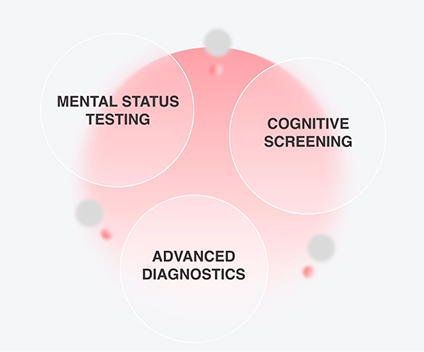
Show moreIn Colombia, the Alzheimer’s diagnostic pathway begins in primary care, where general practitioners screen for cognitive decline, rule out reversible causes, and conduct basic cognitive assessments. Confirmatory diagnosis is performed by specialists—neurologists, psychiatrists, or geriatricians—using structural imaging and neuropsychological evaluation. Routine services, including GP visits, specialist consultations, labs, and MRI/CT, are largely covered by the public insurer (EPS) under the Health Benefits Plan, with copayments varying by contributory or subsidized regimes. Advanced diagnostics, such as amyloid or tau PET scans, cerebrospinal fluid biomarkers, and genetic testing, are generally excluded from standard coverage, requiring special authorization, private payment, or access via research programs, limiting equitable access nationwide.
Diagnosis pathway
Colombia’s 2017 Clinical Practice Guideline for dementia establishes a GP-led pathway, where reversible causes are excluded and cognitive screening performed. Confirmatory diagnosis of Alzheimer’s disease requires referral to specialists such as neurologists, psychiatrists, or geriatricians, who mandate structural imaging, with advanced tests like PET or CSF biomarkers generally excluded from standard PBS coverage.
The central clinical document governing the diagnosis is the “Clinical practice guide for the diagnosis and treatment of major neurocognitive disorder (dementia)”, formally adopted by the Ministry of Health and the Institute of Technological Evaluation in Health (IETS) in 2017. The usual diagnostic pathway for Alzheimer’s disease begins with the general practitioner (GP), who acts as the gatekeeper by ruling out reversible causes of cognitive decline through metabolic panels (TSH, Vitamin B12) and infectious serology. While GPs perform initial screenings using cognitive tests, the 2017 Clinical Practice Guideline generally reserves the confirmation of specific aetiologies for specialised care, requiring a referral that subjects the person to the administrative authorisation processes of their Health Promoting Entity (EPS). Once authorised, the patient consults a neurologist, psychiatrist, or geriatrician who conducts the confirmatory assessment, mandating structural neuroimaging. If the clinical picture remains ambiguous, a comprehensive neuropsychological evaluation is ordered, whereas advanced diagnostic technologies like Amyloid positron emission tomography (PET) or cerebrospinal fluid (CSF) biomarkers generally remain outside the standard Benefit Plan (PBS) financed by the Capitation Payment Unit (UPC).
Wait times
In Colombia, GP appointments average 3-6 days, while specialist consultations can take up to 105 days, and neurology appointments around 129 days. MRI scheduling is often delayed by authorization processes, with major cities offering 10-20-day waits, but peripheral regions face months-long delays due to travel and authorization requirements.
Official indicators suggest an average waiting time of 3 to 6 days for a GP appointment in 2025 among most Health Insurance Companies (Entidades Administradoras de Planes de Beneficios, EAPBs), which contract healthcare providers (Instituciones Prestadoras de Servicios de Salud, IPSs) to deliver services. For example, in Bogotá, the average is reported around 6.6 days, while in other regions it varies. The average waiting time for a specialist consultation in Colombia has been reported to reach up to 105 days in some contexts, while the waiting time for a neurology department is around 129 days. This aggregation hides severe outliers where people wait nearly half a year. The bottleneck for magnetic resonance imaging (MRI) is often the authorisation process rather than the machine availability itself. Once authorised, the scheduling depends on the IPS. In major cities, a brain MRI can typically be scheduled within 10 to 20 days. However, in peripheral regions, people may wait months or require medical transport to a capital city, which introduces further delays related to travel authorisations and viability fees.
- https://www.asivamosensalud.org/indicadores/oportunidad-de-la-atencion/tiempo-promedio-de-espera-para-la-asignacion-de-cita-de-2
- https://medicinaresponsable.com/actualidad-sanitaria/dos-meses-espera-especialista-listas-primera-consulta-hospital-aumentando
- https://hci-imaging.com/resonancia-magnetica-cerebral-cuanto-dura-y-que-esperar/
Diagnosis cost
In Colombia, Alzheimer’s diagnosis is largely covered by the public insurer (EPS) under the Health Benefits Plan, including GP visits, specialist referrals, cognitive assessments, labs, and CT/MRI. Copayments vary by regime, but advanced diagnostics (PET scans, CSF biomarkers, and genetic tests) are mostly excluded, requiring special authorization or private payment.
In Colombia, the initial diagnosis of Alzheimer’s disease is largely covered by the public health system through the public insurer (Entidad Promotora de Salud, EPS) under the Health Benefits Plan (Plan de Beneficios en Salud). GP visits, referrals to specialists, standard cognitive assessments, routine laboratory tests, and structural imaging such as CT or MRI are generally financed by the EPS when clinically indicated. People in the contributory regime usually pay small regulated copayments (cuotas moderadoras or copagos) based on income, while people in the subsidised regime typically face lower or no copays.
Advanced diagnostic tools are the main gap in coverage. Amyloid- or tau-PET scans, specialised CSF biomarkers, and many genetic tests (e.g., APOE or dementia gene panels) are not routinely included as first-line diagnostics and often require special authorisation to be only partially covered. In practice, these tests are frequently unavailable through EPS or approved only in exceptional cases, meaning they are commonly paid out-of-pocket or accessed through private insurance, research programs, or specialised centres.
- https://www.minsalud.gov.co/salud/POS/paginas/plan-obligatorio-de-salud-pos.aspx
- https://www.alcaldiabogota.gov.co/sisjur/normas/Norma1.jsp?i=188618&dt=S
- https://www.minsalud.gov.co/Paginas/Colombia-cuenta-con-ley-que-garantiza-la-atencion-del-Alzheimer.aspx
- https://miscuentasmedicas.com/PBS-2025-Resolucion-2718-de-2024
- https://www.minsalud.gov.co/sites/rid/Lists/BibliotecaDigital/RIDE/VP/DOA/cuotas-moderadoras-copagos-2024.pdf
- https://www.internationalinsurance.com/countries/colombia/healthcare/
- https://internationalliving.com/countries/colombia/healthcare-in-colombia/
Cognitive tests
Currently Colombia does not have an organised national screening program for the general population; instead, national guidelines emphasise early detection focused on symptomatic individuals within the primary care setting. For clinical assessment, the Montreal Cognitive Assessment (MoCA) has been validated for the local population and is preferred for detecting Mild Cognitive Impairment (MCI), while the Mini-Mental State Examination (MMSE) is largely relegated to staging established dementia due to its lower sensitivity to early-stage deficits. Beyond the MoCA and MMSE, routine assessment in Colombian memory clinics often incorporates functional scales to differentiate between mild cognitive impairment and Alzheimer’s disease.
Imaging tests
MRI technology is concentrated in major urban centres, in cities like Bogotá, Medellín, Cali, and Barranquilla. For instance, Fundación Valle del Lili in Cali and Hospital Serena del Mar in Cartagena operate advanced MRI units capable of high-resolution volumetric acquisition. Fluorodeoxyglucose (FDG)-PET is available in major nuclear medicine centres across the country.
Unlike computed tomography (CT) or MRI, Amyloid-PET is often not included in the standard PBS capitation. It usually requires prescription through the MIPRES (Mi Prescripción) platform, a digital tool for requesting technologies not covered by the standard premium. This process requires the specialist to justify the necessity before a medical board, leading to higher denial rates and administrative friction.
Genetic tests
Colombia’s approach to genetic testing for Alzheimer’s disease is heavily influenced by the presence of the Paisa Mutation (PSEN1 E280A). This epidemiological feature has created a localised culture of high genetic literacy in regions like Antioquia. However, this does not apply to the general Colombian population; it is specific to families carrying the PSEN1 E280A mutation. The national accessibility for sporadic Alzheimer’s disease testing remains limited and ethically guarded. For the thousands of individuals belonging to the PSEN1 E280A kindreds in Antioquia, testing has historically been facilitated through research grants and the Neuroscience Group of Antioquia. These individuals often have access to genotyping within the context of clinical trials (like the API trials), which also provide genetic counselling — a critical component often missing from commercial testing services.
Biomarker tests
Traditional CSF analysis for beta-amyloid and tau is offered by private reference laboratories such as Colcan and Synlab, though its use is limited by the invasiveness of lumbar punctures. There is no strong publicly available evidence suggesting widespread access to specialised CSF biomarker testing in public hospitals. The diagnostic landscape is currently shifting with the 2024-2025 introduction of blood-based biomarkers; private laboratories now offer plasma p-tau217 tests, which are increasingly used as a triage tool to rule out Alzheimer’s disease pathology before resorting to more expensive or invasive confirmations.
Cognitive Tests
Cognitive Tests
Currently Colombia does not have an organised national screening program for the general population; instead, national guidelines emphasise early detection focused on symptomatic individuals within the primary care setting. For clinical assessment, the Montreal Cognitive Assessment (MoCA) has been validated for the local population and is preferred for detecting Mild Cognitive Impairment (MCI), while the Mini-Mental State Examination (MMSE) is largely relegated to staging established dementia due to its lower sensitivity to early-stage deficits. Beyond the MoCA and MMSE, routine assessment in Colombian memory clinics often incorporates functional scales to differentiate between mild cognitive impairment and Alzheimer’s disease.
Imaging Tests
Imaging Tests
MRI technology is concentrated in major urban centres, in cities like Bogotá, Medellín, Cali, and Barranquilla. For instance, Fundación Valle del Lili in Cali and Hospital Serena del Mar in Cartagena operate advanced MRI units capable of high-resolution volumetric acquisition. Fluorodeoxyglucose (FDG)-PET is available in major nuclear medicine centres across the country.
Unlike computed tomography (CT) or MRI, Amyloid-PET is often not included in the standard PBS capitation. It usually requires prescription through the MIPRES (Mi Prescripción) platform, a digital tool for requesting technologies not covered by the standard premium. This process requires the specialist to justify the necessity before a medical board, leading to higher denial rates and administrative friction.
Genetic Tests
Genetic Tests
Colombia’s approach to genetic testing for Alzheimer’s disease is heavily influenced by the presence of the Paisa Mutation (PSEN1 E280A). This epidemiological feature has created a localised culture of high genetic literacy in regions like Antioquia. However, this does not apply to the general Colombian population; it is specific to families carrying the PSEN1 E280A mutation. The national accessibility for sporadic Alzheimer’s disease testing remains limited and ethically guarded. For the thousands of individuals belonging to the PSEN1 E280A kindreds in Antioquia, testing has historically been facilitated through research grants and the Neuroscience Group of Antioquia. These individuals often have access to genotyping within the context of clinical trials (like the API trials), which also provide genetic counselling — a critical component often missing from commercial testing services.
Biomarker Tests
Biomarker Tests
Traditional CSF analysis for beta-amyloid and tau is offered by private reference laboratories such as Colcan and Synlab, though its use is limited by the invasiveness of lumbar punctures. There is no strong publicly available evidence suggesting widespread access to specialised CSF biomarker testing in public hospitals. The diagnostic landscape is currently shifting with the 2024-2025 introduction of blood-based biomarkers; private laboratories now offer plasma p-tau217 tests, which are increasingly used as a triage tool to rule out Alzheimer’s disease pathology before resorting to more expensive or invasive confirmations.
Treatment & Care
Treatment & care
Show moreColombia’s Alzheimer’s care is concentrated in Bogotá, Medellín, and Cali, limiting rural access. Specialized centers provide advanced diagnostics, including genetic research for PSEN1 E280A populations. Day and community centers are stratified by socioeconomic status, while palliative care is mostly urban and home-based. Alzheimer’s treatments are covered under the Health Benefits Plan (PBS), including rehabilitation and mental health support. Caregivers benefit from Ley 2456, enabling pension access and inheritance rights, while NGOs like ACOLADE provide training, support groups, helplines, workshops, and day programs, generally free or low-cost, supplementing state services without direct financial assistance.
Specialized facilities and services
In Colombia, Alzheimer’s diagnostic and care infrastructure is highly centralized in the “Golden Triangle” of Bogotá, Medellín, and Cali, limiting access for rural populations. Bogotá hosts high-complexity units like Centro de Memoria y Cognición Intellectus, while Medellín’s Grupo de Neurociencias de Antioquia integrates clinical care with advanced genetic research for the high-prevalence PSEN1 E280A population. Intermediate cities such as Manizales and Bucaramanga offer university-led memory clinics, yet rural departments often lack permanent neurologists, forcing travel or limited telemedicine use. Day and community centers are stratified by socioeconomic status, with private facilities offering advanced therapies and public Centros Vida providing basic cognitive stimulation. Palliative care, legally guaranteed under Law 1733 of 2014, is mostly delivered through home-care models, concentrated in urban areas, with around 500 services nationally, 77% at primary care level. Specialized inpatient palliative units are rare and located in high-complexity hospitals, leaving remote regions critically underserved despite the National Rural Health Plan’s equity-focused mandate.
Access to diagnostic infrastructure is centralised in Colombia’s “Golden Triangle” (Bogotá, Medellín, and Cali), creating a barrier for those in rural or intermediate regions. In Bogotá, high-complexity units like the Centro de Memoria y Cognición Intellectus and the Hospital Infantil Universitario de San José provide integrated care with psychiatry and geriatrics. Medellín stands out globally due to the Grupo de Neurociencias de Antioquia, Sanvicente Fundacion, and the Instituto Neurológico de Colombia, which combine clinical care with advanced genetic research due to the region’s high prevalence of hereditary early-onset Alzheimer’s disease. While intermediate cities like Manizales have established university-led memory clinics and Bucaramanga offers specialised services through institutions like FOSCAL, rural departments often lack permanent neurologists, forcing people to travel to capital cities for basic diagnosis or rely on telemedicine which is limited by connectivity issues. These disparities persist despite the existence of the National Rural Health Plan (Plan Nacional de Salud Rural, PNSR) — a public policy created to guarantee the right to health for populations living in rural and dispersed rural areas. The Plan aims to reduce urban–rural inequities by improving effective access to quality health services, strengthening hospital infrastructure, and promoting a care model adapted to rural communities.
The availability of day and community centres is strictly stratified by socioeconomic status, creating a two-tier system of care. Private centres such as Alzheimer Neuroactivo (present in Medellín, Pereira, and Villavicencio) offer advanced neurocognitive therapies, including Snoezelen multisensory rooms and Wii-therapy, but require out-of-pocket tuition. The state provides “Centros Vida” which are legally mandated by Resolution 055 of 2018 to provide cognitive stimulation. However, although Centros Vida are legally mandated to provide social support and cognitive stimulation for vulnerable older adults (Ley 1276 de 2009; Resolución 055 de 2018), they are not structured as specialised dementia care units.
Palliative care for dementia is legally protected under Law 1733 of 2014 (Ley Consuelo Devis Saavedra), but its practical application is largely confined to home-care models managed by private insurers. There are around 500 palliative care services across Colombia, predominantly at the primary care level (77%). Public institutions offer palliative care services, including state-affiliated entities such as the Instituto Nacional de Cancerología, Hospital El Tunal and the Clínica Rafael Uribe Uribe. There are significant geographic disparities in access, with services heavily concentrated in major urban regions such as Bogotá and the Caribbean, while remote areas like the Amazonia and Orinoquia regions suffer from a critical lack of coverage. Specialised inpatient palliative units are rare and concentrated in high-complexity clinics such as Fundación Valle del Lili in Cali or specialised providers like IPS San Luis in Bucaramanga, which handles people with needs of chronic ventilation.
Approved medication
| Generic Name | Trade Name | Used for |
|---|---|---|
| Donepezilo | Aricept, Aricept ODT, Adlarity, Eranz, Memac, Alzepil, Davia, Donecept, Donep, Donepex, Donesyn, Dopezil, Yasnal, Memorit, Pezale, Redumas, Zolpezil, Namzaric* | Donepezil is indicated for the symptomatic treatment of mild to moderately severe Alzheimer’s dementia. |
*Namzaric = combination of Donepezil and Memantine
Treatment cost
In Colombia, Alzheimer’s care is included in the Health Benefits Plan (PBS), mandating EPS coverage for necessary medical care. This encompasses standard treatments, prescribed medicines, and recognized therapies such as doctor-prescribed rehabilitation and mental health support, with coverage periodically updated by the Ministry of Health.

Alzheimer’s disease care is included within the Health Benefits Plan (Plan de Beneficios en Salud, PBS), which is the mandatory health benefit package in Colombia’s social security health system. This means the government/insurance (EPS) must cover necessary medical care for people living with Alzheimer’s disease that are part of that benefit plan. The PBS covers basic treatments and prescribed medicines that are listed in the PBS. The exact list of medications and technologies is determined by the Ministry of Health and updated periodically.
Standard clinical therapies that are part of recognised medical care for Alzheimer’s disease (e.g., doctor-prescribed rehabilitation, mental health support) fall under the PBS and should be covered by the EPS.
Caregiver support
As of 2025, Colombia provides Alzheimer’s caregiver support through Ley 2456, establishing the National Fund for People with Disabilities and Caregivers. Constitutional rulings now allow pension access alongside other income and inheritance pathways. NGOs like ACOLADE offer training, support groups, helplines, workshops, and day programs, typically free or low-cost, complementing state benefits without direct financial aid.
As of late 2025, financial support for care partners of people living with Alzheimer’s disease in Colombia is anchored by Ley 2456 of 2025, which established the National Fund for Protection and Support for People with Disabilities and their Caregivers or Personal Assistants. Recently, the Constitutional Court’s Ruling C-269 of 2025 removed the requirement for carers to be unemployed to access the Special Old Age Pension, allowing families to combine this benefit with other income sources, while Ruling T-293 opened pathways for adult children acting as carers to inherit parental pensions.
Support is also offered through non-governmental organisations (NGOs) and the private sector. The Asociación Colombiana de Alzheimer y Otras Demencias (ACOLADE) and local Alzheimer’s disease foundations (notably in Bogotá, Medellín, Cali, and Bucaramanga) provide carer training, support groups, helplines, cognitive stimulation workshops, and short-term day programs aimed at reducing carer load and improving people’s support. These services are often free or low-cost but do not provide direct financial assistance.
Policy
Policy
Show moreColombia currently lacks a formal national dementia or Alzheimer’s strategy, with no dedicated initiatives announced. Legal barriers persist despite Law 1996’s Supported Decision-Making framework, as notaries and insurers often limit autonomy and caregiving access. Cultural stigma, particularly in Antioquia’s PSEN1 E280A population, endures, though Ministry of Health guidelines aim to raise awareness and reduce fear of “La Bobera.”
National dementia plan
Colombia currently does not have a specific national dementia or Alzheimer’s disease strategy.
Upcoming plans
There is no officially announced upcoming dedicated Alzheimer’s disease or dementia strategy.
Policy gaps
Legal barriers
Before August 2019, Colombian law classified people with severe dementia as “absolutely incapable,” with guardianship removing their rights to manage finances, sign contracts, or marry, reinforcing social stigma. Law 1996 introduced a “Supported Decision-Making” framework, enabling Support Agreements (Acuerdos de Apoyo) and Advance Directives (Directivas Anticipadas) to protect autonomy. Despite this, implementation is limited: notaries often refuse services for cognitively impaired individuals, citing inability to demonstrate traditional “will,” and insurers generally cover only skilled nursing, not basic caregiving. Families must resort to legal action to secure essential care, leaving structural and administrative barriers that continue to constrain independence and reinforce societal bias against those living with Alzheimer’s disease.
Prior to August 2019, the Colombian Civil Code treated individuals living with severe dementia as “absolutely incapable”. The standard legal response to an Alzheimer’s disease diagnosis was judicial interdiction, a process that appointed a guardian and stripped the person of the right to sign contracts, manage finances, or marry. While intended to protect the person’s patrimony, interdiction functioned as a “civil death”, legally codifying the stigma that a person living with Alzheimer’s disease is a non-person. Law 1996 reversed this presumption. It explicitly states that “all people living with disabilities are subjects of rights and obligations, and have legal capacity under equal conditions, regardless of whether they use support for legal acts”. This shift from a “Substitute Decision-Making” model to a “Supported Decision-Making” model was intended to destigmatise cognitive disability. However, the transition has created a vacuum that generates new forms of exclusion. The law introduced Support Agreements (Acuerdos de Apoyo) and Advance Directives (Directivas Anticipadas) to replace guardianship. Yet, the infrastructure to operationalise these tools is lagging, creating administrative barriers that function as stigma. Notaries are the gatekeepers of civil acts. Under Law 1996, they must facilitate the creation of support agreements without demanding medical certificates of sanity. However, field reports and academic analysis indicate widespread resistance. Notaries, fearing disciplinary action or the nullity of deeds, often refuse to serve elderly individuals who manifest confusion or memory loss. By demanding “proof of will” that the patient cannot provide in traditional terms, notaries effectively reinstate interdiction through administrative refusal, reinforcing the stigma that the person living with Alzheimer’s disease is a legal liability.
Further, health insurance companies may deny requests for home carers, citing that “caregiving” (such as assistance with bathing, and feeding) is a social need, not a medical one, and thus falls under the “Principle of Solidarity” of the family. As a consequence, health insurance companies only cover “skilled nursing” (enfermería). This policy forces families to file constitutional injunctions to access care.
- https://repository.eafit.edu.co/server/api/core/bitstreams/ba86fd67-43ec-422a-ad9a-d1d2d06f3578/content
- https://www.alcaldiabogota.gov.co/sisjur/normas/Norma1.jsp?i=86165
- https://www.corteconstitucional.gov.co/relatoria/2021/c-022-21.htm
- https://repository.uniminuto.edu/server/api/core/bitstreams/bbb9baf1-429b-42ca-984d-896d4bb20889/content
- https://www.corteconstitucional.gov.co/relatoria/2024/t-406-24.htm
- https://www.corteconstitucional.gov.co/relatoria/2024/T-498-24.htm
- https://www.alcaldiabogota.gov.co/sisjur/normas/Norma1.jsp?i=191599&dt=S
- https://sisjur.bogotajuridica.gov.co/sisjur/normas/Norma1.jsp?i=164199
Cultural barriers
In Antioquia, where the PSEN1 E280A early-onset Alzheimer’s mutation is prevalent, cultural stigma persists as fear of “La Bobera.” The Ministry of Health has issued guidelines to educate communities and reduce such stigma.
In the department of Antioquia, home to the largest population with the genetic mutation for early-onset Alzheimer’s disease (E280A), cultural stigma exists in the form of a supernatural fear of “La Bobera” (the foolishness). In an attempt to better inform the population, the Ministry of Health has published guidelines on reducing stigma.
Research
Research
Show moreColombian trials explore amyloid-targeting therapies, protective mutations, and gene-social interactions to advance Alzheimer’s treatment and risk prediction.
Selected academic institutions
Clinical trials and registries
The regulatory authority for clinical trials in Colombia is the INVIMA (Instituto Nacional de Vigilancia de Medicamentos y Alimentos).
Selected innovative methods
The Neuroscience Group of Antioquia and Banner Alzheimer’s Institute are testing Donanemab and RG6289 in Colombia’s largest autosomal-dominant Alzheimer’s kindred, while studies on protective APOE3 Christchurch and Reelin-COLBOS mutations and genetic-social interactions aim to develop therapies and risk models for Latin American populations.
The Neuroscience Group of Antioquia (GNA) and Banner Alzheimer’s Institute have been conducting an Induction and Maintenance prevention trial in members of the world’s largest autosomal dominant Alzheimer’s disease kindred in Colombia. In this study researchers use Donanemab to clear amyloid plaques, followed by the gamma-secretase modulator RG6289 to prevent their regrowth.
Along with the Massachusetts General Hospital, the GNA have been investigating the rare APOE3 Christchurch and Reelin-COLBOS mutations found in resilient individuals to develop new therapies that mimic these natural protective mechanisms against dementia.
Researchers at Universidad del Valle and the ReDLat Consortium are analysing how genetic admixture interacts with social determinants of health, such as education and economic disparities, to create accurate dementia risk models for diverse Latin American populations.
Support
Support
Show moreColombian Alzheimer’s initiatives, led by AFACOL and Fundación Alzheimer, offer caregiver training, memory workshops, social programs, and Café Alzheimer events, promoting cognitive stimulation, social connection, and shared experiences, while online resources provide awareness and informational support.
Selected national associations, patient family associations, NGOs:
Selected initiatives
AFACOL and other Colombian Alzheimer’s associations provide caregiver training, memory workshops, social activities, and respite programs across major cities. Initiatives like community support groups, Café Alzheimer events, and therapeutic sessions foster cognitive stimulation, social connection, and shared experiences for people living with dementia and their families.
AFACOL
Alzheimer’s disease and dementia associations
Colombian Association of Alzheimer’s and Other Dementia
Café Alzheimer’s-type social events
Dedicated media outlets
Colombia does not have dedicated media outlets dedicated exclusively to Alzheimer’s disease, but there are specialised organisations and online resources that focus on Alzheimer’s disease information, support and awareness (e.g., Fundación Acción Familiar Alzheimer Colombia (AFACOL) and Fundación Alzheimer in Cali with blogs and informational content).