Cyprus
While the country was an early adopter of dementia policy with its 2012–2017 National Action Plan, dedicated government funding has since stalled, leading to a reliance on general healthcare rather than a nationwide network of specialised memory clinics. To bridge this gap, civil society organisations like the Cyprus Alzheimer Association and the Ithaki Association provide essential community support through specialised day centers and caregiver education, helping families navigate the strong cultural expectation that elder care should be managed solely within the home. Simultaneously, the country’s research sector is advancing rapidly; institutions like the Cyprus Institute of Neurology and Genetics (CING) are pioneering systems biology approaches — combining proteomics and neuroimaging — to identify molecular biomarkers, positioning Cyprus as a key contributor to large-scale European dementia prevention initiatives.

AD Rating
Diagnostic Pathway
Specialized Care
Caregiver Support
National Policies
Access to ATT-s
Highlights

Population
Median age
Health expenditure (% of GDP)
Diagnosis
Diagnosis
Show moreAlzheimer’s assessment in Cyprus generally progresses from primary care through GeSY to specialist or memory-clinic evaluation, despite the absence of dementia-specific national guidelines. Assessment combines medical and caregiver history, neurological, cognitive, and functional evaluation, laboratory testing, and CT or MRI. The locally adapted ADAS-Cog has demonstrated diagnostic value, although routinely used screening tools remain unclear. PET/CT and amyloid PET are available in specialised settings, while routine genetic and CSF biomarker testing is not confirmed. GeSY substantially covers diagnostic costs through free personal doctor visits and modest copayments for referred specialists, radiology, and laboratory tests, with higher charges for direct specialist access.
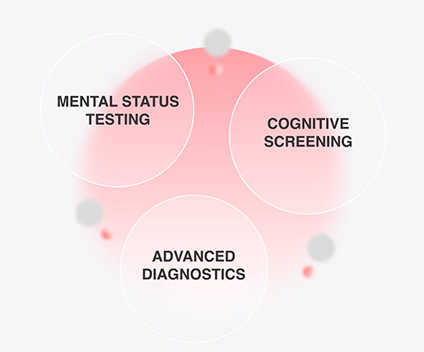
Diagnosis pathway
Without dementia-specific diagnostic guidelines, Cyprus follows a primary-care referral pathway through GeSY to specialists or memory clinics. Assessment includes clinical, cognitive, functional, laboratory, and neuroimaging evaluation, with CSF biomarkers or amyloid PET used selectively.
Although Cyprus has clinical guidelines for primary and secondary health care, there are no specific guidelines for diagnosis of Alzheimer’s disease or dementia. The diagnostic pathway for Alzheimer’s disease in Cyprus generally begins in primary care, where memory complaints or other cognitive or behavioural changes are recognised by a general practitioner (GP) or another healthcare professional. Patients with suspected dementia are referred through the General Health System (GeSY) system to specialist services, including neurologists, psychiatrists, geriatricians, or dedicated memory clinics, for comprehensive assessment. Specialist evaluation typically includes a detailed medical history with collateral information from a caregiver or family member, physical and neurological examination, cognitive and functional assessment, laboratory investigations to exclude reversible causes of cognitive impairment, and structural neuroimaging with magnetic resonance imaging (MRI) or computed tomography (CT). In selected cases, where diagnostic uncertainty persists or biomarker confirmation is clinically indicated, cerebrospinal fluid biomarkers (CSF) or amyloid positron emission tomography (PET) imaging may be considered in specialist settings.
- https://www.gov.cy/moh/documents/1567-2
- https://noesis.cy/services/neuropsychological-assessment/
- https://www.alzheimer-europe.org/sites/default/files/2021-10/Cyprus%20National%20Dementia%20Strategy%202012-2017.pdf
- https://ucyweb.ucy.ac.cy/neurology/en/clinical-unit/neurology-outpatient-clinic.html
- https://www.shso.org.cy/clinic/nevrologiki
Wait times
No publicly available national data were identified reporting waiting times for GP assessment, referral to dementia specialists, neuroimaging, or biomarker investigations in Cyprus.
Diagnosis cost
Cyprus’s GeSY substantially covers Alzheimer’s diagnostic assessment, providing free personal doctor consultations and modest copayments for referred specialists, radiology, and laboratory tests. Direct specialist access without referral requires a higher €25 contribution.
In Cyprus, the diagnostic assessment for Alzheimer’s disease is largely covered through the GeSY, which provides universal health coverage to eligible residents. Personal doctor consultations are provided without charge to beneficiaries. Specialist consultations are covered but require a modest co-payment of €6 when accessed through a referral from the personal doctor. Patients who choose to consult a specialist directly without a referral pay a higher personal contribution of €25. Diagnostic radiology examinations performed following referral incur a €10 co-payment, while laboratory tests generally require a €1 co-payment per test category, subject to annual limits on out-of-pocket spending.
- https://www.gesy.org.cy/en-us/annualreport/basic-brochure-english-0.pdf
- https://www.gesy.org.cy/sites/Sites?d=Desktop&locale=en_US&lookuphost=%2Fen-us%2F&lookuppage=hiodiatagmasimplirwmwn10-07-2019
- https://www.gesy.org.cy/sites/Sites?d=Desktop&locale=en_US&lookuphost=%2Fen-us%2F&lookuppage=hiooutpatientspecialistsfaq
Cognitive tests
Cyprus has locally adapted cognitive assessment tools for Alzheimer’s disease. The Alzheimer’s Disease Assessment Scale–Cognitive Subscale (ADAS-Cog) has been translated, culturally adapted and evaluated in the Cypriot population, with studies showing that the Cypriot version can distinguish people living with dementia from cognitively healthy older adults. Publicly available sources do not specify the cognitive screening instruments routinely used in specialist memory assessment services in Cyprus.
Imaging tests
CT and MRI are available in both the public and private healthcare sectors in Cyprus and are used to investigate structural causes of cognitive impairment. PET/CT is also available through specialised nuclear medicine centres, including the Bank of Cyprus Oncology Centre., Amyloid PET testing is also available in memory clinics.
Genetic tests
There is no evidence that genetic testing for Alzheimer’s disease (e.g. APOE, APP, PSEN1 or PSEN2) is routinely offered as part of clinical dementia care in Cyprus.
Biomarker tests
Cerebrospinal fluid (CSF) sampling by lumbar puncture is available in Cyprus and may be performed as part of specialist neurological assessment. However, publicly available sources do not confirm routine clinical availability of Alzheimer’s disease CSF biomarker testing.
Cognitive Tests
Cognitive Tests
Cyprus has locally adapted cognitive assessment tools for Alzheimer’s disease. The Alzheimer’s Disease Assessment Scale–Cognitive Subscale (ADAS-Cog) has been translated, culturally adapted and evaluated in the Cypriot population, with studies showing that the Cypriot version can distinguish people living with dementia from cognitively healthy older adults. Publicly available sources do not specify the cognitive screening instruments routinely used in specialist memory assessment services in Cyprus.
Imaging Tests
Imaging Tests
CT and MRI are available in both the public and private healthcare sectors in Cyprus and are used to investigate structural causes of cognitive impairment. PET/CT is also available through specialised nuclear medicine centres, including the Bank of Cyprus Oncology Centre., Amyloid PET testing is also available in memory clinics.
Genetic Tests
Genetic Tests
There is no evidence that genetic testing for Alzheimer’s disease (e.g. APOE, APP, PSEN1 or PSEN2) is routinely offered as part of clinical dementia care in Cyprus.
Biomarker Tests
Biomarker Tests
Cerebrospinal fluid (CSF) sampling by lumbar puncture is available in Cyprus and may be performed as part of specialist neurological assessment. However, publicly available sources do not confirm routine clinical availability of Alzheimer’s disease CSF biomarker testing.
Treatment & Care
Treatment & care
Show moreSpecialised dementia care in Cyprus includes hospital-based services, private multidisciplinary assessment, and limited dedicated day centres, but no nationwide memory-clinic network. Community support includes home care, respite, caregiver training, and support groups. Palliative care is comparatively established but remains largely oncology-focused, without dedicated provision for advanced dementia. GeSY covers hospital treatment and Alzheimer’s medicines with low copayments and annual spending caps. Eligible low-income older adults may receive general residential-care subsidies, while disability benefits can support personal assistance and home care. However, dementia caregivers receive no dedicated financial allowance. Non-financial assistance is available through the Cyprus Alzheimer Association and university programmes, which provide education, counselling, advocacy, support services, and caregiver training aimed at improving caregiving skills, coping strategies, and wellbeing.
Specialized facilities and services
Dementia services in Cyprus include hospital-based specialist care, private multidisciplinary assessment, dedicated day centres, home care, respite, and caregiver support, although no nationwide memory-clinic network exists. Broader regulated adult day-care services provide additional community provision. Specialist palliative care is relatively established through non-profit organisations, including inpatient and home-based services, but remains predominantly oncology-focused, with no dedicated specialist palliative provision for people living with advanced dementia.
There is no nationwide network of dedicated memory clinics, and dementia diagnosis and follow-up are primarily provided through neurology, psychiatry and geriatric services in public and private hospitals, particularly in Nicosia, with specialist services also available in Limassol, Larnaca and Paphos. Specialised private entities, such as the German Medical Institute (GMI) in Limassol, offer multidisciplinary diagnostic workups using advanced neuroimaging, alongside integrated post-diagnostic neuropsychology, physiotherapy, and occupational therapy. Dementia-specific community services are available but remain limited in number. The Ithaki programme operates specialised dementia day centres in Nicosia and Limassol, with plans to expand to Paphos, while the Cyprus Alzheimer Association runs a dementia day centre in Larnaca and provides home care, respite services, caregiver training and support groups. Beyond these specialised services, Cyprus has a broader network of adult day-care centres regulated by the Social Welfare Services, offering daytime care, meals and social activities for older adults and people with disabilities throughout the country.
Specialist palliative care in Cyprus is relatively well established but is currently limited almost exclusively to oncology, leaving people living with advanced Alzheimer’s disease and other non-cancer conditions without dedicated specialist palliative services. Care is delivered through two non-profit organisations: the Cyprus Anticancer Society, which operates the Arodaphnousa Palliative Care Centre in Nicosia and the Evagorio day unit in Limassol, and PASYKAF, which provides inpatient palliative care in Larnaca and Paphos, alongside home-based palliative care across the country.
Approved medication
| Generic Name | Trade Name | Used for |
|---|---|---|
| Donepezil | Aricept, Aricept ODT, Adlarity, Eranz, Memac, Alzepil, Davia, Donecept, Donep, Donepex, Donesyn, Dopezil, Yasnal, Memorit, Pezale, Redumas, Zolpezil, Namzaric* | Donepezil is indicated for the symptomatic treatment of mild to moderately severe Alzheimer’s dementia. |
| Rivastigmine | Exelon, Exelon Patch, Prometax, Rivastach, Nimvastid | Symptomatic treatment of mild to moderately severe Alzheimer’s dementia. Symptomatic treatment of mild to moderately severe dementia in patients with idiopathic Parkinson’s disease. |
| Galantamine | Razadyne, Razadyne ER, Reminyl, Reminyl XL, Nivalin, Lycoremine, Galsya | Galantamine is indicated for the symptomatic treatment of mild to moderately severe dementia of the Alzheimer type. |
*Namzaric = combination of Donepezil and Memantine
Treatment cost
GeSY substantially covers Alzheimer’s treatment in Cyprus, including hospital care and prescription medicines, with low copayments and annual spending caps. Patients may face additional costs for branded medicines. Eligible low-income older adults can receive government subsidies for residential care, although this support is not dementia-specific.

In Cyprus, Alzheimer’s disease treatment is largely covered under the General Healthcare System (GeSY), a universal health insurance scheme funded through mandatory contributions rather than private insurance. GeSY covers hospital care, and prescription medicines for Alzheimer’s disease when prescribed by participating physicians. Patients generally pay low statutory copayments, including €1 per prescribed medicine and €6 per specialist visit with a referral, subject to an annual cap (€150 for most adults and €75 for children, low-income pensioners, and certain vulnerable groups). If a patient chooses a more expensive branded medicine instead of the fully reimbursed alternative, they must pay the price difference (“Contribution II”).
The government also subsidises residential care for older adults through the Subsidy Scheme for Accommodation and Care in Elderly Homes. Eligible low-income older adults can receive financial support for residential care, but this is a general elderly care measure and is not specific to Alzheimer’s disease.
- https://www.gesy.org.cy/sites/Sites?d=Desktop&locale=en_US&lookuphost=%2Fen-us%2F&lookuppage=hiopharmaceuticalcarefaq
- https://www.gesy.org.cy/sites/Sites?d=Desktop&locale=en_US&lookuphost=/en-us/&lookuppage=hiodiatagmasimplirwmwn10-07-2019
- https://www.gov.cy/en/service/subsidy-scheme-for-accommodation-and-care-in-elderly-homes-beneficiaries
Caregiver support
No dementia-specific financial support is available to caregivers in Cyprus, although broader disability allowances may fund home-based assistance. Families receive non-financial support through counselling, education, advocacy, and caregiver training from Alzheimer’s organisations and universities.
Cyprus does not provide financial support specifically for carers of people living with Alzheimer’s disease. However, people living with severe disabilities may be eligible for broader social welfare benefits, including a Personal Assistance and Home Care Allowance, which helps cover the costs of personal assistance and home-based care. This benefit is intended for the person living with a disability rather than the care partner and it is based on disability-related needs rather than a diagnosis of Alzheimer’s disease.
The Cyprus Alzheimer Association provides education, counselling, advocacy, and support services for families affected by Alzheimer’s disease. In addition, the Cyprus University of Technology has organised free caregiver training programmes to improve caregiving skills, coping strategies, and caregiver wellbeing.
- https://e-consultation.gov.cy/article/15-%CF%80%CE%B1%CF%81%CE%AC%CF%81%CF%84%CE%B7%CE%BC%CE%B1-3-%CF%80%CE%B9%CE%BD%CE%B1%CE%BA%CE%B1%CF%83-1-%CE%B5%CF%80%CE%AF%CE%B4%CE%BF%CE%BC%CE%B1-%CF%80%CF%81%CE%BF%CF%83%CF%89%CF%80%CE%B9%CE%BA
- https://www.gov.cy/koinoniki-pronoia/dilosi-tis-yfypourgou-koinonikis-pronoias-kas-kleas-papaellina-anaforika-me-tin-emvlimatiki-protasi-tou-yfypourgeiou-koinonikis-pronoias-gia-ta-atoma-me-anapiries/
- https://www.alzheimer-europe.org/policy/national-dementia-strategies/cyprus
- https://eoc.org.cy/launch-of-training-workshops-for-caregivers-of-people-with-alzheimers-and-other-types-of-dementia
Policy
Policy
Show moreCyprus’s 2012–2017 National Dementia Strategy established dementia as a public-health priority, but it is no longer funded, and no successor has been formally announced. Limited dedicated funding constrains service development. Cultural expectations favour family-based care, potentially discouraging external support and placing substantial physical, emotional, and financial burdens on predominantly female informal caregivers.
National dementia plan
Cyprus previously implemented a National Action Plan on Dementia that ran from 2012 to 2017, but is currently not funded.
Upcoming plans
No official upcoming strategy has been formally announced by the government.
Policy gaps
Legal barriers
Cyprus developed a National Dementia Strategy (2012–2017), making it one of the earlier European countries to formally recognise dementia as a public health priority. However, the country lacks a currently active national strategy and dedicated government funding has not been consistently allocated, limiting the expansion of dementia services and support programmes.
Cultural barriers
Cypriot cultural expectations emphasise family responsibility for elder care, potentially discouraging residential or professional support. Predominantly female informal caregivers face substantial physical, emotional, and financial burdens, while families may manage dementia privately and in isolation.
Cypriot culture places a strong moral expectation on the family unit to manage caregiving responsibilities at home, viewing it as a core filial duty. Under this social framework, placing an elderly relative in a specialised residential home or seeking external psychological assistance can be perceived as a failure to fulfill familial obligations. Consequently, informal carer—who are disproportionately wives, daughters, and daughters-in-law—often experience significant physical, emotional, and financial strain while managing these responsibilities privately. Because community expectations favor domestic care over external alternatives, families may internalise this social pressure, leading to limited open discussion and a reliance on domestic isolation to manage the condition.
Research
Research
Show moreCyprus combines regulated clinical-trial oversight with expanding dementia research across biomarkers, neuroimaging, genetics, bioinformatics, and translational neuroscience. Trials are registered through CTIS, while CTIS and ClinicalTrials.gov provide public information on recruiting studies. CING and collaborating universities investigate molecular, metabolic, inflammatory, cognitive, and genetic factors to support earlier diagnosis and personalised interventions. Cyprus also coordinates COMFORTage, which integrates clinical, cognitive, biological, speech, and physiological data to identify early dementia indicators. NEUROAGE-e complements this research through nationwide cognitive-ageing surveillance, validation of neuropsychological tools, and investigation of cognitive reserve and lifestyle factors, providing evidence for prevention strategies, public-health planning, and future dementia services.
Selected academic institutions
Clinical trials and registries
The Drugs Council and the Pharmaceutical Services, which operate under the Ministry of Health, are the competent authorities responsible for the authorisation, safety, and oversight of clinical trials in the country. All clinical trials conducted in Cyprus must be registered through the European Union’s Clinical Trials Information System (CTIS). Patients and families can utilize the public CTIS portal — alongside global platforms like ClinicalTrials.gov — to search for detailed information regarding actively recruiting studies on the island.
Selected innovative methods
Cyprus’s dementia research combines biomarker discovery, neuroimaging, translational neuroscience, early prediction, and nationwide epidemiology. CING integrates proteomic, imaging, metabolic, inflammatory, and genetic research to investigate Alzheimer’s mechanisms and improve early diagnosis. The COMFORTage study combines clinical, cognitive, biological, and physiological data to identify early indicators of dementia. NEUROAGE-e provides nationwide surveillance of mild cognitive impairment and dementia, validates neuropsychological tools, and examines cognitive reserve and lifestyle factors, generating evidence to support personalised interventions, prevention strategies, and public-health planning.
One of Cyprus’s most innovative research areas is the integration of proteomics, neuroimaging, and bioinformatics to identify biomarkers for Alzheimer’s disease. Researchers at the Cyprus Institute of Neurology and Genetics (CING) combine protein expression profiles with brain imaging data to better understand disease mechanisms and improve early diagnosis. This systems biology approach aims to identify molecular signatures that could support personalised medicine and earlier therapeutic intervention.
Researchers at the Cyprus Institute of Neurology and Genetics conduct translational studies exploring Alzheimer’s disease mechanisms, including the relationship between metabolic syndrome, amyloid pathology, neuroinflammation, and cognitive decline. The institute also collaborates with the University of Cyprus, University of Nicosia, and Frederick University on studies of dementia diagnosis, cognitive performance, care challenges, and genetic risk factors, bridging laboratory discoveries with clinical practice.
Cyprus is coordinating the COMFORTage clinical study, a European initiative focused on the early prediction and prevention of dementia. The project recruits adults over 50 years of age for comprehensive neurological, neuropsychological, speech, and physiological assessments. By combining clinical, cognitive, and biological data across several European countries, researchers aim to identify early indicators of dementia before significant cognitive decline occurs.
The Center for Applied Neuroscience leads NEUROAGE-e, the first nationwide project to investigate the epidemiology of mild cognitive impairment and dementia in Cyprus. The study establishes an electronic surveillance system for cognitive aging, validates neuropsychological assessment tools, and examines how cognitive reserve and lifestyle factors influence healthy aging. This research provides essential data for public health planning and dementia prevention strategies.
- https://pubmed.ncbi.nlm.nih.gov/41201155/
- https://www.cing.ac.cy/en/research
- https://www.cing.ac.cy/en/about-us/clinical-sciences/nca
- https://eoc.org.cy/the-cyprus-institute-of-neurology-genetics-leads-the-way-with-the-launch-of-a-new-clinical-study-on-the-early-prediction-and-prevention-of-dementia/
- https://cancyprus.org/project/neuroage-e-2
Support
Support
Show moreCyprus has developed community dementia initiatives combining therapeutic support, cognitive stimulation, social engagement, caregiver education, and public awareness. Dementia cafés, specialised day-care services, and creative-expression programmes provide assessments, rehabilitation, counselling, training, and recreational activities. Alzheimer’s organisations complement these services through Memory Walks, seminars, cultural events, exhibitions, and nationwide awareness campaigns. With no dedicated dementia news outlet, the Cyprus Alzheimer Association remains an important source of information on services, advocacy, campaigns, and community activities.
Selected national associations, patient family associations, NGOs:
Selected initiatives
Cyprus has developed community dementia initiatives combining cognitive support, social engagement, caregiver education, and public awareness. Dementia cafés, specialised day-care services, and creative-expression programmes provide assessments, therapy, counselling, training, and recreational activities. Alzheimer’s organisations complement these services through Memory Walks, seminars, cultural performances, exhibitions, and nationwide awareness activities marking World Alzheimer’s Day.
Dementia Café
Day Care Centre in Lythrodontas
Creative Expression Centre
Community initiatives
- https://archive.cyprus-mail.com/2020/09/13/new-dementia-day-care-centre-overcomes-virus-challenge
- https://www.lythrodontas.org/en/tour/culture-sports/
- https://www.ctaobservatory.org/en
- https://cypatient.org/en/osak-members/%CF%80%CE%B1%CE%B3%CE%BA%CF%8D%CF%80%CF%81%CE%B9%CE%BF%CF%82-%CF%83%CF%8D%CE%BD%CE%B4%CE%B5%CF%83%CE%BC%CE%BF%CF%82-%CE%B1%CE%BB%CF%84%CF%83%CF%87%CE%B1%CF%8A%CE%BC%CE%B5%CF%81-%CE%BA%CE%B1%CE%B9
Dedicated media outlets
Cyprus does not have a dedicated Alzheimer’s disease or dementia news outlet. Alzheimer-related news is primarily disseminated by the Cyprus Alzheimer Association, which publishes updates on awareness campaigns, services, advocacy, and events.