

El Salvador
While the Ministry of Public Health (MINSAL) provides free neurology services and now expanded neuroimaging access in major hospitals the most structured dementia-specific services operate within Memory Clinics organised by public social insurance company Instituto Salvadoreno del Seguro Social (ISSS). The country lacks a national dementia plan, and care pathways remain fragmented, with non-governmental organisations (NGOs) filling major gaps in carer education and palliative support. Recent government investments have dramatically expanded neuroimaging capacity and strengthened emergency services, but stigma, long travel times, and limited specialised programs outside the capital continue to delay diagnosis, making dementia care heavily dependent on geography, insurance status, and NGO support.

AD Rating
Diagnostic Pathway
Specialized Care
Caregiver Support
National Policies
Access to ATT-s
Highlights

Population
Median age
Health expenditure (% of GDP)
Diagnosis
Diagnosis
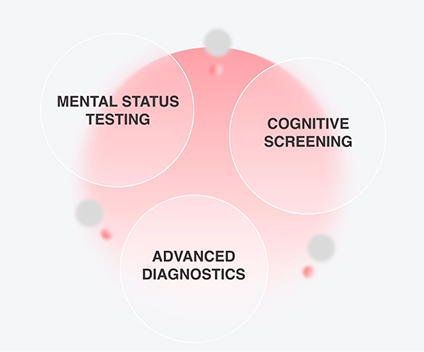
Show moreIn San Salvador, the dementia diagnostic pathway typically begins in public primary care clinics under Ministry of Health (MINSAL), with an alternative route through Instituto Salvadoreño del Seguro Social (ISSS) for formally employed individuals. Diagnosis begins with primary care screening using standardied tools like MMSE and MoCA, followed by referrals to specialised centers such as Hospital Nacional Rosales. However, long wait times, sometimes lasting months, remain a major barrier, pushing many patients toward private providers. Public investment has expanded access to free CT and MRI, including at Hospital El Salvador, though advanced diagnostics like PET scans and biomarker and genetic testing are not routinely available. While ISSS reduces costs for formal workers, others face delays and rising out-of-pocket expenses, reflecting persistent access and equity gaps.
Diagnosis pathway
In San Salvador, the dementia diagnostic journey begins through public healthcare channels, particularly clinics managed by MINSAL, with an alternative insurance-based route via ISSS for registered workers. General practitioners perform initial cognitive screening and refer suspected cases to specialised neuropsychiatric services at facilities such as Hospital Nacional Rosales. Academic institutions and neuroscience groups support referral frameworks and patient education, while private providers offer faster, specialist-led diagnostics.
In San Salvador, adults with memory concerns typically initiate the diagnosis pathway in public primary care clinics run by the Ministry of Health (MINSAL). The other pathway is reserved only for officially registered workers, and is through the national insurance company, Instituto Salvadoreno del Seguro Social (ISSS). Primary physicians conduct initial symptom checks and, when cognitive impairment is suspected, issue referrals to hospitals with neurology or psychiatry units, most commonly at the largest public hospital, Hospital Nacional Rosales, or other metropolitan hospitals with neuropsychiatric capacity like at the National Psychiatric Hospital “Dr. José Molina Martínez”. University-affiliated groups such as the Asociacion de Neurociencias de El Salvador and neurology services at UCA Jose Simeon Canas contribute to referral knowledge and educational materials that guide physicians and families through this pathway.
The private sector offers a parallel route as families who can pay out-of-pocket might often go directly to neurologists at private hospitals, or other private centres that provide same-week specialist appointments and neuroimaging. Outside the capital, the diagnosis pathway is more fragmented.
Wait times
Healthcare access in El Salvador is heavily impacted by long wait times, with research showing 26-66% of people delay or avoid formal care due to system inefficiencies. Public hospitals often face significant bottlenecks, with specialist appointments delayed for months and procedures like neurosurgery exceeding 100-day wait periods. Data from National Psychiatric Hospital Dr. José Molina Martínez highlights the patient burden, including extensive travel and multi-hour consultations. While institutions such as Hospital Nacional Rosales are implementing efficiency reforms, private-sector providers deliver quicker access. Investments at Hospital El Salvador aim to expand imaging capacity, though services remain centralised in San Salvador.
Long waiting times are a significant barrier to accessing formal healthcare in El Salvador, with studies showing they are a primary reason why a substantial portion of the population does not seek formal medical attention when needed (between 26% and 66% in a study across four Latin American countries including El Salvador). Waiting times for consultations in public facilities can be extensive, sometimes measured in months for initial specialist appointments. In some cases, wait times for specialist services like neurosurgery can exceed 100 days.
According to a 2018 study conducted in the National Psychiatric Hospital, people spend about 3.73 hours at the hospital for consultations and over 2 hours on one-way travel, resulting in an average total time of over 8 hours for a single appointment day. Households farthest from the National Psychiatric Hospital face twice the travel time and triple the cost compared to those nearby.
Public hospitals have implemented workflow reforms to reduce delays, one example is the Hospital Nacional Rosales ’s outpatient optimisation projects, which reorganise appointment flow, triage, and specialist consultation scheduling. Despite these improvements, waiting times to see a neurologist remain longer than in private clinics, where paid consultations can often be scheduled within days.
Recent government investments, especially the new radiology and diagnostic complex at Hospital El Salvador aim to expand imaging throughput for computed tomography (CT) and magnetic resonance imaging (MRI) and reduce bottlenecks in referral chains. However, diagnostic infrastructure continues to be disproportionately centralised in the capital – San Salvador, creating geographic inequities and necessitating travel for many older adults requiring advanced imaging.
- https://pmc.ncbi.nlm.nih.gov/articles/PMC7055457/
- https://pmc.ncbi.nlm.nih.gov/articles/PMC6385792/
- https://pubmed.ncbi.nlm.nih.gov/31093200/
- https://www.paho.org/en/news/23-6-2023-salvador-presents-its-action-plan-strengthen-essential-public-health-functions
- https://www.plenglish.com/news/2024/01/02/el-salvador-invests-50-million-dollars-in-health-care/
Diagnosis cost
In El Salvador, formally employed workers are covered by ISSS, which provides comprehensive benefits including primary care, specialist services, hospitalizations, imaging, and medications at little to no direct cost. In contrast, informal workers rely on MINSAL services, which provide essential care but often involve delays and limited access to advanced technologies. These gaps drive many patients toward private-sector options, particularly for neurology and imaging, which increases out-of-pocket expenses. Data from the World Bank shows that a portion of households experience catastrophic health spending, underscoring the financial pressures created by system fragmentation and unequal access.
In El Salvador, formal workers (those employed by legally registered companies or public institutions with written contracts and payroll reporting) are covered by the ISSS social insurance system, which their employers finance through mandatory payroll contributions. ISSS benefits include primary and specialist care, hospitalisations, diagnostic imaging, medications on the ISSS formulary, and access to specialised programs such as the ISSS Memory Clinics, all provided with minimal or no direct out-of-pocket cost to beneficiaries., On the other hand, informal sector workers, such as street vendors, domestic workers without contracts, day labourers and others outside formal payroll systems, do not receive ISSS coverage. They have to rely entirely on the MINSAL network, which offers free or nearly free primary care, emergency services, hospital care, essential medications, and basic laboratory and imaging tests., However, the access to specialists, advanced diagnostics, and drugs not on the essential medicine list may require waiting times or private out-of-pocket payment.
High out-of-pocket spending in El Salvador is a significant issue, driven by a combination of factors related to the dual public-private healthcare system and socio-economic inequalities. According to the World Bank, 2% of the population experiences catastrophic health expenditure with out-of-pocket spending exceeding 10% of household consumption or income. Although this number is seemingly low compared to some other regions, it still represents thousands of families in financial distress due to medical costs. Many families opt for private neurology consultations, faster imaging, or tests unavailable locally, even in public hospitals, leading to high out-of-pocket expenditures. Those outside the formal economy lack ISSS coverage and typically rely solely on public services, but long waits and limited availability of advanced diagnostics often push households toward private diagnostic centres despite the financial cost.
- https://www.isss.gob.sv/
- https://www.scielo.org.mx/scielo.php?pid=S0036-36342011000800014&script=sci_arttext&
- https://www.social-protection.org/gimi/Media.action%3Bjsessionid%3D2qwhrzYxvrMJiBKqPCBI80pTwwc-P-ffM2U8QeAGX4PEJVuqk78!-511164124?id=19847
- https://www.trade.gov/healthcare-resource-guide-el-salvador
- https://armenian-lawyer.com/business-immigration/healthcare-in-el-salvador-for-foreign-residents-insurance-hospitals-and-medical-services/
- https://www.medicusmundi.es/storage/resources/publications/5c9c9a425d4fc_libro-reforma-salud-el-salvador-minsal.pdf
- https://databankfiles.worldbank.org/public/ddpext_download/hci/HCI_2pager_SLV.pdf
- https://journal.paho.org/en/articles/socioeconomic-inequalities-access-barriers-seeking-health-services-four-latin-american https://pubmed.ncbi.nlm.nih.gov/38156357/
Cognitive tests
Neurologists and psychiatrists rely on globally used cognitive tools translated to Spanish, including the Mini-Mental State Examination (MMSE), Montreal Cognitive Assessment (MoCA), and supplementary tests such as the Clock-Drawing Test. Clinical practice in San Salvador aligns with broader Latin American cognitive assessment norms, which prioritise brief validated instruments due to time constraints and limited specialist availability.
Imaging tests
El Salvador has significantly expanded its public imaging capacity, making CT and MRI widely available and free of charge across the MINSAL hospital network. In 2023 alone, more than USD 50 million were invested in strengthening radiology and emergency services, the largest investment of that kind in the country’s history. Today, advanced imaging is available in major public hospitals such as Hospital Nacional Rosales, Hospital El Salvador, San Rafael, Usulután, San Miguel, and Zacamil, with additional installations ongoing. The ISSS subsystem likewise provides CT and MRI within its own hospitals for insured workers. These upgrades might strengthen the diagnostic capacity for dementia, ensuring that brain imaging required for cognitive work-ups can be accessed across both public systems without out-of-pocket costs.
Positron emission tomography (PET) imaging exists primarily within ISSS oncology protocols, focusing on fluorodeoxyglucose F-18 (18-FDG) PET for cancer staging. Published ISSS and MINSAL technical documents mention PET scanners in policy contexts, but Alzheimer’s disease-specific PET scans (amyloid/tau) are not part of routine clinical practice.
Genetic tests
Routine genetic testing for Alzheimer’s disease (e.g., APOE genotyping, familial Alzheimer’s disease gene panels) is not integrated into national diagnostic pathways. Individuals seeking such testing might rely on private regional laboratories in neighbouring countries or United States-based testing services, following patterns documented across Latin America where genetic services are underdeveloped.
Biomarker tests
No official documentation outlines nationwide availability of cerebrospinal fluid (CSF) Alzheimer’s disease’s biomarkers (Aβ42, Aβ42/40, t-tau, p-tau). Case-by-case lumbar-puncture analyses may occur within tertiary centres or through research collaborations, but this is not standardised nor widely accessible. Blood-based biomarkers, such as plasma p-tau181 or Aβ42/40, are not yet incorporated into routine clinical use in El Salvador.
Cognitive Tests
Cognitive Tests
Neurologists and psychiatrists rely on globally used cognitive tools translated to Spanish, including the Mini-Mental State Examination (MMSE), Montreal Cognitive Assessment (MoCA), and supplementary tests such as the Clock-Drawing Test. Clinical practice in San Salvador aligns with broader Latin American cognitive assessment norms, which prioritise brief validated instruments due to time constraints and limited specialist availability.
Imaging Tests
Imaging Tests
El Salvador has significantly expanded its public imaging capacity, making CT and MRI widely available and free of charge across the MINSAL hospital network. In 2023 alone, more than USD 50 million were invested in strengthening radiology and emergency services, the largest investment of that kind in the country’s history. Today, advanced imaging is available in major public hospitals such as Hospital Nacional Rosales, Hospital El Salvador, San Rafael, Usulután, San Miguel, and Zacamil, with additional installations ongoing. The ISSS subsystem likewise provides CT and MRI within its own hospitals for insured workers. These upgrades might strengthen the diagnostic capacity for dementia, ensuring that brain imaging required for cognitive work-ups can be accessed across both public systems without out-of-pocket costs.
Positron emission tomography (PET) imaging exists primarily within ISSS oncology protocols, focusing on fluorodeoxyglucose F-18 (18-FDG) PET for cancer staging. Published ISSS and MINSAL technical documents mention PET scanners in policy contexts, but Alzheimer’s disease-specific PET scans (amyloid/tau) are not part of routine clinical practice.
Genetic Tests
Genetic Tests
Routine genetic testing for Alzheimer’s disease (e.g., APOE genotyping, familial Alzheimer’s disease gene panels) is not integrated into national diagnostic pathways. Individuals seeking such testing might rely on private regional laboratories in neighbouring countries or United States-based testing services, following patterns documented across Latin America where genetic services are underdeveloped.
Biomarker Tests
Biomarker Tests
No official documentation outlines nationwide availability of cerebrospinal fluid (CSF) Alzheimer’s disease’s biomarkers (Aβ42, Aβ42/40, t-tau, p-tau). Case-by-case lumbar-puncture analyses may occur within tertiary centres or through research collaborations, but this is not standardised nor widely accessible. Blood-based biomarkers, such as plasma p-tau181 or Aβ42/40, are not yet incorporated into routine clinical use in El Salvador.
Treatment & Care
Treatment & care
Show moreDementia care in El Salvador is concentrated in ISSS Memory Clinics for formally insured patients, while public hospitals under MINSAL provide neurology and imaging, and private clinics in San Salvador fill gaps in specialist access. Outside the capital, services are limited, with patients often traveling for advanced assessments. Public and ISSS systems cover medications, visits, and imaging, but private care and advanced therapies create high out-of-pocket costs. Caregiver support is largely NGO-driven, with AFAES providing education and support, and PALIAMED assisting with late-stage and palliative care.
Specialized facilities and services
Dementia care infrastructure in El Salvador is uneven, with the most organised services found in ISSS Memory Clinics, which provide structured care pathways for formally insured patients. The public system, led by MINSAL, ensures access to neurology and imaging, with upgrades underway at Hospital Nacional Rosales. Private-sector clinics in San Salvador play a key role in delivering timely specialist services. Outside the capital, access is more limited, often requiring travel. Comprehensive dementia programs, including caregiver support and cognitive therapies, are scarce and largely NGO-driven, while palliative services are gradually expanding through groups like PALIAMED.
In El Salvador, the most structured dementia-oriented services operate within the ISSS, which runs a small network of Memory Clinics in its larger outpatient system. While the MINSAL offers universal access to neurology and diagnostic imaging in major public hospitals, ISSS Memory Clinics represent the closest thing to specialised, organised dementia care in the country, though they remain accessible only to formal workers and their dependents.
The country’s main tertiary referral centre, Hospital Nacional Rosales, has been constructed in late 2025, and is now in the phase of equipping and adaptation work. It will house neurology services and allow for performing neuroimaging scans for cognitive disorders.
Alongside public facilities, the private sector fills essential gaps in specialist access, and other private clinics offer neurologist appointments and rapid neuroimaging, mostly based in the capital San Salvador. Outside the metropolitan region, specialised diagnostic capacity remains limited, and individuals often depend on general outpatient clinics or travel to the capital for advanced cognitive assessments.
Structured dementia day-care programs and multidisciplinary memory units are scarce. What exists tends to come through civil-society initiatives rather than formal state programs, and services such as cognitive stimulation, carer training, and psycho-educational support are typically offered through NGOs or private practitioners rather than through the public system.
Palliative care has slowly expanded beyond its traditional oncology focus. Organisations such as The Foundation of Palliative Medicine of El Salvador (PALIAMED) provide home-based support, psycho-social counselling, and training in the management of advanced illnesses. Their contribution is recognised by the International Association for Hospice and Palliative Care (IAHPC), which lists PALIAMED among national palliative-care providers.
The new Hospital Nacional Rosales was inaugurated in June 2026, strengthening El Salvador’s tertiary public-care capacity with modern specialist infrastructure, advanced operating rooms, and expanded diagnostic technology. Although not dementia-specific, the hospital’s modernization may improve access to neurology, neuroimaging, and complex diagnostic evaluation for cognitive disorders.
Approved medication
| Generic Name | Trade Name | Used for |
|---|---|---|
| Donepezil | Aricept, Aricept ODT, Adlarity, Eranz, Memac, Alzepil, Davia, Donecept, Donep, Donepex, Donesyn, Dopezil, Yasnal, Memorit, Pezale, Redumas, Zolpezil, Namzaric* | Donepezil is indicated for the symptomatic treatment of mild to moderately severe Alzheimer’s dementia. |
| Rivastigmine | Exelon, Exelon Patch, Prometax, Rivastach, Nimvastid | Symptomatic treatment of mild to moderately severe Alzheimer’s dementia. Symptomatic treatment of mild to moderately severe dementia in patients with idiopathic Parkinson’s disease. |
| Galantamine | Razadyne, Razadyne ER, Reminyl, Reminyl XL, Nivalin, Lycoremine, Galsya | Galantamine is indicated for the symptomatic treatment of mild to moderately severe dementia of the Alzheimer type. |
| Memantine | Namenda, Namenda XR, Ebixa, Memary, Axura, Akatinol, Maruxa, Nemdatine, Namzaric* | Treatment of adult patients with moderate to severe Alzheimer’s disease. |
*Namzaric = combination of Donepezil and Memantine
Treatment cost
In El Salvador, Alzheimer’s treatment costs vary across MINSAL, ISSS, and private care. Public and ISSS systems cover medications, specialist visits, and imaging. However, private consultations, branded drugs, and advanced therapies drive significant out-of-pocket spending due to limited public availability.

Treatment costs in El Salvador reflect the country’s segmented health-financing structure, which divides care between the MINSAL public system, the ISSS social-insurance system, and a large private sector. Within the public and ISSS pathways, symptomatic Alzheimer’s disease medications and specialist visits are covered when prescribed according to formulary and referral rules. Public hospitals perform diagnostic imaging such as CT and MRI at no direct cost to people, while ISSS beneficiaries receive similar coverage within the insurance network. Out-of-pocket spending becomes significant when families choose private specialist consultations, brand-name medications, or private diagnostic imaging to avoid long waits or to access services unavailable locally. High-cost treatments, especially disease-modifying biologics such as anti-amyloid antibodies, are not listed in public or ISSS formularies and would be entirely private if pursued abroad.
- https://www.trade.gov/healthcare-resource-guide-el-salvador
- https://publications.iadb.org/publications/english/document/Breve-24.-The-pharmaceutical-price-regulation-in-El-Salvador.pdf
- https://trade.ec.europa.eu/access-to-markets/en/country-assets/Sector%20Fiche%20Salvador%20Pharma%20fv%202.pdf
- https://www.pacificprime.com/country/americas/el-salvador-health-insurance-pacific-prime-international/
- https://www.ibanet.org/document?id=Healthcare-Survey-2025-El-Salvador
Caregiver support
Caregiving for Alzheimer’s in El Salvador is largely supported by civil-society organizations, as the state provides no dedicated allowance for dementia caregivers. NGOs such as AFAES offer education, support groups, and awareness campaigns, while PALIAMED delivers training and guidance for families managing late-stage dementia care.
El Salvador does not provide a dedicated state cash benefit or structured allowance for carers of people living with dementia, and existing disability benefits do not address the intensive, long-term demands of Alzheimer’s disease care. As a result, the majority of carer support comes from NGOs and community associations. The central organisation in this sector is the AFAES which offers carer education, support groups, public awareness activities, and yearly campaigns aligned with World Alzheimer’s Month.
Moreover, palliative care NGOs such as PALIAMED provide training and guidance for families caring for individuals living with late-stage dementia, addressing areas such as feeding, comfort, mobility assistance, and end-of-life planning. While these services help compensate for limited state support, they also underscore the broader structural gap as dementia caregiving in El Salvador remains largely privatised and dependent on voluntary organisations rather than a formal policy framework.
Policy
Policy
Show moreEl Salvador currently has no dedicated national dementia or Alzheimer’s strategy, with care guided instead by aging, disability, and primary care policies. The National Mental Health Policy, influenced by PAHO, expands community mental health services but does not explicitly address dementia in diagnostic, referral, or care frameworks. Ongoing health-system reforms, supported by the World Bank and MINSAL hospital modernization, may indirectly strengthen dementia pathways by improving primary care, referral coordination, and diagnostic capacity. Legal protections exist for older adults and persons with disabilities, yet dementia is not recognised as a public health priority, which leaves gaps in decision-making, guardianship, and safety regulations. Low dementia literacy further delays care, and geriatricians are marginalised, limiting early intervention, education, and community support opportunities.
National dementia plan
El Salvador lacks a dedicated national dementia or Alzheimer’s strategy, with care instead guided through aging, disability, and primary care policies. While the National Mental Health Policy, informed by PAHO, expands community-based mental health services, it does not explicitly integrate dementia into diagnostic, referral, or care frameworks.
El Salvador has no dementia-specific national plan and no stand-alone Alzheimer’s disease strategy published by MINSAL. Instead, dementia is indirectly governed through broader aging, disability, and primary care frameworks. El Salvador also has a National Mental Health Policy, originally guided by Pan American Health Organization (PAHO) recommendations, with updates reflected in the MINSAL’s mental health programming and community-based care expansion. However, this framework, while addressing depression, severe mental illness, suicide prevention, and some neurodevelopmental disorders, does not explicitly incorporate dementia into diagnostic pathways, community services, or referral standards. PAHO country reports note that El Salvador is strengthening its mental health strategies, which could later incorporate cognitive disorder.
- https://www.paho.org/sites/default/files/2020-09/MentalHealth-profile-2020%20El%20Salvador_Country_Report_Final.pdf
- https://openknowledge.worldbank.org/entities/publication/acb3a011-deb7-56e1-ad6e-7f138bfdbfc8
- https://www.paho.org/sites/default/files/2020-09/MentalHealth-profile-2020%20El%20Salvador_Country_Report_Final.pdf
Upcoming plans
While no formal dementia plan exists in El Salvador, ongoing health-system reforms may strengthen dementia care indirectly. World Bank–supported initiatives improve primary care, referral coordination, and diagnostic capacity, while MINSAL’s hospital modernization and community aging programs create opportunities to reduce diagnostic delays and support future dementia-focused initiatives.
Although no dementia plan is under development publicly, ongoing health-system reforms may indirectly strengthen dementia pathways. For example, The World Bank is financing initiatives aimed at improving access, quality, and continuity of care across El Salvador’s public health network, particularly in primary care, referral systems, and diagnostic capacity. Investments in PHC teams, digital health, and service integration are especially relevant for dementia, since improved referral coordination and expanded imaging capacity might reduce delays in diagnostic evaluation.
Other reforms include MINSAL’s modernisation of hospital infrastructure, such as the imaging expansion at Hospital El Salvador, and the rollout of community-based aging and disability programs, which could set the groundwork for future dementia-specific policies.
- https://www.worldbank.org/en/news/press-release/2025/03/19/banco-mundial-fortalecera-atencion-salud-el-salvador
- https://www.bnamericas.com/en/news/bukele-kicks-off-us60mn-hospital-project-in-el-salvador
- https://garciabodan.com/en/contracting-of-the-design-and-construction-of-the-specialized-outpatient-consultation-building-and-day-hospital-of-the-rosales-national-hospital-in-el-salvador/
Policy gaps
Legal barriers
Although El Salvador has modern laws addressing aging and disability, such as the Special Law for Older Adults (2021) and the Disability Inclusion Law (2020), dementia is not explicitly recognised as a public health priority. These laws protect older adults and persons with disabilities from abuse and discrimination, but do not provide operational guidance for progressive cognitive impairment. Legal gaps extend to substituted decision-making, guardianship, fitness-to-drive assessments, and workplace or insurance protections for those with cognitive impairment. Clinicians and families face uncertainty in care planning, while long-term care and palliative services do not formally incorporate dementia.
Although El Salvador has enacted several modern legal instruments focusing on aging, disability, and mental health, significant gaps remain in how these frameworks address dementia specifically. The country’s principal legal instrument for older adults is the Special Law for the Protection of the Rights of the Elderly from 2021, which outlines rights related to health, social participation, and protection from abuse. Although the law establishes older adults as a priority group, it does not define dementia as a public health condition or create obligations for memory services, carer support, or long-term care.
A second major legal instrument, the Special Law for the Inclusion of Persons with Disabilities from 2020, aligned with the UN Convention on the Rights of Persons with Disabilities, recognises equal legal capacity and the right to decision-making support, and it prohibits discrimination based on disability. The Implementation of the law falls under the National Council for the Inclusion of Persons with Disabilities (CONAIPD). While progressive in principle, the disability law does not offer dementia-specific operational guidelines, leaving significant uncertainty regarding how clinicians, social workers, and courts should manage progressive cognitive impairment. For example, there is no defined national protocol for assessing decision-making capacity in dementia, no dementia-adapted system that supports autonomy, and no clear guidance on substituted decision-making, guardianship procedures, or planning for progressive cognitive decline.
In general, the lack of dementia-specific regulations creates gaps across several domains. There is no national guidance on fitness-to-drive assessments for individuals living with cognitive impairment, leaving clinicians uncertain about legal responsibilities and families unclear about safety thresholds. Similarly, anti-discrimination protections do not explicitly reference cognitive impairment, making it possible for individuals living with dementia to face workplace, insurance, or service-access barriers without tailored legal remedies. Furthermore, El Salvador lacks a formal framework for long-term care, and dementia is not recognised within the country’s nascent palliative care policies.
Cultural barriers
Research across Latin America consistently shows that dementia literacy is low across the populations, leading families to delay medical attention or interpret cognitive decline as a normal aspect of aging. This pattern is also evident in El Salvador, where NGOs report that many individuals present to clinical services only at moderate or severe stages. Geriatricians report their expertise is undervalued and marginalised within the public health system, as they are frequently relegated to managing late-stage dementia or cases rejected by other providers while facing systemic ageism across clinical, educational, and community settings.
Research
Research
Show moreEl Salvador is focusing on boosting imaging availability in the capital and improving the efficiency of primary care referral processes.
Selected academic institutions
Clinical trials and registries
A search of international registries, including ClinicalTrials.gov, shows no active Alzheimer’s disease clinical trials currently registered in El Salvador. Historically, the country has not hosted industry-sponsored Alzheimer’s disease trials, and people seeking experimental or investigation therapies typically rely on regional opportunities in Mexico, Colombia, Argentina, or the United States.
However, in 2025, El Salvador’s Ministry of Health has proposed a new Clinical Trials Law to the Legislative Assembly to regulate research on medical and cosmetic products, aiming to protect participant safety and ensure data integrity through oversight by the Superintendency of Health Regulation.
Selected innovative methods
El Salvador’s most impactful innovations have emerged at the system level, particularly the expansion of imaging capacity in the capital and the strengthening of PHC referral systems.
Support
Support
Show moreThe WHO’s 2025 International Day of Care and Support webinar highlighted dementia palliative care, iSupport caregiver tools, and Compassionate Communities for clinicians, caregivers, and the public. AFAES supports caregivers through resources, campaigns, and the Dementia Friends program. No dedicated Alzheimer’s or dementia-focused media outlets exist in El Salvador.
Selected national associations, patient family associations, NGOs:
Selected initiatives
The WHO’s International Day of Care and Support 2025 webinar on dementia palliative care brought together global specialists to present WHO guidelines, iSupport caregiver tools, and the Compassionate Communities approach. Held on 29 October 2025, it targeted clinicians, caregivers, administrators, and the public, emphasizing practical, culturally sensitive strategies for dementia care. Complementing this, AFAES provides caregiver resources, leads awareness initiatives during World Alzheimer’s Month and Day, and shares research from sources like The Lancet. In parallel, AFAES promotes caregiver support through awareness campaigns, free resources, the Dementia Friends program, and advocacy for a National Alzheimer’s Day and action plan.
The International Day of Care and Support 2025 webinar, Palliative Care for Persons with Dementia
AFAES
Dementia Friends
Dedicated media outlets
There is no specific Alzheimer’s disease or dementia-related media outlets in El Salvador.