

Estonia
Estonia’s dementia response is shaped less by a formal national dementia strategy, which remains absent, and more by a pragmatic “competence centre” model that operates alongside mainstream health services. Clinical care and diagnosis follow conventional pathways, with access typically routed through general practitioner referral to neurology or psychiatry, while the Dementia Competence Centre and key civil society actors such as Elu Dementsusega focus on strengthening carer support, service navigation, professional training, and awareness. This division of roles reflects system realities: although coverage through the Estonian Health Insurance Fund is broad, out-of-pocket costs remain significant and access to timely specialist services can vary by region, prompting some families to supplement public care with private options. Together, these features produce a dementia response that is functionally active and community-supported, yet strategically implicit, relying on coordination and support mechanisms rather than a single, binding national plan.

AD Rating
Diagnostic Pathway
Specialized Care
Caregiver Support
National Policies
Access to ATT-s
Highlights

Population
Median age
Health expenditure (% of GDP)
Diagnosis
Diagnosis
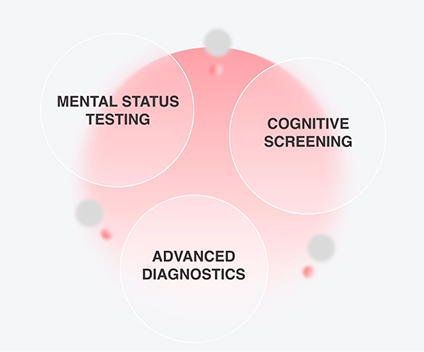
Show moreEstonia’s clinically driven diagnosis relies on family doctors as gatekeepers who refer patients to hospital-based public specialist pathways for evaluation, cognitive screening, and structural neuroimaging like CT or MRI. Alternatively, patients frequently self-pay for integrated private clinic packages to bypass long public waiting lists. Standardised cognitive tools like the MMSE and MoCA are fully accessible in Estonian and Russian. Advanced molecular imaging, genetic testing, and fluid biomarkers are not routinely used or publicly funded, being reserved strictly for complex specialist cases.
Diagnosis pathway
In Estonia, individuals with cognitive concerns first contact a family doctor, who acts as a gatekeeper to specialist care. General practitioners conduct initial clinical appraisals and decide if referrals to publicly funded neurology or psychiatry services in regional hospitals are necessary. Alternatively, private clinics offer self-referred, self-paid assessment packages including neuropsychological, imaging, and cognitive testing, allowing patients to bypass public waiting lists. Many patients combine pathways, starting assessments privately before transferring to the public system for long-term management.
In Estonia, most people with emerging cognitive concerns first contact a family physician (perearst), who acts as the formal gatekeeper to specialist care. The general practitioner (GP) typically performs an initial clinical appraisal (history from patient and family, basic cognitive screening where appropriate, review of comorbidities and medications) and decides whether referral is warranted. Access to publicly funded neurology or psychiatry services generally requires a referral, and major hospital outpatient neurology clinics explicitly enforce this requirement. Once referred, people enter specialist assessment pathways within regional hospitals, where diagnostic work-ups are coordinated and follow-up care is managed under the national insurance scheme.
Parallel to the public pathway, private clinics play a significant navigational role, particularly for families seeking faster clarification or second opinions. These providers commonly advertise an integrated sequence: neuropsychological assessment, referral or consultation with a neurologist or psychiatrist, laboratory tests and imaging and finally cognitive testing packages. This allows people to self-refer and self-pay at the outset, bypassing GP gatekeeping and public waiting lists. In practice, many people combine pathways: initiating assessment privately and then transitioning into the public system for ongoing management once a diagnosis is established.
- https://www.eesti.ee/syndmusteenused/en/finding-a-family-physician
- https://eurohealthobservatory.who.int/publications/i/estonia-health-system-summary-2024
- https://perekliinik.ee/en/patient/rules-of-procedure
- https://www.itk.ee/en/patient/clinics/clinic-internal-medicine/centre-neurology/neurologists-appointment
- https://www.confido.ee/en/assessment-and-treatment-of-memory-disorders/
- https://tervisekassa.ee/en/media/532/download
Wait times
Estonia operates formal waiting lists for publicly funded specialist consultations and diagnostic services. Actual waiting times vary by region, provider capacity, and clinical priority, with longer queues reported outside the main urban and academic centers. System-level monitoring consistently shows that, despite broad coverage by the national insurer, people frequently turn to private providers to shorten delays, especially for specialist consultations, neuropsychological testing, and imaging, accepting higher out-of-pocket costs in exchange for speed. Importantly, dementia-specific national waiting time statistics are not routinely published in official sources. The most defensible characterization, therefore, is not a single benchmark figure but a pattern of variable waits in the public system combined with a well-established private “bypass” option, which contributes to Estonia’s relatively high out-of-pocket share in overall health spending.
Diagnosis cost
Estonia’s health system is anchored by the Estonian Health Insurance Fund (EHIF), which finances a broad benefits basket covering GP care, specialist consultations, and hospital services for insured residents. Within this framework, however, out-of-pocket spending remains substantial, accounting for roughly one fifth to one quarter of total current health expenditure in recent country profiles. For dementia care, this mixed financing reality means that while core diagnostic steps are publicly covered once patients enter the insured pathway, many households incur additional costs for private consultations, faster imaging, or extended neuropsychological testing. Prescription medicines are subject to patient co-payments under EHIF reimbursement rules, typically involving a deductible and reference-price system, further reinforcing the hybrid public–private cost structure surrounding diagnosis and early management.
Cognitive tests
Estonia does not operate a national population-level dementia screening program. Case-finding is primarily clinically driven, occurring in primary care and escalating to specialist assessment when symptoms, functional decline, or family concern justify referral. Neuropsychological assessment is a standard component of specialist evaluation and is particularly prominent in the private sector, where structured cognitive testing is marketed as a stand-alone or bundled service. In public specialist settings, cognitive testing is typically combined with clinical examination and collateral history rather than used in isolation.
Both the Mini-Mental State Examination (MMSE) and the Montreal Cognitive Assessment (MoCA) are fully accessible in Estonian, facilitating accurate cognitive screening within the country’s healthcare system. To ensure linguistic and cultural precision, the MMSE offers both a standard Estonian version and a specialized Russian for Estonia translation to accommodate the region’s diverse population. Similarly, the MoCA includes Estonian among its extensive list of official language options available via the MoCA Cognition portal. By providing these validated translations, both assessments allow Estonian clinicians to effectively identify mild cognitive impairment and dementia while minimizing the risk of diagnostic errors caused by language barriers.
Imaging tests
Structural neuroimaging is an established component of dementia assessment in Estonia. Computed tomography (CT) and magnetic resonance imaging (MRI) are available through both public hospitals and private diagnostic providers, and are routinely used by neurologists and psychiatrists to exclude secondary causes of cognitive impairment and to support differential diagnosis. Access to CT is generally more readily available, whereas MRI may involve longer waiting times, with regional variation in access reflecting differences in imaging capacity and service provision. Patients also have the option of obtaining MRI examinations through private providers on a self-pay basis, although most outpatient imaging services are delivered by providers contracted with the Estonian Health Insurance Fund.
Advanced molecular imaging is much more limited. Positron emission tomography (PET) imaging (including FDG-PET or amyloid PET) is not described as a standard, publicly funded component of routine dementia diagnosis in Estonia. Where amyloid PET is available, it is typically accessed following assessment by a dementia specialist and reserved for carefully selected patients in whom diagnostic uncertainty persists after a comprehensive clinical evaluation.4 Consequently, PET plays a marginal role in everyday diagnostic practice compared with CT and MRI, reinforcing a model centered on structural imaging combined with clinical and cognitive assessment.
- https://pmc.ncbi.nlm.nih.gov/articles/PMC10666297
- https://www.kliinikum.ee/en/clinics-and-services/clinics/neurology-clinic
- https://www.statista.com/statistics/557491/magnetic-resonance-imaging-scanners-in-estonia/
- https://snmmi.org/common/Uploaded%20files/Web/Clinical%20Practice/Appropriate%20Use%20Criteria/Amyloid%20and%20Tau%20AUC%20FINAL.pdf
- https://www.statista.com/statistics/561138/positron-emission-tomography-in-estonia-scanners/ https://www.itk.ee/en/patient/clinics/diagnostic-clinic/centre-nuclear-medicine/petct-scan
Genetic tests
Estonia is a leader in population-scale genetics, with national initiatives like the Estonian Genome Project offering widespread DNA data for personalized medicine, including dementia risk, through large biobanks and linking data to health records for healthcare providers.
While large national programs exist, individual genetic testing for dementia risk involves private laboratories like Celvia, specialized genetics clinics at Tartu University Hospital, or direct-to-consumer options, often requiring genetic counseling to interpret results for conditions like Alzheimer’s disease risk genes. However, genetic testing is not part of routine dementia diagnosis in Estonia. Testing for monogenic or familial Alzheimer’s disease (early-onset presentations) may be considered in highly selected cases, typically following specialist referral and genetic counseling. For the vast majority of people living with late-onset dementia, genetic testing, including apolipoprotein E (APOE) genotyping, is not routinely offered or publicly funded as part of clinical care, reflecting a service model that prioritizes clinical evaluation, cognitive testing, and structural imaging over predictive or risk-based genetic approaches.
In 2018 Estonia has launched a state-sponsored genetic testing and counseling service that aims to make genomic information a routine part of healthcare, beginning with 100,000 residents and potentially expanding to the entire population. Built on the country’s long-standing biobank program and delivered through family doctors, the initiative emphasizes prevention, lifestyle adaptation, and professional genetic counseling, reducing the risks of misinterpretation common with direct-to-consumer tests. Estonia’s approach integrates genetics directly into primary care while protecting individual data rights under the Human Genes Research Act, which grants donors control over how their genetic data are used. By embedding genomic testing within a national healthcare framework and strong digital governance, Estonia positions itself as a potential model for how population-scale genetics can support personalized, preventive medicine.
- https://genomics.ut.ee/en/content/estonian-biobank
- https://genomics.ut.ee/en/content/estonian-genome-centre
- https://www.nature.com/articles/s41467-025-58465-3
- https://ern-ithaca.eu/about-us/expert-centers/ern-ithaca-tartu-center/
- https://celvia.ee/en/
- https://futurism.com/neoscope/genetic-testing-estonia
Biomarker tests
The publicly described dementia-care model in Estonia does not include routine biomarker testing, such as cerebrospinal fluid (CSF) analysis or emerging blood-based biomarkers, as a standard diagnostic step. Where available, their use is guided by specialist neurologists and reserved for selected patients in whom diagnostic uncertainty persists after standard clinical assessment, in line with European recommendations. Blood-based biomarkers remain non-standard and non-routine in clinical care. While Estonia has strong biomedical and digital health infrastructure, there is no evidence that plasma biomarkers for Alzheimer’s disease are deployed at scale within the publicly funded diagnostic pathway.
Cognitive Tests
Cognitive Tests
Estonia does not operate a national population-level dementia screening program. Case-finding is primarily clinically driven, occurring in primary care and escalating to specialist assessment when symptoms, functional decline, or family concern justify referral. Neuropsychological assessment is a standard component of specialist evaluation and is particularly prominent in the private sector, where structured cognitive testing is marketed as a stand-alone or bundled service. In public specialist settings, cognitive testing is typically combined with clinical examination and collateral history rather than used in isolation.
Both the Mini-Mental State Examination (MMSE) and the Montreal Cognitive Assessment (MoCA) are fully accessible in Estonian, facilitating accurate cognitive screening within the country’s healthcare system. To ensure linguistic and cultural precision, the MMSE offers both a standard Estonian version and a specialized Russian for Estonia translation to accommodate the region’s diverse population. Similarly, the MoCA includes Estonian among its extensive list of official language options available via the MoCA Cognition portal. By providing these validated translations, both assessments allow Estonian clinicians to effectively identify mild cognitive impairment and dementia while minimizing the risk of diagnostic errors caused by language barriers.
Imaging Tests
Imaging Tests
Structural neuroimaging is an established component of dementia assessment in Estonia. Computed tomography (CT) and magnetic resonance imaging (MRI) are available through both public hospitals and private diagnostic providers, and are routinely used by neurologists and psychiatrists to exclude secondary causes of cognitive impairment and to support differential diagnosis. Access to CT is generally more readily available, whereas MRI may involve longer waiting times, with regional variation in access reflecting differences in imaging capacity and service provision. Patients also have the option of obtaining MRI examinations through private providers on a self-pay basis, although most outpatient imaging services are delivered by providers contracted with the Estonian Health Insurance Fund.
Advanced molecular imaging is much more limited. Positron emission tomography (PET) imaging (including FDG-PET or amyloid PET) is not described as a standard, publicly funded component of routine dementia diagnosis in Estonia. Where amyloid PET is available, it is typically accessed following assessment by a dementia specialist and reserved for carefully selected patients in whom diagnostic uncertainty persists after a comprehensive clinical evaluation.4 Consequently, PET plays a marginal role in everyday diagnostic practice compared with CT and MRI, reinforcing a model centered on structural imaging combined with clinical and cognitive assessment.
- https://pmc.ncbi.nlm.nih.gov/articles/PMC10666297
- https://www.kliinikum.ee/en/clinics-and-services/clinics/neurology-clinic
- https://www.statista.com/statistics/557491/magnetic-resonance-imaging-scanners-in-estonia/
- https://snmmi.org/common/Uploaded%20files/Web/Clinical%20Practice/Appropriate%20Use%20Criteria/Amyloid%20and%20Tau%20AUC%20FINAL.pdf
- https://www.statista.com/statistics/561138/positron-emission-tomography-in-estonia-scanners/ https://www.itk.ee/en/patient/clinics/diagnostic-clinic/centre-nuclear-medicine/petct-scan
Genetic Tests
Genetic Tests
Estonia is a leader in population-scale genetics, with national initiatives like the Estonian Genome Project offering widespread DNA data for personalized medicine, including dementia risk, through large biobanks and linking data to health records for healthcare providers.
While large national programs exist, individual genetic testing for dementia risk involves private laboratories like Celvia, specialized genetics clinics at Tartu University Hospital, or direct-to-consumer options, often requiring genetic counseling to interpret results for conditions like Alzheimer’s disease risk genes. However, genetic testing is not part of routine dementia diagnosis in Estonia. Testing for monogenic or familial Alzheimer’s disease (early-onset presentations) may be considered in highly selected cases, typically following specialist referral and genetic counseling. For the vast majority of people living with late-onset dementia, genetic testing, including apolipoprotein E (APOE) genotyping, is not routinely offered or publicly funded as part of clinical care, reflecting a service model that prioritizes clinical evaluation, cognitive testing, and structural imaging over predictive or risk-based genetic approaches.
In 2018 Estonia has launched a state-sponsored genetic testing and counseling service that aims to make genomic information a routine part of healthcare, beginning with 100,000 residents and potentially expanding to the entire population. Built on the country’s long-standing biobank program and delivered through family doctors, the initiative emphasizes prevention, lifestyle adaptation, and professional genetic counseling, reducing the risks of misinterpretation common with direct-to-consumer tests. Estonia’s approach integrates genetics directly into primary care while protecting individual data rights under the Human Genes Research Act, which grants donors control over how their genetic data are used. By embedding genomic testing within a national healthcare framework and strong digital governance, Estonia positions itself as a potential model for how population-scale genetics can support personalized, preventive medicine.
- https://pmc.ncbi.nlm.nih.gov/articles/PMC10666297
- https://www.kliinikum.ee/en/clinics-and-services/clinics/neurology-clinic
- https://www.statista.com/statistics/557491/magnetic-resonance-imaging-scanners-in-estonia/
- https://snmmi.org/common/Uploaded%20files/Web/Clinical%20Practice/Appropriate%20Use%20Criteria/Amyloid%20and%20Tau%20AUC%20FINAL.pdf
- https://www.statista.com/statistics/561138/positron-emission-tomography-in-estonia-scanners/ https://www.itk.ee/en/patient/clinics/diagnostic-clinic/centre-nuclear-medicine/petct-scan
Biomarker Tests
Biomarker Tests
The publicly described dementia-care model in Estonia does not include routine biomarker testing, such as cerebrospinal fluid (CSF) analysis or emerging blood-based biomarkers, as a standard diagnostic step. Where available, their use is guided by specialist neurologists and reserved for selected patients in whom diagnostic uncertainty persists after standard clinical assessment, in line with European recommendations. Blood-based biomarkers remain non-standard and non-routine in clinical care. While Estonia has strong biomedical and digital health infrastructure, there is no evidence that plasma biomarkers for Alzheimer’s disease are deployed at scale within the publicly funded diagnostic pathway.
Treatment & Care
Treatment & care
Show moreDementia care lacks a dedicated national memory clinic network, embedding services instead within regional hospital neurology and psychiatry departments. The non-clinical Dementia Competence Centre provides horizontal support across regions through training and standardisation. Reimbursed symptomatic pharmacological treatments are limited to donepezil and memantine. Financial structures are mixed; the national health fund covers core medical care, but families face high out-of-pocket costs for private services, medication co-payments, and non-medical social care. Caregiver support remains robust, offering nationwide support groups, counselling, and helplines via NGO collaborations.
Specialized facilities and services
Estonia lacks a single, branded national memory clinic network, embedding specialist dementia services within neurology and psychiatry departments of regional and tertiary hospitals, like Tartu University Hospital. Consequently, specialised expertise is concentrated in large centres, making regional access dependent on local capacity and referrals. Distinctively, the Ministry of Social Affairs initiated the Dementia Competence Centre, operationally linked to the Estonian Health Insurance Fund. It works horizontally to support regions through collaboration, standardising practice, professional training, and service navigation, rather than providing direct clinical diagnosis or treatment.
Estonia does not frame dementia care around a single, branded national “memory clinic network.” Instead, specialist dementia services are embedded within neurology and psychiatry departments, primarily in regional and tertiary hospitals. Within this structure, memory-focused outpatient services operate as part of broader neurology clinics, rather than as stand-alone institutions. A clear example is the Tartu University Hospital, whose neurology outpatient services explicitly include a memory clinic function, integrating cognitive assessment, imaging review, and longitudinal follow-up within a tertiary-care setting. This hospital-anchored model means that dementia expertise is concentrated in larger centers, with smaller regions relying on referral and coordination rather than locally autonomous memory units. As a result, access to specialized dementia assessment depends not only on clinical need but also on regional service capacity and referral flows.
A distinctive feature of the Estonian model is the Dementia Competence Centre (DCC), which operates not as a clinical provider but as a national competence and coordination structure. The DCC was initiated by the Ministry of Social Affairs and is operationally linked to the EHIF. Its mandate is horizontal rather than vertical: supporting regions through collaboration networks, standardization of practice, professional training, and system navigation, rather than delivering diagnostics or treatment directly. This reflects a policy choice to strengthen dementia capacity across existing services instead of building a parallel clinical infrastructure.
Approved medication
| Generic Name | Trade Name | Used for |
|---|---|---|
| Donepezil | Aricept, Aricept ODT, Adlarity, Eranz, Memac, Alzepil, Davia, Donecept, Donep, Donepex, Donesyn, Dopezil, Yasnal, Memorit, Pezale, Redumas, Zolpezil, Namzaric* | Donepezil is indicated for the symptomatic treatment of mild to moderately severe Alzheimer’s dementia. |
| Memantine | Namenda, Namenda XR, Ebixa, Memary, Axura, Akatinol, Maruxa, Nemdatine, Namzaric* | Treatment of adult patients with moderate to severe Alzheimer’s disease. |
*Namzaric = combination of Donepezil and Memantine
Treatment cost
Dementia treatment costs mirror Estonia’s mixed-financing health system, where the Estonian Health Insurance Fund covers core medical services, consultations, and hospital diagnostics for insured individuals. However, substantial out-of-pocket expenses remain common. Families pay medication co-payments determined by reference pricing and reimbursement ceilings, and often fund private services to avoid long waits for imaging, testing, or consultations. Non-medical daily support and assistance costs fall outside public health benefits, adding financial strain, particularly during the diagnostic phase when private pathways are heavily utilised.

The cost of dementia treatment in Estonia reflects the broader mixed-financing structure of the health system. Core medical services, such as GP care, specialist consultations, hospital-based diagnostics, and medically indicated follow-up, are covered for insured individuals through the EHIF. At the same time, out-of-pocket expenditure remains a meaningful component of care. People typically contribute through medication co-payments shaped by reimbursement ceilings and reference pricing rules, while many families also incur direct costs when turning to private providers in order to shorten waiting times for consultations, imaging, or neuropsychological testing. Additional financial pressure arises from non-medical support needs, including aspects of daily care and assistance that fall outside the strictly medical benefits basket. As a result, although Estonia offers broad formal coverage for dementia care, households frequently encounter financial strain at the margins of access and speed, most notably during the diagnostic phase, when the incentives to use private pathways are strongest.
Caregiver support
Caregiver support is a distinctive strength of Estonia’s dementia response, led by the Dementia Competence Centre as a national support hub. It offers free support groups, counselling, training materials, and a helpline nationwide via hybrid on-site and virtual access, mitigating regional specialist shortages. Civil society actively reinforces this network through MTÜ Elu Dementsusega, a member of Alzheimer’s Disease International. This collaboration integrates grassroots advocacy and lived experiences into institutional frameworks, prioritising carer resilience and service navigation despite limited dedicated clinical infrastructure.
Carer support represents one of the strongest and most distinctive components of Estonia’s dementia response. The DCC functions as a national support hub, providing free-of-charge services that include support groups, counselling, training materials, and an information/trust line. Importantly, DCC materials emphasize nationwide reach, combining on-site activities with virtual access, which partially compensates for regional disparities in specialist medical capacity. Civil society involvement reinforces this layer. MTÜ Elu Dementsusega (Living with Dementia), a participant in Alzheimer’s Disease International (ADI)’s Membership Development Programme, is identified as a key partner within the DCC framework. This collaboration links grassroots advocacy, lived-experience perspectives, and international best practice with Estonia’s institutional support model. Together, the DCC-NGO ecosystem positions caregiver support and system navigation as core policy priorities, even in the absence of a large, dedicated clinical dementia infrastructure. This emphasis reflects an understanding that, in a small health system with limited specialist capacity, coordination, education, and carer resilience are essential to overall dementia-care performance.
Policy
Policy
Show moreEstonia lacks a dedicated national strategy or framework law, leaving dementia care legally dispersed across general health and social regulations without enforceable statutory entitlements for non-medical psychosocial services like respite care. Culturally, dementia is viewed as a standard clinical ageing issue, resulting in heavy reliance on family carers and variable municipal support. Although the Dementia Competence Centre coordinates training, it lacks regulatory authority to standardise regional practice. Furthermore, a lack of legal mandates for national targets or registries restricts the rollout of advanced dementia-specific digital infrastructure.
National dementia plan
Estonia does not have a formal national dementia strategy or dedicated Alzheimer’s plan, meaning dementia is addressed indirectly through general healthcare, social policy, and insurance coverage. Consequently, there are no national targets for diagnosis rates, workforce planning, or a dementia registry. Furthermore, while the Mental Health Action Plan 2023-2026 aims to boost universal community and primary care services, it fails to explicitly address dementia or neurodegenerative conditions, leaving significant gaps in targeted long-term neurocognitive care pathways, diagnosis tracking, and dedicated caregiving support.
Estonia does not currently have a formal national dementia strategy or stand-alone Alzheimer’s disease plan. This is consistently reflected in comparative European policy tracking, including Alzheimer Europe’s national dementia strategies profiles, which list Estonia among countries where dementia is not governed through a dedicated, comprehensive policy framework. Instead, dementia is addressed indirectly through general health system organization, neurology and psychiatry services, ageing-related social policy, and insurance coverage rules administered by the national health insurer. In practical terms, this means there are no nationally endorsed targets for early diagnosis rates, memory clinic coverage, biomarker use, workforce planning specific to dementia, or national monitoring instruments such as a dementia registry. Dementia policy therefore sits at the intersection of health care delivery and social support rather than being articulated as a discrete strategic priority.
Estonia’s Mental Health Action Plan 2023-2026, developed by the Ministry of Social Affairs, sets strategic directions to improve mental health outcomes by strengthening promotion, prevention, community support and access to services, aligning with World Health Organization (WHO) principles of universal coverage, rights-based care and life-course approaches. It focuses on building monitoring systems, expanding community and primary care services, clarifying care pathways and boosting crisis and psychosocial support, particularly after mental health impacts seen during the COVID-19 pandemic. However, the Plan does not specifically address dementia or Alzheimer’s disease as discrete policy priorities. While older adults and life course mental health are mentioned in broader terms, there is no dedicated dementia strategy or action line that targets diagnosis, long-term neurocognitive conditions, caregiving support for dementia, or integration of neurological care pathways within the mental health framework, gaps that leave dementia largely absent from formal mental health policy despite its significant public health impact.
- https://www.alzheimer-europe.org/policy/national-dementia-strategies/estonia
- https://www.sm.ee/sites/default/files/documents/2023-08/Mental%20Health%20Action%20Plan%202023-2026%20-%20The%20Ministry%20of%20Social%20Affairs%20of%20Estonia.pdf
- https://eurohealthobservatory.who.int/monitors/health-systems-monitor/updates/hspm/hspm-estonia-2023/estonia-sets-to-improve-mental-health-outcomes-with-the-mental-health-action-plan-2023-2026
Upcoming plans
Despite the absence of a formal strategy, policy momentum is clearly visible through the institutionalisation of the DCC. Rather than functioning as a time limited project, the DCC has been positioned as a national coordination and quality support mechanism, with a multi-site operational base and structured collaboration networks spanning healthcare providers, municipalities, and civil-society actors. This approach reflects a policy choice to strengthen dementia capacity horizontally across the system, focusing on standardization of practice, professional training, service navigation, and carer support, rather than launching a centrally prescriptive national plan. The DCC’s linkage to state institutions, including the Ministry of Social Affairs and the health insurance framework, signals durable political commitment, even if this commitment is expressed through instruments other than a formal strategy document.
Policy gaps
Legal barriers
The primary legal barrier is the absence of a dedicated national dementia strategy or framework law, leaving care dispersed across general health and social welfare legislation without defining distinct state obligations. Health regulations focus strictly on medically necessary services, excluding psychosocial components like caregiver training, respite care, or dementia-friendly adaptations from enforceable entitlements. Instead, these rely on project-based funding or municipal discretion. Additionally, lacking a legal mandate prevents national targets for diagnostic timeliness, workforce standards, and registries, hindering the systematic integration of digital tools and biomarkers.
The most significant legal gap is the absence of a dedicated national dementia strategy or framework law, which means dementia is not explicitly anchored in binding policy instruments. Instead, dementia-related care is dispersed across general health legislation, social welfare acts, and insurance regulations. While these laws enable service delivery in principle, they do not define dementia as a distinct policy domain with clearly articulated state obligations across the full care continuum, from early detection to long-term support and end-of-life care. Estonia’s health legislation and the regulatory framework governing the EHIF are designed around medically necessary services, which creates a structural limitation for dementia. Diagnostic and specialist services are covered, but non-medical and psychosocial components of dementia care, such as structured caregiver training, respite services, or community-based dementia-friendly adaptations, fall largely outside enforceable entitlements. These elements are instead addressed through project-based funding, municipal discretion, or time-limited initiatives such as the DCC, rather than through statutory guarantees.
In addition, the lack of a formal dementia strategy means there is no legal mandate for national targets, such as minimum diagnostic timeliness, regional service coverage, workforce training requirements, or data collection mechanisms (registries). This limits accountability and makes it difficult to integrate emerging tools, such as biomarkers, digital monitoring, or future disease-modifying therapies, into a coherent national pathway, even as Estonia’s broader digital-health infrastructure is comparatively advanced.
Cultural barriers
Dementia is culturally viewed as a clinical ageing issue rather than a cross-sectoral societal challenge, resulting in a model focused on medical management while overlooking social inclusion and long-term planning. Families act as default carers, creating uneven support based on household wealth and municipal capacity. Fragmented delivery across health, insurance, and municipal sectors lacks overarching strategic coordination. Although the Dementia Competence Centre provides guidance and training, it lacks regulatory authority, causing regional variations in service adoption. Finally, despite advanced national digital infrastructure, dementia-specific digital tools remain minimally implemented.
Culturally and institutionally, dementia in Estonia remains framed primarily as a clinical ageing issue, rather than as a cross-sectoral societal challenge. This contributes to a care model that prioritizes diagnosis and medical management while leaving broader aspects, social inclusion, carer challenges, and long-term planning, less systematically addressed. The reliance on families as the default carers reflects social norms as well as institutional design, reinforcing uneven support depending on household resources and local municipal capacity.
A potential system-level constraint is that dementia care in Estonia is delivered across multiple sectors, including primary and specialist healthcare, social services, municipalities, and the Estonian Health Insurance Fund, without a dedicated national dementia strategy to provide an overarching coordination framework. The Estonian Dementia Competence Centre (DCC) plays an important role in improving collaboration by developing clinical guidance, providing education and training, supporting professionals, and promoting public awareness. However, the DCC functions primarily as a coordinating and advisory body rather than a regulatory authority. Consequently, the implementation of dementia-related initiatives relies largely on cooperation among healthcare providers, municipalities, and other stakeholders, which may contribute to regional variation in service organization and the uptake of dementia-specific practices.
A further consideration relates to the implementation of dementia-specific innovations. Although Estonia is internationally recognized for its advanced digital health infrastructure and e-government ecosystem, publicly available evidence describing the nationwide implementation of dementia-specific digital tools, such as standardized cognitive monitoring platforms, dedicated caregiver-support applications, or a national dementia registry, remains limited. This does not necessarily indicate a lack of technological capacity but it suggests that dementia care continues to be integrated within the broader health and social care system instead of being supported through dedicated national programmes. As population ageing increases the prevalence of dementia, strengthening coordinated service delivery and expanding disease-specific digital support may represent opportunities for further development.
Research
Research
Show moreDementia research is anchored in institutions like Tartu University Hospital, focusing on service organisation and care pathways rather than experimental clinical drug trials, which lack active domestic pipelines. Estonia’s standout scientific asset is the Estonian Biobank, containing genomic and longitudinal health data for twenty percent of the adult population. Integrated with electronic medical records and the European BBMRI-ERIC infrastructure, it drives international biomarker and genetic risk prediction research. Academic literature also evaluates domestic care models against international frameworks, urging a shift toward person-centred, culturally sensitive co-creation.
Selected academic institutions
Clinical trials and registries
Clinical trials in Estonia are regulated by the State Agency of Medicines (Ravimiamet), which serves as the national competent authority responsible for the scientific and regulatory assessment and authorization of clinical trials in collaboration with the national ethics committee. There is no clear, consistently documented evidence of an active, Estonia-based Alzheimer’s disease interventional drug-trial pipeline in high-level public summaries or international trial registries commonly referenced in comparative dementia research. Estonia does not currently present itself as a host country for late-phase Alzheimer’s disease pharmacological trials, and research visibility in the dementia field is notably stronger in areas such as service organization, care pathways, and system reform rather than experimental therapeutics. Where dementia research is present, it appears to be observational, organizational, or academic-service linked, often embedded within broader neurological or ageing research rather than framed as stand-alone Alzheimer’s disease drug development. This positioning is consistent with Estonia’s health-system profile as a small, digitally advanced country that prioritizes scalable service innovation and coordination over maintaining a domestic interventional trial ecosystem, while relying on regional or international hubs for access to experimental therapies.
Selected innovative methods
Estonia’s primary scientific innovation is the Estonian Biobank at the University of Tartu, housing genomic and longitudinal health data for over twenty percent of the adult population to support Alzheimer’s risk prediction and biomarker discovery. Linked to national electronic health records and aligned with the European BBMRI-ERIC infrastructure, it accelerates multinational translational research. Conversely, academic literature notes that Estonian care remains medicalised and stigmatised compared to Scotland’s person-centred, rights-based model. Emerging reform highlights the need for culturally sensitive co-creation to transition patients from clinical diagnoses to full citizens.
One of Estonia’s most significant scientific innovations relevant to dementia research is the Estonian Biobank at the University of Tartu. The biobank contains genomic and longitudinal health data from more than 210,000 participants, representing approximately 20% of Estonia’s adult population, making it one of the largest population-based biobanks worldwide. This resource supports research into Alzheimer’s disease and other neurodegenerative disorders by enabling studies on genetic risk prediction, biomarker discovery, disease mechanisms, and precision medicine. The integration of genomic data with nationwide electronic health records further facilitates large-scale epidemiological and translational research aimed at improving early detection and personalized treatment strategies.
Estonia is an active member of the Biobanking and BioMolecular Resources Research Infrastructure–European Research Infrastructure Consortium (BBMRI-ERIC) through the Estonian Biobank. This provides researchers with access to international biobanking infrastructure, harmonized biological samples, and collaborative research networks that support studies on Alzheimer’s disease, biomarkers, and neurodegeneration. Participation in BBMRI-ERIC facilitates multinational translational research and accelerates biomarker validation across Europe.
One article done by Tervise Arengu Institute compares dementia care in Estonia and Scotland to explore how person-centred, compassionate approaches could inspire change in the Estonian context. It argues that dementia care is shaped not only by services and policies but also by language, culture, and social attitudes. While Estonia lacks a formal national dementia strategy and remains characterised by fragmented health and social care systems, strong familial responsibility, and lingering stigma, reinforced by medicalised and often dehumanising language, important progress has emerged through grassroots initiatives such as the DCC and the NGO Elu Dementsusega. In contrast, Scotland has pursued a rights-based, person-centred model anchored in national strategy, integrated care, professional training frameworks, and deliberate language reform. Reflections from an Estonian delegation visit to Scotland highlight both the inspiration and the complexity of adapting these models across different cultural and institutional settings. The article concludes that meaningful reform in Estonia will require not simple policy transfer but culturally sensitive co-creation, combining legal and systemic improvements with shifts in discourse, training, community engagement, and recognition of carers, so that people living with dementia are treated as full citizens rather than defined by diagnosis.
Support
Support
Show moreSupport infrastructure relies heavily on the Dementia Competence Centre and NGOs like MTÜ Elu Dementsusega. Because there is no specialised dementia media outlet, public outreach is integrated into broader institutional health communications. Practical support initiatives focus on nationwide, hybrid, and virtual delivery formats, providing accessible helplines, family counselling, and professional training to mitigate regional disparities. Community engagement is advanced through experiential cafes and public discussions that advocate for person-centred care, individual life history, and open dialogues under global campaign themes to dismantle lingering public stigma.
Selected national associations, patient family associations, NGOs:
Selected initiatives
Practical initiatives are operationally delivered through the Dementia Competence Centre, featuring nationwide support groups, multilingual virtual sessions, a helpline, and professional training to improve dementia recognition and communication. Its hybrid and digital delivery models successfully overcome regional service disparities. Additionally, civil society actor MTÜ Elu Dementsusega hosts community initiatives, including experiential coffee discussions in Tallinn emphasizing person-centred care, individual life history, and flexible environmental adaptations , as well as Global Alzheimer’s Month awareness cafes like “Understanding Dementia” to foster open public dialogue and reduce stigma.
Practical initiatives are largely delivered through the DCC framework and emphasize accessibility and inclusiveness. These include nationwide support groups, offered both in person and online, multilingual virtual sessions, a dedicated helpline, and counselling services for families and care partners. Professional support and training initiatives target healthcare and social care workers, aiming to improve recognition of dementia, referral practices, and communication with people living with dementia and their families. The emphasis on virtual and hybrid delivery is particularly significant, as it mitigates regional disparities in specialist capacity and allows consistent access across the country. Rather than pilot-scale experimentation, these initiatives represent operationalized national services, embedded into the system on an ongoing basis.
Deprecated: trim(): Passing null to parameter #1 ($string) of type string is deprecated in /home/bcdafabe/public_html/wp-content/themes/bricks-child/functions.php on line 753
The DCC operates as a national competence hub designed to strengthen early recognition, service navigation, and carer resilience across regions. Rather than centralizing services in a single facility, the DCC works through distributed networks, supporting healthcare professionals, municipalities, and non-governmental organisations (NGOs) with standardized guidance, training programs, and practical tools. Key innovative elements include the integration of helpline services, counselling, and structured support groups into a single national framework, as well as the use of digital and virtual formats to ensure nationwide reach in a geographically small but demographically dispersed country. This model reflects a pragmatic innovation strategy
On 2 December 2025, MTÜ Elu Dementsusega hosted an experiential “coffee discussion” in Tallinn focused on practical, everyday tips for improving dementia care, with experienced practitioners from AS Koeru Hoolekeskus sharing real-life insights. Rather than theory, the discussion emphasized person-centred care grounded in each individual’s life history, habits, and identity, highlighting how small, tailored adjustments in communication, daily routines, environment, and interaction can significantly reduce stress, preserve dignity, and improve well-being for both people living with dementia and their care partners. Participants stressed the importance of predictability over rigid routines, mutual adaptation between carers and families, trust built through daily practice, and creating safe, community-oriented environments that avoid unnecessary restriction. Creative, flexible approaches, ranging from gentle communication and environmental cues to the thoughtful use of technology, humour, and emotional support, were presented as key to compassionate care, reinforcing the message that meaningful improvement in dementia care comes from understanding the person, supporting carers, and valuing practical experience alongside professional knowledge.
Deprecated: trim(): Passing null to parameter #1 ($string) of type string is deprecated in /home/bcdafabe/public_html/wp-content/themes/bricks-child/functions.php on line 753
On 24 September 2025, MTÜ Elu Dementsusega hosted the experiential café “Understanding Dementia” as part of Global Alzheimer’s Month, featuring neurologist Prof. Toomas Toomsoo. The event focused on raising awareness and encouraging open discussion about dementia and Alzheimer’s disease under the #AskAboutDementia and #AskAboutAlzheimers themes, bringing medical expertise into a community-focused setting. Supported by partners from the health and advocacy sectors, the session aimed to improve public understanding and engagement, and was made accessible to a wider audience through a recorded livestream available on YouTube.
Deprecated: trim(): Passing null to parameter #1 ($string) of type string is deprecated in /home/bcdafabe/public_html/wp-content/themes/bricks-child/functions.php on line 753
- https://dementsus.ee/wp-content/uploads/2025/05/Teenused-ENG-voldik.pdf
- https://eludementsusega.ee/2-dets-2025-kogemuskohvik-vaikesed-nipid-vaikesed-trikid-kuid-suured-voidud-hoolduses-kulalisteks-olid-annely-ilo/
- https://eludementsusega.ee/24-sept-2025-toimus-kogemuskohvik-tunne-dementsust-mis-keskendus-uleilmse-alzheimeri-kuule-kulaliseks-oli-neuroloog-toomas-toomsoo-askaboutdementia-askaboutalzheimers/
Dedicated media outlets
There is no clearly documented, stand-alone national media outlet focused exclusively on dementia or Alzheimer’s disease in the sources reviewed. Public communication and awareness-raising instead occur through institutional and NGO channels, including DCC communications, partner organizations, and broader health-system platforms. This suggests that dementia awareness in Estonia is integrated into general public-health and social-policy communication rather than supported by a specialized media ecosystem.