

Germany
Germany positions itself as a global leader in Alzheimer’s disease research, driven by an influential national infrastructure centered around the German centre for Neurodegenerative Diseases (DZNE). German researchers are pioneering the future of early detection, and working on deploying smartphone-based memory apps in primary care. Their cutting-edge research is integrated into a well-established clinical system, where a dense network of memory clinics ensures scientific advancements can be translated into patient care across the country.

AD Rating
Diagnostic Pathway
Specialized Care
Caregiver Support
National Policies
Access to ATT-s
Highlights

Population
Median age
Health expenditure (% of GDP)
Diagnosis
Diagnosis
Show moreIn Germany, Alzheimer’s diagnosis follows the S3 Guideline, starting with GP assessment including cognitive tests, lab work, and medical history. GPs often refer to specialists or Memory Clinics due to limited resources, where evaluations include advanced cognitive tests (MoCA, DemTect, CERAD NAB+), structural imaging (CT/MRI), and biomarker testing (CSF or amyloid PET). Genetic testing for familial AD is offered with counseling, and ApoE4 testing is required for Lecanemab. Standard diagnostics are generally covered by insurance, but specialist access delays and limited coverage for Amyloid-PET and risk-gene tests can extend total diagnosis time.
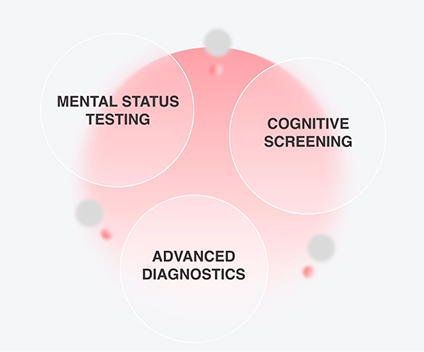
Diagnosis pathway
Under the standardised S3 Guideline, Alzhmoeimer’s diagnosis in Germany begins in primary care with basic cognitive tests, lab work, and clinical history-taking. However, due to limited remuneration and perceived complexity, many GPs shift responsibility to neurologists, psychiatrists, or Memory Clinics. Comprehensive evaluation with a specialist features in-depth patient and family interviews, advanced neuropsychological assessment, structural neuroimaging, and recommended biomarker testing (lumbar puncture (CSF) or amyloid PET) to support early, differential, and definitive diagnosis.
The diagnostic pathway for Alzheimer’s disease is standardised with the S3 Guideline that is continually being updated. It begins with the general practitioner (GP), who conducts an initial assessment including a medical history, basic cognitive screening tests, and blood work to rule out other causes. However, due to factors like insufficient remuneration, perceived diagnostic complexity, and a tendency to view their role as a referrer, GPs often delegate the diagnostic responsibility to specialists early in the process. This results in a referral to a neurologist, a psychiatrist, or, for more complex cases, a specialised Memory Clinic. This evaluation includes a detailed anamnesis with the patient and a family member, extensive neuropsychological testing, and structural neuroimaging such as an magnetic resonance imaging (MRI) or computed tomography (CT) scan to exclude other conditions like tumors or strokes. The S3 Guideline also recommends advanced biomarker-based diagnostics for a more certain and earlier diagnosis, which involves analysing cerebrospinal fluid (CSF) from a lumbar puncture or conducting positron emission tomography (PET) scans to detect amyloid plaques.
Wait times
Initial GP appointments are typically prompt, but access to neurologists and Memory Clinics is limited, with routine waits lasting weeks. Privately insured patients often receive appointments up to twice as fast. German projections estimate average diagnostic delays of 29 months in 2024, potentially rising to 65 months by 2028, largely due to limited specialist capacity.
The first GP contact is usually with either an immediate appointment or just a few days’ wait before a GP or specialist referral. Access to neurologists and memory clinics is constrained. For example, routine specialist waits are often weeks. However, privately insured patients receive faster access than those with statutory insurance, sometimes by a factor of two. A recent modelling analysis of Germany’s capacity to diagnose Alzheimer’s disease projects that the overall wait from first contact to completed diagnostic evaluation for eligibility for a disease-modifying therapy averages 29 months in 2024, peaking at up to 65 months by 2028. Specialist capacity accounts for roughly 40–60% of this delay.
Diagnosis cost
In Germany, standard Alzheimer’s diagnostic procedures (GP and specialist consultations, cognitive tests, and MRI/CT scans) are fully covered by both statutory (GKV) and private insurance (PKV), with minimal patient costs. CSF biomarker analysis is usually reimbursed when clinically indicated, but Amyloid-PET remains uncovered until evidence from a 2026 study is available. Genetic testing for familial AD is generally covered, whereas ApoE4 and other risk-gene tests may not be reimbursed, depending on the insurance provider.
Standard, medically necessary diagnostic procedures are comprehensively covered by both Statutory Health Insurance (GKV) and Private Health Insurance (PKV). This includes consultations with GPs and specialists, cognitive assessments, and structural brain imaging such as MRI or CT scans. For these standard tests, patients typically face no direct costs. CSF analysis for biomarkers is generally covered by GKV when performed in a clinical setting to clarify an ambiguous diagnosis. Amyloid-PET scans are not reimbursed by statutory health insurance. A nationwide study is currently underway to provide the evidence about the benefit of amyloid PET needed for a reimbursement decision, with results expected in 2026. Until then, access is restricted to those who can pay out-of-pocket, have private insurance, or are in clinical trials.
If there is a medical indication or suspicion, the costs of testing for causative genes are usually covered by statutory health insurance. In particular, genetic testing for familial Alzheimer’s disease is covered. For those with private insurance, coverage needs to be clarified on a case-by-case basis. Testing for risk genes such as ApoE4 is also available from commercial providers, but reimbursement by health insurance companies is not guaranteed at the moment.
- https://www.bundesgesundheitsministerium.de/en/themen/krankenversicherung/online-ratgeber-krankenversicherung/krankenversicherung/statutory-health-insurance-shi.html#c4737
- https://www.ncbi.nlm.nih.gov/books/NBK298834/
- https://www.bundesgesundheitsministerium.de/fileadmin/Dateien/5_Publikationen/Gesundheit/Broschueren/BMG_Ratgeber-Krankenversicherung_bf.pdf
- https://www.dzne.de/en/news/press-releases/press/a-nationwide-study-does-pet-help-with-unclear-dementia/
- https://digidem-bayern.de/demenz-was-kann-ein-gentest-leisten-und-was-nicht/
Cognitive tests
In clinical practice, a variety of cognitive tests are used. The Mini-Mental State Examination (MMSE) and the Clock-Drawing Test (CDT) are still widely employed, particularly in primary care. However, German S3 guidelines and specialists also utilise more sensitive tests for detecting early-stage impairment, such as the Montreal Cognitive Assessment (MoCA), German-developed DemTect, as well as CERAD NAB+.
Germany does not have a national, organised screening programme for the general asymptomatic population.
Imaging tests
Structural imaging with either CT or MRI is a routine and guideline-recommended part of the diagnostic process, if Alzheimer’s disease is suspected. Its primary function is to rule out other structural causes of cognitive symptoms, such as brain tumors, subdural hematomas, hydrocephalus, or evidence of a major stroke.
Advanced molecular imaging, specifically Amyloid-PET, is available, particularly at university hospitals. Tau-PET imaging is available only in limited research settings.
Genetic tests
Testing for the rare, deterministic gene mutations that cause familial Alzheimer’s disease (APP, PSEN1, PSEN2) is available when medically indicated, for example, in cases of early disease onset. This process is strictly regulated by the German Gene Diagnostics Act, which mandates comprehensive genetic counseling before and after the test.
ApoE4 genetic test is mandatory in Germany prior to initiating treatment with Lecanemab.
Biomarker tests
CSF analysis is the established and reimbursed gold standard for confirming the biological signs of Alzheimer’s disease in Germany. The measurement of core biomarkers—the Aβ42/Aβ40 ratio and tau proteins—is recommended in the national S3 guidelines for an early and accurate diagnosis.
Advanced blood-based biomarker tests, such as those measuring plasma p-Tau217, are technically available in Germany through specialised laboratories and comply with European regulations. However, these tests are not yet part of routine clinical practice, and are not included in the official diagnostic guidelines.
Cognitive Tests
Cognitive Tests
In clinical practice, a variety of cognitive tests are used. The Mini-Mental State Examination (MMSE) and the Clock-Drawing Test (CDT) are still widely employed, particularly in primary care. However, German S3 guidelines and specialists also utilise more sensitive tests for detecting early-stage impairment, such as the Montreal Cognitive Assessment (MoCA), German-developed DemTect, as well as CERAD NAB+.
Germany does not have a national, organised screening programme for the general asymptomatic population.
Imaging Tests
Imaging Tests
Structural imaging with either CT or MRI is a routine and guideline-recommended part of the diagnostic process, if Alzheimer’s disease is suspected. Its primary function is to rule out other structural causes of cognitive symptoms, such as brain tumors, subdural hematomas, hydrocephalus, or evidence of a major stroke.
Advanced molecular imaging, specifically Amyloid-PET, is available, particularly at university hospitals. Tau-PET imaging is available only in limited research settings.
Genetic Tests
Genetic Tests
Testing for the rare, deterministic gene mutations that cause familial Alzheimer’s disease (APP, PSEN1, PSEN2) is available when medically indicated, for example, in cases of early disease onset. This process is strictly regulated by the German Gene Diagnostics Act, which mandates comprehensive genetic counseling before and after the test.
ApoE4 genetic test is mandatory in Germany prior to initiating treatment with Lecanemab.
Biomarker Tests
Biomarker Tests
CSF analysis is the established and reimbursed gold standard for confirming the biological signs of Alzheimer’s disease in Germany. The measurement of core biomarkers—the Aβ42/Aβ40 ratio and tau proteins—is recommended in the national S3 guidelines for an early and accurate diagnosis.
Advanced blood-based biomarker tests, such as those measuring plasma p-Tau217, are technically available in Germany through specialised laboratories and comply with European regulations. However, these tests are not yet part of routine clinical practice, and are not included in the official diagnostic guidelines.
Treatment & Care
Treatment & care
Show moreGermany offers a network of Alzheimer’s care, including around 160 memory clinics, mostly urban and university-affiliated, which provide diagnosis, care planning, and coordination with hospitals and outpatient services. Complementary support includes day/night care, in-home nursing, dementia shared-living communities, and 24/7 palliative care through SAPV teams. Medications and therapies are largely reimbursed by GKV with small co-payments, while LTCI covers partial daily-living costs. Caregivers face financial strain but benefit from respite budgets, tax deductions, pension contributions, protected leave, and support from the German Alzheimer Society.
Specialized facilities and services
Germany has around 160 memory clinics, mainly in major cities and often affiliated with university hospitals, such as Charité Berlin or clinics in Tübingen and Mannheim. These centres provide diagnosis, comprehensive care planning, and regional coordination with hospitals and outpatient providers, like DZNE in Bonn. In principle, the majority of patients can reach them within an hour by car, though people from some rural areas require up to 120 minutes. Complementary services include day and night care, in-home nursing, and dementia shared-living communities. Palliative care, including SAPV teams, hospital units, and hospices, provides 24/7 symptom management and comfort in advanced stages. National platforms, such as Demenzhilfe Deutschland and DGP, support families in locating and accessing these specialised services efficiently.
There are around 160 memory clinics and consultation facilities in Germany. Their role extends beyond simple diagnosis; they develop comprehensive care plans and serve as a central hub in the regional care network, working in close cooperation with inpatient psychiatric and geriatric facilities, day-care centres, and physicians in private practice to ensure a smooth transition for patients into the care system. They are predominantly located in major cities and are typically affiliated with university hospitals, such as the Charité in Berlin or the university clinics in Tübingen and Mannheim. These clinics can be reached within an hour in nearly all (90%) parts of the country. The main exceptions are regions in the northeast, where some individuals may face travel times of up to 120 minutes. Specialised institutions like the German centre for Neurodegenerative Diseases (DZNE) located in Bonn, with additional sites in Berlin, Dresden, Göttingen, Magdeburg, Munich, Rostock/Greifswald, Tübingen, Ulm, and Witten actively collaborate with university hospitals, supporting translational research and setting high standards for care.
Community-based services are more widely distributed across the country. Day care centres offer structured activities and professional care during the day, providing respite for family caregivers and social engagement for individuals with dementia. A less common but available alternative is Night Care, which provides overnight supervision in a facility for individuals who are particularly restless or disoriented at night, ensuring their safety and allowing family caregivers to get necessary sleep. In-home support provides professional nursing and household assistance directly in the patient’s home, with many services employing staff with specialised gerontopsychiatric training. Demenzhilfe Deutschland has a national database to help families locate specialised care providers in their area.
An increasingly popular alternative to traditional nursing homes are dementia shared-living communities, where a small group of residents live together in a shared apartment with 24/7 care provided by a contracted nursing service.
Palliative care, which focuses on comfort and quality of life in the advanced stages of Alzheimer’s disease, is available throughout Germany in various settings. Specialised Ambulatory Palliative Care (SAPV) teams provide 24/7 intensive support at home or in nursing facilities to manage complex symptoms. For inpatient needs, there are palliative care units within hospitals for short-term symptom stabilisation and independent, home-like hospices for end-of-life care. Accessibility is facilitated by the German Society for Palliative Medicine (DGP), offering a national online directory listing over 3,000 services.
Approved medication
| Generic Name | Trade Name | Used for |
|---|---|---|
| Donepezil | Aricept, Aricept ODT, Adlarity, Eranz, Memac, Alzepil, Davia, Donecept, Donep, Donepex, Donesyn, Dopezil, Yasnal, Memorit, Pezale, Redumas, Zolpezil, Namzaric* | Donepezil is indicated for the symptomatic treatment of mild to moderately severe Alzheimer’s dementia. Official National Product Information |
| Rivastigmine | Exelon, Exelon Patch, Prometax, Rivastach, Nimvastid | Symptomatic treatment of mild to moderately severe Alzheimer’s dementia. Symptomatic treatment of mild to moderately severe dementia in patients with idiopathic Parkinson’s disease. Official National Product Information |
| Galantamine | Razadyne, Razadyne ER, Reminyl, Reminyl XL, Nivalin, Lycoremine, Galsya | Galantamine is indicated for the symptomatic treatment of mild to moderately severe dementia of the Alzheimer type. Official National Product Information |
| Memantine | Namenda, Namenda XR, Ebixa, Memary, Axura, Akatinol, Maruxa, Nemdatine, Namzaric* | Treatment of adult patients with moderate to severe Alzheimer’s disease. Official National Product Information |
| Lecanemab | Leqembi | Lecanemab is indicated for the treatment of mild cognitive impairment and mild dementia due to Alzheimer’s disease in adult patients that are apolipoprotein E ε4 (ApoE ε4) heterozygotes or non-carriers. Official National Product Information |
| Donanemab | Kisunla | Donanemab is indicated for the treatment of mild cognitive impairment and mild dementia due to Alzheimer’s disease (AD) in adult patients that are apolipoprotein Eε4 (ApoE ε4) heterozygotes or non-carriers. Official National Product Information |
*Namzaric = combination of Donepezil and Memantine
Treatment cost
Medically necessary medications and therapies in Germany are largely reimbursed by GKV, though patients contribute a 10% co-payment, with minimum and maximum limits. LTCI supports daily living needs through partial-cost benefits based on assessed Care Grades (1-5) for home or residential care. Despite coverage, families often face significant financial strain, often reducing work hours or leaving jobs to provide care. Caregivers may lose tens of thousands of euros, with early-onset Alzheimer’s cases reaching over €118,000 in lifetime income losses.

The costs for medically necessary medicines and therapies (e.g., occupational therapy) are covered by the Statutory Health Insurance (GKV). However, patients are required to make a co-payment for these services. When a doctor prescribes medication on a standard “pink prescription”, the GKV covers the majority of the cost. The patient is responsible for a co-payment, which is calculated as 10% of the drug’s price. This co-payment has a minimum of €5 and a maximum of €10 per medication. They will never pay more than the actual cost of the drug. For prescribed therapies, the patient’s co-payment is 10% of the total cost of the therapy sessions, plus an additional fee of €10 for each individual prescription. Lecanemab (Leqembi) is covered by statutory health insurance for eligible patients when prescribed within its EU indication, but other ATTs are not covered.
Assistance with daily living (e.g., personal hygiene, mobility, supervision) is funded by the separate Long-Term Care Insurance (LTCI). The LTCI is designed as a partial-cost insurance; it provides fixed monthly subsidies but does not cover the full cost of care. To receive benefits, a patient must undergo a formal assessment to determine their level of dependency, which results in a Care Grade (from 1 to 5). The higher the grade, the greater the financial support. The LTCI provides benefits for both care at home (either as a cash payment or a larger budget for professional services) and for residential nursing homes.
However, families still face considerable financial strain, primarily through indirect costs. To provide the necessary informal care, family members often have to reduce their working hours or leave their jobs entirely. This leads to a substantial loss of income. One study estimated that caregivers in Germany earn, on average, €56,967 less over the patient’s lifetime compared to their peers in the general population. In a cohort with early-onset Alzheimer’s disease, lifetime incremental fiscal losses were projected to reach €118,533 ($114,209) per person living with Alzheimer’s disease.
- https://gesund.bund.de/en/medication-costs-insurance-cover-and-co-payment#insurance-cover
- https://gesund.bund.de/en/occupational-therapy#at-a-glance
- https://gesund.bund.de/en/long-term-care-insurance
- https://gesund.bund.de/en/care-grades-at-a-glance
- https://www.serviceportal-zuhause-im-alter.de/english/programmes/funding/longterm-care.html
- https://pmc.ncbi.nlm.nih.gov/articles/PMC11988587
- https://www.sciencedirect.com/science/article/pii/S2274580724002863
Caregiver support
Caregivers in Germany can access a €3,539 yearly budget for home respite (Verhinderungspflege) or short-term institutional care (Kurzzeitpflege), and a €131 monthly relief allowance for supportive services. LTCI provides pension contributions for those offering 10+ hours of care weekly and tax deductions based on care grade. labour laws guarantee emergency leave, extended Pflegezeit, and Familienpflegezeit for reduced hours. The German Alzheimer Society supports caregivers through local support groups and the free “Help with Helping” training, covering dementia care, legal guidance, and self-care strategies.
To provide relief, caregivers can utilise a unified annual budget of €3,539 for both home-based respite care (Verhinderungspflege) and institutional short-term care (Kurzzeitpflege). This flexible budget can be used for up to eight weeks of care per year, and the previous six-month prior care requirement for accessing respite care has been eliminated. A universal monthly relief budget (Entlastungsbetrag) of €131 is also available to reimburse costs for services that relieve caregivers, such as day care or household help. Additionally, long-term care funds are required to offer free training courses (Pflegekurse) that cover practical nursing skills, stress management, and guidance on navigating the care system.
To protect caregivers’ financial security, the Long-Term Care Insurance (LTCI) pays pension contributions for those providing at least 10 hours of care per week for someone with care grade 2 or higher. Unpaid caregivers can also claim an annual tax deduction (Pflege-Pauschbetrag) of €600 for care grade 2, €1,100 for care grade 3, and €1,800 for care grades 4 or 5.
Finally, German labour law provides job protection through statutory leave, including short-term emergency leave of up to 10 days, extended care leave (Pflegezeit) of up to six months, and family care leave (Familienpflegezeit), which allows for reduced working hours for up to 24 months.
The German Alzheimer Society and its members provide specific support for caregivers. Through their network of around 130 local associations across the country, they organise e.g. advice in person, by telephone oder online as well as caregiver support groups. They also developed “Help with Helping”, a free training course specifically for caregivers of people living with dementia. These courses cover essential topics such as understanding the illness, legal and insurance matters, managing difficult situations, and strategies for caregiver self-care and relief.
- https://www.bundesgesundheitsministerium.de/verhinderungspflege.html
- https://www.bundesgesundheitsministerium.de/themen/pflege/online-ratgeber-pflege/leistungen-der-pflegeversicherung/leistungen-im-ueberblick/voruebergehende-vollstationaere-kurzzeitpflege.html
- https://www.pflege.de/altenpflege/kurzzeitpflege/
- https://www.bundesgesundheitsministerium.de/pflege-zu-hause/weitere-leistungen-und-angebote-zur-unterstuetzung-im-alltag.html
- https://www.bundesgesundheitsministerium.de/service/begriffe-von-a-z/p/pflegekurse.html
- https://handbookgermany.de/en/home-care
- https://verwaltungsportal.hessen.de/en/leistung?leistung_id=L100001_369626969
- https://www.wege-zur-pflege.de/wege-zur-pflege/pflegende-angehoerige/berufliche-freistellung-und-darlehen/pflegezeit
- https://www.wege-zur-pflege.de/wege-zur-pflege/pflegende-angehoerige/berufliche-freistellung-und-darlehen/familienpflegezeit
- https://www.deutsche-alzheimer.de/angebote-zur-unterstuetzung/entlastungsangebote
- https://www.deutsche-alzheimer.de/angebote-zur-unterstuetzung/seminarreihe-fuer-angehoerige
Policy
Policy
Show moreGermany’s 2020 National Dementia Strategy targets inclusive communities, caregiver support, dementia-sensitive health and long-term care, and research networks. An evaluation of outcomes and potential updates is planned after 2026. Despite no major legal barriers, public knowledge gaps and fear of personal risk contribute to social distancing and declining interest in early diagnosis.
National dementia plan
The 2020 National Dementia Strategy in Germany focuses on four key areas: fostering inclusive communities to enable social engagement; providing structured assistance for caregivers and patients; strengthening health and long-term care services with dementia-sensitive facilities and coordinated care; and promoting research networks across Germany and Europe, covering medical, diagnostic, and caregiving studies to ensure innovations are applied effectively to enhance care and everyday life for people living with dementia.
Germany’s National Dementia Strategy, officially launched in 2020, is built around four core fields of action, designed to improve the lives of individuals living with dementia and their caregivers across the country:
1. Developing and establishing dementia-inclusive communities to enable people living with dementia to participate in society: The goal is to strengthen local and regional networks so that people with dementia can remain active and visible in society. This includes expanding local alliances, improving financial and structural support, and raising public awareness to foster understanding, reduce stigma, and promote participation in everyday community life.
2. Supporting people living with dementia and their caregivers: The strategy emphasises the need for guidance and orientation through volunteer guides and professional companions, while also promoting programs that help families balance employment and caregiving responsibilities. Preventive measures are designed to protect caregivers from burnout, ensuring that both those with dementia and those who support them receive reliable and continuous assistance.
3. Advancing health and long-term care services for people living with dementia: The emphasis is on creating dementia-sensitive environments in hospitals and nursing homes, improving staffing levels, and coordinating care more effectively across providers. By focusing on streamlined care pathways and preventive health measures, the strategy seeks to guarantee that people living with dementia receive high-quality, consistent, and person-centered treatment throughout all stages of the condition.
4. Promoting excellent research on dementia: This includes fostering stronger collaboration among German research institutions, establishing a national research network, and building connections within Europe. Research is not limited to biomedical innovation but also extends to diagnosis, treatment concepts, and caregiving approaches, ensuring that new knowledge is quickly translated into better care and support for those affected.
Upcoming plans
The outcome of the National Dementia Strategy and the necessity for further development will be reviewed after 2026.
Policy gaps
Legal barriers
No information regarding legal barriers were found in Germany.
Despite Germany’s extensive legal protections for people with dementia, the 2026 legal review of the National Dementia Strategy identifies a persistent gap between formal legal rights and their implementation in practice. People with dementia are covered by a complex and fragmented framework spanning health insurance, long-term-care insurance, disability and participation law, social assistance, guardianship law, medical law and state-level residential-care legislation, which can make entitlements difficult for patients and families to understand, navigate and enforce. The report particularly highlights continuing problems with paternalistic decision-making and restrictions of autonomy, including the use of liberty-restricting measures, sometimes without sufficient legal and professional scrutiny, as well as treatment or care interventions where consent and supported decision-making are inadequately addressed. There are also regional and population-specific gaps in services and difficulties translating statutory entitlements into effective access, while Germany’s division of responsibilities across federal, state and municipal levels further complicates consistent implementation. The central legal barrier is therefore not an absence of rights, but fragmentation, inconsistent implementation and difficulties enforcing existing rights, leading the review to recommend reforms in legal practice, interpretation and legislation and a stronger rights-based approach centred on autonomy, participation and protection.
- https://www.nationale-demenzstrategie.de/fileadmin/nds/pdf/2026_Klie_Juristische_Expertise_zur_Weiterentwicklung_der_Nationalen_Demenzstratgie.pdf
- https://www.dvfr.de/rehabilitation-und-teilhabe/meldungen-aus-der-reha-landschaft/detail/artikel/publikation-juristische-expertise-zur-weiterentwicklung-der-nationalen-demenzstrategie?utm_source=chatgpt.com
Cultural barriers
A key issue is a widespread lack of public familiarity with dementia. While few people report being afraid of individuals living with dementia, there is a substantial fear of developing the disease, which can lead to social distancing and avoidance. This fear appears to be growing, as evidenced by a decade-long decline in the German public’s willingness to pursue an early diagnosis, which may suggest increasing skepticism about its benefits.
Research
Research
Show moreGermany’s leading institutions, including DZNE, PRODI, Charité Berlin, and several universities, drive Alzheimer’s research through clinical trials, registries, and innovative methods. Projects like DELCODE, Rhineland Study, AlzBiom, and AgeWell.defocus on early detection, biomarkers, lifestyle interventions, and microbiome signatures. Cutting-edge methods include AI-based brain volumetry, prognostic blood tests, sTREM2 biomarkers, and amyloid-targeted interventions to enhance early diagnosis, monitor progression, and inform therapeutic approaches.
Selected academic institutions
Clinical trials and registries
German Clinical Trials Register (DRKS) is the official German clinical trials registry, recognised by the World Health Organisation (WHO) as Germany’s primary registry. Their website hosts a public and free search of registered studies, study registration, FAQs, statistics, and data export tools. Additionally, EU Clinical Trials Information System is a database for all clinical trials authorised in the European Union, including Germany.
The KKS Network is not a registry itself but provides information, support, and guidance for researchers on clinical trials in Germany.
Selected innovative methods
Germany is implementing innovative Alzheimer’s detection and prevention methods. Blood-based AD tests are being evaluated in specialty labs, while the DELCODE project validates plasma and CSF biomarkers for early detection. DZNE explores smartphone memory tests, population-based risk factors via the Rhineland Study, and gut microbiome signatures through AlzBiom. Lifestyle interventions are assessed in AgeWell.de, and PRODI’s blood test predicts AD up to 17 years early. AI-based brain volumetry, early amyloid-targeted interventions, and sTREM2 biomarkers are also under investigation for early diagnosis, monitoring, and therapeutic potential.
Germany is making major steps towards implementation of Alzheimer’s disease blood tests, which are currently evaluated in specialty laboratories across the country. The DELCODE project, for example, aims to find ways of detecting Alzheimer’s disease early, as soon as the first minor symptoms appear, or even before any symptoms at all have appeared. Researchers from across the country are using the longitudinal cohort from the DELCODE project to study subjective cognitive decline and prodromal Alzheimer’s disease to validate plasma and CSF biomarkers and prediction tools. Additionally, a 2025 DZNE multicenter project is evaluating smartphone memory tests (via the neotiv app) in ~30 practices to detect mild cognitive impairment earlier and aid clinical decision-making.
DZNE is also conducting the Rhineland Study, a large-scale, long-term population study following up to 20,000 people to identify risk and protective factors for dementia. The goal is to understand the interplay of genetic, lifestyle, and environmental factors to improve prevention strategies for age-related diseases.
DZNE and the Hertie Institute for Clinical Brain Research (HIH) in Tübingen are leading the AlzBiom study, a longitudinal project investigating the role of the gut microbiome across different stages of Alzheimer’s disease. The study aims to identify a specific “Alzheimer signature” in the microbiome that could serve as a non-invasive biomarker for early disease detection and a target for new therapies.
The AgeWell.de trial—led by University of Leipzig and funded by the German Federal Ministry of Education and Research—is a two-year, multi-centre German study evaluating a multi-component lifestyle intervention for older adults (60-77 years) at increased dementia risk. It found no effect on global cognition, but did reduce dementia-risk profiles, improve health-related quality of life and lower depressive symptoms in women.
Centre for Protein Diagnostics (PRODI) at Ruhr University Bochum received the NRW Innovation Prise in 2023 for developing a biomarker blood test that can predict later onset of the disease up to 17 years before the onset of clinical Alzheimer’s disease symptoms (i.e., in asymptomatic patients). This prognostic test determines the increase in misfolded, toxic amyloid beta proteins.
Researchers from several leading institutions (e.g., LMU Munich, Charité Berlin, etc) are working on rapid, AI-based brain volumetry shown to improve dementia differential diagnosis in clinic settings.
Researchers at the Technical University of Munich target early amyloid-driven neuronal hyperactivity to halt or reverse early-stage Alzheimer’s disease pathology.
Researchers are exploring sTREM2 as both a dynamic biomarker for tracking disease progression and a promising target for immune-based interventions. Longitudinal data from autosomal‐dominant Alzheimer’s disease families show that rising levels of CSF soluble TREM2 (sTREM2) correlate with slower amyloid accumulation, reduced cortical shrinkage, and slower cognitive decline—suggesting that TREM2 activation may play a protective role in early disease stages.
A comprehensive list of all research led by DZNE is available at:
https://www.dzne.de/en/research/studies/clinical-studies/studyfilter/
- https://www.dzne.de/en/research/studies/clinical-studies/delcode/
- https://pmc.ncbi.nlm.nih.gov/articles/PMC12185333
- https://www.dzne.de/en/news/press-releases/press/increased-risk-of-dementia-study-evaluates-digital-memory-tests-for-home-use
- https://www.rheinland-studie.de/en/
- https://www.dzne.de/en/im-fokus/meldungen/2023/wenn-der-darm-vergesslich-macht/
- https://fbhi.se/network-project/agewell-de/
- https://alz-journals.onlinelibrary.wiley.com/doi/full/10.1002/alz.13486
- https://www.dkfz.de/en/news/press-releases/detail/blood-test-indicates-risk-of-developing-alzheimers-disease
- https://pmc.ncbi.nlm.nih.gov/articles/PMC11632536
- https://www.nature.com/articles/s41467-024-50153-y
- https://pubmed.ncbi.nlm.nih.gov/35305339/
Support
Support
Show moreGermany’s dementia support ecosystem combines foundations, associations, and initiatives to raise awareness and aid patients and families. Programs like Dementia Friends, Local Alliances, the Munich SyNergy podcast, and the Alzheimer Forum educate the public and offer guidance, while media outlets such as AFI and Gesundheit.de provide accessible information on research, diagnostics, therapies, and dementia education.
Selected national associations, patient family associations, NGOs:
Selected initiatives
Key German initiatives promote dementia awareness and support. Dementia Friends delivers short courses nationwide, and Local Alliances build community support structures. The Munich Cluster SyNergy podcast educates the public on neurological research, while the German Alzheimer Society’s Alzheimer Forum provides a comprehensive knowledge database and an AD hotline for guidance and support.
Key German initiatives promote dementia awareness and support. Dementia Friends delivers short courses nationwide, and Local Alliances build community support structures. The Munich Cluster SyNergy podcast educates the public on neurological research, while the German Alzheimer Society’s Alzheimer Forum provides a comprehensive knowledge database and an AD hotline for guidance and support.
Deprecated: trim(): Passing null to parameter #1 ($string) of type string is deprecated in /home/bcdafabe/public_html/wp-content/themes/bricks-child/functions.php on line 753
The Dementia Friends Initiative
The Dementia Friends Initiative aims to educate people about dementia and raise awareness of the needs of people living with dementia and their relatives through 90-minute compact courses that are offered on-site or online. These are carried out by more than 1,300 competent organisations, institutions and individuals nationwide.
Deprecated: trim(): Passing null to parameter #1 ($string) of type string is deprecated in /home/bcdafabe/public_html/wp-content/themes/bricks-child/functions.php on line 753
Local Alliances for People with Dementia
Local Alliances for People with Dementia, a programme started in 2012, was relaunched in 2020 with the aim to establish local support structures nationwide in order to sustainably improve the living situation and social participation of people living with dementia and their families and relatives.
Deprecated: trim(): Passing null to parameter #1 ($string) of type string is deprecated in /home/bcdafabe/public_html/wp-content/themes/bricks-child/functions.php on line 753
Podcast on Dementia Research
Podcast on Dementia Research - Explained in an Understandable Way
Alzheimer’s Helpline
Deprecated: trim(): Passing null to parameter #1 ($string) of type string is deprecated in /home/bcdafabe/public_html/wp-content/themes/bricks-child/functions.php on line 753
The Alzheimer's Helpline is a nationwide counseling service for people with dementia, their family members, and anyone involved in dementia care—whether professionally or as a volunteer. Since January 2002, between 5,000 and 6,000 people have used this service each year.
Deprecated: trim(): Passing null to parameter #1 ($string) of type string is deprecated in /home/bcdafabe/public_html/wp-content/themes/bricks-child/functions.php on line 753
- https://www.demenz-partner.de/
- https://ageing-policies.unece.org/browse-policy/3145
- https://www.synergy-munich.de/news-events/news/synergy-launches-a-podcast-series-about-dementia-research/d4f5b5d3f294754e
- https://www.deutsche-alzheimer.de/angebote-zur-unterstuetzung/foren
- https://www.demenz-partner.de/
- https://www.netzwerkstelle-demenz.de/
- https://www.deutsche-alzheimer.de/alzheimer-telefon
Dedicated media outlets
The German Alzheimer’s Association offers a wide range of informational materials, books, brochures, and media resources on Alzheimer’s and other forms of dementia. Its website, social media and a podcast are also part of this.
Alzheimer Research Initiative (AFI) offers detailed coverage of breakthroughs in Alzheimer’s disease diagnostics, therapies, and prevention.
The online portal Gesundheit.de operates as a comprehensive digital encyclopedia, offering the general public foundational knowledge on the causes, symptoms, and stages of various dementia forms, including Alzheimer’s disease.
- www.alzheimer-forschung.de
- https://www.gesundheit.de/
- https://www.deutsche-alzheimer.de/publikationen