

Hong Kong
Hong Kong drives Alzheimer’s disease innovation, focusing on both advanced diagnostics and creative community support. Its universities are pioneering highly accurate blood tests and AI-driven retinal scan analysis. However, the public healthcare system experiences significant bottlenecks, which creates considerable challenges for patients seeking timely specialist care and often pushes them toward the private sector.

AD Rating
Diagnostic Pathway
Specialized Care
Caregiver Support
National Policies
Access to ATT-s
Highlights

Population
Median age
Health expenditure (% of GDP)
Diagnosis
Diagnosis
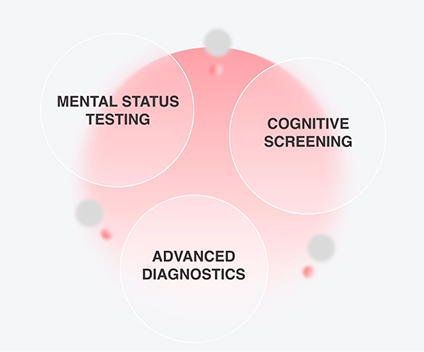
Show moreAlzheimer’s diagnosis in Hong Kong operates via a dual public-private system. Public care, managed by the Hospital Authority, requires GP referral to specialist clinics, with triage classifying most early-stage cases as “Stable,” which causes long waits of up to 77 weeks for psychiatry and over a year for geriatrics. Private care offers faster self-referral access and advanced PET diagnostics at high cost. Cognitive assessment relies on CMMSE and HK-MoCA, while APOE genetic testing and biomarker tests remain mostly private or research-based. Government subsidies cover most public services, but non-emergency imaging entails co-payments starting in 2026.
Diagnosis pathway
Alzheimer’s diagnosis in Hong Kong is shaped by a dual-track system. The public system requires GP referral to Hospital Authority specialist clinics, where patients undergo severity classification and specialist triage within Hospital Authority clinics, including cognitive screening, basic laboratory testing, and structural neuroimaging. Private care allows direct self-referral to specialists, with many private hospitals and clinics offering dedicated dementia and memory services, enabling faster access but cost-dependent diagnostic route.
The diagnostic pathway for Alzheimer’s disease in Hong Kong is divided between the public and private sectors. The public journey, managed by the Hospital Authority, typically begins with a referral from a general practitioner (GP), whose role is often limited to gatekeeping rather than comprehensive diagnosis. Patients are then referred to a multi-disciplinary team of specialists, including geriatricians, psychogeriatricians, and neurologists. The diagnostic process involves cognitive screening, followed by basic laboratory tests and structural neuroimaging. A GP’s referral letter for a specialist is mandatory. The referral may be directed to one of several specialties: Geriatric Medicine, Psychogeriatrics, Neurology, or a dedicated Memory Clinic within these departments. To manage overwhelming demand, the Hospital Authority employs a strict triage system for all new Specialist Outpatient Clinic referrals. Upon receiving a referral letter, a clinic nurse performs an initial screening, after which a specialist doctor reviews the case and classifies it into one of three categories: Priority 1 (Urgent), Priority 2 (Semi-urgent), or Routine (Stable). The most significant difference in the private pathway is the ability for patients to bypass the public system’s gatekeeping of access to specialists and queuing mechanisms. Patients can self-refer and gain direct access to specialists. A multitude of private hospitals and standalone clinics have established dedicated services for dementia and cognitive disorders.
- https://www.hkmj.org/abstracts/v25n6/473.htm
- https://scielo.isciii.es/pdf/ejpen/v29n3/original03.pdf
- https://www.healthbureau.gov.hk/phcc/rfs/src/pdfviewer/web/pdf/preventivecareforolderadults/en/11_Module_on_Cognitive_Impairment/03_Module_on_Cognitive_Impairment_chapter3.pdf
- https://www.info.gov.hk/gia/general/202403/27/P2024032700205.htm
- https://www.info.gov.hk/gia/general/202305/31/P2023053100533.htm
- https://www.twah.org.hk/en/specialist-clinics/memory-clinic
- https://thebraincentre.org/brain-health/
- https://www.jccpa.org.hk/en/services/memory-clinic/
Wait times
Public-sector wait times for Alzheimer’s assessment in Hong Kong are lengthy, particularly for patients classified as “Stable,” who make up the majority of early-stage cases, which results in prolonged delays that can exceed one year. Depending on the region, median wait times reach up to 77 weeks for psychiatric assessment and over a year for geriatrics, which reflects a significant systemic bottleneck.
In the public system, the vast majority of new referrals for suspected early-stage Alzheimer’s disease, particularly those presenting with memory complaints without severe behavioural disturbances, are classified as “Stable”. It is this large cohort of patients that falls into a systemic bottleneck, facing long waiting times. For the 78% of new cases triaged as “Stable” in the year ending March 31, 2025, the median wait time to see a psychiatrist ranged from 22 weeks in Kowloon Central to an extreme of 77 weeks (nearly 1.5 years) in the New Territories East Cluster. For people going to internal medicine or geriatrics departments, the median wait time for a first appointment ranged from 29 weeks in the Hong Kong West Cluster to a staggering 67 weeks in the Kowloon West Cluster.
Diagnosis cost
Alzheimer’s diagnosis in Hong Kong is largely subsidised by the government through the Hospital Authority, covering most public services such as consultations, standard tests, and inpatient care. MRI and advanced imaging carry out-of-pocket fees, with new 2026 regulations adding co-payments of HK$50–500 for non-emergency imaging and an annual cap of HK$10,000. Private providers offer faster specialist access and advanced diagnostics, including PET scans, but at substantial patient or insurance cost.
The Hong Kong government is the principal financier of Alzheimer’s disease care for the majority of the population through its subsidisation of the Hospital Authority system. For an eligible person, the government covers the majority of the cost of public services, making consultations, standard tests, and inpatient care highly affordable. However, within public hospitals, MRIs are not reimbursed. Instead, they are treated as private services with substantial out-of-pocket costs. A significant fee reform will take effect on 1 January 2026, introducing co-payments for non-emergency imaging tests, including CT and MRI scans, ranging from HK$50 to HK$500. Additionally, an annual cap of HK$10,000 will be implemented to limit out-of-pocket expenses for patients. Conversely, the private sector provides rapid access to specialists and advanced diagnostics, including PET scans, but at a significant financial premium borne by patients or private insurance.
- https://www.ha.org.hk/visitor/ha_visitor_index.asp?Content_ID=10045
- https://www.legco.gov.hk/research-publications/english/essentials-1617ise10-care-services-for-elderly-persons-with-dementia.htm
- https://www.sciencedirect.com/science/article/pii/S2274580725001591
- https://www.news.gov.hk/eng/2025/03/20250325/20250325_131947_773.html
- https://www.info.gov.hk/gia/general/202503/25/P2025032500462.htm
Cognitive tests
Tools like the Cantonese Mini-Mental State Examination (CMMSE) and the Hong Kong Montreal Cognitive Assessment (HK-MoCA) are the most widely used in Hong Kong. Abbreviated Mental Test (AMT), Clock drawing test, Geriatric Depression Scale, and the Clinical Dementia Rating scale are also used, but less frequently.
- https://onlinelibrary.wiley.com/doi/10.1002/brb3.70388
- https://pubmed.ncbi.nlm.nih.gov/32701514/
- https://scielo.isciii.es/pdf/ejpen/v29n3/original03.pdf
- https://pubmed.ncbi.nlm.nih.gov/24456109/
- https://www.healthbureau.gov.hk/phcc/rfs/src/pdfviewer/web/pdf/preventivecareforolderadults/en/11_Module_on_Cognitive_Impairment/03_Module_on_Cognitive_Impairment_chapter3.pdf
Imaging tests
Computed Tomography (CT) and Magnetic Resonance (MRI) scanners are available across Hong Kong in both the public Hospital Authority system and numerous private hospitals. There is no evidence to suggest that amyloid or tau Positron Emission Tomography (PET) is available for routine clinical diagnosis within the mainstream Hospital Authority system. However, Hong Kong Sanatorium & Hospital offers dual-tracer PET imaging for amyloid and tau. Other facilities like the Gleneagles Hospital Hong Kong, CUHK Medical Centre, and Hong Kong Adventist Hospital – Tsuen Wan also possess PET scanners for brain imaging.
- https://www.sciencedirect.com/science/article/pii/S2274580725001591
- https://www.bowtie.com.hk/blog/en/medical-check-ups/ct-scan-check/
- https://www.union.org/en/charges-promotion/charges/diagnostic-tests-medical-imaging
- https://www.stpaul.org.hk/en/charges/detail/radiology-department
- https://www.hksh-hospital.com/cnsc/en/bhap.php
- https://gleneagles.hk/medical-treatments/positron-emission-tomography-pet-scan
- https://www.cuhkmc.hk/fees-and-charges/radiology-service-pet
- https://www.twah.org.hk/en/ancillary-services/diagnostic-imaging
Genetic tests
Individuals seeking to learn their APOE status can do so readily through the private sector. Direct-to-consumer companies offer APOE genetic testing, using a simple, non-invasive mouth swab that can be collected at home. For a more clinical setting, private laboratories provide the test from a blood sample, facilitated through a physician.
Biomarker tests
Cerebrospinal fluid (CSF) biomarker testing is rarely conducted, in part because it is not available in the clinical setting. Their application is confined to specialised memory clinics for diagnostically challenging cases and for research purposes. While Hong Kong is a world leader in the area of blood-based biomarkers research, this advanced test is not used routinely for Alzheimer’s disease diagnosis in Hong Kong. The Hospital Authority has stated that it is still only “exploring the feasibility” of introducing the technology into the public system and has not yet integrated it into standard clinical practice. The test is only commercially available to the public through a private start-up company.
- https://www.hkmj.org/abstracts/v25n6/473.htm
- https://hub.hku.hk/bitstream/10722/205453/1/Content.pdf?accept=1
- https://hkust.edu.hk/news/hkust-neuroscientists-develop-highly-accurate-universal-diagnostic-blood-test-alzheimers
- https://www.info.gov.hk/gia/general/202403/27/P2024032700439.htm
- https://www.hkcend.org/news/cognitact-launches-plasmarkad-blood-test-service-for-early-detection-of-alzheimers-disease/
Cognitive Tests
Cognitive Tests
Tools like the Cantonese Mini-Mental State Examination (CMMSE) and the Hong Kong Montreal Cognitive Assessment (HK-MoCA) are the most widely used in Hong Kong. Abbreviated Mental Test (AMT), Clock drawing test, Geriatric Depression Scale, and the Clinical Dementia Rating scale are also used, but less frequently.
- https://onlinelibrary.wiley.com/doi/10.1002/brb3.70388
- https://pubmed.ncbi.nlm.nih.gov/32701514/
- https://scielo.isciii.es/pdf/ejpen/v29n3/original03.pdf
- https://pubmed.ncbi.nlm.nih.gov/24456109/
- https://www.healthbureau.gov.hk/phcc/rfs/src/pdfviewer/web/pdf/preventivecareforolderadults/en/11_Module_on_Cognitive_Impairment/03_Module_on_Cognitive_Impairment_chapter3.pdf
Imaging Tests
Imaging Tests
Computed Tomography (CT) and Magnetic Resonance (MRI) scanners are available across Hong Kong in both the public Hospital Authority system and numerous private hospitals. There is no evidence to suggest that amyloid or tau Positron Emission Tomography (PET) is available for routine clinical diagnosis within the mainstream Hospital Authority system. However, Hong Kong Sanatorium & Hospital offers dual-tracer PET imaging for amyloid and tau. Other facilities like the Gleneagles Hospital Hong Kong, CUHK Medical Centre, and Hong Kong Adventist Hospital – Tsuen Wan also possess PET scanners for brain imaging.
- https://www.sciencedirect.com/science/article/pii/S2274580725001591
- https://www.bowtie.com.hk/blog/en/medical-check-ups/ct-scan-check/
- https://www.union.org/en/charges-promotion/charges/diagnostic-tests-medical-imaging
- https://www.stpaul.org.hk/en/charges/detail/radiology-department
- https://www.hksh-hospital.com/cnsc/en/bhap.php
- https://gleneagles.hk/medical-treatments/positron-emission-tomography-pet-scan
- https://www.cuhkmc.hk/fees-and-charges/radiology-service-pet
- https://www.twah.org.hk/en/ancillary-services/diagnostic-imaging
Genetic Tests
Genetic Tests
Individuals seeking to learn their APOE status can do so readily through the private sector. Direct-to-consumer companies offer APOE genetic testing, using a simple, non-invasive mouth swab that can be collected at home. For a more clinical setting, private laboratories provide the test from a blood sample, facilitated through a physician.
- https://www.sciencedirect.com/science/article/pii/S2274580725001591
- https://www.bowtie.com.hk/blog/en/medical-check-ups/ct-scan-check/
- https://www.union.org/en/charges-promotion/charges/diagnostic-tests-medical-imaging
- https://www.stpaul.org.hk/en/charges/detail/radiology-department
- https://www.hksh-hospital.com/cnsc/en/bhap.php
- https://gleneagles.hk/medical-treatments/positron-emission-tomography-pet-scan
- https://www.cuhkmc.hk/fees-and-charges/radiology-service-pet
- https://www.twah.org.hk/en/ancillary-services/diagnostic-imaging
Biomarker Tests
Biomarker Tests
Cerebrospinal fluid (CSF) biomarker testing is rarely conducted, in part because it is not available in the clinical setting. Their application is confined to specialised memory clinics for diagnostically challenging cases and for research purposes. While Hong Kong is a world leader in the area of blood-based biomarkers research, this advanced test is not used routinely for Alzheimer’s disease diagnosis in Hong Kong. The Hospital Authority has stated that it is still only “exploring the feasibility” of introducing the technology into the public system and has not yet integrated it into standard clinical practice. The test is only commercially available to the public through a private start-up company.
- https://www.hkmj.org/abstracts/v25n6/473.htm
- https://hub.hku.hk/bitstream/10722/205453/1/Content.pdf?accept=1
- https://hkust.edu.hk/news/hkust-neuroscientists-develop-highly-accurate-universal-diagnostic-blood-test-alzheimers
- https://www.info.gov.hk/gia/general/202403/27/P2024032700439.htm
- https://www.hkcend.org/news/cognitact-launches-plasmarkad-blood-test-service-for-early-detection-of-alzheimers-disease/
Treatment & Care
Treatment & care
Show moreHong Kong provides Alzheimer’s care across public and private sectors, with the Hospital Authority operating memory clinics, specialist outpatient clinics, and mobile Community Geriatric and Psychogeriatric Teams. Community support is offered through the Dementia Community Support Scheme and NGOs like the Hong Kong Alzheimer’s Disease Association. Public treatment covers consultations and medications such as Donepezil, Rivastigmine, and Memantine, but new therapies like lecanemab require full private payment. Yet, caregivers face long waits, limited allowances, and the economic burden of informal care, which highlights persistent accessibility and financial gaps.
Specialized facilities and services
Hong Kong offers a broad network of specialised Alzheimer’s services across public and private sectors. The Hospital Authority operates memory clinics, specialist outpatient clinics, and mobile Community Geriatric and Psychogeriatric Teams across all districts, but access is heavily limited by multi-year wait times and cost barriers. Still, community offers support through the Dementia Community Support Scheme and is complemented by NGOs providing day care, caregiver training, and residential services.
Medical services, including memory clinics and specialist out-patient clinics, are provided across the Hospital Authority’s (HA) seven administrative clusters. In addition to public services, a number of private hospitals offer specialised neurological and memory care. For instance, the Hong Kong Adventist Hospital – Tsuen Wan operates its own Memory Clinic, providing an alternative for patients who can afford private care or wish to bypass public sector waiting lists. HA also provides, the Community Geriatric Assessment Teams and Psychogeriatric Teams, mobile units that extend specialist medical care beyond the hospital walls. These teams provide on-site services to elderly residents, including those living with Alzheimer’s disease and dementia.
Community support is anchored by the Dementia Community Support Scheme, which operates in all 41 District Elderly Community Centres and serves over 2,000 people annually. This public framework is supplemented by non-governmental organisations like the Jockey Club Centre for Positive Ageing and the Hong Kong Alzheimer’s Disease Association, which offer specialised day care, caregiver training, and residential services. For those with advanced needs, palliative care is available in all seven HA clusters, alongside community outreach teams that support patients in residential care homes. Despite the system’s comprehensive design, accessibility is severely undermined by critical bottlenecks and cost barriers. The average waiting time for a subsidised residential care home is a staggering 36 months, and as of December 2024, there were 16,588 applicants on the central waiting list. Thousands of elderly individuals have been reported to pass away while waiting for a placement. The wait for subsidised day care averages 10 months, while a new appointment at a psychogeriatric specialist clinic has a median wait of 11 weeks.
Approved medication
| Generic Name | Trade Name | Used for |
|---|---|---|
| Donepezil | Aricept, Aricept ODT, Adlarity, Eranz, Memac, Alzepil, Davia, Donecept, Donep, Donepex, Donesyn, Dopezil, Yasnal, Memorit, Pezale, Redumas, Zolpezil, Namzaric* | Donepezil is indicated for the symptomatic treatment of mild to moderately severe Alzheimer’s dementia. Official National Product Information |
| Rivastigmine | Exelon, Exelon Patch, Prometax, Rivastach, Nimvastid | Symptomatic treatment of mild to moderately severe Alzheimer’s dementia. Symptomatic treatment of mild to moderately severe dementia in patients with idiopathic Parkinson’s disease. Official National Product Information |
| Galantamine | Razadyne, Razadyne ER, Reminyl, Reminyl XL, Nivalin, Lycoremine, Galsya | Galantamine is indicated for the symptomatic treatment of mild to moderately severe dementia of the Alzheimer type. Official National Product Information |
| Memantine | Namenda, Namenda XR, Ebixa, Memary, Axura, Akatinol, Maruxa, Nemdatine, Namzaric* | Treatment of adult patients with moderate to severe Alzheimer’s disease. Official National Product Information |
| Lecanemab - approved but not publicly funded | Leqembi | Lecanemab is indicated for the treatment of mild cognitive impairment and mild dementia due to Alzheimer’s disease in adult patients that are apolipoprotein E ε4 (ApoE ε4) heterozygotes or non-carriers. |
*Namzaric = combination of Donepezil and Memantine
Treatment cost
Public Alzheimer’s treatment in Hong Kong is affordable for standard care, with subsidised consultations and commonly used medications, such as Donepezil, Rivastigmine, and Memantine. However, newly approved disease-modifying therapies like Iecanemab are only available at full private cost. While social assistance programs support the low-income patients, gaps remain for families who do not meet eligibility thresholds and face significant financial strain due to limited coverage options.

The public healthcare sector provides subsidised services for eligible persons, with minimal co-payments for consultations and standard medications like Donepezil, Rivastigmine, and Memantine, which are generally covered under the drug formulary. New disease-modifying therapies like Lecanemab, while approved, are not yet publicly funded, requiring patients to bear the full private cost, which can be substantial. Public programs such as the Comprehensive Social Security Assistance (CSSA) and the Samaritan Fund are designed to support people with low-income and assets, leaving some families who earn too much to qualify but not enough to afford private care without financial help.
- https://www.ha.org.hk/hadf/Portals/0/Docs/HADF_List/External%20list%2020190413/4%20%20%20CENTRAL%20NERVOUS%20SYSTEM.pdf
- https://www.ha.org.hk/visitor/ha_visitor_index.asp?Content_ID=10048&Lang=ENG&Dimension=1
- https://www.swd.gov.hk/en/pubsvc/socsecu/comprehens/cssa
- https://www.1823.gov.hk/en/faq/what-are-the-eligibility-criteria-of-comprehensive-social-security-assistance-cssa-what-is-the-amount-of-assistance-payable
Caregiver support
Hong Kong caregivers rely on public programs under the Social Welfare Department and Hospital Authority that provide subsidised community and residential care through SCNAMES assessments. Other aids such as cash allowances and vouchers (provided through the Scheme on Living Allowance for Carers of Elderly Persons and others) are available but limited by long waits and strict eligibility. Most Alzheimer’s care is delivered informally by families, who often reduce work hours or leave jobs, which creates hidden economic costs and long-term financial insecurity despite support schemes.
The government’s framework, managed by the Social Welfare Department and Hospital Authority (HA), provides the core of subsidised services. Access to all long-term care, including community care (like day care centres) and residential facilities, is gated by the Standardised Care Need Assessment Mechanism for Elderly Services (SCNAMES). However, this system has long waiting times, with waits for subsidised residential care averaging 36 months, creating a “care vacuum” that places immense stress on families. While specialised initiatives like the Dementia Community Support Scheme (DCSS) offer integrated medical-social support, their limited capacity means they serve only a small fraction of the dementia population.
Financial support is available but is highly targeted, rather than universal. Direct cash aid includes the Scheme on Living Allowance for Carers of Elderly Persons from Low-income Families and the non-means-tested Disability Allowance. Crucially, eligibility for the carer’s allowance and the innovative Community Care Service Voucher scheme – which allows users to purchase services from approved providers – is contingent on being on the long Central Waiting List for long-term care. This structure creates a “missing middle” of families who are not poor enough to qualify for significant aid but cannot afford private care. Indirect relief is also available through tax deductions for elderly residential care expenses and dependent allowances.
Organisations like the Hong Kong Alzheimer’s Disease Association and the Jockey Club Centre for Positive Ageing offer services the government does not systematically provide, such as early intervention, specialised caregiver training, peer support groups, and dedicated helplines. These Nongovernmental Organisations (NGOs) often operate on charitable funding, which poses a risk to their long-term sustainability.
- https://www.legco.gov.hk/research-publications/english/essentials-2023ise02-carers-of-elderly-persons-and-working-age-persons-with-sickness-injury-and-disablement.htm
- https://app7.legco.gov.hk/rpdb/en/uploads/2024/IN/IN12_2024_20240619_en.pdf
- https://www.swd.gov.hk/storage/asset/section/1213/en/(A)SCNAMES_English&Chinese(2024).pdf
- https://www.legco.gov.hk/research-publications/english/essentials-1617ise10-care-services-for-elderly-persons-with-dementia.htm
- https://www.swd.gov.hk/storage/asset/section/1227/en/DCSS_Eng.pdf
- https://www.info.gov.hk/gia/general/202403/27/P2024032700205.htm
- https://www.swd.gov.hk/en/pubsvc/elderly/cat_careersupp/dcss/index.html
- https://www.swd.gov.hk/en/pubsvc/elderly/cat_careersupp/allowanceforcarersoftheelderly/
- https://www.1823.gov.hk/en/faq/what-are-the-eligibility-criteria-of-disability-allowance-what-is-the-amount-of-assistance-payable
- https://www.swd.gov.hk/en/pubsvc/elderly/cat_commcare/psccsv/
- https://www.alzint.org/member/hong-kong-alzheimers-disease-association/
- https://www.jccpa.org.hk/en/
Policy
Policy
Show moreHong Kong lacks a formal national dementia or Alzheimer’s strategy, with no announced plans for a comprehensive policy. Legal barriers restrict autonomy, as driving licenses can be revoked, electoral registration denied, and guardianship processes under the Mental Health Ordinance (Cap. 136) are slow, costly, outdated, and limited in scope. Culturally, dementia is stigmatised, with many families concealing diagnoses and cognitive decline often misinterpreted as a moral or personal failing. These combined legal and social challenges delay care, increase isolation, and create systemic gaps that affect both people with dementia and their caregivers.
National dementia plan
Hong Kong doesn’t have a dedicated Alzheimer’s disease or dementia strategy.
Upcoming plans
Currently, there are no announced plans for a comprehensive national Alzheimer’s disease or dementia strategy in Hong Kong.
Policy gaps
Legal barriers
Hong Kong’s laws restrict autonomy for people with dementia, as driving licenses may be canceled, and electoral registration barred under the Mental Health Ordinance (Cap. 136). Guardianship and committee appointments are often slow, costly, and have limited financial authority. Critics consider the broader legal protections for mentally incapacitated persons outdated and insufficient, which creates practical challenges for dementia patients and their families.
Under Hong Kong’s Road Traffic (Driving Licences) Regulations, a person is ineligible for a driving licence if they suffer from any condition listed in the First Schedule, which includes “mental disorder” or any other disability “likely to render him incapable of effectively driving and controlling a motor vehicle… without endangering public safety”. A diagnosis of dementia can fall under these provisions, leading to licence cancellation. The government has also proposed tightening health checks for commercial drivers over 65, explicitly stating that those with dementia will not be given a licence.
Hong Kong’s electoral law explicitly disqualifies a person from being registered as an elector if they are “found under the Mental Health Ordinance (Cap. 136) to be incapable, by reason of mental incapacity, of managing and administering his property and affairs”.
Furthermore, the broader legal framework for protecting mentally incapacitated persons is seen by some as outdated and insufficient. The primary legislation, the Mental Health Ordinance (Cap. 136), provides for the appointment of a guardian or a committee to manage the affairs of a person deemed incapable of making their own decisions. The process of appointing a committee to manage a person’s assets can be time-consuming and costly, and the powers of a guardian appointed by the Guardianship Board are limited, particularly in financial matters.
- https://www.td.gov.hk/en/public_services/licences_and_permits/driving_licences/how_to_apply_for_a_driving_licence/appendix_a/index.html
- https://www.legco.gov.hk/yr2023/english/panels/tp/papers/tp20230519cb4-432-3-e.pdf
- https://www.reo.gov.hk/en/voter/register/fc/fcindelector.html
- https://resolve.cambridge.org/core/books/abs/legal-capacity-disability-and-human-rights/mental-capacity-in-hong-kong-inconsistencies-uncertainties-and-the-need-for-reform/D2A9C1C27C5FC4C51DEBD772DD11A2F3
- https://www.swd.gov.hk/en/pubsvc/medical/guardiansh/
Cultural barriers
Dementia in Hong Kong is often stigmatised, with many families hiding a diagnosis due to shame. Cognitive decline may be misunderstood as moral failing or character weakness rather than a medical condition, and public awareness of dementia is limited. Cultural misconceptions can discourage early help-seeking, leaving patients and caregivers socially isolated and under-supported.
A common Chinese term for dementia, lao nian chi dai, can be translated as “senile retardation” or “older person dummy disease”, which carries inherently negative and dehumanising connotations. One study showed that some communities, particularly South Asia ethnic minorities, may view dementia as a normal part of aging that does not require medical attention, or alternatively, as a spiritual issue, such as a punishment from God. Such beliefs, combined with the fear of “loss of face” for the family, create powerful disincentives for seeking timely diagnosis and care, leading to social isolation and delayed treatment.
Research
Research
Show moreHong Kong leads in Alzheimer’s innovation, combining diagnostics, therapy, and care. HKUST develops blood biomarker panels and genome-editing treatments, while CUHK pioneers AI-based retinal imaging, speech analysis, and in-home monitoring for early detection. HKU investigates neuroprotective compounds like wolfberry and virtual cognitive interventions. The Jockey Club Centre for Positive Ageing delivers evidence-based, person-centered programs that support caregivers and help maintain patients’ quality of life.
Selected academic institutions
Clinical trials and registries
While ClinicalTrials.gov is the most comprehensive international platform for identifying active Alzheimer’s and dementia trials in Hong Kong, it does not capture all ongoing studies. Local institutions such as the University of Hong Kong and the Chinese University of Hong Kong operate their own clinical trial registries, which may include smaller or locally focused studies that are not listed on international databases.
Selected innovative methods
Hong Kong is at the forefront of Alzheimer’s innovation in diagnostics, therapeutics, and care. HKUST and the Hong Kong centre for Neurodegenerative Diseases developed a blood biomarker panel and genome-editing approaches that show promise for early diagnosis and therapy. CUHK leads AI-based retinal imaging, speech recognition, and in-home monitoring for early detection. HKU investigates Traditional Chinese Medicine compounds, such as wolfberry, machine-learning risk prediction, and virtual cognitive interventions. Hong Kong Metropolitan University pursues siRNA nanotherapy targeting beta-amyloid, while the Jockey Club Centre for Positive Ageing provides evidence-based, person-centered interventions, which supports caregivers and maintains patient quality of life.
Hong Kong University of Science and Technology (HKUST) & Hong Kong centre for Neurodegenerative Diseases have developed a revolutionary blood test for the early and accurate diagnosis of Alzheimer’s disease and mild cognitive impairment. This innovative approach simultaneously measures a panel of 21 different proteins in the blood, achieving an accuracy rate of over 96% for Alzheimer’s disease. The test has been validated across Chinese and European populations, making it a universally applicable tool. Beyond diagnostics, HKUST is also pioneering next-generation therapies, including a brain-wide genome-editing strategy delivered via a single intravenous injection, which has shown lasting effects in reducing Alzheimer’s disease pathologies in mouse models. The Chinese University of Hong Kong is at the forefront of developing non-invasive, AI-driven diagnostic tools. An international team led by its Faculty of Medicine created the world’s first AI model that can detect Alzheimer’s disease with over 80% accuracy by analysing standard retinal fundus photographs. This method uses the eye as a “window to the brain” and has the potential to become a low-cost, accessible screening tool in community settings. CUHK is also advancing digital phenotyping, developing an Automatic Speech Recognition system to detect neurocognitive disorders from speech patterns and a privacy-preserving in-home sensor system to monitor daily activities for subtle behavioral signs of Alzheimer’s disease. This work is centralised in dedicated hubs like the Lau Tat-chuen Research Centre of Brain Degenerative Diseases. The Laboratory of Neurodegenerative Diseases at the University of Hong Kong is conducting scientific studies on the neuroprotective properties of wolfberry (Lycium barbarum) extract, a staple of Traditional Chinese Medicine, to understand its molecular mechanisms in preventing neurodegeneration. In another innovative approach, HKU researchers are leveraging big data by applying machine learning algorithms to the territory-wide electronic health records of the Hospital Authority to develop predictive models for dementia risk in the Chinese population. Furthermore, in collaboration with University College London, HKU is testing the feasibility and effectiveness of delivering cognitive stimulation therapy virtually, aiming to make this evidence-based intervention more scalable and accessible. Hong Kong Metropolitan University co-leads an international, multi-disciplinary team to develop a novel gene therapy for Alzheimer’s disease. The innovative core of their approach is tackling the challenge of the blood-brain barrier. The therapy uses small interfering RNA (siRNA) to inhibit the gene responsible for producing harmful beta-amyloid protein. This therapeutic agent is delivered using specially engineered lipid nanoparticles, a nanotechnology approach designed to effectively penetrate the blood-brain barrier and evade the immune system, allowing the treatment to reach brain cells and target the disease at its source. Jockey Club Centre for Positive Ageing is a pioneering institution in Hong Kong that embodies an integrated “service, training, and research” model for dementia care. Its innovative approach lies in its commitment to evidence-based, non-pharmacological interventions and the continuous evaluation of their effectiveness. The Centre provides person-centered care through services like Reminiscence Therapy and Cognitive Stimulation, while simultaneously conducting applied research to validate these programs. A longitudinal study conducted with CUHK confirmed that JCCPA’s specialised daycare model helps maintain patients’ quality of life and reduces caregiver burden, providing local empirical evidence for their holistic approach.
- https://hkust.edu.hk/news/hkust-neuroscientists-develop-highly-accurate-universal-diagnostic-blood-test-alzheimers
- https://hkust.edu.hk/news/hkust-scientists-develop-genome-editing-strategy-potential-alzheimers-disease-therapy
- https://www.med.cuhk.edu.hk/press-releases/a-cuhk-led-international-team-develops-the-world-s-first-ai-model-using-fundus-photographs-alone-to-detect-alzheimer-s-disease
- https://ieeexplore.ieee.org/abstract/document/9413634
- https://www.ke.hku.hk/story/video/wolfberry-extract
- https://pmc.ncbi.nlm.nih.gov/articles/PMC11025003/
- https://www.ucl.ac.uk/global/news/2020/may/ucl-and-hku-working-deliver-dementia-therapy-virtually
- https://www.hkmu.edu.hk/ora/research-achievements-of-hkmu-scholars/harnessing-the-power-of-gene-therapy-to-combat-alzheimers-disease/
- https://www.hkmu.edu.hk/news/hkmu-scholar-co-leads-an-international-study-on-a-new-drug-for-alzheimers-disease-using-nanotechnology-and-gene-therapy/
- https://www.cpr.cuhk.edu.hk/en/press/a-longitudinal-study-on-the-effectiveness-of-daycare-services-for-the-dementia-population-in-hk/
Support
Support
Show moreHong Kong supports dementia care through programs like the Love·No·Limit Dementia Friendly programme, which transforms Amoy Plaza outlets into Carer Cafés offering respite, cognitive testing, and family support, and Shing Kee Café, which uses role-play to engage elderly participants in cognitive and social activities. These culturally tailored, non-pharmacological interventions provide meaningful engagement and resources for patients and caregivers. There are currently no dedicated media outlets solely focused on dementia or Alzheimer’s disease in Hong Kong.
Selected national associations, patient family associations, NGOs:
Selected initiatives
Hong Kong’s dementia initiatives include innovative community programs like the Love·No·Limit Dementia Friendly programme, which converts Amoy Plaza food outlets into Carer Cafés that offer respite, cognitive testing, and family support. Complementing this, Shing Kee Café engages elderly dementia participants in role-play activities, which stimulates cognition, social skills, and purpose. Both programs use culturally familiar settings and non-pharmacological interventions to provide both patients and caregivers with meaningful engagement and accessible resources.
Love·No·Limit Dementia Friendly programme
Shing Kee Café
Dedicated media outlets
In Hong Kong, there are no standalone media outlets exclusively for dementia or Alzheimer’s disease.