

India
India’s response to Alzheimer’s disease is driven by its civil society and regional efforts. National Non-Governmental Organisations (NGOs) like ARDSI and the Dementia India Alliance provide a backbone to the system, offering essential caregiver support, driving advocacy, and creating grassroots Dementia Friendly Communities. This work is complemented by emerging state-level policy, with Karnataka poised to implement the country’s first State Dementia Action Plan, and research focused on developing culturally and linguistically appropriate diagnostic tools.

AD Rating
Diagnostic Pathway
Specialized Care
Caregiver Support
National Policies
Access to ATT-s
Highlights

Population
Median age
Health expenditure (% of GDP)
Diagnosis
Diagnosis
Show moreIndia follows Indian Psychiatric Society guidelines (2018), using a stepwise diagnostic approach
based on clinical history, cognitive testing, and imaging. However, low awareness, rural access
barriers, and specialist shortages often delay diagnosis, with an average 16-month gap before
first consultation and prolonged public-sector waits for MRI. Cognitive tools are adapted into
multiple languages to address educational and cultural diversity. CT and MRI are available but
unevenly distributed, while advanced imaging and biomarker testing remain largely research-
based. Genetic testing is primarily private, whereas outpatient diagnostic costs are mostly
uncovered, leaving many families with substantial out-of-pocket expenses.
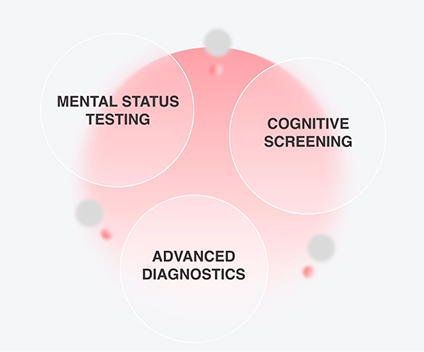
Diagnosis pathway
India follows Indian Psychiatric Society guidelines (updated 2018), recommending a stepwise
approach beginning with detailed history-taking, informant interviews, and exclusion of
reversible causes through clinical and laboratory tests. Standardised cognitive assessments
evaluate severity, while CT or preferably MRI supports diagnosis in atypical cases. Advanced
biomarkers are largely limited to specialist or research settings. Pathways vary widely: low
awareness, rural access barriers, and specialist shortages often delay diagnosis, while urban
patients more frequently seek direct specialist care.
The Indian Psychiatric Society established clinical practice guidelines in 2007, which were then updated in 2018. Guidelines recommend a stepwise approach to diagnosing Alzheimer’s disease within the broader framework of dementia care. The process begins with careful history taking and an informant interview to establish the onset and course of cognitive decline, functional changes, behavioural symptoms, and relevant medical history. Clinicians must rule out delirium and reversible causes through physical examination and laboratory investigations, including thyroid function, vitamin B12, folate, and infectious disease screening, with additional tests guided by clinical suspicion. Standardised cognitive tests are then applied to assess cognition, daily living skills, and disease severity. Neuroimaging, usually Computed Tomography (CT) or Magnetic Resonance Imaging (MRI), is recommended when there are atypical features or to exclude structural causes, while hippocampal or medial temporal lobe atrophy on MRI may provide supportive evidence. Advanced techniques such as Positron Emission Tomography (PET), Single Photon Emission Computed Tomography (SPECT), and Cerebrospinal fluid (CSF) biomarkers are acknowledged but not routinely used in India, being limited to specialist centres or research settings.
The STRiDE India vignette study highlights that in India, dementia care pathways are heavily shaped by low awareness of the condition among both the public and medical professionals, which can lead to delays in recognising symptoms and seeking diagnosis. In rural and lower-socioeconomic areas of India, pathways to Alzheimer’s disease diagnosis are especially variable. Families may consult traditional practitioners, approach community health workers who refer them to primary health centres, or not seek formal care at all. In contrast, in urban areas, people with Alzheimer’s disease and their families are more likely to bypass primary care and directly seek specialist evaluation.
There is a shortage of specialists in India, as geriatric medicine remains a nascent field with limited numbers of trained geriatricians and few dedicated training programs.
- https://journals.lww.com/indianjpsychiatry/fulltext/2018/60003/Clinical_Practice_Guidelines_for_Management_of.7.aspx
- https://journals.sagepub.com/doi/abs/10.1177/14713012231193081
- https://www.e-agmr.org/journal/view.php?doi=10.4235%2Fagmr.22.0062
- https://www.expresshealthcare.in/news/1-in-5-indians-will-be-over-60-by-2050-do-we-have-enough-doctors-specialised-in-geriatric-care/449656/
Wait times
On average, 16 months pass before first medical consultation, though delays of several years
are common. In the public sector, diagnostic testing, especially MRI, can involve waits of up to
three years.
The period from the first noticeable symptoms to the initial medical consultation was found to be around 16 months on average, although patient stories suggest that delays of several years are common. For those who do enter the healthcare system, particularly the public sector, the next hurdle is the wait for an MRI scan, which can take up to three years at institutions such as the All India Institute of Medical Sciences. There are reports of years-long waits for routine diagnostic tests at public hospitals in Delhi.
- https://www.researchgate.net/publication/280875627_Pathways_to_Dementia_Care_in_India
- https://dementiacarenotes.in/caregiver-voices/caregiver-interviews/
- https://timesofindia.indiatimes.com/city/delhi/aiims-mri-scan-waitlist-reaches-three-years-for-most-patients/articleshow/115461193.cms
- https://www.hindustantimes.com/cities/delhi-news/patients-say-facing-years-long-wait-at-delhi-govt-hospitals-for-routine-tests-101675683027296.html
Diagnosis cost
Under AVYAY, senior welfare is prioritised, but outpatient diagnostic costs remain largely
uncovered. Ayushman Bharat (PM-JAY) focuses on inpatient care and excludes most
consultations and tests. As a result, many families bear significant out-of-pocket expenses,
though a 2024 proposal suggests expanded dementia coverage for citizens aged 70+.
The Atal Vayo Abhyudaya Yojana (AVYAY), under the Ministry of Social Justice and Empowerment, focuses on the welfare of senior citizens, including those living with Alzheimer’s disease. However, the coverage of outpatient diagnostic costs under these schemes is limited. Only a small proportion of the population benefits from insurance schemes (government-sponsored or private) that partially or fully cover outpatient diagnostic costs. Government scheme Ayushman Bharat (PM-JAY) provides no financial relief for these expenses because they are designed for inpatient care and does not cover outpatient department consultations or individual diagnostic tests that are not part of a hospitalisation package. However, recent government announcements in late 2024 suggest a potential expansion of PM-JAY to cover treatments for dementia for senior citizens aged 70 and above. One study showed that patients often bear substantial direct costs when seeking diagnostic tests and consultations. These expenses can be a significant financial burden, particularly for households with limited resources.
- https://www.niti.gov.in/sites/default/files/2024-02/Senior%20Care%20Reforms%20in%20India%20FINAL%20FOR%20WEBSITE_compressed.pdf
- https://journals.lww.com/jfmpc/fulltext/2019/08030/out_patient_coverage__private_sector_insurance_in.4.aspx
- https://nha.gov.in/PM-JAY
- https://general.futuregenerali.in/blog/health-insurance/list-of-diseases-covered-under-ayushman-bharat-pmjay
- https://economictimes.indiatimes.com/wealth/insure/health-insurance/what-is-covered-under-ayushman-bharat-yojana-health-insurance/articleshow/114037922.cms?from=mdr
- https://www.frontiersin.org/journals/public-health/articles/10.3389/fpubh.2025.1594542/full
Cognitive tests
In clinical practice, a variety of cognitive tests are used, including the Mini-Mental State Examination (MMSE) and its indian adapted version The Hindi Mental State Examination, as well as the Montreal Cognitive Assessment (MoCA), the Kolkata cognitive screening, and the Addenbrooke’s cognitive examination-III. However, their effectiveness is frequently undermined by India’s vast linguistic, cultural, and educational heterogeneity. Many of these tests carry a significant educational bias, where performance is heavily influenced by literacy and formal schooling. These challenges have led to the Addenbrooke’s Cognitive Examination-III (ACE-III) being adapted and validated for use in seven major Indian languages. Additionally, the Indian Council of Medical Research has developed the Neurocognitive Toolbox (ICMR-NCTB), also known as the Multilingual Dementia Research and Assessment (MUDRA) Toolbox. The ICMR-NCTB has been standardised across 5 languages (Hindi, Bengali, Telugu, Kannada, and Malayalam).
Imaging tests
Basic structural imaging, such as CT and MRI scans, is available in India. However, access is influenced by geographic and socioeconomic factors, with services more readily available in private hospitals and diagnostic centres in urban areas. The availability of more advanced imaging technologies like PET is almost limited to a handful of national research institutions, such as NIMHANS in Bangalore and AIIMS in Delhi, and a few private hospital chains. The MRI scans are also encouraged to get done from private set ups recommended by doctors and are affordable.
- https://www.cci.gov.in/public/images/marketstudie/en/market-study-of-diagnostic-medical-imaging-equipment-industry-in-india1724145632.pdf
- https://pmc.ncbi.nlm.nih.gov/articles/PMC2747433/
- http://www.dementia-nimhans.in/services.html
- https://aiimskalyani.edu.in/departments/nuclear-medicine/
- https://clinicsoncall.com/en/clinics/country-india/neurology-neurosurgery/procedure-amyloid-pet-scan/
- *This section has been amended according to direct feedback from ADI’s member.
Genetic tests
There is no provision for routine APOE testing within the public healthcare system, however, genetic testing is offered by private diagnostic laboratories and specialised genetic testing companies. The Society for Indian Academy of Medical Genetics has issued a position statement discouraging direct-to-consumer genetic testing for any medical purpose due to the serious risks involved, including the lack of professional guidance, questionable clinical validity of some tests, and the potential for causing immense psychological distress and anxiety when results are delivered without proper pre- and post-test genetic counseling.
Biomarker tests
CSF biomarker testing for Alzheimer’s disease is not a routine clinical procedure, but is available in research settings. Similarly, blood-based biomarker testing is currently conducted only in research contexts.
Cognitive Tests
Cognitive Tests
In clinical practice, a variety of cognitive tests are used, including the Mini-Mental State Examination (MMSE) and its indian adapted version The Hindi Mental State Examination, as well as the Montreal Cognitive Assessment (MoCA), the Kolkata cognitive screening, and the Addenbrooke’s cognitive examination-III. However, their effectiveness is frequently undermined by India’s vast linguistic, cultural, and educational heterogeneity. Many of these tests carry a significant educational bias, where performance is heavily influenced by literacy and formal schooling. These challenges have led to the Addenbrooke’s Cognitive Examination-III (ACE-III) being adapted and validated for use in seven major Indian languages. Additionally, the Indian Council of Medical Research has developed the Neurocognitive Toolbox (ICMR-NCTB), also known as the Multilingual Dementia Research and Assessment (MUDRA) Toolbox. The ICMR-NCTB has been standardised across 5 languages (Hindi, Bengali, Telugu, Kannada, and Malayalam).
Imaging Tests
Imaging Tests
Basic structural imaging, such as CT and MRI scans, is available in India. However, access is influenced by geographic and socioeconomic factors, with services more readily available in private hospitals and diagnostic centres in urban areas. The availability of more advanced imaging technologies like PET is almost limited to a handful of national research institutions, such as NIMHANS in Bangalore and AIIMS in Delhi, and a few private hospital chains. The MRI scans are also encouraged to get done from private set ups recommended by doctors and are affordable.
- https://www.cci.gov.in/public/images/marketstudie/en/market-study-of-diagnostic-medical-imaging-equipment-industry-in-india1724145632.pdf
- https://pmc.ncbi.nlm.nih.gov/articles/PMC2747433/
- http://www.dementia-nimhans.in/services.html
- https://aiimskalyani.edu.in/departments/nuclear-medicine/
- https://clinicsoncall.com/en/clinics/country-india/neurology-neurosurgery/procedure-amyloid-pet-scan/
- *This section has been amended according to direct feedback from ADI’s member.
Genetic Tests
Genetic Tests
There is no provision for routine APOE testing within the public healthcare system, however, genetic testing is offered by private diagnostic laboratories and specialised genetic testing companies. The Society for Indian Academy of Medical Genetics has issued a position statement discouraging direct-to-consumer genetic testing for any medical purpose due to the serious risks involved, including the lack of professional guidance, questionable clinical validity of some tests, and the potential for causing immense psychological distress and anxiety when results are delivered without proper pre- and post-test genetic counseling.
- https://www.cci.gov.in/public/images/marketstudie/en/market-study-of-diagnostic-medical-imaging-equipment-industry-in-india1724145632.pdf
- https://pmc.ncbi.nlm.nih.gov/articles/PMC2747433/
- http://www.dementia-nimhans.in/services.html
- https://aiimskalyani.edu.in/departments/nuclear-medicine/
- https://clinicsoncall.com/en/clinics/country-india/neurology-neurosurgery/procedure-amyloid-pet-scan/
- *This section has been amended according to direct feedback from ADI’s member.
Biomarker Tests
Biomarker Tests
CSF biomarker testing for Alzheimer’s disease is not a routine clinical procedure, but is available in research settings. Similarly, blood-based biomarker testing is currently conducted only in research contexts.
Treatment & Care
Treatment & care
Show moreIndia’s dementia care is provided through national institutes such as NIMHANS (Bengaluru) and
AIIMS (Delhi), with private memory clinics and specialised care homes increasingly operating in
metropolitan areas. Financial protection is limited, as Ayushman Bharat (PM-JAY) covers
hospitalisation but excludes outpatient and long-term care, leaving families to bear most costs.
Government support for caregivers is minimal, while NGOs provide counseling, helplines,
training, and day care, though access remains uneven and largely urban-centered.
Specialized facilities and services
National institutes such as NIMHANS and AIIMS operate multidisciplinary memory clinics, while
the National Programme for Health Care of the Elderly seeks to expand geriatric services to
district and primary levels. However, specialist shortages limit nationwide impact. Private
memory clinics are emerging, particularly in Kerala and metropolitan areas. Several private
providers, including Athulya Senior Care, Jagruti Dementia Care, Epoch Elder Care, and
Heritage Eldercare, offer specialised residential, day, respite, assisted living, and palliative
dementia services, primarily in major cities.
Government institutions like the National Institute of Mental Health and Neurosciences (NIMHANS) in Bengaluru and the All India Institute of Medical Sciences (AIIMS) in Delhi operate specialised, multidisciplinary memory clinics. The government’s National Programme for Health Care of the Elderly aims to create a broader network by establishing geriatric units in district hospitals and weekly clinics at the primary care level. However, the effectiveness of this nationwide framework is severely hampered by a critical shortage of trained specialists, particularly geriatricians and neurologists.
Beyond these national institutes, memory clinics are beginning to emerge in the private sector and some regional hospitals. The state of Kerala has several such facilities. Private hospitals like PRS Hospital in Trivandrum, Rajagiri Hospital in Kochi, and KMC Hospital in Chengannur all run memory clinics, typically as a joint effort between their neurology and psychology departments.
A number of private companies have established high-quality, specialised dementia care homes, but these facilities are almost exclusively located in major metropolitan areas. Athulya Senior Care operates ten facilities across Chennai, Bengaluru, Kochi, Coimbatore, and Hyderabad. They offer dedicated Mind & Memory Care programs in dementia-friendly environments with trained staff, personalised care plans, and therapeutic activities. Jagruti Dementia Care Centre has centres in Mumbai (Malad), Pune, Navi Mumbai, Ahmedabad, Gurgaon, Delhi (Noida), and Chennai. They provide a spectrum of services including long-term residential care, day care, and respite care. Epoch Elder Care has facilities in Gurgaon, Delhi NCR, and Pune. They specialise in assisted living and palliative care for elders, including those with dementia. Heritage Eldercare provides assisted living facilities in Hyderabad and Chennai, offering specialised Alzheimer’s and dementia care, as well as day care services.
ARDSI is also running Full time Dementia Care homes and Dementia Day care Centers in Kerala and across the country through its chapters.
Approved medication
| Generic Name | Trade Name | Used for |
|---|---|---|
| Donepezil | Aricept, Aricept ODT, Adlarity, Eranz, Memac, Alzepil, Davia, Donecept, Donep, Donepex, Donesyn, Dopezil, Yasnal, Memorit, Pezale, Redumas, Zolpezil, Namzaric* | Donepezil is indicated for the symptomatic treatment of mild to moderately severe Alzheimer’s dementia. Official National Product Information |
| Donanemab, approved but not reimbursed | Kisunla | Donanemab is indicated for the treatment of mild cognitive impairment and mild dementia due to Alzheimer’s disease (AD) in adult patients that are apolipoprotein Eε4 (ApoE ε4) heterozygotes or non-carriers. Official National Product Information |
*Namzaric = combination of Donepezil and Memantine
Treatment cost
Financial protection for dementia care in India is limited. Ayushman Bharat (PM-JAY) mainly covers hospitalisation and excludes outpatient and long-term custodial care, which represent most dementia expenses, despite recent inclusion of Alzheimer’s for acute complications. Government support primarily funds NGO-run senior homes rather than patients directly, making access uneven. Consequently, long-term care costs are largely borne out-of-pocket by families.

Formal financial safety nets offer very limited relief for the specific needs of dementia treatment. The government’s flagship health scheme, Ayushman Bharat (PM-JAY), is designed to cover hospitalisation costs and explicitly excludes outpatient care and long-term custodial services, which constitute the bulk of dementia-related expenses. While the scheme was recently expanded to include Alzheimer’s disease, this coverage applies to acute complications requiring hospitalisation, not the continuous care needed.
As part of the broader National Action Plan for Welfare of Senior Citizens, Integrated Programme for Senior Citizens provides crucial financial grants to NGOs and other implementing agencies to run and maintain Senior Citizens’ Homes. Rather than providing a direct insurance benefit to patients for their long-term care needs, the government subsidises the supply side – the care facilities run by NGOs. A family’s access to affordable, quality care is entirely dependent on the presence, capacity, and funding of such an NGO in their specific locality. The most effective form of government support for long-term Alzheimer’s disease care in India is therefore mostly indirect. Thus, the financial journey is overwhelmingly a private one, with the vast majority of costs falling directly on the individual and their family.
- http://www.dementia-nimhans.in/services.html
- https://www.aiims.edu/index.php/en/component/content/article?id=651
- https://www.pib.gov.in/PressReleaseIframePage.aspx?PRID=1796437
- https://pmc.ncbi.nlm.nih.gov/articles/PMC11110446/
- https://www.prshospital.com/memory_clinic.php
- https://www.rajagirihospital.com/Clinic/Memory-Clinic
- https://www.drkmcims.com/diseases/alzheimers-disease-and-dementia/
- https://www.athulyaseniorcare.com/mindandmemorycare.php
- https://jagrutidementiacentre.com/
- https://www.epocheldercare.com/our-care-and-services/palliative-care
- https://www.heritagehealthcareindia.com/
Caregiver support
Direct government aid for dementia caregivers is minimal and restrictive, with schemes like the
Indira Gandhi Disability Pension offering small payments and strict eligibility. NGOs provide
helplines, counseling, and training, but long-term care and psychosocial support remain limited,
urban-centered, and largely out-of-pocket, with families shouldering most caregiving
responsibilities.
Direct financial aid from the central government is minimal and difficult to access. For example, the Indira Gandhi National Disability Pension Scheme offers 300-500 rupees per month but requires a disability certification of 80% or more and Below Poverty Line status, excluding most families. A pioneering initiative is the Karnataka state government’s Carer’s Allowance, which provides 1,000 rupees per month directly to caregivers, though dementia is not yet explicitly listed as a covered condition.
In the absence of a robust public system, non-governmental organisations provide national helplines, professional counseling, caregiver support groups, day care centres, and training programs for both family and professional caregivers.
In general, families have limited access to long-term care and psychosocial support services for people living with Alzheimer’s disease, mostly available in large cities and often requiring out-of-pocket payments. It is estimated that the care provided by family caregivers is nearly 10 times greater than that provided by healthcare personnel, such as nurses, social workers, physicians, and psychologists.
- https://www.myscheme.gov.in/schemes/igndps
- https://carersworldwide.org/blog/the-impact-of-carers-allowance-in-karnataka-india-and-beyond
- https://ardsi.org/services.php
- https://dementia-india.org/support-groups.html
- https://stride-dementia.org/india-situation-report/
- https://journals.lww.com/indianjpsychiatry/fulltext/2018/60020/the_dementia_epidemic__impact,_prevention,_and.2.aspx
Policy
Policy
Show moreIndia currently lacks a national dementia strategy, though ARDSI’s 2018 report provides a
roadmap for awareness, diagnosis, caregiver support, and research. Karnataka plans the first
state-level action plan. Legal and cultural barriers, including limited rights implementation,
misconceptions about dementia, and caregiving challenges, impede timely, accessible, and
culturally appropriate care.
National dementia plan
India lacks a formal national dementia strategy, but ARDSI’s 2018 Dementia India Strategy
Report provides a comprehensive roadmap, guiding awareness, early diagnosis, caregiver
support, and research, while influencing state initiatives and advocacy efforts.
Despite the absence of a formal government strategy, the Alzheimer’s Disease and Related Disorders Society of India published a comprehensive Dementia India Strategy Report in 2018. This report serves as a detailed roadmap for a national policy, covering everything from awareness and early diagnosis to caregiver support and research. ARDSI and other advocacy groups are actively using this report to lobby the government for the adoption of a national dementia strategy, and these efforts have influenced some state-level initiatives and an increased focus on integrating dementia care into existing health frameworks.
Although India has not yet adopted a national dementia strategy, policy momentum increased substantially in 2025–2026. A National Consultative Meet on Dementia Strategy developed recommendations for an Integrated National Dementia Plan, which was subsequently submitted to NITI Aayog. Proposed priorities include a national dementia registry, improved diagnostics, AI-enabled care, caregiver support and coordinated national planning.
- https://www.aginghealthforum.com/img/Schemes-reports/DEMENTIA%20INDIA%20STRATEGY%20REPORT%202018.pdf
- https://stride-dementia.org/india-situation-report/
- https://www.alzint.org/news-events/news/recent-policy-development-around-dementia-in-india/
- https://www.ndtvprofit.com/india/how-dementia-can-be-tackled-experts-point-to-al-innovation-national-registry-other-measures-9367666
Upcoming plans
Karnataka is set to launch India’s first State Dementia Action Plan, developed with NIMHANS
and stakeholders, emphasising early diagnosis, awareness, caregiver training, and community-
based dementia care. The plan aims to strengthen healthcare infrastructure and support
services, ensuring timely, accessible, and culturally appropriate care for people living with
dementia and their families across the state.
Kerala was the first state to adopt a dementia state plan, followed by Karnataka. In Maharashtra, the government has introduced targeted services, with Memory Clinics established across six districts to strengthen diagnostic capacity. The State Dementia Action Plan in India Developed in collaboration with key stakeholders including the National Institute of Mental Health and Neurosciences (NIMHANS), the Dementia India Alliance, and the state’s Department of Health and Family Welfare, the plan focuses on early diagnosis, awareness campaigns, caregiver training, and community-based care.
- https://www.thehindu.com/news/national/karnataka/karnataka-set-to-come-out-with-state-dementia-action-plan/article67263709.ece
- *This section has been amended according to direct feedback from ADI’s member.
Policy gaps
Legal barriers
The Mental Healthcare Act (MHCA) 2017 introduces a rights-based approach for mental health, including Advance Directives that preserve autonomy. Implementation in dementia is
challenging due to fluctuating capacity, conflicting past and present wishes, and limited trained professionals. The Maintenance of Parents and Senior Citizens Act (2007) similarly falls short, as seniors with dementia often cannot navigate legal processes to claim support or maintenance.
The Mental Healthcare Act (MHCA) of 2017 represents a significant step forward in Indian law, shifting from an institutional-based to a rights-based approach for persons living with mental illness. A cornerstone of the MHCA‘s rights-based framework is the provision for Advance Directives, which allows an individual with capacity to specify their future treatment preferences or appoint a nominated representative. This is intended to preserve autonomy even after capacity is lost. However, the implementation of this rights-based framework, particularly in the context of dementia, faces several practical and conceptual challenges. First, assessing decision-making capacity is often complex and inconsistent, especially given the fluctuating nature of dementia and the limited availability of trained professionals. Second, tensions frequently arise between respecting an individual’s past wishes (expressed in advance directives) and their current preferences, which may differ as the illness progresses. Third, the legal framework struggles to address situations where individuals remain formally capable but are highly vulnerable due to social, relational, or structural factors.
The Maintenance of Parents and Senior Citizens Act (2007) does not specifically account for the psychosocial and legal challenges associated with dementia. Owing to the nature of the condition, senior citizens living with dementia may be unable to access or initiate legal processes to claim maintenance.
- https://www.indiacode.nic.in/bitstream/123456789/8814/1/mental_healthcare_act%2c_2017.pdf
- https://thelawbrigade.com/wp-content/uploads/2022/03/Dr-Ritu-Gupta-IJLDAI.pdf
- https://journals.lww.com/amhe/fulltext/2018/19010/Mental_Health_Care_Act_2017__Review_and_upcoming.3.aspx
- https://pmc.ncbi.nlm.nih.gov/articles/PMC8543616/
Cultural barriers
Studies in India reveal that dementia is often misperceived as normal aging or “madness,”
delaying help-seeking. Caregiving burdens vary by gender, with male patients’ spouses
experiencing higher stress, yet caregiving can foster personal growth and strengthen family
bonds.
A study in which semi structured focus group interviews were conducted in two cities and in local languages, showed that primary misconception is viewing dementia not as a neurodegenerative disease but as a normal, inevitable part of aging, often dismissed with the term “senility”. This normalisation of a serious medical condition leads to delayed help-seeking, as families fail to recognise the symptoms as a sign of disease. Dementia is often equated with “madness” or insanity. Terms like “cuckoo” or “gone mad” were commonly used to describe individuals living with dementia, framing the condition as a psychiatric breakdown rather than a neurological decline.
Another study showed that family caregivers of male persons living with dementia experience higher stress than those caring for females, reflecting cultural norms where male persons living with dementia are often cared for by spouses, while females rely more on children or in-laws. Although caregiving can be burdensome, it is also seen as a source of personal growth, motivation, and stronger family bonds.
Research
Research
Show moreAIIMS researchers have created an AI-based model to estimate dementia prevalence across
India, enhancing epidemiological understanding. Simultaneously, the Bose Institute, with DST
support, is scientifically validating traditional Ayurvedic approaches, notably Lasunadya Ghrita,
demonstrating its potential to inhibit and break down toxic amyloid plaques at the molecular
level in Alzheimer’s research.
Selected academic institutions
Clinical trials and registries
The most crucial resource for finding any officially approved clinical trial in India is the Clinical Trials Registry – India (CTRI). Maintained by the Indian Council of Medical Research (ICMR), the CTRI is a primary register of the World Health Organisation’s International Clinical Trials Registry Platform. It is mandatory for all clinical trials conducted in India to be registered with the CTRI. This platform provides a publicly searchable database of trials, including details on the study’s purpose, patient eligibility criteria, trial status, and study locations.
Selected innovative methods
AIIMS researchers developed an AI model to predict dementia prevalence in India, while Bose Institute, supported by DST, validates Ayurvedic treatments like Lasunadya Ghrita for Alzheimer’s at a molecular level.
All India Institute of Medical Sciences (AIIMS) researchers have developed an artificial intelligence (AI) learning model to predict the prevalence rate of dementia in India.
The Bose Institute, with support from the Department of Science and Technology (DST), is pioneering the scientific validation of traditional Ayurvedic medicine for Alzheimer’s disease. A key study focused on the Ayurvedic formulation Lasunadya Ghrita, demonstrating at a molecular level that its extract can inhibit the formation of toxic amyloid plaques and break down existing ones.
Support
Support
Show moreIndia’s dementia initiatives combine community engagement and information support. ARDSI’s
Dementia Friendly Community educates Kolkata residents, while Dementia India Alliance
promotes the Blue Button Movement, screenings, care standards, and a multilingual helpline.
Media platforms like Dementia Care Notes India provide practical resources, and The Indian
Caregiver shares personal stories, combats stigma, and builds an online support network for
families.
Selected national associations, patient family associations, NGOs:
Selected initiatives
The Alzheimer’s and Related Disorders Society of India runs Kolkata’s Dementia Friendly
Community, educating locals, while Dementia India Alliance leads initiatives like the Blue Button
Movement, screening programs, care standards, and a multilingual support helpline.
Dementia Friendly Community
Blue Button movement
Support Line
Dedicated media outlets
Dementia Care Notes India serves as a resource aggregating practical guides, expert interviews, and city-specific services.
Additionally, The Indian Caregiver provides first-hand narratives, combats stigma within the cultural context, and builds a virtual community of support for families navigating the disease.