

Japan
Japan’s strategy for Alzheimer’s disease integrates advanced technology with extensive community support. The country plays an important role in the development of less invasive diagnostic tools, such as blood-based biomarkers for early detection. This is matched by national social programs that have trained over 16 million Dementia Supporters and innovative local initiatives, like the Restaurant of Mistaken Orders, which work to reduce stigma and foster inclusion.

AD Rating
Diagnostic Pathway
Specialized Care
Caregiver Support
National Policies
Access to ATT-s
Highlights

Population
Median age
Health expenditure (% of GDP)
Diagnosis
Diagnosis
Show moreJapan’s dementia diagnosis begins with a GP using cognitive tests like MMSE or HDS-R and structural imaging, with advanced methods such as amyloid-PET, CSF analysis, and emerging blood tests used for confirmation. Innovative tools like J-Cog and MIREVO® enhance early detection. While routine imaging and specialist visits are quick, PET scans may have longer waits. APOE ε4 genotyping is recommended when considering anti-amyloid therapy. National insurance covers standard diagnostics with co-pays, and amyloid-PET and CSF testing are reimbursed when used to determine eligibility for anti-amyloid therapies under specified criteria; otherwise, these tests are generally self-funded.
Diagnosis pathway
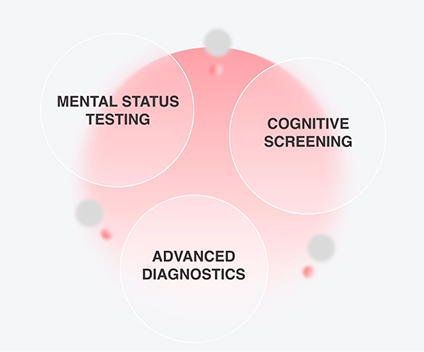
Japan’s dementia diagnosis starts at a GP or family doctor, who use cognitive tests such as MMSE or HDS-R and structural imaging to rule out other causes. Advanced diagnostics like amyloid-PET, CSF biomarkers, and experimental blood tests are used for definitive diagnosis. Patients may consult specialists directly, access care at various hospitals or clinics, and can bypass referral requirements for a small fee.
Japan’s latest dementia and Alzheimer’s disease clinical practice guidelines were updated in 2017 by the Japanese Society of Neurology, and a new revision process is currently underway. The journey begins with a visit to a general practitioner (GP) or a family doctor. Once a patient enters the system, diagnosis proceeds with cognitive screening, most commonly using the Mini-Mental State Examination (MMSE) or a domestically developed Hasegawas Dementia Scale (HDS-R), followed by structural neuroimaging like Magnetic Resonance Imaging (MRI) or Computed Tomography (CT) to assess atrophy and rule out other causes. For a definitive diagnosis and eligibility for new treatments, advanced methods like Amyloid-Positron Emission Tomography (amyloid-PET) scans or analysis of cerebrospinal fluid (CSF) may be used, though Japan is also pioneering less invasive blood tests to overcome the accessibility issues of these methods. While the typical route is through a GP referral, in some cases, patients might directly consult a specialist, especially if they have a strong suspicion of Alzheimer’s disease or dementia or if they have previously seen that specialist for other neurological issues. Patients are to receive care from the facility of their choice. For example, a woman who works at a firm in Tokyo can visit a specialist at the university hospital near her office, then in the same week be seen by a physician at a clinic near her home in Kanagawa Prefecture. According to guidelines, a referral letter is required to be admitted at a large hospital; however, patients may pay a fee of a few thousand yen to be admitted without a referral.
- https://www.neurology-jp.org/guidelinem/dementia/
- https://www.jstage.jst.go.jp/article/jsnt/41/4/41_654/_article/-char/ja
- https://www.sysmex.co.jp/en/news/2022/221222.html
- https://pubmed.ncbi.nlm.nih.gov/31135457/
- https://japanhpn.org/wp-content/uploads/2016/01/Section-3-Insurance-System.pdf
- https://japanhpn.org/en/section-3-1/
Wait times
While routine imaging and specialist visits in Japan are quick and efficient, demand for PET biomarker scans may result in longer waiting times.
Japan’s healthcare system is highly efficient for routine care, with virtually no waiting lists for standard imaging like MRI and specialist appointments available within days or weeks. However, reliance on capacity-constrained PET testing for biomarkers can introduce significant waiting periods.
Diagnosis cost
Under Japan’s Statutory Health Insurance, essential Alzheimer’s disease diagnostics like specialist consultations, cognitive assessments, and structural imaging are largely covered, with patients paying 10–30% co-pay. High-cost protections limit monthly out-of-pocket spending, while amyloid-PET and CSF biomarker testing are covered only when used to determine eligibility for anti-amyloid antibody therapies under strict clinical criteria. In contrast, APOE genetic analysis and new blood-based diagnostics are not currently reimbursed.
The direct financial costs of diagnosing Alzheimer’s disease are largely managed by the nation’s universal Statutory Health Insurance System. This system covers essential diagnostic procedures, including visits to general practitioners and specialists, standard cognitive assessments, and structural brain imaging such as MRI and CT scans. Patients are responsible for a co-payment, typically ranging from 10% to 30% of the cost, depending on their age and income. The High-Cost Medical Expense Benefit System prevents catastrophic spending by capping the total monthly out-of-pocket medical expenses for individuals, with income-based ceilings ensuring greater protection for lower-income households. Amyloid-PET and CSF biomarker testing are covered under national insurance specifically when used to determine eligibility for anti-amyloid antibody therapies (lecanemab or donanemab), subject to strict clinical criteria. In contrast, APOE genetic testing and emerging blood-based biomarker tests are not yet reimbursed and require patients to pay the full cost out-of-pocket.
- https://www.commonwealthfund.org/international-health-policy-center/countries/japan
- https://pubmed.ncbi.nlm.nih.gov/31135457/
- https://pmc.ncbi.nlm.nih.gov/articles/PMC8103978/
- https://www.ibmjapankenpo.jp/eng/member/benefit/expensive_a.html
- https://www.eisai.com/news/2024/news202488.html
- https://life-mi.com/cmi-inc-and-life-molecular-imaging-announce-the-reimbursement-of-the-amyloid-pet-diagnostic-neuraceq-florbetaben-18f-in-japan
- https://www.sasappa.co.jp/online/abstract/jsdr/1/38-3/html/10103803340.html
- https://alz-journals.onlinelibrary.wiley.com/doi/10.1002/dad2.70315
Cognitive tests
Diagnosis usually relies on two main cognitive tests: the Japan-developed Hasegawa Dementia Scale-Revised (HDS-R) and the internationally recognised Mini-Mental State Examination (MMSE). Clock Drawing Test (CDT) and Cube Copying Test are also used. Japan is also actively developing and integrating a new generation of more sophisticated assessment tools. The Japanese Cognitive Function Test (J-Cog) was designed to be administered by non-professionals, making it an ideal tool for deployment in broader community-based settings to identify at-risk individuals more effectively. A more significant technological leap is represented by MIREVO®, an iPad-based tool that uses eye-tracking for a rapid, three-minute objective assessment. As of January 2025, MIREVO® became the first such tool to be covered by national health insurance.
Imaging tests
Neuroimaging is a cornerstone of Alzheimer’s disease diagnosis in Japan, serving to both exclude other conditions and confirm the disease’s underlying pathology. Structural imaging with CT and MRI is widely available and accessible under the national health insurance system, thanks to Japan having one of the highest numbers of these scanners per capita globally. However, while the country has an abundance of MRI machines, there are notable regional disparities in the availability of the preferred 3.0T scanners, which are more heavily concentrated in major urban corridors. Several amyloid-PET tracers have been approved for clinical use in Japan, including florbetapir (AMYViD®), florbetaben (Neuraceq®), and flutemetamol (Vizamyl). National health insurance only covers the cost of these expensive scans when they are used to determine a patient’s eligibility for a specific, approved anti-amyloid therapy, such as lecanemab or donanemab.
- https://www.neurology-jp.org/guidelinem/dementia/
- https://pmc.ncbi.nlm.nih.gov/articles/PMC4422695
- https://pmc.ncbi.nlm.nih.gov/articles/PMC11351322/
- https://journals.sagepub.com/doi/full/10.3233/ADR-190150
- https://pmc.ncbi.nlm.nih.gov/articles/PMC11448067/
- https://www.pdradiopharma.com/wpeptip/wp-content/uploads/2024/12/PDR_News-Release_Tauvid_E_20241227.pdf
Genetic tests
Genetic tests are widely available in Japan. Historically, clinical guidelines did not recommend routine APOE4 testing, which led to an unregulated private market where the test was offered directly to consumers, often without adequate genetic counselling. Current treatment guidelines now recommend genotyping for all patients being considered for therapies like lecanemab to facilitate an informed discussion about safety risks.
Biomarker tests
Japan is a global leader in the development of revolutionary blood-based biomarkers that can detect the same proteins from a simple blood draw. Companies like Sysmex and Shimadzu have developed and received regulatory approval for blood tests, while Fujirebio’s blood-based test remains under regulatory review in Japan.
Cognitive Tests
Cognitive Tests
Diagnosis usually relies on two main cognitive tests: the Japan-developed Hasegawa Dementia Scale-Revised (HDS-R) and the internationally recognised Mini-Mental State Examination (MMSE). Clock Drawing Test (CDT) and Cube Copying Test are also used. Japan is also actively developing and integrating a new generation of more sophisticated assessment tools. The Japanese Cognitive Function Test (J-Cog) was designed to be administered by non-professionals, making it an ideal tool for deployment in broader community-based settings to identify at-risk individuals more effectively. A more significant technological leap is represented by MIREVO®, an iPad-based tool that uses eye-tracking for a rapid, three-minute objective assessment. As of January 2025, MIREVO® became the first such tool to be covered by national health insurance.
Imaging Tests
Imaging Tests
Neuroimaging is a cornerstone of Alzheimer’s disease diagnosis in Japan, serving to both exclude other conditions and confirm the disease’s underlying pathology. Structural imaging with CT and MRI is widely available and accessible under the national health insurance system, thanks to Japan having one of the highest numbers of these scanners per capita globally. However, while the country has an abundance of MRI machines, there are notable regional disparities in the availability of the preferred 3.0T scanners, which are more heavily concentrated in major urban corridors. Several amyloid-PET tracers have been approved for clinical use in Japan, including florbetapir (AMYViD®), florbetaben (Neuraceq®), and flutemetamol (Vizamyl). National health insurance only covers the cost of these expensive scans when they are used to determine a patient’s eligibility for a specific, approved anti-amyloid therapy, such as lecanemab or donanemab.
- https://www.neurology-jp.org/guidelinem/dementia/
- https://pmc.ncbi.nlm.nih.gov/articles/PMC4422695
- https://pmc.ncbi.nlm.nih.gov/articles/PMC11351322/
- https://journals.sagepub.com/doi/full/10.3233/ADR-190150
- https://pmc.ncbi.nlm.nih.gov/articles/PMC11448067/
- https://www.pdradiopharma.com/wpeptip/wp-content/uploads/2024/12/PDR_News-Release_Tauvid_E_20241227.pdf
Genetic Tests
Genetic Tests
Genetic tests are widely available in Japan. Historically, clinical guidelines did not recommend routine APOE4 testing, which led to an unregulated private market where the test was offered directly to consumers, often without adequate genetic counselling. Current treatment guidelines now recommend genotyping for all patients being considered for therapies like lecanemab to facilitate an informed discussion about safety risks.
- https://www.neurology-jp.org/guidelinem/dementia/
- https://pmc.ncbi.nlm.nih.gov/articles/PMC4422695
- https://pmc.ncbi.nlm.nih.gov/articles/PMC11351322/
- https://journals.sagepub.com/doi/full/10.3233/ADR-190150
- https://pmc.ncbi.nlm.nih.gov/articles/PMC11448067/
- https://www.pdradiopharma.com/wpeptip/wp-content/uploads/2024/12/PDR_News-Release_Tauvid_E_20241227.pdf
Biomarker Tests
Biomarker Tests
Japan is a global leader in the development of revolutionary blood-based biomarkers that can detect the same proteins from a simple blood draw. Companies like Sysmex and Shimadzu have developed and received regulatory approval for blood tests, while Fujirebio’s blood-based test remains under regulatory review in Japan.
Treatment & Care
Treatment & care
Show moreJapan’s dementia care system integrates over 500 specialised medical centers, regional networks, and extensive community support, including 16 million Dementia Supporters and 3,400 Team Orange groups. National hubs like NCGG provide advanced diagnostics, interdisciplinary care, and rehabilitation, while WEDs offer short-term, homelike inpatient treatment for severe symptoms. Medical costs are largely covered by NHI and LTCI, but families bear significant unpaid care and out-of-pocket expenses. Caregiver relief includes Disability Pensions, Family Care Leave, and community programs, yet service gaps, workforce shortages, and informal care demands remain significant.
Specialized facilities and services
Japan’s dementia infrastructure combines over 500 specialised medical centers, regional care networks, and extensive community support, including over 16 million Dementia Supporters and 1,800 Team Orange groups. National hubs, such as the NCGG, provide advanced diagnostics, interdisciplinary care, and Holistic Physio-Cognitive Rehabilitation. WEDs provide short-term, homelike inpatient treatment for severe behavioral symptoms. While Japan has more than 400 palliative care units, the system is largely geared toward end-stage cancer, making integrated palliative dementia care an ongoing challenge amid rising future needs.
Japan has a structured, nationwide network of specialised centres designed for diagnosis, treatment, and care coordination. These were guided by national policies like the Long-Term Care Insurance Act and the New Orange Plan, which established more than 500 medical centres for Alzheimer’s disease and dementia with at least one centre in all secondary medical areas to ensure geographic equity. These are implemented through flexible regional models, such as Fukuoka City’s network of one central hospital, 109 consultant physicians, and 39 cooperating hospitals, or Kumamoto Prefecture’s system with one core and nine community-based centres. This clinical infrastructure is supported by a vast community effort that has trained over 16.3 million Dementia Supporters and has trained over 3,400 Team Orange community support teams.
Serving as models for the nation and as hubs for research and innovation are several premier national institutions. These centres provide the highest level of care and play a direct role in shaping policy and practice nationwide. For example, the National Centre for Geriatrics and Gerontology (NCGG) provides a full spectrum of services, from early diagnosis in its Memory Clinic to terminal care. employs an interdisciplinary team of geriatricians, neurologists, psychiatrists, and other specialists. NCGG’s services include precise diagnosis using advanced imaging, management of BPSD, prevention of geriatric syndromes, and a comprehensive rehabilitation program known as Holistic Physio-Cognitive Rehabilitation (hPCR).
For cases where psychological symptoms of dementia become too severe to be managed in the community, Japan utilises specialised inpatient units known as Wards for Elderly patients with Dementia (WEDs). These wards, often located within psychiatric hospitals, are staffed by multidisciplinary teams comprising psychiatrists, experienced nurses, occupational therapists, and social workers. The treatment approach is holistic, combining medication with rehabilitation and psychosocial support. A unique feature of these wards is the deliberate creation of a “homelike atmosphere” to reduce patient anxiety and distress. This is achieved by incorporating familiar cultural elements, such as traditional Japanese cabinets and mats in patient rooms, and having staff wear casual clothing. The goal of a stay in a WED, which has a median length of about 49 days, is to stabilise the patient’s symptoms so they can be safely discharged back to their home, a nursing home, or another care facility.
The demographic imperative for palliative dementia care in Japan is stark. Projections indicate that by 2040, the need for palliative care arising from Alzheimer’s disease, dementia, and senility will account for 43% of the total palliative care need in Japan. However, the integration of a comprehensive palliative approach into the standard Alzheimer’s disease care pathway remains a significant challenge. Japan has over 400 Palliative Care Units, or inpatient hospices, but these were established under a public health insurance scheme designed primarily for patients living with end-stage cancer or HIV/AIDS. Palliative care is also available in settings like Geriatric Hospitals, Geriatric Health Services Facilities, and through Home Nursing Care Stations. Under the public health insurance system, hospice care and opioid-based pain management are provided exclusively to patients living with end-stage cancer.
Approved medication
| Generic Name | Trade Name | Used for |
|---|---|---|
| Donepezil | Aricept, Aricept ODT, Adlarity, Eranz, Memac, Alzepil, Davia, Donecept, Donep, Donepex, Donesyn, Dopezil, Yasnal, Memorit, Pezale, Redumas, Zolpezil, Namzaric* | Donepezil is indicated for the symptomatic treatment of mild to moderately severe Alzheimer’s dementia. Official National Product Information |
| Rivastigmine | Exelon, Exelon Patch, Prometax, Rivastach, Nimvastid | Symptomatic treatment of mild to moderately severe Alzheimer’s dementia. Symptomatic treatment of mild to moderately severe dementia in patients with idiopathic Parkinson’s disease. Official National Product Information |
| Galantamine | Razadyne, Razadyne ER, Reminyl, Reminyl XL, Nivalin, Lycoremine, Galsya | Galantamine is indicated for the symptomatic treatment of mild to moderately severe dementia of the Alzheimer type. Official National Product Information |
| Memantine | Namenda, Namenda XR, Ebixa, Memary, Axura, Akatinol, Maruxa, Nemdatine, Namzaric* | Treatment of adult patients with moderate to severe Alzheimer’s disease. Official National Product Information |
| Donanemab | Kisunla | Donanemab is indicated for the treatment of mild cognitive impairment and mild dementia due to Alzheimer’s disease (AD) in adult patients that are apolipoprotein Eε4 (ApoE ε4) heterozygotes or non-carriers. Official National Product Information |
| Lecanemab | Leqembi | Lecanemab is indicated for the treatment of mild cognitive impairment and mild dementia due to Alzheimer’s disease in adult patients that are apolipoprotein E ε4 (ApoE ε4) heterozygotes or non-carriers. Official National Product Information |
*Namzaric = combination of Donepezil and Memantine
Treatment cost
In Japan, Alzheimer’s disease treatment costs are primarily covered by NHI for medical care and LTCI for daily living support, with patients contributing 10-30% copayments under a capped system. Despite this coverage, families provide substantial unpaid care and pay for out-of-pocket expenses beyond LTCI limits, creating a massive hidden economic burden. Informal caregiving nearly equals formal LTCI expenditures.
Anecdotal experiences show some older people can afford their care costs entirely or partially by themselves, because almost all people over 65 receive pensions, but the amount differs according to their income and the period of the premium payments.

The financial burden of Alzheimer’s disease is managed through a dual-pillar public insurance system that separates medical treatment from long-term social care. The National Health Insurance (NHI) covers direct medical expenses, including doctor visits, hospitalisations, and prescription drugs. This includes new, high-cost disease-modifying therapies like Leqembi. The second pillar, the mandatory Long-Term Care Insurance (LTCI), funds the vast majority of non-medical support services essential for daily living, such as in-home helpers, day care, and respite stays. In addition, some parts of home visit nursing care and rehabilitation are included. Patients are responsible for a copayment, typically 10-30% of the cost depending on age and income, but a crucial safety net exists in the form of a High-Cost Medical Expense Benefit System, which caps monthly out-of-pocket payments.
However, the model’s financial sustainability is critically dependent on the uncompensated labor of family caregivers. Informal care cost is almost equivalent to the formal LTCI cost. This reliance creates a massive hidden cost and places immense strain on families. Families also bear 100% of certain out-of-pocket expenses not covered by insurance, such as room or meals in residential facilities and any services used beyond the monthly limits set by the LTCI system. Therefore, while the government and public insurers bear the majority of formal costs, the entire system is heavily subsidised by the immense, often unseen, economic contributions of patients‘ families. Public long-term care costs represent the largest share of the total economic burden at 65%, with both figures reflecting the unpaid care provided by caregivers.
- https://pmc.ncbi.nlm.nih.gov/articles/PMC1484411/
- https://japanhpn.org/en/hs1/
- https://pharmaphorum.com/news/eisai-backs-leqembis-japan-rollout-insurance-policy
- https://japanhpn.org/en/longtermcare/
- https://pmc.ncbi.nlm.nih.gov/articles/PMC10912804/
- https://journals.plos.org/plosone/article?id=10.1371/journal.pone.0206508
- https://pubmed.ncbi.nlm.nih.gov/33780371/
Caregiver support
Japan provides caregivers financial relief through mechanisms outside LTCI, including the Disability Pension and Family Care Leave, which guarantees up to 93 days of protected leave with partial wage compensation. National policies and community programs, such as the Dementia Supporters network and Community General Support Centres, encourage social inclusion and guidance. Non-profits like the Alzheimer’s Association Japan offer peer support. Despite these structures, families bear substantial informal care costs, service mismatches, workforce shortages, and gaps between medical and caregiving systems.
While the LTCI does not provide direct cash payments to caregivers, financial relief is available through several other distinct mechanisms. A primary source of income support for the household is the Disability Pension, a public pension paid to individuals whose earning capacity is lost due to a condition like Alzheimer’s disease. For working caregivers, the Child and Family Care Leave Act provides crucial support, guaranteeing up to 93 days of job-protected leave that can be taken in flexible instalments. During this leave, the caregiver receives a Family Care Leave Allowance from employment insurance, equivalent to 67% of their regular salary.
This formal framework is reinforced by a broader ecosystem aimed at creating a dementia-friendly society. National strategies like the National Framework for Promotion of Dementia Policies and the 2024 Basic Act on Dementia to Promote an Inclusive Society aim to promote community-based care and social inclusion, supported by initiatives like the Dementia Supporters program. At the local level, Community General Support Centres act as crucial front-line hubs for navigating the complex system, while non-profits like the Alzheimer’s Association Japan offer important peer support and information. However, some challenges persist. Families still bear an immense economic and emotional burden, with informal care costs constituting the largest part of dementia’s societal cost. Utilisation of public support is limited by mismatches between available services and the needs of people living with dementia and caregivers, societal reluctance to accept home-based help, a shortage of trained professionals, and poor integration between medical and caregiving services.
- https://www.mhlw.go.jp/content/12300000/000614772.pdf
- https://www.aids-chushi.or.jp/English/social/04/1.html
- https://rapp.ualberta.ca/wp-content/uploads/sites/49/2022/11/Carer-Leave-Policies-in-Japan.pdf
- https://www.japaneselawtranslation.go.jp/outline/92/905R510.pdf
- https://www.mhlw.go.jp/content/10500000/000591805.pdf
- https://dementia-platform.jp/en/article/102/
- https://www.mdpi.com/2039-4403/14/4/285
- https://pmc.ncbi.nlm.nih.gov/articles/PMC7175940/
Policy
Policy
Show moreJapan’s dementia strategy integrates the 2019-2025 National Framework and the 2024 Basic Act on Dementia to promote awareness, reduce stigma, and ensure comprehensive care. Programs like Dementia Supporters and Team Orange support early diagnosis and community-based care. Upcoming initiatives include developing a national blood biomarker workflow for early Alzheimer’s diagnosis across healthcare levels. Legal gaps exist in the Adult Guardianship System, criticised as paternalistic by the UN, while cultural barriers persist despite the 2004 shift from the stigmatising term Chiho to Ninchi-sho, gradually improving social recognition.
National dementia plan
Japan’s dementia policies combine the 2019-2025 National Framework and the 2024 Basic Act on Dementia to foster inclusion, independence, and quality care. They promote awareness, stigma reduction, prevention, and comprehensive care services, including caregiver support and research innovation. Programs like Dementia Supporters, Team Orange, and biomarker guidelines support early diagnosis and tailored interventions. The Basic Act emphasises human rights, safety, and social participation for people with dementia while integrating education, healthcare, and community initiatives to ensure dignity, safety, and community integration.
The National Framework for Promotion of Dementia Policies (2019-2025) is structured around five main pillars:
1. Promoting Understanding and Dispelling Stigma: a nationwide effort to increase public awareness and create a dementia-friendly society. This includes the highly successful Dementia Supporters program, which has trained millions of citizens, from schoolchildren to business employees, to understand dementia and offer support to those affected and their families.
2. Prevention and Risk Reduction: proactive measures to delay the onset and progression of dementia. This involves promoting healthy lifestyles, social engagement, and cognitive activities for seniors.
3. Providing Appropriate Medical and Care Services: establishing a seamless and comprehensive system of care, from early diagnosis to end-of-life support. This includes strengthening the roles of primary care physicians, dementia medical centres, and community-based support teams known as Team Orange. These teams, comprising medical and care professionals, work to provide tailored support to people living with dementia and their families.
4. Supporting Caregivers: recognising the immense burden on family members, the strategy includes measures to provide practical and emotional support for caregivers. This includes respite care, counselling services, and the promotion of support groups.
5. Promoting Research and Development: Japan is heavily invested in research to develop new treatments, diagnostic methods, and care models for dementia. This includes a focus on leveraging technology and robotics to assist with care and improve the quality of life for people living with dementia.
The Basic Act on Dementia to promote an Inclusive Society was drafted by the Ministerial Council on the Promotion of Dementia Care Policies, and it came into effect on January 1, 2024, targeting results within five years from the date of enforcement. This act includes seven basic principles:
1. To enable all people living with dementia to be able to lead their lives as individuals with freedom to make their own choices enjoying their fundamental human rights.
2. To deepen the public’s knowledge and understanding of dementia in order to promote a more inclusive society.
3. To enable all people living with dementia to live safe, secure, and independent lives equal to that of other members of society, by removing barriers in their lives, and to secure opportunities to express their opinions on matters directly related to themselves and to independently participate in activities in all areas of society, by fully realising their individuality and abilities.
4. To provide good quality and appropriate healthcare and welfare services seamlessly, while fully respecting the wishes of those living with dementia.
5. To provide support not only for people living with dementia but also for their families and those around them, so that people living with dementia and their families can live their lives in their community with peace of mind.
6. To promote research and other activities that contribute to a more inclusive society, and create an environment in which the public can enjoy the results of research and other activities through scientific knowledge on risk reduction, diagnosis and treatment, rehabilitation, and care for those living with dementia and mild cognitive impairment; and promote involvement in society for people living with dementia to enable them to live in dignity with a sense of purpose; and promote enabling those living with dementia to live in an inclusive and mutually-supportive social environment with others.
7. To carry out comprehensive initiatives in education, community development, employment, health, medicine, welfare, and other relevant areas.
Additionally, Guidelines for Proper Use of Cerebrospinal Fluid and Blood Biomarkers for Dementia were published in 2021 by the Ministry of Health, Labour and Welfare. The guideline has the purpose of spreading the proper use of CSF and blood biomarkers for dementia and Alzheimer’s disease.
- https://www.mhlw.go.jp/content/12300000/000614772.pdf
- https://www.aids-chushi.or.jp/English/social/04/1.html
- https://rapp.ualberta.ca/wp-content/uploads/sites/49/2022/11/Carer-Leave-Policies-in-Japan.pdf
- https://www.japaneselawtranslation.go.jp/outline/92/905R510.pdf
- https://www.mhlw.go.jp/content/10500000/000591805.pdf
- https://dementia-platform.jp/en/article/102/
- https://www.mdpi.com/2039-4403/14/4/285
- https://pmc.ncbi.nlm.nih.gov/articles/PMC7175940/
- https://japanhpn.org/en/dementia1-3-2
Upcoming plans
A national effort is underway to create a blood biomarker diagnostic workflow for early Alzheimer’s disease detection. Shimadzu, Eisai, Oita University, and Usuki City Medical Association aim to enable early diagnosis across all healthcare levels, from primary care to specialists.
Blood Biomarker-Based Diagnostic Workflow for Dementia is currently being developed. Shimadzu Corporation, Eisai Co., Ltd., Oita University, and Usuki City Medical Association are currently working to develop Japan’s first diagnostic workflow for mild cognitive impairment due to Alzheimer’s disease and mild dementia based on blood biomarkers. They are hoping to build an ecosystem that improves the early diagnosis of Alzheimer’s disease through diagnostic workflows adopted at all levels of health care from primary care physicians to specialists who are members of dementia-related societies.
Policy gaps
Legal barriers
Under Japan’s Adult Guardianship System, professionals oversee the affairs of those with impaired judgment. The UN has raised concerns that the system is paternalistic and may breach Article 12 of the CRPD, while public understanding of these professional guardianships remains limited.
The Adult Guardianship System, established under the Civil Code, which appoints a guardian to manage the property and personal affairs of those with impaired judgment, has been criticised by the United Nations for being overly paternalistic and potentially violating the right to equal recognition before the law. More precisely, The United Nations Committee on the Rights of Persons with Disabilities has criticised Japan’s guardianship system for violating Article 12 of the Convention on the Rights of Persons with Disabilities. Where family members were once the primary guardians, nearly 82% of cases are now handled by professionals like lawyers and social workers, a system with which the public has very low awareness.
Cultural barriers
Until 2004, dementia in Japan was labeled Chiho, a derogatory term fostering stigma. The change to Ninchi-sho in 2004 reduced offense, yet deep-rooted fears of being a burden and shame persist, though awareness is gradually improving.
Cultural barriers to dementia in Japan are deeply rooted in language and societal values. Until 2004, the official term for dementia was Chiho, a pejorative word using characters that mean “stupid” or “foolish”. This inherently insulting label was a major source of stigma, deterring people from seeking help. In a landmark policy move, the government officially changed the term to Ninchi-sho, a neutral medical descriptor for “cognitive disorder”. While over 70% of family members found the new term less offensive, the change could not erase deeper cultural attitudes. Japanese society places a strong emphasis on self-reliance and a cultural fear of being a burden to others, known as meiwaku.
Anecdotal experiences show though there is still a perception of dementia as a shameful disease to some extent, the social recognition is changing gradually and steadily. The development of the aging society, awareness campaigns by the public/private sectors have been making a difference.
Research
Research
Show moreJapan’s dementia research ecosystem spans leading institutions and innovative technologies. Key centers include Kyoto University’s CiRA, the University of Tokyo, RIKEN, NCNP, Niigata, Hokkaido, and Osaka Universities, focusing on iPS cell models, neuroimaging, genomic studies, and AI-based assessments like MIREVO®. National registries, including jRCT, UMIN-CTR, and the ORANGE Registry, support clinical trials and trial-ready cohorts. Translational and patient-centered innovations, such as PARO therapeutic robots and blood-based diagnostics, complement these efforts.
Selected academic institutions
Clinical trials and registries
The primary resources are the official government-mandated databases: the Japan Registry of Clinical Trials (jRCT) and the UMIN Clinical Trials Registry (UMIN-CTR). Both platforms are searchable in English and provide detailed information on a wide range of studies for various conditions, including Alzheimer’s disease and dementia.
Complementing these broad databases is the more specialised ORANGE Registry (Organised Registration for the Assessment of dementia on Nation-wide General consortium toward Effective treatment), managed by the National Center for Geriatrics and Gerontology. The ORANGE Registry is a nationwide, long-term project specifically designed to support dementia research. It registers individuals across all stages of dementia, from preclinical and mild cognitive impairment to more advanced stages, creating a “trial-ready” cohort.
Selected innovative methods
Japan’s dementia research landscape is highly innovative and diverse. CiRA at Kyoto University uses iPS cell models for drug discovery, while Tokyo University drives large-scale imaging studies through J-ADNI. RIKEN and Waseda University develop advanced mouse models to study preclinical Alzheimer’s, while NCNP collects real-world data via the AD-DMT Registry. Niigata explores genomics and biomarkers, Hokkaido develops blood-based tests, Osaka produces rapid AI cognitive tools like MIREVO®, and AIST’s PARO robot offers therapeutic support, which demonstrates Japan’s comprehensive approach from basic science to patient-centered care.
Kyoto University, particularly its Centre for iPS Cell Research and Application (CiRA), is pioneering a globally unique approach to drug discovery using induced pluripotent stem (iPS) cells. Instead of direct cell transplantation, researchers create “disease-in-a-dish” models by reprogramming patient cells into neurons. This allows them to screen existing drugs for new therapeutic uses. A landmark project using this method identified that bromocriptine, a Parkinson’s drug, could be repurposed to treat familial Alzheimer’s disease, leading to the first-ever final-stage clinical trial for a drug discovered via iPS technology.
The University of Tokyo is a central hub for dementia research, leading major national and international collaborations. It leads the Japanese Alzheimer’s Disease Neuroimaging Initiative (J-ADNI), a critical large-scale study that standardizes data collection and allows Japanese research to be integrated into global clinical trials. The university’s research focuses on elucidating the mechanisms of early-stage Alzheimer’s disease and developing new therapies.
The RIKEN Centre for Brain Science (CBS) employs a multi-level research strategy, investigating dementia from the genetic and molecular scale up to the level of neural circuits and individual behaviour. A key innovative approach is the creation of sophisticated mouse models that reproduce the pathophysiology of Alzheimer’s disease. This allows researchers to study the disease’s progression and test novel interventions. Recent publications highlight the use of these models to uncover how a specific genetic mutation offers protection against AAD and to demonstrate that dopamine treatment can alleviate disease symptoms.
Researchers at RIKEN and Waseda University are creating advanced mouse models that closely mimic the early, preclinical stages of Alzheimer’s disease. Unlike older models, these “knock-in” mice develop amyloid buildup and brain changes similar to patients. The goal of this work is to provide more accurate tools for testing potential drugs, so that treatments proven effective in mice are more likely to succeed in human clinical trials.
The National Centre of Neurology and Psychiatry (NCNP) serves a vital role in translating basic science into clinical practice through its unique structure that integrates a research institute with a national hospital. A major innovative contribution is its leadership of the AD-DMT Registry, a national clinical database established to collect real-world data on the safety and efficacy of new disease-modifying therapies like lecanemab. The NCNP collaborates directly with pharmaceutical companies and is funded by the Japan Agency for Medical Research and Development (AMED) to conduct crucial post-marketing research, such as analysing the relationship between a patient’s genetic profile (APOE genotype) and their response to treatment.
Niigata University’s Brain Research Institute is a leader in genomic research and biomarker development. Its innovative approach includes establishing one of Japan’s largest dementia genome cohorts, which it uses to understand the disease based on genetic information. The institute is also developing advanced, non-invasive diagnostic methods, including research into how impaired function of the brain’s water channels (aquaporin-4) affects the clearance of amyloid-beta, and discovering new drugs to modulate this pathway.
Hokkaido University is at the forefront of developing novel blood-based diagnostic tools. In a collaboration with the printing company Toppan, researchers have developed an innovative biosensing technology capable of detecting amyloid-beta (Aβ)-binding exosomes in blood samples. These tiny particles are believed to increase as Aβ accumulates in the brain, making this technology a promising method for a highly sensitive and less invasive blood test for the early detection of Alzheimer’s disease.
Osaka University’s research has been foundational to the development of MIREVO®, an innovative digital tool for cognitive assessment. This Software as a Medical Device (SaMD) runs on an iPad and uses the device’s camera to track a patient’s eye movements as they view images. This AI-powered, gaze-tracking technology provides a rapid (3-minute) and objective quantitative assessment of cognitive function, reducing patient stress and the need for lengthy, traditional tests.
The National Institute of Advanced Industrial Science and Technology (AIST) is the creator of PARO, an advanced therapeutic robot designed to look like a baby harp seal. This innovation provides the psychological and social benefits of animal therapy in settings where live animals are not practical, such as hospitals and nursing homes. Extensive clinical trials and long-term tests in Japan have demonstrated PARO’s effectiveness in improving mood, reducing stress, and calming behavioural and psychological symptoms of dementia, which in turn reduces the burden on professional caregivers.
- https://www.japantimes.co.jp/news/2025/06/04/japan/science-health/alzheimers-ips-drug-trial/
- https://www.cira.kyoto-u.ac.jp/e/
- https://www.u-tokyo.ac.jp/adm/uci/en/projects/sdgs/projects_00189.html
- https://www.gaaindata.org/partner/J-ADNI
- https://cbs.riken.jp/en/
- https://www.riken.jp/en/news_pubs/research_news/rr/20250417_2/index.html
- https://waseda.elsevierpure.com/ja/publications/a-third-generation-mouse-model-of-alzheimers-disease-shows-early-
- https://www.ovid.com/journals/neuint/abstract/10.1016/j.neuint.2022.105361~mouse-models-of-alzheimers-disease-for-preclinical-research
- https://www.ncnp.go.jp/en/
- https://www.eisai.com/news/2024/news202488.html
- https://www.bri.niigata-u.ac.jp/en/field/genetics/index.html
- https://www.bri.niigata-u.ac.jp/en/research/result/001025.html
- https://www.global.hokudai.ac.jp/blog/detecting-alzheimers-disease-in-the-blood/
- https://www.ai-brainscience.co.jp/newsrelease-en/ai-brainscience-secures-samd-approval-in-japan-mirevo-as-dementia-screening-tool/
- http://www.parorobots.com/
- https://pmc.ncbi.nlm.nih.gov/articles/PMC11713572/
Support
Support
Show moreJapan’s dementia initiatives emphasize community engagement and inclusion. Projects like THE KOBE PROJECT, Dementia Cafes, and Kayoinoba Programs promote early detection, social activity, and stigma reduction. Team Orange, Dementia Supporters, Dementia-Friendly Towns, and Hope Ambassadors strengthen local support. Media such as Pole-Pole, the Japan Dementia Working Group, and Ninchisho Net provide information, advocacy, and community connection.
Selected national associations, patient family associations, NGOs:
Selected initiatives
Community engagement is central to Japan’s dementia strategy. THE KOBE PROJECT focuses on early detection of high-risk elders to enable timely interventions. Dementia Cafes, including unique initiatives like the “Restaurant of Mistaken Orders,” combat isolation and challenge public stigma. Kayoinoba Programs encourage social and physical activity to slow dementia progression. Nationwide, over 13 million citizens are trained as Dementia Supporters, while Team Orange coordinates local support networks. Dementia-Friendly Towns, using cultural projects like Senryu poetry in Takanabe, and Dementia Hope Ambassadors amplify inclusion, awareness, and advocacy.
The Kobe Project
Ninchisho (Dementia) Cafes & The Restaurant of Mistaken Orders
Kayoinoba Program
Dementia Supporters Program
Team Orange
Dementia-Friendly Towns & Dementia Bridge Senryu
Dementia Hope Ambassadors
- https://kobe-ninchisho.jp/
- https://bmjopen.bmj.com/content/11/6/e050948.long
- https://jstories.media/article/dementia-cafe
- https://dementia-platform.jp/en/article/436/
- https://www.japan.go.jp/tomodachi/2019/winter2019/restaurant_of_mistaken_orders.html
- https://www.yumetomokadoma.com/enhome
- https://pmc.ncbi.nlm.nih.gov/articles/PMC10912804/
- https://pmc.ncbi.nlm.nih.gov/articles/PMC8216306/
- https://www.jstage.jst.go.jp/article/ghm/6/1/6_2023.01047/_pdf/-char/ja
- https://dementia-platform.jp/en/article/566/
- https://pmc.ncbi.nlm.nih.gov/articles/PMC10912804/
- https://asianews.network/japan-works-to-help-people-with-dementia-pursue-active-lives/
Dedicated media outlets
Monthly newsletter Pole-Pole, published by the Alzheimer’s Association Japan, provides personal stories, expert advice, and community support.
The Japan Dementia Working Group, an organisation run by people living with dementia, produces influential advocacy materials that function as media, such as their “Declaration of Hope to Live with Dementia” and the grassroots “Relay of Hope” campaign.
The independent web portal Ninchisho Net offers comprehensive news and information about dementia.