

Macau SAR
Macao stands out for clearly outlined Macao Dementia Policy 2016 with real infrastructure behind it: primary-care screening in all health centres, a hospital-based memory service, a Dementia Support Center for post-diagnosis support, and a territory-wide dementia registry that feeds planning and quality improvement. Diagnosis and symptomatic treatment are broadly accessible in the public system, complemented by active non-governmental organisations (NGOs) and college programs for carer training and dementia-friendly community work. The main bottlenecks are limited daycare facilities and uneven coordination between medical and social care. Research studies on strategy implementations outline that gains will come from expanding community capacity, standardizing transitions of care, and scaling practical carer support.

AD Rating
Diagnostic Pathway
Specialized Care
Caregiver Support
National Policies
Access to ATT-s
Highlights

Population
Median age
Health expenditure (% of GDP)
Diagnosis
Diagnosis
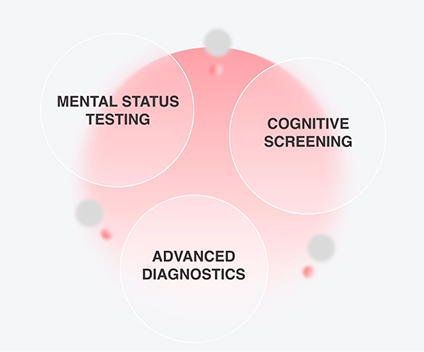
Show moreMacao’s dementia care pathway follows a tiered, referral-based model, beginning with free primary-care cognitive assessments where general practitioners screen for memory or functional “red flags.” Patients are referred to public or private specialist hospitals, with diagnostics, case management, and comprehensive testing provided at the Memory/Dementia Medical Center or private facilities. Imaging like CT and MRI is widely available, while PET/CT, genetic tests, and biomarkers are mainly private or tertiary-centre services, often patient-funded. Wait times for initial specialist assessment have dropped below one month, but post-diagnosis day-care and residential services remain limited. NGOs, including the Macao Alzheimer’s Disease Association, support awareness, caregiver education, and community engagement. While public services are subsidized, reliance on private diagnostics creates socio-economic disparities, and early detection depends heavily on GP judgment, patient initiative, and access to specialized testing.
Diagnosis pathway
Macao’s dementia pathway follows a tiered, referral-based model starting in public primary health centres, where general practitioners screen for cognitive “red flags.” Patients are referred to specialist hospitals, public or private, for diagnostics and case management. Since the 2016 Macao Dementia Policy, an integrated “one-stop” model links early detection with continuous care via a Cognitive Assessment Network, a hospital-based Memory/Dementia Medical Center, and a Dementia Support Center. NGOs like the Macao Alzheimer’s Disease Association complement services through community awareness, assessments, and caregiver support.
Macao’s dementia pathway is structured around a tiered, referral-based model that begins in the public primary care network. Residents typically enter the system through one of the nine public primary health centres, where general practitioners (GPs) conduct the first assessment and screen for cognitive “red flags”, such as memory decline, disorientation, and functional impairment. When such indicators are present, people are referred to specialist services at the Conde de São Januário Hospital Centre (CHCSJ), the primary public hospital, or to major private hospitals such as Kiang Wu or the Macau University of Science and Technology (MUST) Hospital.
Since the introduction of the 2016 Macao Dementia Policy, The territory has formalized an integrated “one-stop” model designed to link early detection with continuous care. The policy established:
• A Cognitive Assessment Network embedded in primary health centres.
• A Memory/Dementia Medical Center at the hospital level for specialist diagnostics, imaging, and case management.
• A Dementia Support Center providing post-diagnostic counselling, carer education, community support, and case coordination.
This architecture operationalizes the policy mandate of early prevention, detection, diagnosis, treatment and support and aims to deliver a seamless transition from screening to long-term care. In practice, individuals with sufficient financial resources may bypass public queues and seek assessment in private neurology and psychiatry clinics. Meanwhile, non-governmental organisations (NGOs), especially the Macao Alzheimer’s Disease Association (MADA), play an important complementary role by promoting community awareness, running free or low-cost cognitive assessments, providing education, and directing families into appropriate referral pathways.
- https://www.gov.mo/en/services/ps-1545/ps-1545a/
- https://www.gcs.gov.mo/detail/en/N25IGbz2Ae?menu=Cooperation+Zone
- https://www.iam.gov.mo/macaostreets/en/spotdetail/article/krbg6c2e.html
- https://www.must.edu.mo/page/id-14148.html?locale=en_US
- https://www.researchgate.net/publication/382640230_Implementation_of_the_Macao_dementia_policy_a_scoping_review_for_the_way_forward
- https://www.pacificprime.hk/blog/healthcare-macau/
- https://www.mada.org.mo/?lang=en
Wait times
Since the Memory/Dementia Medical Center’s creation, specialist wait times dropped from over six months to under one month, though post-diagnosis day-care and residential services remain limited, leaving families reliant on informal or costly private care.
Government and academic evaluations indicate substantial improvements in access since the creation of the Memory/Dementia Medical Center. Prior to 2016, the typical wait for a specialist cognitive diagnostic appointment reportedly exceeded six months, reflecting both low capacity and fragmented referral processes. The integrated network has reduced this significantly: current reviews suggest waiting times are now often under one month, particularly for first diagnostic evaluation after referral, following streamlined triage and dedicated scheduling systems.
However, post-diagnosis service capacity remains an ongoing challenge. While outpatient diagnostic waiting times have improved, day-care and residential dementia services are still constrained by limited supply. Families frequently face long waits for residential placements, and some rely on informal care or private long-term care options that are costly and uneven in quality.
- https://www.frontiersin.org/journals/public-health/articles/10.3389/fpubh.2024.1400172/full
- https://journals.sagepub.com/doi/10.1177/1471301219887612
- https://globaldementia.org/ru/macao-dementia-policy-challenges-and-prospects
- https://www.frontiersin.org/journals/public-health/articles/10.3389/fpubh.2024.1400172
Diagnosis cost
Primary-care cognitive assessments are free for Macao residents, while CHCSJ specialist services are heavily subsidized, with auxiliary tests included. Private diagnostics, including neurology consultations, MRI/PET imaging, and genetic testing, require self-payment, creating socio-economic disparities in access.
Primary-care services at government health centres are free for Macao residents, ensuring cost-free initial access to cognitive assessment. Specialist consultations and testing at CHCSJ are heavily subsidized: hospital services for residents are typically charged at 70% of the actual cost, with additional concessions for vulnerable groups (older adults with low income, people living with chronic disease, etc.). Once referred through primary care, people can access auxiliary examinations (imaging, laboratory tests) within CHCSJ’s public system without extra fees. Private-sector diagnostic pathways (additional neurology consultations, private MRI/PET imaging, and genetic testing) are self-pay and can be significantly more expensive, creating a socio-economic divide in access to advanced diagnostics.
Cognitive tests
Macao’s primary-care network uses brief screening tools like MMSE and MoCA to detect memory or functional “red flags,” triggering referrals to hospital-level assessments. Comprehensive testing occurs at the Memory/Dementia Medical Center or private hospitals, with early detection reliant on GP judgment and patient initiative.
Imaging tests
Macao offers CT and MRI widely, while PET/CT, used for atypical cases or biomarker-supported diagnoses, is mainly private and often patient-funded unless publicly justified.
- https://apps.tdm.com.mo/en/news-detail/931800
- https://www.macaubusiness.com/conde-s-januario-hospital-expansion-inaugurated/#:~:text=The%20health%20center%20is%20also%20equipped%20with,of%20infectious%20diseases%20and%20serious%20health%20conditions.
- https://www.uh.org.mo/en/auxiliary/imaging
- http://www.mrta.org.mo/en_xhjs.aspx?id=151
- https://www.kwh.org.mo/kwh
- https://www.gov.mo/en/news/370277/
- https://www.facebook.com/mdtimes/posts/union-hospital-introduces-first-pet-mr-spect-ct-systemsthe-macao-union-hospital-/1276674587815424/
Genetic tests
Genetic testing is not part of Macao’s public dementia pathway; families seeking APOE or early-onset testing typically pursue private, cross-border services.
Biomarker tests
CSF and blood-based biomarkers in Macao are rarely available, typically limited to tertiary centers or regional collaboration.
Cognitive Tests
Cognitive Tests
Macao’s primary-care network uses brief screening tools like MMSE and MoCA to detect memory or functional “red flags,” triggering referrals to hospital-level assessments. Comprehensive testing occurs at the Memory/Dementia Medical Center or private hospitals, with early detection reliant on GP judgment and patient initiative.
Imaging Tests
Imaging Tests
Macao offers CT and MRI widely, while PET/CT, used for atypical cases or biomarker-supported diagnoses, is mainly private and often patient-funded unless publicly justified.
- https://apps.tdm.com.mo/en/news-detail/931800
- https://www.macaubusiness.com/conde-s-januario-hospital-expansion-inaugurated/#:~:text=The%20health%20center%20is%20also%20equipped%20with,of%20infectious%20diseases%20and%20serious%20health%20conditions.
- https://www.uh.org.mo/en/auxiliary/imaging
- http://www.mrta.org.mo/en_xhjs.aspx?id=151
- https://www.kwh.org.mo/kwh
- https://www.gov.mo/en/news/370277/
- https://www.facebook.com/mdtimes/posts/union-hospital-introduces-first-pet-mr-spect-ct-systemsthe-macao-union-hospital-/1276674587815424/
Genetic Tests
Genetic Tests
Genetic testing is not part of Macao’s public dementia pathway; families seeking APOE or early-onset testing typically pursue private, cross-border services.
- https://apps.tdm.com.mo/en/news-detail/931800
- https://www.macaubusiness.com/conde-s-januario-hospital-expansion-inaugurated/#:~:text=The%20health%20center%20is%20also%20equipped%20with,of%20infectious%20diseases%20and%20serious%20health%20conditions.
- https://www.uh.org.mo/en/auxiliary/imaging
- http://www.mrta.org.mo/en_xhjs.aspx?id=151
- https://www.kwh.org.mo/kwh
- https://www.gov.mo/en/news/370277/
- https://www.facebook.com/mdtimes/posts/union-hospital-introduces-first-pet-mr-spect-ct-systemsthe-macao-union-hospital-/1276674587815424/
Biomarker Tests
Biomarker Tests
CSF and blood-based biomarkers in Macao are rarely available, typically limited to tertiary centers or regional collaboration.
Treatment & Care
Treatment & care
Show moreMacao’s dementia services operate through a compact public health network. Primary-care referrals link patients to the Memory/Dementia Medical Center at CHCSJ or private hospitals for diagnostics, follow-up, and case management. The Dementia Support Center provides cognitive stimulation, education, behavioural guidance, and limited respite, while NGOs such as MADA and Caritas expand community-based support and caregiver training. Public services are subsidized, but private care is costly. Despite policy advances, gaps remain in day-care, residential care, and dementia-specific palliative support, leaving caregivers burdened.
Specialized facilities and services
Macao’s dementia services are structured around a compact, multi-layered public health network. Primary-care referrals link patients to the Memory/Dementia Medical Center at CHCSJ or private hospitals like Kiang Wu, coordinating diagnostics, follow-up, and case management. The Dementia Support Center provides post-diagnosis services, including cognitive stimulation, education, behavioural guidance, and limited respite. NGOs such as the Macao Alzheimer’s Disease Association, Caritas Macao, and Kiang Wu Nursing College expand capacity through community screening, caregiver support, training, and dementia-friendly activities. Despite progress from the 2016 Dementia Policy and Ten-Year Elderly Services Plan, gaps remain in day-care and residential care, while dementia-specific palliative pathways continue developing.
Macao operates a relatively compact but multi-layered dementia-service ecosystem built around its public health network. At the core is the primary-care referral structure, which anchors memory services within government facilities and ensures that diagnostic workups, follow-up consultations, and case management can be coordinated through the Memory/Dementia Medical Center at the public CHCSJ or private hospitals such as, Kiang Wu Hospital. The government also established a Dementia Support Center, which functions as a community hub for post-diagnosis assistance offering cognitive stimulation sessions, psychoeducation, behavioural-management guidance, and limited respite-like programming.
Parallel to this public backbone, several non-governmental organizations (NGOs) expand capacity and reach. The Macao Alzheimer’s Disease Association (MADA) conducts community screening days, carer workshops, and public-awareness campaigns. Caritas Macao runs day-care and social-service programmes that include dementia-friendly engagement, while Kiang Wu Nursing College provides outreach and training initiatives that strengthen professional and community competencies. Together, these organizations contribute day-care services, carer support groups, counselling, and dementia-friendly community activities.
The Ten-Year Action Plan for Elderly Services (2016–2025) and the 2016 Dementia Policy jointly expanded service capacity, particularly through formalizing referral networks and creating the Dementia Support Center. Nevertheless, policy reviews continue to highlight shortages, especially in the supply of dementia day-care places and the long waiting times for residential long-term care, which remain a major pressure point as the population ages. Palliative care is available in hospital settings, but dementia-specific palliative pathways, including anticipatory care planning, behavioural symptom management, and carer support at end-of-life, are still maturing.
Approved medication
| Generic Name | Trade Name | Used for |
|---|---|---|
| Donepezil | Aricept, Aricept ODT, Adlarity, Eranz, Memac, Alzepil, Davia, Donecept, Donep, Donepex, Donesyn, Dopezil, Yasnal, Memorit, Pezale, Redumas, Zolpezil, Namzaric* | Donepezil is indicated for the symptomatic treatment of mild to moderately severe Alzheimer’s dementia. |
| Rivastigmine | Exelon, Exelon Patch, Prometax, Rivastach, Nimvastid | Symptomatic treatment of mild to moderately severe Alzheimer’s dementia. Symptomatic treatment of mild to moderately severe dementia in patients with idiopathic Parkinson’s disease. |
| Galantamine | Razadyne, Razadyne ER, Reminyl, Reminyl XL, Nivalin, Lycoremine, Galsya | Galantamine is indicated for the symptomatic treatment of mild to moderately severe dementia of the Alzheimer type. |
| Memantine | Namenda, Namenda XR, Ebixa, Memary, Axura, Akatinol, Maruxa, Nemdatine, Namzaric* | Treatment of adult patients with moderate to severe Alzheimer’s disease. |
*Namzaric = combination of Donepezil and Memantine
Treatment cost
Macao’s public system subsidizes specialist consultations and most dementia medications, keeping out-of-pocket costs low, while private hospitals operate on a self-pay model with higher fees for consultations, imaging, medications, and optional services, offering faster or more flexible access.

The public system in Macao maintains a strong subsidy framework: specialist consultations at CHCSJ and most dementia-related medications are offered at reduced cost for residents, subject to formulary rules, eligibility criteria, and staged dispensing policies. This means that the majority of standard Alzheimer’s disease drugs, when prescribed through the public pathway, are available at low out-of-pocket cost. However, if a medication is non-formulary, temporarily unavailable, or if a family opts to obtain it privately (including brand-name products), the cost becomes fully out-of-pocket. Private hospitals and clinics operate on a self-pay model, where consultation fees, imaging, pharmacotherapy, and optional services (e.g., genetic testing, private PET-CT) can be substantially higher. Families who prefer private continuity-of-care or faster access generally absorb these costs. Overall, the public model reduces financial barriers for typical cases, while the private sector offers speed and convenience at higher expense.
Caregiver support
Caregiver support in Macao combines government and NGO initiatives, centred on the Dementia Support Center, which provides cognitive stimulation, caregiver training, psycho education, and respite-like activities. NGOs such as MADA and Caritas offer helplines, workshops, support groups, and awareness campaigns, promoting early help-seeking and practical care skills. Community engagement is encouraged through dementia-friendly activities and volunteer programs. While general cash allowances exist, dementia-specific financial support is limited, and structured respite and day-care services remain insufficient, leaving caregivers burdened and support fragmented.
Carer support in Macao is delivered through a mix of government and NGO partnerships, reflecting the policy emphasis on community-based care and dementia-friendly environments. Initiatives are anchored by the Dementia Support Center, which offers structured cognitive stimulation sessions, psycho education, carer training, and respite-like activities that help reduce carer load. NGOs such as MADA and Caritas run helplines, workshops, support groups, and dementia-awareness campaigns that encourage early help-seeking and equip families with practical skills for behavioural management and daily care.
These programs also support community engagement through dementia-friendly neighbourhood activities, volunteer mobilization, and public education events. While Macao provides general cash allowances for older residents and low-income families, these are not dementia-specific carer subsidies, meaning financial relief for families caring for people living with severe impairment is limited. Policy reviews emphasize the importance of expanding structured respite, day-care provision, and behavioural-support services to better serve the growing dementia population.
Although the government introduced a Caregiver Subsidy Pilot Scheme in 2020-2021, it applied only to care partners of people living with severe intellectual disabilities or those who are permanently bedridden, excluding most carers of people living with dementia. As a result, support remains fragmented and financially inadequate, increasing the load on families and potentially affecting the well-being of both carers and people living with dementia.
- https://www.frontiersin.org/journals/public-health/articles/10.3389/fpubh.2024.1400172/full
- https://caritas.org.mo/en/services-for-elderly
- https://www.mada.org.mo/index.php?/category/Overview?lang=en
- https://caritas.org.mo/en/services-for-elderly/
- https://www.mada.org.mo/
- https://www.frontiersin.org/journals/public-health/articles/10.3389/fpubh.2024.1400172/full
- https://www.sciencedirect.com/science/article/abs/pii/S0197457224001253
Policy
Policy
Show moreMacao’s dementia framework is guided by the 2016 Dementia Policy within the Ten-Year Action Plan for Elderly Services, enhancing primary-care screening, hospital diagnostics at CHCSJ, and community-based support via the Dementia Support Center. By 2021, ADI recognized the territory as a Stage 5A “Advanced Implementation” exemplar. Post-2025 goals emphasize coordinated care, dementia-friendly environments, early detection, NGO partnerships, workforce development, and long-term care expansion. Persistent structural, regulatory, and cultural challenges, including fragmented oversight, limited residential options, absence of statutory caregiver protections, stigma, and traditional home-care expectations, continue to impede equitable access and place significant strain on families and caregivers.
National dementia plan
Macao’s dementia governance is anchored in the 2016 Dementia Policy within the Ten-Year Action Plan for Elderly Services. It strengthened cognitive assessment networks, hospital-based diagnostics at CHCSJ, and community support through the Dementia Support Center. The policy emphasized medical services, social participation, professional capacity, public education, and tracking systems, positioning dementia care as a core component of ageing reform. By 2021, ADI recognized Macao as a Stage 5A “Advanced Implementation” model for its integrated, policy-driven dementia service framework.
Macao’s dementia governance is anchored in the Macao Dementia Policy (2016), released as a dedicated pillar within the broader Ten-Year Action Plan for Elderly Services (2016–2025). The plan integrated dementia objectives across short-, mid-, and long-term phases and focused on improving medical and social care infrastructure. Key priorities included strengthening cognitive assessment and specialist services, expanding memory clinics and long-term care, enhancing public education and prevention efforts, building professional capacity, and establishing tracking and registry systems. Overall, the Ten-Year Action Plan is structured around four pillars, medical services, rights protection, social participation, and living environment, encompassing 445 measures aimed at creating an inclusive society where older adults are supported, valued, and able to participate actively. Within this framework, dementia care is positioned as a central component of broader ageing policy reform.
This policy formalized a territory-wide framework for optimizing of services, and service configurations, public education, capacity building of care providers and a tracking and registry system. Under this framework, all primary health centres operate cognitive assessment networks, ensuring that front-line clinicians can identify early cognitive decline and trigger standardized referrals to higher-level services. At the hospital level, the creation of the Dementia Medical Center at CHCSJ consolidated diagnostic expertise, imaging capacity, and case management, while the Dementia Support Center expanded community-based follow-up, caregiver education, cognitive-stimulation programmes, and psychosocial support. By 2021, this integrated model was recognized internationally as Alzheimer’s Disease International (ADI) classified Macao as a “Stage 5A – Advanced Implementation” role model, noting its rare combination of formalized policy, operational services, and measurable system strengthening.
Upcoming plans
By 2024, Macao completed 85 of 100 long-term Elderly Services measures. Post-2025 priorities focus on integrated care, dementia-friendly communities, early detection, NGO collaboration, and expanded training and long-term care infrastructure.
According to the 2025 Macao Yearbook, the territory reported substantial progress in implementing system reforms, such as 85 of the 100 long-term measures under the Plan for the Elderly Services (2021–2025) were completed by 2024. The next planning cycle will prioritize continuity, strengthening the integration of medical and social care, embedding dementia-friendly design principles into community planning, expanding capacity for cognitive assessment and early detection, and scaling NGO-government collaborations. Forward-looking elements also emphasize improved long-term care infrastructure, expansion of dementia-friendly transport and community environments, and development of professional training pathways to meet demographic pressures. Collectively, these priorities set the stage for a post-2025 dementia policy architecture, likely to build on the existing referral networks while enhancing biomarker availability, multi-sector coordination, and community-based support.
Policy gaps
Legal barriers
Cultural barriers
In Macao, cultural norms strongly shape dementia outcomes and help-seeking. Many older adults and families view cognitive decline as normal ageing, delaying diagnosis. Stigma and expectations of family caregiving discourage early professional support. Caregivers often lack training, increasing stress, while resistance to residential placement adds emotional strain. Limited awareness, stigma, traditional caregiving norms, and reluctance to use formal services reinforce under-diagnosis and intensify caregiver burden, making cultural barriers as significant as structural and legal challenges in achieving equitable, timely dementia care.
Alongside regulatory constraints, deeply rooted cultural patterns shape help-seeking behaviour and influence dementia outcomes in Macao. Public awareness of dementia remains inconsistent, and many older adults and families still interpret symptoms such as forgetfulness, behavioural changes, or social withdrawal as part of normal ageing. This contributes to delayed diagnosis, sometimes even after noticeable functional impairment has already occurred. Stigma also plays a role as in Chinese-Macanese culture, cognitive decline may be viewed as a source of embarrassment, leading some families to hide symptoms or avoid discussing them with primary-care providers.
Caregiving norms further compound these challenges. Traditionally in Chinese culture older adults expect to be cared for at home by family members, usually daughters or daughters-in-law, which can create pressure to “manage quietly” rather than seek early professional assessment. Even when families recognize symptoms, they may hesitate to approach formal services until the disease becomes unmanageable. Additionally, many carers lack training in dementia communication or behavioural management, increasing stress and burnout.
These cultural expectations also influence long-term care transitions: families may resist residential placement, even when clinically appropriate, because it conflicts with expectations of filial piety. Conversely, when placement becomes unavoidable, navigating long waiting lists creates guilt, emotional strain, and feelings of failure. Altogether, limited public awareness, stigma, traditional caregiving norms, and reluctance to use formal services collectively reinforce under-diagnosis and intensify carer load, making cultural barriers as significant as the structural and legal ones
Research
Research
Show moreMacao has built an integrated dementia care system linking primary screening, hospital diagnostics, and community support, while Kiang Wu Nursing College strengthens caregiver training, volunteer programs, and public engagement, ensuring more accessible, coordinated, and dementia-friendly services.
Selected academic institutions
Clinical trials and registries
While Macao maintains the Macao Dementia Registry (MDR) for surveillance and quality improvement, no separate Macao-specific interventional Alzheimer’s disease trial registry is public, and patients typically access trials via regional (China/HK) platforms.
Selected innovative methods
Macao’s government-NGO model integrates dementia care from primary screening to CHCSJ diagnostics and Dementia Support Center follow-up, while Kiang Wu Nursing College enhances caregiver training, volunteer engagement, counselling, and community cognitive-support, improving skills and public access.
Macao’s combined government-NGO architecture has developed a one-stop integrated dementia model, linking screening, diagnostic confirmation, and post-diagnostic support under a unified pathway. Primary care centres conduct systematic cognitive assessments, CHCSJ provides diagnostic workups and case management and the Dementia Support Center delivers cognitive stimulation, psycho-education, psychosocial support, and signposting. This coordinated model reduces fragmentation and ensures smoother transitions across care settings.
A key contributor to community innovation is the Kiang Wu Nursing College (KWNC), whose programme “Benevolence Lights Up My Later Life” expands training for caregivers, nursing students, and community volunteers. It also provides hotlines, psychosocial counselling, and community cognitive-support services. Evaluations highlight its role in strengthening professional competencies and widening public access to dementia-friendly practices, especially important in a territory with rapidly ageing demographics.
Support
Support
Show moreMacao’s dementia initiatives integrate public campaigns, memory centres, helplines, training programs, and outreach activities to reduce stigma, promote early help-seeking, and build caregiver and professional capacity. While there are no dedicated dementia media, government, NGO, academic, and mainstream channels disseminate updates and educational content, reinforcing public awareness, community engagement, and access to support services. Together, these efforts strengthen a coordinated, inclusive dementia ecosystem that supports patients, families, and professionals across the territory.
Selected national associations, patient family associations, NGOs:
Selected initiatives
Macao’s dementia ecosystem combines public campaigns, memory centres, helplines, and training programs to raise awareness, reduce stigma, and support early help-seeking. NGOs, government units, and educational institutions provide caregiver and professional training, outreach services, and cognitive activities, collectively fostering inclusion, enhancing skills, and strengthening the territory’s dementia support network.
Dementia-Friendly Community
MADA Memory Centres
Dedicated media outlets
Macao lacks dedicated dementia media, but government portals, NGOs, academic institutions, and mainstream outlets share updates, educational materials, and awareness campaigns, supporting public knowledge, early help-seeking, and engagement with services and policy developments.