

Maldives
The Maldives combines universal financial coverage through the Husnuvaa Aasandha scheme with a highly centralised care model, where most dementia diagnosis and specialist management occur at the tertiary level in Malé rather than through primary health care. Dementia pathways remain early-stage, with limited in-country diagnostics, heavy reliance on overseas referrals for advanced testing, and significant navigation and awareness roles played by NGOs, while a national dementia strategy is still under development, and primary healthcare underutilisation continues to shape delayed diagnosis.

AD Rating
Diagnostic Pathway
Specialized Care
Caregiver Support
National Policies
Access to ATT-s
Highlights

Population
Median age
Health expenditure (% of GDP)
Diagnosis
Diagnosis
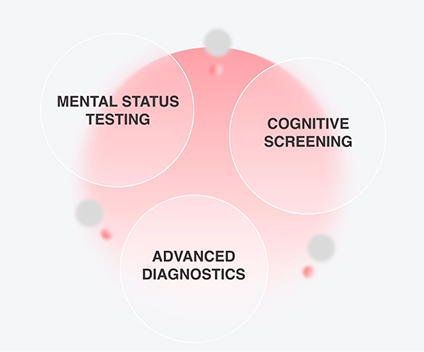
Show moreIn the Maldives, dementia diagnosis is covered under the universal Aasandha insurance scheme and is primarily conducted at secondary and tertiary hospitals, particularly in Malé, as primary care is often bypassed. Assessment relies on clinical evaluation and CT/MRI imaging, while standardised cognitive protocols are limited. Advanced diagnostics, such as PET imaging, genetic testing, and biomarkers, are not available in-country and require overseas referral. Waiting times are not formally documented, and access outside Malé can be more challenging due to geographic dispersion.
Diagnosis pathway
The Maldives operates universal health coverage under the Husnuvaa Aasandha scheme, which provides free access to consultations, diagnostics, medications, and hospital care. Although the system is designed with a primary health care (PHC) referral pathway, PHC services are underutilised and often bypassed. Many patients, particularly in Malé, seek care directly at secondary or tertiary hospitals, as primary care facilities are perceived as limited in scope and resources. As a result, specialist-level services play a central role in diagnosis.
Husnuvaa Aasandha is a universal health coverage scheme launched by the Government of Maldives in 2014 to ensure free and comprehensive healthcare for all Maldivian citizens. It expanded the earlier Aasandha scheme by removing the annual spending cap, providing unlimited access to inpatient and outpatient care, diagnostics, medications, emergency transport, preventive check-ups, maternity care, and support for people with chronic, terminal, or special health needs, fully funded by the state and administered by Aasandha Company Limited.
The diagnosis pathway in the Maldives is characterised by the underutilisation of the Primary Health Care (PHC) system, which is intended as the first point of contact for the population. The healthcare system is designed with a formal referral pathway, but it is not well developed, and patients can enter the system at any point they prefer. According to the World Health Organization, the PHC system is not well organised because the health system has historically prioritised hospital-based and curative services over preventive and community-level care, leaving PHC facilities under-resourced, weakly integrated, and limited in clinical scope. As a result, public trust in PHC is low, and referral pathways are poorly enforced, leading many patients to bypass primary care altogether and seek diagnosis and treatment directly at secondary or tertiary facilities. This means that many patients, particularly in the capital, Malé, access specialist services directly at secondary and tertiary facilities.
Wait times
There are no published dementia-specific waiting time data in the Maldives, so the length of delays cannot be formally confirmed. Access is generally faster in Malé, where services are centralised, while patients in the outer atolls face greater challenges due to geographic dispersion and limited specialist availability. Some diagnostic and specialist services are not available domestically and require referral abroad under the national insurance scheme.
There are no dementia-specific, published waiting-time audits in the Maldives, so access to assessment and diagnosis must be inferred from how services are organised rather than from formal performance data. In practice, access is generally faster in Malé, where the national tertiary hospital and senior clinics concentrate specialist capacity and diagnostic services, while access across the atolls is more uneven due to geographic dispersion, limited specialist staffing, and dependence on referral pathways to the capital. To address these structural gaps, the Aasandha universal health insurance scheme includes a clearly defined overseas referral pathway, allowing patients to receive diagnostics or specialist consultations abroad when such services are unavailable domestically; this mechanism is designed to compensate for capacity constraints rather than to standardise or reduce domestic waiting times. Together, these features produce a system characterised by capital-centric access, variable timelines outside Malé, and reliance on external referrals, rather than one governed by audited, dementia-specific waiting-time benchmarks.
Diagnosis cost
Under the universal Aasandha insurance scheme, consultations, basic cognitive assessments, and CT/MRI imaging available in the Maldives are generally covered when accessed through approved pathways. If services are unavailable domestically, overseas referral can also be financed following specialist approval. However, care outside official pathways, expedited overseas testing, or discretionary services, such as genetic testing, are typically paid out of pocket, creating differences in access depending on administrative approval and personal resources.
Maldives operates a universal health insurance scheme, Aasandha, which covers Maldivian citizens for GP and specialist consultations, as well as indicated diagnostic procedures in empanelled public and private facilities. Dementia-related assessments, including consultations, basic cognitive testing, and CT/MRI imaging available in-country, are generally financed through Aasandha when accessed via approved referral pathways. When required services are unavailable domestically, Aasandha provides a mechanism for overseas referral and coverage, subject to specialist recommendation and administrative approval. However, care sought outside Aasandha pathways, such as non-empanelled private services, expedited overseas diagnostics without referral, or discretionary testing (e.g., genetic testing), is typically paid out-of-pocket. In practice, this creates a two-tier dynamic: core diagnostic services are universally covered, while advanced or expedited diagnostics depend on referral success, administrative capacity, and patient ability to navigate the system.
Cognitive tests
There is no evidence of standardised cognitive tests (e.g., MMSE, MoCA) being in routine, standardised use for dementia diagnosis. The national health system lacks approved guidelines and standards for dementia care. Historically, identification of cognitive decline has occurred when families raise concerns or when functional impairment becomes evident during primary-care or hospital encounters. Since 2024–2025, however, there has been a notable shift toward earlier community engagement. The Alzheimer’s Society of Maldives (ASM), in partnership with local authorities and health actors, has begun running targeted community screening and awareness activities aimed at identifying suspected dementia cases and key risk factors. A 2025 protocol outlines city-level screening initiatives in Malé, Addu City, Fuvahmulah, and Kulhudhuffushi, signaling a move toward geographically focused, risk-based detection rather than nationwide universal screening. While these efforts remain pilot-scale and awareness-oriented, they represent the first structured attempt to identify cognitive impairment earlier and outside hospital settings, particularly in urban population centres where access and follow-up are more feasible.
Imaging tests
Structural computed tomography (CT) scans and magnetic resonance imaging (MRI) are available in the Maldives and listed as services in both the main public hospital, Indira Gandhi Memorial Hospital (IGMH), and the main private hospital, ADK Hospital. These modalities are primarily used to exclude secondary causes of cognitive decline (such as stroke, tumours, or hydrocephalus) and to support differential diagnosis. Advanced molecular imaging for dementia, most notably amyloid-positron emission tomography (PET) or tau-PET, is not described as part of routine clinical practice in the Maldives and is not currently available in-country. When such imaging is considered clinically necessary (for example, in atypical or early-onset cases), access is typically arranged overseas under the Aasandha referral mechanism. As a result, diagnostic certainty relies heavily on clinical assessment and structural imaging, with molecular confirmation reserved for a very small subset of patients able to navigate overseas referral pathways.
Genetic tests
There is no evidence that genetic testing is available as a routine clinical service. In rare cases, such as a strong family history or suspected early-onset disease, genetic testing may be pursued, but this is typically arranged privately or through overseas laboratories rather than within the public system. Coverage under Aasandha is not standardised for genetic testing, and access depends on individual clinical justification, referral approvals, and the availability of overseas diagnostic partners. Consequently, genetics currently plays a marginal and ad hoc role in dementia diagnosis in the Maldives.
Biomarker tests
Advanced Alzheimer’s disease biomarkers, including cerebrospinal fluid (CSF) amyloid-β and tau analysis, or emerging blood-based biomarkers, are not documented as part of standard clinical practice in the Maldivian health system. Tertiary clinicians primarily rely on clinical history, caregiver reports, cognitive testing, and structural imaging to reach a diagnosis. Where biomarker confirmation is considered necessary, such as in diagnostically ambiguous cases or for potential trial eligibility, testing is typically pursued abroad under Aasandha referral rules. This reliance on overseas access reflects both infrastructure limitations and the absence of formal national guidance integrating biomarkers into routine dementia care. As a result, most diagnoses are syndromic rather than biologically confirmed, consistent with service-led models in small island health systems.
Cognitive Tests
Cognitive Tests
There is no evidence of standardised cognitive tests (e.g., MMSE, MoCA) being in routine, standardised use for dementia diagnosis. The national health system lacks approved guidelines and standards for dementia care. Historically, identification of cognitive decline has occurred when families raise concerns or when functional impairment becomes evident during primary-care or hospital encounters. Since 2024–2025, however, there has been a notable shift toward earlier community engagement. The Alzheimer’s Society of Maldives (ASM), in partnership with local authorities and health actors, has begun running targeted community screening and awareness activities aimed at identifying suspected dementia cases and key risk factors. A 2025 protocol outlines city-level screening initiatives in Malé, Addu City, Fuvahmulah, and Kulhudhuffushi, signaling a move toward geographically focused, risk-based detection rather than nationwide universal screening. While these efforts remain pilot-scale and awareness-oriented, they represent the first structured attempt to identify cognitive impairment earlier and outside hospital settings, particularly in urban population centres where access and follow-up are more feasible.
Imaging Tests
Imaging Tests
Structural computed tomography (CT) scans and magnetic resonance imaging (MRI) are available in the Maldives and listed as services in both the main public hospital, Indira Gandhi Memorial Hospital (IGMH), and the main private hospital, ADK Hospital. These modalities are primarily used to exclude secondary causes of cognitive decline (such as stroke, tumours, or hydrocephalus) and to support differential diagnosis. Advanced molecular imaging for dementia, most notably amyloid-positron emission tomography (PET) or tau-PET, is not described as part of routine clinical practice in the Maldives and is not currently available in-country. When such imaging is considered clinically necessary (for example, in atypical or early-onset cases), access is typically arranged overseas under the Aasandha referral mechanism. As a result, diagnostic certainty relies heavily on clinical assessment and structural imaging, with molecular confirmation reserved for a very small subset of patients able to navigate overseas referral pathways.
Genetic Tests
Genetic Tests
There is no evidence that genetic testing is available as a routine clinical service. In rare cases, such as a strong family history or suspected early-onset disease, genetic testing may be pursued, but this is typically arranged privately or through overseas laboratories rather than within the public system. Coverage under Aasandha is not standardised for genetic testing, and access depends on individual clinical justification, referral approvals, and the availability of overseas diagnostic partners. Consequently, genetics currently plays a marginal and ad hoc role in dementia diagnosis in the Maldives.
Biomarker Tests
Biomarker Tests
Advanced Alzheimer’s disease biomarkers, including cerebrospinal fluid (CSF) amyloid-β and tau analysis, or emerging blood-based biomarkers, are not documented as part of standard clinical practice in the Maldivian health system. Tertiary clinicians primarily rely on clinical history, caregiver reports, cognitive testing, and structural imaging to reach a diagnosis. Where biomarker confirmation is considered necessary, such as in diagnostically ambiguous cases or for potential trial eligibility, testing is typically pursued abroad under Aasandha referral rules. This reliance on overseas access reflects both infrastructure limitations and the absence of formal national guidance integrating biomarkers into routine dementia care. As a result, most diagnoses are syndromic rather than biologically confirmed, consistent with service-led models in small island health systems.
Treatment & Care
Treatment & care
Show moreIn the Maldives, dementia care is centralised in Malé, mainly at Indira Gandhi Memorial Hospital and the National Centre for Mental Health, with no nationwide memory-clinic network. Standard symptomatic medications are available and covered under the universal Aasandha insurance scheme, making core medical care largely free at the point of use. However, access outside major hubs is limited by geography, and families often face indirect costs such as travel and accommodation. Caregiving remains primarily family-based, with the Alzheimer’s Society of Maldives providing education, awareness, and practical support rather than financial assistance.
Specialized facilities and services
The Maldives does not have a nationwide network of memory clinics, and dementia care is largely centralised in Malé, primarily at Indira Gandhi Memorial Hospital and the National Centre for Mental Health. Services are hospital-based, with limited specialist capacity outside major population centres. The Alzheimer’s Society of Maldives provides navigation and family support, but community and long-term care services remain limited—especially across the outer atolls, where geographic dispersion and staffing constraints affect continuity of care.
Maldives does not have a formal, nationwide memory-clinic network or a dedicated dementia care pathway embedded across all atolls. In practice, specialist diagnosis, treatment initiation, and follow-up are concentrated in Malé, primarily at Indira Gandhi Memorial Hospital (IGMH). Relevant services cluster around the National Centre for Mental Health, with additional involvement from geriatrics and internal-medicine clinics rather than stand-alone cognitive or memory units. This centralised model reflects both workforce constraints and the country’s geography, with specialist expertise and diagnostic capacity unevenly distributed beyond major population centres.
Non-governmental organisations (NGOs), most notably the Alzheimer’s Society of Maldives (ASM), play a critical navigation and support role, helping families understand referral pathways, access services, and manage follow-up once a diagnosis is made. Government policy on ageing and elderly care has increasingly acknowledged dementia as a growing challenge, with plans to expand community-based and residential long-term care services. However, implementation of such policies generally remains gradual, and access outside Malé, Addu City, and a handful of regional hubs is still constrained by inter-island travel, staffing shortages, and limited continuity of specialist follow-up. As a result, dementia care remains hospital-centric and urban-focused, with community and palliative services still in an early phase of development.
Approved medication
| Generic Name | Trade Name | Used for |
|---|---|---|
| Donepezil | Aricept, Aricept ODT, Adlarity, Eranz, Memac, Alzepil, Davia, Donecept, Donep, Donepex, Donesyn, Dopezil, Yasnal, Memorit, Pezale, Redumas, Zolpezil, Namzaric* | Donepezil is indicated for the symptomatic treatment of mild to moderately severe Alzheimer’s dementia. |
| Rivastigmine | Exelon, Exelon Patch, Prometax, Rivastach, Nimvastid | Symptomatic treatment of mild to moderately severe Alzheimer’s dementia. Symptomatic treatment of mild to moderately severe dementia in patients with idiopathic Parkinson’s disease. |
| Galantamine | Razadyne, Razadyne ER, Reminyl, Reminyl XL, Nivalin, Lycoremine, Galsya | Galantamine is indicated for the symptomatic treatment of mild to moderately severe dementia of the Alzheimer type. |
| Memantine | Namenda, Namenda XR, Ebixa, Memary, Axura, Akatinol, Maruxa, Nemdatine, Namzaric* | Treatment of adult patients with moderate to severe Alzheimer’s disease. |
*Namzaric = combination of Donepezil and Memantine
Treatment cost
Dementia treatment and follow-up in the Maldives are largely covered under the universal Aasandha insurance scheme when accessed through approved providers. Core medical care and prescribed medicines are generally free at the point of use. However, families often bear indirect costs, such as inter-island travel, accommodation, private services outside the network, or expedited overseas care, which can create financial strain, particularly for those living in outer atolls.

Treatment and follow-up for dementia are primarily financed through Aasandha, the Maldives’ universal health insurance scheme. When patients are assessed and treated in empanelled public or private facilities, prescribed medicines, outpatient follow-ups, and relevant monitoring are covered according to Aasandha reimbursement rules. This ensures that core medical management is largely free at the point of use for Maldivian citizens.
However, costs not directly linked to clinical services often fall on families. Inter-island transport for appointments, accommodation for escorts, and ancillary caregiving expenses are typically out-of-pocket unless explicitly covered under approved referral arrangements. Similarly, branded medicines, private providers outside the Aasandha network, or expedited overseas care chosen outside formal referral pathways require direct payment. These non-medical and logistical costs can become a significant burden, particularly for families living in outer atolls.
Caregiver support
Caregiver support in the Maldives is largely led by the Alzheimer’s Society of Maldives (ASM), which provides awareness campaigns, caregiver education, peer support, and guidance on navigating the health system. While government ageing policies signal plans to expand community- and home-based services, there are no dedicated caregiver allowances or dementia-specific financial benefits. As a result, day-to-day care remains primarily family-based, with NGOs offering psychosocial and practical support rather than direct financial assistance.
Caregiver support in the Maldives relies heavily on civil society rather than formal entitlements. The Alzheimer’s Society of Maldives (ASM) provides public awareness campaigns, caregiver education, peer support groups, and practical navigation assistance for families dealing with dementia. ASM’s role is particularly important in a system where clinical services are centralised, and families often struggle to understand referral processes and care options.
At the policy level, the government’s new elderly and ageing framework signals an intention to expand community-based and home-support services, potentially improving respite, social support, and continuity of care. However, publicly available policy documents do not specify dedicated cash benefits, caregiver allowances, or dementia-specific social transfers. As a result, the burden of day-to-day care remains predominantly family-based, with NGOs filling critical gaps in education and psychosocial support rather than providing financial relief.
Policy
Policy
Show moreThe Maldives does not yet have a formally adopted national dementia strategy. Dementia is currently addressed within broader ageing, mental health, and non-communicable disease frameworks, with a dedicated National Dementia Plan reportedly under development but not yet implemented. Recent ageing policies signal growing institutional recognition of dementia, yet legal provisions, long-term care standards, and operational service pathways remain limited. Public awareness is still evolving, and geographic dispersion across islands continues to shape access and continuity of care.
National dementia plan
The Maldives does not yet have a formally adopted national dementia strategy, although a National Dementia Plan has been under development in collaboration with the Alzheimer’s Society of Maldives and government ministries, with an expected launch in 2025 that has not yet occurred. Until formal adoption, dementia policy remains embedded within broader ageing, mental health, and NCD frameworks rather than implemented through a dedicated national pathway.
The Maldives does not yet have a formally adopted, stand-alone National Dementia Strategy, but a first national plan has been under active development. Work on the National Dementia Plan has been carried out in collaboration with the ASM and relevant government ministries, with an anticipated launch in 2025, which has not yet been implemented. This process reflects growing institutional recognition that dementia requires a coordinated response beyond hospital-based care, integrating health services, social support, caregiver assistance, and awareness-building.
While the plan has not yet been publicly released, the development process itself marks an important shift from ad hoc service delivery toward structured policy planning. ADI engagement suggests alignment with international best practice, including an emphasis on early diagnosis, community-based care, caregiver support, and stigma reduction. Until formal adoption, however, dementia policy remains fragmented, embedded across mental health, ageing, and non-communicable disease (NCD) frameworks rather than articulated as a single, enforceable national pathway.
Upcoming plans
In September 2025, the Maldives launched a National Policy on the Elderly (“Ageing with Dignity”), providing a broader framework for strengthening long-term care, health access, and social protection for older adults. While not dementia-specific, this policy creates space for integrating dementia into ageing and care systems once the dedicated National Dementia Plan is formally adopted. The main challenge will be translating policy commitments into funded services and workforce capacity across geographically dispersed islands.
In September 2025, the government launched a National Policy on the Elderly / Ageing with Dignity, providing a broader policy umbrella under which dementia-related commitments are expected to sit. This policy emphasises equitable access to health care, development of long-term care (LTC) services, and strengthened social protection mechanisms for older adults. Although not dementia-specific, the framework creates institutional space for formalising dementia pathways once the dedicated dementia plan is finalised.
International partners have reinforced this direction. WHO South-East Asia Regional Office (SEARO) notes that the Maldives has begun establishing national ageing and long-term care frameworks, while UN agencies in the Maldives have highlighted population ageing as a cross-sectoral development issue. In this context, dementia policy is likely to be integrated horizontally across health, social services, and community care, rather than treated as a narrow neurological or psychiatric concern. The key challenge will be translating these high-level policy commitments into funded programmes, trained workforce pipelines, and service coverage across geographically dispersed islands.
- https://www.unescap.org/sites/default/d8files/event-documents/S2_Maldives.pdf
- https://maldives.un.org/en/302556-ageing-dignity-maldives-sets-new-standard-older-citizens
- https://psmnews.mv/en/165217
- https://cdn.who.int/media/docs/default-source/searo/ageing-and-health/maldives.pdf
- https://maldives.un.org/en/307111-demographic-change-and-population-ageing-maldives-strengthening-response-through-un
Policy gaps
Legal barriers
There is currently no publicly available dementia-specific legislation in the Maldives addressing core issues such as decision-making capacity, guardianship, advance directives, or driving fitness. Legal protections for people living with dementia derive from general health, disability, and social welfare frameworks rather than tailored statutes. Similarly, long-term care standards are still being operationalised, leaving uncertainty around quality assurance, safeguarding, and formal recognition of informal caregivers. The absence of explicit dementia-related legal provisions risks inconsistency in practice, particularly as prevalence rises and cases become more complex.
Cultural barriers
At the societal level, dementia awareness remains relatively low, and symptoms are often normalised as part of “natural ageing,” delaying help-seeking and diagnosis. The Maldives’ multi-island geography further complicates continuity of care, as specialist services are centralised and repeated follow-up can be logistically difficult for families outside major urban centers. Stigma and limited understanding may discourage early referral, particularly in smaller communities. In response, ASM has prioritised public education, caregiver engagement, and city-level screening initiatives aimed at reducing stigma and promoting earlier recognition of cognitive decline. These efforts are beginning to shift norms but require sustained policy backing to achieve nationwide impact.
Research
Research
Show moreDementia research activity in the Maldives remains limited and is primarily centred around academic and clinical institutions such as Indira Gandhi Memorial Hospital and the School of Medicine at Maldives National University. There are currently no Alzheimer’s disease clinical trials conducted in-country, and no dementia-specific innovative research programmes reported.
Selected academic institutions
Clinical trials and registries
There is no publicly available registry of Alzheimer’s disease clinical trials conducted in the Maldives, and no evidence of locally hosted interventional Alzheimer’s disease trials. Patients and families seeking access to experimental therapies or observational studies typically rely on international registries such as ClinicalTrials.gov to identify opportunities in regional or global research hubs.
- ClinicalTrials.gov
Selected innovative methods
There are currently no dementia-specific innovative diagnostic or therapeutic programs in the Maldives. Service developments have focused on general system organization rather than the introduction of new dementia technologies or novel treatment models.
Innovation in the Maldivian dementia space is primarily operational rather than technological. The introduction of community screening and awareness protocols in 2025 represents a significant step toward earlier identification of cognitive impairment, particularly in urban centres such as Malé, Addu City, Fuvahmulah, and Kulhudhuffushi. These initiatives move detection upstream, away from crisis-driven hospital presentations.
At the service-delivery level, the development of Senior Citizens Clinics with options for home visits marks a shift toward age-friendly, person-centred care. Such models are particularly relevant in a geographically fragmented island system, where mobility and transport barriers can delay follow-up. Additionally, Aasandha’s structured overseas-referral framework functions as a system-level innovation, allowing patients to access advanced diagnostics and specialist expertise not available domestically. While not a substitute for local capacity, this mechanism helps bridge gaps in a small health system with constrained infrastructure.
Support
Support
Show moreDementia support in the Maldives is primarily driven by civil society, particularly the Alzheimer’s Society of Maldives (ASM), alongside organisations such as Aged Care Maldives and the Atmosphere Foundation. Activities focus on awareness campaigns, early-detection initiatives, caregiver education, and community engagement. While these efforts are important for visibility and family support, services remain largely project-based and are not yet embedded within a permanent, nationwide support system.
Selected national associations, patient family associations, NGOs:
Selected initiatives
The Alzheimer’s Society of Maldives (ASM) leads awareness and early-detection initiatives, including World Alzheimer’s Month activities, community screening pilots launched in 2025, caregiver workshops, and media campaigns, often in collaboration with government partners. While these efforts increase visibility and education, they remain largely project-based and are not yet embedded as permanent national programmes.
ASM
While these initiatives are impactful in raising visibility, they are largely project-based rather than institutionalised, relying on external partnerships and limited resources. Scaling them into permanent programmes, embedded within primary care or community health structures, remains a key challenge for long-term sustainability.
Deprecated: trim(): Passing null to parameter #1 ($string) of type string is deprecated in /home/bcdafabe/public_html/wp-content/themes/bricks-child/functions.php on line 752
Dedicated media outlets
The Maldives does not have dedicated dementia- or Alzheimer’s-specific media outlets. Information dissemination instead occurs through a mix of channels, including ASM’s social media platforms, pages of IGMH and the National Centre for Mental Health, and broader government or UN communications related to ageing and social policy. Social media plays a particularly important role in awareness-raising, given the country’s dispersed population and high digital connectivity.