

Mauritius
Mauritius stands out as a dementia management leader with its National ICOPE Strategic and Action Plan (2022 to 2026) that sets out ambitious objectives, such as a significant expansion of dementia screening capabilities and an integration of dementia care into the broader health framework. Maintaining a universal healthcare system and a comprehensive social safety net, which also encompasses caregivers, Mauritius works to alleviate the financial strains of caregiving within its aging population, thus making dementia treatment and care accessible to the majority of the population. However, Mauritius still lacks a national dementia registry, which could present an obstacle to properly grasping the extent of dementia within the country and, in turn, blunt future efforts at establishing a dementia management structure capable of handling the needs of its aging population.

AD Rating
Diagnostic Pathway
Specialized Care
Caregiver Support
National Policies
Access to ATT-s
Highlights

Population
Median age
Health expenditure (% of GDP)
Diagnosis
Diagnosis
Show moreMauritius has implemented early dementia screening initiatives as part of the National ICOPE Strategic and Action Plan (2022-2026), combining public awareness campaigns with systematic evaluations for older adults. Diagnosis follows international standards and begins with primary care physicians conducting MMSE, ADL, and IADL tests, before referring patients to neurologists or geriatric psychiatrists. Public hospitals provide specialist services, while private hospitals allow faster access. Imaging tests, including MRI and CT, are widely available, though PET scans are limited to oncology patients. CSF analysis is mostly private, and APOE genotyping is rare. Public healthcare, including diagnostics and consultations, is free, but private facilities are often used to avoid delays, with consultation fees ranging MUR 1,250-5,000.
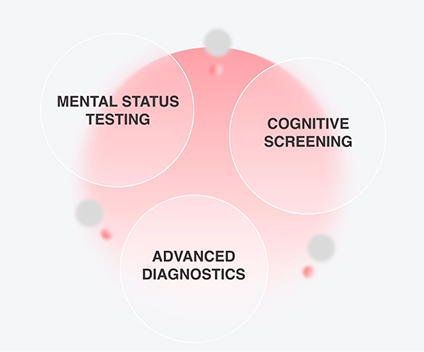
Diagnosis pathway
In Mauritius, rising dementia prevalence has prompted early detection initiatives under the National ICOPE Strategic and Action Plan (2022-2026), including awareness campaigns and systematic screening for older adults. Diagnosis occurs in both public and private healthcare, adhering to international standards. Primary care physicians typically perform initial cognitive assessments, then refer suspected cases to neurologists or geriatric psychiatrists. Public hospitals provide specialist services, while private hospitals offer direct access, often preferred by patients. Diagnostic assessments include physical exams, blood tests, ECGs, and brain imaging, with MRI and CT services widely available. CSF analysis is accessible privately, while APOE genotyping remains limited.
The Government of Mauritius foresees rising rates of dementia and disability. Through the National ICOPE Strategic and Action Plan (2022 to 2026), Mauritius is also aiming to establish an early dementia screening program — which has, so far, included (1) national campaigns and television broadcasts to raise awareness of the disease and (2) systematic efforts at encouraging early screening for physical and mental impairments among the older population.
The standard diagnostic pathway for Alzheimer’s disease and related dementias is available in both the public and private healthcare sectors, with slight disparities between the two. In both sectors, the diagnostic process adheres to international standards. When an individual or their family has concerns about memory loss or cognitive decline, the first contact with healthcare professionals is usually through a primary care physician. In this step, primary care physicians usually conduct a brief cognitive screening, review patients’ medical history, and conduct a physical examination to rule out other conditions.
Following a primary care physician evaluation, individuals suspected of having dementia are often referred to a specialist, usually a neurologist or geriatric psychiatrist. Within the public healthcare system, specialists are primarily available at regional hospitals. Private hospitals in Mauritius offer access to specialist services without referral from a primary care physician — many Mauritians prefer using private healthcare facilities over public ones, owing to negative perceptions of the latter in the general population. Currently, in Mauritius, there are six public hospitals and 17 private hospitals. Memory concerns are assessed comprehensively — including through physical examinations, blood tests, electrocardiograms and brain scans — after which a diagnosis is delivered to patients.
Diagnostic imaging services are readily available in Mauritius, with the country having one of the highest prevalence rates for magnetic resonance imaging (MRI) units and computed tomography (CT) units in Africa. The use of biomarkers is an evolving field in Mauritius. While cerebrospinal fluid (CSF) analysis is not part of the standard diagnostic pathway, it is available, primarily through private laboratories. Conversely, there is little information publicly available on APOE genotyping in Mauritius.
- https://extranet.who.int/uhcpartnership/story/integrated-health-care-older-people-republic-mauritius
- https://www.afro.who.int/sites/default/files/2023-02/WHO-Mauritius%20Country%20Cooperation%20Strategy%202023-2026.pdf
- https://www.cabri-sbo.org/uploads/files/Documents/seminar_presentation_2015_mauritius_ministry_of_health_value_for_money_health_english_2.3_universal_health_coverage_mauritius.pdf
- https://www.physicamedica.com/article/S1120-1797(22)02058-0/fulltext
- https://ourworldindata.org/grapher/availability-of-computed-tomography-ct-imaging
- https://c-care.com/mu/c-lab/test-directory/
Wait times
Access to healthcare in Mauritius is generally efficient, with 27.2 physicians per 10,000 people and universal access to primary care. Private facilities offer minimal wait times for specialists, whereas public hospitals average four weeks. Public radiology appointments take about 3.2 weeks, shorter in the private sector. Increasing numbers of older patients may extend these wait times in the future.
With a physician to population ratio of 27.2 per 10 thousand residents (2023), access to general practitioners is characterised by minimal wait times, both in the public and private healthcare sectors. For example, 100% of the Mauritian population has reasonable access to a first point of contact within the public health system, with a rate of one primary healthcare institution for 7,984 people. Wait times for specialist consultations are generally minimal in private healthcare facilities, while in the public healthcare system, patients, on average, wait up to 4 weeks (2023). As the Mauritian population is becoming older, on average, these wait times are likely to rise. The number of patients consulting neurologists within the public sector increased by 20.3% in 2023 (when compared to 2022). Within the public healthcare sector, waiting times for radiological examinations have been, on average, 3.2 weeks (2023). Wait times for diagnostic imaging in the private healthcare sector tend to be lower.
Diagnosis cost
Mauritius provides free public healthcare funded by income taxes, including consultations, diagnostics, and medicines. Public hospitals deliver decentralised psychiatric, neurological, and general medical services, with Victoria Hospital hosting an Early Dementia Diagnosis Clinic (EDDC) staffed by specialists and multidisciplinary teams. Despite these services, many Mauritians prefer private facilities for faster access to specialists and shorter waiting times. Negative perceptions of the public system persist. Private consultation fees range from MUR 1,250-5,000, and MRI scans can cost MUR 14,000-16,000. EDDC facilities are planned to expand across public hospitals in line with the National ICOPE Strategic and Action Plan (2022-2026).
All healthcare services within the public healthcare sector — including diagnostic tests, medicines and consultations — are provided for free to all Mauritians. The public healthcare system is funded along the lines of the Beveridge model, that is, through income tax payments, with all Mauritians standing to benefit. Public hospitals in Mauritius feature decentralised inpatient and outpatient psychiatric, neurological and medical services. The public? Victoria Hospital features a specially designed Early Dementia Diagnosis Clinic (EDDC), providing multidisciplinary and longitudinal care to patients and carers, by specialists in psychiatry, geriatrics and neurology, a social worker and a clinical psychologist, besides nursing staff. In accordance with the National ICOPE Strategic and Action Plan (2022 to 2026), EDDC facilities are scheduled to open in public hospitals across Mauritius.
Despite heavy investment in dementia management infrastructure by the Mauritian government, many Mauritians prefer using private healthcare facilities, as they offer access to specialist services without referral from a primary care physician. In addition, while waiting times for primary care and specialist consultations, as well as diagnostic imaging services are generally not too long — on average 7.2 weeks — in the public healthcare sector, many Mauritians tend to use private healthcare facilities to avoid these waits. Negative perceptions of the public healthcare system also persist in the general population. A consultation with a general practitioner costs between MUR 1,250 to MUR 2,000, while a specialist consultation is usually between MUR 2,500 and MUR 5,000. When it comes to diagnostic imaging services, there is little information online on their costs. Anecdotal evidence points out that magnetic resonance imaging (MRI) scans can cost between MUR 14,000 and MUR 16,000.
- https://ifa.ngo/wp-content/uploads/2013/03/Dr.Ameenah-Long-term-care-of-Dementia-and-Alzheimers-Disease-presentation-ifa.pdf
- https://www.harmonie.mu/en/newsroom/news/cost-of-living-mauritius
- https://www.april-international.com/en/destinations/africa/health-insurance-in-mauritius
- https://www.facebook.com/groups/309957813402131/posts/1378288039902431/
Cognitive tests
In Mauritius, the following tests are used in conducting cognitive screening for dementia:
(1) Mini-Mental State Examination (MMSE)
(2) Activities of Daily Living (ADL) questionnaire
(3) Instrumental Activities of Daily Living (IADL) questionnaire
Imaging tests
Diagnostic imaging services are readily available in Mauritius — advanced neuroimaging technology is present in both public and private healthcare settings. Mauritius boasts one of the highest diagnostic imaging equipment rates per capita in the African continent — with 5.5 magnetic resonance imaging (MRI) units and 6.4 computed tomography (CT) units per million people. Neuroimaging facilities are almost evenly split between the private and public healthcare sectors, with the former having a slight advantage. Positron emission tomography (PET) scanners have only recently been introduced in Mauritius. There are currently two facilities boasting PET scanners — one being the public National Cancer Centre (NCC). However, PET scanners cater primarily to oncological patients. Considering this, it is unlikely that those patients suspecting dementia can access PET scans en route to a diagnosis.
Genetic tests
There is no publicly available information on the availability of genetic testing for Alzheimer’s disease and related dementias in Mauritius, such as apolipoprotein E (APOE) genotype investigation.
Biomarker tests
Cerebrospinal fluid (CSF) analysis is not part of the standard diagnostic pathway for Alzheimer’s disease and related dementias in Mauritius. Cerebrospinal fluid (CSF) analysis is primarily offered in private sector laboratories, upon request from a patient. One such laboratory is C-Lab.
Cognitive Tests
Cognitive Tests
In Mauritius, the following tests are used in conducting cognitive screening for dementia:
(1) Mini-Mental State Examination (MMSE)
(2) Activities of Daily Living (ADL) questionnaire
(3) Instrumental Activities of Daily Living (IADL) questionnaire
Imaging Tests
Imaging Tests
Diagnostic imaging services are readily available in Mauritius — advanced neuroimaging technology is present in both public and private healthcare settings. Mauritius boasts one of the highest diagnostic imaging equipment rates per capita in the African continent — with 5.5 magnetic resonance imaging (MRI) units and 6.4 computed tomography (CT) units per million people. Neuroimaging facilities are almost evenly split between the private and public healthcare sectors, with the former having a slight advantage. Positron emission tomography (PET) scanners have only recently been introduced in Mauritius. There are currently two facilities boasting PET scanners — one being the public National Cancer Centre (NCC). However, PET scanners cater primarily to oncological patients. Considering this, it is unlikely that those patients suspecting dementia can access PET scans en route to a diagnosis.
Genetic Tests
Genetic Tests
There is no publicly available information on the availability of genetic testing for Alzheimer’s disease and related dementias in Mauritius, such as apolipoprotein E (APOE) genotype investigation.
Biomarker Tests
Biomarker Tests
Cerebrospinal fluid (CSF) analysis is not part of the standard diagnostic pathway for Alzheimer’s disease and related dementias in Mauritius. Cerebrospinal fluid (CSF) analysis is primarily offered in private sector laboratories, upon request from a patient. One such laboratory is C-Lab.
Treatment & Care
Treatment & care
Show moreMauritius has a well-developed healthcare system, with high physician and nurse ratios and 3.7 hospital beds per 1,000 people. Public hospitals, such as Victoria Hospital’s Early Dementia Diagnosis Clinic and Dr. A. Gaffoor Jeetoo Hospital’s Brown Sequard Mental Health Care Centre, provide specialised neurological and psychiatric care, while private hospitals, including Wellkin, offer additional neurodegenerative services. Dementia treatment and care in the public sector, including prescription medicines, are free, complemented by financial support for older adults and registered caregivers. Long-term care capacity is limited, but services such as the Centre Jean Vaulbert de Chantilly, run by the Association Alzheimer and Dementia Mauritius, provide daycare, therapeutic activities, respite, and structured caregiver support.
Specialized facilities and services
Mauritius has a well-developed healthcare infrastructure, with 3.7 hospital beds per 1,000 people and high ratios of physicians (27.2) and nurses (35.5) per 10,000 residents. Neurological and psychiatric services are available at public regional hospitals, including Victoria Hospital, home to EDDC, and Dr. A. Gaffoor Jeetoo Hospital, featuring the Brown Sequard Mental Health Care Centre. Private providers such as Wellkin Hospital also deliver specialised neurodegenerative care. Palliative care is evolving, expanding beyond oncology and supporting family caregivers under the National ICOPE Strategic and Action Plan (2022-2026). Long-term care capacity is growing but remains insufficient, and workforce training in dementia care is limited. The Association Alzheimer and Dementia Mauritius operates the Centre Jean Vaulbert de Chantilly, providing daycare and therapeutic activities for dementia patients.
Healthcare infrastructure is well developed in Mauritius. Mauritius has a bed per thousand people ratio of 3.7 — and high ratios of physicians and nurses per 10 thousand people — standing at 27.2 and 35.5 respectively. Neurological or psychiatric services are offered at each of the publicly administered regional hospitals. Some of the most prominent hospitals catering to dementia patients include:
(1) Victoria Hospital, a public regional hospital in Quatre Bornes, known primarily for hosting the first Early Dementia Diagnosis Clinic (EDDC), which provides multidisciplinary and longitudinal care to patients and carers, by specialists in psychiatry, geriatrics, and neurology, a social worker and a clinical psychologist, besides nursing staff.
(2) Dr. A. Gaffoor Jeetoo Hospital, a public regional hospital in the capital of Port Louis, which features the Brown Sequard Mental Health Care Centre (BSMHCC) — the first specialised psychiatric hospital in Mauritius — within its catchment area.
(3) Wellkin Hospital — administered by private medical provider C-Care. Its Neurology and Neurosurgery team provides a wide array of diagnostic, treatment and care services for those suffering from neurodegenerative disorders.
Palliative care services are developing in Mauritius. The National ICOPE Strategic and Action Plan (2022 to 2026) acknowledges the need to improve palliative care services in Mauritius. According to the plan, necessary support should be provided to family caregivers to help them provide palliative care in all its aspects, such as its physical and emotional components. In the past, palliative care services in Mauritius primarily catered to oncological patients in hospital settings. Within the public healthcare sector, palliative care services are still primarily aimed at oncological patients. However, within the private healthcare sector, a growing number of hospitals and residential care homes are beginning to provide some palliative care services to older people.
The number of long-term care and nursing facilities — primarily within the private healthcare sector — increased in recent years. For example, 52 private elderly home care facilities operate in Mauritius (2020), while 22 charitable organisations are funded by the Mauritian government to provide onsite nursing and medical care. However, the demand for long term care and nursing facilities far outweighs their bed capacity. What is more, the workforce of these residential homes often lacks training in dementia care and their activities are not necessarily appropriate for dementia patients. As the population ages, the Mauritian government foresees a growing rate of dementia and, in turn, a growing overall demand for long term care in the future. That said, the National ICOPE Strategic and Action Plan (2022 to 2026) envisages a 52% increase in publicly funded residential bed capacity in the coming 5 years.
Finally, the Association Alzheimer and Dementia Mauritius (AADM) operates the Centre Jean Vaulbert de Chantilly in Quatre Bornes — the only daycare centre catering exclusively towards patients with Alzheimer’s disease and related dementias — offering respite for families and stimulating activities for people with dementia. It offers activities such as cognitive stimulation, music therapy and reminiscence therapy.
Approved medication
| Generic Name | Trade Name | Used for |
|---|---|---|
| Donepezil | Aricept, Aricept ODT, Adlarity, Eranz, Memac, Alzepil, Davia, Donecept, Donep, Donepex, Donesyn, Dopezil, Yasnal, Memorit, Pezale, Redumas, Zolpezil, Namzaric* | Donepezil is indicated for the symptomatic treatment of mild to moderately severe Alzheimer’s dementia. |
| Rivastigmine | Exelon, Exelon Patch, Prometax, Rivastach, Nimvastid | Symptomatic treatment of mild to moderately severe Alzheimer’s dementia. Symptomatic treatment of mild to moderately severe dementia in patients with idiopathic Parkinson’s disease. |
| Memantine | Namenda, Namenda XR, Ebixa, Memary, Axura, Akatinol, Maruxa, Nemdatine, Namzaric* | Treatment of adult patients with moderate to severe Alzheimer’s disease. |
*Namzaric = combination of Donepezil and Memantine
Treatment cost
In Mauritius, the cost of dementia treatment and care differs between public and private healthcare. Publicly funded services provide free prescription medicines, including those for Alzheimer’s disease and related dementias. The government also offers financial support, such as the Basic Retirement Pension for all citizens over 60, Carers’ Allowances for registered caregivers, and social aid benefits like rent, denture, and incontinence allowances. In contrast, private care, including non-pharmacological therapies, long-term care, and nursing facilities, can be expensive, with most expenses paid out-of-pocket unless covered by private insurance.

Costs of treatment and care vary significantly across the private and public healthcare sectors. Most prescription medicines — including those for Alzheimer’s disease and related dementias — are provided for free for users of the public healthcare system. Moreover, to assist with covering the costs of caring for older people, the Mauritian government provides financial support — in the form of various allowances. In Mauritius, all citizens above the age of 60 are entitled to the Basic Retirement Pension (BRP) — which is a universal, non-contributory monthly payment that varies by age. Under the National Pensions Act, registered carers of persons aged above 60 are entitled to a Carers’ Allowance, to help alleviate the costs of providing adequate support. In addition, the Social Aid Act provides a variety of benefits towards eligible older people — those deemed to be particularly socially vulnerable. These benefits include a Rent Allowance — for those living alone — Denture Allowance, Incontinence Allowance, Income Support and various in-kind benefits, that is, mostly assistive medical devices. Mauritius’ social safety net might alleviate the costs of treating dementia to a significant extent.
The costs of treatment outside the public healthcare sector can be considerable — particularly if using non-pharmacological therapies to treat dementia or private long-term care and nursing facilities. Unless enrolled in a private insurance scheme, patients cover most of these costs out-of-pocket.
Caregiver support
In Mauritius, most people living with dementia receive care at home from family members or hired caregivers. Caregivers benefit from financial support under the National Pensions Act, including the Carers’ Allowance and the Constant Attendance Allowance for older adults with at least 60% disability. These benefits, combined with free public healthcare, partially reduce care costs, although long-term and nursing facilities are limited. Additional support comes from the Association Alzheimer and Dementia Mauritius (AADM), which provides daycare at the Centre Jean Vaulbert de Chantilly, respite services, structured training, counselling, peer support, and a helpline, helping caregivers manage emotional, educational, and practical challenges.
A majority of patients with dementia and Alzheimer’s disease are cared for in their personal homes — either by their family members or hired caregivers. Caregivers are in part supported in Mauritius via the National Pensions Act. Every registered caregiver of persons aged above 60 is entitled to a Carers’ Allowance — designed to alleviate the financial burden of caring for older, sick people. Beyond this, another payment — called the Constant Attendance Allowance — is given out to older people requiring the constant attendance of others to perform daily functions, but only if they have at least a 60% assessed degree of disability. Direct financial aids are complemented by a free public healthcare system — albeit one in which long term care and nursing options are limited.
Caregivers could also access other forms of support. Association Alzheimer and Dementia Mauritius (AADM) provides various services meant to alleviate the stress of caring for a patient with dementia. Most notably, the AADM runs the Centre Jean Vaulbert de Chantilly in Quatre Bornes — a daycare centre, offering respite for families and caregivers and stimulating activities for dementia patients. In addition, the AADM offers structured support for caregivers through regular meetings, counselling services, dedicated training programs, and a helpline, ensuring they have access to education, emotional support, and a community of peers who understand their challenges.
Policy
Policy
Show moreMauritius lacks an official national dementia plan, but the National ICOPE Strategic and Action Plan (2022-2026) outlines key initiatives for dementia care. These include public awareness campaigns, expansion of early screening and multidisciplinary services through four new clinics modelled on Victoria Hospital’s EDDC, enhanced caregiver support, improved long-term care, a 52% increase in publicly funded residential beds, and standardised training for healthcare professionals. While legal protections safeguard civil and political rights, cultural barriers (social stigma, denial, and misconceptions about ageing) impede early diagnosis and service use. Destigmatisation through education, awareness campaigns, and community engagement remains a priority. Future dementia strategies may align with the 2025-2030 National Health Sector Strategic Plan.
National dementia plan
Although Mauritius does not have an official national dementia plan, the National ICOPE Strategic and Action Plan (2022-2026) outlines dementia-focused initiatives. Key objectives include raising public awareness about dementia’s physical, emotional, and behavioural effects, expanding early screening and multidisciplinary care with four new clinics modelled on Victoria Hospital’s EDDC, enhancing caregiver support, improving long-term care services, increasing publicly funded residential bed capacity by 52%, and implementing standardised training programs for healthcare professionals to improve dementia diagnosis, treatment, and care across the country.
Mauritius does not have a dedicated national dementia strategy or plan de jure. However, the National ICOPE Strategic and Action Plan (2022 to 2026) — a national strategy meant to address the challenges in the provision of health and social services for older people in Mauritius — envisages a robust strategic approach towards dementia management in Mauritius.
The most notable objectives of the National ICOPE Strategic and Action Plan (2022 to 2026), pertaining to dementia patients, include the following:
(1) Addressing misconceptions about dementia among the broader population through awareness campaigns, meant to sensitise the population about the long-term physical, emotional and behavioural complications of dementia, resulting in general decline and increased dependency
(2) Extend early dementia screening services and multidisciplinary management of the disease across Mauritius by improving essential infrastructure — that is, constructing 4 new dementia clinics along the model of the Early Dementia Diagnosis Clinic (EDDC) at Victoria Hospital.
(3) Improving carer support and enhancing levels of care in long term care (LTC) facilities, through integrated care planning for dementia.
(4) Achieving a 52% increase in publicly funded residential bed capacity.
(5) Developing standardised training modules for healthcare staff on dementia, its complications and management.
Upcoming plans
After the National ICOPE Strategic and Action Plan (2022-2026) ends, it remains unclear if Mauritius will introduce a dedicated dementia strategy. Any future plan would likely align with objectives outlined in the 2025-2030 National Health Sector Strategic Plan.
Once the National ICOPE Strategic and Action Plan (2022 to 2026) elapses, it is uncertain whether a new strategic document will be developed to deepen efforts at enhancing dementia management in Mauritius. In January 2025, the Mauritian government unveiled a new National Health Sector Strategic Plan (NHSSP), covering the period between 2025 and 2030. If a new dementia management strategy is planned for the coming period, its objectives would need to be aligned with those within the new NHSSP.
Policy gaps
Legal barriers
Mauritius stands out from other nations in its region as one with a proactive and developed policy framework for dementia. As evidenced by the National ICOPE Strategic and Action Plan (2022 to 2026), the Mauritian government, in close collaboration with civil society members and international organisations, implemented specific strategies to address the needs of the elderly, including those suffering from dementia. Most notably, no specific law in Mauritius automatically restricts the rights of individuals upon a dementia diagnosis — dementia patients enjoy the same rights as anyone else.
Cultural barriers
Mauritian dementia patients and their families face significant social stigma, rooted in shame, denial, and misconceptions about ageing. The National ICOPE Strategic and Action Plan (2022-2026) targets destigmatisation as a key objective. Low public awareness and misunderstanding of dementia symptoms often prevent early diagnosis and use of healthcare services. Consequently, families experience substantial emotional and physical strain while providing care, frequently in isolation. Tackling these cultural barriers through education, awareness campaigns, and community engagement is essential to improve timely dementia management and relieve the burden on caregivers in Mauritius.
However, Mauritian dementia patients and their families have to deal with a pervasive social stigma associated with the disease. In fact, the National ICOPE Strategic and Action Plan (2022 to 2026) makes the destigmatisation of dementia a primary objective in relation to the given disease. The primary cultural barrier in Mauritius is a pervasive social stigma rooted in shame, denial, and taboo — somewhat different from many mainland African nations. Families are often embarrassed by the behavioural and psychological symptoms of dementia and are therefore reluctant to seek a diagnosis or utilise available government and non-governmental services. Additionally, many Mauritians often misconstrue symptoms of dementia as a normal part of aging, due to a lack of awareness of the disease. That said, a persistent lack of public awareness remains the crucial challenge in properly grasping the extent of the disease in Mauritius. These misconceptions prevent early diagnosis and intervention, which are crucial for effective dementia management. They also contribute to the high emotional and physical burden on family caregivers, who often cope with the challenges of the disease in social isolation.
Research
Research
Show moreResearch into Alzheimer’s disease in Mauritius is minimal, with most work examining care methods and the routine experiences of people living with dementia.
Selected academic institutions
Clinical trials and registries
Currently, there are no major, active clinical trials for new dementia drugs recruiting patients in Mauritius. Most of the research conducted within the country is observational, focusing on understanding the disease (and perceptions of it) within the local population.
Mauritius does not have a national registry of patients with Alzheimer’s disease and related dementias. Despite significant strides made in facilitating dementia screening, the real number of dementia patients in Mauritius remains unknown, and many dementia cases still go undiagnosed. Mauritius does not have a routine monitoring framework for dementia, nor has data on dementia been compiled nationally. The National ICOPE Strategic and Action Plan (2022 to 2026) does not envisage the creation of a national registry, which could present an obstacle to resource optimisation in relation to dementia management.
Selected innovative methods
Research on Alzheimer’s disease in Mauritius is scarce, emphasising observational studies of care approaches and the everyday experiences of dementia patients.
Local research on Alzheimer’s disease and related dementias is limited, with most studies being observational and qualitative. Dorkhy et al. (2021) and Dorkhy (2023) have evaluated non-pharmacological management of Alzheimer’s disease in Mauritius and studied the daily living experience of people with dementia, respectively.
Support
Support
Show moreThrough therapies, caregiver support, training, a helpline, and public awareness campaigns, AADM addresses dementia needs in Mauritius. Social media engagement raises awareness, but the website offers minimal resources. Day Care and Recreational Centers provide health activities, yet many are insufficiently tailored, underscoring persistent service and accessibility gaps.
Selected national associations, patient family associations, NGOs:
Selected initiatives
AADM supports dementia patients, caregivers, and families with cognitive, musical, and reminiscence therapies, counselling, caregiver meetings, and professional training. Its national dementia helpline offers accessible information on care and support. Annual World Alzheimer’s Month campaigns include talks, walks, and conferences to raise public awareness. While Elderly Day Care and Recreational Centers provide health and engagement programs, AADM reports that many activities remain insufficiently adapted for dementia patients, highlighting ongoing gaps in tailored community services across Mauritius.
The Association Alzheimer and Dementia Mauritius (AADM)
AADM launched a national dementia helpline — providing direct and easy access to information on services related to dementia care, treatment and support in Mauritius. It was designed to alleviate stress and ensure that support is readily available for patients with dementia, their families and caregivers.
Deprecated: trim(): Passing null to parameter #1 ($string) of type string is deprecated in /home/bcdafabe/public_html/wp-content/themes/bricks-child/functions.php on line 753
Every September, the AADM organises a national public awareness campaign to mark World Alzheimer’s Month. In previous years, activities included talks on Alzheimer’s disease in community centres across Mauritius, awareness raising walks and conferences gathering researchers, policymakers, medical professionals and other dementia management stakeholders.
Deprecated: trim(): Passing null to parameter #1 ($string) of type string is deprecated in /home/bcdafabe/public_html/wp-content/themes/bricks-child/functions.php on line 753
The network of Elderly Day Care Centers (EDCC) and Recreational Centers
Dedicated media outlets
Mauritius does not have a media outlet dedicated to dementia patients, but AADM is active on social media, sharing posts that raise awareness of dementia and its consequences regularly on its Instagram and Facebook pages. Conversely, their website seems to be currently undergoing a revamp, as there is no information on their activities contained there, nor any resources produced for a local audience.