Monaco
Monaco has developed an unusually comprehensive dementia-care ecosystem for a country of fewer than 40,000 residents. The Rainier III Clinical Gerontology Centre provides a dedicated Memory Centre, cognitive-behavioural unit, acute geriatrics, rehabilitation, long-term care, palliative services and Alzheimer clinical research within a single institution, while the Speranza-Albert II Centre offers free therapeutic day care to residents with Alzheimer’s disease or cognitive impairment. Standard symptomatic Alzheimer drugs, donepezil, galantamine, rivastigmine and memantine, are available and reimbursed through Monaco’s social security system. The system is further strengthened by AMPA, which combines caregiver support, awareness, research funding and international scientific cooperation. Monaco’s main weaknesses are the absence of a formally titled national dementia strategy, limited public epidemiological data and no identified comprehensive national dementia registry. Nevertheless, dementia care is explicitly embedded in public gerontology policy and legislation, making Monaco a strong example of a jurisdiction where service implementation is more advanced than formal strategic documentation.

AD Rating
Diagnostic Pathway
Specialized Care
Caregiver Support
National Policies
Access to ATT-s
Highlights

Population
Median age
Health expenditure (% of GDP)
Diagnosis
Diagnosis
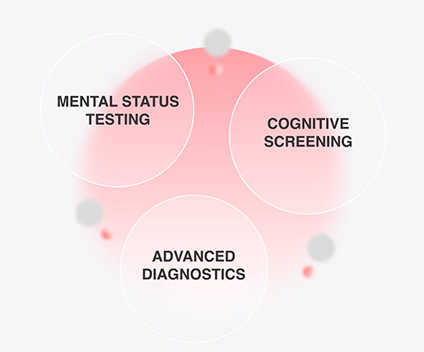
Show moreMonaco’s dementia diagnostic pathway centres on CHPG’s Rainier III Clinical Gerontology Centre, integrating multidisciplinary cognitive and functional assessment with laboratory testing, CT or MRI, geriatric care, rehabilitation, behavioural management, and long-term support. No national dementia-specific waiting-time statistics are available, although CHPG provides rapid specialist consultations and French facilities can supplement unavailable domestic services. Social security generally reimburses around 80% of eligible healthcare costs, while some designated dementia services are free. Standardised cognitive and neuropsychological assessment is used, although specific instruments are not publicly documented. Routine domestic amyloid or tau PET, genetic testing, and CSF or blood Alzheimer’s biomarkers are similarly unconfirmed. Advanced investigations may therefore require specialist referral, including to neighbouring France, while CHPG’s clinical research infrastructure may facilitate adoption of newer diagnostic approaches.
Diagnosis pathway
Monaco’s specialist dementia pathway is centred on CHPG’s Rainier III Clinical Gerontology Centre, integrating diagnosis with subsequent care. The Memory Centre provides multidisciplinary cognitive and functional assessment, supported by laboratory investigations and structural imaging where appropriate. Comprehensive geriatric assessment additionally considers dependency, multimorbidity, and social circumstances to guide outpatient care, rehabilitation, home support, day care, or institutional placement. A Cognitive Behavioural Unit manages significant behavioural and psychological symptoms. Integrating memory assessment, acute geriatrics, rehabilitation, behavioural management, and long-term care within one centre provides a coherent continuum and reduces fragmentation between services.
Monaco has a clearly defined specialist dementia pathway centred on the Rainier III Clinical Gerontology Centre at the Princess Grace Hospital Centre (CHPG). People experiencing progressive memory loss, cognitive difficulties or functional decline will typically first consult a general practitioner, geriatrician or another physician, who can refer them to the Centre’s Memory Centre for specialist assessment. There, a multidisciplinary team evaluates cognitive and functional abilities and, where appropriate, arranges laboratory tests and structural imaging to investigate possible causes of cognitive decline. The results are used to establish a multidisciplinary diagnosis and develop an individualized treatment and follow-up plan. Comprehensive geriatric assessment can additionally evaluate dependency, multimorbidity and social circumstances, helping determine whether the person can continue with outpatient management or requires rehabilitation, home support, day care or institutional care.A major strength is that these services are integrated within the broader Rainier III Centre, allowing patients to move between outpatient cognitive assessment, acute geriatric care, rehabilitation and long-term care without relying on completely separate institutions. For patients experiencing significant behavioural and psychological symptoms, such as agitation or wandering, the Centre also operates a Cognitive Behavioural Unit, providing specialized treatment in a secure environment designed to preserve freedom of movement where possible. This integrated model gives Monaco a particularly coherent continuum of dementia care and reduces the fragmentation that can occur when diagnosis, behavioural management, rehabilitation and long-term care are delivered by separate providers.
Wait times
Monaco lacks published dementia-specific waiting-time data, although CHPG provides rapid specialist geriatric assessment. Access may vary by urgency, specialist availability, and diagnostic requirements, with neighbouring French facilities supplementing unavailable domestic services.
No national dementia-specific waiting-time statistics are publicly reported in Monaco. However, CHPG describes its geriatric consultations as providing a rapid specialized medical opinion, and the very small population combined with a dedicated Memory Centre suggests substantially more concentrated access than in larger national systems. Waiting times may still vary depending on urgency, specialist availability and the need for advanced diagnostic testing. Where services are not available domestically, Monaco patients can also access nearby specialist facilities in France under established healthcare and insurance arrangements.
Diagnosis cost
Monaco’s social security system generally reimburses around 80% of eligible healthcare costs, with complementary insurance potentially covering remaining copayments. Designated public dementia services, including Speranza-Albert II, are provided free of charge.
Healthcare costs are generally covered through Monaco’s social security schemes. Under the public-sector reimbursement system, around 80% of eligible medical costs are reimbursed, while other social insurance schemes operate comparable reimbursement frameworks.1 Patients may have complementary insurance covering part or all of remaining co-payments. For dementia specifically, the public system has also moved beyond ordinary reimbursement by making some specialized services completely free: the 2025 Sovereign Ordinance explicitly states that care delivered by Speranza-Albert II and several other designated public structures is free of charge.
- https://monservicepublic.gouv.mc/en/themes/social-health-and-families/social-security/spme-reimbursements/reimbursement
- https://journaldemonaco.gouv.mc/Journaux/2025/Journal-8769/Ordonnance-Souveraine-n-11.517-du-13-octobre-2025-modifiant-l-Ordonnance-Souveraine-n-5.640-du-14-decembre-2015-portant-creation-d-une-Direction-de-l-Action-Sanitaire
Cognitive tests
The CHPG Memory Centre performs assessment and monitoring of cognitive disorders through a multidisciplinary team. Although its public webpage does not list every cognitive instrument used, clinical assessment would typically involve standardized cognitive and neuropsychological testing alongside functional evaluation and caregiver history. AMPA also promotes early recognition and provides educational information on Alzheimer’s symptoms and diagnosis, reinforcing the clinical pathway by encouraging families to seek assessment earlier rather than interpreting cognitive decline as inevitable ageing.
Imaging tests
CHPG has a broad hospital diagnostic infrastructure capable of supporting neurological and geriatric assessment. Structural neuroimaging with CT and MRI is available through the hospital system and can be used to exclude stroke, tumours, hydrocephalus and other structural causes of cognitive impairment. The Memory Centre works with CHPG’s wider technical platform, meaning imaging and other specialist investigations can be coordinated within the same hospital pathway rather than requiring fragmented external referrals. No publicly accessible CHPG source clearly confirms routine domestic amyloid PET or tau PET use, so these should be considered specialist or external investigations rather than standard first-line tests.
Genetic tests
Routine genetic testing is not part of ordinary dementia diagnosis in Monaco. Testing for rare inherited Alzheimer’s disease mutations would be relevant primarily in early-onset cases or families with a strong multigenerational history. Because Monaco is closely linked to the French medical system, patients requiring specialized neurogenetic assessment can also be referred to major centres in neighbouring France. No separate Monegasque national genetic-testing programme for dementia was identified.
Biomarker tests
No public source confirms that CSF amyloid/tau testing or blood-based Alzheimer biomarkers are routinely available to every patient through Monaco’s standard pathway. The Rainier III Centre does, however, combine the Memory Centre with an active clinical research unit, giving Monaco greater capacity than many similarly sized jurisdictions to introduce newer diagnostic methods when clinically or experimentally appropriate.
Cognitive Tests
Cognitive Tests
The CHPG Memory Centre performs assessment and monitoring of cognitive disorders through a multidisciplinary team. Although its public webpage does not list every cognitive instrument used, clinical assessment would typically involve standardized cognitive and neuropsychological testing alongside functional evaluation and caregiver history. AMPA also promotes early recognition and provides educational information on Alzheimer’s symptoms and diagnosis, reinforcing the clinical pathway by encouraging families to seek assessment earlier rather than interpreting cognitive decline as inevitable ageing.
Imaging Tests
Imaging Tests
CHPG has a broad hospital diagnostic infrastructure capable of supporting neurological and geriatric assessment. Structural neuroimaging with CT and MRI is available through the hospital system and can be used to exclude stroke, tumours, hydrocephalus and other structural causes of cognitive impairment. The Memory Centre works with CHPG’s wider technical platform, meaning imaging and other specialist investigations can be coordinated within the same hospital pathway rather than requiring fragmented external referrals. No publicly accessible CHPG source clearly confirms routine domestic amyloid PET or tau PET use, so these should be considered specialist or external investigations rather than standard first-line tests.
Genetic Tests
Genetic Tests
Routine genetic testing is not part of ordinary dementia diagnosis in Monaco. Testing for rare inherited Alzheimer’s disease mutations would be relevant primarily in early-onset cases or families with a strong multigenerational history. Because Monaco is closely linked to the French medical system, patients requiring specialized neurogenetic assessment can also be referred to major centres in neighbouring France. No separate Monegasque national genetic-testing programme for dementia was identified.
Biomarker Tests
Biomarker Tests
No public source confirms that CSF amyloid/tau testing or blood-based Alzheimer biomarkers are routinely available to every patient through Monaco’s standard pathway. The Rainier III Centre does, however, combine the Memory Centre with an active clinical research unit, giving Monaco greater capacity than many similarly sized jurisdictions to introduce newer diagnostic methods when clinically or experimentally appropriate.
Treatment & Care
Treatment & care
Show moreMonaco’s integrated dementia network combines specialist, community, residential, and caregiver support. The Rainier III Clinical Gerontology Centre provides multidisciplinary memory assessment, acute geriatrics, rehabilitation, behavioural and palliative care, long-term services, and Alzheimer’s research. Speranza-Albert II offers free therapeutic day care, supporting continued home living and caregiver respite, while specialised care homes and gerontological coordination extend the pathway. Social security substantially finances dementia treatment, generally reimbursing around 80% of eligible healthcare costs, covering Alzheimer’s medicines, and contributing towards dependency-related residential care. AMPA complements formal services through personalised caregiver psychoeducation, practical guidance, information, events, and counselling-oriented resources. Coordination between memory services, day care, residential facilities, and wider gerontological provision helps families access appropriate support across different stages of dementia.
Specialized facilities and services
Monaco’s specialist dementia network centres on the Rainier III Clinical Gerontology Centre, integrating memory assessment, acute geriatrics, rehabilitation, behavioural and palliative care, long-term support, and Alzheimer’s research. Its Cognitive Behavioural Unit manages significant behavioural symptoms. The free Speranza-Albert II Centre provides personalised therapeutic day care, supporting continued home living and caregiver respite. The Monaco Gerontological Coordination Centre links healthcare, home support, and social services, while specialised facilities including A Qietüdine and Cap Fleuri provide residential and dependency care within the wider integrated gerontology pathway.
The Rainier III Clinical Gerontology Centre is the cornerstone of Monaco’s dementia and older-person care system. It has 210 individual rooms and provides the full spectrum of geriatric care, including outpatient consultations, Memory Centre assessment, acute geriatrics, rehabilitation, long-term care, behavioural dementia management and palliative care. Its Memory Centre monitors cognitive disorders through a multidisciplinary team, while the Clinical Research Unit manages trials in geriatric medicine and Alzheimer’s disease. Cognitive Behavioural Unit of the Centre includes a dedicated secure unit for people with orientation problems or behavioural symptoms. It combines geriatric and psychological management within a controlled environment, reducing the need to separate medical and behavioural dementia care.
The Speranza-Albert II Centre is a therapeutic day-care service specifically for adults residing in Monaco who have Alzheimer’s disease or cognitive disorders. Under the 2025 Sovereign Ordinance, the centre must provide an individualized therapeutic and social programme, and treatment is free of charge. This facility allows people to remain at home while receiving structured daytime support and simultaneously provides respite for caregivers.
Monaco Gerontological Coordination Centre acts as a central coordination mechanism for older-person services and links healthcare, home support and social-care providers. It forms part of the wider gerontological network established by the government.
Monaco also operates specialized care homes such as A Qietüdine and Cap Fleuri, which cooperate with the Rainier III Centre and form part of the principality’s integrated gerontology pathway. Residents may receive medical and dependency care, with parts of care costs financed through Monaco’s social security system.
Approved medication
| Generic Name | Trade Name | Used for |
|---|---|---|
| Donepezil | Aricept, Aricept ODT, Adlarity, Eranz, Memac, Alzepil, Davia, Donecept, Donep, Donepex, Donesyn, Dopezil, Yasnal, Memorit, Pezale, Redumas, Zolpezil, Namzaric* | Donepezil is indicated for the symptomatic treatment of mild to moderately severe Alzheimer’s dementia. |
| Rivastigmine | Exelon, Exelon Patch, Prometax, Rivastach, Nimvastid | Symptomatic treatment of mild to moderately severe Alzheimer’s dementia. Symptomatic treatment of mild to moderately severe dementia in patients with idiopathic Parkinson’s disease. |
| Galantamine | Razadyne, Razadyne ER, Reminyl, Reminyl XL, Nivalin, Lycoremine, Galsya | Galantamine is indicated for the symptomatic treatment of mild to moderately severe dementia of the Alzheimer type. |
| Memantine | Namenda, Namenda XR, Ebixa, Memary, Axura, Akatinol, Maruxa, Nemdatine, Namzaric* | Treatment of adult patients with moderate to severe Alzheimer’s disease. |
*Namzaric = combination of Donepezil and Memantine
Treatment cost
Monaco substantially finances dementia care through social security, reimbursing around 80% of eligible healthcare costs and covering Alzheimer’s medicines. Dependency-related residential care is also supported, while the Speranza-Albert II programme provides eligible residents with free therapeutic day care and caregiver respite.

Medical treatment is substantially financed through Monaco’s social security system. Under the state reimbursement framework, approximately 80% of eligible healthcare expenditure is reimbursed, with complementary insurance potentially covering additional costs. Alzheimer’s medicines are specifically reported by AMPA as being reimbursed by the social security funds, substantially reducing direct pharmaceutical expenditure for insured patients. Long-term care costs depend on dependency and facility type. Monaco’s official information on elder-care homes states that care charges are linked to the resident’s dependency level, with the relevant care component covered by Monegasque social security under applicable conditions. The Speranza-Albert II day-care programme is entirely free for eligible Monaco residents, which is particularly important because day care simultaneously supports patients and provides respite for informal caregivers.
- https://monservicepublic.gouv.mc/en/themes/social-health-and-families/social-security/spme-reimbursements/reimbursement
- https://ampa-monaco.com/traitements/
- https://monservicepublic.gouv.mc/en/themes/social-health-and-families/establishments/seniors/care-homes-for-the-elderly
- https://journaldemonaco.gouv.mc/Journaux/2025/Journal-8769/Ordonnance-Souveraine-n-11.517-du-13-octobre-2025-modifiant-l-Ordonnance-Souveraine-n-5.640-du-14-decembre-2015-portant-creation-d-une-Direction-de-l-Action-Sanitaire
Caregiver support
Monaco supports dementia caregivers through AMPA’s personalised psychoeducation, practical guidance, information, and caregiver-focused resources. Speranza-Albert II provides respite through structured therapeutic day care, while the integrated gerontology network helps families navigate memory services, residential facilities, and other appropriate levels of support.
Monaco has a relatively developed caregiver-support system. AMPA operates a dedicated Monegasque programme for family caregivers, including an interactive and individualized psychoeducational platform for informal caregivers looking after people with neurodegenerative conditions. It addresses behavioural symptoms, communication and practical caregiving challenges. The Speranza-Albert II Centre also functions indirectly as a respite service because patients can attend structured therapeutic day programmes while continuing to live at home. This gives caregivers periods of relief while maintaining the patient’s cognitive, social and functional engagement. AMPA additionally provides information, public conferences, educational materials, counselling-oriented resources and events specifically addressing the experience of becoming a caregiver for an ageing or cognitively impaired relative. Because Monaco’s gerontology system links the Memory Centre, day care, residential facilities and gerontological coordination, caregivers can be directed toward multiple levels of support rather than navigating the system entirely alone.
- https://ampa-monaco.com
- https://journaldemonaco.gouv.mc/Journaux/2025/Journal-8769/Ordonnance-Souveraine-n-11.517-du-13-octobre-2025-modifiant-l-Ordonnance-Souveraine-n-5.640-du-14-decembre-2015-portant-creation-d-une-Direction-de-l-Action-Sanitaire
- https://ampa-monaco.com/conference-et-dedicace-vincent-valinducq/
- https://www.chpg.mc/portfolio-posts/rainier-iii-clinical-gerontology-centre
Policy
Policy
Show moreMonaco has developed dementia care through its broader gerontological system rather than through a standalone national dementia strategy. Its framework has evolved since the early 2000s around the Rainier III Clinical Gerontology Centre, Gerontological Coordination Centre, Speranza-Albert II and specialised residential services. This approach allows dementia care to be integrated with wider geriatric, medical and social-care provision, although it means that dementia priorities are not consolidated within a single strategy document.
A significant recent development was Sovereign Ordinance No. 11.517 of 13 October 2025. The legislation established Speranza-Albert II as a public therapeutic day-care service for adult residents with Alzheimer’s disease or cognitive disorders and provided for free access. It also strengthened the formal integration of major gerontological services within the Direction de l’Action Sanitaire, reinforcing coordination and government oversight.
Monaco’s structural conditions support relatively good physical access to dementia services: its compact territory and concentration of specialist services around CHPG limit geographical barriers, while its high-income context may reduce some socioeconomic barriers. Nevertheless, timely diagnosis may still be affected by stigma, fear of diagnosis and misconceptions about ageing. AMPA therefore places public awareness among its principal areas of activity, using campaigns, conferences and educational materials to promote earlier recognition and challenge the idea that Alzheimer’s disease is simply a normal part of ageing.
National dementia plan
Monaco has no standalone National Dementia Plan, instead embedding dementia within its broader gerontology policy and integrated care system. The 2025 Sovereign Ordinance strengthened this statutory framework by formally defining Speranza-Albert II as a free public day-care service for eligible residents with cognitive disorders.
Monaco does not appear to have a standalone National Dementia Plan equivalent to those in countries such as France or Czechia. However, dementia is deeply embedded in Monaco’s broader gerontology policy and legislation. Since the early 2000s, the government has built an integrated gerontological pathway centred on the Rainier III Centre, Gerontological Coordination Centre, Speranza-Albert II and specialized residential care. The most significant recent development is Sovereign Ordinance No. 11.517 of 13 October 2025, which formally defined the functions of Speranza-Albert II as a public day-care service for adult Monaco residents with Alzheimer’s disease or cognitive disorders and explicitly made care at the centre free. This means that while Monaco lacks a single strategy document titled “National Dementia Plan,” dementia services have a stronger statutory basis than in many countries that technically possess a strategy but lack implementation.
- https://www.chpg.mc/portfolio-posts/rainier-iii-clinical-gerontology-centre/
- https://journaldemonaco.gouv.mc/Journaux/2025/Journal-8769/Ordonnance-Souveraine-n-11.517-du-13-octobre-2025-modifiant-l-Ordonnance-Souveraine-n-5.640-du-14-decembre-2015-portant-creation-d-une-Direction-de-l-Action-Sanitaire
Upcoming plans
Monaco is modernising its integrated gerontological pathway rather than developing a separate dementia strategy. Recent reforms strengthen government oversight and coordination, while CHPG and AMPA prioritise clinical trials, emerging Alzheimer’s therapies, neurostimulation, non-pharmacological approaches, and caregiver support.
Current policy development appears focused on strengthening and modernizing the existing gerontological pathway rather than creating a separate national dementia plan. The 2025 legal reform integrated the Speranza-Albert II Centre and Gerontological Coordination Centre more explicitly into the responsibilities of the Direction de l’Action Sanitaire, strengthening formal government oversight and medical coordination. Research and treatment innovation are another priority. CHPG’s Clinical Research Unit actively manages Alzheimer’s and geriatric clinical trials, with the stated objective of giving local patients access to new therapeutic advance. AMPA also continues to emphasize new therapies, neurostimulation, cognition, sleep, non-pharmacological interventions and caregiver support through public and scientific events. Its World Alzheimer’s Day 2025 programme explicitly focused on new Alzheimer treatments and non-drug approaches.itted on 22 January 2026 specifically addressed access to Leqembi in Luxembourg, with the government issuing its response on 19 February 2026.
- https://journaldemonaco.gouv.mc/Journaux/2025/Journal-8769/Ordonnance-Souveraine-n-11.517-du-13-octobre-2025-modifiant-l-Ordonnance-Souveraine-n-5.640-du-14-decembre-2015-portant-creation-d-une-Direction-de-l-Action-Sanitaire
- https://www.chpg.mc/portfolio-posts/rainier-iii-clinical-gerontology-centrehttps://ampa-monaco.com/en/world-alzheimers-day
Policy gaps
Legal barriers
Monaco regulates dementia through general health, social-security, elder-care, and public-health frameworks rather than dedicated legislation, with coverage varying across insurance schemes. Recent reforms reduce fragmentation through stronger government coordination and formal recognition of Speranza-Albert II’s dementia-specific role.
Monaco’s dementia services are comparatively well integrated, but the absence of a comprehensive standalone dementia law or national plan means that legal rights, diagnosis standards, research policy, caregiver protections and long-term planning are distributed across general health, social security, elder-care and public-health legislation. Social insurance coverage also depends on employment, professional status or eligibility under the relevant Monaco fund rather than being structured as a single tax-funded national health service. The CCSS, CAMTI and public-sector schemes each cover defined populations. Nevertheless, recent legislation has reduced fragmentation by formally integrating major gerontological services within the Direction de l’Action Sanitaire and defining Speranza-Albert II’s dementia-specific role.
- https://monservicepublic.gouv.mc/en/themes/social-health-and-families/health-insurance/health-insurance-funds-in-monaco-the-general-scheme
- https://monservicepublic.gouv.mc/en/themes/social-health-and-families/social-security/spme-reimbursements/reimbursement
- https://journaldemonaco.gouv.mc/Journaux/2025/Journal-8769/Ordonnance-Souveraine-n-11.517-du-13-octobre-2025-modifiant-l-Ordonnance-Souveraine-n-5.640-du-14-decembre-2015-portant-creation-d-une-Direction-de-l-Action-Sanitaire
Cultural barriers
Geographical and socioeconomic barriers to dementia diagnosis are relatively limited in Monaco. Stigma, fear of diagnosis, and misconceptions that cognitive decline is normal ageing are more relevant challenges. AMPA addresses these barriers through awareness campaigns, conferences, and education on Alzheimer’s symptoms, prevention, and care.
Monaco faces relatively few geographical or socioeconomic barriers to dementia diagnosis compared with most countries. Its very small territory, high-income population and concentration of specialist services around CHPG mean that distance and physical access are generally less important obstacles. The more relevant barriers are likely to be stigma, fear of diagnosis and the tendency to interpret memory problems as an inevitable consequence of ageing. These are well-recognized international barriers: WHO notes that dementia is not a normal part of ageing and that poor understanding and stigma can delay diagnosis and access to care. AMPA identifies public awareness as one of its four principal areas of activity and specifically aims to change public perceptions of Alzheimer’s disease through campaigns, conferences and educational initiatives. Its educational material explicitly challenges the misconception that Alzheimer’s is a normal consequence of ageing, while providing information to patients and families about symptoms, prevention and care.
Research
Research
Show moreMonaco combines Alzheimer’s clinical research with integrated service innovation. The Rainier III Clinical Research Unit manages geriatric and Alzheimer’s trials, although no national dementia registry was identified and epidemiological data remain limited. Its gerontological pathway coordinates medical, behavioural, community, and residential care, while Speranza-Albert II provides free therapeutic day services and AMPA offers personalised caregiver psychoeducation. The former Mediterranean Alzheimer Alliance extended Monaco’s international contribution by connecting 17 countries around collaborative research, professional education, and shared dementia-care practices.
Selected academic institutions
Clinical trials and registries
The Rainier III Clinical Research Unit explicitly manages clinical trials in geriatric medicine and Alzheimer’s research. This makes Monaco unusual among microstates, since patients can participate in clinical research within their own national hospital system rather than depending entirely on foreign centres. CHPG publications demonstrate continuing scientific activity in geriatrics and Alzheimer-related research. No comprehensive national dementia registry was identified. Given Monaco’s small population, health data are much easier to coordinate administratively than in larger countries, but publicly available epidemiological statistics remain surprisingly limited.
Selected innovative methods
Monaco combines integrated dementia care with therapeutic, caregiver, and international initiatives. Its gerontological pathway coordinates medical, behavioural, community, and residential services, while Speranza-Albert II provides free therapeutic day care. AMPA offers personalised caregiver psychoeducation and previously strengthened regional research, education, and collaboration through the Mediterranean Alzheimer Alliance.
Integrated Gerontological Pathway: Monaco has deliberately linked the Memory Centre, acute geriatrics, rehabilitation, behavioural dementia care, long-term care, gerontological coordination, residential facilities and day care within one coherent network. This reduces fragmentation between diagnostic and social-care stages and allows patients to move between levels of care as their needs change.
Speranza-Albert II Therapeutic Day Care: This dementia-specific day programme combines cognitive, therapeutic and social interventions while enabling patients to remain at home. Its legal status and free access for Monaco residents make it one of the most clearly institutionalized dementia day-care models among European microstates.
Psychoeducational Caregiver Platform: AMPA operates an individualized interactive programme for non-professional caregivers managing neurodegenerative diseases and behavioural symptoms, expanding caregiver education beyond conventional printed guidance.
Mediterranean Alzheimer Alliance: Launched by AMPA in 2013, the alliance connected associations, healthcare professionals and researchers across 17 Mediterranean countries and promoted shared research, professional education and good practices. It remained active until 2018 and significantly increased Monaco’s international dementia-policy influence.
- https://www.chpg.mc/portfolio-posts/rainier-iii-clinical-gerontology-centre/
- https://journaldemonaco.gouv.mc/Journaux/2025/Journal-8769/Ordonnance-Souveraine-n-11.517-du-13-octobre-2025-modifiant-l-Ordonnance-Souveraine-n-5.640-du-14-decembre-2015-portant-creation-d-une-Direction-de-l-Action-Sanitaire
- https://ampa-monaco.com
- https://ampa-monaco.com/a-propos/
- https://ampa-monaco.com/wp-content/uploads/2017/07/CdePduapport_EN.pdf
Support
Support
Show morePublic dementia engagement in Monaco spans education, family support, therapeutic programmes, research events, and stigma reduction. AMPA coordinates World Alzheimer’s Day activities, caregiver guidance, scientific meetings, and cognitive initiatives such as LUDO MÉMO. Speranza-Albert II offers free structured day activities, while projects including Life Imprints encourage intergenerational participation and highlight preserved abilities. Monaco has no dementia-specific media organisation, making AMPA’s publications and website the principal specialised source of information for patients, caregivers, and the public.
Selected national associations, patient family associations, NGOs:
Selected initiatives
Monaco combines dementia awareness, caregiver education, therapeutic activities, and scientific engagement. AMPA organises World Alzheimer’s Day programmes, caregiver psychoeducation, and international research meetings. Speranza-Albert II provides free therapeutic day activities, while LUDO MÉMO promotes cognitive stimulation and brain-health awareness through games. Intergenerational projects such as Life Imprints use photography and autobiographical memory to challenge stigma, encourage social participation, and highlight preserved abilities among people with Alzheimer’s.
World Alzheimer’s Day Monaco
Monaco Programme for Family Caregivers
Speranza-Albert II Day Programme
LUDO MÉMO
Scientific Conferences and Gstaad Meetings
Intergenerational Alzheimer Projects
- https://ampa-monaco.com/en/world-alzheimers-day/
- https://ampa-monaco.com/en/monaco-programme-to-support-family-carers/
- https://journaldemonaco.gouv.mc/Journaux/2025/Journal-8769/Ordonnance-Souveraine-n-11.517-du-13-octobre-2025-modifiant-l-Ordonnance-Souveraine-n-5.640-du-14-decembre-2015-portant-creation-d-une-Direction-de-l-Action-Sanitaire
- https://www.visitmonaco.com/evenements/agenda-des-evenements/conference-ludo-memo-lorsque-le-jeu-aide-a-stimuler-notre-cerveau-en-collaboration-avec-le-centre-memoire-du-chpg
- https://www.alzforum.org/news/conference-coverage/clinical-trials-alzheimers-disease-2012
- https://ampa-monaco.com/wp-content/uploads/2014/03/AMPA_expo_empreintes_de_vie_depliant.pdf
Dedicated media outlets
Monaco does not have a media organization devoted exclusively to dementia. AMPA’s website and publications function as the most specialized source of Alzheimer information, covering treatments, caregiver advice, research, prevention and scientific events.