

Morocco
In recent years, the Moroccan government invested significant funds in upgrading the capacities of its public healthcare system. With an investment of USD 2.5 billion, the government aimed to increase hospital capacity, modernize medical facilities and strengthen various national health programs intended for socially vulnerable people, all while nearing universal health coverage. Despite these advances, the Moroccan government still lacks a strategic approach to dementia management. However, efforts at providing specialized services for people living with dementia have taken place on an ad hoc basis. With support from organizations such as the Mohammed V Foundation for Solidarity and the Association Maroc Alzheimer (AMA), Morocco launched one of the first daycare centres for people living with dementia in Africa.

AD Rating
Diagnostic Pathway
Specialized Care
Caregiver Support
National Policies
Access to ATT-s
Highlights

Population
Median age
Health expenditure (% of GDP)
Diagnosis
Diagnosis
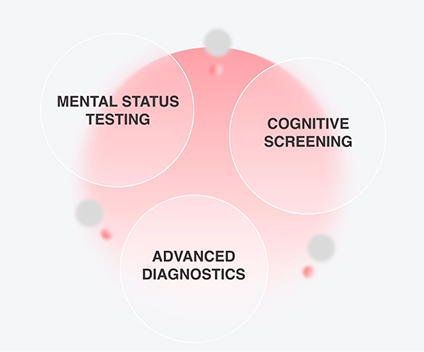
Show moreMorocco does not have a national dementia screening program, and diagnoses often occur at advanced stages. Comprehensive assessment, including neuropsychological testing and CT or MRI imaging, is available but concentrated in major urban centers such as Rabat and Casablanca. There is a significant shortage of neurologists and geriatric psychiatrists in the public sector, while many specialists work privately, limiting access for lower-income patients. Advanced diagnostics such as genetic testing and biomarker analysis are not part of the standard public pathway and are largely confined to research or tertiary centers. Most services are covered under the AMO-Tadamon insurance scheme, though out-of-pocket costs may apply. Rural and isolated communities face the greatest barriers to access, and some patients initially seek care from faith healers rather than formal medical services, contributing to delayed diagnosis.
Diagnosis pathway
Morocco does not have a national dementia screening program. Diagnosis typically begins in primary care, where a general practitioner conducts basic cognitive screening and clinical assessment before referring suspected cases to specialists such as neurologists or geriatric psychiatrists. Comprehensive evaluation, including neuropsychological testing and brain imaging, is available, but access is uneven. Specialists and imaging services are concentrated in major urban centers such as Rabat, Casablanca, Fes, and Marrakesh, while rural and isolated communities face significant barriers, weak referral systems, and shortages of medical professionals. There is an acute shortage of neurologists and geriatric psychiatrists in the public sector, and many specialists work privately, making services financially inaccessible for much of the population. As a result, diagnoses often occur at advanced stages. Additionally, a considerable number of patients with neurological or mental health symptoms initially seek help from faith healers rather than formal medical services, contributing to delayed diagnosis.
In Morocco, most dementia diagnoses occur when patients enter advanced stages of the disease, that is, when behavioral disorders appear. Factors influencing delayed diagnoses are primarily cultural – memory issues are considered to be a standard characteristic of aging – which is why older people tend to tolerate the symptoms of cognitive disorders. Other factors include a lack of public awareness of the variety of cognitive disorders, an insufficient number of specialists – such as geriatric psychiatrists and neurologists – and limited access to diagnostic imaging services. Another factor complicating timely (and correct) dementia diagnoses is the limited availability of validated neuropsychological tests.
Morocco does not have a comprehensive national dementia screening program – it lacks a national, systematic effort for dementia screening and diagnosis. That said, the standard diagnostic pathway for dementia is available, but significant disparities in access to services associated with it persist.
When individuals or their families notice persistent memory problems, personality changes, or difficulties with daily tasks, they usually consult a primary care physician. A brief cognitive screening, review of patients’ medical history and physical examination are usually done in this step. However, access to public primary healthcare facilities in Morocco comes with significant challenges. Dissatisfaction with primary healthcare services is very high, according to a 2022 study. In addition, many Moroccans still cannot fully access primary healthcare services, or can only access low quality ones. Reference systems are generally considered to be weak, and there is a shortage of medical professionals in the country. Problems with continuity in service provision persist in isolated communities.
Patients could then be referred to specialists – such as neurologists or geriatric psychiatrists – who then conduct a comprehensive assessment. Yet, in practice, significant barriers to accessing specialists in the public healthcare system persist. Firstly, most neurological specialists are concentrated in urban areas, such as the Rabat and Casablanca metropolitan areas, or Fes and Marrakesh. Secondly, there is an acute shortage of neurologists and geriatric psychiatrists in Morocco, especially in the public healthcare system. That said, waiting times for accessing their services can be significant. Many specialists work within the private healthcare system, which is inaccessible to many Moroccans due to financial barriers.
Specialists usually conduct a comprehensive evaluation of a patient, involving neuropsychological batteries and diagnostic imaging. The availability of diagnostic imaging services in Morocco is significantly above African averages, but below global ones. In addition, a majority of these services are concentrated in urban environments, meaning that rural residents face additional barriers in accessing them. In recent years, the Moroccan government invested significant funds in upgrading its diagnostic imaging capacities[4]. The most recent National Healthcare Plan (up to 2025) envisaged an investment of USD 1.5 billion for improvements in hospital capacity, with an additional USD 1 billion reserved for strengthening various national health programs. With most of the funding reserved for public healthcare facilities, a positive effect on diagnostic imaging capacity should be anticipated, especially as magnetic resonance imaging (MRI) was one of the leading subsectors benefiting from this investment.
Genetic testing for Alzheimer’s disease and related dementias – such as apolipoprotein E (APOE) genotype investigation – is available mostly in research settings in Morocco, with a number of studies conducted by institutions of higher learning in the country. However, its availability in clinical settings seems to be limited. On the other hand, there is evidence of advanced biomarker use in diagnosing dementia, both in research and clinical settings. Yet, the use of cerebrospinal fluid (CSF) testing, for instance, is largely confined to tertiary healthcare settings, meaning that the availability of such diagnostic methods outside cities is likely limited. That said, neither genetic testing nor advanced biomarker diagnosis are considered to be part of the standard dementia diagnostic pathway, at least in the public healthcare sector.
Many Moroccan patients suffering from neurological disorders – including Alzheimer’s disease and related dementias – initially turn to faith healers, avoiding standard diagnostic pathways. A systematic review conducted in the Arab world – which, among other countries, covered Morocco – revealed that a significant number of patients with mental disorders choose to avoid formal healthcare facilities in treating their symptoms. The prevalence of traditional healing services in the region may be attributed to multiple factors, such as (1) accessibility – which is often lacking for contemporary medical services – a (2) lack of affordable medical care, or a (3) strong belief in the efficiency of traditional healing methods for mental disorders.
- https://www.jns-journal.com/article/S0022-510X(21)01730-5/fulltext
- https://www.researchgate.net/publication/363487158_Primary_health_care_services_in_Morocco
- https://www.researchgate.net/figure/Map-of-the-geographical-distribution-of-neurologists-in-Morocco-a-b-c-a-Teaching_fig1_346262391
- https://www.sciencedirect.com/science/article/pii/S1120179722020580
- https://pubmed.ncbi.nlm.nih.gov/38015425/
- https://www.sciencedirect.com/science/article/abs/pii/S2452014421004684
- https://www.sciencedirect.com/science/article/abs/pii/S0306452214002759
- https://www.jns-journal.com/article/S0022-510X(23)00833-X/fulltext
- https://pmc.ncbi.nlm.nih.gov/articles/PMC11035961/
Wait times
In public primary care, wait times are generally short, as most services are delivered without prior appointments. However, access and quality vary significantly, particularly in rural areas. Specialist wait times in the public sector can be long due to the severe shortage of neurologists and geriatric psychiatrists, who are concentrated in major cities and tertiary hospitals. Rural residents often face longer delays or must travel for care. Private-sector specialist appointments usually involve shorter waits, but high out-of-pocket costs limit access. Diagnostic imaging capacity is uneven: CT scans are more widely available, MRI access is more limited, and there was only one PET scanner in the public system (2022), significantly constraining access to advanced imaging.
When accessing primary healthcare services in the publicly funded system, wait times tend not to be significant overall. A study of the Moroccan primary healthcare landscape showed that more than 75% of health services offered at that level are delivered without advance appointments. Despite this, dissatisfaction with primary healthcare services is high, and many Moroccans still cannot fully access primary healthcare services, or can only access low quality ones – something which is particularly true in rural areas.
As the shortage of healthcare workers in Morocco is particularly severe in rural areas, patients there usually deal with longer wait times, or have limited access to specialist care. That said, not many neurologists and geriatric psychiatrists operate in Morocco, with most being concentrated in urban areas, and affiliated with tertiary healthcare institutions. Wait times for their services in the public healthcare sector can be significant, even in urban areas. On the other hand, waiting times for specialist services in the private sector are much lower, although most Moroccans cannot access these due to high out – of – pocket costs.
Little information is available on wait times for diagnostic imaging services in Morocco, but anecdotal evidence points that patients wait the least for computed tomography (CT) scans, as they are most prominently available in Morocco. Magnetic resonance imaging (MRI) is less prominent, and wait times are likely longer. Within the public healthcare sector, there is only one PET scanner available (2022).
- https://www.researchgate.net/publication/363487158_Primary_health_care_services_in_Morocco
- https://www.researchgate.net/figure/Map-of-the-geographical-distribution-of-neurologists-in-Morocco-a-b-c-a-Teaching_fig1_346262391
- https://www.jns-journal.com/article/S0022-510X(21)01730-5/fulltext
- https://pmc.ncbi.nlm.nih.gov/articles/PMC10386871/
- https://ourworldindata.org/grapher/availability-of-computed-tomography-ct-imaging?mapSelect=~MAR
- https://link.springer.com/chapter/10.1007/978-981-16-7945-2_11
Diagnosis cost
In Morocco, most public healthcare services, including consultations and diagnostic imaging, are covered for people enrolled in the AMO-Tadamon insurance scheme, though patients may still face out-of-pocket costs due to differences between official reimbursement rates and actual provider fees. Access is more limited in rural areas and in under-resourced public facilities. Private insurance is mainly available through large employers, and those without coverage must pay directly: GP visits typically cost MAD 150–300, specialist consultations MAD 250-400, and CT scans around MAD 2,000.
Within the public healthcare sector, which provides an overwhelming majority of healthcare services in Morocco, consultations with primary care physicians and specialists tend to be covered for those enrolled in the AMO – Tadamoninsurance program, which enables all beneficiaries to receive healthcare from public clinics, with coverage also expanding to private providers as well. Coverage from the AMO – Tadamon program is quite comprehensive, and diagnostic imaging services also tend to be covered. Still, out – of – pocket costs might rise because of differences in reference rates prescribed by AMO – Tadamon and the actual charges of healthcare providers, in both the private and public healthcare sectors. In practice, gaps persist in resource distribution, healthcare worker shortages, and funding, leading to a significant disparity between urban and rural regions and between public and private facilities. Private insurance is typically offered through larger corporations, usually for those able to afford coverage payments. Private sector mutuals and insurers determine their own benefit packages. Those without insurance coverage tend to cover diagnostic services out of their own pocket. Consultations with a general practitioner cost between MAD 150 and 300, while a consultation with a specialist is between MAD 250 and 400, depending on whether they are in the public or private sector (2025). Diagnostic imaging services, such as CT scans, usually cost around MAD 2,000 (2025).
- https://healtheconomicsreview.biomedcentral.com/articles/10.1186/s13561-023-00477-0
- https://pmc.ncbi.nlm.nih.gov/articles/PMC2898512/
- https://www.expatassure.com/morocco/
- https://www.international-sante.com/healthforexpats/expat-insurance/country/morocco/
- https://africainfoline.com/listing/scans/africa/ct-scan-cost-in-african-cities-find-nearest-hospitals/
Cognitive tests
In Morocco, cognitive screening tests which are either used or validated for use include the following…
(1) Darija version of the Mini – Mental State Examination (MMSE)
(2) Darija, Tamazight and Modern Standard Arabic (MSA) versions of the Montreal Cognitive Assessment (MoCA)
(3) Darija version of the 10 / 66 Dementia Research Group Cognitive Test Battery
(4) Darija version of the Mattis Dementia Rating Scale (MDRS)
(5) Battery of Cognitive Efficacy (BEC96), which is accessible to lower educated patients.
Other “less traditional” ways of conducting cognitive screening in Moroccan clinical settings include visual short – term or digital memory assessments, work memory assessments, language assessment tests — such as the DO80 — and apraxia tests.
Imaging tests
Brain scans – such as magnetic resonance imaging (MRI) and computed tomography (CT) scans – are available in Morocco, and are considered to be part of the standard diagnostic pathway for dementia. Data on the number of MRI, CT and positron emission tomography (PET) scanners per million people in Morocco is inconsistent and not necessarily reliable. Most recently available estimates point out that there are 3.22 magnetic resonance imaging (MRI) units per million people in Morocco (2018), around 360 computed tomography scanners in Morocco (2019) – out of which 56 are found in the public sector (2022) – and only one positron emission tomography (PET) scanner (2022). In recent years, the Moroccan government invested significant funds in upgrading its diagnostic imaging capacities, meaning that these estimates are likely outdated.
Genetic tests
APOE genotype investigation was used in research settings to study the pathogenic implications of a novel APOE gene mutation found in Moroccan dementia patients, and evaluate the impact of APOE gene polymorphism in Moroccan patients on their susceptibility to Alzheimer’s disease and response to donepezil treatments. In addition, other genetic testing methods were used to study novel presenilin mutations within Moroccan patients. That said, little evidence is present on the availability of genetic testing for dementia in clinical settings.
Biomarker tests
Advanced biomarkers are used to diagnose dementia both in research and clinical settings in Morocco. Cerebrospinal fluid (CSF) testing use is, however, largely confined to tertiary healthcare settings, meaning that the availability of such diagnostic methods outside cities is likely limited. Cerebrospinal fluid (CSF) biomarkers – such as total – tau, phosphorylated – tau and β – amyloid 1 – 42 – are usually used in Morocco to diagnose Alzheimer’s disease when symptoms are atypical.
Cognitive Tests
Cognitive Tests
In Morocco, cognitive screening tests which are either used or validated for use include the following…
(1) Darija version of the Mini – Mental State Examination (MMSE)
(2) Darija, Tamazight and Modern Standard Arabic (MSA) versions of the Montreal Cognitive Assessment (MoCA)
(3) Darija version of the 10 / 66 Dementia Research Group Cognitive Test Battery
(4) Darija version of the Mattis Dementia Rating Scale (MDRS)
(5) Battery of Cognitive Efficacy (BEC96), which is accessible to lower educated patients.
Other “less traditional” ways of conducting cognitive screening in Moroccan clinical settings include visual short – term or digital memory assessments, work memory assessments, language assessment tests — such as the DO80 — and apraxia tests.
Imaging Tests
Imaging Tests
Brain scans – such as magnetic resonance imaging (MRI) and computed tomography (CT) scans – are available in Morocco, and are considered to be part of the standard diagnostic pathway for dementia. Data on the number of MRI, CT and positron emission tomography (PET) scanners per million people in Morocco is inconsistent and not necessarily reliable. Most recently available estimates point out that there are 3.22 magnetic resonance imaging (MRI) units per million people in Morocco (2018), around 360 computed tomography scanners in Morocco (2019) – out of which 56 are found in the public sector (2022) – and only one positron emission tomography (PET) scanner (2022). In recent years, the Moroccan government invested significant funds in upgrading its diagnostic imaging capacities, meaning that these estimates are likely outdated.
Genetic Tests
Genetic Tests
APOE genotype investigation was used in research settings to study the pathogenic implications of a novel APOE gene mutation found in Moroccan dementia patients, and evaluate the impact of APOE gene polymorphism in Moroccan patients on their susceptibility to Alzheimer’s disease and response to donepezil treatments. In addition, other genetic testing methods were used to study novel presenilin mutations within Moroccan patients. That said, little evidence is present on the availability of genetic testing for dementia in clinical settings.
Biomarker Tests
Biomarker Tests
Advanced biomarkers are used to diagnose dementia both in research and clinical settings in Morocco. Cerebrospinal fluid (CSF) testing use is, however, largely confined to tertiary healthcare settings, meaning that the availability of such diagnostic methods outside cities is likely limited. Cerebrospinal fluid (CSF) biomarkers – such as total – tau, phosphorylated – tau and β – amyloid 1 – 42 – are usually used in Morocco to diagnose Alzheimer’s disease when symptoms are atypical.
Treatment & Care
Treatment & care
Show moreDementia treatment and care services in Morocco are primarily concentrated in major urban centres such as Rabat and Casablanca, where university hospitals and selected private facilities provide neurological and memory clinic services. Access outside large cities remains limited due to specialist shortages and uneven resource distribution. Dedicated palliative and long-term dementia care services are underdeveloped, though initiatives such as the Day Centre for Alzheimer’s Patients in Rabat provide structured support for patients and caregivers. Alzheimer’s medications (donepezil, rivastigmine, memantine) are available, and individuals enrolled in the AMO-Tadamon public insurance scheme typically receive 70–90% coverage of treatment costs, although out-of-pocket expenses remain common. Long-term caregiving and residential care are largely financed by families. Formal caregiver support is limited, with most structured assistance provided by Association Maroc Alzheimer (AMA), alongside broader government efforts to expand disability and health coverage.
Specialized facilities and services
Dementia care in Morocco is mainly concentrated in major cities such as Rabat and Casablanca, where public university hospitals (including Ibn Sina and Ibn Rochd) host memory clinics and neurology departments. Some private hospitals also provide dementia services, but access is limited by cost.
Outside large urban centres, specialist services are scarce due to workforce shortages. Palliative and long-term dementia care remain underdeveloped, with very limited dedicated facilities. A notable exception is the Day Centre for Alzheimer’s Patients in Rabat, which provides care and caregiver support for up to 100 patients.
Despite progress made over the recent years – primarily owing to a National Healthcare Plan (elapsed in 2025), which funnelled significant investments into the modernization of facilities – the Moroccan healthcare system faces several challenges that limit its ability to deliver high quality healthcare to citizens across the country. One significant challenge is the unequal distribution of healthcare resources, with urban areas having better healthcare access and resources than rural areas. This disparity is particularly pronounced in the areas of healthcare infrastructure, medical equipment, and specialist care.
That said, most facilities catering to the needs of dementia patients are concentrated within major urban areas. Dementia treatment, care and support services outside Rabat, Casablanca, Fes and Marrakesh can be scarce, as evidenced by a low number of neurological specialists. The most prominent Moroccan healthcare facilities specializing in dementia treatment and care include…
(1) Memory Centre of Rabat, which is an associated institution of the Ibn Sina University Hospital Centre, a public teaching hospital for Mohammed V University. Its Hôpital des spécialités operates a renowned Department of Neurology and Neurosurgery, which provides diagnostic services, treatment and care for Moroccan dementia patients, while also conducting research into dementia causes. The National Centre for Rehabilitation and Neurosciences (CNRNS) is an institution jointly administered by the Hassan II Foundation for Preventing and Fighting Diseases of the Nervous System and the relevant departments of the Ibn Sina University Hospital Centre of Rabat. Based on the premises of the latter, the CNRNS specializes in providing diagnostic services, treatment and care for patients with neurological diseases at a low or no cost, including those with Alzheimer’s disease and related dementias.
(2) Ibn Rochd Hospital – a public teaching hospital associated with the Hassan II University of Casablanca – hosts two renowned Departments of Neurology and Neurosurgery, which jointly operate a memory clinic on the hospital premises.
(3) Hôpital Universitaire International Cheikh Khalifa bin Zaid (HUICK) is a private hospital in Casablanca. It hosts a Department of Neurology, which, among other things, specializes in treating neurodegenerative diseases, such as dementia.
(4) Another private Hôpital Universitaire International Cheikh Khalifa bin Zaid (HCK) maintains a presence in Rabat. Recently, the Centre Fondation Adolphe de Rothschild – a department of a renowned French hospital specializing in ophthalmology and neurosciences – opened on the premises of the Rabat HCK, establishing a regular presence of French neurological specialists in Morocco.
Development of palliative care is notably constrained, with an almost complete scarcity of laws and regulations in this area. Despite some progress, palliative care in Morocco remains fragmented and underdeveloped, with persistent disparities in its accessibility and provision. Dedicated palliative care units operate only in the largest cities – almost exclusively within oncology units of tertiary hospitals. Currently, only a few dedicated palliative care units operate in Morocco, including a 10-bed hospital unit and outpatient clinic in Rabat, and a unit in Fez. Services beyond those targeting oncology patients are almost non – existent in Morocco.
Similarly, long term care facilities in Morocco for dementia patients are likely underdeveloped, with little information available on them. Care facility development in Morocco largely occurred ad hoc, with little integration into the national health system. So far, the Mohammed V Foundation for Solidarity is taking charge in these efforts, having opened a Home for the Elderly located in Hay Nahda (Rabat). Systematic approaches to long term care provision are still lacking in Morocco.
Morocco opened one of the first daycare facilities dedicated to dementia patients in Africa, the Day Centre for Alzheimer’s Patients in Hay Nahda (Rabat). A joint initiative of the Mohammed V Foundation for Solidarity and the Association Maroc Alzheimer (AMA), the Centre has a mission to (1) provide therapeutic and medical treatment to Alzheimer’s disease patients, (2) support their family caretakers and (3) train healthcare personnel in caring for Alzheimer’s disease patients. Currently, the Centre is capable of caring for 100 patients at any given time.
Approved medication
| Generic Name | Trade Name | Used for |
|---|---|---|
| Donepezil | Aricept, Aricept ODT, Adlarity, Eranz, Memac, Alzepil, Davia, Donecept, Donep, Donepex, Donesyn, Dopezil, Yasnal, Memorit, Pezale, Redumas, Zolpezil, Namzaric* | Donepezil is indicated for the symptomatic treatment of mild to moderately severe Alzheimer’s dementia. |
*Namzaric = combination of Donepezil and Memantine
Treatment cost
In Morocco, Alzheimer’s medications such as donepezil, rivastigmine, and memantine are available, with prices varying widely depending on brand and dosage (e.g., donepezil approx. MAD 233-551; rivastigmine MAD 810-942; memantine MAD 126-347). For individuals enrolled in the AMO-Tadamon public insurance scheme, approximately 70-90% of treatment costs are generally covered. However, patients may still face out-of-pocket expenses due to reimbursement rate differences. Long-term caregiving and non-medical support costs are largely borne by families.

When it comes to the costs of drugs used to treat Alzheimer’s disease, they vary by drug type, brand and dosage. A comprehensive list of medicines sold in Morocco is publicly available, with information about prices. Prices of donepezil vary between MAD 233 and MAD 551 per dose (2025). Prices of rivastigmine vary between MAD 810 and MAD 942 per dose, while the prices of memantine vary between MAD 126.3 and MAD 347 per dose (2025).
That said, beneficiaries of the AMO – Tadamon program stand to have most expenses associated with treating Alzheimer’s disease and related dementias covered. Still, as with diagnostic services, out – of – pocket costs might arise because of differences in reference rates prescribed by AMO – Tadamon and actual charges of healthcare providers, in both the private and public healthcare sectors. In practice, around 70% to 90% of treatment costs tend to be covered by AMO – Tadamon, on average. Yet, families have to cover most costs associated with caring for Alzheimer’s disease patients.
Caregiver support
Formal caregiver support in Morocco remains limited. Government measures, including expanded AMO-Tadamon coverage and plans for lifetime financial assistance for persons with disabilities, may provide indirect support to families. In practice, most structured caregiver assistance is provided by Association Maroc Alzheimer (AMA), which raises awareness, delivers caregiver training, organizes support meetings, and co-runs a dementia day-care centre in Rabat with the Mohammed V Foundation for Solidarity, offering partial relief to families.
Currently, there are few formal resources to support families and caregivers of dementia patients in Morocco. Some commitment towards improving the lives of older patients – including those with Alzheimer’s disease and related dementias – is shown by the Moroccan government, which announced its intention to provide lifetime financial assistance for Moroccans with disabilities (2021). This plan, coupled with recent expansions of coverage for AMO – Tadamon beneficiaries, is likely to ease some of the pressures facing families caring for dementia patients.
Dementia caregiver support in Morocco primarily comes from Association Maroc Alzheimer (AMA), a national non – governmental association working on raising public awareness of dementia, running educational events and dementia care training for caregivers, while also organizing caregiver support meetings. In association with the Mohammed V Foundation for Solidarity, the AMA also runs a daycare centre for dementia patients in Rabat, which, among other things, sets out to support families and caregivers of dementia patients, providing them with some relief from caregiving activities.
Policy
Policy
Show moreMorocco does not have a national dementia strategy, and dementia is not addressed as a standalone health priority. In practice, this contributes to fragmented services and low public awareness. Dementia remains highly stigmatized, often perceived as normal aging, madness, or even spiritual possession, which leads families to delay seeking care. Legal terminology in the Moroccan Family Code still refers to individuals with cognitive impairment using terms such as “insane” or “demented person,” reinforcing confusion between dementia and psychiatric illness. Although Moroccan law formally prohibits discrimination against persons with disabilities, no dementia-specific legal or policy framework exists to address stigma, protect rights, or coordinate care at the national level.
National dementia plan
Morocco does not currently have a dedicated national dementia strategy. While several broader policy frameworks, including the Integrated National Program for the Advancement of Older Persons (2020-2030), the National Multisectoral Strategy for the Prevention and Control of Non-Communicable Diseases (2019-2029), and the Health Reform Strategy (2019–2029), may indirectly benefit people with dementia through expanded social protection, non-communicable disease prevention, and universal health coverage efforts, none explicitly address dementia as a standalone priority.
Morocco does not currently have a national dementia strategy or plan in place, and communication between its Ministry of Health and Social Protection and the most relevant international stakeholder in dementia management, Alzheimer’s Disease International (ADI), is non – existent. That said, other relevant strategic documents might have some relevance for dementia patients…
(1) The Integrated National Program for the Advancement of Older Persons (2020 to 2030), which revolves around the achievement of strategic objectives that are found in many national dementia plans, such as (1) expanding social care coverage and prevention measures to address the risks of aging and (2) creating an enabling environment that is supportive of older persons.
(2) The National Multisectoral Strategy for the Prevention and Control of Non – Communicable Diseases (2019 to 2029), aiming to kickstart the construction and equipment of oncology centres, psychiatric hospitals, reproductive health referral centres and addiction treatment centres, with the support of the Mohammed V Foundation for Solidarity.
(3) The Health Reform Strategy (2019 to 2029) aims to achieve universal health coverage through mandatory health insurance, including for non – communicable diseases, which includes Alzheimer’s disease and related dementias. It aims to decrease risks for developing such diseases – such as unhealthy diets, tobacco, alcohol and physical inactivity – through public awareness campaigns, while integrating non – communicable disease care into primary healthcare services.
Upcoming plans
In 2025, the Ministry of Health and Social Protection began working on a National Mental Health Strategy, targeting 2030. In March 2026, ADI and Moroccan stakeholders discussed a roadmap toward a future National Alzheimer Plan, and Morocco participated in ADI’s June 2026 National Dementia Plan workshop.
In 2025, the Ministry of Health and Social Protection began working on a National Mental Health Strategy, targeting 2030. The plan will aim to expand mental health departments in general hospitals, improve outpatient psychiatric services, create crisis intervention teams, and strengthen rehabilitation and social reintegration programs. The new strategy is expected to reduce the stigma surrounding mental illnesses. While not narrowly focusing on dementia patients, it is likely that they will benefit from initiatives envisaged by the strategy.
In March 2026, ADI and Moroccan stakeholders discussed a roadmap toward a future National Alzheimer Plan, and Morocco participated in ADI’s June 2026 National Dementia Plan workshop. This suggests Morocco is moving from ad hoc service provision toward early-stage national planning, although no plan has yet been adopted.
Policy gaps
Legal barriers
Morocco does not currently have a national dementia strategy, and is not planning to introduce one in the coming years. In practice, the lack of a strategic approach to dementia management leads to fragmentation in services catering to dementia patients and contributes to low public awareness of the disease and its implications among Moroccan citizens.
A number of legal barriers further complicate the standing of dementia patients within the broader Moroccan society. Firstly, a number of issues stem from the Moroccan Family Code – also known as the Moudawana. In articles dealing with issues of legal capacity, the Moudawana uses terms such as “demented person”, “insane person” and an individual who has “lost their mind”. By designating a person with neurodegenerative diseases as “insane” in an important legislative document, Morocco essentially codifies the stigmatization of dementia patients, framing their condition as madness rather than a medical illness. It is important to note that, despite the persistence of stigmatizing definitions, Moroccan law prohibits discrimination against persons with disabilities in employment, education, and access to health care – through Law 97 – 13 – and Morocco also ratified the United Nations Convention on the Rights of Persons with Disabilities. In addition, legislation governing mental health in Morocco is inadequate and outdated. Currently, a royal Dahir (decree) from 1959 determines mental health programs in Morocco, the rights of patients and other aspects related to the management of mental health conditions. The Dahir fails to differentiate neurodegenerative disorders like dementia from other psychiatric conditions, lumping them together and reinforcing misconceptions about the disease. While Morocco is currently developing a National Mental Health Strategy, a new legislative framework governing mental health services needs to be introduced for it to achieve objectives set.
Cultural barriers
Unsurprisingly, dementia is a poorly understood disease and a stigmatized condition in Morocco. A prevalent cultural view is that significant memory loss is a normal and unavoidable part of aging, which leads to a fatalistic acceptance of symptoms and delays in seeking medical help. Societal perceptions of patients with dementia – as insanity or madness – foster their stigmatization and exclusion from society. This stigma directly impacts family behaviour. The fear of social judgment – which is known as حشومة (hshuma or taboo) in Morocco – can lead families to hide the condition, particularly in smaller communities. Stigma is a major barrier to seeking timely diagnosis and care. In addition, as public awareness of dementia is low, many people, especially in rural areas, believe that mental health issues are the result of jinni (demons) possessing a person, on account of that person doing something evil. Such beliefs stigmatize dementia patients even further, adding additional barriers to seeking help.
Research
Research
Show moreDementia research in Morocco is primarily conducted by major public universities and tertiary hospitals, with activities largely focused on observational studies and local patient cohorts rather than large interventional drug trials. The country does not maintain a national dementia registry, and clinical trial information is mainly accessible through regional platforms such as the Pan-African Clinical Trials Registry. Innovative research efforts include the exploration of plant-based compounds such as naringenin and hesperetin as potential Alzheimer’s therapies, as well as genetic studies examining how APOE variations may influence disease risk and treatment response. Overall, research capacity exists but remains limited in scale and coordination.
Selected academic institutions
Clinical trials and registries
Currently, there are no major, active clinical trials for new dementia drugs recruiting patients in Morocco. Most of the research is observational, focusing on understanding the disease within the Moroccan population. Morocco does not seem to maintain a national clinical trials registry. However, on the Pan – African Clinical Trials Registry (PACTR) website, patients can find a list of all ongoing clinical trials in Morocco, as well as information on how to enrol into said trials. That said, the PACTR could serve as a relevant resource for dementia patients.
Morocco does not have a national registry for dementia patients, but tertiary hospitals affiliated with large institutions have conducted research on localized cohorts — with the Memory Centre of Rabat and the Ibn Rochd Hospital in Casablanca leading these efforts.
Selected innovative methods
Researchers in Morocco are exploring phytochemical compounds from medicinal plants as potential multi-target therapies for Alzheimer’s disease, identifying two promising compounds, naringenin and hesperetin, derived from Anabasis aretioides through computational screening. In addition, researchers in Casablanca have examined how APOE gene variations may influence both susceptibility to Alzheimer’s disease and response to donepezil treatment.
Driven by the necessity of developing multitarget ligands for effectively treating dementia, the study around the potential of phytochemical compounds from Moroccan medicinal plants as multitarget agents against the disease – employing computational approaches – is ongoing. A virtual screening of 386 phytochemical compounds led to the identification of two promising compounds – naringenin (C23) and hesperetin (C24) – derived from Anabasis aretioides, which display favourable pharmacokinetic profiles and strong binding affinities for key targets associated with Alzheimer’s disease.
Researchers from the Ibn Rochd Hospital in Casablanca – associated with Hassan II University – studied the impact of apolipoprotein E (APOE) gene polymorphism on (1) susceptibility to Alzheimer’s disease and (2) responses to treatment with donepezil, an acetylcholinesterase inhibitor commonly used to treat it.
Support
Support
Show moreDementia-related support in Morocco is primarily driven by civil society. The Mohammed V Foundation for Solidarity, in partnership with Association Maroc Alzheimer (AMA), operates the main dedicated initiative, the Day Centre for Alzheimer’s Patients in Rabat, which provides day care, limited therapeutic services, and caregiver support. AMA remains the principal active NGO focused on dementia awareness and caregiver training. Other previously established associations and pilot centres have little or no recent public evidence of ongoing activity. Overall, structured national support mechanisms remain limited, with most assistance concentrated in Rabat and reliant on NGO-led efforts rather than a coordinated national system.
Selected national associations, patient family associations, NGOs:
Selected initiatives
Day Centre for Alzheimer’s Patients: The main active dementia-focused initiative in Morocco is the Day Centre for Alzheimer’s Patients in Rabat, operated by the Mohammed V Foundation for Solidarity and Association Maroc Alzheimer (AMA). It provides day care for up to 100 patients, caregiver support, and training for healthcare professionals. AMA remains the primary NGO supporting families through awareness activities and caregiver training.
Other previously established initiatives, such as the Centre Pilote Alzheimer du Maroc in Essaouira and the Association Marocaine d’Alzheimer et Maladies Apparentées (AMAMA) in Casablanca, have limited or no recent public evidence of ongoing operations, and their current activity status is unclear.
Day Centre for Alzheimer’s Patients
Centre Pilote Alzheimer du Maroc
Association Marocaine d’Alzheimer et Maladies Apparentées (AMAMA)
- https://www.fm5.ma/en/day-center-alzheimer-s-patients-hay-nahda-%E2%80%93-rabat
- https://ampa-monaco.com/fr/evenements/les-projets-d-ampa-en-mediteranee/premier-centre-pilote-alzheimer-du-maroc
- https://www.facebook.com/p/AMAMA-Association-Marocaine-Alzheimer-Maladies-Apparent%C3%A9es-100068306847032/
- https://www.fondation-mederic-alzheimer.org/documentary_base/amama-naissance/
Dedicated media outlets
Morocco does not have a media outlet dedicated to news about dementia. The Association Maroc Alzheimer (AMA) does not maintain a webpage, instead using a closed Facebook group to communicate with Alzheimer’s disease patients, their families and caregivers. While not an outlet dedicated to reporting on dementia and Alzheimer’s disease, Morocco Daily News – an online news publication dedicated to reporting on Moroccan current affairs in the English language – commonly writes about developments in the healthcare sector of Morocco, including those related to dementia.