

New Zealand
New Zealand’s response to Alzheimer’s disease, locally understood through the Māori concept of “mate wareware”, is guided by the Dementia Mate Wareware Action Plan (2026-2031). The country has pioneered culturally specific diagnostic tools like the MANA toolkit, moving beyond standard Western screening to provide assessments sensitive to Māori needs. However, despite these innovations, the health system is facing what advocates describe as a “national health emergency”. Implementation of the national plan remains underfunded, creating a “postcode lottery” for post-diagnostic support where families (particularly in rural areas) struggle with long wait times for specialist memory clinics and inconsistent access to respite care.

AD Rating
Diagnostic Pathway
Specialized Care
Caregiver Support
National Policies
Access to ATT-s
Highlights

Population
Median age
Health expenditure (% of GDP)
Diagnosis
Diagnosis
Show moreIn New Zealand, the journey to a dementia diagnosis often begins with a visit to a GP after a person or their family/whānau notices changes in memory, behavior, or daily functioning. The GP reviews symptoms, rules out reversible causes through history, examination, and blood tests, and uses screening tools such as the Mini-ACE. Many diagnoses are made in primary care, while complex cases are referred to specialists or memory services, usually within about two months. Brain imaging like CT or MRI may support diagnosis. Culturally appropriate assessment tools, such as the MANA toolkit for Māori whānau, are also available. After diagnosis, people are connected to planning, support services, and caregiver resources. GP visits usually have a fee, but public specialist care is free for eligible residents.
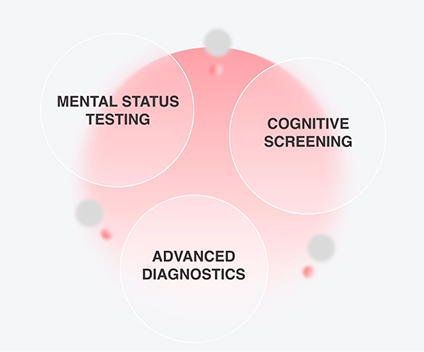
Diagnosis pathway
The dementia diagnosis pathway usually begins in primary care and moves from clinical assessment to structured post-diagnostic support. The process often starts when individuals or their family/whānau spot cognitive, behavioral, or psychological changes affecting everyday life. GPs take a detailed history, often with input from the family, and assess symptom patterns. They rule out reversible causes of cognitive impairment, such as depression, medication side effects, delirium, infections, alcohol misuse, or metabolic conditions, typically supported by routine blood tests. If reversible causes are not found, GPs conduct cognitive screening using tools such as GPCOG or the Mini-ACE. Many dementia cases are diagnosed and managed within primary care, while referrals to specialists, such as geriatricians or memory services, are made for complex or uncertain presentations. After diagnosis, patients are connected to support pathways promoting early planning, advance care arrangements, and caregiver support services.
The Alzheimer’s disease diagnosis pathway in New Zealand begins in primary care and is designed to move from initial clinical assessment to a formal post-diagnostic support plan. The process starts when a person or their family/whānau reports concerns about cognitive, behavioural, or psychological symptoms that are impacting daily life. The general practitioner (GP) takes a detailed clinical history from both the patient and an informant who knows them well (e.g., a family member). This history establishes the type, duration, and pattern of symptoms (e.g., sudden or gradual). A critical step is to investigate and rule out other causes of cognitive impairment. This includes screening for depression, reviewing medications for adverse effects, and considering delirium, infections (like a UTI), or alcohol misuse. The GP also orders a standard set of blood tests to identify reversible causes, such as a full blood count, thyroid function, serum vitamin B12 and folate, and tests for renal and liver function.
If reversible causes are excluded, the GP proceeds with a formal cognitive assessment. A brief, structured cognitive test is administered, such as the GPCOG (General Practitioner assessment of Cognition), the Mini-Addenbrooke’s Cognitive Examination (Mini-ACE) or the MANA – the Māori Assessment of Neuropsychological Abilities suite of tools. Many people living with dementia can be diagnosed and managed within primary care. Referral to a secondary care specialist (like a geriatrician or memory service) is typically reserved for cases with diagnostic uncertainty or significant complexity. A follow-up consultation is required to discuss the diagnosis with the person and their family/whānau. This conversation covers the management plan and, crucially, connects them with support services.
Wait times
Patients experience significant healthcare delays at multiple stages, with GP appointments frequently taking two to six weeks and specialist referrals often exceeding their four-month target. However, specific populations like those with young-onset dementia see notably shorter wait times, averaging just under two months for a specialist visit.
Wait times are often substantial and occur at multiple stages. Access to a GP can take over two weeks for about one-third of patients, with many waiting three to four weeks or longer, and some reporting waits of up to six weeks in certain areas. After initial assessment, referral to specialist services (e.g. geriatricians or memory clinics) introduces the greatest delay: although the target is to be seen within four months, tens of thousands of patients are waiting longer than this for a first specialist assessment as of early 2025, with some waiting over a year. However, in specific populations such as young-onset dementia, shorter timeframes have been reported; a 2024 study found the average time from GP referral to first specialist visit was 1.9 months, with 81% of patients seen within three months.
Diagnosis cost
Initial GP visits in New Zealand usually require a fee, though enrolled patients receive government subsidies. Public specialist or memory service appointments and diagnostic tests are free for eligible residents.
An initial visit to a GP is not free; GPs are private businesses with different visit fees. The cost of a visit will be lower if the individual is enrolled with the practice, as the Government partially subsidises the fee for enrolled patients. If an individual is referred to a specialist or a memory service within the public health system (Te Whatu Ora), the appointments and subsequent diagnostic tests are free for eligible New Zealand residents.
Cognitive tests
The recommended cognitive impairment screening tool in New Zealand is Mini-Addenbrooke’s Cognitive Examination (Mini-ACE or M-ACE); it has replaced the Montreal Cognitive Assessment (MoCA) test as New Zealand’s recommended cognitive screening test.
The diagnostic suite for mate wareware for use with Māori whānau is called the MANA – the Māori Assessment of Neuropsychological Abilities suite of tools. The MANA was developed in research led by Māori for Māori. The MANA is not simply a cognitive screening measure but rather a whole toolkit for a comprehensive assessment that is sensitive to Māori cultural needs.
Imaging tests
Structural imaging, specifically Computed Tomography (CT) and Magnetic Resonance Imaging (MRI), is widely available through both public (Te Whatu Ora) and private radiology services in New Zealand. While access is broad, the diagnostic imaging sector faces challenges due to a global radiologist shortage and a growing demand driven by an aging population. More advanced techniques, such as FDG-PET and molecular PET (amyloid imaging), are available but their accessibility is significantly restricted compared to structural imaging.
Genetic tests
Genetic testing for Alzheimer’s disease (e.g., APOE genotyping or rare familial mutations) is available in New Zealand but not routinely used in standard clinical diagnosis. It is typically accessed through specialist services or research settings, particularly when there is a strong family history or early-onset disease, and in cases where a person is presented with symptoms. Guidelines from LabPLUS (Auckland City Hospital) and Best Practice Advocacy Centre New Zealand (BPAC) state that because the Epsilon 4 allele is a risk factor rather than a deterministic marker, it has low predictive value and lacks clinical utility for asymptomatic or standard late-onset cases.
Predictive genetic testing (e.g., testing unaffected individuals for familial mutations) is managed through the national genetics service and requires formal genetic counselling. Health New Zealand notes that predictive genetic testing referrals should go to Genetic Health Service NZ for counselling and oversight.
Biomarker tests
Cerebrospinal fluid (CSF) and blood-based biomarkers are not yet part of the routine clinical diagnostic process, which remains focused on clinical evaluation and structural imaging.
Cognitive Tests
Cognitive Tests
The recommended cognitive impairment screening tool in New Zealand is Mini-Addenbrooke’s Cognitive Examination (Mini-ACE or M-ACE); it has replaced the Montreal Cognitive Assessment (MoCA) test as New Zealand’s recommended cognitive screening test.
The diagnostic suite for mate wareware for use with Māori whānau is called the MANA – the Māori Assessment of Neuropsychological Abilities suite of tools. The MANA was developed in research led by Māori for Māori. The MANA is not simply a cognitive screening measure but rather a whole toolkit for a comprehensive assessment that is sensitive to Māori cultural needs.
Imaging Tests
Imaging Tests
Structural imaging, specifically Computed Tomography (CT) and Magnetic Resonance Imaging (MRI), is widely available through both public (Te Whatu Ora) and private radiology services in New Zealand. While access is broad, the diagnostic imaging sector faces challenges due to a global radiologist shortage and a growing demand driven by an aging population. More advanced techniques, such as FDG-PET and molecular PET (amyloid imaging), are available but their accessibility is significantly restricted compared to structural imaging.
Genetic Tests
Genetic Tests
Genetic testing for Alzheimer’s disease (e.g., APOE genotyping or rare familial mutations) is available in New Zealand but not routinely used in standard clinical diagnosis. It is typically accessed through specialist services or research settings, particularly when there is a strong family history or early-onset disease, and in cases where a person is presented with symptoms. Guidelines from LabPLUS (Auckland City Hospital) and Best Practice Advocacy Centre New Zealand (BPAC) state that because the Epsilon 4 allele is a risk factor rather than a deterministic marker, it has low predictive value and lacks clinical utility for asymptomatic or standard late-onset cases.
Predictive genetic testing (e.g., testing unaffected individuals for familial mutations) is managed through the national genetics service and requires formal genetic counselling. Health New Zealand notes that predictive genetic testing referrals should go to Genetic Health Service NZ for counselling and oversight.
Biomarker Tests
Biomarker Tests
Cerebrospinal fluid (CSF) and blood-based biomarkers are not yet part of the routine clinical diagnostic process, which remains focused on clinical evaluation and structural imaging.
Treatment & Care
Treatment & care
Show morePeople with high or very high care needs, often older adults or those living with dementia, can access state-funded residential care, assessed by Health New Zealand | Te Whatu Ora and NASC agencies, with costs adjusted based on financial means. National and community organizations, including Dementia Canterbury, Te Puna Ora o Mataatua, Aotearoa Tongan Health Workers Association, and Te Hau Ora o Ngāpuhi, provide culturally responsive support, while private options exist through Summerset retirement villages. Approved prescriptions have low or waived co-payments, and high-use patients can get a Prescription Subsidy card. Carers can access DSS-supported respite care, including day programs, short-term residential stays, or in-home respite, helping families maintain wellbeing and continuity of care.
Specialized facilities and services
Specialised diagnostic and memory clinics are largely concentrated in major cities, which often requires rural patients to travel for assessment. However, broader post-diagnostic care is widely distributed across New Zealand through regional adult day centres accessed via NASC, a nationwide network of free hospice services, and long-standing Alzheimer’s and Dementia organisations that provide essential community support.
Specialised memory clinics and diagnostic hubs are primarily concentrated in major metropolitan hubs. Research-led Dementia Prevention Research Clinics (DPRCs) operate in Auckland, Christchurch, and Dunedin, focusing on early-stage Alzheimer’s and mild cognitive impairment. Public multidisciplinary memory teams, such as those in Counties Manukau and Waikato, provide diagnostic assessments but often have limited home-visit ranges, requiring rural patients to travel or rely on GP-led pathways.
Adult day centres and community support programmes are distributed regionally through providers like Enliven Northern, which covers Auckland, Waikato, and the Coromandel, and specialised centres like Forget Me Not in Whangārei. Access to these publicly funded programmes is managed by local Needs Assessment and Service Coordination (NASC) agencies, which act as the national gateway to determine eligibility for funded days.
Specialist palliative and end-of-life care is provided nationwide by the Hospice New Zealand network, including Nurse Maude in Canterbury and Nelson Tasman Hospice, at no cost to patients. These facilities offer inpatient Specialist Palliative Care Units (SPCU) for intensive symptom management and 24-hour nursing, alongside community teams that support patients in their own homes or aged care facilities.
Alzheimers and Dementia organisations have been the primary providers of post diagnostic support in all communities across Aotearoa New Zealand for almost 40 years. They deliver a range of services to support people living with dementia and their care partners to remain active members of their families and communities for as long as possible including navigation, education, cognitive stimulation therapy, carer support, peer support, and day programmes. Links to all of these organisations are available here: https://alzheimers.org.nz/get-support/find-local-help/.
Approved medication
| Generic Name | Trade Name | Used for |
|---|---|---|
| Donepezil | Aricept, Aricept ODT, Adlarity, Eranz, Memac, Alzepil, Davia, Donecept, Donep, Donepex, Donesyn, Dopezil, Yasnal, Memorit, Pezale, Redumas, Zolpezil, Namzaric* | Donepezil is indicated for the symptomatic treatment of mild to moderately severe Alzheimer’s dementia. Official National Product Information |
| Rivastigmine | Exelon, Exelon Patch, Prometax, Rivastach, Nimvastid | Symptomatic treatment of mild to moderately severe Alzheimer’s dementia. Symptomatic treatment of mild to moderately severe dementia in patients with idiopathic Parkinson’s disease. Official National Product Information |
| Galantamine | Razadyne, Razadyne ER, Reminyl, Reminyl XL, Nivalin, Lycoremine, Galsya | Galantamine is indicated for the symptomatic treatment of mild to moderately severe dementia of the Alzheimer type. Official National Product Information |
| Memantine | Namenda, Namenda XR, Ebixa, Memary, Axura, Akatinol, Maruxa, Nemdatine, Namzaric* | Treatment of adult patients with moderate to severe Alzheimer’s disease. Official National Product Information |
*Namzaric = combination of Donepezil and Memantine
Treatment cost
In New Zealand, approved prescriptions have a NZ$5 co-payment, waived for seniors, children, and Community Services Card holders. High-use patients can access a Prescription Subsidy card after 20 items, eliminating charges until February 1 of the following year.

Medications prescribed by approved providers are subsidised, a maximum co-payment of NZ$5 per item. This fee is waived for people 65 years of age and over, children under 14, and holders of a Community Services Card. Prescriptions for unapproved prescribers are NZ$15 but can be reduced to NZ$5 if a person has a High Use Health Card, a Community Services Card or if the prescription is for an oral contraceptive. Once people living with dementia and their families have collected 20 prescription items in a year, they can get a Prescription Subsidy card, which means they won’t have to pay any more prescription charges until 1. February the following year. Residential care services are available and state-funded for individuals who meet specific eligibility criteria, primarily related to long-term disability or age-related conditions. This process involves two separate steps. First, a person’s clinical needs are assessed by Health New Zealand | Te Whatu Ora or a Needs Assessment Service Coordination (NASC) agency; to qualify for residential care, the person must be determined to have high or very high needs that are indefinite. Once the clinical need is established, the second step is to apply for funding through the Residential Care Subsidy scheme, which involves a financial means assessment by the Ministry of Social Development. If the person has assets above the applicable threshold, they are liable to pay for the costs of their care up to the maximum contribution.
- https://www.tewhatuora.govt.nz/for-health-providers/claims-provider-payments-and-entitlements/pharmaceutical-co-payments
- https://info.health.nz/hospitals-services/services-support/support-services/older-people/residential-care
- https://www.workandincome.govt.nz/products/a-z-benefits/residential-care-subsidy.html
- https://www.tewhatuora.govt.nz/for-health-professionals/clinical-guidance/specific-life-stage-health-information/health-of-older-people/long-term-residential-care/residential-care-questions-and-answers
Caregiver support
Carers of people with dementia can access support through DSS via NASC assessments. Respite options include day programs, short-term residential care funded by DHBs, or in-home respite, giving carers time to rest.
Carers looking for persons living with dementia can get support from Disability Support Service (DSS) funded by a Health District by contacting Needs Assessment and Service Coordination (NASC) providers to determine the level of need the affected person has. Respite care can be in a day programme or in a residential care facility. In some areas in-home respite is available where care is available in your own home and this gives the carer some time off. While Carers NZ is not exclusive to dementia, this charity focuses entirely on the wellbeing of family carers. They are an essential resource for navigating the logistical side of caregiving. They provide a free “Carers Info Pack,” advice on how to secure respite care (through their “Time Out” guide), and operate a National Carer Resource Centre helpline.
Policy
Policy
Show moreBuilding on New Zealand’s foundational, human rights-based Dementia Action Plan—which introduced a strong kaupapa Māori approach to prevention and care—the refreshed 2026–2031 roadmap calls for decisive government investment to fix persistent system gaps. This updated strategy focuses on five key priorities, ranging from timely diagnosis to workforce development, to ensure equitable, culturally safe, and integrated support for all communities across the entire dementia journey.
National dementia plan
The Dementia Mate Wareware Action Plan 2026–2031 is the latest roadmap calling for decisive government investment to address growing system pressures and persistent gaps, such as underfunded regional services, legal barriers, and culturally unsafe mainstream care. To transform the health system, the plan focuses on five priority areas while strongly emphasising human rights and equitable, integrated care for Māori, Pacific peoples, and rural communities from prevention to end-of-life.
The Dementia Mate Wareware Action Plan 2026–2031 is a refreshed five-year roadmap designed to improve the wellbeing of New Zealanders living with dementia and their whānau while decreasing the condition’s overall impact. Led by a collaboration of sector organisations, the plan addresses growing system pressures—including rising prevalence and economic costs—by focusing on five immediate priority areas: promoting brain health, ensuring timely and accurate diagnosis, improving community-based support, strengthening both formal and informal workforces, and establishing effective national governance. It emphasises equitable access for Māori, Pacific peoples, and rural communities, grounding its approach in human rights and integrated care across the entire dementia journey, from prevention to end-of-life. Ultimately, the plan calls for decisive government investment to transform these evidence-based priorities into sustainable health system changes.
New Zealand’s first Dementia Action Plan “Improving Dementia Services in New Zealand 2020-2025” was developed by Alzheimers NZ, Dementia NZ, the NZ Dementia Cooperative, clinicians and academics, it aligns with the World Health Organization (WHO) Global Dementia Plan (2017–2025) and New Zealand’s Healthy Ageing Strategy. The plan’s vision was to prevent dementia as much as possible and ensure people living with dementia, their whānau and care partners can live their best possible lives with autonomy, meaning and dignity. It is grounded in human rights, evidence-informed practice, and a kaupapa Māori approach consistent with Te Tiriti o Waitangi, with an explicit commitment to equity and a dedicated Māori dementia plan co-designed with tangata whenua.
Upcoming plans
No upcoming plans are announced in New Zealand.
Policy gaps
Legal barriers
New Zealand faces a dementia crisis, with numbers expected to double by 2050. Despite the Dementia Mate Wareware Action Plan, implementation is underfunded, creating a “postcode lottery” for post-diagnostic support, navigators, and respite care. Advanced dementia patients without EPA may be detained in secure units without clear legal authority, risking human rights breaches. Setting up an EPA incurs significant legal costs, and without one, families must navigate the slow, expensive Family Court process under the Protection of Personal and Property Rights Act, leaving many unsupported.
New Zealand is facing a significant public health crisis, described as a “national health emergency” as it is “dangerously unprepared” for the number of people living with dementia to double by 2050. Although the Dementia Mate Wareware Action Plan was created to improve support, advocacy groups report its implementation is “woefully under-funded” and “glaringly” incomplete, labeling it an “urgent policy failure”. This lack of a nationally funded and guaranteed strategy has created a “postcode lottery,” where access to vital post-diagnostic support, navigator roles, and respite care is inconsistent and depends entirely on where a person lives. Critically, there is no legal right or guarantee to these community-based services, leaving families and the health system unsupported.
When a person living with advanced dementia who lacks capacity needs to be in a secure dementia unit, they are effectively “detained” or deprived of their liberty. If the person does not have an Enduring Power of Attorney (EPA) for Personal Care and Welfare, or if the EPA is not correctly used, facilities may be detaining people without clear legal authority. This gap can lead to human rights abuses. The NZ Law Commission is currently reviewing adult decision making.
While an EPA is the primary legal tool for future planning, there is no public funding or subsidy for setting one up. The legal cost is a significant barrier for many. If a person loses capacity without an EPA, the only alternative is an application to the Family Court under the Protection of Personal and Property Rights (PPPR) Act, which is a slow, complex, and expensive process.
- https://cdn.alzheimers.org.nz/wp-content/uploads/2025/09/Dementia-Mate-Wareware-Action-Plan-2026%E2%80%932031-WEB.pdf
- https://alzheimers.org.nz/news/dementia-report-exposes-urgent-policy-failure-in-new-zealand/
- https://www.rnz.co.nz/news/political/573645/warning-nz-is-unprepared-for-doubling-of-dementia-patients
- https://ourarchive.otago.ac.nz/esploro/outputs/doctoral/Are-people-in-secure-dementia-care/9926479539901891
- https://www.hdc.org.nz/news-resources/search-resources/articles/without-informed-consent-tread-warily-to-protect-the-persons-legal-rights/
- https://alzheimers.org.nz/get-support/living-with-dementia/the-future-wills-epa/
Cultural barriers
Mainstream health services often lack cultural safety for Māori; reframing dementia as “mate wareware” highlights whānau-centered care, but services frequently fail, causing delayed diagnosis and poorer outcomes.
Mainstream health services are often not culturally safe or appropriate for Māori. The concept of “mate wareware” (as opposed to “dementia”) is an attempt to reframe the condition in a Te Ao Māori worldview, but the services themselves often fail to support whānau-centred models of care. This leads to Māori being diagnosed later and having poorer health outcomes. Older Pacific Island people also receive significantly less funded community support services than European New Zealanders.
Research
Research
Show moreIn New Zealand, Westpac offers dementia-friendly banking, scientists have created an MRI-based early risk tool, and Alzheimer’s NZ’s EDIE program uses virtual reality to simulate living with dementia, supporting independence, early planning, and increased awareness.
Selected academic institutions
Clinical trials and registries
Australian New Zealand Clinical Trials Registry (ANZCTR) is the main, official registry for all clinical trials conducted in New Zealand and Australia. It is a publicly accessible database recognised by the WHO: https://www.anzctr.org.au/. Health Research Council of New Zealand (HRC) is the New Zealand government’s main agency for funding health research. While it is not a trial registry itself, it funds many of the major trials that take place.
Selected innovative methods
Westpac offers New Zealand’s first dementia-friendly banking, supporting independence, while scientists developed an MRI-based risk tool, and Alzheimer’s NZ’s EDIE program uses virtual reality to simulate living with dementia.
New Zealand scientists have developed a tool that estimates a person’s risk of getting dementia and other age-related diseases. It uses a single MRI scan that can be done in mid-life and before someone is showing any signs of the conditions. Dementia Learning Centre – Alzheimers NZ’s Dementia Learning Centre provides transformative education approaches that leverage technology to support the dementia workforce.
Support
Support
Show moreNew Zealand offers a range of initiatives and resources to support people living with dementia and their whānau. The Safer Walking Framework helps reduce the risk of individuals with dementia, neurodivergence, or disabilities becoming lost, while Nanny Raiha Charitable Trust provides meaningful, brain-stimulating activities that foster connection and purpose. Dedicated media outlets, including Our Mind Matters, Dementia New Zealand’s magazine, and Alzheimer’s New Zealand’s news section, share personal stories, practical advice, and research updates, keeping the community informed and engaged. Together, these programs promote safety, wellbeing, and awareness for people affected by dementia mate wareware.
Selected national associations, patient family associations, NGOs:
Selected initiatives
The initiatives in NZ include the Safer Walking Framework to reduce the risk of vulnerable individuals going missing, the Budget 2022 Dementia Mate Wareware Initiative to pilot care navigation and respite support, the My Life’s Journey platform for digital reminiscence therapy, and the Elli Cares app to foster safe, independent living through reminders and location features.
Safer Walking Framework
The Budget 2022 Dementia Mate Wareware Initiative
My Life’s Journey
Elli Cares
Dedicated media outlets
Our Mind Matters is the official magazine of Dementia New Zealand, published to support its community network. It features a wide range of topics, including personal stories, practical advice, and research updates for people living with dementia mate wareware and their whānau.
Alzheimers New Zealand News Section provides relevant news related to dementia and Alzheimer’s Disease.
Harris List has a website which provides dementia resources.
The New Zealand Dementia Foundation has a newsletter.