

Nigeria
In the absence of a national Alzheimer’s disease strategy, the Nigerian state effectively delegates the entire care load to families. Relatives must navigate a landscape where spiritual stigma can override medical diagnosis, leading many to attribute symptoms to supernatural causes and prioritise traditional healers. Yet, amidst these structural hurdles, local researchers within the African Dementia Consortium are unraveling the apolipoprotein E (APOE) paradox, revealing why genetic risk factors dominant in Western populations do not translate to high disease rates locally.

AD Rating
Diagnostic Pathway
Specialized Care
Caregiver Support
National Policies
Access to ATT-s
Highlights

Population
Median age
Health expenditure (% of GDP)
Diagnosis
Diagnosis
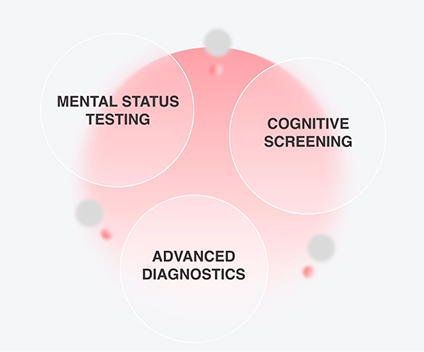
Show moreIn Nigeria, dementia diagnosis typically starts at primary healthcare centres, where providers often have limited specialist training. Referrals to tertiary hospitals can be delayed by administrative hurdles, and patients frequently face long clinic waits. Diagnosis relies mainly on cognitive tests such as the MMSE and ruling out reversible causes. Advanced tools such as MRI, PET scans, genetic testing, and fluid biomarkers, are scarce and largely confined to private urban facilities. With minimal insurance coverage, most diagnostic costs are paid out-of-pocket, limiting access to comprehensive dementia assessment nationwide.
Diagnosis pathway
In Nigeria, primary healthcare centres, often staffed by non-physician providers, serve as the first contact for most patients but lack specialised dementia training. Referral to specialist care is hindered by administrative inefficiencies. At tertiary level, diagnosis involves cognitive testing, including MMSE, and exclusion of reversible causes. Access to advanced diagnostics, particularly MRI and biomarkers, remains limited due to cost and infrastructure constraints.
Primary healthcare centres are the first point of medical contact for over 80% of Nigerians and are predominantly staffed by non-physician providers such as nurses and community health extension workers. However, they often lack specialised training. The transition from primary or secondary care to tertiary specialist services is marked by significant administrative hurdles and a referral system that is often described as poor. In public hospitals, the General Outpatient Department serves as the filter for specialist referrals. People referred to a specialist must navigate bureaucratic bottlenecks, including manual record-keeping and lengthy registration processes. Once a person reaches the specialist level, the diagnostic protocol shifts to a structured evaluation of cognitive and functional domains. The clinical workup also involves an exhaustive search for reversible causes of dementia. This includes laboratory testing for Vitamin deficiency, thyroid dysfunction, and chronic infections, as well as an electrocardiogram (ECG) and to assess cardiovascular health, and Mini-mental State Examination (MMSE). The integration of advanced neuroimaging and molecular biomarkers remains one of the most significant challenges in the Nigerian diagnostic pathway. While structural imaging magnetic resonance imaging (MRI) is essential for identifying hippocampal atrophy or vascular lesions, its availability is severely restricted by geographical and economic factors.
- https://www.gbhi.org/projects/sensitize-educate-and-evaluate-dementia-seed-project-southeast-nigeria
- https://pmc.ncbi.nlm.nih.gov/articles/PMC10576919/
- https://currents.neurocriticalcare.org/Leading-Insights/Article/neurocritical-care-status-in-nigeria
- https://journals.lww.com/phmj/fulltext/2017/11030/waiting_time_and_patient_satisfaction__survey_of.6.aspx
- https://www.joghr.org/article/12027-prevalence-of-dementia-in-nigeria-a-systematic-review-of-the-evidence
- https://thecjid.org/its-just-age-how-dementia-is-a-growing-concern-in-nigeria/
- https://pmc.ncbi.nlm.nih.gov/articles/PMC6295297/
Wait times
Studies in Nigeria report prolonged outpatient waiting times, with patients often waiting hours in general clinics due to workforce shortages and high demand. After referral, median waits for specialist appointments are around 27 days. Data on MRI waiting times are limited, despite known infrastructure constraints.
Health system studies in Nigeria show long outpatient waiting times in general clinics, with people often spending hours waiting before being seen by clinicians, a common finding across tertiary institutions where shortages of healthcare workers and high patient volumes drive prolonged waits. Research on specialist referral patterns for chronic conditions in Nigeria indicates that after initial assessment in general outpatient care, people living with non-communicable diseases (which include conditions requiring specialist evaluation akin to dementia work-ups) may wait a median of about 27 days to attend a specialist clinic appointment. Data on neuroimaging waiting times for dementia diagnosis specifically in Nigeria are lacking in peer-reviewed publications, despite recognised limitations in diagnostic infrastructure and specialist capacity in resource-constrained settings.
Diagnosis cost
The absence of a robust national health insurance system that covers neurodegenerative diagnostics is perhaps the most formidable barrier for the Nigerian population. With only about 5% of the population covered by insurance that includes advanced imaging, the diagnostic workup is almost entirely an out-of-pocket expense
Cognitive tests
Research in Southeast Nigeria revealed that while most primary health care providers are aware that dementia involves memory loss, none are familiar with comprehensive assessment tools like the Montreal Cognitive Assessment (MoCA) or modern digital screening technologies. Further, approximately 86% of these providers are familiar with the MMSE, which clinicians indicate is the primary cognitive screening tool used during geriatric visits.
The 10-Word Delayed Recall Test (10-WDRT) has been shown to be a valid tool for memory assessment that is largely unaffected by the person’s level of formal education, but its use outside of research settings is unknown.
Imaging tests
The majority of Nigeria’s neuroimaging infrastructure is concentrated in a few urban centres, primarily Lagos, Abuja, and Port Harcourt. Private diagnostic centres own approximately 63% of the country’s MRI units, while the public sector, which serves the vast majority of the population, holds only 37%.
While computed tomography (CT) scanners are present in most federal teaching hospitals and a significant number of private diagnostic centres in major metropolitan areas, the distribution is uneven. A stark illustration of this inequity is the report that as recently as 2023, three states in Northern Nigeria did not possess a single functional CT scanner. Positron emission tomography (PET) scans are usually only available at selected private centres.
Genetic tests
Genetic testing is available to the Nigerian public through major private laboratory networks. These services are almost exclusively “out-sourced” or “send-away” tests, where the local laboratory acts as a collection point and the sample is shipped internationally for analysis. These laboratories offer ADGen, Alzheimer’s disease-related genes, profiles to sequence genes including APP, PSEN1, and APOE via international reference laboratories with a turnaround time of roughly 40 days. Data from the University of Lagos and University College London (UCL) indicates that the APOE ε4 allele, the primary genetic risk factor in European populations, has a negligible effect on Alzheimer’s disease risk in Nigerian cohorts, as people in African populations are underrepresented in genetic research.
Biomarker tests
Routine clinical access to fluid biomarkers is virtually non-existent, and no commercial laboratories currently offer standard plasma p-tau or amyloid tests on their local menus. Specific Alzheimer’s disease blood tests are also not available in Nigeria.
There is no clear evidence from major clinical sources that cerebrospinal fluid (CSF) biomarker testing for Alzheimer’s-related amyloid/tau measures is routinely available as part of standard diagnostic care in Nigeria.
Cognitive Tests
Cognitive Tests
Research in Southeast Nigeria revealed that while most primary health care providers are aware that dementia involves memory loss, none are familiar with comprehensive assessment tools like the Montreal Cognitive Assessment (MoCA) or modern digital screening technologies. Further, approximately 86% of these providers are familiar with the MMSE, which clinicians indicate is the primary cognitive screening tool used during geriatric visits.
The 10-Word Delayed Recall Test (10-WDRT) has been shown to be a valid tool for memory assessment that is largely unaffected by the person’s level of formal education, but its use outside of research settings is unknown.
Imaging Tests
Imaging Tests
The majority of Nigeria’s neuroimaging infrastructure is concentrated in a few urban centres, primarily Lagos, Abuja, and Port Harcourt. Private diagnostic centres own approximately 63% of the country’s MRI units, while the public sector, which serves the vast majority of the population, holds only 37%.
While computed tomography (CT) scanners are present in most federal teaching hospitals and a significant number of private diagnostic centres in major metropolitan areas, the distribution is uneven. A stark illustration of this inequity is the report that as recently as 2023, three states in Northern Nigeria did not possess a single functional CT scanner. Positron emission tomography (PET) scans are usually only available at selected private centres.
Genetic Tests
Genetic Tests
Genetic testing is available to the Nigerian public through major private laboratory networks. These services are almost exclusively “out-sourced” or “send-away” tests, where the local laboratory acts as a collection point and the sample is shipped internationally for analysis. These laboratories offer ADGen, Alzheimer’s disease-related genes, profiles to sequence genes including APP, PSEN1, and APOE via international reference laboratories with a turnaround time of roughly 40 days. Data from the University of Lagos and University College London (UCL) indicates that the APOE ε4 allele, the primary genetic risk factor in European populations, has a negligible effect on Alzheimer’s disease risk in Nigerian cohorts, as people in African populations are underrepresented in genetic research.
Biomarker Tests
Biomarker Tests
Routine clinical access to fluid biomarkers is virtually non-existent, and no commercial laboratories currently offer standard plasma p-tau or amyloid tests on their local menus. Specific Alzheimer’s disease blood tests are also not available in Nigeria.
There is no clear evidence from major clinical sources that cerebrospinal fluid (CSF) biomarker testing for Alzheimer’s-related amyloid/tau measures is routinely available as part of standard diagnostic care in Nigeria.
Treatment & Care
Treatment & care
Show moreSpecialised dementia care in Nigeria is largely concentrated in Lagos, Ibadan, and Abuja, with northern and south-eastern regions underserved. Key centres provide memory clinics, home care, and a new geriatric ward in Kano. Adult day services are scarce, and palliative care is limited. Public coverage for Alzheimer’s treatments and long-term care is minimal, while private insurance rarely supports ongoing home care, leaving families to cover most costs. There is no dedicated government funding or caregiver stipend; support mainly comes from families and NGOs, which offer advocacy, awareness, and limited training, with no comprehensive national dementia strategy currently in place.
Specialized facilities and services
Specialised dementia care in Nigeria is concentrated in major cities such as Lagos, Ibadan, and Abuja, with limited access in northern and south-eastern regions. Key centres include University College Hospital in Ibadan and private providers in Lagos offering memory clinics and home care. Recent expansion includes a geriatric ward in Kano. Adult day care services remain scarce and urban-based, while palliative care is underdeveloped and largely focused on other conditions, with few dementia-specific services available nationwide.
Specialised dementia care in Nigeria is heavily concentrated in Lagos, Ibadan, and Abuja, leaving significant gaps in the North and South-East. The University College Hospital in Ibadan is a primary public hub, operating the Chief Tony Anenih Geriatric Centre with a weekly Thursday Memory Clinic, while Lagos features private centres like JBS Gerontology, which offers specialist memory clinics and home hospital services, and R-Jolad Hospital, which provides a diagnostic Memory Clinic Package. In Northern Nigeria, care has historically been limited to psychiatric units at Federal Neuropsychiatric Hospitals in Kaduna and Maiduguri, though the commissioning of a dedicated geriatric ward at Aminu Kano Teaching Hospital in August 2024 marks a significant improvement in regional access.
Adult day care centres providing cognitive stimulation and socialisation are rare and found almost exclusively in major metropolitan areas. JBS Gerontology in Lagos operates a specific “Memory Day Unit” designed to engage people living with dementia, while the Hebron Love & Care Centre in Lagos and Ibadan utilises the “Spark of Life” philosophy to support emotional well-being in their day programs. In Abuja, Blossom Elderly Standard Care provides adult day services alongside their residential options, and Paradigm Adult Day Care focuses on preventing social isolation among the elderly. Outside of these major cities, such facilities are rare, although El-Aged Care in Imo State is a notable exception, offering community-based day programs in the South-East.
Palliative care infrastructure in Nigeria is primarily oriented towards oncology and HIV/AIDS, with very few facilities dedicated to end-stage dementia. The Centre for Palliative Care Nigeria at the University College Hospital in Ibadan serves as the country’s primary training and policy hub for palliative medicine, and St. Anne’s Hospice in Gwagwalada, Abuja, acts as a key referral centre for the North-Central region.
Approved medication
| Generic Name | Trade Name | Used for |
|---|---|---|
| Donepezil | Aricept, Aricept ODT, Adlarity, Eranz, Memac, Alzepil, Davia, Donecept, Donep, Donepex, Donesyn, Dopezil, Yasnal, Memorit, Pezale, Redumas, Zolpezil, Namzaric* | Donepezil is indicated for the symptomatic treatment of mild to moderately severe Alzheimer’s dementia. |
| Rivastigmine | Exelon, Exelon Patch, Prometax, Rivastach, Nimvastid | Symptomatic treatment of mild to moderately severe Alzheimer’s dementia. Symptomatic treatment of mild to moderately severe dementia in patients with idiopathic Parkinson’s disease. |
| Galantamine | Razadyne, Razadyne ER, Reminyl, Reminyl XL, Nivalin, Lycoremine, Galsya | Galantamine is indicated for the symptomatic treatment of mild to moderately severe dementia of the Alzheimer type. |
| Memantine | Namenda, Namenda XR, Ebixa, Memary, Axura, Akatinol, Maruxa, Nemdatine, Namzaric* | Treatment of adult patients with moderate to severe Alzheimer’s disease. |
*Namzaric = combination of Donepezil and Memantine
Treatment cost
Public coverage for Alzheimer’s disease-specific medicines, therapies or long-term care is limited. Private health insurance sometimes covers clinic visits, diagnostics or short inpatient stays, but usually does not cover chronic home-based care or the ongoing costs of dementia (daily caregiving, home-help) — and plans vary a lot. Therefore most people living with dementia and their families pay directly (out-of-pocket). Nigeria has high out-of-pocket health spending, and studies and reviews note that families carry the direct financial and care load.

- https://www.radiologypaper.com/article/view/410/7-4-1
- https://link.springer.com/article/10.1007/s12126-023-09548-3
- https://medela-ng.org/public/uploads/challenges-dementia.pdf
- https://www.myinsurancebrowser.com/2025/08/health-insurance-add-ons-for-chronic.html
- https://data.worldbank.org/indicator/SH.XPD.OOPC.CH.ZS?locations=NG
Caregiver support
There is no dedicated government funding or caregiver stipend for dementia, with support primarily coming from families. Nigerian NGOs contribute advocacy, awareness, and limited training, but formal, subsidised programs and a comprehensive national dementia strategy remain lacking.
In Nigeria there is currently no specific government policy or national programme that directly provides financial support or carer stipends for care partners of people living with dementia. The National Policy on Ageing for Older Persons and establishment of the National Senior Citizens Centre aim to improve the wellbeing of older adults broadly and identify needs, training, and social programmes, but do not offer dedicated cash benefits or carer allowances for dementia care.
Support from non-governmental organizations (NGOs) and civil society is limited and mostly advocacy-focused, such as the Alzheimer’s Disease Association of Nigeria’s awareness and diagnosis initiatives and foundations promoting carer infrastructure. Most dementia care still relies on informal family care without state stipends, respite programmes, or subsidised training, and policy advocates continue to call for subsidised carer training and a national dementia strategy to fill these gaps.
- https://medela-ng.org/public/uploads/challenges-dementia.pdf
- https://www.fmhds.gov.ng/wp-content/uploads/2023/03/NATIONAL-POLICY-ON-AGEING-FMHADMSD-VERSION-1.pdf
- https://nigeriahealthwatch.com/resources/download/1473?mc_cid=8b863e78ee&mc_eid=UNIQID
- https://thenationonlineng.net/call-for-policy-on-dementia-support-for-caregivers
Policy
Policy
Show moreNigeria currently lacks a dedicated national dementia strategy, though the 2021 National Policy on Ageing and its National Plan of Action promote older adults’ welfare, independence, and healthcare access. Stakeholders advocate for a formal dementia policy, but none has been adopted. Legal reforms, including the 2021 National Mental Health Act, promote rights-based, community care, yet infrastructural gaps and the absence of a National Dementia Action Plan limit coordinated services. Cultural beliefs, low awareness, and strong family-care expectations amplify stigma, with symptoms often attributed to ageing or spiritual causes, delaying diagnosis and care, while caregivers may conceal conditions or rely on traditional remedies.
National dementia plan
Nigeria currently lacks a dedicated national dementia strategy. The 2021 National Policy on Ageing and its accompanying National Plan of Action promote older adults’ welfare, independence, healthcare access, and are coordinated by the National Senior Citizens Centre.
Nigeria currently does not have a dedicated national Alzheimer’s disease or dementia strategy in place. However, in February 2021, the Federal Executive Council approved the National Policy on Ageing for Older Persons, which commits the government to promoting the welfare, health, and rights of older adults, including their independence, participation, and access to care. This policy is supported by a National Plan of Action on Ageing with specific activities to improve services for older adults, and by the National Senior Citizens Centre, established under the National Senior Citizens Act to coordinate and implement ageing programmes in Nigeria.
Upcoming plans
There is advocacy and movement toward developing a national dementia policy, with stakeholders (e.g., the government, healthcare, academia, civil society, families, and international partners) calling for one, but no officially adopted upcoming strategy has yet been confirmed.
Policy gaps
Legal barriers
The 2021 National Mental Health Act replaced the colonial-era Lunacy Act, promoting rights-based, community care. However, institutional legacies persist, infrastructure remains limited, and the absence of a dedicated National Dementia Action Plan hinders coordinated Alzheimer’s care.
Although the National Mental Health Act (2021) marked a significant reform by repealing the colonial-era Lunacy Act of 1958, the legacy of that earlier law continues to shape attitudes and systems of care. The 1958 Act reflected a custodial, asylum-based approach to mental illness, and elements of this institutional culture persist in practice and public perception. While the 2021 Act provides for rights-based, community-oriented mental healthcare, these provisions have not yet translated into widespread infrastructure development, leaving many people without accessible community support. A major challenge is also the absence of a dedicated National Dementia Action Plan, leading to a lack of coordinated efforts and low prioritisation of the disease.
- https://www.thelancet.com/journals/langlo/article/PIIS2214-109X(20)30302-8/fulltext
- https://static1.squarespace.com/static/63438980e505485cb3299aad/t/63f39b465a87b9639c5ff2f5/1676909382894/National+Mental+Health+Act+2021.pdf
- https://pmc.ncbi.nlm.nih.gov/articles/PMC11227633/
- https://medela-ng.org/public/uploads/challenges-dementia.pdf
Cultural barriers
In Nigeria, cultural beliefs, low awareness, and strong family-care expectations amplify stigma around dementia. Symptoms are often misattributed to normal ageing, spiritual causes, or witchcraft, delaying help-seeking. Caregivers, mostly female relatives, may hide diagnoses, reinforcing secrecy, social isolation, and misconceptions, while families often seek spiritual or traditional remedies before formal healthcare.
Cultural beliefs, low public awareness and strong family-care expectations amplify stigma toward people living with dementia in Nigeria. Multiple qualitative and mixed-methods studies report that symptoms of Alzheimer’s disease and dementia are often misattributed to normal ageing, spiritual causes, “weakness” or even witchcraft, producing shame, secrecy and delayed help-seeking. Carers, largely female relatives, face social isolation and may hide the diagnosis rather than access services, which reinforces misunderstanding and negative attitudes in communities.
A study of dementia perceptions in Sub-Saharan Africa, including Nigeria, shows that memory loss, confusion, and behavioural changes are often wrongly seen as spiritual afflictions or ancestral curses rather than medical conditions. This misunderstanding can delay diagnosis and treatment because families first turn to traditional healers, prayer houses, or spiritual rituals instead of formal healthcare. These supernatural interpretations not only delay medical care — often until symptoms are advanced and harder to manage, but they also reinforce fear of witchcraft accusations, social shame, and efforts to “hide” the affected elder. Families may invest heavily in spiritual or traditional remedies, believing that dementia is untreatable by conventional medicine, and this can further entrench stigma and discourage engagement with evidence-based health services.
Research
Research
Show moreNigeria is building dementia research capacity with Africa’s first iPSC biobank, CRISPR-based Alzheimer’s models, and digital tools like TabCAT, tackling unique genetic risks and improving diagnosis in underrepresented populations.
Selected academic institutions
Clinical trials and registries
The regulatory body responsible for approving all clinical trials in Nigeria is the National Agency for Food and Drug Administration and Control (NAFDAC). NAFDAC maintains a database of approved trials, though it is more technical and targeted at industry professionals.
Pan African Clinical Trials Registry (PACTR) is the World Health Organization (WHO)-recognised primary registry for the African region. Nigerian researchers are encouraged to register their studies here.
Selected innovative methods
The Dementia Research Group at BioRTC, Yobe State University, and the African Dementia Consortium at the University of Ibadan are advancing dementia research in underrepresented Nigerian populations. Efforts include establishing Africa’s first iPSC biobank using CRISPR/Cas9 to model Alzheimer’s disease, mapping unique genetic risk factors like the APOE paradox, and validating digital tools such as the Tablet-based Cognitive Assessment Tool (TabCAT) for use in primary care, enhancing diagnosis and understanding of dementia in African populations.
The Dementia Research Group at the Biomedical Science Research and Training Centre (BioRTC) is a collaborative network of clinicians and basic scientists from multiple institutions in Northern Nigeria, including Yobe State University, Federal Neuropsychiatric Hospital Maiduguri, and others, focused on improving understanding of Alzheimer’s disease and other dementias in a region that has been underrepresented in research.
Researchers at the Biomedical Science Research and Training Centre (BioRTC) at Yobe State University are working on establishing the first African Induced Pluripotent Stem Cell (iPSC) biobank to model Alzheimer’s disease. They are using CRISPR/Cas9 technology to introduce dementia-associated mutations into cells with African genetic backgrounds, enabling the study of disease mechanisms in populations historically excluded from global drug development.
Researchers at the African Dementia Consortium (AfDC) at the University of Ibadan are working on mapping the unique genetic architecture of dementia in African populations. Their studies are investigating the APOE paradox, where the standard genetic risk factors found in European populations manifest differently in Nigerians.
A significant advancement in the Nigerian diagnostic landscape is the ongoing effort to introduce and validate digital assessment tools. The Tablet-based Cognitive Assessment Tool (TabCAT), developed at the University of California, San Francisco, is currently being adapted for use in Nigerian primary care settings.
Support
Support
Show moreNigeria’s dementia initiatives focus on community engagement and awareness. Programs like Dementia Friends Nigeria and NaidCARE provide education, screenings, and outreach to reduce stigma and support people living with dementia. Dedicated media outlets are absent, with information mainly disseminated through advocacy organizations and occasional mainstream media coverage.
Selected national associations, patient family associations, NGOs:
Selected initiatives
Dementia Friends Nigeria and NaidCARE: Engage communities through awareness campaigns, education, and free screenings, reducing stigma and supporting people living with dementia.
Dementia Friends Nigeria
NaidCARE free medical outreach
Dedicated media outlets
Nigeria currently has no dedicated media outlets focused exclusively on Alzheimer’s disease or dementia. Coverage mainly comes from advocacy organizations (e.g., ADAN, Gabi Williams Alzheimer’s Foundation) and occasional reports in mainstream media, especially around awareness campaigns.