

Norway
Norway is confronting Alzheimer’s disease with its Dementia Plan 2025, a national strategy aiming to create a ‘dementia-friendly’ society. The country stands out for legally mandating day activity centres in every municipality, providing essential structure for people living with dementia and respite for care partners. This public support is complemented by a world-leading research ecosystem, notably the K.G. Jebsen Centre at Norwegian University of Science and Technology (NTNU), and social care models like Care Farms and the Carpe Diem Dementia Village, which focus on integrating people into active community life.

AD Rating
Diagnostic Pathway
Specialized Care
Caregiver Support
National Policies
Access to ATT-s
Highlights

Population
Median age
Health expenditure (% of GDP)
Diagnosis
Diagnosis
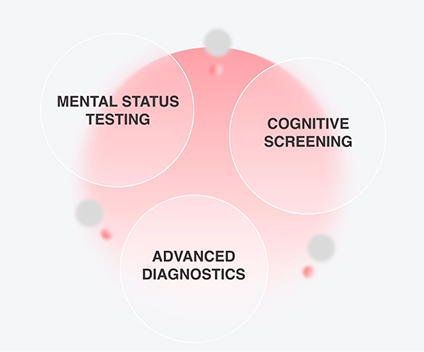
Show moreIn Norway, dementia diagnosis starts with a GP-led assessment using cognitive, functional, and informant-based tests, with specialist referral for complex or unclear cases. Standard diagnostics include MRI and CSF biomarker analysis, while advanced imaging (FDG-PET, DATscan) and genetic testing are reserved for select cases. Blood tests for early Alzheimer’s are being introduced. Diagnosis can take years, particularly for patients under 65, due to delayed help-seeking and imaging waits. Costs are mostly state-covered, with modest copayments capped annually at NOK 3,278. The process also ensures legal and social support, enabling future planning, inheritance management, and access to care services.
Diagnosis pathway
The diagnostic pathway begins with a GP-led basic dementia assessment to establish a diagnosis and exclude reversible causes, using cognitive screening, mood scales, and family input. Specialist referral is reserved for complex or unclear cases, involving MRI and, if needed, FDG-PET or spinal fluid analysis for biomarkers. The assessment also initiates legal and social measures, enabling future planning, access to support, and safeguarding the patient’s rights, including power of attorney, inheritance arrangements, and social care services.
The diagnostic pathway begins with the general practitioner (GP) conducting a mandated basic dementia assessment to establish a medical diagnosis and systematically exclude reversible causes., This investigation goes beyond simple clinical interviews and incorporates objective measurements of cognition, function, and mood. The workup includes standardised cognitive screening, as well as standardised scales for mood assessment, and information from family members.
Referral to Specialist Health Services for an extended Alzheimer’s disease or dementia assessment is reserved for complex cases, atypical symptoms, inconclusive diagnoses, or people under 65 years old. The extended assessment aims for identifying the cause or origin of a disease using advanced tools: a mandatory magnetic resonance imaging (MRI) of the brain, ideally using a 3D recording to facilitate systematic assessment of atrophy. If the diagnosis remains uncertain, the specialist may utilise functional brain examinations like fluorodeoxyglucose-positron emission tomography (FDG-PET) or request spinal fluid analysis to confirm the presence of specific Alzheimer’s disease biomarkers.
Importantly, the basic assessment also triggers immediate non-clinical and legal mandates designed to protect the person. Diagnosis must ensure that the individual and their relatives are given the opportunity to initiate future planning. This includes sensitive legal matters such as establishing a future power of attorney, setting up a testament and managing inheritance, and securing access to necessary social security benefits and public assistance. Furthermore, the diagnosis must enable both the person and the next-of-kin to access tailored information and follow-up support from the municipal health and care services.
Wait times
For patients under 65, diagnosis takes about 5.5 years from first symptoms, largely due to delayed help-seeking (3.4 years). After entering care, diagnosis requires around two more years. MRI scans have the longest waits, averaging 8.7-12 weeks in 2021, rising by 6.6% since 2018. Overall referral wait times range from 4 to 16 weeks.
For people under 65 years of age, one study showed that receiving an Alzheimer’s disease diagnosis takes an average of 5.5 years from the first symptom. The longest delay is typically before entering the healthcare system (avg. 3.4 years to seek help). Once in the system, it takes roughly another 2 years to navigate referrals and complete the diagnostic process at a hospital.
Based on data from the waiting time registry at the Norwegian Directorate of Health from 2018 to 2021 as well as data on outpatient imaging provided by the Norwegian Health Economics Administration (HELFO) and in-patient data afforded by fourteen hospital trusts and hospitals in Norway, MRI exams consistently showed the longest waiting times compared to other imaging types, with an overall average of about 8.7 – 12 weeks in 2021. Overall, MRI waiting times increased by 6.6% from 2018 to 2021, often peaking during summer and winter holidays. According to Health Norway, the expected waiting time to receive treatment or a response to a referral is between 4 and 16 weeks, depending on the hospital.
Diagnosis cost
In Norway’s public system, most diagnostic costs are covered by the state, with patients paying small fixed copayments for GP and specialist visits and imaging. Tests, including biomarkers, are included. Annual costs are capped at NOK 3,278 (2025), after which patients receive an exemption card and further approved services are free for the rest of the year.
In Norway’s public healthcare system, the state, through the National Insurance Scheme, bears the vast majority of all direct diagnostic costs. The person pays a nominal, fixed copayment (egenandel) for each state-approved service. This includes a GP consultation (NOK 179) and a specialist visit at a memory clinic (NOK 403). All diagnostic tools, including cognitive tests, structural imaging (CT/MRI), and advanced biomarkers (PET scans), are covered. For any radiological exam, such as a CT, MRI, or PET scan, the patient pays a standard fee of NOK 287. Advanced tests like CSF analysis or clinical genetic testing are covered as part of the specialist outpatient service.
The person’s financial liability is strictly limited by an annual cost-sharing cap, which is set at NOK 3,278 for 2025. All approved copayments for doctor visits, specialist clinics, laboratory tests, and imaging count toward this cap. Once a person’s cumulative payments reach this amount, they automatically receive an exemption card, and all subsequent approved medical services are free for the remainder of the calendar year.
- https://www.helsenorge.no/betaling-for-helsetjenester
- https://www.helfo.no/Sykehus-poliklinikk/regelverk-og-takster-for-sykehus-poliklinikk/henvisning-og-betaling-for-sykehuspasienter
- https://www.helsedirektoratet.no/lov-og-forskrift/bioteknologi/genetiske-undersokelser
- https://www.helsenorge.no/en/payment-for-health-services/exemption-card-for-public-health-services/
Cognitive tests
The GP uses pragmatic tests focused on function, such as the Clock Test (KT-NR3) and the IQCODE, an informant-based questionnaire. If the diagnosis is uncertain, the patient is referred to a specialist for an extended cognitive examination. This assessment is standardised by the NorCog registry and includes a comprehensive battery of neuropsychological tests. Specific tools used at this stage include the Mini-Mental State Examination—Norwegian Revised (3rd version) (MMSE-NR3) and Montreal Cognitive Assessment (MoCA) for general screening, the CERAD 10-word list for memory, the Trail-Making-Test (TMT) for executive function, and the Boston Naming Test for language.
Imaging tests
Structural brain imaging with computed tomography (CT) or magnetic resonance imaging (MRI) is a standard component of the assessment. The primary, guideline-mandated purpose is exclusionary—to rule out other reversible or treatable causes of cognitive symptoms, such as tumours, subdural hematomas, or normal pressure hydrocephalus. MRI is the preferred method as it can also provide supportive evidence by revealing patterns of brain atrophy or white matter changes indicative of specific dementia types.
Access to advanced functional and molecular imaging is restricted to specialist services for complex cases. Fluorodeoxyglucose-positron emission tomography (FDG-PET) (which measures glucose metabolism) and DATscan (dopamine transporter scan is listed as tools for the extended assessment, though the guidelines note the supporting research is of low quality. The most advanced Tau-PET imaging, using the MK6240 tracer, is available only at St. Olav’s Hospital in Trondheim as part of a research study, not as a routine clinical service.
Genetic tests
National guidelines state that testing for rare, causative genes can be considered only in cases with both dementia clinical symptoms and a strong suspicion of autosomal dominant Alzheimer’s disease or familial frontotemporal dementia. However, the person being tested must be offered genetic counselling and provide written consent to the test. Only businesses with approval under the Biotechnology Act can offer predictive, presymptomatic or carrier diagnostic genetic testing, i.e. testing of presumptively healthy individuals to identify the risk of future disease.
Biomarker tests
Analysis of biomarkers in cerebrospinal fluid (CSF) is an established part of the extended assessment in specialist memory clinics. The NorCog national registry maintains a biobank that includes CSF samples from people living with dementia in specialist care, underscoring its role in diagnostics and research.
As of late 2025, reports confirm that a blood-based test capable of detecting early-stage Alzheimer’s disease is being introduced in Norwegian hospitals.
Cognitive Tests
Cognitive Tests
The GP uses pragmatic tests focused on function, such as the Clock Test (KT-NR3) and the IQCODE, an informant-based questionnaire. If the diagnosis is uncertain, the patient is referred to a specialist for an extended cognitive examination. This assessment is standardised by the NorCog registry and includes a comprehensive battery of neuropsychological tests. Specific tools used at this stage include the Mini-Mental State Examination—Norwegian Revised (3rd version) (MMSE-NR3) and Montreal Cognitive Assessment (MoCA) for general screening, the CERAD 10-word list for memory, the Trail-Making-Test (TMT) for executive function, and the Boston Naming Test for language.
Imaging Tests
Imaging Tests
Structural brain imaging with computed tomography (CT) or magnetic resonance imaging (MRI) is a standard component of the assessment. The primary, guideline-mandated purpose is exclusionary—to rule out other reversible or treatable causes of cognitive symptoms, such as tumours, subdural hematomas, or normal pressure hydrocephalus. MRI is the preferred method as it can also provide supportive evidence by revealing patterns of brain atrophy or white matter changes indicative of specific dementia types.
Access to advanced functional and molecular imaging is restricted to specialist services for complex cases. Fluorodeoxyglucose-positron emission tomography (FDG-PET) (which measures glucose metabolism) and DATscan (dopamine transporter scan is listed as tools for the extended assessment, though the guidelines note the supporting research is of low quality. The most advanced Tau-PET imaging, using the MK6240 tracer, is available only at St. Olav’s Hospital in Trondheim as part of a research study, not as a routine clinical service.
Genetic Tests
Genetic Tests
National guidelines state that testing for rare, causative genes can be considered only in cases with both dementia clinical symptoms and a strong suspicion of autosomal dominant Alzheimer’s disease or familial frontotemporal dementia. However, the person being tested must be offered genetic counselling and provide written consent to the test. Only businesses with approval under the Biotechnology Act can offer predictive, presymptomatic or carrier diagnostic genetic testing, i.e. testing of presumptively healthy individuals to identify the risk of future disease.
Biomarker Tests
Biomarker Tests
Analysis of biomarkers in cerebrospinal fluid (CSF) is an established part of the extended assessment in specialist memory clinics. The NorCog national registry maintains a biobank that includes CSF samples from people living with dementia in specialist care, underscoring its role in diagnostics and research.
As of late 2025, reports confirm that a blood-based test capable of detecting early-stage Alzheimer’s disease is being introduced in Norwegian hospitals.
Treatment & Care
Treatment & care
Show moreNorway’s dementia care combines specialised hospital assessments with municipal memory teams for basic diagnostics and follow-up. Day centres and nursing home units provide residential support. Medical costs are mostly state-covered with capped co-payments, while home help and nursing home fees are income-based. Caregivers receive statutory respite, training, and financial support, complemented by NGO guidance and volunteer services, ensuring comprehensive care throughout the disease course.
Specialized facilities and services
Norway’s memory services are two-tiered. University hospitals in major cities provide specialised assessments for complex or young-onset cases via GP referral, while municipal memory teams offer basic assessment and post-diagnostic follow-up locally. Day centres are statutory in every municipality. Residential care is integrated within nursing homes, with sheltered and enhanced units for higher needs. Palliative dementia care is delivered in patients’ homes or nursing homes, following national guidelines throughout the disease course.
Norway has a two-tier system for memory clinics. Highly specialised assessment services are centralised at university hospitals in major cities like Oslo, Bergen, and Tromsø. Access is restricted to complex, atypical, or young-onset dementia cases and requires a GP referral. Conversely, municipal memory teams function as the primary, decentralised clinics. These teams are available in most municipalities across the country to support GPs with basic assessment and provide post-diagnostic follow-up.
Day and community centres are widely available. As of January 1, 2020, every municipality has a statutory duty to provide day activity centres for home-dwelling people living with dementia. Specialised centres for residential care are typically not standalone facilities but rather tiered units within municipal nursing homes. This includes “sheltered units” for residents who need a safer, secure environment and “enhanced units” for those with severe behavioural and psychological symptoms.
Palliative care for dementia is not provided in separate, dedicated facilities. Instead, it is an integrated approach that national guidelines recommend be applied throughout the entire course of the disease. This care is delivered in the person’s place of residence, whether at home or, most commonly, within the municipal nursing home, which functions as the primary location for end-of-life care.
Approved medication
| Generic Name | Trade Name | Used for |
|---|---|---|
| Donepezil | Aricept, Aricept ODT, Adlarity, Eranz, Memac, Alzepil, Davia, Donecept, Donep, Donepex, Donesyn, Dopezil, Yasnal, Memorit, Pezale, Redumas, Zolpezil, Namzaric* | Donepezil is indicated for the symptomatic treatment of mild to moderately severe Alzheimer’s dementia. Official National Product Information |
| Rivastigmine | Exelon, Exelon Patch, Prometax, Rivastach, Nimvastid | Symptomatic treatment of mild to moderately severe Alzheimer’s dementia. Symptomatic treatment of mild to moderately severe dementia in patients with idiopathic Parkinson’s disease. Official National Product Information |
| Galantamine | Razadyne, Razadyne ER, Reminyl, Reminyl XL, Nivalin, Lycoremine, Galsya | Galantamine is indicated for the symptomatic treatment of mild to moderately severe dementia of the Alzheimer type. Official National Product Information |
| Memantine | Namenda, Namenda XR, Ebixa, Memary, Axura, Akatinol, Maruxa, Nemdatine, Namzaric* | Treatment of adult patients with moderate to severe Alzheimer’s disease. Official National Product Information |
| Lecanemab | Leqembi | Lecanemab is indicated for the treatment of mild cognitive impairment and mild dementia due to Alzheimer’s disease in adult patients that are apolipoprotein E ε4 (ApoE ε4) heterozygotes or non-carriers. Official National Product Information |
| Donanemab | Kisunla | Donanemab is indicated for the treatment of mild cognitive impairment and mild dementia due to Alzheimer’s disease (AD) in adult patients that are apolipoprotein Eε4 (ApoE ε4) heterozygotes or non-carriers. Official National Product Information |
*Namzaric = combination of Donepezil and Memantine
Treatment cost
Norway’s National Insurance largely covers medical and care costs, with patients paying regulated co-payments capped annually at NOK 3,278. Medications, including long-term prescriptions like Alzheimer’s drugs, have subsidised fees. Home help incurs modest, income-based payments, while permanent nursing home care is income-dependent, with patients contributing 75-85% of their own income after deductions. Municipal care costs are separate from the medical safety net and calculated differently.

The government and National Insurance system cover the vast majority of costs for medicine, therapy, and care, but people are responsible for co-payments up to an annual limit. For medical services like doctor visits, specialist consultations, and prescribed physiotherapy, a person pays a regulated co-payment for each service. Medications for long-term illnesses like Alzheimer’s disease are heavily subsidised through the “blue prescription” scheme, which has its own co-payment capped at a maximum of NOK 520 for a three-month supply. All these co-payments are tracked, and once total medical expenses reach the annual safety net cap (NOK 3278 for 2025), a person receives an exemption card, making these services free for the rest of the year.
Care costs, such as home help and nursing homes, are handled by a separate municipal system and are not covered by this safety net. These services also require payments, but they are calculated differently. Practical home help involves a modest, income-based monthly fee, which for lower-income households is capped at NOK 240 per month in 2025.
For a permanent long-term nursing home stay, the municipality covers the full cost, and the person then contributes a large portion of their own income (typically 75% to 85%) as payment, after certain deductions are made. This fee is based only on the person’s income, not the family’s.
- https://www.helsedirektoratet.no/tilskudd-og-finansiering/finansiering/andre-finansieringsordninger/egenandeler-og-pasientbetaling-ved-poliklinisk-helsehjelp
- https://www.helsenorge.no/en/medicines/prescriptions/
- https://sykepleien.no/2025/01/her-er-lovendringene-som-tradte-i-kraft-1-januar
- https://www.pensjonistforbundet.no/rad-og-tips/din-okonomi/betaling-pa-sykehjem
- https://www.lier.kommune.no/selvbetjening-og-skjemaer/priser-og-gebyrer/omsorg/
- https://www.falkangeradvokater.no/faglige-artikler/61-nar-ektefellen-ma-flytte-pa-sykehjem.html
Caregiver support
Support for Alzheimer’s caregivers in Norway involves both municipal and state provisions. Caregivers with demanding tasks have statutory rights to free respite care and training through municipal centres and e-learning. A Carers Agreement formalises partnerships with health services. Financial support includes municipal care allowances and state attendance allowances (NOK 1,346/month) plus basic benefits for extra expenses. NGOs provide guidance and services, such as the Dementia Helpline and volunteer programs, but no direct financial aid.
Support for carers of people living with Alzheimer’s disease is structured around a dual-provider system: the municipality and the state. Carers with “particularly demanding” tasks have a statutory right to two key municipal services: respite care and training. Respite care is provided completely free of charge to the carer and delivered through legally mandated day activity centres or institutional stays. Training is offered via municipal Caregiver Schools and free national e-learning courses adapted from the World Health Organization (WHO)’s iSupport program. A formal Carers Agreement can also be used to establish a clear partnership, contact person, and communication plan with the municipal health service.
Financial support for families of people living with Alzheimer’s disease is divided between municipal and state schemes. At the municipal level, care allowance is a discretionary cash benefit granted by the municipality as compensation for particularly demanding unpaid care tasks. It is not an automatic right and may be reduced if the care recipient receives state benefits for the same purpose. At the state level, the Norwegian Labour and Welfare Administration provides statutory benefits paid directly to the person living with dementia. These include attendance allowance, which compensates for a permanent need for private care or supervision. For adults, the allowance is paid at a flat monthly rate of NOK 1,346, regardless of diagnosis or severity. In addition, basic benefits may be granted to cover specific extra expenses caused by illness or disability—such as transport, special diet, or excessive wear on clothing.
Non-governmental organisations (NGOs) do not provide direct financial aid, but offer various services like the national Dementia Helpline and Activity Friend volunteer matching program.
- https://lovdata.no/dokument/NL/lov/2011-06-24-30/KAPITTEL_3?utm_source=chatgpt.com#KAPITTEL_3
- https://www.helsedirektoratet.no/veiledere/parorendeveileder/helseforetak-og-kommuners-plikter-overfor-parorende/plikt-til-parorendeinvolvering-og-stotte
- https://www.helsenorge.no/en/help-services-in-the-municipalities/respite-care-scheme/
- https://www.helsedirektoratet.no/veiledere/parorendeveileder/helseforetak-og-kommuners-plikter-overfor-parorende/plikt-til-parorendeinvolvering-og-stotte/helse-og-omsorgstjenester-skal-sorge-for-opplaering-veiledning-og-stottetilbud-til-parorende
- https://www.helsedirektoratet.no/retningslinjer/demens/parorende-til-personer-med-demens
- https://www.helsedirektoratet.no/tilskudd/parorendeskoler-og-samtalegrupper
- https://butikk.aldringoghelse.no/file/digitalarkiv-nettbutikk/9nov_parorendestottedemens-pdf
- https://www.helsedirektoratet.no/lov-og-forskrift/parorende/parorendeavtale--et-verktoy-for-godt-samarbeid
- https://www.helsenorge.no/hjelpetilbud-i-kommunene/omsorgsstonad/
- https://www.nav.no/hjelpestonad
- https://www.nav.no/grunnstonad
- https://nasjonalforeningen.no/demens/stotteordninger-og-rettigheter/
- https://nasjonalforeningen.no/tilbud/aktivitetsvenn-for-personer-med-demens/
Policy
Policy
Show moreNorway’s Dementia Plan 2025 promotes early diagnosis, person-centred care, caregiver support, and cross-sector collaboration to enable meaningful, inclusive lives. However, legal and cultural barriers persist, with restricted legal capacity and low public awareness perpetuating stigma, discrimination, isolation, and self-stigma, highlighting gaps in policy and societal support for people with dementia.
National dementia plan
Norway’s Dementia Plan 2025 aims to create a dementia-friendly society by promoting early diagnosis, person-centred care, self-determination, prevention, quality services, workforce preparedness, caregiver support, and cross-sector collaboration, enabling people with dementia and their families to live meaningful, inclusive lives.
Norway’s Dementia Plan 2025 was launched in 2021 and runs until the end of 2025, with the overall objective to build a dementia-friendly society — one characterised by inclusion, equality and understanding — so that people living with dementia, and their families, can live full, meaningful lives. The key goals of the plan are:
1. Early diagnosis and tailored support – Ensure timely detection, systematic follow-up, and coordinated, person-centred care.
2. Self-determination and inclusion – Enable people living with dementia to participate in decisions, live meaningful lives, and promote a dementia-friendly society.
3. Prevention and public health – Strengthen brain health and dementia prevention through healthier lifestyles, social engagement, and age-friendly environments.
4. Quality health and care services – Improve care pathways, staff competence, and dementia-friendly design in hospitals and long-term care.
5. Knowledge and preparedness – Build workforce skills, enhance research, and ensure municipalities are ready for rising dementia cases.
6. Support for carers – Recognise and assist relatives and informal carers with guidance and respite.
7. Cross-sector collaboration – Foster coordination between health, social, and community services.
Upcoming plans
Norway has not officially announced a new dementia or Alzheimer’s disease plan beyond the current Dementia Plan 2025.
Policy gaps
Legal barriers
Norway’s legal framework, via the Guardianship Act and CRPD interpretative declaration, allows courts to restrict legal capacity for cognitive impairment, reinforcing conditional personhood and perpetuating legal and social stigma against people with dementia.
Norway’s legal framework, while protective in intent, reinforces structural stigma by upholding a conditional view of personhood for individuals living with dementia. Through its interpretative declaration to Article 12 of the UN Convention on the Rights of Persons with Disabilities (CRPD), Norway reserves the right to substitute decision-making and restrict legal capacity—contrary to the CRPD Committee’s model of supported decision-making. This approach is reflected in the Guardianship Act (Vergemålsloven), which allows courts to limit or revoke legal capacity based on cognitive impairment. Collectively, these provisions embed the notion that fundamental rights depend on cognitive ability, perpetuating legal and social stigma toward people living with dementia.
Cultural barriers
Cultural barriers in Norway include low public dementia awareness, with 53% reporting no knowledge. This fuels harmful stereotypes, social stigma, discrimination, isolation, and self-stigma, discouraging individuals from disclosing their condition.
Cultural barriers in Norway are characterised by a significant gap in public knowledge, which allows harmful social stigma to persist. A Norwegian survey found that 53% of participants reported knowing nothing about dementia. This lack of awareness allows damaging stereotypes to flourish, such as viewing dementia as a “second childhood”, “complete dependence”, a “burden to society”, or a “normal part of aging”. This social stigma is a primary driver of discrimination and social isolation. It also contributes to self-stigma, where individuals internalise these negative beliefs, leading to shame and a reluctance to disclose their condition.
Research
Research
Show moreNorwegian researchers explore Alzheimer’s disease mechanisms, early biomarkers, and interventions. Key efforts include NAD+ therapies, AI-driven risk prediction, advanced imaging, longitudinal studies, and trials targeting metabolism, inflammation, circadian rhythms, and cognitive training to prevent or slow disease progression.
Selected academic institutions
Clinical trials and registries
Norway uses centralised digital platforms to manage and display clinical trial information for all medical conditions. The primary public health portal for Norwegian citizens, with a dedicated section for clinical trials, is https://www.helsenorge.no/kliniske-studier/
NorCog is a national Norwegian registry that collects clinical, patient-reported, and biological data from people assessed for cognitive symptoms to support dementia research and improve diagnostic quality. It is used by health authorities to monitor and standardise dementia assessment and care across specialist health services in Norway.
Norwegian Medical Research Register (NILAR) provides an overview of research projects in the specialist health services.
As a member of the European Economic Area, Norway is part of the new EU-wide clinical trial regulation. All new authorised trials in Norway are listed in this centralised European database at https://euclinicaltrials.eu/
Selected innovative methods
Norway conducts extensive Alzheimer’s research across multiple institutions. The University of Oslo investigates mitochondrial dysfunction and NAD+ decline, developing NAD+-boosting therapies and a blood-brain-barrier-penetrant drug from natural molecules. Stavanger University Hospital leads the €21 million PREDICTOM AI project for pre-symptomatic risk detection and contributes to NJ-FINGERS dementia prevention studies. NTNU’s Trønderbrain initiative seeks early biomarkers using advanced MRI, PET, and liquid biopsies. Oslo University Hospital runs longitudinal studies (Trail-Dem, Nor-COAST) and biological projects (MITO-DEM, Inflamdem), while Neuro-SysMed (Bergen) tests interventions like high-dose Vitamin B3 (N-DOSE) and circadian-based therapy (DARK-DEM) to slow progression and manage symptoms.
Researchers at the University of Oslo are working on investigating how impaired cellular “garbage disposal” (mitophagy) and a decline in the molecule NAD+ drive Alzheimer’s disease, and whether boosting NAD+ levels can be a viable therapy. Researchers at the University of Oslo are also working on developing a new drug candidate from a natural molecule found in fruits and vegetables, engineering it to effectively cross the blood-brain barrier.
Researchers at Stavanger University Hospital are working on leading the €21 million PREDICTOM project, which is building an artificial intelligence (AI) platform to integrate multiple data sources (blood, imaging, digital biomarkers) for pre-symptomatic dementia risk identification.
Norway contributes to the NJ-FINGERS project through Stavanger University Hospital, providing clinical expertise and data to support the study of biological mechanisms, biomarkers, and the effectiveness of multidomain FINGER-based interventions for dementia prevention.
Researchers at NTNU are working on the Trønderbrain initiative, which uses advanced 7-Tesla MRI and PET scanning combined with liquid biopsies (cell-free DNA/RNA) to find new biomarkers for early diagnosis.
Researchers at Oslo University Hospital are working on a wide range of innovative projects, from improving diagnostics to uncovering biological mechanisms. Key efforts include large longitudinal studies like Trail-Dem and Nor-COAST, which track cognitive decline and risk factors over time. Biological investigations such as Inflamdem, MITO-DEM, FEMDEM, and the NETs project explore inflammation, mitochondrial dysfunction, and sex-specific mechanisms driving Alzheimer’s disease. Diagnostic advances are being pursued through AIDDEM (AI-based tools), SAS-MRI (MRI-based subtyping), and NORD-MCI (EEG biomarkers). Meanwhile, REACT-MCI and the spatial orientation studies focus on early intervention and cognitive training to delay disease progression.
Researchers at Neuro-SysMed (Bergen) are working on the N-DOSE Alzheimer’s disease trial, a national study testing whether high-dose Vitamin B3 (nicotinamide riboside) can slow Alzheimer’s disease progression by boosting brain cell metabolism and NAD+ levels. Researchers at this institution are also working on the DARK-DEM trial, which tests whether using “virtual darkness” (filtering out blue light) can manage agitation in people living with dementia by targeting the brain’s circadian rhythms.
- https://journals.lww.com/nrronline/fulltext/2023/02000/Turning_up_the_NAD__mitophagy_axis_to_treat.19.aspx
- https://www.med.uio.no/klinmed/english/about/news-and-events/news/2025/nok-3-million-to-develop-alzheimers-drug-from-fruits-and-vegetables.html
- https://www.alzheimer-europe.org/news/predictom-project-secures-eur-21-million-investment-pioneer-early-alzheimers-detection
- https://fbhi.se/world-wide-fingers-collaboration-groups/
- https://www.ntnu.edu/inb/tronderbrain
- https://www.ous-research.no/dementia/?k=dementia%2FResearch+projects&aid=17737
- https://clinicaltrials.gov/study/NCT05617508
- https://pmc.ncbi.nlm.nih.gov/articles/PMC12438763/
Support
Support
Show moreNorway provides diverse dementia support through social, cultural, and activity programs, such as Activity Friend, Care Farms, Day Centers, Dementia Choirs, and Carpe Diem Village. With these, it enhances wellbeing, inclusion, and caregiver respite. Public information is delivered via the National Association for Public Health and Helsenorge.no.
Selected national associations, patient family associations, NGOs:
Selected initiatives
Norway offers diverse social and activity programs for people with dementia. Activity Friend matches volunteers for shared social activities, while Care Farms provide purposeful, physical tasks. Municipal Day Activity Centers maintain function and prevent isolation. Dementia Choirs and Meeting with Memories foster cultural engagement and memory stimulation. Carpe Diem Dementia Village integrates residents into a village-like community, promoting social inclusion. These initiatives support wellbeing, cognitive and physical activity, and caregiver respite, combining cultural, recreational, and community-based approaches to enhance quality of life for people with dementia across different stages of the disease.
Activity Friend
Care Farms
Municipal Day Activity Centers
Dementia Choirs
Meeting with Memories
Carpe Diem Dementia Village
- https://www.oslomet.no/en/research/research-projects/activity-friend
- https://innpatunet.no/demensomsorg/
- https://pmc.ncbi.nlm.nih.gov/articles/PMC6183757
- https://www.helsedirektoratet.no/retningslinjer/demens/miljorettede-tiltak-og-aktiviteter-ved-demens
- https://snl.no/demenskor
- https://www.oslo.kommune.no/helse-og-omsorg/helsetjenester/tilbud-for-deg-med-nedsatt-funksjonsevne/tilbud-til-deg-med-demens/a-leve-med-demens/
- https://www.openhouseworldwide.org/films/carpe-diem
Dedicated media outlets
Norway does not have any dedicated media outlets specifically for people living with Alzheimer’s disease. The main national provider of information and public communication about Alzheimer’s disease and other dementias is National Association for Public Health, which runs awareness campaigns, publishes articles and guides, and coordinates local dementia associations. Additionally, Helsenorge.no, the official government health portal, provides verified medical and caregiving information about dementia and Alzheimer’s disease.