

Oman
Alzheimer’s disease is becoming a growing national health concern in Oman, accounting for 2.18% of all deaths in the country (2020). In recent years, health authorities in Oman have been stepping up their efforts to address the growing financial and caregiving challenges — expanding insurance coverage, financial assistance for people living with disabilities and publishing detailed clinical guidelines on diagnosing, treating and caring for people living with dementia.

AD Rating
Diagnostic Pathway
Specialized Care
Caregiver Support
National Policies
Access to ATT-s
Highlights

Population
Median age
Health expenditure (% of GDP)
Diagnosis
Diagnosis
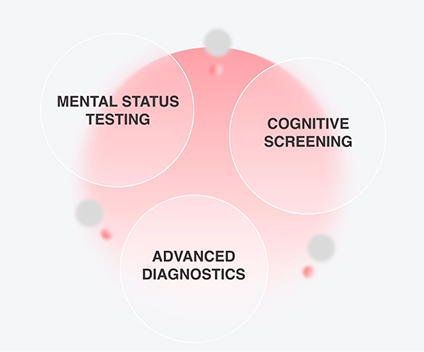
Show moreThe standard diagnostic pathway operates across public and private sectors using international standards and DSM-5 criteria. Primary care providers initiate initial cognitive screening, history reviews, and physical examinations. Suspected cases are referred to specialised memory clinics or geriatric psychiatry departments for multidisciplinary functional, occupational, and neurocognitive evaluations. Structural brain imaging via CT and MRI is standard, but functional PET scans, advanced fluid biomarkers, and genetic testing remain limited. Diagnostic costs are largely covered by universal healthcare or the mandatory Dhamani insurance scheme.
Diagnosis pathway
Oman provides a standardised diagnostic process following international standards across public and private sectors. Evaluation typically begins with a primary care physician who conducts brief cognitive screenings and medical history reviews. If dementia is suspected, patients are referred to specialised memory clinics or geriatric psychiatry departments. Here, a multidisciplinary team performs advanced neuropsychological, functional, and psychosocial assessments. Investigations conform to DSM-5 criteria to exclude organic causes, utilising structural neuroimaging like CT or MRI scans. Advanced tools like fluid biomarkers or genetic tests remain limited or localised.
In Oman, the standard diagnostic pathway for Alzheimer’s disease and other dementias are available in both the public and private healthcare sectors. In both sectors, the diagnostic process largely adheres to international standards and the quality of healthcare provision is generally considered to be high. Oman has published a set of clinical guidelines for managing dementia, with the aim of standardizing diagnosis, treatment and care of the disease within public healthcare institutions. To diagnose Alzheimer’s disease, the person needs extensive history taking and workup. The history includes onset, course duration, precipitating factors, type of cognitive domain(s) affected, the impact on the functional level, associated, behavioral and psychological symptoms, and severity of symptoms10. Criteria of diagnosis conform with the 5th Edition of the Diagnostic and Statistical Manual of Mental Disorders (DSM-5), thus adhering to international standards. The investigation and laboratory work are done to exclude other organic causes of neurocognitive disorders, thus helping to confirm the diagnosis.
The route towards diagnosing Alzheimer’s disease usually begins with a visit to a primary care physician. Primary healthcare is well developed in Oman, with strong participation from private providers, which operate 1255 centers as of 2019, as well as the Ministry of Health, which operates 285 primary healthcare centers. During a visit to a primary care physician, patients usually undergo a brief cognitive screening, a review of their medical history and a physical examination to rule out other conditions.
According to Omani clinical guidelines, when dementia is suspected, the person and their family must be referred to memory clinics or geriatric psychiatry outpatient departments for further evaluation of their condition10. At this stage, a multidisciplinary team of medical professionals is meant to conduct a comprehensive evaluation of the person’s state. Apart from conducting a comprehensive neuropsychological examination, people might undergo functional assessments by an occupational therapist, psychosocial assessments at the hands of a social worker, as well as a gait and risk of fall assessment by a physiotherapist10. Hematology or biochemistry tests might also be conducted at this step, and people could also be referred to diagnostic imaging10.
Ministry of Health clinical guidelines for the management of dementia include structural brain imaging as part of the diagnostic work-up, and magnetic resonance imaging (MRI) and computed tomography (CT) are available within the country’s healthcare system. Positron emission tomography (PET), on the other hand, is not as prevalent, with its availability largely confined to major tertiary care centers.
Advanced biomarker use is an evolving field in Oman. Cerebrospinal fluid (CSF) analysis — in the interest of measuring biomarkers such as amyloid-β42, phosphorylated tau and total tau protein levels — is conducted in both clinical and research settings. On the other hand, genetic testing — such as apolipoprotein E (APOE) genotype testing for the ε4 allele — is accessible at a limited number of privately-operated laboratories.
Wait times
Public primary care offers walk-in appointments, but an appointment system was introduced for specialists in 2014 to improve triage. Evidence indicates prolonged wait times for public specialist visits, prompting many patients to seek private alternatives despite noting that public facilities are better equipped for complex diseases. Public neuroimaging delays are also significant. For instance, MRI wait times reached sixteen months in recent years, necessitating targeted initiatives to reduce the backlog to four weeks. Significant wait times affect CT scans as well.
There are little to no waiting times for primary care physician appointments in the public healthcare system — people can access them on a walk-in basis. Specialists operating within primary healthcare facilities could have previously been accessed at a walk-in basis, but an appointment system was introduced in 2014, with the aim of improving triage and preventing specialists from being overburdened with unnecessary check ups. There is some evidence pointing towards prolonged waiting times for specialist appointments in the public healthcare system. A 2019 World Health Organization (WHO) study of Omani healthcare featured a survey of patients, a large number of which cited longer waiting times in the public healthcare system as a reason for seeking attention with private providers. Despite this, most respondents have also acknowledged that clinics and hospitals run by the Ministry of Health are more advanced and better equipped to deal with more complex diseases. Waiting times for MRI scans in public healthcare facilities can be significant. In 2021 and 2022, waiting times for an MRI scan in one public hospital were reported to be almost 16 months — requiring the implementation of an initiative aimed at reducing waiting times to 4 weeks. Long waiting times are also reported for CT scans.
Diagnosis cost
Oman’s universal healthcare system allows citizens and public sector expatriates free care at the point of service. In 2025, the mandatory Dhamani health insurance scheme was launched for private sector expatriates, covering physician consultations, inpatient services, diagnostic tests, and prescribed medications. Consequently, most standard diagnostic procedures for Alzheimer’s disease are fully covered by insurance for all residents. However, co-payments may be required depending on individual policy boundaries, particularly when accessing services within the private healthcare sector.
Oman has a universal health care system provided for by the Ministry of Health. Under the system, Omani citizens and expatriates who work in the public sector have access to free at point of service care. In 2025, Oman also launched a compulsory health insurance policy for expatriates, called Dhamani. The Dhamani scheme requires basic minimum health coverage that encompasses a range of services, including inpatient care, emergency services, physician consultations, outpatient treatment, diagnostic tests, and medication prescribed by licensed physicians. Most procedures associated with diagnosing Alzheimer’s disease are covered by insurance in Oman — for both citizens and expatriates resident in the country. Co-payments could be expected for some procedures, especially in the private healthcare sector. These tend to be dependent on insurance policy coverage.
Cognitive tests
In Oman, cognitive screening tests used or validated for use in diagnosing dementia include:
Mini – Mental State Examination (MMSE)
Montreal Cognitive Assessment (MoCA)
Rowland Universal Dementia Assessment Scale (RUDAS)
Consortium to Establish a Registry for Alzheimer’s Disease – Neuropsychological Battery (CERAD – NAB)
Mini-Cog Test
Imaging tests
Diagnostic imaging services are readily available in Omani clinical settings, with their use considered to be standard practice in diagnosing Alzheimer’s disease. As of 2013, Oman had 6.9 CT imaging units and 4.4 MRI units per 1 million population, However, disparities in the availability of diagnostic imaging persist between urban and rural areas — with most scanners being concentrated in Muscat11. As of 2025, Oman had only one cyclotron featuring a PET scanner, located at the Royal Oman Hospital in Muscat.
Genetic tests
Genetic testing is seldom used in diagnosing Alzheimer’s disease — it is not considered to be part of the standard diagnostic pathway for the disease. APOE genotype testing for the ε4 allele is accessible at a limited number of privately-operated laboratories.
Biomarker tests
CSF analysis — in the interest of measuring biomarkers such as amyloid-β42, phosphorylated tau and total tau protein levels — is conducted in both clinical and research settings in Oman. The Omani Ministry of Health has published clinical guidelines on the conduct of CSF analysis, to be followed at all medical laboratories affiliated with it.
Cognitive Tests
Cognitive Tests
In Oman, cognitive screening tests used or validated for use in diagnosing dementia include:
Mini – Mental State Examination (MMSE)
Montreal Cognitive Assessment (MoCA)
Rowland Universal Dementia Assessment Scale (RUDAS)
Consortium to Establish a Registry for Alzheimer’s Disease – Neuropsychological Battery (CERAD – NAB)
Mini-Cog Test
Imaging Tests
Imaging Tests
Diagnostic imaging services are readily available in Omani clinical settings, with their use considered to be standard practice in diagnosing Alzheimer’s disease. As of 2013, Oman had 6.9 CT imaging units and 4.4 MRI units per 1 million population, However, disparities in the availability of diagnostic imaging persist between urban and rural areas — with most scanners being concentrated in Muscat11. As of 2025, Oman had only one cyclotron featuring a PET scanner, located at the Royal Oman Hospital in Muscat.
Genetic Tests
Genetic Tests
Genetic testing is seldom used in diagnosing Alzheimer’s disease — it is not considered to be part of the standard diagnostic pathway for the disease. APOE genotype testing for the ε4 allele is accessible at a limited number of privately-operated laboratories.
Biomarker Tests
Biomarker Tests
CSF analysis — in the interest of measuring biomarkers such as amyloid-β42, phosphorylated tau and total tau protein levels — is conducted in both clinical and research settings in Oman. The Omani Ministry of Health has published clinical guidelines on the conduct of CSF analysis, to be followed at all medical laboratories affiliated with it.
Treatment & Care
Treatment & care
Show moreOman provides a modern healthcare tier, though specialised neurology and psychiatric services are concentrated in Muscat and Al Batinah. Prominent clinical hubs include Al Masarra Hospital, Khoula Hospital, and Sultan Qaboos University Hospital. Approved pharmacological therapies encompass donepezil, rivastigmine, galantamine, and memantine. Medical treatments are entirely free for citizens and public workers, while private expatriates utilise the capped Dhamani scheme. Guidelines mandate caregiver psychoeducation and day-to-day stress support, though families shoulder heavy home care burdens due to deep cultural preferences.
Specialized facilities and services
Oman’s modern healthcare system features advanced facilities, though specialised neurological and psychiatric care remains heavily concentrated in Muscat and Al Batinah, limiting rural access. Key public institutions include Al Masarra Hospital, which houses a specialised Department of Geriatric Psychiatry, Khoula Hospital’s Directorate of Neuroscience, and the Neurology Unit at Sultan Qaboos University Hospital. The private sector also provides extensive care options. Palliative services are developing beyond oncology with Ministry of Health support, while home nursing is available through private providers.
Healthcare infrastructure is well developed in Oman. Oman boasts one of the most modern healthcare systems in the Middle East and North Africa region, with well-equipped medical facilities. According to a 2021 study, people in Oman are generally satisfied with the levels of healthcare delivery, acknowledging and appreciating healthcare services provided to them. In line with its Health Vision 2050, Oman has invested significantly in the development of health infrastructure and training of medical personnel, including bringing in professionals from outside the country. However, specialized neurological and psychiatric care are largely confined to Muscat and the Al Batinah region, where most of the population lives. Access to healthcare is more limited in rural areas.
In Oman, some of the most prominent hospitals specializing in dementia treatment and care include:
Al Masarra Hospital, located on the outskirts of Muscat, is the only hospital in Oman which specializes in psychiatry, also being a training center for medical professionals in the given field. Al Masarra features a specialized Department of Geriatric Psychiatry, which treats Alzheimer’s disease and dementias.
Khoula (Khawlah) Hospital, located in Muscat, is a key tertiary hospital in Oman, and is considered a leader in providing various surgical procedures to Omani patients. Its Directorate of Neuroscience is the leading neurosurgery department in Oman, and a premier neurology research center.
Sultan Qaboos University Hospital, located in Seeb, is an important teaching hospital. Its Department of Medicine has a dedicated Neurology Unit, which is considered to be one of the leading neurological departments in Oman.
Oman also features a developed private healthcare sector, which offers a variety of diagnostic, treatment and care services for Alzheimer’s disease and other dementias. Some of the most prominent private facilities involved in dementia treatment and care in Oman include Aster Royal Al Raffah Hospital and Al Hayat International Hospital, both located in Muscat, as well as Badr Al Samaa Hospital Group, which has locations across Oman.
Palliative care is a developing field in Oman. Palliative care units are available in large, specialized hospitals, with the Royal Hospital in Muscat being a pioneer in the field. An Oman Medical Journal (2016) article lamented the lack of attempts to integrate palliative care at every level of healthcare in Oman, and a lack of government policies on palliative care35. More recently, Oman has been expanding its palliative care services beyond oncology. The Oman Cancer Association reports that, with support from the Ministry of Health, the country is developing palliative care support services not only for cancer patients but also for patients with other terminal conditions, alongside the establishment of specialized palliative care units within hospitals.
A number of private hospitals — such as Al Hayat International Hospital — also offer home care and nursing services for people living with Alzheimer’s disease. However, there is little information online on the presence of long-term care facilities dedicated to people living with Alzheimer’s disease in Oman.
Approved medication
| Generic Name | Trade Name | Used for |
|---|---|---|
| Donepezil | Aricept, Aricept ODT, Adlarity, Eranz, Memac, Alzepil, Davia, Donecept, Donep, Donepex, Donesyn, Dopezil, Yasnal, Memorit, Pezale, Redumas, Zolpezil, Namzaric* | Donepezil is indicated for the symptomatic treatment of mild to moderately severe Alzheimer’s dementia. |
| Rivastigmine | Exelon, Exelon Patch, Prometax, Rivastach, Nimvastid | Symptomatic treatment of mild to moderately severe Alzheimer’s dementia. Symptomatic treatment of mild to moderately severe dementia in patients with idiopathic Parkinson’s disease. |
| Galantamine | Razadyne, Razadyne ER, Reminyl, Reminyl XL, Nivalin, Lycoremine, Galsya | Galantamine is indicated for the symptomatic treatment of mild to moderately severe dementia of the Alzheimer type. |
| Memantine | Namenda, Namenda XR, Ebixa, Memary, Axura, Akatinol, Maruxa, Nemdatine, Namzaric* | Treatment of adult patients with moderate to severe Alzheimer’s disease. |
*Namzaric = combination of Donepezil and Memantine
Treatment cost
Omani citizens and expatriates who work in the public sector have access to a comprehensive set of medical services — with medication and other types of treatments for Alzheimer’s disease being included. Dhamani — which is the basic minimum health coverage scheme of Oman — offers more limited coverage, with the annual policy limit being set at OMR 4,500 — including an inpatient sublimit of OMR 3,000 and a currently undefined outpatient sublimit. In practice, the coverage of treatment and care costs for Alzheimer’s disease under the Dhamani scheme depends on employers24, who have the discretion to offer additional benefits.

Caregiver support
Omani clinical guidelines mandate psychoeducation for families and care partners regarding diagnosis, disease trajectory, and quality of life. Non-pharmacological recommendations include day-to-day caregiver support, training tools, and stress management. While carer needs for safety equipment and psychological support are generally moderate, burdens are amplified by a strong cultural preference for home-based care. Financially, the Social Protection Fund provides OMR 130 monthly for eligible disabled citizens. Otherwise, caregivers heavily rely on the Oman Alzheimer’s Society for helplines, educational events, and Dementia Friends resources.
Currently, Omani clinical guidelines for managing dementia stipulate that families and care partners must undergo mandatory psychoeducation — concerned with how the disease was diagnosed, its trajectory, treatment options and ways to ensure quality of life. The guidelines also list carer support as a non-pharmacological intervention for Alzheimer’s disease — this involves the provision of day to day support for carers, including care training, planning tools and tips to cope with stress. One study from 2026 found that unmet needs of family carers of people living with Alzheimer’s disease are generally moderate, with paramount concerns revolving around home safety, equipment and psychological, emotional, and social support. Practical and emotional burdens of Omani carers are exacerbated by the strong cultural preference for home-based care.
Some financial support is available for those with disabilities — helping alleviate financial costs for care partners of people living with Alzheimer’s disease. The Social Protection Fund (SPF) offers a disability benefit, under which Omani citizens with disabilities requiring care and support are eligible for monthly financial support amounting to OMR 130. Other than this, most carers in Oman tend to rely on non-governmental organizations for support, such as the Oman Alzheimer’s Society (OAS). Among other initiatives, the OAS offers a Dementia Friends program, resources, educational events and a helpline for people living with dementia and their carer partners.
- https://moh.gov.om/media/0yffoa3h/psychiatry-geriatric-guideline-dementia.pdf
- https://www.researchgate.net/publication/399548299_Unmet_needs_of_family_caregivers_of_individuals_with_Alzheimer's_disease_and_related_dementias_in_Oman_a_cross-sectional_study
- https://www.spf.gov.om/en/protection_programs/disability-benefit/
- https://www.alzint.org/member/oman-alzheimers-society/
Policy
Policy
Show moreOman lacks an official national strategy, meaning dementia care is managed via clinical guidelines that lack uniform application. Elderly care is designated a priority within Oman Vision 2040, and a 2025 expert forum recommended creating a centralised dementia centre. Legally, Sultani Decree No. 92/2025 streamlined power of attorney for capable individuals, though court guardianships for those with advanced cognitive disability remain lengthy. Culturally, dementia is frequently dismissed as a normal, untreatable consequence of ageing, creating social stigma and shame that cause families to hide affected relatives.
National dementia plan
Oman does not possess a formal national dementia strategy, and health authorities have not established strategic contact with international bodies. Instead, the Ministry of Health relies on detailed clinical guidelines for Alzheimer’s management to outline diagnostic and treatment procedures for professionals, though these are not uniformly applied. Elderly care is designated as a national priority under Oman Vision 2040. Additionally, a September 2025 expert forum recommended constructing a dedicated national dementia centre, unifying care protocols, and fostering cross-sector collaborations to tackle cognitive decline.
Oman does not currently have a national dementia strategy. As of 2025, Alzheimer’s Disease International (ADI) is not in contact with the Omani Ministry of Health (MOH), nor is there any information available about any governmental initiatives towards the development of a strategic approach to dementia management. However, Oman developed detailed clinical guidelines for the management of Alzheimer’s disease, outlining procedures for diagnosing and treating the disease, covering both non-pharmacological and pharmacological treatments, as well as advice for medical professionals in communicating with patients, their families and carers. Some sources have indicated that these are not uniformly applied. Oman Vision 2040 has defined care for the elderly as a national priority, as well.
In addition, in September 2025, the Omani Ministry of Health (MOH) held a forum gathering local experts on Alzheimer’s disease, during which three recommendations were given to the authorities — (1) the necessity of constructing a national specialized center dedicated to dementia, (2) unified diagnostic and treatment protocols for Alzheimer’s disease, (3) the necessity of collaboration between government, private sector and communities to address the medical, social and economic challenges of Alzheimer’s disease.
- https://moh.gov.om/media/0yffoa3h/psychiatry-geriatric-guideline-dementia.pdf
- https://www.alzint.org/u/From-Plan-to-Impact-VIII.pdf
- https://www.muscatdaily.com/2022/08/31/dementia-rising-exponentially-in-mena-many-in-oman-think-forgetfulness-normal-part-of-ageing/
- https://www.instagram.com/p/DO27295Dxue/
- https://www.fm.gov.om/new-york-oman-affirms-commitment-to-protecting-rights-of-older-persons/
Upcoming plans
As of January 2026, there is no indication that the Omani Ministry of Health (MOH) is working on a national dementia strategy.
Policy gaps
Legal barriers
Oman recently took steps to remove legal barriers which prevented people living with dementia from efficiently delegating power of attorney (POA) to their relatives or carers. In late 2025, Sultani Decree No. 92/2025 was enacted, stipulating that power of attorney (POA) for individuals living with cognitive disabilities require the principal to have the legal capacity to understand the authority they are granting at the time of signing. If they do, only verification by a public notary is necessary for granting power of attorney (POA) to someone. However, if the principal does not have sufficient legal capacity for doing so, court-appointed guardianships are required — obtaining them can be a lengthy process.
Cultural barriers
A number of cultural barriers compound issues faced by people living with dementia in Oman. Like in many countries of the Middle East and North Africa (MENA) region, dementia is widely perceived as an inevitable part of aging in Oman, rather than as a treatable medical condition. Such a belief fosters deep social stigmatisation of people living with dementia and their families, with the condition often being associated with madness. Families often deny the existence of dementia or hide affected relatives to avoid the shame of social exclusion — with this fear being a major impediment to seeking timely diagnosis and care.
Research
Research
Show moreDementia research is hosted across academic bodies like Sultan Qaboos University and the University of Nizwa. Local research is predominantly observational and focused on local populations, with zero active clinical trials or an operational national registry as of early 2026. However, health authorities are pushing to institute a centralised database. Adaptive studies have investigated advanced feeding difficulties, noting they occur in 70 percent of patients but do not predict mortality, alongside evaluating chronic comorbidities and high caregiving burdens linked to female carers.
Selected academic institutions
Clinical trials and registries
Currently, there are no major, active clinical trials for new dementia drugs recruiting patients in Oman. Most of the research conducted within the country is observational, focusing on understanding the disease (and perceptions of it) within the local population.
As of January 2026, Oman does not have a national registry of people living with Alzheimer’s disease. Yet, Oman has the infrastructure for creating national disease registers — having previously instituted registers for non-communicable chronic disease like diabetes, hypertension and asthma. As of September 2025, there appears to be some movement towards introducing such a national dementia registry — a forum on Alzheimer’s disease, which was organized by Higher Institute of Health Specialties and the Oman Geriatric Society, called for the establishment of a national database on Alzheimer’s disease cases.
- https://clinicaltrials.gov/expert-search?term=Alzheimer%27s%20Disease%20AND%20Oman
- https://www.emro.who.int/noncommunicable-diseases/highlights/ncd-surveillance-at-primary-care-level-in-oman-strengthening-healthcare.html
- https://moh.gov.om/en/media-center/news/higher-institute-of-health-specialties-holds-muscat-alzheimers-forum/

Selected innovative methods
Recent research evaluated advanced neurodegenerative complications, revealing that while feeding problems develop in over 70 percent of advanced dementia patients post-diagnosis, they do not independently predict mortality. Another study assessed caregiving strains at a tertiary clinic, finding that 70 percent of carers experience high levels of challenge. Increased burden was heavily associated with the patient’s age, dementia severity, dependency level, and the female gender of the carer. Additionally, clinical analyses identified hypertension, cardiac disease, diabetes, and dyslipidaemia as the most prevalent physical comorbidities.
Al-Shamsi et al. (2025) assessed the prevalence of feeding problems — while also evaluating survival outcomes following the onset of feeding problems — in people living with advanced dementia. They determined that feeding problems developed in over 70% of people after diagnosis, but were not an independent predictor of mortality.
Al-Maqbali et al. (2016) researched the challenges of care among dementia carers attending a tertiary care clinic in Oman. They determined that 70 % of carers demonstrated a high degree of challenges in care. Factors such as a person’s age, duration and severity of dementia, the level of dependency and female gender of the carer were associated with higher loads of caregiving48.
Al Hinai et al. (2016) studied the physical comorbidities among people living with dementia in Omani tertiary care settings — determining that the most common ones were hypertension, cardiac disease, diabetes mellitus and dyslipidemia.
Support
Support
Show moreDementia support is coordinated by groups like the Athar Association, Ihsan Association, and the Oman Alzheimer’s Society. The Oman Alzheimer’s Society runs helplines, educational webinars, and a Dementia Friends program to improve community awareness. Additionally, the Oman Geriatric Society works alongside health institutes to host forums that deliver policy recommendations to the government. No dedicated national media outlets exist specifically for dementia, leaving public communication reliant on the society’s active Instagram updates and occasional coverage from mainstream newspapers like Muscat Daily.
Selected national associations, patient family associations, NGOs:
Selected initiatives
The Oman Alzheimer’s Society, an international member body, actively organises World Alzheimer’s Month webinars, national symposiums, caregiver support sessions, Purple Cafés, and art exhibitions. Concurrently, the Oman Geriatric Society unites healthcare professionals to expand community awareness and elevate elderly care quality. Collaborating with the Higher Institute of Health Specialties, they organised the landmark Muscat Alzheimer’s Forum in September 2025, which delivered comprehensive strategic recommendations to Omani health authorities to establish unified management systems.
Oman Alzheimer’s Society activities
Oman Geriatric Society activitis
- https://www.instagram.com/alzheimersoman/p/DORI32IjR0e/
- https://www.instagram.com/drzakiya_art/reel/DOatUnDjNV7/
- https://www.omanobserver.om/article/1158943/oman/alzheimers-awareness-campaign-calls-for-support-for-patients-carers
- https://www.omanobserver.om/article/1142745/oman/national-forum-on-alzheimers-begins-today
- https://moh.gov.om/en/media-center/news/higher-institute-of-health-specialties-holds-muscat-alzheimers-forum/
- https://www.omanobserver.om/article/1176539/oman/alzheimers-on-the-rise
Dedicated media outlets
Oman does not have a media outlet dedicated to people living with dementia, but OAS is active on social media, sharing posts that raise awareness of dementia and its consequences on its Instagram page61. Occasionally, some media outlets, such as the Oman Observer or Muscat Daily, post about Alzheimer’s disease initiatives, both local and global ones.