

Peru
The Peruvian government recently enacted the National Plan for the Prevention and Treatment of Alzheimer’s Disease and Other Dementias 2026–2028, an initiative aimed at closing the gap in specialised care by training thousands of health professionals and establishing regional home care programs. Driving much of this national progress is the Peruvian Association of Alzheimer’s Disease and Other Dementias (APEAD), a pivotal civil society organisation that co-developed the national plan, while simultaneously leading vital community care and anti-stigma initiatives. However, Peru still faces significant practical hurdles, as access to essential diagnostic imaging and specialised memory clinics remains almost exclusively concentrated in its capital.

AD Rating
Diagnostic Pathway
Specialized Care
Caregiver Support
National Policies
Access to ATT-s
Highlights

Population
Median age
Health expenditure (% of GDP)
Diagnosis
Diagnosis
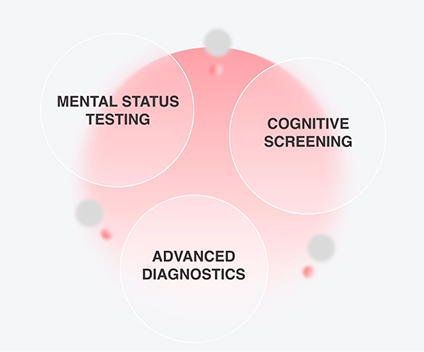
Show moreIn Peru, Alzheimer’s diagnosis typically begins at primary care when memory or cognitive changes are noticed. Local health centres, hospitals, and Community Mental Health Centres screen older adults using culturally adapted tools like the MMSE and MoCA. Patients with suspected Alzheimer’s are referred for specialist assessment, which may include laboratory tests, CT or MRI scans, and advanced imaging like PET. Access is limited by equipment scarcity and centralization. Genetic and CSF biomarker testing are mainly available through research or private clinics, while public insurance fully covers diagnostics and preventive screening at no cost.
Diagnosis pathway
In Peru, Alzheimer’s is usually first assessed in primary care once memory or cognitive difficulties are noticed by patients or their families. Local health centres, hospitals, and Community Mental Health Centres provide initial screening using standardized tools for adults 60 and older. Suspected cases are referred for specialist evaluation, including laboratory tests, CT or MRI scans, and advanced imaging like multi-slice tomography or PET, following the Ministry of Health’s protocol aligned with international standards.
Peru’s Ministry of Health outlined a short diagnostic protocol for Alzheimer’s disease that aligns with international standards. For most Peruvians, the diagnostic journey begins at the primary care level. The process is often initiated when family members or the individuals themselves notice persistent memory problems or other cognitive changes and decide to consult a doctor. The first points of contact within the public health system are typically local health centers , hospitals, and, increasingly, the national network of Community Mental Health Centers, which are equipped to offer initial detection services.
Guidelines for the care of older adults mandate a holistic assessment of cognitive status. This involves a formal screening for cognitive impairment in all individuals aged 60 and over, using standardised tools to identify those who may require further, more specialised evaluation. Once a primary care physician suspects a cognitive disorder like Alzheimer’s disease, the person must be referred to a higher level of care for specialist evaluation. Standard laboratory tests, including blood and urine analyses, are used to rule out other potential causes for the symptoms. The process also involves brain scans such as computed tomography (CT) and magnetic resonance imaging (MRI) to identify structural abnormalities or brain atrophy, as well as multislice tomography (TEM) and positron emission tomography (PET).
- https://www.gob.pe/43726-que-es-el-alzheimer-diagnostico
- https://www.gob.pe/institucion/minsa/noticias/42523-adultos-mayores-con-problemas-de-memoria-deben-acudir-al-medico-para-descartar-alzheimer
- https://www.gob.pe/institucion/minsa/noticias/19140-centros-de-salud-mental-comunitarios-ofrecen-deteccion-y-tratamiento-del-alzheimer
- https://datosabiertos.gob.pe/sites/default/files/recursos/2017/09/GUIA%20TECNICA%20DE%20LA%20HC%20DEL%20ADULTO%20MAYOR.pdf
- https://diresamdd.gob.pe/doc/ManualesHis/manualesHIS/Manuales-Actualizados-2021/Manual-de-Salud-Mental-2021-23-02-2021.pdf
- https://www.essalud.gob.pe/transparencia/pdf/publicacion/D_015_GG_ESSALUD_2014.pdf
- https://www.gob.pe/278-cita-medica-por-referencia-en-essalud
Wait times
Peru’s referral system is overloaded, causing significant delays in specialist consultations and access to neuroimaging.
The referral system in Peru is “overloaded”, according to one study, which leads to significant delays in specialised consultations. The most critical delays occur in accessing essential neuroimaging. These delays are frequently attributed to a limited number of functional machines.
Diagnosis cost
Public insurance through SIS and EsSalud covers all diagnostic procedures and preventive cognitive screening at 100%, ensuring patients face no out-of-pocket costs, reflecting MINSA’s commitment to mental health.
Public insurance through the Seguro Integral de Salud (SIS) and social security (EsSalud) officially provides free and comprehensive coverage for all diagnostic procedures.The government has emphasised that preventive screening for cognitive decline is also covered at 100%, with the stated goal of preventing any out-of-pocket spending by people. This policy aligns with the broader commitment of the Ministry of Health (MINSA) and SIS to protect the mental health of the population.
Cognitive tests
Peru uses a culturally adapted MMSE and the Spanish version of the MoCA, validated for older adults in Lima. Complementary tests, including the Clock Drawing Test, are also employed for cognitive evaluation.
- https://revecuatneurol.com/wp-content/uploads/2023/06/2631-2581-rneuro-32-01-00043.pdf
- http://www.scielo.org.pe/pdf/afm/v75n1/a12v75n1.pdf
- https://repositorio.upch.edu.pe/bitstream/handle/20.500.12866/14186/Evaluacion_TinneyCarranza_Natalie.pdf?sequence=1
- https://www.scielosp.org/article/rpmesp/2016.v33n4/662-669/
Imaging tests
CT and MRI are technically available in Peru’s public health system, yet access is limited by scarce equipment, centralization in Lima, and frequent breakdowns, while PET scans are mostly offered in private clinics.
Genetic tests
In Peru, Alzheimer’s genetic testing is offered privately or through research, not routinely in public healthcare.
Biomarker tests
There is no evidence that the specific CSF biomarker tests are in routine clinical use in Peru, but they are used in research settings. Advanced blood tests are not yet clinically available in Peru.
Cognitive Tests
Cognitive Tests
Peru uses a culturally adapted MMSE and the Spanish version of the MoCA, validated for older adults in Lima. Complementary tests, including the Clock Drawing Test, are also employed for cognitive evaluation.
- https://revecuatneurol.com/wp-content/uploads/2023/06/2631-2581-rneuro-32-01-00043.pdf
- http://www.scielo.org.pe/pdf/afm/v75n1/a12v75n1.pdf
- https://repositorio.upch.edu.pe/bitstream/handle/20.500.12866/14186/Evaluacion_TinneyCarranza_Natalie.pdf?sequence=1
- https://www.scielosp.org/article/rpmesp/2016.v33n4/662-669/
Imaging Tests
Imaging Tests
CT and MRI are technically available in Peru’s public health system, yet access is limited by scarce equipment, centralization in Lima, and frequent breakdowns, while PET scans are mostly offered in private clinics.
Genetic Tests
Genetic Tests
In Peru, Alzheimer’s genetic testing is offered privately or through research, not routinely in public healthcare.
Biomarker Tests
Biomarker Tests
There is no evidence that the specific CSF biomarker tests are in routine clinical use in Peru, but they are used in research settings. Advanced blood tests are not yet clinically available in Peru.
Treatment & Care
Treatment & care
Show moreSpecialized memory clinics and Alzheimer’s diagnostic centres are largely concentrated in Lima, with private day programs offering cognitive training. Outside Lima, public EsSalud Centros del Adulto Mayor provide memory workshops, while Community Mental Health Centers support detection and treatment nationwide. SIS covers treatment and partial rehabilitation, but long-term care is excluded. Caregivers receive no direct state support, with the Contigo program providing a small bimonthly pension to severely disabled, low-income patients.
Specialized facilities and services
Specialized memory clinics and Alzheimer’s diagnostic centres are concentrated in Lima, where most neurologists and geriatricians practice. Private centres offer day programs with cognitive training, while outside Lima, public EsSalud Centros del Adulto Mayor provide memory workshops. Nationwide Community Mental Health Centres support local detection and treatment, but specialized palliative dementia care and hospice services remain scarce, leaving a major gap in end-of-life support.
Specialised memory clinics and diagnostic centers for Alzheimer’s disease are almost exclusively located in Lima. Similarly, the highest concentration of neurologists and geriatricians specialising in dementia is in affluent Lima districts such as San Borja, Miraflores, and Surco.
In Lima, private centers offer specialised day programs with personalised cognitive training for individuals with a dementia diagnosis. Across the rest of the country, the primary resource is the public EsSalud network of Centros del Adulto Mayor, which are present in nearly every region. These provide widely accessible memory workshops aimed at prevention and reinforcing cognitive abilities in the elderly, serving as a crucial, though non-specialised, form of early-stage support. Additionally, the government is establishing Community Mental Health Centers nationwide to offer local detection and treatment services.
There is a shortage of specialised palliative services for neurological conditions, as the existing infrastructure is overwhelmingly focused on oncology.There is no established network of hospices or residential facilities specialising in palliative dementia care, leaving a significant gap in end-of-life support for people living with dementia and their families nationwide.
Approved medication
| Generic Name | Trade Name | Used for |
|---|
*Namzaric = combination of Donepezil and Memantine
Treatment cost
SIS provides coverage for Alzheimer’s treatment, rehabilitation is partially covered, and long-term personal or residential care is not included.

Officially, SIS provides free coverage for Alzheimer’s disease treatment. Rehabilitation services are generally covered, but policies may exclude therapies that are not considered to directly contribute to a person’s recovery, which can be subject to interpretation. Long-term personal care at home or in a residential facility is not covered by standard private health insurance plans.
Caregiver support
Caregivers receive no direct state aid and the Contigo program provides S/300 bimonthly to severely disabled, low-income patients instead.
There is no direct state financial assistance designated for care partners. The primary support is the “Contigo” program, which provides a bimonthly pension of S/ 300 directly to the person, not the carer. This aid is strictly limited to patients who have a certified severe disability and are classified as living in poverty. While this money can be used to pay for care, it is an indirect form of support.
Policy
Policy
Show morePeru’s National Plan for the Prevention and Treatment of Alzheimer’s Disease and Other Dementias 2026-2028 aims to improve prevention, diagnosis, treatment, and caregiver support for adults 60 and older. The plan mandates nationwide implementation, trains 5,400 health professionals, reduces stigma, promotes research, updates a National Alzheimer’s Observatory, and establishes specialized home care programs. Backed by Ley N° 30795, it ensures legal protection and care rights. Despite reforms like Decreto Legislativo N° 1384 recognizing universal legal capacity, cultural stigma persists, contributing to social exclusion and reluctance to seek mental health care.
National dementia plan
Peru’s National Plan for the Prevention and Treatment of Alzheimer’s Disease and Other Dementias 2026-2028, enacted in late 2025, aims to improve prevention, detection, diagnosis, and treatment for adults aged 60 and older, while supporting families and caregivers. Targeting over 399,000 Peruvians living with dementia, it mandates implementation across all Ministry of Health and Regional Government facilities. Key objectives include training 5,400 health professionals, reducing stigma, promoting research, updating a National Alzheimer’s Observatory, running awareness campaigns, and establishing specialized home care programs. The initiative is backed by Ley N° 30795, ensuring legal protection, care rights, and access to resources.
National Plan for the Prevention and Treatment of Alzheimer’s Disease and Other Dementias 2026–2028 was enacted in late 2025 to address the growing public health challenge of cognitive impairment and neurodegenerative diseases. Its primary goal is to improve access to prevention, detection, diagnosis, and treatment for individuals aged 60 and older, while also providing essential support and training for their families and carers. The plan was developed in response to a significant 95% gap in specialised care and an ageing population, specifically targeting the 399,604 Peruvians estimated to be living with dementia as of 2024. Implementation is mandatory across all Ministry of Health and Regional Government health facilities.
To achieve these goals, the plan outlines three specific objectives: strengthening health services through the approval of new normative documents and the training of 5,400 health professionals; sensitizing the community to reduce social stigma and discrimination; and promoting scientific research on the effectiveness of interventions with an intercultural focus. Key activities include the monthly updating of a National Alzheimer’s Observatory, the execution of community awareness campaigns—particularly around World Alzheimer’s Day— and the creation of specialised home care programs in prioritised regions. The total estimated budget for this three-year initiative is S/ 5,693,045.
Peru has also enacted a Law on the Protection and Comprehensive Care for People with Alzheimer’s Disease and Other Dementias, known as Ley N° 30795. This law establishes a legal framework to ensure the rights and care of individuals with Alzheimer’s disease and other forms of dementia. It focuses on early diagnosis, medical treatment, and the creation of specialised care facilities. Additionally, the law emphasizes public awareness campaigns, training for healthcare professionals, and support services for families. Its goal is to improve the quality of life for patients and their carers, ensuring that they have access to necessary resources and support throughout the course of the disease.
Upcoming plans
No upcoming strategies are announced at the moment in Peru.
No upcoming strategies are announced at the moment in Peru.
Policy gaps
Legal barriers
Peru’s Decreto Legislativo N° 1384 abolished civil interdiction for disability, recognizing all individuals’ legal capacity and replacing substituted decision-making with supported decision-making, aligning with the UN Convention on the Rights of Persons with Disabilities.
Until recently, the Peruvian legal system contained a powerful institutional mechanism for perpetuating stigma: the process of civil interdiction. This judicial process allowed for a person to be declared legally incapable of exercising their civil rights, with a court-appointed “curator” assuming all decision-making power. This was explicitly applicable to individuals with “mental deterioration that prevents them from expressing their free will”, a category that directly encompassed advanced dementia. A landmark reform, Decreto Legislativo N° 1384, fundamentally changed this paradigm by eliminating interdiction for reasons of disability and recognising the universal legal capacity of all persons. Aligned with the United Nations (UN) Convention on the Rights of Persons with Disabilities, this law shifted the legal model from substituted decision-making to supported decision-making.
- https://img.lpderecho.pe/wp-content/uploads/2021/06/Modelo-de-demanda-judicial-de-interdiccion-civil-LP.pdf
- https://repositorio.continental.edu.pe/bitstream/20.500.12394/4170/5/INV_FDE_312_TE_Poma_Ore_2017.pdf
- https://www.gob.pe/institucion/conadis/noticias/21984-publican-decreto-legislativo-1384-que-reconoce-plena-capacidad-juridica-en-las-personas-con-discapacidad-y-elimina-la-interdiccion
Cultural barriers
In Peru, Alzheimer’s disease carries a disapproving label, causing stigma, loss of identity, and “social death,” while myths and misconceptions lead many to hide conditions and avoid seeking mental health support.
A qualitative study exploring the social representation of Alzheimer’s disease among Peruvian families identified a core theme of the disease acting as an “etiqueta desaprobatoria” (disapproving label). This label leads to a perceived loss of identity, public stigma, and ultimately, a form of “social death” where the individual is no longer seen as a full member of society.
In Peru, social stigma is a major barrier to addressing mental health, leading many people to hide their conditions and avoid seeking help. A significant number of individuals do not recognize or accept their mental health issues, often due to myths and misconceptions.
Research
Research
Show morePeruvian researchers advance Alzheimer’s studies through genetics, lifestyle, and population research, including ReDLat, LatAm-FINGERS, and 10/66, identifying ancestry-specific risk factors, novel mutations, and testing diet, exercise, cognitive training, and neuroprotective Amazonian fruits.
Selected academic institutions
Clinical trials and registries
The regulatory authority for all clinical trials in Peru is the National Institute of Health (INS). The Peruvian Registry of Clinical Trials (REPEC) is the official public database for all authorised clinical trials in Peru.
Selected innovative methods
Peruvian researchers are advancing Alzheimer’s and dementia research through multiple initiatives. Studies in Lima examined how genetic ancestry influences oligodendroglial cell function using iPSC-derived brain cells, identifying APOE ε4/ε4 effects and a novel SORL1 stop-gain mutation in a Peruvian family. Peru participates in ReDLat, analyzing genomic data from 2,162 Latin American participants to uncover ancestry-specific risk factors, and in LatAm-FINGERS, a multi-domain lifestyle trial targeting diet, exercise, cognitive training, and cardiovascular health. The 10/66 study provides longitudinal population data from urban Lima and rural Cañete. Additional research investigates neuroprotective effects of Amazonian fruits, aguaje and camu camu, highlighting Peru’s role in precision medicine, lifestyle interventions, and culturally relevant dementia studies.
One study, which involved researchers from institutions based in Lima, investigated how genetic ancestry influences oligodendroglial cell function in Alzheimer’s disease using iPSC-derived brain cells from individuals of African, Amerindian, and European descent. The genetic samples for this research were collected from Alzheimer’s disease studies conducted in Peru and Puerto Rico, as well as from studies involving African Americans. It found that APOE ε4/ε4 carriers showed increased cholesterol biosynthesis and reduced myelination gene expression, with ancestry-specific differences in gene regulation. Researchers from Peru also identified a novel, likely pathogenic stop-gain mutation in the SORL1 gene within a multi-generational Peruvian family.
Peruvian researchers are also involved with the first large-scale investigation into the genetic architecture of Alzheimer’s disease and frontotemporal dementia within admixed Latin American populations. Conducted by the Multi-Partner Consortium to Expand Dementia Research in Latin America (ReDLat), the research analysed genomic data from 2,162 participants across six countries: Peru, Argentina, Brazil, Chile, Colombia, and Mexico. The study identified unique genetic risk factors and ancestral patterns in Latin American dementia patients, proving that diverse genomic data is essential for accurate global diagnosis and the development of effective precision medicine.
Peru is also involved with the Latin American Initiative for Lifestyle Intervention to Prevent Cognitive Decline (LatAm-FINGERS) a major clinical trial across Latin American countries that tests whether a multi-domain lifestyle program can prevent or delay memory loss in older adults. The program focuses on four key areas: a healthy diet, regular physical exercise, cognitive training (brain games), and the management of cardiovascular risk factors like high blood pressure and diabetes.
The 10/66 study is a population-based research initiative aimed at redressing the global imbalance where less than 10% of dementia research is conducted in the low- and middle-income countries that house the majority of the world’s population living with dementia. Peru had an important role with core longitudinal study sites in urban Lima and rural Cañete that provide critical data on how neurodegenerative diseases manifest within the country’s socioeconomic and geographical contexts.
Several studies also explored the neuroprotective potential of two antioxidant-rich Amazonian fruits, aguaje and camu camu, against diseases like Alzheimer’s disease.
- https://alz-journals.onlinelibrary.wiley.com/doi/pdf/10.1002/alz.70593
- https://www.neurology.org/doi/10.1212/WNL.0000000000206562
- https://www.nature.com/articles/s44400-025-00025-z
- https://pubmed.ncbi.nlm.nih.gov/37204054/
- https://academic.oup.com/aje/article/194/11/3117/7932838?guestAccessKey=
- https://journals.sagepub.com/doi/full/10.3233/JAD-190148
Support
Support
Show moreAPEAD advances dementia care in Peru through Casa Tovar, caregiver support groups, and professional and family training. The association helped pass Ley N° 30795, shaped the 2026-2028 National Dementia Plan, and promotes awareness via campaigns like World Alzheimer’s Month and “Cine Fórum.” Peru lacks media outlets dedicated exclusively to Alzheimer’s disease, making these initiatives central to public education and early detection efforts.
Selected national associations, patient family associations, NGOs:
Selected initiatives
APEAD runs Casa Tovar for cognitive stimulation, caregiver support groups, and training for professionals and families. The association helped pass Ley N° 30795, contributed to the 2026-2028 National Dementia Plan, and leads awareness campaigns like World Alzheimer’s Month, “Cine Fórum,” and Ministry of Health initiatives promoting early detection and caregiver support.
Casa Tovar Center
Watch for signs of Alzheimer's disease
Caring so as not to Forget
- https://asociacionperuanadealzheimer.com/apoyo-al-cuidador/
- https://asociacionperuanadealzheimer.com/capacitacion
- https://www.alzint.org/member/asociacion-peruana-de-alzheimerhttps://asociacionperuanadealzheimer.com/legislacion-peruana-3/
- https://www.gob.pe/institucion/minsa/campa%C3%B1as/105761-atento-a-las-senales-del-alzheimer
- https://www.gob.pe/institucion/insm/noticias/1248986-insm-se-suma-a-campana-cuidar-para-no-olvidar-en-chorrillos-por-el-dia-mundial-del-alzheimer
Dedicated media outlets
In Peru, there are no widely known media outlets solely dedicated to Alzheimer’s disease.