

Saudi Arabia
Saudi Arabia is in a unique position to tackle dementia due to its relatively small elderly population. The Saudi Ministry of Health and the Saudi Alzheimer’s Disease Association (SADA) provide funding for in-home caregivers, medical visits, and other services. However, the country faces a lack of a centralised patient database, low awareness, and a severe shortage of geriatric specialists.

AD Rating
Diagnostic Pathway
Specialized Care
Caregiver Support
National Policies
Access to ATT-s
Highlights

Population
Median age
Health expenditure (% of GDP)
Diagnosis
Diagnosis
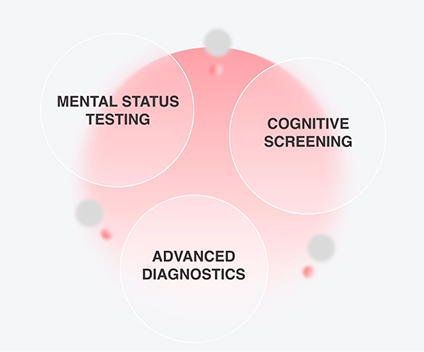
Show moreSaudi Arabia currently lacks a national dementia screening programme, relying on individuals or families to seek care. Early detection begins in primary care, followed by specialists conducting comprehensive evaluations with MRI and CT scans as standard. Public healthcare provides free diagnostic services for citizens, but wait times for specialists and imaging can extend several months.
Diagnosis pathway
Saudi Arabia does not yet have a nationwide dementia screening programme, which limits early detection at the population level. However, the Ministry of Health has introduced a Protocol for the Prevention of Cognitive Impairment, focusing on modifiable risk factors such as obesity, hypertension, diabetes, smoking, and physical inactivity.
The diagnostic pathway typically begins in primary care, where physicians review medical history, rule out reversible conditions, and may carry out brief cognitive screening before referring patients onward. Specialists, including neurologists and geriatricians, then perform comprehensive neuropsychological assessments. Structural imaging, such as MRI and CT scans, is routinely used, while PET imaging remains less accessible, though ongoing investments are improving availability.
Genetic and fluid biomarker testing are not part of standard practice, but recent therapeutic developments are likely to support their gradual integration.
Saudi Arabia does not currently have a national dementia screening programme in place, complicating efforts at early detection of dementia. Nevertheless, its Ministry of Health published a Protocol for the Prevention of Cognitive Impairment, setting out national standards in managing dementia risk factors, such as physical inactivity, obesity, hypertension, smoking or diabetes. In Saudi Arabia, the pathway for diagnosing Alzheimer’s disease does not differ significantly from those in most regions. Yet, some gaps persist, particularly in terms of infrastructure necessary for the provision of accurate Alzheimer’s disease diagnoses, or their severity.
When an individual or their family members notice persistent memory problems, personality changes, or difficulties with daily tasks, their first point of contact is usually a primary care physician or a family doctor at a local primary healthcare centre. In this step, a detailed review of the patients’ medical history is conducted, along with a physical examination to rule out other, sometimes reversible conditions. Finally, a primary care physician could choose to conduct a brief cognitive screening, before referring the patient further.
Patients who are referred to a specialist usually visit a geriatrician or neurologist, who conducts comprehensive neuropsychological evaluations.
In addition, brain scans, such as magnetic resonance imaging (MRI) or computed tomography (CT) are usually administered, and are considered a part of the standard diagnostic workup for dementia by the Saudi Ministry of Health. Positron emission tomography (PET) scanners are less widely available, albeit recent heavy investment in the healthcare sector will likely make PET scans accessible to the general population. Brain scan results are commonly one of the final steps, used to confirm an Alzheimer’s disease diagnosis.
Genetic tests or fluid biomarker tests are not considered a part of the standard diagnostic workup for Alzheimer’s disease and related dementias, and are not widely available in Saudi Arabia. However, recent approvals of drugs such as Lecanemab (under the brand name Leqembi), which targets amyloid plaques, are likely to be followed up with increased availability of apolipoprotein E (APOE) genotype investigation or cerebrospinal fluid (CSF) testing.
- https://www.nature.com/articles/s44400-025-00009-z
- https://pmc.ncbi.nlm.nih.gov/articles/PMC11128245/
- https://www.arabnews.com/node/2583658/saudi-arabia
- https://www.grandviewresearch.com/industry-analysis/mea-blood-based-biomarker-alzheimers-disease-diagnostics-market-report
- https://www.sfda.gov.sa/en/news/4138328
Wait times
Appointments with primary care physicians are typically booked via the Sehhaty app, with waiting times averaging one to two weeks or less. Access to specialists is more limited, ranging from several weeks to months, especially in rural areas. A shortage of geriatric specialists further delays care. Brain imaging in public hospitals may take around 40 days, while private services offer faster access at higher cost.
Accessing a primary care physician or a family doctor starts with appointments made through the Sehhaty mobile application. Wait times for accessing a doctor within the primary healthcare system are on average, one to two weeks, and often less. However, accessing specialists is much more difficult, and wait times can range from a few weeks to a few months in major cities, or even longer for patients from rural areas. Multiple studies have identified a growing need for recruiting and training of neurologists, geriatricians and geriatric psychiatrists in order to be able to adequately manage dementia in Saudi Arabia. In large government hospitals, brain scans are, on average, conducted 40 days after a specialist appointment. In private healthcare, waiting times are significantly lower. However, while most services in the diagnostic process for dementia are available at no (or little) cost for Saudi Arabian citizens in the public healthcare system, accessing them through private providers comes with significant costs.
- https://www.moh.gov.sa/en/eServices/cards/Pages/Appointment-Booking-service.aspx
- https://globalcoalitiononaging.com/2018/12/07/dementia-is-well-entrenched-in-many-countries-but-saudi-arabia-is-in-a-unique-position-to-tackle-it/
- https://pmc.ncbi.nlm.nih.gov/articles/PMC10155484/
- https://www.sciencedirect.com/science/article/pii/S1687850724003856
Diagnosis cost
Citizens benefit from universal health coverage, making dementia diagnosis in public facilities generally free of charge. However, pursuing diagnosis in private healthcare can be significant, with PET scans costing several thousand USD.
Saudi Arabian citizens are entitled to a comprehensive set of healthcare services for free, as universal health coverage is present in the country. Therefore, the diagnostic process for dementia is generally free of direct charges for those using public healthcare, from initial consultations with primary care physicians to those with specialists, such as neurologists and geriatric psychiatrists. While no comprehensive studies on the matter have been published, there is evidence suggesting that the diagnostic process for Alzheimer’s disease and related dementias lasts significantly longer for those using the public healthcare system than those using the private one, with notable regional disparities. In particular, accessing a specialist or diagnostic imaging services can take up to several months, respectively.
On the other hand, costs of pursuing the diagnostic process for Alzheimer’s disease and related dementias in private healthcare facilities can be significant. While costs vary from provider to provider, costs of consultations with primary care physicians or specialists are notable. Diagnostic imaging services can also be significant. In particular, the costs of PET scans are quite high, and patients often need to pay several thousand USD to access them in private health care facilities. However, considering that public healthcare in Saudi Arabia is free of charge for citizens, high costs of diagnosis in private healthcare are not surprising. As Saudi Arabia is doubling down on its investments into public healthcare infrastructure, it is likely that the demand for accessing diagnostic procedures for Alzheimer’s disease and related dementias in private health care facilities will decrease over time, which should also have a positive effect on their prices.
Cognitive tests
Initial screening typically occurs when an individual or their family raises concerns with a primary healthcare provider. In Saudi Arabia, cognitive screening tests which have either been used or validated for use include the following:
(1) Arabic version of the Mini Mental State Examination (MMSE)
(2) Arabic version of the Montreal Cognitive Assessment (MoCA – A)
(3) The Alzheimer’s disease eight-item tool for dementia (AD8), which is an informant-based screening questionnaire used to detect early cognitive impairments
(4) Cognistat cognitive assessment
(5) The Basic Activities of Daily Living (BADL) scale is used as a screening tool
(6) Mini – cog Cognitive Impairment Screening Tool
(7) General Practitioner Assessment of Cognition (GPCOG)
More comprehensive neuropsychological batteries which are used or validated for use include:
(1) The Consortium to Establish a Registry for Alzheimer’s Disease neuropsychological battery (CERAD – NAB), which was translated into the Saudi dialect of Arabic
(2) Arabic version of Addenbrooke’s Cognitive Examination – Revised (ACE-R)
(3) Saudi version of the Neuropsychiatric Inventory (SNPI).
Research initiatives continue working on validating more appropriate screening tools for the Saudi population.
Imaging tests
Saudi Arabia has about 14 MRI and 34 CT units per 1 million people (in 2023), which places it on par with The Organisation for Economic Co-operation and Development (OECD) averages. On the other hand, the presence of PET scanners is significantly lower in Saudi Arabia when compared to OECD averages, with only 21 scanners in the entire country (2018), at a rate of 0.6 per 1 million people. Although comprehensive statistics on waiting times in Saudi Arabia are lacking, anecdotal evidence suggests significant delays in accessing diagnostic imaging services.
In the public healthcare sector, access to brain scans is free of charge, in line with the universal healthcare policy of Saudi Arabia. On the other hand, prices in the private healthcare sector vary significantly from provider to provider. One source quotes prices ranging from SAR 700 to SAR 1300 (USD 185 to USD 355) for MRI scans, from SAR 500 to SAR 900 (USD 135 to USD 240) for CT scans, and 9500 to 15000 SAR (USD 2530 to 4000) for PET scans.
Genetic tests
Although APOE genotyping is available through private laboratories and direct-to-consumer testing, it is not routinely included in the standard diagnostic workup for dementia in Saudi Arabia. However, it may be ordered by specialists in specific clinical contexts — particularly in accordance with guidelines for patients being considered for disease-modifying immunotherapies.
- *This section has been amended according to direct feedback from ADI’s member.
Biomarker tests
Recently, the Saudi Food and Drug Authority (SFDA) approved an innovative in vitro diagnostic test designed to facilitate the early detection of Alzheimer’s disease. It does so by measuring the concentration of the pTau181 protein in blood plasma, providing accurate results in under 20 minutes. The availability of more traditional and invasive biomarker testing, such as CSF investigation, is somewhat limited, as these methods are not considered to be a part of the standard diagnostic workup for dementia. In addition, plasma p-tau217 testing is currently accessible through send-out services to specialised laboratories within the region.
Cognitive Tests
Cognitive Tests
Initial screening typically occurs when an individual or their family raises concerns with a primary healthcare provider. In Saudi Arabia, cognitive screening tests which have either been used or validated for use include the following:
(1) Arabic version of the Mini Mental State Examination (MMSE)
(2) Arabic version of the Montreal Cognitive Assessment (MoCA – A)
(3) The Alzheimer’s disease eight-item tool for dementia (AD8), which is an informant-based screening questionnaire used to detect early cognitive impairments
(4) Cognistat cognitive assessment
(5) The Basic Activities of Daily Living (BADL) scale is used as a screening tool
(6) Mini – cog Cognitive Impairment Screening Tool
(7) General Practitioner Assessment of Cognition (GPCOG)
More comprehensive neuropsychological batteries which are used or validated for use include:
(1) The Consortium to Establish a Registry for Alzheimer’s Disease neuropsychological battery (CERAD – NAB), which was translated into the Saudi dialect of Arabic
(2) Arabic version of Addenbrooke’s Cognitive Examination – Revised (ACE-R)
(3) Saudi version of the Neuropsychiatric Inventory (SNPI).
Research initiatives continue working on validating more appropriate screening tools for the Saudi population.
Imaging Tests
Imaging Tests
Saudi Arabia has about 14 MRI and 34 CT units per 1 million people (in 2023), which places it on par with The Organisation for Economic Co-operation and Development (OECD) averages. On the other hand, the presence of PET scanners is significantly lower in Saudi Arabia when compared to OECD averages, with only 21 scanners in the entire country (2018), at a rate of 0.6 per 1 million people. Although comprehensive statistics on waiting times in Saudi Arabia are lacking, anecdotal evidence suggests significant delays in accessing diagnostic imaging services.
In the public healthcare sector, access to brain scans is free of charge, in line with the universal healthcare policy of Saudi Arabia. On the other hand, prices in the private healthcare sector vary significantly from provider to provider. One source quotes prices ranging from SAR 700 to SAR 1300 (USD 185 to USD 355) for MRI scans, from SAR 500 to SAR 900 (USD 135 to USD 240) for CT scans, and 9500 to 15000 SAR (USD 2530 to 4000) for PET scans.
Genetic Tests
Genetic Tests
Although APOE genotyping is available through private laboratories and direct-to-consumer testing, it is not routinely included in the standard diagnostic workup for dementia in Saudi Arabia. However, it may be ordered by specialists in specific clinical contexts — particularly in accordance with guidelines for patients being considered for disease-modifying immunotherapies.
Biomarker Tests
Biomarker Tests
Recently, the Saudi Food and Drug Authority (SFDA) approved an innovative in vitro diagnostic test designed to facilitate the early detection of Alzheimer’s disease. It does so by measuring the concentration of the pTau181 protein in blood plasma, providing accurate results in under 20 minutes. The availability of more traditional and invasive biomarker testing, such as CSF investigation, is somewhat limited, as these methods are not considered to be a part of the standard diagnostic workup for dementia. In addition, plasma p-tau217 testing is currently accessible through send-out services to specialised laboratories within the region.
Treatment & Care
Treatment & care
Show moreSaudi Arabia’s healthcare system is robust, yet dementia services are largely concentrated in Riyadh, Jeddah, and Dammam. Key hospitals include King Faisal Specialist Hospital and Research centre, King Fahad Medical City, Mouwasat Hospitals, and Dr. Soliman Fakeeh Hospital. Palliative care is mostly urban, with limited units and home-based services; long-term care remains under-resourced, with most patients relying on family or SADA’s small residential facilities.
Public healthcare provides free treatment for citizens, though indirect costs—caregiving and transport—can be substantial. Expatriates rely on private insurance with co-payments capped at SAR 15,000.
Caregiving is primarily familial, often informal, with limited training. Gerontological social workers support multidisciplinary teams, and SADA offers social, psychological, and practical assistance through programmes like Hand in Hand and community support events, aiming to reduce isolation and provide guidance for caregivers.
Specialized facilities and services
Saudi Arabia has a well-developed healthcare system, with significant government investment, though dementia services remain concentrated in major cities like Riyadh, Jeddah, and Dammam. Specialist availability is limited, particularly geriatric psychiatrists and neurologists. Key hospitals include King Faisal Specialist Hospital and Research centre (Riyadh) with its internationally recognised Neuroscience Centre; King Fahad Medical City (Riyadh) hosting the National Neuroscience Institute; Mouwasat Hospitals with dedicated geriatric medicine departments across seven cities; and Dr. Soliman Fakeeh Hospital (Jeddah), providing specialised dementia care.
Palliative care remains urban-focused, with 22 units, 8 community home-care services, and 4 hospices. Vision 2030 aims to expand training, integrate palliative care into primary healthcare, and improve pain management access.
Long-term care facilities for dementia patients are under-resourced. SADA maintains residential facilities serving roughly 1,400-1,500 people (2018), while most patients rely on family or untrained caregivers. Social isolation and stigma remain challenges. Twelve social care homes run by the Ministry of Human Resources and Social Development provide basic medical, social, and psychological support for older adults.
Healthcare infrastructure is well developed in Saudi Arabia, and the Saudi government is heavily investing in its expansion. Hospitals specialising in dementia treatment and care are readily available, albeit concentrated in population centres such as Riyadh, Jeddah and Dammam. In addition, concerns persist about the low number of geriatric psychiatrists and neurological specialists per capita. When it comes to hospitals specialising in dementia treatment and care, the following are considered to be the most prominent in Saudi Arabia:
(1) King Faisal Specialist Hospital and Research centre (KFSHRC) is considered to be the most renowned tertiary healthcare institution in Saudi Arabia, and is particularly prominent in the fields of dementia treatment and care. Based in Riyadh, its Neuroscience Centre is internationally renowned, offering the most advanced neurological care in medical and surgical diagnostic, interventional and therapeutic procedures.
(2) King Fahad Medical City (KFMC) is one of the largest and fastest growing medical complexes in the Middle East. It is known for hosting the National Neuroscience Institute, one of the primary research institutions in the field of neurosciences in the Middle East.
(3) Mouwasat Hospitals is a leading private hospital group in Saudi Arabia, with locations in 7 cities, including Dammam, Riyadh and Madinah. Its hospitals feature dedicated Geriatric Medicine Departments that explicitly list the diagnosis and treatment of conditions like Alzheimer’s disease, senile dementia, and memory loss as core services.
(4) Dr. Soliman Fakeeh Hospital is a private hospital located in Jeddah, which specialises in providing treatments for geriatric medical issues, including that for Alzheimer’s disease and related dementias. In addition, the institution provides specialised care for dementia patients.
When it comes to palliative care, a recent academic article notes that Saudi Arabia currently has 22 palliative care units, 8 community palliative home care services, and 4 palliative care hospice facilities. These services are primarily concentrated in urban centres, leading to disparities in access for people in rural and remote areas. To address these challenges, Vision 2030 includes initiatives to integrate palliative care into primary healthcare, expand training programmes, and improve opioid availability for pain management. Despite these efforts, continued focus on resource allocation, workforce development, and service distribution is essential to ensure equitable access to palliative care across Saudi Arabia.
Currently, long-term care facilities or nursing homes for older adults living with dementia in Saudi Arabia are underfinanced, with their supply not satisfying the demand for such services. The Saudi Alzheimer’s Disease Association (SADA) also maintains a number of residential long-term care facilities, in which people living with dementia with no family can live. However, it is important to note that SADA currently has a limited number of people in its care, about 1400 to 1500 (2018). Most people living with dementia in Saudi Arabia continue to fend for themselves, primarily relying on family members or hiring carers, if they can afford it. Moreover, many carers in Saudi Arabia do not have training specific to dementia or even to general care of the elderly. In addition, people living with dementia and their carers tend to experience social rejection and isolation in Saudi Arabia. While not specialising in dementia treatment, 12 social care homes of the Ministry of Human Resources and Social Development provide the elderly with comprehensive healthcare services, as well as social and psychological support.
Approved medication
| Generic Name | Trade Name | Used for |
|---|---|---|
| Donepezil | Aricept, Aricept ODT, Adlarity, Eranz, Memac, Alzepil, Davia, Donecept, Donep, Donepex, Donesyn, Dopezil, Yasnal, Memorit, Pezale, Redumas, Zolpezil, Namzaric* | Donepezil is indicated for the symptomatic treatment of mild to moderately severe Alzheimer’s dementia. Official National Product Information |
| Rivastigmine | Exelon, Exelon Patch, Prometax, Rivastach, Nimvastid | Symptomatic treatment of mild to moderately severe Alzheimer’s dementia. Symptomatic treatment of mild to moderately severe dementia in patients with idiopathic Parkinson’s disease. Official National Product Information |
| Galantamine | Razadyne, Razadyne ER, Reminyl, Reminyl XL, Nivalin, Lycoremine, Galsya | Galantamine is indicated for the symptomatic treatment of mild to moderately severe dementia of the Alzheimer type. Official National Product Information |
| Memantine | Namenda, Namenda XR, Ebixa, Memary, Axura, Akatinol, Maruxa, Nemdatine, Namzaric* | Treatment of adult patients with moderate to severe Alzheimer’s disease. Official National Product Information |
| Lecanemab | Leqembi | Lecanemab is indicated for the treatment of mild cognitive impairment and mild dementia due to Alzheimer’s disease in adult patients that are apolipoprotein E ε4 (ApoE ε4) heterozygotes or non-carriers. |
*Namzaric = combination of Donepezil and Memantine
Treatment cost
Saudi Arabian citizens benefit from universal health coverage, meaning public treatment for Alzheimer’s disease and related dementias incurs no direct fees. Indirect costs, such as caregiving and transport—especially from rural areas to urban specialists or imaging centres—remain significant.
Expatriates rely on private insurance, which is mandatory under Saudi regulations. Co-payment systems apply, with coverage for dementia care capped at SAR 15,000 per policy period, while additional costs are borne by the patient.

The Saudi Arabian government offers universal health coverage for all its citizens. Under the system, anyone who decides to treat Alzheimer’s disease or related dementias in public healthcare facilities faces no direct costs of treatment. Indirect costs could exist for patients and their families, especially in terms of caregiving. Many caregivers in Saudi Arabia operate informally, and data on these costs is unreliable or unavailable. Transport costs are also significant for patients from rural areas, considering the concentration of geriatric and neurologic specialists, as well as diagnostic imaging equipment in urban areas.
Expatriates mostly use private healthcare, and having a policy is mandatory while being resident in Saudi Arabia. Private health insurance, usually provided by an employer, is typically based on a co-payment system, whereby a patient will be expected to pay something toward their treatments or care. Recently, the Saudi Arabian government instituted a Basic Health Insurance Policy system, which institutes mandatory coverage minimums for expatriates. Under the policy, treatment and care for Alzheimer’s disease will be covered up to a maximum of SAR 15000 (USD 4000) during a given policy period, with the rest being covered by co-payments.
Caregiver support
Dementia care is predominantly provided by family members, reflecting cultural expectations that caring for older adults is a familial responsibility. Families who can afford it may hire caregivers, though many operate informally and lack dementia-specific training. Most informal caregivers are married women under 50, employed, and with modest incomes.
Gerontological social workers collaborate with multidisciplinary teams to support patients and families, though expanded recruitment and training are needed. SADA offers social, psychological, and practical support through initiatives like community events and the Hand in Hand programme, fostering caregiver assistance and peer exchange.
Caregiving for people living with dementia is primarily provided by family members, owing to cultural norms and social beliefs which emphasise that the provision of care to older adults is a familial duty. Families which can afford a caregiver usually hire one. Albeit, many caregivers operate informally, and often lack the necessary training for providing support to people living with dementia. A majority of informal caregivers of people living with dementia are married women, younger than 50, employed, with modest incomes.
Gerontological social workers are employed in hospitals to collaborate with multidisciplinary care teams that include medical professionals, formal caregivers, and other non-physician health care providers to extend effective dementia care and services for older adults and family caregivers. However, for them to be an efficient channel of support for caregivers, a growing need for recruiting and training them needs to be satisfied.
To supplant the lack of formal support services for caregivers of people living with dementia, the Saudi Alzheimer’s Disease Association (SADA) launched a number of initiatives aimed at providing social and psychological support to them, as well as resources needed for them to take appropriate care of people living with dementia. For instance, with support from restaurants, cafés and other hospitality entities, on Fridays, SADA organises community support events for people living with dementia, their families and carers, to create an atmosphere of harmony and affection, and facilitate the exchange of experiences between them.
Policy
Policy
Show moreSaudi Arabia is currently working on establishing national dementia strategy. Vision 2030 initiatives promote preventive care, rehabilitation, and geriatric training. Despite universal coverage, limited healthcare professionals and widespread stigma—especially in rural areas—challenge families and delay care, highlighting the need for public education and destigmatisation.
National dementia plan
Saudi Arabia currently lacks a dedicated national dementia policy, but the Ministry of Health issued a Protocol for the Prevention of Cognitive Impairment to guide early detection, screening, and management of high-risk populations. Under Vision 2030, initiatives include the Older People Health programme at primary care level, emphasising preventive services like Comprehensive Geriatric Assessment, promotion of healthy aging, expansion of secondary and tertiary care, improvement of rehabilitation and home healthcare, and integration of geriatric medicine into university curricula.
While Saudi Arabia lacks a national policy for tackling dementia, its Ministry of Health published a Protocol for the Prevention of Cognitive Impairment, which aims to guide general practitioners and physicians in managing populations at high risk of developing dementia. Moreover, it intends to standardise the practices of screening, early detection and management of dementia risk factors through a series of evidence – based recommendations among different healthcare providers, and promote healthy lifestyles as a means of reducing risks for developing dementia.
In response to a growing adult population, and in preparation for the full implementation of Vision 2030, the Ministry of Health, in collaboration with other government sectors, implemented several strategic measures, including the following:
● Introducing the National Strategy for Older Adults Health Services, which was implemented as the Older People Health programme in a primary healthcare setting. Since the services are provided at the primary healthcare level, the main scope of these services is preventive as well as curative for chronic diseases usually managed at these establishments.
● Stressing preventive services, including the Comprehensive Geriatric Assessment (CGA) and healthy aging promotions. In addition, expanding the scope of future health services for the older adults to secondary and tertiary care services.
● Improving curative, rehabilitation, and home healthcare services for the older adults.
● Encouraging universities to incorporate geriatric medicine into their curriculum.
Upcoming plans
While the Saudi Alzheimer’s Disease Association (SADA) is collaborating with the Ministry of Health to strengthen regulations governing dementia management, several strategic documents are reportedly in development and a national plan is expected to be launched soon; however, no official details have been publicly disclosed.
Policy gaps
Legal barriers
Saudi Arabia faces significant challenges in dementia care, underscored by low strategic readiness and a severe shortage of specialised healthcare workers to facilitate early diagnosis. Furthermore, the absence of dementia-specific legislation forces caregivers into lengthy and complex court proceedings to secure legal guardianship (wilaya) once a patient loses the capacity to make decisions.
On the ADI Readiness Index, Saudi Arabia scored poorly on the strategy and commitment towards tackling Alzheimer’s disease, and on early detection and diagnosis markers. In addition, there is an acute shortage of healthcare workers in Saudi Arabia, which has not been adequately addressed yet. Patients also face legal barriers rooted in a lack of specialised, dementia-specific legislation, which leads to complexities in obtaining legal guardianship when cognitive decline makes decision-making impossible. While the Elderly Rights and Care Law (2022) provides some protections, gaps remain regarding automatic power of attorney (POA) and navigating legal capacity. As dementia progresses, a durable POA is essential, but if capacity is lost, legal guardianship (wilaya) must be established through the courts. This can be a lengthy process, complicating decision-making processes for caregivers.
Cultural barriers
One study has found that there is notable stigma around dementia in Saudi Arabia, driven by low awareness and the belief that cognitive decline is a normal part of ageing. This can lead to delays in seeking help, discomfort discussing symptoms, and reduced use of formal care, potentially affecting diagnosis and management; however, the findings are limited by the study’s sample and design.
A 2024 study conducted in Saudi Arabia found that there is a notable level of stigma surrounding dementia, driven by limited awareness, cultural perceptions, and misconceptions about ageing — particularly the belief that cognitive decline is a normal part of growing older.8 This stigma contributes to delayed help-seeking, social discomfort, and, in some cases, reluctance among families to disclose symptoms or pursue formal care. The study also suggests that such attitudes may extend into healthcare settings, potentially influencing diagnosis and management.8 However, these findings should be interpreted with caution, as they are based on a specific sample that may not be fully representative of the broader population, and the cross-sectional, self-reported design limits the ability to establish causality or assess changes over time.
Research
Research
Show moreSaudi Arabia is advancing Alzheimer’s diagnostics with King Abdulaziz University launching the country’s first PET/MRI service for detecting amyloid plaques at its Molecular Imaging centre, Wadi Jeddah. Complementing this, King Faisal Specialist Hospital is training healthcare professionals in dementia care and exploring local PET tracer production to support early diagnosis and clinical research initiatives. These developments mark important steps toward improving detection, treatment, and research capacity for Alzheimer’s disease in the Kingdom.
Selected academic institutions
Clinical trials and registries
Cohorts recruited for the pivotal EMERGE and ENGAGE trials of the aducanumab drug, which was controversially approved in the United States, and then removed from use, did not represent the typical Saudi people living with dementia. Patients in these trials were mostly white Caucasians, with very few patients from minority groups. Genetic studies were previously conducted on people living with Alzheimer’s disease in Saudi Arabia, with important results. One study found eight potential pathogenic missense variants in all studied genes, with five of these variants not being previously reported.
The Saudi Alzheimer’s Disease Association (SADA) maintains a patient registry. Any people living with dementia, or their care partners, can register with SADA, and also demand help with specific caregiving services from the organisation. In addition, the registry serves to better understand the demographic and clinical characteristics of individuals diagnosed with dementia across Saudi Arabia, by extension, informing public health strategies, resource allocations, and research support.
On the website of the Saudi Food and Drugs Authority (SFDA), people living with dementia can find more information about ongoing drug clinical trials, including ways in which they can register for them. In addition, they can inform themselves of recent drug approvals.
Selected innovative methods
King Abdulaziz University now offers Saudi Arabia’s first PET/MRI diagnostic service for Alzheimer’s disease through its Molecular Imaging centre at Wadi Jeddah, enabling detection of amyloid plaques. King Faisal Specialist Hospital also trains healthcare professionals and explores local PET tracer production for early detection and clinical research.
King Abdulaziz University has unveiled the first diagnostic service for Alzheimer’s disease using integrated PET and MRI, collectively known as PET/MRI. The service is offered through its Molecular Imaging centre, operating under the umbrella of Wadi Jeddah, the investment arm of King Abdulaziz University. These scanners allow for the detection of amyloid plaques and other pathological changes. In parallel, KAU is working toward the local production of amyloid tracers to strengthen domestic capabilities and reduce reliance on external supply. Currently, Oryx, a molecular imaging company, has been the primary supplier of amyloid isotopes in recent years. KAU is also exploring the local implementation of plasma-based p-tau217 testing at the King Fahad Medical Research Center, further expanding its capabilities in minimally invasive diagnostics.
In Saudi Arabia, tele-neurology is increasingly being adopted to expand access to neurological care, improve patient convenience, and support continuity of care across geographically dispersed populations. LaTnsa is one such service, delivering remote care for patients with cognitive impairment by enabling access to specialist evaluation, follow-up, and management without the need for in-person visits.
King Faisal Specialist Hospital and Research Centre (KFSHRC) has instituted initiatives for training healthcare professionals in appropriate dementia treatment and care protocols, and potentially localising the production of PET imaging agents and tracers, which are crucial for early detection and could be used in clinical trials.
- *This section has been amended according to direct feedback from ADI’s member.
- https://saudigazette.com.sa/article/660236/saudi-arabia/crown-prince-mohammed-bin-salman-meets-italy-pm-giorgia-meloni-in-jeddah
- https://pmc.ncbi.nlm.nih.gov/articles/PMC9983690
- https://www.kfshrc.edu.sa/en/news/2024/11/kfshrc-lilly-collaborate-on-alzheimers-early-detection
Support
Support
Show moreCaregiving in Saudi Arabia is primarily a familial responsibility rooted in cultural and religious values of filial piety. The Saudi Alzheimer’s Disease Association (SADA) provides the main support network through initiatives like the “Hand in Hand” training programme, a WhatsApp helpline, and social counseling. Additional support is provided by NGOs such as WAQAR (educational resources) and the Wareef Charity (access to digital health devices). While the Ministry of Health offers some funding for in-home medical visits and caregivers, formal state-funded respite services and dedicated financial allowances for informal carers are not yet systematically established.
Selected national associations, patient family associations, NGOs:
Selected initiatives
SADA leads nationwide efforts to support people with dementia, their families, and caregivers. Annual World Alzheimer’s Month campaigns include workshops, lectures, and public art exhibits to raise awareness, educate on patient rights, and promote caregiver support. SADA provides medical equipment, mobility aids, tracking devices, and home care resources, including specialised clinics and virtual consultations for low-income patients.
Community initiatives include the Muzawala volunteer programme, Silah family-visit project, Friday support events, and the Hand in Hand caregiver programme. SADA also operates residential care facilities, supporting roughly 1,400-1,500 patients, while most continue to rely on family or informal caregivers.
Support extends through partnerships with organisations like Harakia for mobility needs, the Wareef Charity for smart devices enabling digital health access, and VOX Cinemas, which funds awareness initiatives. SADA also offers a WhatsApp helpline, ensuring accessible guidance for patients, families, and caregivers, bridging gaps in formal dementia support and fostering social, psychological, and practical assistance nationwide.
National Public Awareness Campaign
SADA Provisions
Weekly Free Specialised Clinics
Muzawala (مزولة) Initiative
SADA Residential Long Term Care Facilities
SADA Whatsapp
Smartphones for people with dementia
Mzwalah City project
Dedicated media outlets
Saudi Arabia does not have a media outlet dedicated to news about dementia. However, public awareness campaigns in the media on the matter are common, with a majority of them created by the Saudi Alzheimer’s Disease Association (SADA). Every September, in commemoration of World Alzheimer’s Day, SADA works on raising public awareness of dementia, producing television commercials and other types of multimedia content, including short films and lectures, all of which are available on their YouTube channel. These campaigns are titled through various hashtags. In addition, SADA produced two short films recounting the experiences of people living with Alzheimer’s disease, titled The Thirteenth Harvest and A Moment of Forgetfulness. SADA is also very active on other social media networks, such as Facebook and Instagram, commonly posting infographics about Alzheimer’s disease, promoting its events, and reposting its multimedia content from other platforms. Unlike many similar organisations, SADA also maintains a Snapchat account, which is not as surprising once one considers its popularity in Saudi Arabia.
- https://wareef.org/en/projects/مشاريع-مُنجزة/تسليم-أجهزة-جوال-ذكية-للمرضى-المحتاجي/
- https://www.youtube.com/@SaudiZheimer/videos
- https://www.alzint.org/news-events/events/saudi-arabia-being-close-it-touches-their-feelings-wam-campaign/
- https://www.youtube.com/watch?v=YKm4WGO2fg8
- https://www.youtube.com/watch?v=FtIrpCNURxI
- https://www.facebook.com/saudialzheimer
- http://instagram.com/saudialzheimer
- https://www.snapchat.com/@saudialzheimer"
- South Africa,south africa,December 2025,In South Africa