

Scotland
Scotland combines universal National Health System (NHS) access, a legally guaranteed one-year Post-Diagnostic Support (PDS) package, and a developing Brain Health Programme that links prevention, earlier detection, and research participation. This gives Scotland a distinctive model: a nationally mandated period of structured support after diagnosis, alongside a population-level prevention approach designed to reduce future pressure on memory services and strengthen public understanding of brain health.
The system’s main constraints are uneven diagnostic and workforce capacity, including the continued non-commissioning of positron emission tomography (PET), which limits diagnostic certainty in complex cases and constrains readiness for disease-modifying therapies. The 2023–2033 National Strategy and 2024–2026 Delivery Plan aim to address these pressures by improving timely access across boards, expanding and stabilising the workforce, and strengthening community support so that people receive consistent pathways, smoother transitions, and sustained help well beyond the first year after diagnosis.

AD Rating
Diagnostic Pathway
Specialized Care
Caregiver Support
National Policies
Access to ATT-s
Highlights

Population
Median age
Health expenditure (% of GDP)
Diagnosis
Diagnosis
Show moreDiagnosis is delivered through the NHS via GP referral to specialist memory services. Assessment is well resourced and includes structured cognitive testing, routine CT or MRI imaging, access to CSF biomarkers in tertiary centres when indicated, and specialist genetic testing for selected cases; Alzheimer’s PET imaging is not routinely commissioned. Waiting times vary by NHS board. All core diagnostic services and prescriptions are free at the point of use under the NHS; however, patients may still incur costs related to transport, non-commissioned private assessments, or optional services outside standard NHS pathways.
Diagnosis pathway
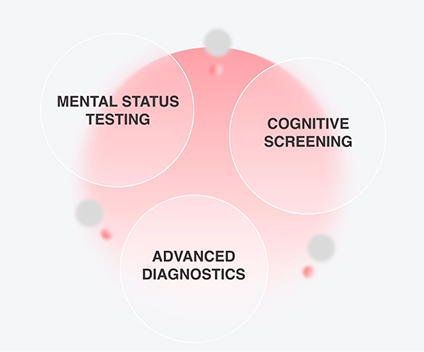
In Scotland, dementia diagnosis is delivered through the NHS and follows a standardised pathway. Most people first consult their GP, who conducts initial screening and refers to specialist memory services (old-age psychiatry, geriatrics, or neurology) within territorial health boards. Assessment includes structured cognitive testing, laboratory work, and neuroimaging, followed by care planning. Scotland guarantees at least one year of Post-Diagnostic Support (PDS) for all newly diagnosed individuals, delivered through NHS and Alzheimer Scotland-linked services. National workforce frameworks and reporting standards help maintain consistency and accountability across the system.
In Scotland the mainstream route is through the National Health System (NHS) and it is relatively standardised: most people raise concerns with their general practitioner (GP), who screens, rules out common differentials (depression, delirium, thyroid/B12), and refers to local memory services (old-age psychiatry, geriatrics or neurology) run by the territorial health boards. Assessment in these clinics typically includes structured cognitive testing, history from an informant, blood testing and neuroimaging, followed by feedback and care planning. Uniquely, Scotland offers a national guarantee of at least one year of Post-Diagnostic Support (PDS) for everyone with a new diagnosis, delivered by trained Community Link Workers (often via Alzheimer Scotland) alongside clinical follow-up. Private clinics exist, mainly in cities, but are supplementary to mainstream routine. There is no evidence of any faith or traditional healers in Scottish society.
Scotland uses national workforce and quality frameworks to keep pathways consistent. The Promoting Excellence framework sets knowledge and skills levels for all health and social care staff in contact with people living with dementia, and is periodically updated to embed evidence and practice standards across NHS boards and social care partners. Boards also report performance against the PDS standard to Public Health Scotland, making this pathway an auditable part of the system.
- https://pmc.ncbi.nlm.nih.gov/articles/PMC11227111/
- https://pmc.ncbi.nlm.nih.gov/articles/PMC8754072/
- https://www.alliance-scotland.org.uk/community-links-worker-programme/what-is-the-community-links-programme/
- https://uk.usembassy.gov/medical-services-private-gp-and-specialist-medical-services-in-scotland/
- https://www.gmc-uk.org/cdn/documents/promoting-excellence-standards-for-medical-education-and-training-2109_pdf-61939165.pdf
- https://www.gov.scot/publications/nhsscotland-performance-against-ldp-standards/pages/dementia-post-diagnostic-support
Wait times
There is no national statistic just for memory clinic waiting times, and access varies by board. Policy direction since the 2023–2033 National Dementia Strategy has been to shorten waits and smooth hand-offs via anticipatory care planning, PDS, and the emerging Brain Health model. Boards publicly report on older adults’ quality standards and PDS delivery. Capacity pressures (e.g., national imaging queues and psychiatry staffing gaps) can lengthen waits in some areas, while university-hospital hubs tend to be faster. The aim of the strategy and the initial 2024–2026 Delivery Plan is more consistent access and follow-through across Scotland.
Diagnosis cost
NHS care in Scotland is free at the point of use: GP visits, outpatient clinics and medically indicated imaging carry no charge to people. Prescription charges were abolished in 2011, and Free Personal and Nursing Care (extended in 2019 to people under 65) provides defined help with daily living after social-care assessment. Social care is otherwise means-tested, with Self-Directed Support options to choose how support is delivered. Families can still face out-of-pocket expenses for non-commissioned private services, transport, or home adaptations.
Cognitive tests
Cognitive tests used in Scotland to diagnose dementia include General Practitioner Assessment of Cognition (GPCOG), Clock Drawing Test (CDT) and the Six-item Cognitive Impairment Test (6-CIT), as well as longer assessments such as the Montreal Cognitive Assessment (MoCA) and Addenbrooke’s Cognitive Examination III (ACE-III). A formal diagnosis is a combination of these cognitive tests, medical history, physical exams, and sometimes brain scans like a computed tomography (CT) or magnetic resonance imaging (MRI).
Imaging tests
CT and MRI are widely available in NHS hospitals and are the routine first-line modalities to exclude other causes and support sub-typing. Scotland has positron emission tomography (PET)-CT infrastructure (regional centres in Aberdeen, Dundee, Edinburgh, Glasgow), however Alzheimer’s disease-related tracers PET is not commissioned. NHS Scotland does not commission amyloid PET and fluorodeoxyglucose (FDG)-PET for dementia. Single-photon emission CT (SPECT) is available and commonly used where functional imaging is required. Practically, this means most people receive CT or MRI scans, while nuclear medicine is reserved for selected cases by local policy.
Genetic tests
Genetic testing for dementia in Scotland is available through the NHS specialist referrals for specific cases like young-onset dementia and privately for individuals who want to explore risk or familial patterns. The NHS may offer testing for certain genes through its Scottish Strategic Network for Genomic Medicine if a person has a suspected genetic cause. Clinical genetics may assess suspected autosomal-dominant dementias (APP/PSEN1/PSEN2).
Biomarker tests
Cerebrospinal fluid (CSF) Aβ42/40, total tau and p-tau are accessible in tertiary centres and used when diagnosis is uncertain or to support differential diagnosis, aligned with the United Kingdom (UK) guidance. Blood-based biomarkers (e.g., plasma p-tau, Aβ42/40) are emerging within Scotland’s Brain Health agenda and research pilots, but are not yet a universal routine. The national direction is targeted use integrated with clinical assessment rather than blanket testing.
Cognitive Tests
Cognitive Tests
Cognitive tests used in Scotland to diagnose dementia include General Practitioner Assessment of Cognition (GPCOG), Clock Drawing Test (CDT) and the Six-item Cognitive Impairment Test (6-CIT), as well as longer assessments such as the Montreal Cognitive Assessment (MoCA) and Addenbrooke’s Cognitive Examination III (ACE-III). A formal diagnosis is a combination of these cognitive tests, medical history, physical exams, and sometimes brain scans like a computed tomography (CT) or magnetic resonance imaging (MRI).
Imaging Tests
Imaging Tests
CT and MRI are widely available in NHS hospitals and are the routine first-line modalities to exclude other causes and support sub-typing. Scotland has positron emission tomography (PET)-CT infrastructure (regional centres in Aberdeen, Dundee, Edinburgh, Glasgow), however Alzheimer’s disease-related tracers PET is not commissioned. NHS Scotland does not commission amyloid PET and fluorodeoxyglucose (FDG)-PET for dementia. Single-photon emission CT (SPECT) is available and commonly used where functional imaging is required. Practically, this means most people receive CT or MRI scans, while nuclear medicine is reserved for selected cases by local policy.
Genetic Tests
Genetic Tests
Genetic testing for dementia in Scotland is available through the NHS specialist referrals for specific cases like young-onset dementia and privately for individuals who want to explore risk or familial patterns. The NHS may offer testing for certain genes through its Scottish Strategic Network for Genomic Medicine if a person has a suspected genetic cause. Clinical genetics may assess suspected autosomal-dominant dementias (APP/PSEN1/PSEN2).
Biomarker Tests
Biomarker Tests
Cerebrospinal fluid (CSF) Aβ42/40, total tau and p-tau are accessible in tertiary centres and used when diagnosis is uncertain or to support differential diagnosis, aligned with the United Kingdom (UK) guidance. Blood-based biomarkers (e.g., plasma p-tau, Aβ42/40) are emerging within Scotland’s Brain Health agenda and research pilots, but are not yet a universal routine. The national direction is targeted use integrated with clinical assessment rather than blanket testing.
Treatment & Care
Treatment & care
Show moreDementia care is delivered across all health boards through multidisciplinary memory services and community pathways, with a national guarantee of one year of Post-Diagnostic Support. Approved symptomatic medications (donepezil, rivastigmine, galantamine, memantine) are available, while disease-modifying antibodies are licensed but not routinely provided by NHS Scotland. Core medical care and prescriptions are free at the point of use; Free Personal and Nursing Care covers defined daily living needs, though social care is partly means-tested and families may face additional costs for extended support, transport, respite, or accommodation. Unpaid carers are entitled to formal support planning and financial supplements under Scottish law.
Specialized facilities and services
Memory assessment and ongoing dementia care are delivered across all territorial health boards through multidisciplinary memory clinics and community cognitive pathways, involving old-age psychiatry, geriatrics, neurology, and primary care. A national guarantee of one year of Post-Diagnostic Support (PDS), delivered in partnership with Alzheimer Scotland, provides care coordination, education, and future-planning support after diagnosis. Hospital and community services are supported by national ageing and frailty standards, dementia-friendly design initiatives, specialist nursing roles, and integrated social-care links. Palliative and end-of-life care are available through generalist and specialist services, with access tailored locally.
All territorial health boards deliver memory services, with diagnosis and ongoing management shared between old-age psychiatry, geriatrics, neurology and increasingly well-resourced primary care teams. Most regions now operate multidisciplinary memory clinics or community cognitive pathways that enable earlier referral, structured assessment and streamlined links to imaging, biomarkers and social-care partners. The one-year Post-Diagnostic Support (PDS) guarantee (delivered widely by Alzheimer Scotland in partnership with NHS boards) remains a distinctive national offer, providing dedicated care-coordination, tailored education, carer support, and future-planning conversations that help families navigate benefits, community services and anticipatory care planning. Uptake is strong, although the quality and intensity of PDS vary between boards, prompting ongoing national audit and improvement efforts.
Quality-improvement programs for older adults in hospital, coupled with updated Ageing & Frailty Standards, aim to reduce regional variation in both acute and community settings, strengthen delirium prevention, and promote transitions of care that minimise avoidable admissions. Several boards are embedding dementia-friendly design principles and enhanced specialist nursing roles within acute wards, while community teams are expanding reablement, home-support and integrated social-work links. Palliative and end-of-life care are available through generalist and specialist pathways, with local boards tailoring access according to geography, care-home capacity and third-sector partnerships. Increasing emphasis is placed on anticipatory care plans, advance decision-making and support for family care partners, ensuring that people living with dementia can remain at home or in familiar settings for as long as possible.
Approved medication
| Generic Name | Trade Name | Used for |
|---|---|---|
| Donepezil | Aricept, Aricept ODT, Adlarity, Eranz, Memac, Alzepil, Davia, Donecept, Donep, Donepex, Donesyn, Dopezil, Yasnal, Memorit, Pezale, Redumas, Zolpezil, Namzaric* | Donepezil is indicated for the symptomatic treatment of mild to moderately severe Alzheimer’s dementia. Official National Product Information |
| Rivastigmine | Exelon, Exelon Patch, Prometax, Rivastach, Nimvastid | Symptomatic treatment of mild to moderately severe Alzheimer’s dementia. Symptomatic treatment of mild to moderately severe dementia in patients with idiopathic Parkinson’s disease. Official National Product Information |
| Galantamine | Razadyne, Razadyne ER, Reminyl, Reminyl XL, Nivalin, Lycoremine, Galsya | Galantamine is indicated for the symptomatic treatment of mild to moderately severe dementia of the Alzheimer type. Official National Product Information |
| Memantine | Namenda, Namenda XR, Ebixa, Memary, Axura, Akatinol, Maruxa, Nemdatine, Namzaric* | Treatment of adult patients with moderate to severe Alzheimer’s disease. Official National Product Information |
| Lecanemab | Leqembi | Lecanemab is indicated for the treatment of mild cognitive impairment and mild dementia due to Alzheimer’s disease in adult patients that are apolipoprotein E ε4 (ApoE ε4) heterozygotes or non-carriers. Official National Product Information |
| Donanemab | Kisunla | Donanemab is indicated for the treatment of mild cognitive impairment and mild dementia due to Alzheimer’s disease (AD) in adult patients that are apolipoprotein Eε4 (ApoE ε4) heterozygotes or non-carriers. Official National Product Information |
*Namzaric = combination of Donepezil and Memantine
Treatment cost
Core dementia care through the NHS, including GP and specialist consultations, memory clinic follow-up, investigations, and prescribed medications, is free at the point of use. Free Personal and Nursing Care covers defined support with daily living and clinical care needs following assessment. However, social care is partly means-tested, and families may face costs for additional home-care hours beyond the assessed package, transport, respite services, accommodation in care homes beyond the funded element, or home adaptations not fully covered by local authority grants.

In NHS Scotland, the core components of dementia care, GP consultations, specialist assessments, memory clinic diagnostics, and all prescribed medications, are provided free at the point of use, as prescriptions carry no charge for residents. This includes routine follow-up, neuropsychological testing, or community mental health support delivered by NHS teams.
Costs arise mainly in the social care domain, which is locally administered through Scotland’s integrated health and social care partnerships. While Scotland provides Free Personal Care and Free Nursing Care for eligible adults (covering tasks such as hygiene, dressing, mobility support and clinical care needs), families may still face out-of-pocket expenditures. These can include:
● home adaptations not covered by grants or local budgets;
● private care hours beyond the assessed package;
● transport to day care or appointments;
● respite or short-break options not commissioned or capped by local provision.
Self-Directed Support (SDS) allows people living with dementia and carers to manage personal budgets and choose how care is delivered, but any top-ups above assessed need fall to the family.
- https://publichealthscotland.scot/resources-and-tools/medical-practice-and-pharmaceuticals/scottish-drug-tariff/general-information-about-the-tariff/prescription-charges/
- https://www.gov.scot/publications/free-personal-nursing-care-qa/
- https://www.mygov.scot/self-directed-support
- https://www.sdsscotland.org.uk/
Caregiver support
Under the Carers (Scotland) Act 2016, every unpaid adult carer is entitled to an Adult Carer Support Plan (ACSP), which identifies outcomes, needs, and tailored supports. For young carers (under 18 years of age, or at that age while a pupil at a school), an equivalent Young Carer Statement is available. Local authorities must consider these assessments when allocating support, and carers have a right to breaks from caring, advice, emotional support, and practical help.
Financially, Scotland supplements the UK-wide Carer’s Allowance with the Carer’s Allowance Supplement, a devolved payment issued twice yearly to recognise the additional contribution of unpaid carers in Scotland.
Policy
Policy
Show moreScotland’s dementia policy is guided by “Dementia in Scotland: Everyone’s Story” (2023–2033). It promotes a rights-based, person-centred approach focused on prevention, timely diagnosis, and a guaranteed one-year Post-Diagnostic Support period. Implementation is supported by a national Delivery Plan, the Brain Health programme, and workforce standards such as Promoting Excellence.
Key challenges include regional variation between NHS boards and social care partnerships, workforce pressures, and the lack of routine commissioning of Alzheimer’s PET imaging. There are also ongoing complexities at the interface between free NHS care and means-tested social care. Ensuring continuity beyond the first post-diagnostic year and equitable access in rural, island, and minority communities remains a priority.
National dementia plan
Scotland’s current national strategy, “Dementia in Scotland: Everyone’s Story” (2023–2033), sets a rights-based, person-centred approach to dementia across prevention, diagnosis, post-diagnostic support, community care, and inclusion. It builds on the national one-year Post-Diagnostic Support guarantee and aligns dementia policy with broader health and social care reforms. An initial 2-Year Delivery Plan (2024-2026) outlines concrete actions for NHS boards, local authorities, and partners to improve consistency, access, and community-based support nationwide.
“Dementia in Scotland: Everyone’s Story” (2023–2033) is Scotland’s third national dementia strategy and the first to be explicitly co-produced with people living with dementia, unpaid carers, frontline staff, local authorities, and third-sector organisations. It frames dementia squarely within a rights-based, person-centred and public-health approach, emphasising independence, autonomy, and participation across all stages of the condition. The strategy adopts a whole-system view: building population-level prevention and brain-health literacy, strengthening timely and high-quality diagnosis, consolidating the one-year Post-Diagnostic Support (PDS) guarantee, expanding community-based supports, and embedding dementia-inclusive practice across housing, transport, and community planning.
It also integrates dementia policy with broader Scottish reforms such as the National Care Service (NCS) program, ageing and frailty standards, and integrated health and social care partnerships. To translate the long-term vision into practical steps, the Scottish Government issued an Initial 2-Year Delivery Plan (2024–2026), which assigns concrete actions to NHS boards, Health and Social Care Partnerships (organizations formed to integrate services provided by Health Boards and Councils in Scotland), local authorities and Alzheimer Scotland. Early commitments include strengthening PDS consistency, improving referral pathways between primary care and memory services, enhancing local coordination, and supporting the growth of dementia-friendly communities, particularly in rural and island areas where access disparities persist.
- https://www.gov.scot/binaries/content/documents/govscot/publications/strategy-plan/2023/05/new-dementia-strategy-scotland-everyones-story/documents/dementia-scotland-everyones-story/dementia-scotland-everyones-story/govscot:document/dementia-scotland-everyones-story.pdf
- https://www.gov.scot/policies/social-care/national-care-service/
- https://www.gov.scot/publications/new-dementia-strategy-scotland-initial-2-year-delivery-plan-2024-2026/
Upcoming plans
Scotland is advancing a national Brain Health programme, piloting structured prevention and early-identification pathways (including the Aberdeen demonstrator site) with the aim of scaling a brain-health model across the country. In parallel, the Promoting Excellence framework continues to strengthen dementia skills and competency development across the health and social care workforce, supporting consistent quality and reducing regional variation as wider care reforms progress.
Brain Health Program: This flagship program initiated by the Scottish Government and Alzheimer Scotland and co-designed by clinical leaders in neurology, psychiatry, geriatrics and public health, aims to embed brain-health pathways into routine care. It pilots a structured model combining risk profiling, lifestyle intervention, digital self-management tools, and earlier identification of cognitive decline. The Aberdeen Brain Health Centre (demonstrator site) has been independently evaluated in 2025, showing increased uptake of prevention interventions, better patient understanding of risk reduction, and clearer triage to memory services. The learning from this site is intended to shape a nationally scalable model, with attention to workforce, data-sharing, and equitable access across geography.
Promoting Excellence Framework: Scotland’s long-running Promoting Excellence framework underpins dementia skills and competency development across the entire health and social care workforce, from universal dementia awareness to specialist clinical expertise. Updated training modules and e-learning continue to be rolled out across NHS boards, care homes, home-care agencies and community organizations. As social care reforms proceed, the framework remains central to maintaining consistent quality of dementia care, reducing regional disparities, and supporting newer roles such as dementia link workers, dementia advisors, and community navigators.
- https://www.nhsgrampian.org/your-health/brain-health/
- https://www.agcc.co.uk/news-article/new-aberdeen-brain-health-centre-to-expand-access-to-alzheimers-research-across-the-north-east
- https://www.gov.scot/publications/promoting-excellence-2021-framework-health-social-services-staff-working-people-dementia-families-carers/
Policy gaps
Legal barriers
Scotland faces structural challenges in dementia care despite strong national guidance. Regional differences in diagnostic capacity, limited access to advanced imaging, and reliance on MRI/CT create variability. Workforce shortages in psychiatry, community mental health, AHPs, and social care—especially in rural and high-dependency areas—impact post-diagnostic support, community interventions, and carer services, with high caseloads, agency reliance, and seasonal fluctuations further undermining consistent care delivery.
Despite strong national direction, Scotland faces several structural challenges. A recurrent issue in strategic reviews is regional variation in diagnostic capacity, driven by uneven access to specialists, neuropsychology, and imaging. NHS Scotland does not routinely commission amyloid-PET or FDG-PET for dementia, which limits high-certainty diagnosis in complex or atypical cases and complicates readiness for disease-modifying therapies. Boards often rely on MRI and CT and specialist clinical assessment, which remains high-quality but can vary in availability and waiting times.
Workforce pressures in old-age psychiatry, community mental health teams, allied health professions (AHPs) and social care are another constraint. Recruitment and retention difficulties, especially in rural boards, island regions, and high-dependency care settings, affect the speed and uniformity of post-diagnostic support, community interventions, and carer support. Seasonal variation, reliance on agency staff, and high caseloads in community teams further contribute to inconsistencies.
Cultural barriers
Despite strong public awareness from Alzheimer Scotland, families face challenges navigating NHS and social-care transitions. The PDS link worker helps initially, but ongoing support is inconsistent, and some minority ethnic communities experience lower service engagement and limited culturally tailored resources.
Cultural and system-level gaps also persist. While public literacy about dementia is comparatively strong, due in part to Alzheimer Scotland’s national campaigns, advisory roles, helplines, and presence in every health board area, families still face challenges in navigation, coordination, and entitlement clarity, particularly in transitions between NHS and social-care systems. The PDS guarantee attempts to mitigate this by providing a dedicated link worker for one year after diagnosis, but post-PDS continuity is variable. Additionally, some minority ethnic communities report lower engagement with memory services and fewer culturally tailored supports.
Research
Research
Show moreScotland has a well-developed dementia research ecosystem linking NHS boards, universities, and national networks such as the Scottish Dementia Research Consortium and NHS Research Scotland’s Neuroprogressive and Dementia Network. The country contributes to both interventional and observational dementia studies, with participation supported through UK-wide platforms like Join Dementia Research.
Current research priorities include brain health and prevention models, advanced neuroimaging, and fluid biomarkers, while efforts continue to embed research participation more systematically into routine clinical pathways.
Selected academic institutions
Clinical trials and registries
Scotland has a coordinated research infrastructure that supports participation in dementia studies across all health boards. NRS Neuroprogressive and Dementia Network (NRS NDN) acts as the national hub, linking local board R&D offices, university centres, clinical investigators, and community partners. Its remit includes feasibility assessments, participant recruitment, trial delivery, and ensuring equitable research access in both urban and remote or rural areas. Scotland routinely contributes to interventional trials (covering symptomatic therapies, behavioural interventions, and disease-modifying candidates) and observational cohorts focusing on biomarkers, natural history, imaging, and population cohorts.
Participation is further strengthened by UK-wide platforms such as Join Dementia Research, which allow people living with dementia, care partners, and volunteers to register interest and be matched to suitable studies. Scotland’s 10-year strategy commits to expanding research involvement by addressing barriers such as travel burden, unclear eligibility, limited trial navigation support, and variable awareness among clinicians. Strengthening research-literacy resources for carers and embedding trial information in Brain Health and PDS pathways are also part of the national agenda.
Selected innovative methods
Scotland is piloting a Brain Health Service model that shifts focus toward prevention and earlier identification of cognitive decline, linking risk assessment and lifestyle support with streamlined referral into memory services.
Scottish universities are also advancing research in brain imaging and blood-based biomarkers, though most of these innovations are not yet part of routine NHS diagnostic practice.
The Scottish Brain Health Service (BHS) model represents an important approach to cognitive disorders. Unlike conventional memory-clinic pathways that focus on diagnosis once symptoms emerge, the BHS model emphasises lifetime brain health, incorporating:
● risk profiling (vascular, lifestyle, genetic factors when appropriate),
● targeted prevention and behaviour-change support,
● earlier detection of cognitive change,
● digital and data-enabled tools, and
● structured linkage to memory services when diagnostic assessment is needed.
The model has been piloted in several sites, including the Aberdeen demonstrator, which has informed national implementation planning. Early evaluations indicate improved engagement with prevention advice, streamlined triage, and better understanding of modifiable risk factors.
Scotland’s academic centres, particularly in Edinburgh, Glasgow, Dundee, and Aberdeen, also contribute to methods innovation. These include development of advanced neuroimaging approaches (e.g., PET–MRI hybrid platforms, quantitative MRI analyses), CSF assay refinement, and blood-based biomarker research (p-tau, NfL, GFAP). However, despite scientific leadership, routine NHS adoption remains limited: amyloid-PET and FDG-PET are not commissioned for standard dementia diagnosis, and blood biomarkers await national policy decisions on cost-effectiveness, governance, and workforce readiness.
- https://www.jpreventionalzheimer.com/5445-the-scottish-brain-health-service-model-rationale-and-scientific-basis-for-a-national-care-pathway-of-brain-health-services-in-scotland.html
- https://www.nhsgrampian.org/your-health/brain-health/
- https://www.research.ed.ac.uk/en/publications/clinical-application-of-csf-biomarkers-for-alzheimers-disease-fro
- https://www.alzheimersresearchuk.org/research/for-researchers/network-centres/scotland-network-centre
- https://www.abdn.ac.uk/news/16464
Support
Support
Show moreDementia support in Scotland is led by national organisations such as Alzheimer Scotland, Age Scotland, and Brain Health Scotland, alongside local carers’ centres. Key initiatives include the one-year Post-Diagnostic Support guarantee delivered by Community Link Workers, workforce training through the Promoting Excellence framework, national Ageing & Frailty Standards, and local projects to improve hospital transitions, community support, and dementia-friendly care environments.
Selected national associations, patient family associations, NGOs:
Selected initiatives
Dementia support initiatives are led primarily by Alzheimer Scotland and local carers’ centres, providing helplines, education, peer groups, respite projects, and practical navigation support. A flagship national initiative is the one-year Post-Diagnostic Support (PDS) guarantee, delivered largely by Community Link Workers, offering personalised care planning and coordinated support after diagnosis.
System-wide initiatives also include the Promoting Excellence workforce framework, national Ageing & Frailty Standards, and local board projects such as dementia-friendly hospital design, anticipatory care planning, and hospital-to-home transition programmes to improve continuity of care.
Alzheimer Scotland
One-year Post-Diagnostic Support (PDS) guarantee
Promoting Excellence workforce framework
Ageing & Frailty Standards
Local board projects
- https://www.alzscot.org/
- https://www.gov.scot/publications/scotlands-national-dementia-strategy-2017-2020/pages/4/
- https://www.gov.scot/publications/nhsscotland-performance-against-ldp-standards/pages/dementia-post-diagnostic-support
- https://hub.careinspectorate.com/media/4510/promoting-excellence-2021.pdf
- https://www.healthcareimprovementscotland.scot/publications/ageing-and-frailty-standards/
- https://www.bgs.org.uk/sites/default/files/content/attachment/2023-03-06/BGS%20Joining%20the%20Dots%20-%20A%20blueprint%20for%20preventing%20and%20managing%20frailty%20in%20older%20people.pdf
- https://www.nice.org.uk/guidance/ng27/documents/transition-between-inpatient-hospital-settings-and-community-or-care-home-settings-for-adults-with-social-care-needs-full-guideline2
Dedicated media outlets
No specific media dedicated to Alzheimer’s disease or other dementias were found. Authoritative updates and resources are published on gov.scot, NHS board sites, Alzheimer Scotland and other professional networks.