

Serbia
In Serbia’s larger cities, especially Belgrade, Novi Sad, and Nis, the typical patient journey for individuals with suspected cognitive decline begins at a primary healthcare centre where a GP conducts initial screening and history-taking. When memory problems or behavioural symptoms raise suspicion of dementia, the GP refers the patient to a neurologist or psychiatrist, usually at a hospital-affiliated clinic. From there, more complex or uncertain cases are referred to tertiary university centres for structured cognitive assessment, neuroimaging, and counseling. The central institution is the Center for Memory Disorders and Dementia, established at the Neurology Clinic of the University Clinical Centre of Serbia (UKCS). Such centres provide comprehensive diagnostics and multidisciplinary evaluation involving neurologists, psychologists, and neuropsychiatrists. This referral structure follows the European model of “tiered memory care,” where primary physicians act as the first line, but specialized diagnosis is concentrated in teaching hospitals and research institutions.

AD Rating
Diagnostic Pathway
Specialized Care
Caregiver Support
National Policies
Access to ATT-s
Highlights

Population
Median age
Health expenditure (% of GDP)
Diagnosis
Diagnosis
Show moreStandard dementia diagnostics, including GP and specialist consultations, cognitive testing (MMSE, MoCA), and CT/MRI scans, are covered within Serbia’s public health system. CSF biomarker testing is available in select tertiary university centres, while amyloid PET and blood-based biomarkers are not part of routine clinical practice. Genetic testing is available mainly in private laboratories and is not included in standard public protocols.
However, due to long waiting times in the public sector, many patients seek faster access in private clinics. Out-of-pocket spending remains high, accounting for over 35% of total health expenditure in Serbia, creating financial pressure for families.
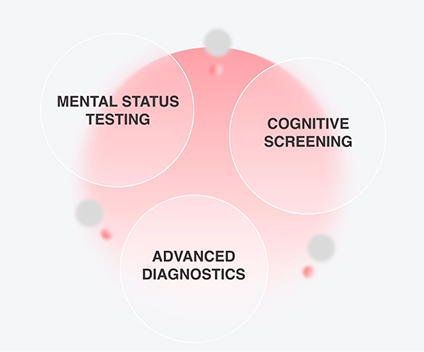
Diagnosis pathway
In Serbia, dementia diagnosis typically starts in primary care, where a GP refers suspected cases to a neurologist or psychiatrist. In major cities (Belgrade, Novi Sad, Niš), complex cases are assessed at tertiary university centres, especially the Center for Memory Disorders and Dementia at the University Clinical Centre of Serbia, which provides multidisciplinary evaluation and neuroimaging.
Outside urban areas, access is more limited due to specialist shortages. Early diagnosis often depends on location and financial means, with some families seeking private specialists or support from patient associations before entering the public system.
In Serbia’s larger cities, especially Belgrade, Novi Sad, and Nis, the typical patient journey for individuals with suspected cognitive decline begins at a primary healthcare centre where a GP conducts initial screening and history-taking. When memory problems or behavioural symptoms raise suspicion of dementia, the GP refers the patient to a neurologist or psychiatrist, usually at a hospital-affiliated clinic. From there, more complex or uncertain cases are referred to tertiary university centres for structured cognitive assessment, neuroimaging, and counseling. The central institution is the Center for Memory Disorders and Dementia, established at the Neurology Clinic of the University Clinical Centre of Serbia (UKCS). Such centres provide comprehensive diagnostics and multidisciplinary evaluation involving neurologists, psychologists, and neuropsychiatrists. This referral structure follows the European model of “tiered memory care,” where primary physicians act as the first line, but specialized diagnosis is concentrated in teaching hospitals and research institutions.
Outside major urban hubs, access is far more uneven due to specialist shortages. In smaller towns and rural regions, GPs often have limited time and training in dementia detection, and structured pathways are less developed. Families therefore frequently rely on private neurologists, psychiatrists, or NGO advice, most notably from SUAB, before entering the public pathway. This creates a mixed pattern of care where early detection may depend on socioeconomic status and urban proximity.
- https://welcometoserbia.gov.rs/healthcare-and-health-insurance
- https://www.alzheimer-europe.org/news/new-centre-people-dementia-opens-belgrade?language_content_entity=en
- http://www.kcs.ac.rs/index.php/klinike/klinika-za-neurologiju
- https://eurohealthobservatory.who.int/publications/i/health-systems-in-action-serbia-2024
- https://www.021.rs/info/srbija/298126/srbija-u-deficitu-sa-specijalistima-nedostaje-5000-zdravstvenih-radnika
- https://www.sciencedirect.com/science/article/abs/pii/S0168851018300666
- https://www.alchajmer.rs/wp-content/uploads/2025/04/FIN-Godisnji-izvestaj-o-radu-SUAB-u-2024-i-planovi-za-2025.pdf
Wait times
Wait times for specialist consultations and MRI scans in Serbia’s public system can be long, sometimes lasting months due to equipment shortages and limited radiology staff. Delays are a major source of public dissatisfaction with healthcare services.
Private clinics, mainly in larger cities, offer much faster access but require out-of-pocket payment. As a result, many patients combine public and private care to avoid delays. For people with suspected dementia, these waiting periods can significantly postpone diagnosis and early intervention, reinforcing inequalities in access to timely neurological care.
Wait times for diagnostic imaging and specialist consultations vary widely across Serbia’s health system. Investigative reports and patient testimonies published in 2024 and 2025 describe long queues for MRI scans, sometimes lasting months or even years in public hospitals, largely due to equipment shortages and insufficient radiology staff. For example, Vreme magazine reported that MRI machines in some regions were operational only part of the day, while in others, demand vastly exceeded capacity. Generally, public opinions analysis shows that wait times are the biggest source of dissatisfaction over public health services in Serbia.
In contrast, private diagnostic centers in bigger cities provide access within a few days, which is why citizens have to rely on combination of public and private sector. This disparity often leads patients to seek faster, but OOP, options to avoid delays. Medical practitioners often work overtime in private clinics, offering better and more timely services than in public health institutions, but for much higher price. For individuals with suspected dementia, these wait times can significantly delay diagnosis and early intervention, reducing the window for treatment, care planning, and family education. The World Health Organization and OECD have both noted that Serbia’s high reliance on private payments and delayed public services contributes to inequity in timely access to neurological diagnostics.
- https://vreme.com/vesti/cekajuci-magnetnu-rezonancu-manjak-aparata-i-obucenog-kadra
- https://bebac.com/svaki-treci-u-srbiji-nezadovoljan-domovima-zdravlja/
- https://n1info.rs/vesti/prekovremeni-rad-lekara-resenje-problema-lista-cekanja-ili-rizik-za-pacijente/komentari/
- https://www.oecd.org/content/dam/oecd/en/publications/reports/2024/11/health-at-a-glance-europe-2024_bb301b77/b3704e14-en.pdf
- https://www.who.int/about/accountability/results/who-results-report-2020-2021/2021/serbia
Diagnosis cost
Serbia has near-universal public health insurance through the Republic Fund for Health Insurance (RFZO), with over 98% of residents insured. Around 90–95% of healthcare facilities are publicly owned, and GP visits, specialist consultations, laboratory tests, and standard imaging are covered within the public referral system, usually with small regulated co-payments. However, long waiting times and limited availability of advanced diagnostics in the public sector often push patients to seek faster services in private clinics, paying out-of-pocket. Private spending remains high, over 35% of total health expenditure, creating significant financial pressure for families managing chronic conditions such as dementia.
Serbia operates a mandatory public health insurance system through the Republic Fund for Health Insurance (RFZO). Approximately 90–95% of hospitals and primary health centres are publicly owned and funded through the RFZO, which contracts services at national and regional levels. Also, coverage under the compulsory insurance system is nearly universal since over 98% of residents are insured and entitled to care. GP and specialist visits, laboratory tests, and standard imaging procedures prescribed within the public referral pathway are covered by the state, with regulated co-payments or participation fees depending on patient status. However, due to long waiting times and limited availability of advanced imaging or biomarker testing in the public system, many citizens opt to use private clinics and OOP for faster services. While the RFZO provides partial reimbursement for some privately paid diagnostics if prescribed and unavailable in time within the public network, the bureaucratic process is complex and rarely use. While the RFZO provides partial reimbursement for some privately paid diagnostics if prescribed and unavailable in time within the public network, the bureaucratic process is complex and rarely used. According to the OECD and World Bank, Serbia’s OOP spending remains among the highest in Europe, representing over 35% of total health expenditure, which creates significant financial pressure for families managing chronic conditions like dementia.
- https://eurohealthobservatory.who.int/publications/i/serbia-health-system-review-2019
- https://pubmed.ncbi.nlm.nih.gov/32851979
- https://www.rfzo.rs/index.php/osiguranalica/osiguranici
- https://www.batut.org.rs/download/nzr/Private%20public%20comparison%20for%202016.pdf
- https://rfzo.rs/index.php/osiguranalica/refundacija
- https://p4h.world/en/countries/serbia
- https://data.worldbank.org/indicator/SH.XPD.OOPC.CH.ZS?locations=RS
Cognitive tests
In Serbia, routine cognitive assessment in neurology and psychiatry services typically includes the MMSE and MoCA (both validated in Serbian), along with the Clock-Drawing Test for quick screening. In tertiary memory clinics, expanded neuropsychological batteries are used for differential diagnosis and monitoring disease progression.
- https://www.dunp.np.ac.rs/support/wp-content/uploads/2018/lite/psih/53.pdf
- https://scindeks-clanci.ceon.rs/data/pdf/0350-2538/2009/0350-25380902029B.pdf
- https://www.dunp.np.ac.rs/support/wp-content/uploads/2018/lite/psih/52.pdf
- https://euromedic.rs/pregledi/specijalisticki-pregledi/neurologija/neurologija-lecive-demencije/
Imaging tests
CT and MRI are available in public hospitals but often involve long waits, while private centers offer quicker access at out-of-pocket cost. PET/CT is available in Belgrade but is mainly used for oncology. Amyloid PET remains limited to research or selected academic cases, though nuclear medicine capacity is gradually expanding.
- https://vreme.com/vesti/cekajuci-magnetnu-rezonancu-manjak-aparata-i-obucenog-kadra
- https://www.euronews.rs/srbija/drustvo/131365/klinicki-centar-srbije-dobio-dva-petct-aparata-veci-broj-pregleda-preciznija-dijagnostika-manje-cekanja/vest
- http://www.onk.ns.ac.rs/pdf/UputstvaPacijenti/Uputstvo_za_pacijente-PET-CT.pdf
- https://scindeks-clanci.ceon.rs/data/pdf/2812-8575/2023/2812-85752305068S_.pdf
- https://ukck.rs/services/centar-za-nuklearnu-medicinu/
- https://www.kcnis.rs/index.php/klinike-klinickog-centra-nis/centri-kcnis/centar-za-nuklearnu-medicinu
Genetic tests
APOE genotyping and other dementia-related genetic tests are available in private laboratories, primarily in larger cities, and are paid out-of-pocket. They are not part of standard public diagnostic protocols. Local research confirms that the APOE ε4 allele is associated with increased Alzheimer’s disease risk in the Serbian population.
Biomarker tests
CSF biomarker testing (including amyloid and tau markers) is available in select tertiary university centers, primarily for complex or atypical cases, but is not widely accessible across the country. Blood-based biomarkers remain in the research phase and are not yet part of routine clinical practice in Serbia.
- https://www.researchgate.net/publication/23930168_Cerebrospinal_fluid_amyloid_beta_and_tau_protein_Biomarkers_for_Alzheimer%27s_disease
- https://doiserbia.nb.rs/Article.aspx?id=0042-84500812901M
- https://www.cureus.com/articles/410813-the-link-between-serum-levels-of-dehydroepiandrosterone-and-alzheimers-disease-a-pilot-study-in-the-serbian-population/
Cognitive Tests
Cognitive Tests
In Serbia, routine cognitive assessment in neurology and psychiatry services typically includes the MMSE and MoCA (both validated in Serbian), along with the Clock-Drawing Test for quick screening. In tertiary memory clinics, expanded neuropsychological batteries are used for differential diagnosis and monitoring disease progression.
- https://www.dunp.np.ac.rs/support/wp-content/uploads/2018/lite/psih/53.pdf
- https://scindeks-clanci.ceon.rs/data/pdf/0350-2538/2009/0350-25380902029B.pdf
- https://www.dunp.np.ac.rs/support/wp-content/uploads/2018/lite/psih/52.pdf
- https://euromedic.rs/pregledi/specijalisticki-pregledi/neurologija/neurologija-lecive-demencije/
Imaging Tests
Imaging Tests
CT and MRI are available in public hospitals but often involve long waits, while private centers offer quicker access at out-of-pocket cost. PET/CT is available in Belgrade but is mainly used for oncology. Amyloid PET remains limited to research or selected academic cases, though nuclear medicine capacity is gradually expanding.
- https://vreme.com/vesti/cekajuci-magnetnu-rezonancu-manjak-aparata-i-obucenog-kadra
- https://www.euronews.rs/srbija/drustvo/131365/klinicki-centar-srbije-dobio-dva-petct-aparata-veci-broj-pregleda-preciznija-dijagnostika-manje-cekanja/vest
- http://www.onk.ns.ac.rs/pdf/UputstvaPacijenti/Uputstvo_za_pacijente-PET-CT.pdf
- https://scindeks-clanci.ceon.rs/data/pdf/2812-8575/2023/2812-85752305068S_.pdf
- https://ukck.rs/services/centar-za-nuklearnu-medicinu/
- https://www.kcnis.rs/index.php/klinike-klinickog-centra-nis/centri-kcnis/centar-za-nuklearnu-medicinu
Genetic Tests
Genetic Tests
APOE genotyping and other dementia-related genetic tests are available in private laboratories, primarily in larger cities, and are paid out-of-pocket. They are not part of standard public diagnostic protocols. Local research confirms that the APOE ε4 allele is associated with increased Alzheimer’s disease risk in the Serbian population.
- https://vreme.com/vesti/cekajuci-magnetnu-rezonancu-manjak-aparata-i-obucenog-kadra
- https://www.euronews.rs/srbija/drustvo/131365/klinicki-centar-srbije-dobio-dva-petct-aparata-veci-broj-pregleda-preciznija-dijagnostika-manje-cekanja/vest
- http://www.onk.ns.ac.rs/pdf/UputstvaPacijenti/Uputstvo_za_pacijente-PET-CT.pdf
- https://scindeks-clanci.ceon.rs/data/pdf/2812-8575/2023/2812-85752305068S_.pdf
- https://ukck.rs/services/centar-za-nuklearnu-medicinu/
- https://www.kcnis.rs/index.php/klinike-klinickog-centra-nis/centri-kcnis/centar-za-nuklearnu-medicinu
Biomarker Tests
Biomarker Tests
CSF biomarker testing (including amyloid and tau markers) is available in select tertiary university centers, primarily for complex or atypical cases, but is not widely accessible across the country. Blood-based biomarkers remain in the research phase and are not yet part of routine clinical practice in Serbia.
- https://www.researchgate.net/publication/23930168_Cerebrospinal_fluid_amyloid_beta_and_tau_protein_Biomarkers_for_Alzheimer%27s_disease
- https://doiserbia.nb.rs/Article.aspx?id=0042-84500812901M
- https://www.cureus.com/articles/410813-the-link-between-serum-levels-of-dehydroepiandrosterone-and-alzheimers-disease-a-pilot-study-in-the-serbian-population/
Treatment & Care
Treatment & care
Show moreIn Serbia, dementia care is mainly delivered through tertiary services in major urban centers. Treatment and symptomatic medications are covered by public health insurance, as are rehabilitation services, although availability varies significantly by region. Serbia has a national palliative care framework and expanding hospice services, but dementia-specific palliative care remains underdeveloped. Care largely relies on families, while NGOs provide caregiver training and support. Overall, services exist within the public system, but regional disparities limit consistent and equitable access.
Specialized facilities and services
Serbia’s dedicated memory services are concentrated in major academic centres. The leading institution is the Center for Memory Disorders and Dementia at the University Clinical Centre of Serbia in Belgrade, alongside memory services in the Clinical Center of Vojvodina and Niš. These tertiary centres provide multidisciplinary diagnostics, including neuropsychological testing and imaging. Private neurology practices in larger cities offer faster access but require out-of-pocket payment. Serbia has had a national palliative care strategy since 2009, and home-based hospice services have expanded. General palliative care is available in public hospitals and private hospices, but dementia-specific palliative pathways remain limited and not fully integrated into routine dementia care.
In Serbia, the development of dedicated memory services has gained momentum, particularly in major academic and clinical centres. For example, the first outpatient Center for Memory Disorders and Dementia was established in 2008 at UKCS’s Neurology Clinic in Belgrade and it is currently serving persons with cognitive impairment and dementia, marking an important step in specialist care infrastructure. Together with memory services within the Clinical Center of Vojvodina and in Clinical Center of Nis, the centre is a central institution that provides multidisciplinary assessments, diagnostic imaging, neuropsychological testing and counselling, often as part of tertiary-level neurology or psychiatry departments. In parallel, private neurology practices in urban centres act as supplemental access points for patients who may seek more rapid or direct consultation. On the palliative care front, Serbia has had a national strategy in place since 2009, while the home-based hospice services have been expanded ever since. Aside from palliative care offered by public hospitals and centres, there is a number of private hospices such as charity foundation, Bel Hospice.8 While these services offer important support for advanced illness, dementia-specific palliative care pathways remain under-developed. That means that, although general palliative frameworks exist, integration with dementia care is still evolving.
Approved medication
| Generic Name | Trade Name | Used for |
|---|---|---|
| Donepezil | Aricept, Aricept ODT, Adlarity, Eranz, Memac, Alzepil, Davia, Donecept, Donep, Donepex, Donesyn, Dopezil, Yasnal, Memorit, Pezale, Redumas, Zolpezil, Namzaric* | Donepezil is indicated for the symptomatic treatment of mild to moderately severe Alzheimer’s dementia. Official National Product Information |
| Rivastigmine | Exelon, Exelon Patch, Prometax, Rivastach, Nimvastid | Symptomatic treatment of mild to moderately severe Alzheimer’s dementia. Symptomatic treatment of mild to moderately severe dementia in patients with idiopathic Parkinson’s disease. Official National Product Information |
| Galantamine | Razadyne, Razadyne ER, Reminyl, Reminyl XL, Nivalin, Lycoremine, Galsya | Galantamine is indicated for the symptomatic treatment of mild to moderately severe dementia of the Alzheimer type. Official National Product Information |
| Memantine | Namenda, Namenda XR, Ebixa, Memary, Axura, Akatinol, Maruxa, Nemdatine, Namzaric* | Treatment of adult patients with moderate to severe Alzheimer’s disease. Official National Product Information |
*Namzaric = combination of Donepezil and Memantine
Treatment cost
Under Serbia’s public insurance (RFZO), approved dementia medications such as donepezil are reimbursed and subject to regulated copayments. Treatments prescribed outside the public system or non-listed brands must be paid out-of-pocket. Rehabilitation services (occupational, physical, and speech therapy) are formally covered when prescribed in public institutions, but actual availability varies considerably by region.

Under the RFZO scheme, symptomatic dementia medications that appear on the approved lists (such as List A or A1) receive reimbursement and are subject to regulated copayments or participation fees. For example, donepezil is listed under the A/A1 category with a specified copayment percentage and patient share. However, when patients opt for private prescribing, non-listed brands, or formulations not covered under public insurance they must pay OOP. Rehabilitation services, such as occupational therapy (OT), physical therapy (PT) and speech therapy, are formally covered when prescribed within public institutions, yet the actual availability varies significantly by the region.
Caregiver support
Dementia care in Serbia largely relies on family members. There is no dedicated caregiver allowance specifically for dementia, but families may access financial support through social insurance schemes based on functional dependency (e.g., third-party care and assistance benefits). NGOs such as SUAB provide caregiver training, counseling, and peer support. However, long-term care remains fragmented between health, social, and pension systems, resulting in uneven and inconsistent support across the country.
The care of persons with dementia in Serbia places substantial responsibility on families and informal caregivers. While there is no specific nationwide “caregiver salary” or benefit exclusively dedicated to dementia carers, families may access care allowances via social-protection channels. For example they can apply for scheme called “third-party care and assistance’’ through Institute for Social Insurance or the Pension and Disability Insurance Fund of the Republic of Serbia. However, these schemes provide financial support based on functional dependency rather than a specific diagnosis of dementia. In addition, NGOs like SUAB provide training programs for caregivers, peer support groups, counseling and public awareness campaigns. Despite these supports, the fragmentation of long-term care (LTC) services in Serbia, with health, social protection and pension systems operating largely separately, means that holistic caregiver support remains inconsistent and uneven across the country.
Policy
Policy
Show moreSerbia does not have a dementia-specific legal framework. Although laws such as the Law on Protection of Persons with Mental Disorders and the Law on Patients’ Rights exist, they do not specifically address issues related to dementia, such as supported decision-making, advance directives, or fitness to drive. Long-term care financing remains fragmented between health and social sectors, and there is no fully integrated policy tailored to the needs of people living with dementia. Public awareness is still limited. Dementia symptoms are often perceived as normal “senility,” which delays help-seeking and diagnosis. Stigma remains present, although NGOs such as SUAB actively work on awareness raising and stigma reduction through educational campaigns and caregiver support initiatives.
National dementia plan
Serbia does not have a dedicated national dementia strategy. Dementia is addressed indirectly within broader policy frameworks, such as the Strategy for Active and Healthy Ageing (2023) and the Mental Health Protection Program (2019–2026). While these strategies include elements related to cognitive health, ageing, and community-based care, dementia is not treated as a distinct policy priority.
Serbia currently lacks a dedicated, stand-alone national dementia strategy. Instead, dementia is addressed within broader policy frameworks covering active ageing and mental health. For example, the Strategy for Active & Healthy Ageing from 2023 incorporates aeging-related functional decline, cognitive health and inter-sectoral care for older persons. Similarly, the national mental-health protection programs like the Mental Health Protection Program in the Republic of Serbia for the period 2019-2026 include older-age and community-based service elements, but do not separate out dementia as a distinct policy domain.
Upcoming plans
Future dementia-related progress in Serbia is expected through the implementation of the Active and Healthy Ageing Strategy (2023) and ongoing mental health reforms, which may introduce actions such as awareness raising, earlier diagnosis, primary care training, and expanded community support. Palliative care capacity is also expanding, including the transformation of the UKCS Batajnica COVID hospital into an advanced care centre for older persons, which may indirectly benefit people living with dementia.
In the near future, Serbia’s policy momentum for dementia is expected to come via the finalization and implementation of the active ageing strategy and mental health reforms. These vehicles are identified as the most viable platforms for introducing dementia-specific actions, such as raising awareness of cognitive impairment, promoting earlier diagnosis, training primary-care staff, and expanding community supports for affected persons and caregivers. The strategy document from 2023 explicitly signals these as priority areas. Additionally, palliative care capacity is expanding: for instance former UKCS’s Batajnica COVID hospital is now transformed into the advanced care for older persons, including those with cognitive impairment. Although this care center is not made for dementia patients only, it still marks a structural step up in end-of-life and supportive care that can be further leveraged.
Policy gaps
Legal barriers
Despite existing laws on mental health and patient rights, Serbia lacks a dementia-specific legal framework addressing issues such as cognitive impairment, decision-making, and long-term care, while fragmented financing and the absence of an integrated policy continue to limit a coordinated national response.
Despite having a number of laws, such as the Law on Protection of Persons with Mental Disorders or the Law on Patients’ Rights, Serbia does not yet have a dementia-specific statute or clear legal framework covering issues such as cognitive impairment, driver fitness, advance-directives for dementia, or supported decision-making tailored to dementia. As flagged in European Commission’s ESPN Thematic Report on Challenges in long-term care for Serbia, LTC financing remains fragmented across health and social sectors and the government lacks a fully integrated policy that would address the needs of elderly people with dementia or AD.
Cultural barriers
Public awareness of dementia in Serbia remains limited, with symptoms often seen as normal ageing and diagnosis delayed, although SUAB works to reduce stigma and improve understanding through awareness campaigns.
On the cultural front, public awareness of dementia is still developing. Many older persons and their families regard memory loss or confusion as inevitable “senility” rather than a treatable cognitive disorder, which delays help-seeking and early diagnosis. However, SUAB is actively involved in raising awareness over AD and dementia through various stigma-reduction and informative campaigns.
Research
Research
Show moreDementia research in Serbia is conducted primarily through major academic and clinical institutions, as well as the Vinča Institute of Nuclear Sciences. Serbia participates in multinational Alzheimer’s clinical trials, including studies investigating semaglutide as a potential disease-modifying therapy and trials evaluating agents such as masupirdine and intepirdine for symptom management. In parallel, research teams study CSF biomarkers (amyloid and tau), APOE genetic risk factors, experimental blood-based inflammatory markers, and advanced nuclear-medicine imaging. Although the practical availability of some advanced diagnostics remains limited by resources and reimbursement constraints, Serbian research is methodologically aligned with contemporary international standards and contributes to cutting-edge global therapeutic and biomarker research in dementia.
Selected academic institutions
Clinical trials and registries
In Serbia, Medicines and Medical Devices Agency of Serbia (ALIMS)maintains the national registry of clinical trials in Serbia, overseeing their approval, monitoring, and public listing. Serbia also participates intermittently in multinational Alzheimer’s disease clinical trials, primarily through large academic and hospital centers. These institutions are periodically included as trial sites within Central and Eastern European research networks used by global pharmaceutical sponsors to expand access to patient populations outside Western Europe.
Several ongoing trials were identified through ALIMS searches, Clinical Trials.gov and the EU Clinical Trials Registry.
Selected innovative methods
Serbian academic centers conduct dementia research focused on CSF biomarkers (amyloid and tau proteins) within international diagnostic frameworks, improving diagnostic accuracy in complex cases. Genetic studies have confirmed the association between the APOE ε4 allele and increased Alzheimer’s risk in the local population. Research groups are also exploring blood-based inflammatory markers as potential less invasive tools, although these remain experimental. Advanced nuclear-medicine imaging (PET/CT and SPECT) is available in tertiary centers and supports both clinical evaluation and research, while amyloid PET is not part of routine care due to cost and reimbursement limitations. These efforts position Serbia within contemporary international dementia research networks.
Beyond participation in externally sponsored clinical trials, Serbia has emerged as a regional contributor to Alzheimer’s biomarker and imaging research. Academic teams from UKCS have published peer-reviewed work on CSF biomarkers following the A/T/N classification framework, including amyloid-beta (Aβ42/40 ratio), total tau (t-tau), and phosphorylated tau (p-tau)—used to characterize Alzheimer’s pathology in local patient cohorts.
Parallel research has focused on genetic and inflammatory biomarkers. For instance, Bašić et al. (2024) demonstrated that the APOE ε4 allele increases Alzheimer’s risk in Serbian cohorts and correlates with altered CSF Aβ42 and p-tau levels. Meanwhile, Serbian biochemistry groups have explored plasma-based markers such as matrix metalloproteinase-9 (MMP-9) and tissue inhibitor of metalloproteinase-1 (TIMP-1), showing associations with neuroinflammation and cognitive decline. Although these blood-based biomarkers remain at the research stage, they reflect a shift toward less invasive diagnostic tools.
In terms of imaging innovation, Serbia’s tertiary hospitals maintain a robust nuclear-medicine infrastructure, including PET/CT and SPECT facilities in Belgrade, Novi Sad and Nis. These support both clinical diagnostics and translational research in neurodegeneration. While amyloid PET is not yet routine in clinical care due to cost and reimbursement limitations, several academic collaborations leverage this capacity for research imaging and validation of biomarker correlations.
- https://doiserbia.nb.rs/Article.aspx?id=0042-84500812901M
- https://serbiosoc.org.rs/arch/index.php/abs/article/view/8799
- https://casopisi.junis.ni.ac.rs/index.php/FUMedBiol/article/view/12153
- https://pmc.ncbi.nlm.nih.gov/articles/PMC11171655
- https://doiserbia.nb.rs/img/doi/0042-8450/2020/0042-84501800078S.pdf
Support
Support
Show moreIn Serbia, dementia-related support is primarily provided by the Serbian Society for Alzheimer’s Disease (SUAB), the Red Cross of Serbia, and palliative-care organizations such as Bel Hospice. Activities focus on public awareness campaigns, advocacy, caregiver education, and community-based support services. Recent initiatives have included national advocacy actions marking World Alzheimer’s Day, a public petition calling for structured day-care services for people with dementia, and the establishment of community care centres offering cognitive-activation sessions and caregiver support. While services exist within the public and civil sector, support remains largely initiative-driven and unevenly distributed across regions.
Selected national associations, patient family associations, NGOs:
Selected initiatives
In recent years, dementia-related initiatives in Serbia have focused on public awareness, advocacy, and community-based support, led primarily by SUAB in cooperation with the Red Cross of Serbia. Activities have included public campaigns and symbolic actions marking World Alzheimer’s Day, as well as a 2022 petition with over 5,600 signatures calling for a dedicated day-care centre and stronger integration of dementia into social policy. The Red Cross has also established community care centres in municipalities such as Pirot and Sombor, offering cognitive-activation sessions for people with dementia and structured support for caregivers. In parallel, educational materials and awareness efforts aim to promote early recognition, reduce stigma, and strengthen family support nationwide.
World Alzheimer's Day
Dementia doesn’t choose
I-CCC
Educational Materials
Dedicated media outlets
Serbia has no dedicated Alzheimer’s or dementia-specific media outlet, with awareness mainly communicated through SUAB’s social media and covered by local news portals.