

Singapore
Singapore combines advanced technological innovation with a robust community support framework under its National Dementia Strategy. The state is pioneering artificial intelligence (AI)-driven diagnostic tools like Pensieve-AI and has integrated support into the urban environment through the Dementia-Friendly Singapore initiative, which establishes Go-To Points in public hubs for older adults experiencing disorientation. However, this advanced ecosystem coexists with high financial barriers, as new disease-modifying therapies are approved but not subsidised, and strict disability criteria for long-term care insurance often leave families bearing significant out-of-pocket costs.

AD Rating
Diagnostic Pathway
Specialized Care
Caregiver Support
National Policies
Access to ATT-s
Highlights

Population
Median age
Health expenditure (% of GDP)
Diagnosis
Diagnosis
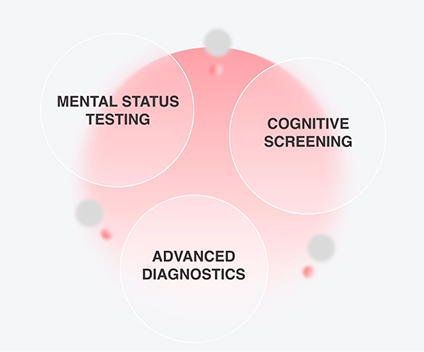
Show moreAlzheimer’s evaluation in Singapore typically at a GP or polyclinic with interviews and exclusion of other causes, followed by specialist referral for neuropsychological testing, blood work, and neuroimaging. Public patients may wait up to three months for MRI or 35 days for specialist consultations, while private care offers faster access. Cognitive assessment uses CSI-D, CMMSE, ECAQ, and emerging AI tools like Pensieve-AI and ReCOGnAise. MRI and CT scans are widely available, while Amyloid-PET is limited to private hospitals. CSF testing is offered at specialist centres, APOE testing is private, and outpatient costs are subsidised via CHAS or MediFund.
Diagnosis pathway
In Singapore, Alzheimer’s diagnosis usually begins at a GP or polyclinic, involving patient and informant interviews, and exclusion of other causes. Suspected cases are referred to specialists (neurologists or geriatricians) for comprehensive neuropsychological evaluation, blood tests, and neuroimaging. Private care offers faster access to specialists without polyclinic referrals but comes with significantly higher fees.
The diagnosis pathway for Alzheimer’s disease in Singapore typically starts at a primary care level, with a general practitioner (GP) or at a Polyclinic. The initial assessment involves a detailed interview with both the patient and a reliable informant, such as a family member, to understand the nature and impact of the symptoms. To objectively assess cognitive function, the GP uses validated screening tools, and aims to rule out other medical conditions that can cause dementia-like symptoms. If dementia is suspected, the patient is referred to a specialist, such as a neurologist or geriatrician, for a more comprehensive evaluation. This includes in-depth neuropsychological testing to create a detailed profile of cognitive strengths and weaknesses, along with blood tests to exclude other underlying causes. Neuroimaging is crucial for a definitive diagnosis.
In contrast, people who opt for private care, either at a public hospital’s private clinic or a fully private medical centre, face significantly higher costs but gain faster access to specialists without needing a polyclinic referral.
Wait times
Wait times in Singapore differ sharply between sectors, with subsidised patients experiencing up to three months for MRI scans and 35 days for specialist referrals, compared to just 12 days for unsubsidised patients in private care.
Waiting times for diagnostic services vary significantly between the public and private healthcare sectors. In 2024, the median waiting time for a new specialist appointment after a referral was 35 days for subsidised patients, compared to just 12 days for unsubsidised patients. For MRI scans, waiting times in the public sector can range from three weeks to three months.
Diagnosis cost
Singapore’s MediShield Life typically excludes outpatient diagnostics, with private plans reimbursing only if followed by hospital admission. CHAS offers tiered subsidies for private GP visits, and public specialist consultations cost S$28–S$78 for subsidised citizens with a referral. MediFund provides emergency financial aid for patients unable to afford care after other resources are exhausted.
National health insurance, MediShield Life, generally does not cover outpatient diagnostic procedures. Private Integrated Shield Plans typically only reimburse these costs if they are linked to a subsequent hospital admission. The Community Health Assist Scheme (CHAS) helps to mitigate the costs of visiting participating private GP clinics. CHAS provides subsidies for medical care, tiered according to household income into Blue, Orange, and Green cards. To access subsidised rates at a public hospital’s specialist outpatient clinic, a referral is mandatory. The cost for a first consultation for a subsidised Singapore Citizen ranges from S$28 to S$78. This figure reflects the general range across Singapore’s public hospitals, not just National University Hospital, though the exact amount varies slightly by hospital and specialist level. For those unable to pay, MediFund serves as a final safety net, but only for subsidised patients after all other financial resources are depleted.
- https://www.moh.gov.sg/managing-expenses/schemes-and-subsidies/medishield-life/medishield-life
- https://www.homage.sg/subsidies-medishield-life/
- https://www.moh.gov.sg/managing-expenses/schemes-and-subsidies/chas/
- https://www.chas.sg/chas-subsidies
- https://www.nuh.com.sg/care-at-nuh/fees-and-charges
- https://www.moh.gov.sg/managing-expenses/schemes-and-subsidies/medifund
Cognitive tests
Clinicians use a variety of pen-and-paper cognitive tests, such as the Community Screening Instrument for Dementia (CSI-D), Chinese Mini Mental State Examination (CMMSE), and Elderly Cognitive Assessment Questionnaire (ECAQ), which have been validated for Singapore’s multi-ethnic population with adjustments for education level. To improve screening efficiency, Singaporean institutions are developing rapid, AI-powered digital tools. Key examples include Pensieve-AI, a sub-five-minute drawing test from Singapore General Hospital (to be available in 2026), and ReCOGnAise, a 15-minute game-based assessment from a Nanyang Technological University spin-off.
- https://pubmed.ncbi.nlm.nih.gov/38338295/
- https://www.straitstimes.com/singapore/ai-powered-app-accurately-identifies-pre-dementia-seniors-to-be-available-in-2026
- https://www.ntu.edu.sg/news/detail/new-ai-powered-tool-for-early-dementia-screening
- https://pubmed.ncbi.nlm.nih.gov/40122854/
- https://www3.ntu.edu.sg/CorpComms2/Releases/NR2025/NR250204_Grey%20Matter%20Solutions/Asian%20Society%20Against%20Dementia%202024%20Recognaise%202.pdf
Imaging tests
Both Magnetic Resonance Imaging (MRI) and Computed Tomography (CT) scans are available across Singapore. Amyloid-Positron Emission Tomography (PET) scans are available at private hospitals for complex cases, however the cost can be high.
Genetic tests
The Ministry of Health Clinical Practice Guidelines on Dementia explicitly state that routine testing of APOE gene is not recommended in dementia diagnosis. However, private specialist genetic testing companies operating in Singapore offer APOE testing either directly to consumers or through clinician referrals.
Biomarker tests
Cerebrospinal fluid (CSF) analysis for Alzheimer’s disease is available at specialist centres, most notably the National Neuroscience Institute. Blood-based biomarkers are not yet in routine clinical use in Singapore for diagnostic purposes, but are used in research context.
Cognitive Tests
Cognitive Tests
Clinicians use a variety of pen-and-paper cognitive tests, such as the Community Screening Instrument for Dementia (CSI-D), Chinese Mini Mental State Examination (CMMSE), and Elderly Cognitive Assessment Questionnaire (ECAQ), which have been validated for Singapore’s multi-ethnic population with adjustments for education level. To improve screening efficiency, Singaporean institutions are developing rapid, AI-powered digital tools. Key examples include Pensieve-AI, a sub-five-minute drawing test from Singapore General Hospital (to be available in 2026), and ReCOGnAise, a 15-minute game-based assessment from a Nanyang Technological University spin-off.
- https://pubmed.ncbi.nlm.nih.gov/38338295/
- https://www.straitstimes.com/singapore/ai-powered-app-accurately-identifies-pre-dementia-seniors-to-be-available-in-2026
- https://www.ntu.edu.sg/news/detail/new-ai-powered-tool-for-early-dementia-screening
- https://pubmed.ncbi.nlm.nih.gov/40122854/
- https://www3.ntu.edu.sg/CorpComms2/Releases/NR2025/NR250204_Grey%20Matter%20Solutions/Asian%20Society%20Against%20Dementia%202024%20Recognaise%202.pdf
Imaging Tests
Imaging Tests
Both Magnetic Resonance Imaging (MRI) and Computed Tomography (CT) scans are available across Singapore. Amyloid-Positron Emission Tomography (PET) scans are available at private hospitals for complex cases, however the cost can be high.
Genetic Tests
Genetic Tests
The Ministry of Health Clinical Practice Guidelines on Dementia explicitly state that routine testing of APOE gene is not recommended in dementia diagnosis. However, private specialist genetic testing companies operating in Singapore offer APOE testing either directly to consumers or through clinician referrals.
Biomarker Tests
Biomarker Tests
Cerebrospinal fluid (CSF) analysis for Alzheimer’s disease is available at specialist centres, most notably the National Neuroscience Institute. Blood-based biomarkers are not yet in routine clinical use in Singapore for diagnostic purposes, but are used in research context.
Treatment & Care
Treatment & care
Show moreDementia care in Singapore is delivered through public memory clinics at hospitals like National University and Tan Tock Seng, specialty centres such as SingHealth Duke-NUS and the National Neuroscience Institute, and private facilities including Mount Elizabeth and Farrer Park. Home-based and residential services are offered by Dementia Singapore and NTUC Health, while palliative care is provided by hospices like Dover Park and Assisi. Families generally cover medication and custodial care costs, though government programs, such as CareShield Life, Home Caregiving Grants, daycare subsidies, and caregiver support initiatives, help offset expenses and provide training, respite, and home modifications.
Specialized facilities and services
Dementia care in Singapore is provided through public memory clinics in hospitals like National University, Changi General, Tan Tock Seng, and specialty centres like SingHealth Duke-NUS and the National Neuroscience Institute, alongside private facilities including Mount Elizabeth and Farrer Park. Home care and residential dementia services are offered by Dementia Singapore and NTUC Health, while palliative and hospice care, through Dover Park, Assisi, and other providers, ensure support for end-of-life needs across multiple care settings.
Memory clinics are primarily located within Singapore’s public restructured hospitals and national specialty centres like the SingHealth Duke-NUS Memory and Cognitive Disorders Centre and National Neuroscience Institute. In hospitals, specialised services are housed within Geriatric Medicine departments or specialised Neurology and Psychiatry clinics. These include hospitals like National University Hospital, Changi General Hospital, Tan Tock Seng Hospital, Singapore General Hospital, Changi General Hospital, Institute of Mental Health, Khoo Teck Puat Hospital, etc. For those seeking care outside the public subsidy framework, several private hospitals also offer dementia diagnostic and treatment services.
Dementia Singapore and NTUC Health offer home-based care options as well as residential nursing homes with dedicated dementia wards, such as Apex Harmony Lodge, Singapore’s first purpose-built residential home exclusively for people living with dementia. For end-of-life needs, palliative and hospice care is available through providers like Dover Park Hospice, which offer inpatient, home and day care services. A network of hospices and hospitals provides palliative care across Singapore like Assisi Hospice, Alexandra Hospital, MWS Home Care & Home Hospice, and many others.
Approved medication
| Generic Name | Trade Name | Used for |
|---|---|---|
| Donepezil | Aricept, Aricept ODT, Adlarity, Eranz, Memac, Alzepil, Davia, Donecept, Donep, Donepex, Donesyn, Dopezil, Yasnal, Memorit, Pezale, Redumas, Zolpezil, Namzaric* | Donepezil is indicated for the symptomatic treatment of mild to moderately severe Alzheimer’s dementia. Official National Product Information |
| Memantine | Namenda, Namenda XR, Ebixa, Memary, Axura, Akatinol, Maruxa, Nemdatine, Namzaric* | Treatment of adult patients with moderate to severe Alzheimer’s disease. Official National Product Information |
| Rivastigmine | Exelon, Exelon Patch, Prometax, Rivastach, Nimvastid | Symptomatic treatment of mild to moderately severe Alzheimer’s dementia. Symptomatic treatment of mild to moderately severe dementia in patients with idiopathic Parkinson’s disease. Official National Product Information |
| Galantamine | Razadyne, Razadyne ER, Reminyl, Reminyl XL, Nivalin, Lycoremine, Galsya | Galantamine is indicated for the symptomatic treatment of mild to moderately severe dementia of the Alzheimer type. Official National Product Information |
| Lecanemab - approved but not reimbursed | Leqembi | Lecanemab is indicated for the treatment of mild cognitive impairment and mild dementia due to Alzheimer’s disease in adult patients that are apolipoprotein E ε4 (ApoE ε4) heterozygotes or non-carriers. Official National Product Information |
| Donanemab - approved but not reimbursed | Kisunla | Donanemab is indicated for the treatment of mild cognitive impairment and mild dementia due to Alzheimer’s disease (AD) in adult patients that are apolipoprotein Eε4 (ApoE ε4) heterozygotes or non-carriers. Official National Product Information |
*Namzaric = combination of Donepezil and Memantine
Treatment cost
In Singapore, families generally pay out-of-pocket for routine Alzheimer’s medications, with drugs like Donepezil costing around S$200 per month, while monoclonal antibodies such as Lecanemab and Donanemab are not subsidised. MediShield Life does not cover long-term custodial care, and CareShield Life payouts depend on severe functional impairment, excluding many mild-to-moderate cases. Government subsidies partially offset daycare and nursing home fees, primarily aiding low-income households, while middle- and high-income families are largely responsible for covering ongoing care costs.

The routine medications used to manage the symptoms of Alzheimer’s disease are considered an out-of-pocket expense for families. As of 2025, standard symptomatic medications like Donepezil have a recurring monthly cost of about S$200. In contrast, monoclonal antibodies such as Lecanemab and Donanemab, are not currently covered by national subsidies.
The universal scheme, MediShield Life, is not designed to cover the costs of long-term, non-medical custodial care, such as assistance with daily living at home or in a nursing home. Singapore’s national long-term care insurance, CareShield Life, provides monthly cash payouts to help with these costs. However, a diagnosis of Alzheimer’s disease does not automatically qualify a person for these payouts. The key trigger is a functional assessment: the individual must be certified by an accredited assessor as being unable to perform at least three of the six Activities of Daily Living (ADLs), such as washing, dressing, or feeding. This means that during the mild-to-moderate stages of dementia, when a person may require significant supervision and care but can still physically perform most ADLs, they would not be eligible for CareShield Life payouts.
The government does provide significant, means-tested subsidies for care services like dementia daycare and nursing homes. These subsidies can cover a large portion of the fees for lower-income households but are progressively lower for middle- and higher-income families, who are expected to bear a larger share of the cost out-of-pocket.
- https://www.homage.sg/resources/dementia-cost/
- https://www.moh.gov.sg/managing-expenses/schemes-and-subsidies/list-of-subsidised-drugs
- https://www.cpf.gov.sg/member/infohub/educational-resources/what-can-you-claim-under-medishieldlife
- https://www.cpf.gov.sg/member/healthcare-financing/careshield-life
- https://www.cpf.gov.sg/service/article/does-having-dementia-automatically-qualify-an-individual-for-careshield-life-eldershield-claims
- https://hovicare.com/what-is-the-cost-of-elderly-day-care-services/
- https://www.moh.gov.sg/managing-expenses/schemes-and-subsidies/subsidies-for-residential-long-term-care-services
Caregiver support
Singapore offers multiple financial aids for dementia care, including the Home Caregiving Grant (up to S$600), CareShield Life lifetime payouts, ElderShield term payments, and subsidies for daycare, outpatient care, and domestic help. The Agency for Integrated Care and Dementia Singapore guide caregivers through services, helplines, and respite care, while initiatives such as the Caregivers Training Grant, home modification subsidies, and assistive technology funds support safety, skills development, and access to mobility devices and daily care essentials.
Financial aid from the government includes the Home Caregiving Grant, a monthly cash payout of S$250 or S$400, which will be enhanced to a maximum of S$600 from April 2026. National insurance schemes like CareShield Life and ElderShield provide monthly payouts upon assessment of severe disability; CareShield Life offers lifetime payouts starting from S$600, while ElderShield provides S$300–S$400 for a fixed term. Other support includes means-tested subsidies for services like dementia day care, the Community Health Assist Scheme for outpatient chronic disease management, and a Migrant Domestic Worker levy concession that lowers the monthly fee to S$60.
The Agency for Integrated Care is the central body for navigating financial schemes and service referrals, while Dementia Singapore is the lead specialist agency offering a dedicated Dementia Helpline, caregiver support groups, and specialised respite services like Eldersit. Caregivers can access a S$200 annual subsidy for skills training through the Caregivers Training Grant. For home safety, the Enhancement for Active Seniors programme subsidises up to 95% of the cost for modifications like grab bars and ramps in Housing & Development Board flats, with an expansion to private homes planned for early 2026. The Seniors’ Mobility and Enabling Fund and Assistive Technology Fund help fund assistive devices like wheelchairs and consumables such as adult diapers.
- https://www.aic.sg/financial-assistance/home-caregiving-grant-hcg/
- https://ask.gov.sg/moh/questions/clpjhuuot0090hipnruephrgl
- https://www.cpf.gov.sg/service/article/does-having-dementia-automatically-qualify-an-individual-for-careshield-life-eldershield-claims
- https://www.togetherforbetter.gov.sg/lifestage/caregivers
- https://www.moe.gov.sg/sgis/sponsoring-organisations/industries/healthcare-administrators/agency-for-integrated-care-pte-ltd
- https://www.aic-blog.com/aic-connects-you-community-care-services-and-support
- https://dementia.org.sg/css/
- https://www.dementiahub.sg/living-well-with-dementia/financial-schemes/
- https://www.homage.sg/resources/enhancement-for-active-seniors-ease/
- https://www.aic.sg/financial-assistance/seniors-mobility-and-enabling-fund-assistive-devices/
Policy
Policy
Show moreSingapore’s National Dementia Strategy (2009, updated 2017) promotes early diagnosis, memory clinics, community care, and programs targeting reversible risk factors, while the 2023 Action Plan for Successful Ageing expands preventive health, community support, and senior engagement. Legal frameworks, like the Parliamentary Elections Act, reinforce stigma by broadly disenfranchising those deemed of “unsound mind.” Despite reduced shame among people with dementia, public avoidance has risen, reflecting cultural stigma and uncertainty about how to offer support. The country does not have any upcoming dementia-related strategies.
National dementia plan
Singapore’s National Dementia Strategy (2009, updated 2017) promotes early diagnosis, memory clinics, community care, day-care facilities, and programs targeting reversible risk factors, but full public details are scarce. In 2023, the Action Plan for Successful Ageing introduced initiatives to enhance preventive health, community support, and opportunities for seniors to stay active, socially engaged, and meaningfully involved in society.
Singapore’s National Dementia Strategy (NDS) was established by the Ministry of Health in 2009 and revised in 2017. The plan takes a multifaceted approach that includes nursing homes, community centres, and day-care facilities, along with a community-based programme aimed at identifying reversible risk factors. It also outlines investments in early diagnosis via memory clinics in public hospitals. However, further details remain unknown, as the plan has been adopted but not fully communicated publicly.
In 2023, the government launched the refreshed Action Plan for Successful Ageing, outlining initiatives across Care, Contribution, and Connectedness to help seniors stay healthy, engaged, and socially connected. It was developed through consultations with over 5,000 Singaporeans and introduces new programmes to expand preventive health, strengthen community support, and create more opportunities for older adults to contribute meaningfully.
Upcoming plans
There are no upcoming strategies in Singapore.
Policy gaps
Legal barriers
Legal frameworks in Singapore contribute to stigma by using rigid definitions of mental capacity. The Parliamentary Elections Act broadly disenfranchises those of “unsound mind,” lumping dementia patients with those entirely unfit for citizenship, whereas the Mental Capacity Act allows for partial decision-making. Despite this, the label of incapacity can still diminish autonomy and perpetuate negative social perceptions.
The legislative framework in Singapore often codifies stigma by enforcing binary definitions of competence that marginalise individuals living with dementia. The Parliamentary Elections Act explicitly disqualifies any person found to be of “unsound mind”, a term that lacks clinical precision and groups people living with different types of dementia alongside those unfit for citizenship, symbolically stripping them of their political agency. This contrasts with the functional approach of the Mental Capacity Act, creating a legal dissonance where a person may retain specific decision-making capacities but is blanketly disenfranchised by electoral law.
Unlike the “unsound mind” definition in the Parliamentary Elections Act, Section 5 of the Mental Capacity Act acknowledges that a diagnosis of Alzheimer’s disease does not automatically render a person incapable of all decisions. However, in practice it can still feel stigmatising because being labelled as “lacking capacity” may lead others to treat a person as broadly incapable, reduce their perceived autonomy, and reinforce social attitudes linking capacity loss with mental illness or disability.
Cultural barriers
Surveys show that people with dementia report less shame and loneliness, dropping from 72to 31% between 2019 and 2023, yet public avoidance has jumped from 20% to 72%. While awareness campaigns empower patients, they may increase fear, with many willing to help yet uncertain about the best way to do so.
National surveys reveal that while people living with dementia feel less personal shame and loneliness than in previous years (a drop from 72% in 2019 to 31% in 2023), the general public has become far more likely to avoid them (rising from 20% to 72% in the same period). This suggests that while public awareness campaigns have successfully empowered people living with dementia, they may have inadvertently increased fear and social awkwardness among the public. A large majority of the public expresses a desire to help (almost 80%) but simultaneously feels frustrated by not knowing how (44%).
Research
Research
Show moreSingapore’s dementia research spans biomarker studies and digital therapeutics at DRCS, lifestyle and drug trials plus early detection tools at MACC, evidence-based housing design through Dementia-Friendly Singapore, and culturally tailored caregiver support via a mobile app from the Institute of Mental Health, currently in clinical testing.
Selected academic institutions
Clinical trials and registries
Singapore does not have a single, publicly searchable national clinical trial registry specifically for patients. The National Neuroscience Institute coordinates research across multiple hospitals and is the first point of contact for many clinical trials, with an option on their website to apply for current dementia-related studies: https://www.nni.com.sg/research-innovation/clinical-trials
Selected innovative methods
Singapore’s DRCS studies fluid biomarkers (BIOCIS) and digital therapeutics through DEMAND and SHINE to improve cognitive health. MACC leads trials on lifestyle interventions, anti-amyloid drugs such as Lecanemab, and early detection tools like gait and navigation assessments. Dementia-Friendly Singapore applies research to housing design with murals, colour-coding, and walking loops. The Institute of Mental Health develops a culturally relevant caregiver app to support mental health, currently under clinical trial.
Dementia Research Centre Singapore (DRCS) at Nanyang Technological University leads the Biomarkers and Cognition Study, Singapore (BIOCIS), a major study to find fluid biomarker profiles in Asian populations through blood tests, neuroimaging, and retinal scans. Furthermore, DRCS is involved in testing digital therapeutics through studies like DEMAND and SHINE, which use digital platforms to deliver interventions aimed at improving cognitive health.
Memory, Ageing and Cognition Centre (MACC) at the National University of Singapore (NUS) is a hub for clinical trials, leading Singapore’s participation in the SINGER study, which tests if lifestyle changes (diet, exercise, cognitive training) can prevent cognitive decline. It is also a key site for global clinical trials of advanced drugs, including anti-amyloid treatments like Lecanemab and upcoming anti-tau therapies. MACC has also validated advanced blood-based biomarker technology for use in Asian populations and is developing innovative digital tools, like in the SPACE study, to assess subtle changes in gait and navigation as early signs of cognitive decline.
Agency for Integrated Care, Centre for Liveable Cities, and Singapore University of Technology and Design collaborate on translating research into practical changes in the built environment as part of the Dementia-Friendly Singapore initiative. Their joint research on how people living with dementia navigate their surroundings has led to evidence-based design interventions in public housing estates. These include tangible features like large, nostalgic wayfinding murals, colour-coding entire housing blocks for easier identification, and creating safe, easy-to-remember walking loops to improve residents’ independence and safety.
Institute of Mental Health is focused on developing digital support systems for caregivers. Researchers are leading a project to create and test a culturally-relevant mobile app specifically for informal caregivers of people living with dementia. The app is designed to provide mental health support through features like peer support networks, educational resources, and coping strategies, with a clinical trial underway to measure its effectiveness in reducing caregiver depression and anxiety.
- https://link.springer.com/article/10.14283/jpad.2024.89
- https://www.drcs.sg/about-us/
- https://fbhi.se/network-project/singer-singapore/
- https://medicine.nus.edu.sg/macc-2/projects/
- https://medicine.nus.edu.sg/macc-2/about-us-2/
- https://medicine.nus.edu.sg/macc-2/projects/space-study/
- https://www.aic.sg/wp-content/uploads/2023/06/SUTL-Dementia-Friendly-Guidelines.pdf
- https://hunterurbanreview.commons.gc.cuny.edu/creating-inclusive-urban-futures-a-case-study-on-dementia-friendly-singapore/
- https://clinicaltrials.gov/study/NCT05551533
Support
Support
Show moreDementia-Friendly Singapore builds inclusive communities, provides personalised support and community resources through trained volunteers, Go-To Points, the CARA app for personalised support, and the Voices for Hope self-advocacy programme. Complementing these, DementiaHub.SG offers a government-backed digital portal with personal stories, blogs, e-learning modules, and comprehensive directories of dementia resources and services.
Selected national associations, patient family associations, NGOs:
Selected initiatives
DFSG fosters inclusive communities by training volunteers and businesses and establishing Go-To Points in public spaces like supermarkets and transit hubs to assist individuals who may be lost or confused in public. The CARA app serves as a digital companion, providing people with dementia and caregivers access to personalised support, lifestyle tools, and access to community resources. The Voices for Hope Programme provides a 10-week self-advocacy course, equipping participants with skills to share their stories, influence policy, and challenge societal stigma.
The Dementia-Friendly Singapore
CARA mobile app
Voices for Hope Programme
Dedicated media outlets
DementiaHub.SG is a government-supported digital platform designed to be the primary entry point for anyone seeking information on dementia. The portal features a rich variety of content, including a blog with personal stories and community voices, practical e-learning courses, and extensive directories of support services.