

Thailand
Thailand’s Alzheimer’s disease landscape is shaped by the NGO and public-sector collaboration, led by the Alzheimer’s and Related Disorders Association of Thailand (ARDA) and the Alzheimer Foundation of Thailand (AFT) in partnership with government bodies such as the Thailand Center of Excellence for Life Sciences (TCELS). In 2017, the government launched Thailand Strategic Plan on Dementia, while broader priorities are integrated into ageing and NCD policies. Diagnosis and specialist services are concentrated in major urban centres like Bangkok, though nationwide registries and academic networks support research. Public awareness and caregiver training are NGO-driven, complemented by state-backed initiatives on brain health and digital screening. With uneven insurance coverage for long-term care and limited PET and CSF biomarker access, families still shoulder much of the cost and coordination burden, but Thailand’s expanding innovation ecosystem, linking life sciences, mobile health, and community programs, positions it as one of Southeast Asia’s more advanced middle-income models for dementia response.

AD Rating
Diagnostic Pathway
Specialized Care
Caregiver Support
National Policies
Access to ATT-s
Highlights

Population
Median age
Health expenditure (% of GDP)
Diagnosis
Diagnosis
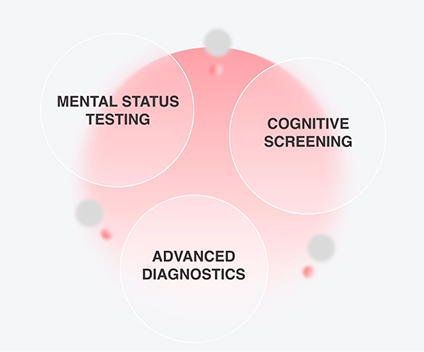
Show moreThailand’s dementia care pathway increasingly follows an integrated, person-centred model aligned with the ICOPE framework, embedding dementia within broader older adult services rather than treating it solely as a neurological condition. The process begins with public awareness and workforce capacity-building, enabling early recognition of risk factors and symptoms. Screening with MMSE-Thai or MoCA-Thai occurs in community clinics, with suspected cases referred for formal diagnosis. Imaging, including CT and MRI, is widely available, though advanced PET or SPECT is restricted to specialist centres for complex cases. Genetic testing remains limited to research or private settings. Biomarkers, such as CSF amyloid and tau or blood-based p-tau, enhance diagnostic precision in urban centres. Despite UCS coverage, high-cost diagnostics often require out-of-pocket payment, and rural areas experience longer waits, limited imaging, and fragmented community support.
Diagnosis pathway
In Thailand, the dementia care pathway reflects a shift towards integrated, person-centred care consistent with the ICOPE framework. Dementia is addressed within broader ageing services, rather than treated solely as a specialist neurological issue. The process starts with public awareness and workforce capacity-building, which enables early recognition of risk factors and symptoms. Screening is conducted using brief cognitive tools in community clinics or outreach programmes, with suspected cases referred onwards for formal diagnosis and treatment. Following diagnosis, coordinated, multidisciplinary care supports patients and families, including community-based cognitive stimulation (e.g., CHNs and VHVs) and home-based care. However, despite strong community engagement, limitations persist, including insufficient dementia-specific training and unclear referral structures for community health nurses and volunteers.
Thailand has increasingly adopted a person-centred, integrated care framework for older people that aligns with the ICOPE model, with the development of personalised care plans and coordinated follow-up across community and primary care settings. This integrated care trajectory ensures that dementia is not treated solely as a specialist neurological condition, but rather embedded in the broader older person care pathway. Community health workers and primary care teams are guided to perform risk assessment, cognitive screening, lifestyle advice, and referral when needed. The pathway begins with awareness-raising and capacity-building, ensuring that community members, village health volunteers, and primary-care teams understand dementia risk factors and early signs. It then moves to screening, where older adults are assessed using brief cognitive tests within community clinics or outreach programmes. Individuals with suspected impairment are sent through a referral process for diagnosis and treatment, linking primary care to district hospitals or specialist memory clinics. Once diagnosed, the system emphasises coordination and consultation, allowing multidisciplinary teams to share information, plan care, and support families. Patients then engage in cognitive stimulation activities delivered in community health centres or day-care settings to maintain function. Finally, home-based care supports daily living, caregiver education, behavioural management, and ongoing monitoring, ensuring continuity and reducing unnecessary hospital visits.
Main characteristics of dementia support in Thailand are the combination of community commitment and systemic limitations. For example, community health nurses (CHNs), village health volunteers (VHVs), and family caregivers. CHNs play a key role in early identification, but they lack formal dementia-specific training and structured referral pathways. VHVs, who act as the bridge between households and local clinics, often provide basic monitoring and emotional support, yet their capacity is constrained by limited knowledge and competing responsibilities.
- https://www.segg.es/media/descargas/ICOPE-handbook-2nd-final.pdf
- https://he02.tci-thaijo.org/index.php/PRIJNR/article/view/139884
- https://he02.tci-thaijo.org/index.php/PRIJNR/article/view/249108
- https://www.dop.go.th/download/statistics/th1738230377-2563_1.pdf
- https://agingthai.dms.go.th/agingthai/manual-guideline/manual-guideline-table/?dtid=44
- https://pmc.ncbi.nlm.nih.gov/articles/PMC12319683/
- https://he02.tci-thaijo.org/index.php/PRIJNR/article/view/139884/136099
Wait times
Although Thailand provides universal health coverage, disparities persist between urban and rural services. City-based hospitals enable faster diagnosis and specialist access, whereas provincial settings experience delays and limited imaging. Longer waiting times and travel barriers are linked to increased caregiver burden.
Thailand operates under a universal health coverage system, but access to diagnostic and specialist services varies widely by facility type and location. In major urban university hospitals and private hospitals, specialist consultations, advanced imaging, and memory clinics are relatively faster to access. In contrast, public hospitals in provincial or rural areas often have longer wait times, more limited imaging capacity, and slower access to neurology and psychiatry memory services. Available research indicates caregiver burden is higher in regions with longer lead times and administrative or travel obstacles.
Diagnosis cost
Introduced in 2002, Thailand’s UCS guarantees essential health services for all, including older adults with dementia, yet advanced diagnostics and long-term care are only partially covered. Basic care is widely accessible, but expensive imaging or biomarker testing may incur out-of-pocket costs. Differences across UCS, CSMBS, and SSS schemes persist, and despite improved general service equity, dementia services continue to face geographical disparities and fragmented community-level support.
Thailand’s Universal Coverage Scheme (UCS), introduced in 2002, guarantees access to essential healthcare for all citizens, including older adults with dementia, but coverage of advanced diagnostics and long-term dementia care remains partial and uneven. Under UCS, basic clinical consultations, standard laboratory tests, and generic medications are typically covered at public hospitals. However, high-cost investigations such as MRI, PET, or CSF biomarker testing often fall outside full reimbursement, leading to out-of-pocket expenses, particularly when patients seek tertiary or private hospital care. Thailand’s universal health system comprises three main schemes: the UCS (which covers 70% of the population), Civil Servant Medical Benefit Scheme (CSMBS), and Social Security Scheme (SSS), each with different benefit packages and referral requirements. Studies indicate that while UCS has successfully improved equity and access to general health services, dementia care continues to face urban–rural disparities, long referral chains, and limited community-level integration.
- https://www.social-protection.org/gimi/Media.action;jsessionid=bwFrKPKBFXR0Lr72q-NzIXIkuUSY5cOkVumIy-y2423bRwMp2snl!1859285306?id=15747
- https://extranet.who.int/kobe_centre/sites/default/files/pdf/2_8_Case%20study_Thailand.pdf
- https://equityhealthj.biomedcentral.com/articles/10.1186/s12939-023-01952-0
- https://www.researchgate.net/publication/310515539_Thailand%27s_universal_coverage_scheme_and_its_impact_on_health-seeking_behavior
Cognitive tests
Generally, clinicians use brief, validated cognitive screening instruments only when there is suspected cognitive decline. National and society guidance emphasise standardised use of these tools in clinical settings, mostly the Thai versions of the Mini-Mental State Examination (MMSE-Thai) and the Montreal Cognitive Assessment (MoCA-Thai) are routine. Recent work has validated electronic MoCA-Thai (eMoCA-Thai) and app-based screening tools, and machine-learning analyses support MoCA-Thai performance.
Imaging tests
Computed Tomography (CT) and Magnetic Resonance Imaging (MRI) are widely available at many public referral hospitals and private centres across Thailand. More advanced imaging, such as amyloid-PET (including tracers such as PiB, florbetapir, florbetaben), is available in specialist centres in Bangkok, like Siriraj Hospital, but used mostly for complex cases or research. The Thai national practice guidelines for nuclear medicine in dementia, developed jointly by the Nuclear Medicine Society of Thailand, the Neurological Society of Thailand, and the Thai Medical Physicist Society, recommend the judicious and evidence-based use of PET and single-photon emission computed tomography (SPECT) imaging to support clinical diagnosis of neurocognitive disorders. The guidelines emphasise selecting the most appropriate imaging modality based on the suspected dementia type, integrating molecular imaging with clinical and structural findings, and ensuring that nuclear medicine specialists follow standardised protocols for image acquisition, interpretation, and reporting. Given Thailand’s limited access to advanced imaging and high costs, the guidance prioritises efficient resource use, advocating for targeted application of PET or SPECT in complex or uncertain cases to enhance diagnostic accuracy, differentiate dementia subtypes, and guide personalised treatment planning.
Genetic tests
In Thailand, genetic testing is not yet a standard component of dementia diagnosis and remains primarily limited to research settings or private laboratories. Clinical testing for common risk genes such as APOE ε4, or for rare monogenic forms of AD and dementia, is available in private clinics and hospitals. The cost, lack of insurance coverage, and limited local laboratory infrastructure constrain routine adoption. Current Thai medical practice instead prioritises clinical and neuroimaging evaluation, with genetic analysis reserved for early-onset or atypical presentations, strong family histories, or research participation. Recent studies have begun to explore regional APOE allele frequency and its correlation with cognitive decline, but integration of these findings into clinical decision-making remains in the early stages.
- https://www.tm.mahidol.ac.th/seameo/2006_37_4/27-3786.pdf
- https://www.bangkokhospital.com/en/bangkok-bone-brain/content/genetic-testing-know-the-risk-of-alzheimers
- https://www.bumrungrad.com/lab-service-guide/labs/apoe-genotype-(risk-for-alzheimer-disease)
- https://www.tm.mahidol.ac.th/seameo/2006_37_4/27-3786.pdf
- https://karger.com/dee/article-pdf/15/1/162/4441777/000548539.pdf
Biomarker tests
Thailand has made measurable progress in biomarker-based dementia diagnostics, particularly at tertiary and research hospitals in Bangkok such as Siriraj, Ramathibodi, and Chulalongkorn. These centres routinely perform cerebrospinal fluid (CSF) analyses for Aβ42/40 ratios, total-tau, and phosphorylated-tau (p-tau). A recent Thai study using data-driven CSF cut-offs found that adding Aβ42 and p-tau/Aβ42 ratio results to routine work-ups led to a reclassification of about 18% of dementia cases, highlighting how CSF biomarkers can sharpen differentiation between AD and non-AD dementias. However, biomarker access remains largely confined to major urban centres, with limited laboratory capacity and cost barriers preventing widespread clinical use. The 2024 Thai meta-analysis shows that blood-based phosphorylated tau measured via SIMOA is a highly effective Alzheimer’s diagnostic marker, with pooled sensitivity and specificity above 80% and AUC values approaching 0.9, outperforming blood amyloid-beta and total tau and offering a practical, accurate, and less invasive alternative to traditional CSF and PET diagnostics.
Another 2024 Thai multicentre study demonstrated that incorporating Bayes’ theorem into the interpretation of plasma p-tau217 markedly improves diagnostic accuracy for Alzheimer’s disease in real-world memory clinics. By integrating pre-test clinical probability with individualised likelihood ratios, the Bayesian method outperformed both p-tau217 alone and conventional logistic models, achieving an AUC of 0.98 and enabling confident diagnosis or exclusion of AD without confirmatory PET or CSF in most patients. This approach provides a practical, high-performing pathway for low- and middle-income settings, showing that Bayesian-guided plasma biomarkers can significantly reduce reliance on costly or invasive tests while maintaining strong clinical accuracy. These efforts align with regional initiatives like the Southeast Asia Dementia Research Network, which aims to standardise biomarker protocols and expand diagnostic accessibility across Southeast Asia.
- https://www.ph.mahidol.ac.th/thjph/journal/54_2/03.pdf
- https://pmc.ncbi.nlm.nih.gov/articles/PMC9523798/
- https://karger.com/dee/article-pdf/15/1/162/4441777/000548539.pdf
- https://karger.com/dee/article-pdf/15/1/162/4441777/000548539.pdf
- https://he02.tci-thaijo.org/index.php/jph/article/view/267858
- https://alz-journals.onlinelibrary.wiley.com/doi/full/10.1002/alz.14138
- https://www.thelancet.com/journals/lanhl/article/PIIS2666-7568(24)00132-6/fulltext
- https://www.frontiersin.org/journals/neuroscience/articles/10.3389/fnins.2024.1357783/full
Cognitive Tests
Cognitive Tests
Generally, clinicians use brief, validated cognitive screening instruments only when there is suspected cognitive decline. National and society guidance emphasise standardised use of these tools in clinical settings, mostly the Thai versions of the Mini-Mental State Examination (MMSE-Thai) and the Montreal Cognitive Assessment (MoCA-Thai) are routine. Recent work has validated electronic MoCA-Thai (eMoCA-Thai) and app-based screening tools, and machine-learning analyses support MoCA-Thai performance.
Imaging Tests
Imaging Tests
Computed Tomography (CT) and Magnetic Resonance Imaging (MRI) are widely available at many public referral hospitals and private centres across Thailand. More advanced imaging, such as amyloid-PET (including tracers such as PiB, florbetapir, florbetaben), is available in specialist centres in Bangkok, like Siriraj Hospital, but used mostly for complex cases or research. The Thai national practice guidelines for nuclear medicine in dementia, developed jointly by the Nuclear Medicine Society of Thailand, the Neurological Society of Thailand, and the Thai Medical Physicist Society, recommend the judicious and evidence-based use of PET and single-photon emission computed tomography (SPECT) imaging to support clinical diagnosis of neurocognitive disorders. The guidelines emphasise selecting the most appropriate imaging modality based on the suspected dementia type, integrating molecular imaging with clinical and structural findings, and ensuring that nuclear medicine specialists follow standardised protocols for image acquisition, interpretation, and reporting. Given Thailand’s limited access to advanced imaging and high costs, the guidance prioritises efficient resource use, advocating for targeted application of PET or SPECT in complex or uncertain cases to enhance diagnostic accuracy, differentiate dementia subtypes, and guide personalised treatment planning.
Genetic Tests
Genetic Tests
In Thailand, genetic testing is not yet a standard component of dementia diagnosis and remains primarily limited to research settings or private laboratories. Clinical testing for common risk genes such as APOE ε4, or for rare monogenic forms of AD and dementia, is available in private clinics and hospitals. The cost, lack of insurance coverage, and limited local laboratory infrastructure constrain routine adoption. Current Thai medical practice instead prioritises clinical and neuroimaging evaluation, with genetic analysis reserved for early-onset or atypical presentations, strong family histories, or research participation. Recent studies have begun to explore regional APOE allele frequency and its correlation with cognitive decline, but integration of these findings into clinical decision-making remains in the early stages.
Biomarker Tests
Biomarker Tests
Thailand has made measurable progress in biomarker-based dementia diagnostics, particularly at tertiary and research hospitals in Bangkok such as Siriraj, Ramathibodi, and Chulalongkorn. These centres routinely perform cerebrospinal fluid (CSF) analyses for Aβ42/40 ratios, total-tau, and phosphorylated-tau (p-tau). A recent Thai study using data-driven CSF cut-offs found that adding Aβ42 and p-tau/Aβ42 ratio results to routine work-ups led to a reclassification of about 18% of dementia cases, highlighting how CSF biomarkers can sharpen differentiation between AD and non-AD dementias. However, biomarker access remains largely confined to major urban centres, with limited laboratory capacity and cost barriers preventing widespread clinical use. The 2024 Thai meta-analysis shows that blood-based phosphorylated tau measured via SIMOA is a highly effective Alzheimer’s diagnostic marker, with pooled sensitivity and specificity above 80% and AUC values approaching 0.9, outperforming blood amyloid-beta and total tau and offering a practical, accurate, and less invasive alternative to traditional CSF and PET diagnostics.
Another 2024 Thai multicentre study demonstrated that incorporating Bayes’ theorem into the interpretation of plasma p-tau217 markedly improves diagnostic accuracy for Alzheimer’s disease in real-world memory clinics. By integrating pre-test clinical probability with individualised likelihood ratios, the Bayesian method outperformed both p-tau217 alone and conventional logistic models, achieving an AUC of 0.98 and enabling confident diagnosis or exclusion of AD without confirmatory PET or CSF in most patients. This approach provides a practical, high-performing pathway for low- and middle-income settings, showing that Bayesian-guided plasma biomarkers can significantly reduce reliance on costly or invasive tests while maintaining strong clinical accuracy. These efforts align with regional initiatives like the Southeast Asia Dementia Research Network, which aims to standardise biomarker protocols and expand diagnostic accessibility across Southeast Asia.
- https://www.ph.mahidol.ac.th/thjph/journal/54_2/03.pdf
- https://pmc.ncbi.nlm.nih.gov/articles/PMC9523798/
- https://karger.com/dee/article-pdf/15/1/162/4441777/000548539.pdf
- https://karger.com/dee/article-pdf/15/1/162/4441777/000548539.pdf
- https://he02.tci-thaijo.org/index.php/jph/article/view/267858
- https://alz-journals.onlinelibrary.wiley.com/doi/full/10.1002/alz.14138
- https://www.thelancet.com/journals/lanhl/article/PIIS2666-7568(24)00132-6/fulltext
- https://www.frontiersin.org/journals/neuroscience/articles/10.3389/fnins.2024.1357783/full
Treatment & Care
Treatment & care
Show moreThailand has developed a comprehensive dementia care landscape, with specialised facilities in Chiang Mai, Hua Hin, and Bangkok offering person-centred long-term care. Centres such as VivoCare, Care Resort Chiang Mai, and Baan Lalisa provide dedicated memory units, structured non-pharmacological programmes, and tailored activities for Alzheimer’s and other neurodegenerative conditions, while hybrid senior-living models like Vivobene Village combine resort-style living with adaptable care levels. Community-based initiatives, supported by the NHSO and piloted in Chiang Mai, Khon Kaen, and Ubon Ratchathani, integrate home services, trained caregivers, rehabilitation, and palliative care. Despite UCS, SSS, and CSMBS schemes covering essential outpatient care and generic medications, families bear high informal caregiving costs. NGOs such as the Alzheimer’s and Related Disorders Association of Thailand (ARDA) supplement support with education and psychological programmes, though urban–rural disparities remain.
Specialized facilities and services
Thailand has become a regional leader in dementia care, with specialised facilities in Chiang Mai, Hua Hin, and Bangkok offering person-centred, high-quality long-term care. Centres such as VivoCare, Care Resort Chiang Mai, and Baan Lalisa provide dedicated memory-care units, structured non-pharmacological programmes, and tailored activities for Alzheimer’s and other neurodegenerative conditions. Hybrid senior-living models like Vivobene Village combine resort-style living with adaptable care levels. Community-based long-term care initiatives, supported by the NHSO and piloted in Chiang Mai, Khon Kaen, and Ubon Ratchathani, integrate home services, trained caregivers, rehabilitation, and palliative care into local health networks. Golden Years Hospital offers a clinical geriatric approach for advanced dementia, ensuring medical oversight. Together, these services blend specialised clinical management, family-inclusive care, and community support to address Thailand’s growing dementia population. However, many Thai people are diagnosed only at moderate stages, with these delays largely stemming from limited dementia knowledge among caregivers and primary-care providers.
In metropolitan areas such as Bangkok and other major Thai cities like Chiang Mai, Khon Kaen, or Songkhla, patients often start with a visit to a primary-care physician or directly approach hospital specialists when cognitive problems are suspected. From there, suspected dementia cases are referred to neurology- or psychiatry-led memory services located in university-affiliated and public hospitals such as Siriraj Hospital, Chulalongkorn Hospital, and Ramathibodi Hospital. Sometimes patients diagnosed with dementia or AD also go to private memory clinics like Bumrungrad International Hospital and Bangkok Hospital. At the same time, some studies suggest that most Thai people with dementia are diagnosed only at moderate disease stages, when behavioural and emotional symptoms become apparent to caregivers. According to a qualitative study conducted in 2016 and 2017, only about one in six older adults with dementia are formally diagnosed and referred to tertiary care, while 72% remain untreated and 45% lack access to rehabilitation or protection services, largely due to limited dementia knowledge among caregivers and primary-care providers.
According to the VivoCare 2025 Review, Thailand has rapidly emerged as a regional leader in dementia and memory care, offering high-quality, person-centred facilities that cater both to Thai citizens and a growing expatriate population seeking affordable long-term care (LTC). The country’s most reputable centres are concentrated in Chiang Mai, Hua Hin, and Bangkok, combining advanced clinical management with a holistic and therapeutic environment. Facilities such as VivoCare (Chiang Mai and Hua Hin) specialise exclusively in dementia and neurodegenerative disorders, providing individualised treatment plans, continuous nursing supervision, and multilingual staff trained in behavioural management. Similarly, Care Resort Chiang Mai and Baan Lalisa feature dedicated memory-care units with high caregiver-to-resident ratios and structured non-pharmacological programmes, designed to support residents with Alzheimer’s disease and related conditions through tailored activities, sensory engagement, and family-inclusive care models.
Complementing these specialised homes are hybrid senior-living models like Vivobene Village and Ban Sabai Village Senior Residence, which combine resort-style living with adaptable levels of care that can transition from independent or assisted living to full dementia support as cognitive needs evolve. Meanwhile, Golden Years Hospital in Bangkok represents a more clinical approach, functioning as a geriatric hospital and long-term care centre suited for patients with advanced dementia requiring medical oversight.
At the community level, significant progress has been achieved since 2016 through the National Health Security Office (NHSO) and its community-based LTC model, which integrates home-based services, trained caregivers, and rehabilitation support into local health networks. This model, piloted in Chiang Mai, Khon Kaen, and Ubon Ratchathani, has expanded nationwide and includes community nurses, care managers, and volunteers who coordinate support for dependent older persons, including those with dementia. At the same time, palliative care has been integrated into Thailand’s National Service Plan and continues to expand through both hospital-based and community models, supported by the Ministry of Public Health and donors such as the Asian Development Bank (ADB).
Approved medication
| Generic Name | Trade Name | Used for |
|---|---|---|
| Donepezil | Aricept, Aricept ODT, Adlarity, Eranz, Memac, Alzepil, Davia, Donecept, Donep, Donepex, Donesyn, Dopezil, Yasnal, Memorit, Pezale, Redumas, Zolpezil, Namzaric* | Donepezil is indicated for the symptomatic treatment of mild to moderately severe Alzheimer’s dementia. Official National Product Information |
| Rivastigmine | Exelon, Exelon Patch, Prometax, Rivastach, Nimvastid | Symptomatic treatment of mild to moderately severe Alzheimer’s dementia. Symptomatic treatment of mild to moderately severe dementia in patients with idiopathic Parkinson’s disease. Official National Product Information |
| Galantamine | Razadyne, Razadyne ER, Reminyl, Reminyl XL, Nivalin, Lycoremine, Galsya | Galantamine is indicated for the symptomatic treatment of mild to moderately severe dementia of the Alzheimer type. Official National Product Information |
| Memantine | Namenda, Namenda XR, Ebixa, Memary, Axura, Akatinol, Maruxa, Nemdatine, Namzaric* | Treatment of adult patients with moderate to severe Alzheimer’s disease. Official National Product Information |
*Namzaric = combination of Donepezil and Memantine
Treatment cost
Under Thailand’s UCS, SSS, and CSMBS schemes, essential outpatient care, cognitive evaluations, and generic dementia drugs are generally covered, though access depends on hospital level and regional location. Generic drugs in public hospitals are low-cost, but patients often pay privately for branded medications, advanced imaging, and biomarker testing. Informal caregiving dominates total costs, with a 2020 survey reporting that unpaid family care represents nearly a third of expenses, and overall annual costs average 2,629 USD per patient. Private memory clinics provide full-service dementia care at 2,800–3,600 USD, lower than Western equivalents. These findings underscore the financial and social burden on families and the need for targeted subsidies or support schemes.

Under Thailand’s universal health system, outpatient visits, diagnostic evaluations, and prescription of essential drugs such as donepezil or memantine are covered within the benefit structure of the relevant insurance scheme—UCS, SSS, or CSMBS—each with distinct formularies and referral rules. UCS beneficiaries typically access dementia care through provincial or regional hospitals, where generic formulations are provided at low or no direct cost. However, private clinics, imported medications, and branded formulations remain out-of-pocket expenses. For advanced imaging (e.g., MRI, PET) and biomarker analyses, full reimbursement is uncommon, and patients must often pay privately. Recent Thai studies confirm that out-of-pocket expenditure rises sharply with dementia severity, and informal caregiving costs dominate total spending.
In private memory clinics, the cost of care and hospice services typically ranges from 2,800 to 3,600 USD for comprehensive dementia care, substantially lower than equivalent Western services.
A 2020 cross-sectional survey of 140 households showed that the average annual cost per person with dementia was 2,629 USD, with 95% of expenses linked to non-medical care, including 30% attributed to unpaid caregiving time of family members. Most patients lived in low-income households, and care was largely provided by relatives, reflecting dementia’s heavy social and economic impact on families rather than the formal healthcare system. The study concludes that informal caregiving represents the largest component of dementia-related costs in rural Thailand and recommends that policymakers develop subsidies or financial support schemes for families based on dependency levels to mitigate this growing economic strain.
Caregiver support
While Thailand lacks a dedicated dementia caregiver allowance, the NHSO funds community-based long-term care, including home rehabilitation, care managers, and trained local caregivers, coordinated with VHVs and CHNs. NGOs like ARDA provide education and psychological support for families. Coverage is uneven, with urban families benefiting from hospital networks, while rural caregivers rely on informal care. Experts recommend expanding training, respite, and psychosocial programmes.
While Thailand has no dementia-specific caregiver allowance, the government provides a universal old-age allowance and funds community-based LTC services through the NHSO. This system includes care managers, trained local caregivers, home-modification grants, and rehabilitation support for dependent elderly, indirectly benefiting dementia families. Local governments and primary healthcare facilities often coordinate these efforts with Village Health Volunteers (VHVs) and community health nurses (CHNs) to provide basic care and education for family caregivers.
In addition, NGOs like the Alzheimer’s and Related Disorders Association of Thailand (ARDA) conduct community education and psychological education programmes for family caregivers. Despite this, coverage remains uneven, as urban caregivers benefit from hospital-linked networks, whereas rural families face limited formal support and rely heavily on informal caregiving. Government and academic experts have recommended expanding caregiver training, respite services, and psychosocial support programmes to reduce this disparity.
- https://www.social-protection.org/gimi/gess/Media.action?id=11318
- https://eng.nhso.go.th/view/1/DescriptionNews/Long-Term-Care-program-Thailands-preparation-for-entering-an-aged-society/212/EN-US
- https://pmc.ncbi.nlm.nih.gov/articles/PMC12319683/
- https://www.azthai.org/
- http://www.jmatonline.com/PDF/1138-1147_11212.pdf
Policy
Policy
Show moreThailand’s 2017 Strategic Plan on Dementia (2017-2026) sets six priorities: policy development, public awareness, accessible social services, caregiver support, dementia monitoring, and culturally relevant research. Complementary frameworks, including the 20-Year Public Health Plan and the National Plan on the Elderly, promote autonomy, inclusion, and sustainable long-term care. Since 2016, the UHC/NHSO LTC Model has trained care managers, community caregivers, and volunteers while piloting digital registration, monitoring, and dementia-inclusive pathways. Nationwide ICOPE implementation began in 2023, using 9-domain intrinsic capacity screening in geriatric clinics to guide care planning. Legal protections rely on the Act on Older Persons and Mental Health Act, leaving consent, decision-making, and non-psychiatric care unclear. Limited awareness, stigma, and declining multigenerational households increase family burden, prompting calls for caregiver allowances, respite, education, and stronger pensions to improve equity for older adults with dementia.
National dementia plan
Thailand’s 2017 Strategic Plan on Dementia (2017–2026) outlines six key goals: strengthening policy frameworks, increasing public knowledge, building accessible social services, enhancing caregiver capacity, developing dementia monitoring systems, and fostering culturally relevant research. Broader national strategies, including the 20-Year Public Health Plan, the 12th Economic and Social Development Plan, and the National Plan on the Elderly, reinforce priorities around autonomy, social inclusion, and sustainable long-term care. The Act on Older Persons (2003) and the 2018 National Agenda on an Aged Society implement reforms through “6S” measures (social welfare, employment, health-system adaptation, safe housing, community time banks, and intergenerational education) and “4C” reforms focusing on ageing recognition, law revision, data integration, and innovative social equity initiatives.
In 2017, Thailand’s Ministry of Public Health launched the Thailand Strategic Plan on Dementia (2017–2026). The plan contains six core objectives:
Develop and manage national public-policy mechanisms for dementia.
Raise public awareness, improve understanding of dementia prevention, reduce risk, and promote dementia-friendly communities.
Build an integrated, comprehensive, and accessible social-service system tailored to Thailand’s context.
Strengthen the capacity of families and caregivers through multisectoral participation.
Develop robust data and information systems for dementia monitoring and planning.
Promote research and innovation grounded in Thai contexts, needs, and cultural knowledge.
However, broader strategic direction is also driven by high-level plans such as the 20-Year National Strategic Plan for Public Health (2018–2036), the 12th National Economic and Social Development Plan (2017–2036), and the Second National Plan on the Elderly (2002–2021, revised 2009), which collectively emphasise dignity, autonomy, and social inclusion for older adults. Key priorities include raising public awareness, improving healthcare capacity, and establishing a more sustainable long-term care system.
The broader institutional response to population ageing is defined by the Act on Older Persons (2003) and the National Agenda on an Aged Society (2018), implemented jointly by the Ministry of Social Development and Human Security (MSDHS) and the Ministry of Public Health (MoPH). The National Agenda on an Aged Society has introduced two major reform clusters. The first comprises “6S” measures, which cover social welfare, elder employment, health-system adaptation, safe housing, community “time bank,” and intergenerational education. The second comprises “4C” reforms, which deal with the recognition of ageing as a national priority, revision of employment and care laws, integration of data systems, and innovation for social equity.
- https://www.dop.go.th/download/knowledge/th1635826412-975_0.pdf
- https://www.jkgn.org/upload/pdf/jkgn-2303-16001.pdf
- https://www.jkgn.org/journal/view.php?number=573
- https://agingthai.dms.go.th/agingthai/wp-content/uploads/2024/06/Dementia-Strategy.pdf
- https://spd.moph.go.th/wp-content/uploads/2022/09/Ebook-MOPH-20-yrs-plan-2017-Final-Eng-120961.pdf
- https://www.nesdc.go.th/en/the-national-economic-and-social-development-plan/
- https://www.dop.go.th/download/laws/law_th_20161107091458_1.pdf
- https://www.researchgate.net/publication/332273696_Thailand
- https://pmc.ncbi.nlm.nih.gov/articles/PMC7202699/
- https://www.duke-nus.edu.sg/docs/librariesprovider3/education-docs/1)-policies-on-the-health-of-older-adults-(thailand)-by-dr-kitti-larpsombatsiri.pdf?sfvrsn=e28d57e9_4
Upcoming plans
Thailand is progressively integrating dementia into its broader ageing and health frameworks through the Strategic Plan on Dementia, focusing on awareness, early detection, community-based long-term care, workforce development, family caregiver support, and research innovation. Nationwide implementation of ICOPE began in 2023, with geriatric clinics in community hospitals using nine-domain intrinsic capacity screening to identify at-risk older adults. Positive cases are managed with tailored care plans, and dementia is a performance metric for geriatric services. Since 2016, the LTC Model has strengthened training for care managers, community caregivers, and volunteers, while establishing digital systems for registration, monitoring, and reimbursement, piloting dementia-inclusive community care pathways.
Thailand is actively moving toward a more defined national response to dementia through the referenced Thailand Strategic Plan on Dementia. The plan emphasises raising public awareness, strengthening early diagnosis services, enhancing LTC services in the community, building workforce capacity with care managers and caregivers, supporting family caregivers, and promoting research and innovation in dementia care. Implementation is still in progress, since Thailand is integrating dementia more fully into its broader ageing, health-promotion, and LTC frameworks rather than finalizing a separate legislative dementia act.
Since January 2023, the Ministry of Public Health of Thailand has started implementing ICOPE guidelines nationwide. Accordingly, the geriatric clinic in the community hospital will be a key player in the service system. The elder care pathway begins with a nine-domain intrinsic capacity screening, adapted from ICOPE guidance. Those who fail the screening will be sent to the geriatric clinic for management and treatment and will finally have an individual care plan to follow up when they return home. For the monitoring process, dementia becomes one of the community geriatric Key Performance Indicators, with at least 40% of older people who fail the test required to be treated in the clinic. As of now, about five million ageing individuals have been screened.
Since the introduction of the LTC Model in 2016, Thailand has prioritised the training of care managers, community caregivers, and family volunteers, alongside the creation of a digital LTC data system for registration, monitoring, and reimbursement. Institutional steps include training programs for care managers and community caregivers, development of digital LTC registration and monitoring systems, and pilot models of dementia-inclusive community care.
- https://www.jkgn.org/upload/pdf/jkgn-2303-16001.pdf
- https://academic.oup.com/book/25044/chapter-abstract/189131708
- https://scispace.com/pdf/a-comparison-of-dementia-care-and-policy-in-five-asian-1q3d6c1s.pdf
- https://www.who.int/publications/i/item/9789240103726
- https://bluebook.anamai.moph.go.th/
- https://pmc.ncbi.nlm.nih.gov/articles/PMC10297730/
- https://www.eria.org/uploads/media/Books/2021-Coping-with-Rapid-Population-Ageing-Asia/10_Part1-Ch-6-Long-term-Care-Thailand.pdf
Policy gaps
Legal barriers
Thailand has no dedicated dementia law, so rights and protections are drawn from the Act on Older Persons and the Mental Health Act, leaving unclear standards for decision-making, consent, and non-psychiatric care. Since 2016, the UHC/NHSO long-term care model provides ADL-based services, care managers, and community caregivers, but provincial variation, limited respite, and workforce constraints highlight the need for more consistent funding and service guarantees.
Thailand still lacks a dementia-specific statute that defines decision-making capacity, proxy decision-making, guardianship, fitness to drive, and consent standards tailored to cognitive impairment. In practice, protections are drawn from the Act on Older Persons (2003) and the Mental Health Act (2008). For example, the Act on Older Persons guarantees access and welfare broadly but does not set dementia-specific rights or procedures. At the same time, the Mental Health Act allows surrogate consent and sets conditions for involuntary treatment but leaves “grey zones” around capacity assessment, advance directives, and non-psychiatric medical decisions in dementia. A dedicated dementia law would close these gaps and align with WHO recommendations on rights-based dementia care.
Cultural barriers
Community studies show limited dementia awareness and persistent stigma, increasing reliance on family caregivers and exposing financial vulnerability. Declining fertility and fewer multigenerational households may worsen these pressures. Experts recommend targeted caregiver allowances, respite services, and community education. The Foundation for Older Persons’ Development calls for higher, indexed pensions and legal protections for older adults with disabilities, including dementia, to reduce inequities.
Various studies point to low dementia literacy in many communities and stigma that delays help-seeking, with heavy reliance on family caregivers and limited financial support. According to the research, these pressures will intensify as fertility stays low and multigenerational living declines. Some researchers suggest that targeted caregiver allowances, respite services, and community education should be a priority in order to improve the condition of people living with dementia. At the same time, the Foundation for Older Persons’ Development has urged Thailand to raise old-age benefits and strengthen protections for older people with disabilities, including those with dementia. Without higher, indexed pensions and explicit anti-discrimination safeguards in health, employment, and transport, families shoulder disproportionate costs. Aligning pensions and disability benefits with living costs and codifying accommodations for cognitive disability would close key equity gaps.
Research
Research
Show moreEarly community dementia detection in Thailand employs eMoCA-Thai, alongside national PET- and SPECT-guidelines, to optimise molecular imaging use.
Selected academic institutions
Clinical trials and registries
The Thai Clinical Trials Registry (TCTR) is an online register of clinical researchers established in Thailand since 2009. It has been operated by the Clinical Research Collaboration Network (CRCN), an organization under the Medical Research Foundation, which is a non-profit organization, and financially supported by the Thailand Center of Excellence for Life Sciences (TCELS).
In Thailand, substantial infrastructure has been established to support dementia research, including nationwide dementia registries and multicenter cohort studies spanning multiple years. For instance, Thai research teams have leveraged data from cohorts covering roughly the 2015–2019 period to analyze regional distributions of dementia, variations in outcomes, and prognostic factors across provinces. These registries and cohorts enable longitudinal tracking of cognitive decline, conversion from mild cognitive impairment (MCI) to dementia, treatment uptake, and survival. On the interventional side, the availability of randomised controlled trials (RCTs) and therapeutic trials for dementia in Thailand is more variable and largely depends on funding cycles and sponsors from the pharmaceutical industry or academia. There are several dementia-related trials listed in the Thai Clinical Trials Registry (TCTR).
“Development and pilot testing of cultural-moderate intensity physical activity on cognitive impairment in older adults with subjective cognitive impairment” was registered in July 2024 (ID: TCTR20240721003) and focuses on developing and testing a culturally adapted, moderate-intensity physical activity intervention for older adults with subjective cognitive impairment in Thailand.
“Effects of exergaming based Tai Chi on cognition and dual-task gait in older adults with mild cognitive impairment: a randomized control trial” (ID: TCTR2021053000) was registered in May 2021. The study investigated the effects of an exergaming-based Tai Chi intervention versus traditional Tai Chi and a control group among older adults with mild cognitive impairment (MCI) in Thailand. Participants underwent cognitive assessments and dual-task gait performance tests (walking while performing a cognitive task) as primary outcome measures. The study aimed to evaluate whether the exergaming format could improve cognition and gait stability compared to conventional methods.
“Effectiveness of neurobic exercise program on memory performance in community-dwelling older adults with mild cognitive impairment: A randomized controlled crossover trial” (ID: TCTR20210326003) was registered in March 2021. This trial tested a three-week neurobic exercise programme in 32 community-dwelling older adults with mild cognitive impairment (MCI). Compared with a traditional brain-exercise routine, neurobic training produced greater improvements in both subjective (IQCODE) and objective memory (COMT) scores, indicating that neurobic exercise may offer added benefit in slowing cognitive decline in MCI.
Selected innovative methods
In Thailand, digital and low-cost approaches, like the eMoCA-Thai app, support early community-based dementia screening. Complementing this, neurologists and nuclear medicine specialists have created national guidelines for PET and SPECT use, ensuring molecular imaging is applied appropriately despite local cost and access constraints.
Thai research teams have increasingly adopted and validated novel technological and methodological approaches tailored to their healthcare context. For example, app-based screening tools, such as a Thai-language version of the Montreal Cognitive Assessment (eMoCA-Thai), have been developed to facilitate early detection of cognitive impairment in community-dwelling older adults. This initiative is also aligned with broader efforts in digital and low-cost screening in middle-income countries. In parallel, Thai neurologists and nuclear medicine specialists collaboratively drafted the national guideline, “Thai Guideline for Nuclear Medicine Investigations of Neurocognitive Disorders,” which defines when and how molecular imaging (such as PET and SPECT) should be applied in dementia diagnostics, given local constraints in access and cost.
Support
Support
Show moreIn Thailand, the Alzheimer Foundation (AFT) and ARDA jointly advance dementia awareness, prevention, and caregiver support. AFT runs national campaigns, like “Hello Good Day,” and partners with TCELS to integrate research, education, and tools, such as the MEMO GAMING app. ARDA provides caregiver support through helplines and groups, while promoting early detection and lifestyle-risk reduction. Both organisations work with public agencies and volunteers to reduce stigma, empower seniors, and enhance quality of life.
Selected national associations, patient family associations, NGOs:
Selected initiatives
In Thailand, AFT and ARDA play complementary roles in dementia awareness, prevention, and caregiver support. AFT leads national campaigns, including “Hello Good Day,” promoting early cognitive checks and healthy ageing, and collaborates with TCELS to integrate biomedical innovation, public education, and interactive tools, like the MEMO GAMING app. Community workshops and events provide guidance on brain exercises, nutrition, stress management, and music therapy. Meanwhile, ARDA focuses on family caregivers through monthly support groups and a helpline, while also promoting early detection via community screening and lifestyle-risk reduction programs. Both organisations collaborate with public agencies, health volunteers, and local networks to combine education, technology, and practical support, aiming to reduce stigma, empower seniors, and improve quality of life for people living with dementia in Thailand.
The Alzheimer Foundation of Thailand (AFT)
Since 2019, AFT has also partnered with the Thailand Center of Excellence for Life Sciences (TCELS), a state agency under the Ministry of Higher Education, Science, Research, and Innovation, to integrate biomedical innovation and life-science research with public awareness about dementia prevention.
Deprecated: trim(): Passing null to parameter #1 ($string) of type string is deprecated in /home/bcdafabe/public_html/wp-content/themes/bricks-child/functions.php on line 752
Creation of Thai Society to Stay Away from Alzheimer’s
Monthly support-group meetings and telephone helpline service
- https://www.dentsucreative.com/cases/hello-good-day
- https://www.tcels.or.th/News/Press-Release/1330
- https://www.tcels.or.th/News/Press-Release/1330
- https://www.azthai.org/
- https://www.alzint.org/news-events/news/world-alzheimers-month-2024-in-the-asia-pacific-region/
- https://www.ncgg.go.jp/topics/dementia/documents/Session4-4Tantirittisak.pdf
Dedicated media outlets
There is no specific AD or dementia-related media outlet.