

Turkey
Turkey has been experiencing rising dementia prevalence as its population gradually ages. Despite the absence of a formal national dementia strategy, the country has developed a growing infrastructure of dementia care and research, supported largely by municipal efforts, non-governmental organisations (NGOs), and academic institutions. Diagnosis is specialist-led, after general practitioners are involved in ongoing monitoring and prescription renewals. While biomarker use and consultation time remain limited, Turkey demonstrates innovation through home-based telerehabilitation, caregiver-focused digital platforms, and public-private initiatives. The Turkish Alzheimer Association leads many of these advancements, operating nationwide with programs that span awareness, training, caregiver support, and policy advocacy.

AD Rating
Diagnostic Pathway
Specialized Care
Caregiver Support
National Policies
Access to ATT-s
Highlights

Population
Median age
Health expenditure (% of GDP)
Diagnosis
Diagnosis
Show moreIn Turkey, dementia diagnosis is specialist-led under SGK reimbursement policies, with neurologists, psychiatrists, and geriatricians managing assessment and treatment, while GPs primarily renew prescriptions and conduct quarterly follow-ups. There are no official data on referral or diagnostic wait times, though short consultations of often 5–10 minutes in neurology are a concern. Screening tools include MMSE and MoCA, supported by CT, MRI, or PET imaging. Advanced biomarkers and genetic research (e.g., APOE ε4) remain largely research-based. Public care is mostly covered by SGK, whereas private diagnostics may cost USD 4,000–5,000.
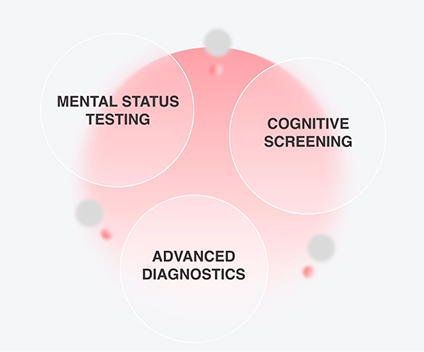
Diagnosis pathway
Under SGK’s reimbursement policies, dementia diagnosis and treatment in Turkey are led by specialists, such as neurologists, psychiatrists, and geriatricians. General practitioners mainly renew prescriptions that are typically valid for two years, according to specialist-issued treatment reports. While their role is limited diagnostically, GPs perform quarterly follow-ups, allowing regular assessment of cognitive decline and overall well-being.
Due to reimbursement policies under the Social Security Institution (SGK), specialists such as neurologists, psychiatrists, and geriatricians are the primary point of contact for dementia diagnosis and treatment, not general practitioners (GPs). GPs are mainly responsible for re-prescribing medications based on a specialist’s treatment report, typically valid for up to two years. Although GPs do not lead dementia diagnosis, they carry out regular follow-up visits (at least every three months), offering opportunities to assess patients’ cognitive, physical, mental, and social status.
Wait times
In Turkey, there are no official statistics on referral times, diagnostic delays, or time to formal dementia diagnosis in public or private settings. Despite this gap, clinicians identify short consultation times as a key barrier. Neurology appointments often last only 5–10 minutes, and even geriatric appointments of 30–60 minutes may not allow thorough cognitive evaluation.
There are currently no published studies or official statistics specific to Turkey detailing time from referral to first specialist appointment for people living with dementia, delays in completing cognitive and neuropsychological testing, or time to receive a formal diagnosis in public or private centres.
However, physicians in Turkey have highlighted that short appointment slots are a major challenge. For example, neurology clinics often allot diagnostic time to 5 to 10 minutes per patient, while geriatric clinics may extend to 30 to 60 minutes, and this is seen as insufficient to fully assess dementia symptoms.
Diagnosis cost
Under SGK, dementia diagnosis and treatment in public hospitals are substantially covered, often resulting in minimal or no out-of-pocket costs. In contrast, private clinics can be expensive. Comprehensive diagnostic packages may cost USD 4,000–5,000, covering specialist consultations, lab tests, imaging, and cognitive testing, though partial reimbursement may apply. Individual MRI scans generally cost between USD 300 and 500.
SGK (the national social health insurance) provides substantial coverage for dementia diagnostics and care if accessed via public hospitals and when properly enrolled, cost to the patient can be none to minimal.
Private clinics or bundled diagnostic packages can cost thousands of dollars. Some sources estimate the cost of diagnostic work up (neurology consult, standard laboratory tests, MRI, cognitive tests) in private clinics to be between 4000 and 5000 USD though some of this cost may be refundable or reduced via insurance if coverage applies. General MRIs cost 300-500 USD.
Cognitive tests
Cognitive screening tools used in primary care include: Mini-Mental State Examination (MMSE) (with literacy-adjusted versions), MoCA (Montreal Cognitive Assessment), especially for detecting mild cognitive impairment and Clock Drawing Test (CDT), Mini-Cog, and General Practitioner Assessment of Cognition (GPCOG) are also commonly used.
Imaging tests
Computed Tomography (CT), Magnetic Resonance Imaging (MRI) and Positron Emission Tomography (PET) scans are used to exclude other causes of cognitive decline,
Genetic tests
Genetic research on Alzheimer’s in Turkey has revealed significant findings, particularly around APOE ε4 allele frequency and other genetic variants.
Biomarker tests
Cerebrospinal fluid (CSF) biomarkers and emerging blood tests (e.g., tau, neurofilament) are used in advanced diagnosis and in specialised research settings.
Clinical application, however, is limited and genetic testing for Alzheimer’s disease is not part of standard diagnostic pathways.
Cognitive Tests
Cognitive Tests
Cognitive screening tools used in primary care include: Mini-Mental State Examination (MMSE) (with literacy-adjusted versions), MoCA (Montreal Cognitive Assessment), especially for detecting mild cognitive impairment and Clock Drawing Test (CDT), Mini-Cog, and General Practitioner Assessment of Cognition (GPCOG) are also commonly used.
Imaging Tests
Imaging Tests
Computed Tomography (CT), Magnetic Resonance Imaging (MRI) and Positron Emission Tomography (PET) scans are used to exclude other causes of cognitive decline,
Genetic Tests
Genetic Tests
Genetic research on Alzheimer’s in Turkey has revealed significant findings, particularly around APOE ε4 allele frequency and other genetic variants.
Biomarker Tests
Biomarker Tests
Cerebrospinal fluid (CSF) biomarkers and emerging blood tests (e.g., tau, neurofilament) are used in advanced diagnosis and in specialised research settings.
Clinical application, however, is limited and genetic testing for Alzheimer’s disease is not part of standard diagnostic pathways.
Treatment & Care
Treatment & care
Show moreTurkey provides a diverse dementia care system combining public, private, and nonprofit services. Major hospitals like Bakırköy Psychiatric Hospital and Ankara City Hospital deliver specialised diagnosis and treatment, while community centres such as Kadıköy’s Alzheimer’s centre and nationwide Day Living centres focus on cognitive activities and caregiver support. The Turkish Alzheimer Association coordinates services across provinces and offers counseling, training, and home care visits, complemented by Alzheimer Demans Parkinson Derneği’s volunteer support. Annual per-patient costs range from USD 1,766–4,930, with home care USD 20–40 per day and institutional care USD 800+ per month.
Specialized facilities and services
Turkey offers a mix of public, private, and nonprofit dementia services. Major institutions like Bakırköy Psychiatric Hospital and Ankara City Hospital provide specialised diagnosis and treatment. Community-based initiatives, including Kadıköy’s Alzheimer’s centre and nationwide Day Living centres, focus on cognitive activities and caregiver support. The Turkish Alzheimer Association coordinates services across multiple provinces. Private providers such as Darüşşafaka Urla Yaşam and Meva offer residential and personalised dementia care, while some organisations deliver in-home support services.
Darüşşafaka Society — Urla Yaşam: Located in Izmir (Urla district), this senior living facility offers independent living and a specially equipped care unit for conditions like Alzheimer’s disease and dementia. Features include 24/7 medical services, anti‑wound orthopedic beds, rooms convertible to intensive care, nutritionist-designed meals, social and hobby spaces, and a holistic, comfortable environment. It is a privately funded facility.
Bakırköy Psychiatric Hospital, Istanbul: Turkey’s largest mental health and neurology institution, operated by the Ministry of Health and affiliated with Istanbul University. It provides a broad range of psychiatric and neurological services and plays a major role in clinical research.
Kadıköy centre for Alzheimer’s Disease and Social centre (Istanbul)
Founded by Kadıköy Municipality, this is Turkey’s first integrated Alzheimer’s disease care and social centre: offers mental rehabilitation, cognitive activities, social integration, and age-friendly programming. Provides psychological support and training for caregivers in the same facility.
Turkish Alzheimer Association
A non-profit active since 1997, with 20 branches nationwide, including in Istanbul, Ankara, İzmir, Bursa, and more
New “Day Living centres” for Alzheimer’s disease and Autism
Six-nine Day-time care centres available across 52 provinces by 2019 with plans to cover all 81 provinces by the end of 2020
Kadıköy centre for Alzheimer’s Disease & Social centre
A municipal hub combining dementia care and social support under one roof.
Aims to delay disease progression with cognitive activities, and supports both patients and caregivers emotionally and socially
Meva Alzheimer’s & Dementia Care Home
A luxury residential facility providing personalised Alzheimer’s disease and dementia care.
Services include: 24/7 security, Medication oversight, Monitoring of neurological and psycho-social progress, Psycho-social support, tailored daily routines, safe environment, and physical therapy and rehabilitation
Ankara City Hospital – Dementia Polyclinic
Located in Ankara within the Geriatrics Department, offering: Cognitive screening, diagnosis, treatment (including medication), and cognitive rehabilitation recommendations
Özel Arsev (Trabzon)
Offers in-home dementia care, with tailored care plans covering daily living support, medication management, personal care, and emergency response—allowing patients to remain safely in familiar surrounding.
Approved medication
| Generic Name | Trade Name | Used for |
|---|---|---|
| Donepezil | Aricept, Aricept ODT, Adlarity, Eranz, Memac, Alzepil, Davia, Donecept, Donep, Donepex, Donesyn, Dopezil, Yasnal, Memorit, Pezale, Redumas, Zolpezil, Namzaric* | Donepezil is indicated for the symptomatic treatment of mild to moderately severe Alzheimer’s dementia. Official National Product Information |
| Rivastigmine | Exelon, Exelon Patch, Prometax, Rivastach, Nimvastid | Symptomatic treatment of mild to moderately severe Alzheimer’s dementia. Symptomatic treatment of mild to moderately severe dementia in patients with idiopathic Parkinson’s disease. Official National Product Information |
| Galantamine | Razadyne, Razadyne ER, Reminyl, Reminyl XL, Nivalin, Lycoremine, Galsya | Galantamine is indicated for the symptomatic treatment of mild to moderately severe dementia of the Alzheimer type. Official National Product Information |
| Memantine | Namenda, Namenda XR, Ebixa, Memary, Axura, Akatinol, Maruxa, Nemdatine, Namzaric* | Treatment of adult patients with moderate to severe Alzheimer’s disease. Official National Product Information |
*Namzaric = combination of Donepezil and Memantine
Treatment cost
A Denizli study (2005) estimated yearly per-patient costs between USD 1,766 and 4,930, combining medical expenses and unpaid caregiver time. Home care services typically cost 400–800 TRY (USD 20-40) per day, while institutional or nursing home care may surpass 15,000 TRY monthly (USD 800+), depending on the level of support and service package selected.

Care Costs (Home & Informal): A study conducted in Denizli (2005) estimated the average annual cost per person living with Alzheimer’s disease ranged between USD $1,766 and $4,930, combining direct medical expenses (medication, doctor visits) and indirect costs, primarily the time spent by caregivers.
Home care services in Turkey (such as daily assistance in daily living) are reported to cost between 400–800 Turkish liras (TRY) per day (approx. USD $20–40), while nursing home or institutional care can exceed 15,000 TRY per month (~USD $800+), depending on the selected service package.
Caregiver support
In Turkey, the Turkish Alzheimer Association plays a central role in caregiver support, with 20 branches delivering counselling, helplines, education, day care services, and awareness initiatives. It also provides short-term free home care visits and caregiver training. Additionally, the Alzheimer Demans Parkinson Derneği offers volunteer-based home visits, psychosocial support, and home physiotherapy, strengthening social bonds and practical caregiving capacity.
Turkish Alzheimer Association (Türkiye Alzheimer Derneği)
This is the primary civil society actor in Turkey supporting individuals living with Alzheimer’s disease and their caregivers. It operates 20 branches nationwide providing caregiver meetings, counselling, helplines, training programs, webinars, educational materials, day care centres, and workshops.
Offers free home care services for bedridden patients, including nursing and caregiving visits (typically up to 4 visits) and caregiver training to continue care independently. Hosts awareness campaigns, provides psychological support sessions, and organises caregiver training with local municipalities, including initiatives to train care personnel via partnerships (e.g., with Istanbul municipalities).
lzheimer Demans Parkinson Derneği
This specialised NGO also extends support to caregivers: by offering free home visits by volunteers, nurses, caregivers, and social workers. They also deliver psychosocial support, helping strengthen family & social bonds, and offer at-home physiotherapy/exercises.
- alzint.orgalzheimerdernegi.org.tr.
- yasliyasam.comalzheimerdernegi.org.tr
- https://alzheimerdemansdernegi.org/hizmetlerimiz/evde-bakim-hizmetleri-destegi
Policy
Policy
Show moreTurkey currently has no officially adopted national Alzheimer’s or dementia strategy. The Turkish Alzheimer Association’s 2020 National Dementia Strategic Plan proposes early detection, public awareness, prevention, quality care, and caregiver support through coordinated, sustainable approaches, but it has not been formally adopted. This lack of official implementation limits secure funding and consistent implementation, leaving policy gaps that limit nationwide access to services, resources, and support for people with dementia and their caregivers.
Upcoming plans
Although Turkey has no formal government dementia strategy, the Turkish Alzheimer Association submitted the 2020 National Dementia Strategic Plan (Ulusal Demans Stratejik Planı) to relevant ministries. The plan targets early detection, public awareness, prevention, high-quality care, and caregiver support, aiming for coordinated, sustainable, and integrated approaches. Discussions with government bodies continue, but the strategy has not yet been officially adopted as national policy.
Turkey does not yet have a fully implemented government-led national dementia strategy, but the Turkish Alzheimer Association developed a National Dementia Strategic Plan (Ulusal Demans Stratejik Planı) in 2020 and submitted it to the Ministry of Health and the Ministry of Family and Social Services.
The plan emphasises awareness, early diagnosis, prevention, quality care, and caregiver support, aiming to provide solutions tailored to Türkiye’s needs and to promote coordinated, sustainable, and integrated approaches. While discussions with government bodies are ongoing, the strategy has not yet been formally adopted as official national policy.
Policy gaps
Legal barriers
Legal challenges are centered on data privacy conflicts and restrictive reimbursement frameworks. National privacy laws (KVKK) classify biometric and genetic health data as “special categories,” making the creation of dementia registries difficult because patients with cognitive impairments often cannot provide the legally valid “explicit consent” required. Furthermore, current social security and health regulations (SUT) provide reimbursement codes only for acute hospital visits, explicitly excluding long-term care and cognitive rehabilitation programs from national funding.
Lack of formal implementation by the national government which would secure consistent implementation and needed funding for the implementation. Currently, urban municipalities (Istanbul, Ankara, Izmir) develop Alzheimer’s care centres, while rural provinces lack any dementia services.
There are legal and regulatory gaps in data coverage. For example, dementia registries require sharing biometric and genetic health data between hospitals, research institutions, and the national electronic health system (E‑Nabız). However, the KVKK classifies these data as special categories, requiring explicit consent for processing and because dementia often involves cognitive impairment, obtaining legally valid consent is complex and legally risky for providers, limiting registry participation.
Cultural barriers
Dementia care is hindered by the normalisation of memory loss as a standard part of aging and a deep-seated social stigma that associates neurological illness with family shame. Terms like “bunama” (senility) reflect a cultural dismissal of the condition, leading families to delay medical intervention until symptoms are severe. Additionally, a traditional “care culture” prioritises unpaid caregiving by female relatives; seeking professional help or nursing home placement is frequently stigmatised as “abandonment,” further discouraging the use of formal support systems.
In Turkish culture, dementia symptoms are often viewed as a normal part of aging rather than a medical condition requiring diagnosis. This belief leads to delayed medical referral, especially in rural areas or conservative communities. Families typically avoid labelling elderly relatives as “ill,” believing forgetfulness is a natural stage of old age.
Stigma around psychiatric and neurological diseases translates to social shame tied to a family member’s diagnosis. Some communities continue to use terms like “bunama” (“senility”), reflecting dismissal and stigma. Stigma deters individuals from acknowledging the illness or seeking formal care, resulting in underreporting in registries.
Traditional care culture prioritises family caregiving, especially women, who often leave employment to provide unpaid care. This discourages families from seeking professional assistance or nursing home placement (which is often seen as abandonment).
WHO’s 2023 EMRO dementia review notes that in Türkiye, religious interpretations of aging and mental illness create hesitation toward formal treatment until symptoms are severe.
Research
Research
Show moreTurkey is advancing Alzheimer’s care with home-based telerehabilitation, long-term TMS therapy, and minimally invasive blood biomarkers like Tau and neurofilament. AI tools, including deep learning and neural networks, further support early diagnosis, risk assessment, and targeted interventions.
Selected academic institutions
Clinical trials and registries
Türkiye maintains a national registry called TUCRIN (Turkish Clinical Research Infrastructure Network) established under the Rectorate of Dokuz Eylül University in Izmir. It operates as a partner of ECRIN (European Clinical Research Infrastructure Network), which was developed through the European Union’s Seventh Framework Programme (FP7). TUCRIN is designed as a network of clinical trial centres and clinical research units located across Türkiye, intended to support investigators conducting clinical studies.
According to different sources, there are just a handful of completed and ongoing clinical trials taking place at Turkish universities. There are also several industry-sponsored global trials include Turkish research sites such as the Amgen-led trial (NCT05920356) and the Amgen trial (NCT05740566).
Clinicaltrials.gov searches also revealed several ongoing Alzheimer-related trials. For example, the Semantic Recognition Task (SRT) study (ID: NCT05711888) is a clinical research project sponsored by Istanbul University that aims to evaluate the usefulness of a semantic recognition task as a diagnostic measurement in Alzheimer’s disease. The study examines how patients with Alzheimer’s disease perform on a specially designed recognition task intended to more specifically assess temporal lobe function, which is closely associated with memory impairment in the disease. By analysing outcomes from this task, researchers seek to determine whether it can provide a more sensitive tool for detecting cognitive deficits and improving clinical assessment of Alzheimer’s disease compared with traditional memory testing approaches.
The ADEPT-4 study (ID: NCT06585787) is a Phase 3, randomised, double-blind, placebo-controlled clinical trial sponsored by Karuna Therapeutics designed to evaluate the safety and efficacy of KarXT as a treatment for psychosis associated with Alzheimer’s disease. The study includes adults with mild to severe Alzheimer’s disease who experience moderate to severe psychotic symptoms, and compares KarXT with placebo in a parallel-group design. The trial began on 26 September 2024 and plans to enroll approximately 406 participants, with primary completion expected in September 2026 and overall study completion in October 2026. The objective is to determine whether KarXT can safely reduce psychosis symptoms in patients with Alzheimer’s disease.
The COGNIS study (ID: NCT07062198) is a Phase 3, randomised, double-blind, placebo-controlled multicenter clinical trial sponsored by ScandiBio Therapeutics AB evaluating the effects of combined metabolic activator supplementation (CMA2) in individuals diagnosed with Alzheimer’s disease. The investigational treatment contains N-acetyl-L-cysteine (NAC), L-carnitine-L-tartrate (LCAT), nicotinamide, and L-serine, and is designed to improve metabolic function associated with Alzheimer’s disease. Participants are randomised to receive CMA2 or placebo twice daily for 26 weeks, with clinical visits and monitoring throughout the study. The trial will be conducted at approximately nine clinical sites in Turkey and plans to include up to 845 randomised participants (with around 676 evaluable subjects). Researchers will assess treatment effects using cognitive and functional scales such as MMSE, ADAS-Cog, and ADCS-ADL, as well as advanced biomarker analyses including metabolomics, proteomics, lipidomics, and optional blood, CSF, and microbiome samples, to better understand the metabolic and biological impacts of the therapy in Alzheimer’s disease.
- https://tucrin.deu.edu.tr/en/about-us/
- https://ichgcp.net/clinical-trials-registry/NCT04606251
- https://www.careacross.com/clinical-trials/trial/NCT05920356
- https://www.careacross.com/clinical-trials/trial/NCT05740566
- https://clinicaltrials.gov/study/NCT05711888?locStr=Turkey&country=TR&cond=Alzheimer%20Disease&rank=3
- https://clinicaltrials.gov/study/NCT07062198?locStr=Turkey&country=TR&cond=Alzheimer%20Disease&rank=6
- https://chatgpt.com/c/69aebc1a-530c-8390-bc9d-8456261fc760
Selected innovative methods
Turkish research and clinical practice showcase innovative approaches in AD care. Home-based telerehabilitation via videoconference enhances cognition, mobility, and independence in mild-to-moderate AD. Private clinics report that TMS stabilises cognitive function over years. Blood-based biomarkers like Tau and neurofilament provide minimally invasive diagnostic options, while AI applications, from deep learning to neural networks, are improving diagnosis, risk analysis, and targeted interventions.
Home-Based Telerehabilitation Researchers at Istanbul University–Cerrahpaşa conducted a pioneering randomised controlled trial utilising real-time, online supervised motor–cognitive exercise programs for individuals living with mild-to-moderate Alzheimer’s disease. Delivered via videoconference over six weeks, the intervention resulted in significant improvements in cognitive function (MMSE), mobility (TUG), independence (FIM), and mood (GDS) compared to controls. This study, registered under NCT04606251, demonstrates that tele-rehab is feasible, safe, and well-accepted in Alzheimer’s disease care.
Transcranial Magnetic Stimulation (TMS) in Clinical Practice
A private neuropsychiatric clinic in Istanbul applied repetitive TMS across prefrontal and parietotemporal regions in people living with Alzheimer’s disease. Over multi-year treatment, patients—evaluated with the Standardised Mini Mental Test (SMMT)—showed average cognitive improvements of ~10%, with no notable deterioration. Even three years into maintenance therapy, results remained stable, suggesting TMS may offer a promising adjunctive intervention in dementia care.
Blood-Based Biomarker Advancements
The Turkish Alzheimer Association has highlighted recent progress in using serum biomarkers—specifically Tau protein and neurofilament levels—as accessible alternatives to CSF. These developments could enhance early detection and monitoring of Alzheimer’s disease with less invasive methods.
Artificial Intelligence in Diagnosis & Research
A study presented at BILMES 2023 explored AI applications in Alzheimer’s disease diagnosis and treatment within Turkey, focusing on deep learning models that could improve detection and therapeutic targeting.
Another research published on the journal Sustainability, in a special issue named Global Health and Sustainable Development (2022), combined molecular communication modeling with artificial neural networks (ANNs) and random forest algorithms to analyse Alzheimer’s disease in a socio-economic and biomedical context—highlighting intersections between disease mechanisms and population-level risk factors.
- https://alz-journals.onlinelibrary.wiley.com/doi/full/10.1002/alz.053406
- https://www.heraldopenaccess.us/openaccess/alzheimer
- https://www.medikalteknik.com.tr/the-turkish-alzheimer-association-a-different-era-begins-in-treating-alzheimers-disease/
- https://www.researchgate.net/publication/381829553_INVESTIGATING_THE_ROLE_OF_ARTIFICIAL_INTELLIGENCE_IN_THE_DIAGNOSIS_AND_TREATMENT_OF_ALZHEIMER%27S_DISEASE
- https://www.mdpi.com/2071-1050/14/13/7901
Support
Support
Show moreTurkey is advancing dementia care through innovative programs and education. Initiatives like MIDDEL introduce music therapy for emotional engagement, while platforms such as ADatHOME, Alzheimer Kampüs, and AD-AUTONOMY provide free online caregiver training and workshops to enhance patient autonomy. Certified programs formalise female informal caregivers’ skills. Although there are no dedicated Alzheimer’s media, outlets like Anadolu Agency, major newspapers, and online platforms regularly report on dementia, interventions, and research, supporting public awareness and education.
Selected national associations, patient family associations, NGOs:
Selected initiatives
Turkey is advancing dementia care through innovative education and therapeutic programs. EU-supported MIDDEL introduces music therapy in nursing homes for emotional engagement in dementia and depression. Online platforms like ADatHOME and Alzheimer Kampüs provide free online caregiver education on aging, behavior, and technology, while AD-AUTONOMY workshops enhance patient autonomy. Certified training programs formalise female informal caregivers’ skills, raising awareness, supporting rights, and reducing social and economic isolation.
Music Therapy for Dementia & Depression
ADatHOME – Innovative Caregiver Education via Technology
Alzheimer Kampüs – Digital Learning Campus for Caregivers
AD‑AUTONOMY – Empowering Independence Through Education
Certified Training for Female Informal Caregivers
- https://www.aa.com.tr/tr/saglik/turkiye-demansin-muzikle-tedavisinde-5-ulkeyle-isbirligi-yapiyor/2752720
- https://www.middel-project.eu/project/middel-in-turkey/
- https://www.cumhuriyet.com.tr/saglik/turkiye-alzheimer-derneginden-onemli-proje-adathome-2014401
- https://sagliklihayat.org/2023-yili-alzheimer-hastalari-icin-bir-donum-noktasi/
- https://www.alzheimerdernegi.org.tr/projelerimiz/
- https://siviltoplumdestek.org/her-yasta-fonu/turkiye-alzheimer-dernegi-alzheimer-hastalarina-bakim-veren-kadinlarin-sertifikali-egitimi-projesini-tamamladi
Dedicated media outlets
Turkey doesn’t currently have media outlets exclusively dedicated to Alzheimer’s disease or dementia. However, there are several general news outlets that regularly cover such topics and play important roles in shaping public awareness and discourse:
Anadolu Agency (AA): This major state-run news agency frequently publishes in-depth reports, research findings, and expert comments on Alzheimer’s disease and dementia, especially around World Alzheimer’s Day
Mainstream Print Media (e.g., Hürriyet, Sabah, Milliyet, Habertürk, Posta): These high-circulation newspapers routinely address Alzheimer’s disease through health-focused news, awareness campaigns, and research coverage. Analyses of their content show consistent representation of dementia topics in headlines and feature articles
Online Health & News Platforms: Outlets like Türkiye News, Daily Sabah publish health-centric articles describing trends, interventions such as music therapy, or conference coverage related to Alzheimer’s disease.