

USA
The United States drives global Alzheimer’s disease innovation through its network of congressionally designated Centers of Excellence and massive federal funding, which supports pioneering research into focused ultrasound delivery of therapeutics and AI-driven diagnostics that predict onset years in advance. This high-tech landscape, however, contrasts with significant disparities in access: rural residents often travel over 100 miles for a neurologist, and the healthcare system’s structure imposes heavy financial costs, requiring people to pay a 20% coinsurance for diagnosis and new disease-modifying treatments. This is accompanied by racial and ethnic inequities: older Black and Hispanic adults face higher Alzheimer’s disease prevalence yet are significantly more likely to receive delayed or late-stage diagnoses.

AD Rating
Diagnostic Pathway
Specialized Care
Caregiver Support
National Policies
Access to ATT-s
Highlights

Population
Median age
Health expenditure (% of GDP)
Diagnosis
Diagnosis
Show moreIn the USA, Alzheimer’s diagnosis typically begins with a primary care visit, followed by specialist evaluation, cognitive testing, and brain imaging (MRI/CT), with advanced tools and biomarkers increasingly used. Wait times are considerable, screening is limited to clinical concerns, and genetic or biomarker tests are available in specialised settings under formal guidance. Medicare covers most services, but patients face substantial cost-sharing, and uninsured individuals may pay hundreds to several thousand dollars, depending on the test.
Diagnosis pathway
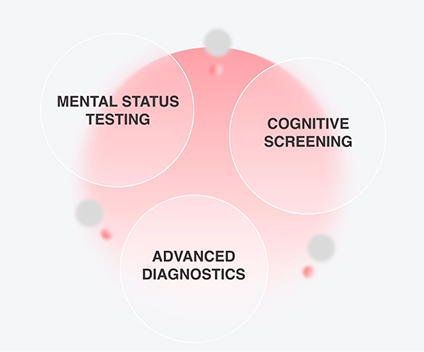
Alzheimer’s diagnosis in the USA starts when memory or cognitive changes prompt a primary care visit. The physician performs medical, neurological, and cognitive assessments, along with lab tests to rule out other conditions. Suspected cases are referred to specialists, including neurologists and neuropsychologists, for further evaluation with cognitive testing and MRI or CT imaging. Advanced tools and biomarker assessments are increasingly used to support accurate diagnosis and detect disease-specific pathology early.
The diagnosis pathway for Alzheimer’s disease in the U.S. typically begins when an individual or their family notices persistent memory changes or cognitive difficulties, prompting a visit to a primary care physician (PCP). Ideally, the PCP conducts an evaluation, including a detailed medical history, physical and neurological examinations, and in-office cognitive screenings like the Mini-Mental State Exam (MMSE). Basic blood and urine tests are also performed to rule out other treatable conditions that might mimic dementia symptoms, such as thyroid disorders or vitamin deficiencies. If Alzheimer’s disease is suspected, the PCP may refer the person to specialists such as neurologists, neuropsychologists, or geriatricians for a more in-depth assessment, although many PCPs make the diagnosis themselves, and 55% of PCPs say there are not enough dementia specialists in their area to meet demand. Neuropsychologists conduct cognitive, functional, and behavioural tests. Structural brain imaging, usually magnetic resonance imaging (MRI) or computed tomography (CT) scans, is used to exclude other causes of cognitive decline like tumours, strokes, or fluid buildup in the brain. Advanced diagnostic tools are increasingly used to detect specific Alzheimer’s disease biomarkers.
There are significant racial and ethnic disparities in the diagnosis and treatment of Alzheimer’s disease and related dementias. Minoritised populations are less likely to receive an accurate and timely diagnosis, often resulting in diagnoses at later, more advanced stages of the disease. Consequently, these populations face a higher risk of hospitalization and are more likely to receive aggressive life-sustaining treatments at the end of life rather than utilising hospice care. Finally, the underdiagnosis and misdiagnosis of Alzheimer’s disease and other dementias remain pervasive issues in health care settings, particularly for individuals in the earliest stages of cognitive decline. It is estimated that only 8% of older Americans living with mild cognitive impairment (MCI) — a precursor to dementia where treatment and planning are often most effective — actually receive a diagnosis.
- https://aspe.hhs.gov/collaborations-committees-advisory-groups/napa/napa-documents/napa-national-plan
- https://www.alz.org/alzheimers-dementia/diagnosis/visiting-your-doctor
- https://www.alz.org/alzheimers-dementia/diagnosis/medical_tests
- https://my.clevelandclinic.org/health/diseases/9164-alzheimers-disease
- https://www.nia.nih.gov/health/alzheimers-symptoms-and-diagnosis/how-alzheimers-disease-diagnosed
- https://www.alz.org/getmedia/809826d9-6646-4870-a9a2-4c1d8c9a7c83/alzheimers-facts-and-figures_1.pdf
- https://alz-journals.onlinelibrary.wiley.com/doi/10.1002/alz.13612
- https://www.alz.org/getmedia/12127c15-bc6b-4410-b1ba-a6402cccfe17/alzheimers-facts-and-figures-special-report-2023.pdf
- https://www.sciencedirect.com/science/article/pii/S2274580724001031
Wait times
Considerable wait times occur throughout the diagnostic process. Patients wait an average of 31 days for a primary care physician appointment. After referral, older adults wait a median of 34 days to see a neurologist, with 18% waiting more than 90 days. According to a 2023 report, PET scan wait times vary by facility type, with independent PET sites averaging three days. Hospital-owned PET centers and hospitals have the longest median wait time at seven days.
Significant waiting times are prevalent across the diagnostic journey. The average waiting time for a PCP appointment is 31 days. Following a referral, older adults face the median wait of 34 days to see a neurologist, with 18% of them waiting over 90 days. As per 2023 report, independent positron emission tomography (PET) sites have the shortest wait time at three days, while hospital-owned PET centres and hospitals (both large and small) have the longest, with an average waiting time of seven days.
- https://www.alz.org/getmedia/12127c15-bc6b-4410-b1ba-a6402cccfe17/alzheimers-facts-and-figures-special-report-2023.pdf
- https://www.sciencedirect.com/science/article/pii/S2274580724001031
- https://www.advisory.com/daily-briefing/2025/06/02/wait-times-ec
- https://pubmed.ncbi.nlm.nih.gov/39804477/
- https://www.globenewswire.com/news-release/2023/04/06/2642297/28124/en/2023-United-States-PET-Imaging-Market-Report-Forecasts-to-2026-with-Focus-on-Market-Trends-in-Hospitals-and-Imaging-Centers-Including-Procedure-Volume-Use-of-OEM-Vs-Third-Party-Ser.html
Diagnosis cost
Original Medicare covers many Alzheimer’s disease diagnostic services, including inpatient care (Part A), outpatient visits, mental health services, annual wellness visits, and medically necessary imaging (Part B). Patients face substantial cost-sharing, including the Part B premium ($175 in 2024), deductible ($240), and 20% coinsurance, making procedures costly. For uninsured individuals, diagnostic expenses vary by state, with neurologist visits costing $94–$187, comprehensive neuropsychological evaluations $2,000–$7,000+, and MRI or PET scans ranging from hundreds to several thousand dollars.
Medicare (the government health insurance program for those aged 65 and older and those who live with disability) provides broad, though not complete, coverage for many of the services required for an Alzheimer’s disease diagnosis. Medicare Part A covers inpatient care, such as hospital stays, while Medicare Part B covers a wide range of outpatient services. This includes doctor’s visits (both with PCPs and specialists), mental health services, and the annual wellness visit, which explicitly includes a cognitive assessment to look for signs of impairment. Critically, Part B also covers medically necessary diagnostic tests, including standard imaging like MRI and CT scans.
However, Medicare coverage is not free. Beneficiaries are responsible for significant cost-sharing, which can become a major financial cost. This generally includes a monthly Part B premium, an annual Part B deductible, and a 20% coinsurance for most services covered under Part B. This 20% coinsurance means that for expensive procedures, the person’s out-of-pocket cost can be substantial. However, nearly 95% of Medicare beneficiaries have supplemental insurance that covers most or all of these costs.
For those without insurance, the diagnostic process itself presents a significant financial hurdle, with costs varying widely depending on the test and the state. A neurologist visit cost between $94 and $187, depending on the state. A comprehensive neuropsychological evaluation can range from $2,000 to over $7,000. The cost of MRI and PET scans in the U.S. can vary significantly, with prices ranging from a few hundred to several thousand dollars, depending on several factors.
- https://www.uhc.com/news-articles/medicare-articles/does-medicare-cover-alzheimers-care
- https://www.medicare.gov/procedure-price-lookup/
- https://www.medicare.gov/coverage/diagnostic-non-laboratory-tests
- https://www.alz.org/help-support/caregiving/financial-legal-planning/medicare
- https://www.aarp.org/medicare/faq/does-medicare-cover-dementia/
- https://www.humana.com/medicare/medicare-resources/medicare-pet-scans
- https://www.medpac.gov/wp-content/uploads/2025/07/July2025_MedPAC_DataBook_SEC-2.pdf
- https://cost.sidecarhealth.com/c/neurologist-visit-cost
- https://ccanorthtexas.com/how-much-does-neuropsychological-testing-cost-with-insurance
- https://huntingtonpsych.com/how-much-does-a-psychological-evaluation-cost-in-los-angeles
- https://www.itnonline.com/content/mri-costs
- https://www.carecredit.com/well-u/health-wellness/pet-scan-cost/
Cognitive tests
The U.S. currently does not have a national screening program for asymptomatic older adults, a position guided by the U.S. Preventive Services Task Force, which finds insufficient evidence to weigh the benefits against the harms of such screening. Update on this decision is currently in progress. Cognitive assessment is prompted by clinical concern. A key opportunity for this is the Medicare Annual Wellness Visit, which mandates an assessment for cognitive impairment. If this initial check raises concerns, a more detailed, reimbursed Cognitive Assessment & Care Plan Service can be performed.
Commonly used tests include the Mini-Cog, the MMSE, the Montreal Cognitive Assessment (MoCA), and the General Practitioner Assessment of Cognition (GPCOG). Informant-based questionnaires like the Ascertain Dementia 8 (AD8) and The Informant Questionnaire on Cognitive Decline in the Elderly (IQCODE) are also used to gather perspectives from family members. However, the Alzheimer’s Association does not recommend that home screening tests be used as a substitute for a thorough examination by a skilled doctor.
- https://aspe.hhs.gov/collaborations-committees-advisory-groups/napa/napa-documents/napa-national-plan
- https://www.uspreventiveservicestaskforce.org/uspstf/recommendation/cognitive-impairment-in-older-adults-screening
- https://www.uspreventiveservicestaskforce.org/uspstf/draft-update-summary/cognitive-impairment-older-adults
- https://www.medicare.gov/coverage/yearly-wellness-visits
- https://www.cms.gov/medicare/payment/fee-schedules/physician/cognitive-assessment
- https://www.nia.nih.gov/health/health-care-professionals-information/assessing-cognitive-impairment-older-patients
- https://www.alz.org/professionals/health-systems-medical-professionals/cognitive-assessment
Imaging tests
Structural brain imaging with MRI and CT is available across the U.S. and is considered a standard part of a medical workup for dementia. The Alzheimer’s Association and the Society of Nuclear Medicine and Molecular Imaging have jointly published Appropriate Use Criteria for both amyloid and tau PET imaging. While the first tau-PET tracer was approved by the Food and Drug Administration (FDA) in 2020, these scans are still primarily used in specialty academic centres and research settings. Widespread clinical availability and insurance reimbursement for tau-PET are still evolving. Fluorodeoxyglucose (FDG)-PET scans are more established than tau-PET and are generally available at major medical centres.
- https://www.healthsystemtracker.org/chart-collection/how-do-healthcare-prices-and-use-in-the-u-s-compare-to-other-countries/
- https://www.alz.org/alzheimers-dementia/diagnosis/medical_tests
- https://pubmed.ncbi.nlm.nih.gov/38021512/
- https://pubmed.ncbi.nlm.nih.gov/18783491/
- https://jnm.snmjournals.org/content/early/2025/01/07/jnumed.124.268756
- https://www.nia.nih.gov/health/alzheimers-symptoms-and-diagnosis/how-biomarkers-help-diagnose-dementia
Genetic tests
Testing for early-onset familial Alzheimer’s disease genes (APP, PSEN1, PSEN2) is a specialised medical service, typically ordered by a neurologist or genetic counsellor within a memory disorders clinic or an academic medical centre. Apolipoprotein E (APOE) genotyping is also available. It can be ordered as a clinical test through major laboratories and is also offered directly to the public through direct-to-consumer genetic testing companies. All major professional guidelines emphasize that testing should only occur in the context of formal genetic counselling. The joint practice guidelines from the American College of Medical Genetics and Genomics and the National Society of Genetic Counsellors provide a robust framework for this process.
Biomarker tests
Cerebrospinal fluid (CSF) Alzheimer’s disease biomarker testing is available through specialised laboratories and memory clinics. Outside of specialist centres, CSF Alzheimer’s disease biomarker testing may be underused. In May 2025, the U.S. FDA granted clearance for the first blood test, Lumipulse, to be marketed as an aid in the diagnosis of Alzheimer’s disease. The test is approved for adults aged 50 years old and older who have early memory or thinking problems, and is not a standalone diagnostic tool, nor is it intended for screening asymptomatic individuals. Rather, it is meant to be used by specialists as part of a comprehensive clinical evaluation to help determine if a person’s cognitive impairment is due to Alzheimer’s disease pathology. To guide the responsible integration of these blood tests, the Alzheimer’s Association released its first-ever evidence-based clinical practice guideline for the use of blood-based biomarkers.
- https://www.sciencedirect.com/science/article/pii/S2274580724002012
- https://alz-journals.onlinelibrary.wiley.com/doi/10.1002/dad2.12314
- https://www.mayoclinic.org/diseases-conditions/alzheimers-disease/in-depth/new-blood-tests-alzheimers/art-20585060
- https://www.fda.gov/news-events/press-announcements/fda-clears-first-blood-test-used-diagnosing-alzheimers-disease
- https://aaic.alz.org/releases-2025/clinical-practice-guideline-blood-based-biomarkers.asp
Cognitive Tests
Cognitive Tests
The U.S. currently does not have a national screening program for asymptomatic older adults, a position guided by the U.S. Preventive Services Task Force, which finds insufficient evidence to weigh the benefits against the harms of such screening. Update on this decision is currently in progress. Cognitive assessment is prompted by clinical concern. A key opportunity for this is the Medicare Annual Wellness Visit, which mandates an assessment for cognitive impairment. If this initial check raises concerns, a more detailed, reimbursed Cognitive Assessment & Care Plan Service can be performed.
Commonly used tests include the Mini-Cog, the MMSE, the Montreal Cognitive Assessment (MoCA), and the General Practitioner Assessment of Cognition (GPCOG). Informant-based questionnaires like the Ascertain Dementia 8 (AD8) and The Informant Questionnaire on Cognitive Decline in the Elderly (IQCODE) are also used to gather perspectives from family members. However, the Alzheimer’s Association does not recommend that home screening tests be used as a substitute for a thorough examination by a skilled doctor.
- https://aspe.hhs.gov/collaborations-committees-advisory-groups/napa/napa-documents/napa-national-plan
- https://www.uspreventiveservicestaskforce.org/uspstf/recommendation/cognitive-impairment-in-older-adults-screening
- https://www.uspreventiveservicestaskforce.org/uspstf/draft-update-summary/cognitive-impairment-older-adults
- https://www.medicare.gov/coverage/yearly-wellness-visits
- https://www.cms.gov/medicare/payment/fee-schedules/physician/cognitive-assessment
- https://www.nia.nih.gov/health/health-care-professionals-information/assessing-cognitive-impairment-older-patients
- https://www.alz.org/professionals/health-systems-medical-professionals/cognitive-assessment
Imaging Tests
Imaging Tests
Structural brain imaging with MRI and CT is available across the U.S. and is considered a standard part of a medical workup for dementia. The Alzheimer’s Association and the Society of Nuclear Medicine and Molecular Imaging have jointly published Appropriate Use Criteria for both amyloid and tau PET imaging. While the first tau-PET tracer was approved by the Food and Drug Administration (FDA) in 2020, these scans are still primarily used in specialty academic centres and research settings. Widespread clinical availability and insurance reimbursement for tau-PET are still evolving. Fluorodeoxyglucose (FDG)-PET scans are more established than tau-PET and are generally available at major medical centres.
- https://www.healthsystemtracker.org/chart-collection/how-do-healthcare-prices-and-use-in-the-u-s-compare-to-other-countries/
- https://www.alz.org/alzheimers-dementia/diagnosis/medical_tests
- https://pubmed.ncbi.nlm.nih.gov/38021512/
- https://pubmed.ncbi.nlm.nih.gov/18783491/
- https://jnm.snmjournals.org/content/early/2025/01/07/jnumed.124.268756
- https://www.nia.nih.gov/health/alzheimers-symptoms-and-diagnosis/how-biomarkers-help-diagnose-dementia
Genetic Tests
Genetic Tests
Testing for early-onset familial Alzheimer’s disease genes (APP, PSEN1, PSEN2) is a specialised medical service, typically ordered by a neurologist or genetic counsellor within a memory disorders clinic or an academic medical centre. Apolipoprotein E (APOE) genotyping is also available. It can be ordered as a clinical test through major laboratories and is also offered directly to the public through direct-to-consumer genetic testing companies. All major professional guidelines emphasize that testing should only occur in the context of formal genetic counselling. The joint practice guidelines from the American College of Medical Genetics and Genomics and the National Society of Genetic Counsellors provide a robust framework for this process.
- https://www.healthsystemtracker.org/chart-collection/how-do-healthcare-prices-and-use-in-the-u-s-compare-to-other-countries/
- https://www.alz.org/alzheimers-dementia/diagnosis/medical_tests
- https://pubmed.ncbi.nlm.nih.gov/38021512/
- https://pubmed.ncbi.nlm.nih.gov/18783491/
- https://jnm.snmjournals.org/content/early/2025/01/07/jnumed.124.268756
- https://www.nia.nih.gov/health/alzheimers-symptoms-and-diagnosis/how-biomarkers-help-diagnose-dementia
Biomarker Tests
Biomarker Tests
Cerebrospinal fluid (CSF) Alzheimer’s disease biomarker testing is available through specialised laboratories and memory clinics. Outside of specialist centres, CSF Alzheimer’s disease biomarker testing may be underused. In May 2025, the U.S. FDA granted clearance for the first blood test, Lumipulse, to be marketed as an aid in the diagnosis of Alzheimer’s disease. The test is approved for adults aged 50 years old and older who have early memory or thinking problems, and is not a standalone diagnostic tool, nor is it intended for screening asymptomatic individuals. Rather, it is meant to be used by specialists as part of a comprehensive clinical evaluation to help determine if a person’s cognitive impairment is due to Alzheimer’s disease pathology. To guide the responsible integration of these blood tests, the Alzheimer’s Association released its first-ever evidence-based clinical practice guideline for the use of blood-based biomarkers.
- https://www.sciencedirect.com/science/article/pii/S2274580724002012
- https://alz-journals.onlinelibrary.wiley.com/doi/10.1002/dad2.12314
- https://www.mayoclinic.org/diseases-conditions/alzheimers-disease/in-depth/new-blood-tests-alzheimers/art-20585060
- https://www.fda.gov/news-events/press-announcements/fda-clears-first-blood-test-used-diagnosing-alzheimers-disease
- https://aaic.alz.org/releases-2025/clinical-practice-guideline-blood-based-biomarkers.asp
Treatment & Care
Treatment & care
Show moreIn the USA, Alzheimer’s treatment and care span in-home support, adult day services, specialized memory clinics, residential care, and end-of-life services. While Centers of Excellence and palliative care programs are widely available, access remains uneven due to regional disparities, rural shortages, and a limited specialist workforce. Treatment and care costs are substantial, with partial coverage through Medicare and Medicaid, significant out-of-pocket expenses for families, and limited insurance coverage for long-term custodial care. Caregiver support varies by state and includes Medicaid waivers, paid leave, tax credits, veterans’ programs, and assistance from non-profit organizations.
Specialized facilities and services
Alzheimer’s disease care in the USA includes in-home support, adult day centers, specialised residential facilities, and end-of-life care. Key services are offered at memory clinics and NIA Alzheimer’s Disease Research Centers. However, rural patients face limited access due to long travel distances, and the U.S. must more than double its current number of geriatricians by 2050 to meet growing demand. To help bridge these systemic gaps, the CMS recently introduced the GUIDE Model to provide comprehensive, coordinated care and caregiver support. While palliative and hospice care is widely available, access remains uneven in rural and for-profit hospitals.
The U.S. provides different forms of Alzheimer’s disease care, including in-home assistance and adult day centres to specialized residential facilities and end-of-life support. At the highest level of clinical practice are the public and private memory clinics and the National Institute on Aging’s Alzheimer’s Disease Research Centers (ADRCs), which are congressionally designated Centers of Excellence at major medical institutions across dozens of states.
Rural residents living with dementia face disparities in access to neurologists, with one study finding rural Washington state residents lived an average of 100 miles from a neurologist, compared to nine miles for urban residents. The care system is further strained by high turnover among direct care workers and a severe shortage of specialists, with estimates showing a need to more than double the current number of geriatricians by 2050 just to care for those with Alzheimer’s disease. The care system is further strained by a severe shortage of specialists, with a projected shortfall of nearly 27,000 geriatricians by 2025, and high turnover among direct care workers. One study found a geographic variation in dementia specialists’ shortfalls, with an estimated 34% to 59% of the older adult population (aged 65 years and older) living in areas with an inadequate supply of expert clinicians, a crisis that disproportionately affects rural communities where over 78% of the elderly reside in these underserved regions.
To address gaps in dementia care and better support families, the Centers for Medicare & Medicaid Services introduced the Guiding an Improved Dementia Experience (GUIDE) Model. This initiative is designed to provide comprehensive, coordinated care for individuals living with dementia while actively addressing the heavy burden placed on their unpaid caregivers. Through the GUIDE Model, participating Medicare providers offer a standardised package of care management and coordination services, which includes the development of personalised care plans, 24/7 access to a support line, and assistance from a dedicated care navigator. The model also recognises the vital role of caregivers by providing them with evidence-based education, training, and a respite care benefit, ultimately aiming to improve the quality of life for both patients and their families while delaying the need for nursing home placement.
Palliative care is widely available for people living with Alzheimer’s disease in the U.S., but access depends heavily on where and how care is delivered. Hospice programs, which offer a form of palliative care typically for patients expected to live six months or less, are nearly universal in their support for people living with dementia. As of 2017, there were more than 4,200 hospice providers, and nearly all served individuals living with Alzheimer’s disease or other forms of dementia. Beyond hospice, specialty palliative care services have expanded across hospitals. As of 2024, about 84% of U.S. hospitals with more than 50 beds offer palliative care, a number that climbs to 96% in hospitals with 300+ beds. Yet access remains uneven. Only 49% of for-profit hospitals and just 34.5% of rural hospitals offer palliative care programs, revealing significant gaps in access.
Approved medication
| Generic Name | Trade Name | Used for |
|---|---|---|
| Donepezil | Aricept, Aricept ODT, Adlarity, Eranz, Memac, Alzepil, Davia, Donecept, Donep, Donepex, Donesyn, Dopezil, Yasnal, Memorit, Pezale, Redumas, Zolpezil, Namzaric* | Donepezil is indicated for the symptomatic treatment of mild to moderately severe Alzheimer’s dementia. Official National Product Information |
| Rivastigmine | Exelon, Exelon Patch, Prometax, Rivastach, Nimvastid | Symptomatic treatment of mild to moderately severe Alzheimer’s dementia. Symptomatic treatment of mild to moderately severe dementia in patients with idiopathic Parkinson’s disease. Official National Product Information |
| Galantamine | Razadyne, Razadyne ER, Reminyl, Reminyl XL, Nivalin, Lycoremine, Galsya | Galantamine is indicated for the symptomatic treatment of mild to moderately severe dementia of the Alzheimer type. Official National Product Information |
| Memantine | Namenda, Namenda XR, Ebixa, Memary, Axura, Akatinol, Maruxa, Nemdatine, Namzaric* | Treatment of adult patients with moderate to severe Alzheimer’s disease. Official National Product Information |
| Donanemab | Kisunla | Donanemab is indicated for the treatment of mild cognitive impairment and mild dementia due to Alzheimer’s disease (AD) in adult patients that are apolipoprotein Eε4 (ApoE ε4) heterozygotes or non-carriers. Official National Product Information |
| Lecanemab | Leqembi | Lecanemab is indicated for the treatment of mild cognitive impairment and mild dementia due to Alzheimer’s disease in adult patients that are apolipoprotein E ε4 (ApoE ε4) heterozygotes or non-carriers. Official National Product Information |
*Namzaric = combination of Donepezil and Memantine
Treatment cost
Medicare Part D covers outpatient Alzheimer’s disease medications, including at least two cholinesterase inhibitors per plan, though coverage, deductibles, and copayments vary. Disease-modifying drugs under Part B require a 20% coinsurance, often costing several thousand dollars annually. Palliative and hospice care are generally covered, but long-term custodial care is not, leaving families with average out-of-pocket expenses exceeding $10,000 per year. Medicaid covers long-term care with strict spend-down rules, while private insurance must be purchased well before diagnosis.

Medicare Part D plans are private insurance plans that cover outpatient prescription drugs. This includes medications used to manage the symptoms of Alzheimer’s disease. All Part D plans are required to cover at least two cholinesterase inhibitors. However, each plan has its own formulary (a list of covered drugs) and cost structure, including deductibles and tiered copayments. As for disease-modifying drugs, both Leqembi and Kisunla have been approved by the FDA and are covered under Medicare Part B for seniors and by many private insurance plans for people under age 65. People are usually responsible for coinsurance on the cost of the drug, which can amount to several thousands of dollars per year in out-of-pocket costs, although most seniors have private supplemental insurance policies to pay for most or all of it.
Palliative care is often covered by Medicare, Medicaid, and private insurance. When the person is in the final stage of the disease (typically with a prognosis of 6 months or less), hospice care is available and covered under Medicare Part A. Long-term custodial care for daily activities is not covered by Medicare or standard private health insurance. Consequently, families face immense out-of-pocket expenses, averaging over $10,000 annually, which is more than four times the amount spent for adults who do not live with dementia. The average annual cost of nursing home care is more than $100,000.
Medicaid is the primary payer for long-term care but acts as a safety net of last resort, requiring families to first spend down their life savings to meet strict poverty-level eligibility criteria. Private long-term care insurance can provide coverage, but it is a product that must be purchased years before a diagnosis is made. On average, total health care, long-term care, and hospice payments for a senior living with dementia are more than three times higher than those for a senior without the condition.
- https://www.aarp.org/medicare/faq/does-medicare-cover-dementia/
- https://www.aarp.org/medicare/faq/medicare-formulary-rights-protections/
- https://news.northeastern.edu/2024/07/12/new-alzheimers-drug-cost/
- https://www.solace.health/articles/medicare-coverage-alzheimers
- https://portal-legacy.alzimpact.org/media/serve/id/5d77f273d5fc1
- https://www.alz.org/help-support/caregiving/financial-legal-planning/medicare
- https://www.americanbar.org/groups/law_aging/publications/bifocal/vol45/vol45issue1/ltc-insurance-qual/
- https://www.alz.org/getmedia/ef8f48f9-ad36-48ea-87f9-b74034635c1e/alzheimers-facts-and-figures.pdf
Caregiver support
Caregiver support in the USA varies by state. Medicaid home- and community-based waivers help fund at-home care and may allow payment to family caregivers, while some states offer direct reimbursement, Paid Family Leave, and tax credits such as the $500 Credit for Other Dependents. Social Security benefits (SSDI, SSI) can be used toward care costs, and veterans’ families may receive support through VA caregiver programs and pensions. Non-profit organisations also provide grants and respite care assistance.
State-level support varies significantly. Medicaid home and community-based services waivers are critical programs that partially fund at-home care to prevent nursing home placement, and many states allow these funds to be used to pay family members as carers. Specific examples include California’s HCBA Waiver, Texas’s STAR+PLUS Waiver, and New York’s Nursing Home Transition and Diversion Waiver. Some states have unique programs, like Pennsylvania’s Caregiver Support Program, which directly reimburses carers for out-of-pocket expenses. A growing number of states, including California and New Jersey, offer Paid Family Leave, which provides a partial wage replacement for carers who need to take time off work. Additionally, caregivers who financially support their care recipient may qualify for the federal Credit for Other Dependents, a broad $500 tax credit designed for taxpayers supporting qualifying adult relatives or non-minor dependents.
Social Security programs like Social Security Disability Insurance (SSDI) and Supplemental Security Income (SSI) provide income to the person living with dementia, not directly to the carer, but these funds can be used to pay for care expenses. For veterans’ families, the Department of Veterans Affairs offers the most direct financial aid through the Program of Comprehensive Assistance for Family Caregivers (PCAFC), which provides a monthly stipend, health insurance, and respite care to a designated carer. The Veteran Affairs also offers an indirect benefit through the Aid and Attendance (A&A) Pension, which is paid to the veteran and can be used to hire a carer.
A key carer resource is education and support. The Alzheimer’s Association is the largest non-profit provider of care and support for dementia in the U.S., offering a free 24/7 Helpline, website, education programs and support groups for carers. Additional resources are available through local and county Area Agencies on Aging, community-based non-profits, health care systems, and web-based programs.
- https://archrespite.org/caregiver-resources/how-do-i-get-paid-to-be-a-family-caregiver/
- https://www.medicaidplanningassistance.org/medi-cal-home-community-based-alternatives/
- https://www.dhcs.ca.gov/services/Pages/HCBSWaiver.aspx
- https://www.hhs.texas.gov/services/health/medicaid-chip/medicaid-chip-members/starplus
- https://www.health.ny.gov/facilities/long_term_care/nhtd
- https://www.pa.gov/services/aging/apply-for-the-caregiver-support-program
- https://edd.ca.gov/en/disability/paid-family-leave/
- https://www.nj.gov/labor/myleavebenefits/worker/fli/
- https://edd.ca.gov/en/disability/Calculating_PFL_Benefit_Payment_Amounts?utm_source=chatgpt.com
- https://www.irs.gov/newsroom/parents-check-eligibility-for-the-credit-for-other-dependents
- https://www.payingforseniorcare.com/social-security/does-social-security-pay-for-caregivers
- https://www.ssa.gov/disability
- https://www.ssa.gov/ssi
- https://www.va.gov/family-and-caregiver-benefits/health-and-disability/comprehensive-assistance-for-family-caregivers/
- https://www.caregiver.va.gov/support/support_benefits.asp
Policy
Policy
Show moreThe U.S. National Alzheimer’s Plan provides a long-term, evolving framework to prevent and treat Alzheimer’s disease and related dementias, improve care quality, support patients and families, promote timely diagnosis, and foster healthy aging. The plan emphasises research, clinical trials, workforce development, public awareness, and robust data systems. Policy gaps persist: Medicare excludes custodial care, Medicaid’s Estate Recovery Program can reclaim assets, and cultural barriers disproportionately affect Black and Hispanic populations, limiting timely diagnosis, increasing exposure to unwanted interventions, and discouraging engagement with early screening.
National dementia plan
The U.S. National Alzheimer’s Plan provides a coordinated framework to prevent and treat Alzheimer’s disease and related dementias, improve care quality, and reduce overall burden. It emphasises research, accelerated clinical trials, workforce development, and support for patients and families. The plan promotes timely diagnosis, community-based care, public awareness, robust data systems, and healthy aging initiatives to reduce modifiable risk factors and foster a dementia-friendly society.
In 2026, the NAPA Advisory Council began preparing an updated National Plan to Address Alzheimer’s Disease for 2026–2035
The National Alzheimer’s Plan, periodically updated to reflect the latest scientific understanding and societal needs, is built around six fundamental goals. These objectives provide a roadmap for a coordinated national effort to prevent future cases, enhance care for those currently affected, and lessen the overall load of these devastating neurodegenerative diseases.
1. Prevent and effectively treat Alzheimer’s disease and related dementias (ADRD) by 2025: This objective drives a significant investment in biomedical research to identify the underlying causes of ADRD, discover new therapeutic targets, and develop effective interventions to slow or halt disease progression. A key strategy within this goal is the acceleration of clinical trials and the promotion of public-private partnerships to expedite the translation of research findings into viable treatments.
2. Enhance care quality and efficiency: This involves developing and disseminating evidence-based care guidelines, improving access to timely and accurate diagnosis, and building a workforce with the specialized skills required to provide high-quality dementia care across all settings, from home and community-based services to long-term care facilities.
3. Expand support for people with Alzheimer’s disease/ADRD and their families: The plan acknowledges the immense physical, emotional, and financial toll on carers and aims to provide them with better resources, education, and support services. This includes promoting flexible and affordable long-term care options and ensuring that individuals living with dementia can remain in their communities for as long as possible.
4. Enhance public awareness and engagement: This involves launching national education campaigns to inform the public about the signs and symptoms of ADRD, the importance of early diagnosis, and the resources available to individuals living with dementia and families. The aim is to create a more dementia-friendly society that is supportive of those living with the disease.
5. Improve data to track progress: This goal underscores the importance of a robust data infrastructure to monitor the prevalence and impact of ADRD. By collecting and analyzing comprehensive data, policymakers and researchers can better understand the scope of the problem, identify disparities in care and outcomes, and evaluate the effectiveness of the national plan’s strategies and interventions.
6. Accelerate action to promote healthy aging and reduce risk factors for AD/ADRD: This is a more recent addition to the plan which encourages public health initiatives to promote brain health across the lifespan. This approach emphasizes the growing body of evidence suggesting that lifestyle modifications, such as physical activity, a healthy diet, and cognitive engagement, may reduce the risk of cognitive decline.
Public Health Approach
In 2019, the U.S. Congress passed the Building Our Largest Dementia (BOLD) Infrastructure for Alzheimer’s Act, which seeks to build and expand public health capacity across the country to address dementia using public health tools, techniques, and strategies. With about $35 million in annual funding, the initiative funds state, local, and tribal public health activities that address dementia and funds three Centers of Excellence (on risk reduction, early detection, and caregiving) to support public health action.
In 2026, the NAPA Advisory Council began preparing an updated National Plan to Address Alzheimer’s Disease for 2026–2035. The February meeting introduced new Council members, reviewed federal progress since 2011, and discussed the approach for updating the plan, with presentations on prevention, AI-driven discovery, federal agency roles, and innovative interventions. The April meeting focused more directly on implementation, including early diagnosis, quality dementia care, long-term services and supports, caregiver navigation tools, faith- and community-based respite models, and early insights from the GUIDE Model. Together, these meetings signal that the next U.S. dementia policy cycle is likely to emphasise not only biomedical innovation, but also earlier diagnosis, care coordination, caregiver support, community-based services, and scalable models for long-term dementia care.
- https://aspe.hhs.gov/collaborations-committees-advisory-groups/napa/napa-documents/napa-national-plan
- https://www.nia.nih.gov/about/nia-and-national-plan-address-alzheimers-disease
- https://alzimpact.org/bold_alzheimers_act
- https://aspe.hhs.gov/collaborations-committees-advisory-groups/napa/napa-advisory-council/napa-advisory-council-meetings/napa-past-meetings/napa-2026-meeting-material
Upcoming plans
The national strategy is a long-term, evolving plan extending into the next decade, and no new strategies have been announced.
Policy gaps
Legal barriers
The U.S. healthcare system reinforces stigma by valuing medical interventions over daily care needs. Medicare excludes custodial care, covering only acute medical services, which forces many families to rely on Medicaid. The Medicaid Estate Recovery Program can reclaim assets, including homes, after a patient’s death, framing long-term care as a financial obligation rather than a social right.
Economically and structurally, the healthcare system reinforces stigma by devaluing the specific type of care people living with dementia require. Medicare explicitly excludes “custodial care” – assistance with daily living tasks like bathing and eating -covering only acute “medical” interventions, which signals that the system values the biological pathology over the lived experience of the dependent person. This forces families into the Medicaid system, where the Medicaid Estate Recovery Program (MERP) functions as a “poverty penalty,” allowing states to seize the homes of deceased patients to recoup care costs, a practice that frames long-term care as a debt rather than a social right.
To improve the landscape of Alzheimer’s care, the Alzheimer’s Association is actively targeting several systemic policy gaps. Chief among these efforts is the push for stronger, more comprehensive support structures for unpaid caregivers and better dementia training for primary care providers, who are often the first point of contact for patients. Furthermore, the Association continues to advocate heavily for expanded insurance coverage to ensure broader patient access to cutting-edge biomarker testing and new treatments.
- https://www.aging.ca.gov/download.ashx?lE0rcNUV0zYgQxACWkrDTg%3D%3D
- https://www.medicaid.gov/medicaid/eligibility/estate-recovery
- *This section has been amended according to direct feedback from ADI’s member.
Cultural barriers
Black and Hispanic populations face higher dementia prevalence but encounter barriers to timely diagnosis and are more likely to receive aggressive, unwanted end-of-life care. Cultural misconceptions may view dementia as insanity or normal aging, and historical mistrust of the medical system discourages early screening. Nearly 93% of Americans aged 45+ with subjective cognitive decline attribute changes to normal aging, limiting care engagement.
Black and Hispanic populations experience a significantly higher prevalence of dementia but face distinct barriers to care, including a 35% lower probability of timely diagnosis compared to white people and a higher likelihood of receiving aggressive, unwanted end-of-life interventions. Cultural misunderstandings in underserved regions may conflate dementia with insanity or normal aging, while valid historical mistrust of the medical system discourages engagement with early screening initiatives. Additionally, according to the 2023 report, nearly 93% of Americans aged over 45 years old who experience subjective cognitive decline believe the changes are part of aging.
Research
Research
Show moreU.S. research centers are pioneering advanced approaches to Alzheimer’s disease. UC San Francisco uses AI to predict onset years early. Focused ultrasound trials target drug delivery and memory networks, while UC San Diego and other sites explore gene therapies, including BDNF and APOE2 delivery. Indiana University develops brain organoids for disease modeling, and Johns Hopkins uses AI and big data to identify biological subtypes. These innovations aim to improve early detection, personalize treatment, and accelerate effective interventions.
Selected academic institutions
Clinical trials and registries
The Official Registry is the ClinicalTrials.gov, run by the U.S. National Library of Medicine at the National Institutes of Health (NIH), a comprehensive database of publicly and privately funded clinical studies conducted in the U.S. and around the world.
Additional resources for information on clinical trials are the federal government’s alzheimers.gov website, with accessible information and a more user-friendly portal, and TrialMatch (trialmatch.alz.org), the Alzheimer’s Association free and confidential matching service for individuals to find clinical trials for which they may be potentially eligible.
The Alzheimer’s Association also offers a free and confidential matching service called TrialMatch: trialmatch.alz.org.
endALZnow.org is the website of the Alzheimer’s Prevention Registry, a nonprofit research-registry run by Banner Alzheimer’s Institute that connects volunteers with Alzheimer’s disease prevention studies.
DIAN Expanded Registry (DIAN EXR) (via the website dianexr.org) is a research registry run by Washington University School of Medicine that invites adults (18+) from families with early-onset, dominantly inherited Alzheimer’s disease to enroll in order to receive updates, access to studies/trials, educational webinars, and potentially join observational or prevention research efforts.
Selected innovative methods
U.S. research centers are advancing Alzheimer’s disease diagnostics and treatments. UC San Francisco applies AI to health records to predict disease years early. Focused ultrasound trials at West Virginia University and UC enhance drug delivery and memory networks. UC San Diego tests gene therapies, including BDNF and APOE2 modification. Indiana University uses brain organoids to study disease mechanisms, while Johns Hopkins applies AI and big data to identify biological subtypes. These methods aim to improve early detection, personalize care, and accelerate therapies.
Examples of innovative research being conducted in the US include:
The POINTER trial is a two-year randomised clinical trial that investigates whether lifestyle modifications can protect brain health in older adults at risk for cognitive decline. It involved over 2,100 participants and compared two approaches to implementing healthy habits like physical exercise, the MIND diet, cognitive and social engagement, and cardiovascular monitoring. The results showed that while both groups experienced cognitive improvements, the participants in the structured program with higher accountability and support demonstrated a statistically significant greater improvement in overall cognitive function, highlighting that accessible, multidomain lifestyle interventions can effectively slow cognitive decline.
University of California, San Francisco (UCSF) scientists have pioneered the use of artificial intelligence in diagnostics by applying a machine learning model to the electronic health records of over 5 million patients. This approach was able to predict the future onset of Alzheimer’s disease with 72% accuracy up to seven years before a clinical diagnosis was made. For example, based on the combination of different factors hypertension, high cholesterol and vitamin D deficiency, were predictive in both men and women.
West Virginia University’s Rockefeller Neuroscience Institute is conducting clinical trials using focused ultrasound, a non-invasive technology that temporarily opens the blood-brain barrier. This method has been shown to significantly enhance the delivery of anti-amyloid antibody drugs into the brain, resulting in a greater reduction of amyloid plaques compared to the drug alone.
The University of California, Los Angeles (UCLA) is investigating low-intensity focused ultrasound as a form of non-invasive brain stimulation to improve memory. This proof-of-concept trial targets the entorhinal cortex, a key memory region of the brain, to determine if the technology can increase brain activity and enhance connectivity in memory networks for people living with mild cognitive impairment or early Alzheimer’s disease.
The University of California, San Diego (UCSD) is a primary site for a first-in-human gene therapy trial that aims to protect neurons from the damage caused by Alzheimer’s disease. Alzheimer’s disease clinical trials at UCSD have around 16 clinical trials that are in progress, with 8 which are open to eligible people. The research involves delivering the gene for Brain-Derived Neurotrophic Factor (BDNF), a protein that supports neuronal health and survival, directly into the brain to slow or prevent cell loss.
Weill Cornell Medicine and Duke University are among the clinical trial sites for a study designed to evaluate gene therapy clinical trials specifically for individuals who carry two copies of the APOE4 gene, the strongest genetic risk factor for late-onset Alzheimer’s disease. The therapy uses a harmless virus to deliver the gene for the protective APOE2 variant into the brain, with the goal of shifting the protein isoform from high-risk to protective.
Indiana University is one of two national centres developing stem-cell-based models of the human brain to explore the underlying causes of Alzheimer’s disease and related dementias. This technology allows researchers to study complex disease processes like neuroinflammation in a highly human-relevant system, aiming to improve the predictive value of preclinical research and accelerate the testing of new drug candidates.
Johns Hopkins University’s Richman Family Precision Medicine Center of Excellence is leveraging artificial intelligence and big data analytics to redefine Alzheimer’s disease as a collection of distinct biological subtypes.
- https://jamanetwork.com/journals/jama/fullarticle/2837046
- https://www.ucsf.edu/news/2024/02/427131/how-ai-can-help-spot-early-risk-factors-alzheimers-disease
- https://www.nature.com/articles/s43587-024-00573-8
- https://www.aarp.org/health/conditions-treatments/ultrasound-alzheimers/
- https://www.pnas.org/doi/abs/10.1073/pnas.2002571117
- https://clinicaltrials.gov/study/NCT05417555
- https://clinicaltrials.ucsd.edu/alzheimers-disease
- https://clinicaltrials.ucsd.edu/trial/NCT05040217
- https://clinicaltrials.gov/study/NCT03634007
- https://dukeuncadrc.org/studies/gene-therapy-for-apoe4
- https://news.iu.edu/live/news/46326-new-national-center-at-iu-to-develop-stem-cell
- https://www.hopkinsmedicine.org/inhealth/alzheimers/research#bigdata
Support
Support
Show moreU.S. initiatives provide education, resources, and community programs for individuals with dementia and their caregivers. Organizations and campaigns, including the Alzheimer’s Association, Dementia Friendly America, and the Lewy Body Dementia Association, offer support groups, helplines, and educational materials. Media outlets like Alzheimer’s News Today and organizational websites provide updates on research, clinical trials, caregiving, and policy.
Selected national associations, patient family associations, NGOs:
Selected initiatives
U.S. support initiatives educate and assist individuals with dementia and their caregivers. The Alzheimer’s Association and Ad Council campaigns help families recognize early signs of Alzheimer’s. Dementia Friendly America provides communities with tools to create safe, informed, and supportive environments. Disease-specific organizations, including the Lewy Body Dementia Association, and broader groups such as the Alzheimer’s Foundation of America and UsAgainstAlzheimer’s, offer helplines, support groups, and educational resources.
Some Things Come with Age and 10 Warning Signs of Alzheimer’s
Dementia Friendly America
10 Healthy Habits for Your Brain
Brain Health Habit Builder
Brain Health at Work
Alzheimer’s Association Support Services
- https://www.adcouncil.org/learn-with-us/all-articles/impact/listen-up-how-audience-insights-strengthened-our-alzheimers-awareness-campaign-and-can-help-yours-too
- https://www.adcouncil.org/learn-with-us/press-releases/campaign-encourages-hispanic-communities-to-recognize-normal-aging-and-early-signs-of-alzheimers-disease
- https://dfamerica.org/
- https://alz.org/healthyhabits
- https://alz.org/habitbuilder
- https://alz.org/brainhealthatwork
- https://www.alz.org/help-support/resources
Dedicated media outlets
Alzheimer’s News Today is a digital news platform that reports on the latest research, clinical trials, and developments in the field of Alzheimer’s disease and dementia.
The Alzheimer’s Association maintains a robust website with extensive news sections, blogs, and publications that cover a wide spectrum of topics, from scientific breakthroughs to caregiving tips and policy updates.
AlzForum has a weekly newsletter.
.