

Zimbabwe
With no national strategy and an under-resourced public health system, Zimbabwe’s primary challenge in addressing Alzheimer’s disease is a deep-seated cultural belief that often attributes the condition to non-clinical causes which, in some cases, reinforces the disease’s stigma. Alzheimer’s disease care is largely supported by a small number of non-governmental organizations which provide carer training. At the same time, Zimbabwe’s health workforce includes a considerable number of psychiatric nurses, assets that could be leveraged to strengthen dementia awareness, diagnosis, and care. Locally focused research initiatives, such as the ZEST study, are building an evidence base from the ground up to inform future policy.

AD Rating
Diagnostic Pathway
Specialized Care
Caregiver Support
National Policies
Access to ATT-s
Highlights

Population
Median age
Health expenditure (% of GDP)
Diagnosis
Diagnosis
Show moreFamilies in Zimbabwe often begin the journey to an Alzheimer’s diagnosis at home, noticing memory loss or behavioral changes and seeking help at local clinics. Primary care providers conduct basic assessments and refer complex cases to specialists, but limited workforce and resources—highlighted by WHO assessments—often lead to long waits and uneven access. Cognitive screening typically uses simple paper-based tools, with the locally validated Zim-BCoS used in some cases. Advanced imaging and genetic testing are mostly confined to private urban centres, while CSF and blood biomarkers remain unavailable. Most diagnostic costs fall on patients and families.
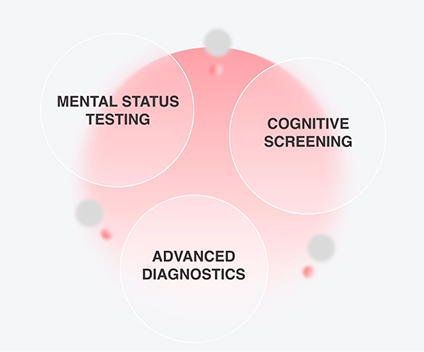
Diagnosis pathway
In Zimbabwe, Alzheimer’s diagnosis often begins at home, when families notice memory loss or behavioral changes and seek help at primary care clinics. There, clinicians conduct brief assessments and basic exams, referring complex cases to specialists. This pragmatic pathway operates within significant constraints: with just 1.6 physicians and 7.2 nurses per 10,000 people, well below the World Health Organization benchmark of 23, making the access to care limited. Resources are also unevenly distributed, with most diagnostic equipment concentrated in private facilities and major urban centres such as Harare and Bulawayo.
Peer-reviewed studies that describe the diagnostic pathway for Alzheimer’s disease specifically in Zimbabwe are not available in the published literature. However, regional studies from sub-Saharan Africa might provide an insight to understand how Alzheimer’s disease diagnosis typically occurs. In practice, the pathway to an Alzheimer’s disease diagnosis typically begins in the community, when family members or carers observe progressive memory loss, confusion, or behavioural changes in an older adult and bring these concerns to a primary-care clinic or general practitioner (GP). At primary care the usual evaluation is a focused clinical history interview, a brief cognitive assessment, and a basic physical and neurological examination. Where available, brain imaging may be used to support the clinical assessment. People with atypical features or diagnostic uncertainty are referred to hospital-based specialists for more detailed assessment and a formal diagnosis. This pragmatic and clinically driven approach is consistent with Zimbabwe’s mental-health situational assessment and guidance on integrating dementia into primary care. Namely, the country has invested substantially in its primary education system, resulting in high literacy rates and strong educational attainment. The country’s health workforce also includes a considerable number of psychiatric nurses.
However, in 2015, Zimbabwe had only 1.6 physicians and 7.2 nurses per 10,000 people, figures that are drastically below the World Health Organization (WHO)’s recommended threshold of 23 doctors and nurses per 10,000 people needed to provide essential health services. The nurse-to-population ratio further declined to 1.95 per 1,000 people by 2019. This scarcity of general medical personnel creates an immediate and formidable barrier to accessing any form of care, let alone the specialised expertise required for a dementia diagnosis.
The public system, which should serve the majority of the population, is chronically under-resourced. In contrast, the private sector, concentrated in major urban centres, caters to a small, affluent segment of society that can afford its services. This disparity is powerfully illustrated by the distribution of diagnostic technology. For example, a 2019 study of licensed radiology equipment revealed that two-thirds of all units in the country (243 out of 380) were located in private sector hospitals. A second, overlapping divide exists between urban and rural areas. The same 2019 audit found that more than half of all radiology equipment was located in the two largest cities, Harare and Bulawayo, which are home to only one-fifth of the nation’s population.
- https://www.alzint.org/u/dementia-sub-saharan-africa.pdf
- https://www.who.int/docs/default-source/mental-health/special-initiative/who-special-initiative-country-report---zimbabwe---2020.pdf
- https://www.openpublichealthjournal.com/VOLUME/16/ELOCATOR/e187494452302211/FULLTEXT/
- https://pmc.ncbi.nlm.nih.gov/articles/PMC10104335/
Wait times
The WHO situational assessment for Zimbabwe highlights severe workforce constraints, with few psychiatrists concentrated in major cities, limited capacity for diagnostics and incomplete decentralisation of mental-health services — structural features that suggest variable and often prolonged waiting times for specialist assessment and for neuroimaging in many parts of the country
Diagnosis cost
Available evidence indicates that most diagnostic expenses in Zimbabwe are borne out-of-pocket by people living with dementia and their families because public provision of specialist diagnostics is limited and health insurance coverage is sparse. Government policy for individuals over 65 exempts them from consultation fees only; people must pay for all crucial diagnostic tests.
Cognitive tests
There is no specific data on which cognitive assessment tools are available and used in clinical practice in Zimbabwe. In sub-Saharan Africa more generally, the dominant approach to initial case-finding is paper-and-pencil cognitive screening adapted for low-literacy populations. One tool that has been validated for use in Zimbabwe, though not specifically designed for Alzheimer’s disease, is the Birmingham Cognitive Screen for Zimbabwe (Zim-BCoS), which is primarily used to assess people after stroke and those living with brain injuries.
Imaging tests
As of April 2024, Zimbabwe had eleven magnetic resonance imaging (MRI) scanners, of which nine were operational. From which, eight of them were in the private sector and all were located in urban areas—seven in Harare, three in Bulawayo, and one in the Midlands Province.
Zimbabwe-specific imaging capacity is not well described in the publicly available literature.
Genetic tests
Genetic testing for apolipoprotein E (APOE) genotype is commercially available through a direct-to-consumer model. One private clinic in Harare provides a channel for genetic testing.
Biomarker tests
The analysis of biomarkers such as amyloid-β and tau protein in cerebrospinal fluid (CSF) is not available in Zimbabwe. Similarly, blood-based biomarkers, such as plasma amyloid-β and phosphorylated tau, are not available in Zimbabwe.
Cognitive Tests
Cognitive Tests
There is no specific data on which cognitive assessment tools are available and used in clinical practice in Zimbabwe. In sub-Saharan Africa more generally, the dominant approach to initial case-finding is paper-and-pencil cognitive screening adapted for low-literacy populations. One tool that has been validated for use in Zimbabwe, though not specifically designed for Alzheimer’s disease, is the Birmingham Cognitive Screen for Zimbabwe (Zim-BCoS), which is primarily used to assess people after stroke and those living with brain injuries.
Imaging Tests
Imaging Tests
As of April 2024, Zimbabwe had eleven magnetic resonance imaging (MRI) scanners, of which nine were operational. From which, eight of them were in the private sector and all were located in urban areas—seven in Harare, three in Bulawayo, and one in the Midlands Province.
Zimbabwe-specific imaging capacity is not well described in the publicly available literature.
Genetic Tests
Genetic Tests
Genetic testing for apolipoprotein E (APOE) genotype is commercially available through a direct-to-consumer model. One private clinic in Harare provides a channel for genetic testing.
Biomarker Tests
Biomarker Tests
The analysis of biomarkers such as amyloid-β and tau protein in cerebrospinal fluid (CSF) is not available in Zimbabwe. Similarly, blood-based biomarkers, such as plasma amyloid-β and phosphorylated tau, are not available in Zimbabwe.
Treatment & Care
Treatment & care
Show moreIn Zimbabwe, specialised dementia services are limited and mostly urban-based, with cognitive assessments and psychiatric care concentrated in Harare and Bulawayo. NGOs and small private providers offer day-care and home-care support, while hospices like Island Hospice provide palliative and psychosocial services. Public coverage for Alzheimer’s treatments is unclear, with private insurers offering selective plans. Caregivers receive no direct financial support, relying on NGOs such as ZARDA for guidance and training, leaving families to shoulder substantial emotional, physical, and financial burdens.
Specialized facilities and services
Zimbabwe lacks a comprehensive national network of memory clinics similar to those in high-income countries. Specialist cognitive assessments and neurology or psychiatry services are concentrated in tertiary hospitals in Harare and Bulawayo. Daycare and community centres are mostly run by NGOs and small private providers, such as Edith Duly in Bulawayo and Rangarirai Holistic Care Centre near Harare. A private home-care sector offers specialised dementia support and respite for families who can afford it. Palliative care is provided by hospices like Island Hospice, offering home-based pain management, psychosocial support, and bereavement services, with the broadest urban reach in the country.
There is no national network of memory clinics in Zimbabwe comparable to those in high-income countries. Specialist cognitive assessment and neurology or psychiatry services exist mainly at tertiary hospitals in Harare and Bulawayo.
Day care and community centres are provided mainly by non-governmental organizations (NGOs), associations, and by small private day-care and home-care providers in urban areas. For example, these include Edith Duly in Bulawayo, and Rangarirai Holistic Care Centre and Happy Homes Care Services in or near Harare. A private home-care sector has also emerged in cities, with some agencies offering in-home assistance, specialised dementia care packages, and respite services for families who can afford them.
Palliative care for people living with advanced dementia is available through established hospices and palliative networks (notably Island Hospice and the Hospice & Palliative Care Association of Zimbabwe). The organization provides a home-based care model that includes pain and symptom management, as well as psychosocial and bereavement support for both the people living with dementia and their family. Uniquely, Island Hospice has the broadest geographical presence of any specialised dementia service provider in the country, with branches in Harare, Bulawayo, Marondera, and Mutare, making it the most accessible form of specialised support, though still limited to urban centres. A medical referral from a physician is required to begin services.
Approved medication
| Generic Name | Trade Name | Used for |
|---|---|---|
| Donepezil | Aricept, Aricept ODT, Adlarity, Eranz, Memac, Alzepil, Davia, Donecept, Donep, Donepex, Donesyn, Dopezil, Yasnal, Memorit, Pezale, Redumas, Zolpezil, Namzaric* | Donepezil is indicated for the symptomatic treatment of mild to moderately severe Alzheimer’s dementia. |
| Memantine | Namenda, Namenda XR, Ebixa, Memary, Axura, Akatinol, Maruxa, Nemdatine, Namzaric* | Treatment of adult patients with moderate to severe Alzheimer’s disease. |
*Namzaric = combination of Donepezil and Memantine
Treatment cost
The government has announced efforts to improve access to “essential medicines” and raised the percentage of availability in health facilities. However, the term “essential medicines” is broadly defined, and there is no clear evidence that medicines specifically used to treat Alzheimer’s disease are included among those that are subsidised or provided free of charge.
Private insurers have premium plans that cover dementia drugs and even geriatric nursing homes.

Caregiver support
In Zimbabwe, Alzheimer’s caregivers receive no direct financial support from the government, private sector, or NGOs. Families bear the full burden, with NGOs like ZARDA providing only informational, psychosocial, and training support, leaving caregivers with significant physical, emotional, and financial strain.
In Zimbabwe, there is no direct financial support for care of people living with Alzheimer’s disease from the state, private sector, or NGOs. While the government has legislation like the Older Persons Act, it remains largely unimplemented due to a lack of funding, effectively leaving the responsibility of care to families.
Existing social welfare schemes, such as the Harmonised Social Cash Transfer, are not designed for carers; they provide minimal amounts per month to broadly defined “food-poor and labour-constrained households”.
The primary source of assistance comes from the NGO sector. Organizations like the Zimbabwe Alzheimer’s and Related Disorders Association (ZARDA) provide important informational and psychosocial services, including art therapy, carer training, support groups, and counseling.
While there is a strong cultural expectation for families to act as primary carer, they receive almost no formal support from the state, leading to immense physical, emotional, and financial costs. One study showed that care partners of people living with dementia attending psychiatry hospitals in Zimbabwe carry a substantial and frequently unrecognised load of caring for a family member.”
Policy
Policy
Show moreZimbabwe currently has no dedicated national strategy for Alzheimer’s disease, with existing policies limited to broader mental health or healthy ageing frameworks. No formal plans for a dementia-specific strategy appear imminent. Legal gaps hinder stigma reduction, as disability protections are weak, poorly implemented, and little known among the public. Cultural beliefs further compound challenges, with dementia often interpreted as witchcraft, evil spirits, or curses, leaving particularly older women vulnerable to neglect, abuse, and social exclusion. These intertwined legal and cultural barriers underscore the urgent need for a coordinated, well-resourced national response to Alzheimer’s and dementia care.
National dementia plan
There is no publicly known national strategy specifically for Alzheimer’s disease in Zimbabwe beyond more general mental health or healthy ageing strategic plans.
Upcoming plans
There is no evidence that a dedicated or dementia-specific national strategy is formally scheduled or about to be adopted.
Policy gaps
Legal barriers
A key barrier to reducing stigma for people with Alzheimer’s in Zimbabwe is the absence of a national dementia plan. Existing disability laws offer limited protection, with weak implementation, low public awareness, and substantial policy gaps.
A major legal and institutional barrier to reducing stigma towards people with burden in Zimbabwe is the absence of a national dementia or Alzheimer’s disease plan. Unlike many countries that have dedicated dementia strategies, Zimbabwe has no government-endorsed policy framework or action plan outlining standards for diagnosis, care, and public education. Zimbabwe has legal and policy frameworks that nominally protect people living with disabilities, but implementation is weak and many aspects are unspecified for Alzheimer’s disease. One study showed that there is insufficient enforcement of laws, lack of awareness of rights among people, and gaps in policy implementation are substantial.
Cultural barriers
The stigma surrounding Alzheimer’s disease is expressed through the cultural and social fabric of Zimbabwe, where biomedical explanations for the disease are often superseded by supernatural ones. One belief is that dementia is the result of witchcraft (kuroyiwa), evil spirits, or a curse. This interpretation can lead to the person living with dementia being accused of being a witch, resulting in neglect, violence, and community ostracism, with older women being particularly vulnerable.
Research
Research
Show moreZimbabwe is advancing research on ageing and cognitive health through two key initiatives. The KOSHESAI study supports adults 65+ with community-based health checks, peer groups, and tailored care plans to promote functional independence. Meanwhile, the ZEST study explores links between memory problems, stroke, and seizures in older populations, generating insights to guide future dementia care policies and national strategies. Together, these projects aim to strengthen evidence-based approaches, improve quality of life, and inform the development of targeted interventions for neurodegenerative and age-related conditions across urban and rural settings.
Selected academic institutions
Clinical trials and registries
The regulatory authority for all clinical trials in Zimbabwe is the Medicines Control Authority of Zimbabwe (MCAZ).
There are currently no active Alzheimer’s disease clinical trial networks in Zimbabwe, although the Pan African Clinical Trials Registry serves as the primary regional database for all clinical trials conducted across Africa.

Selected innovative methods
The KOSHESAI study in Zimbabwe promotes healthy ageing for adults 65+, using community check-ups, peer support, and personalised care plans. The ZEST study investigates memory issues, stroke, and seizures, aiming to inform future care guidelines and national policy.
The KOSHESAI study is an ongoing research project in Zimbabwe aimed at developing a framework for managing chronic disorders that impact the functional ability of older adults. The study involves community-based health check-ups, peer support groups, and personalised care plans to promote healthy ageing among individuals aged 65 and above in both urban and rural settings.
Zimbabwean Epilepsy Stroke and demenTia (ZEST) study is a pioneering research project designed to investigate the interconnections between memory problems, stroke, and seizures in older African populations. Its goal is to gain deep insights into the lived experiences and risk factors of these conditions to help shape future care guidelines and national policy.
Support
Support
Show moreIn Zimbabwe, dementia awareness initiatives are emerging, with BonVie Medical Aid highlighting a projected rise in cases by 2050 and advocating for early diagnosis and education. The Friendship Bench program enhances community support, training “grandmothers” to provide structured mental health assistance. Currently, there are no media outlets dedicated solely to Alzheimer’s disease or dementia.
Selected national associations, patient family associations, NGOs:
Selected initiatives
BonVie Medical Aid: organization that warns of rising dementia cases in Zimbabwe by 2050, stressing early diagnosis and awareness. The Friendship Bench program complements care, using trained community “grandmothers” to deliver structured mental health support.
BonVie Medical Aid Society
Dedicated media outlets
There are no dedicated media outlets exclusively for Alzheimer’s disease or dementia in Zimbabwe.